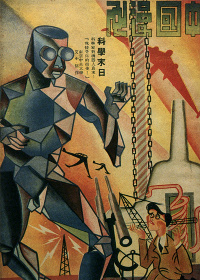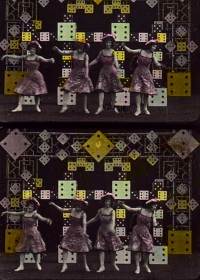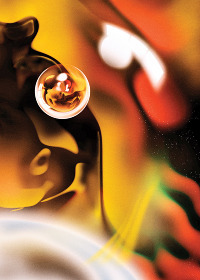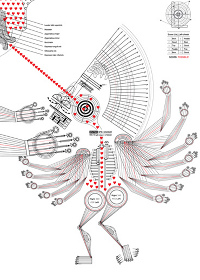

The Sign Language of German Romanticism
(Find me at Bookers Buzz Books.)
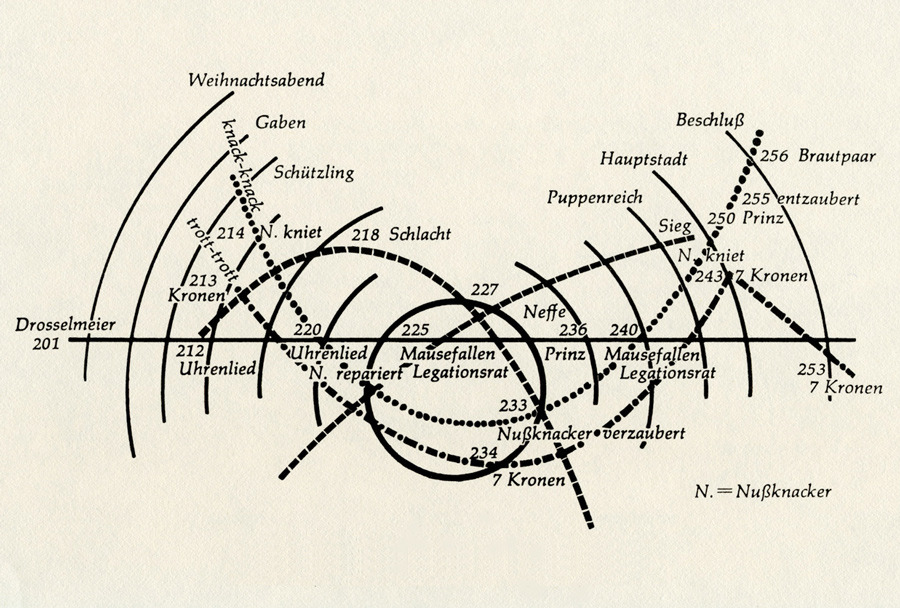
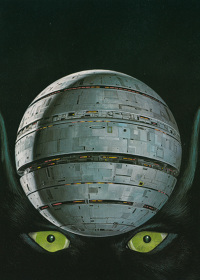
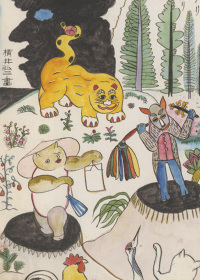
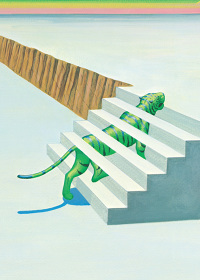
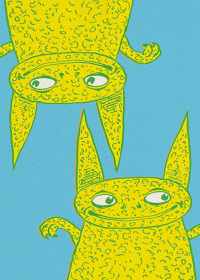
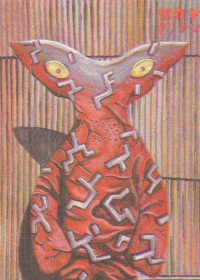
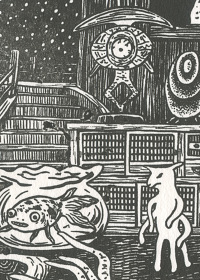
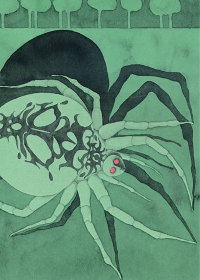
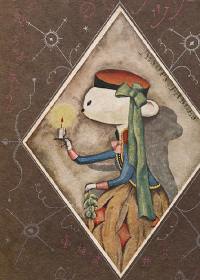
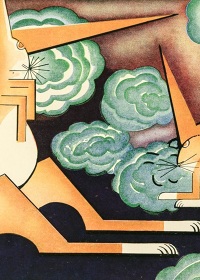
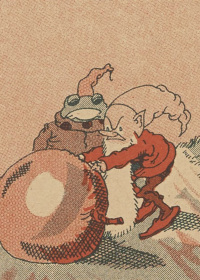
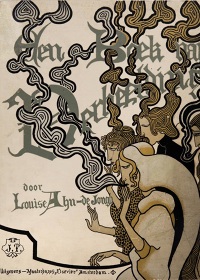
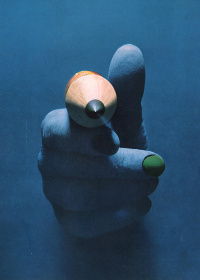
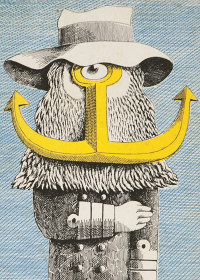
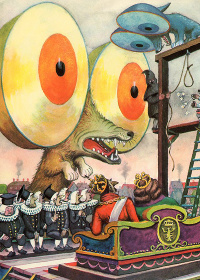
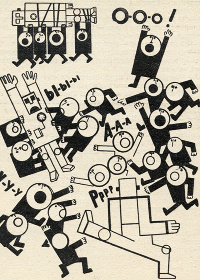
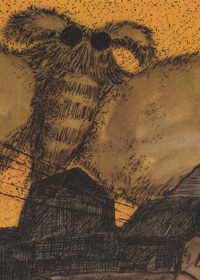
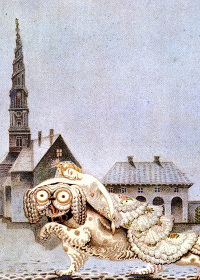
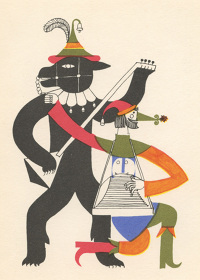
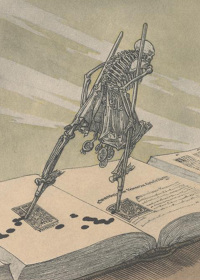
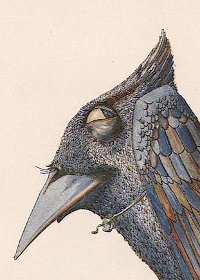
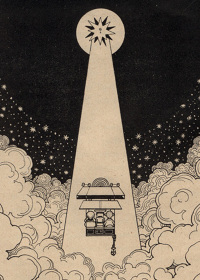
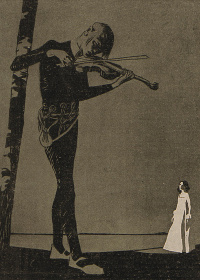
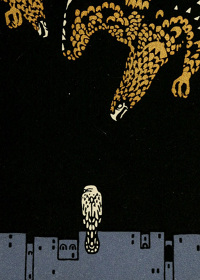
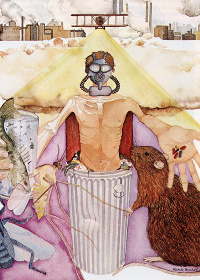
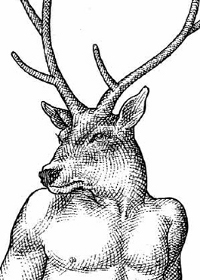
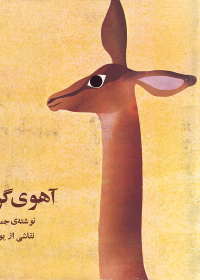
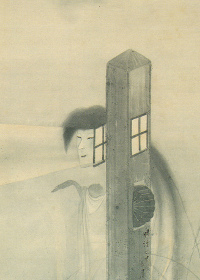
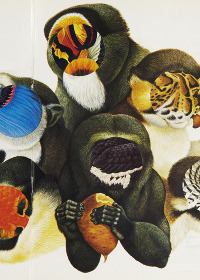
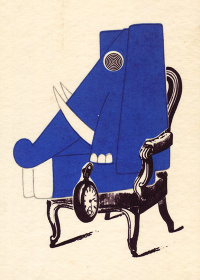
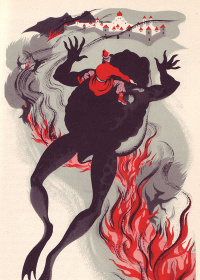
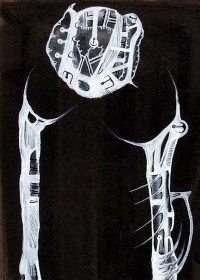
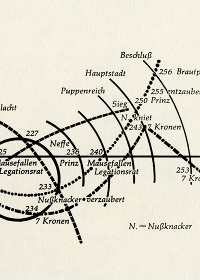
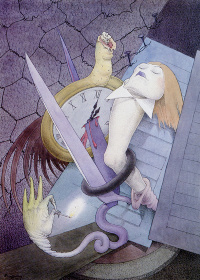
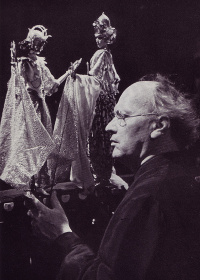
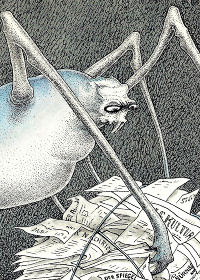
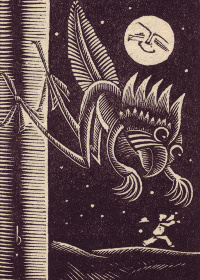
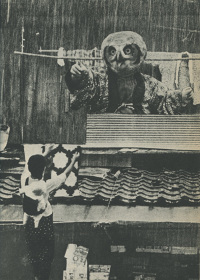
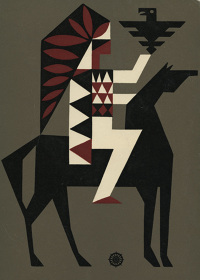
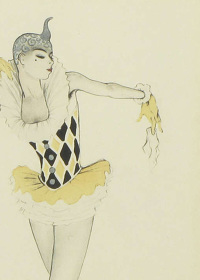
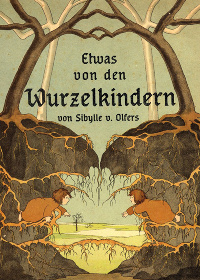
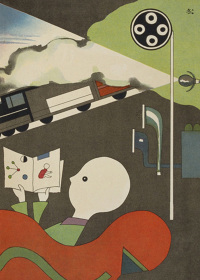
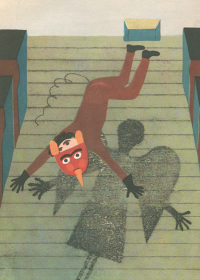
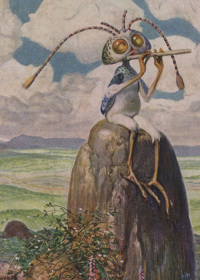
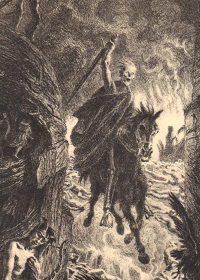
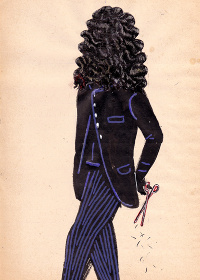
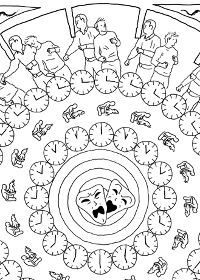
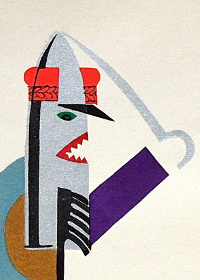
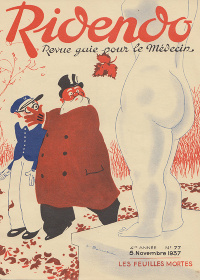
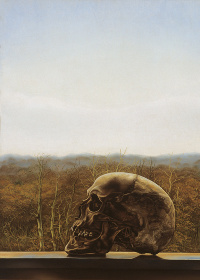
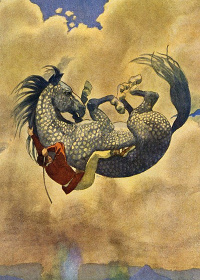
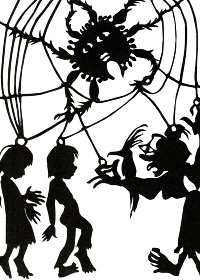
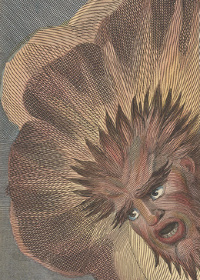
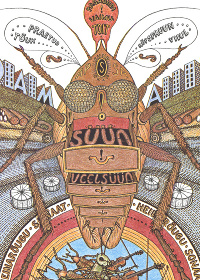
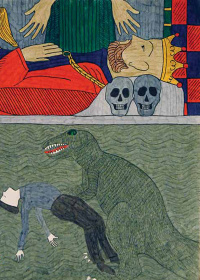
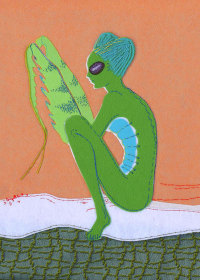
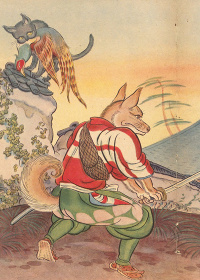
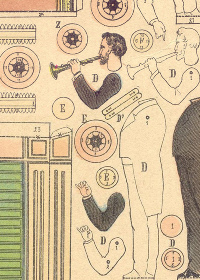
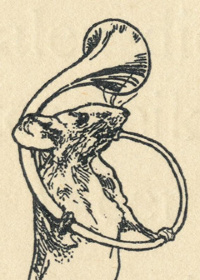
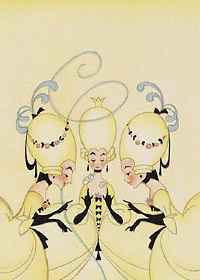
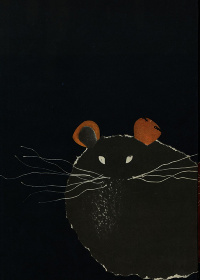
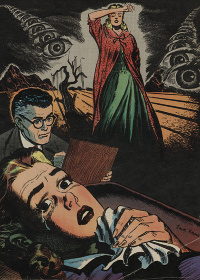
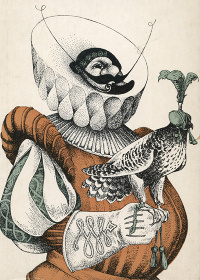
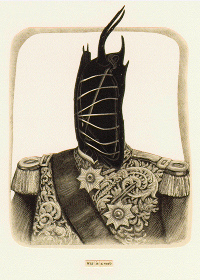
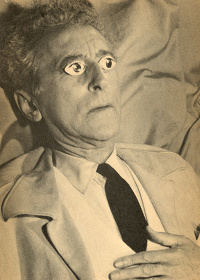
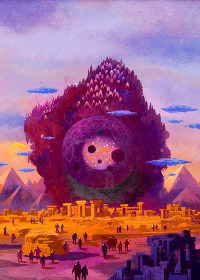
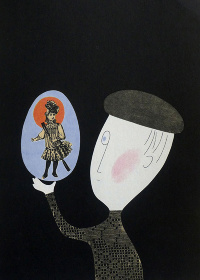
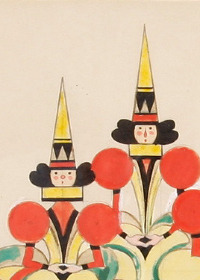
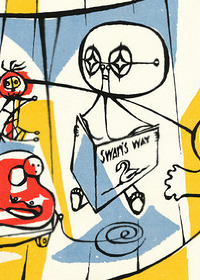
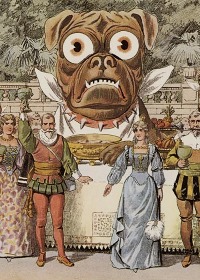
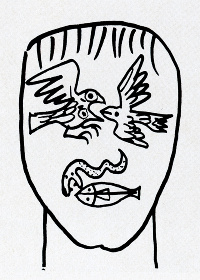
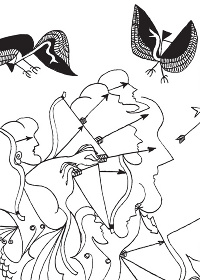
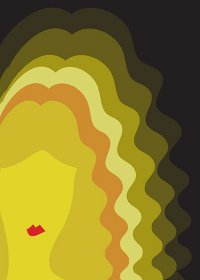
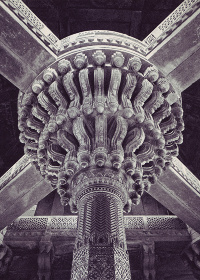
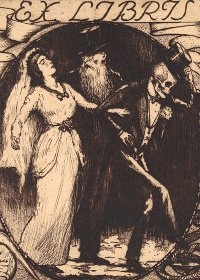
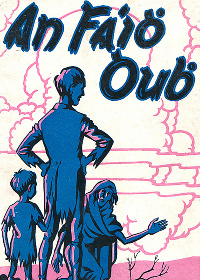
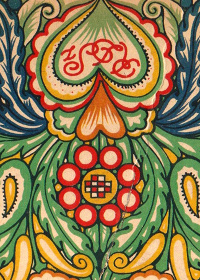
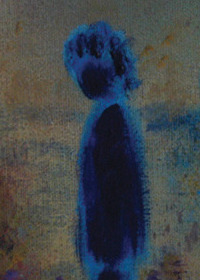
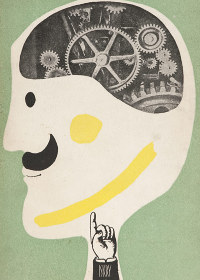
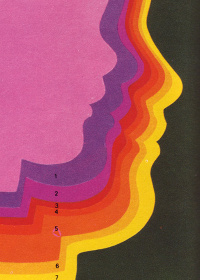
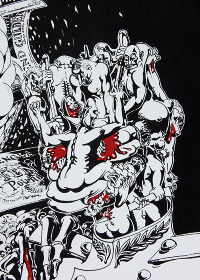
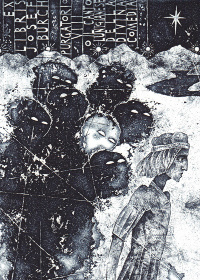
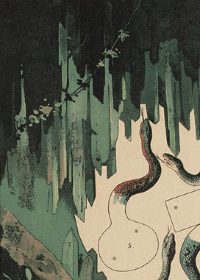
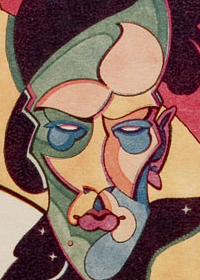
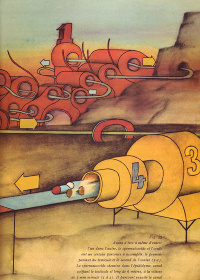
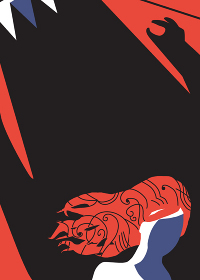
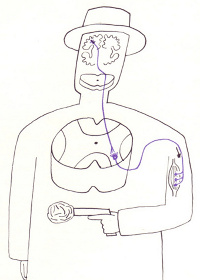
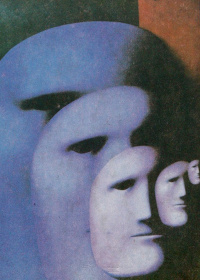
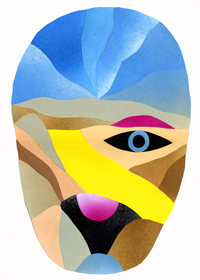
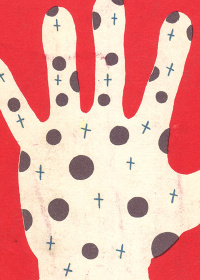
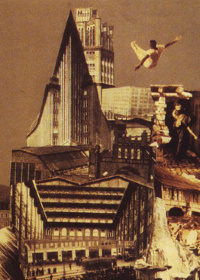
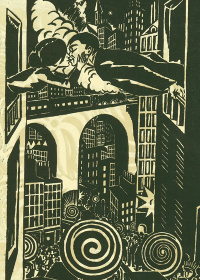
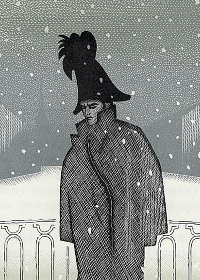
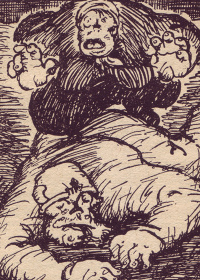
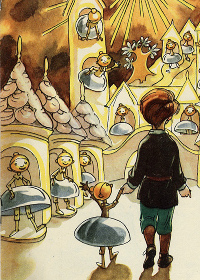
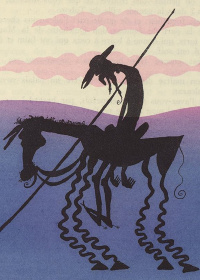
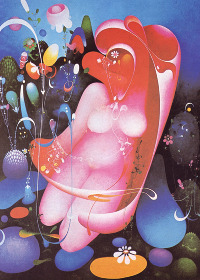
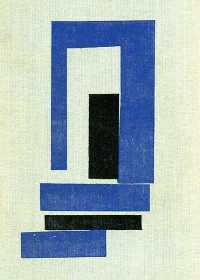
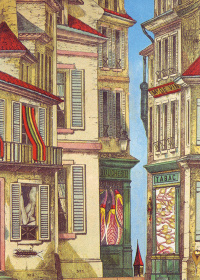
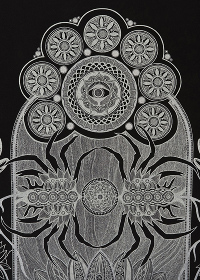
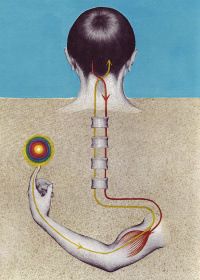
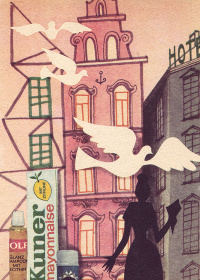
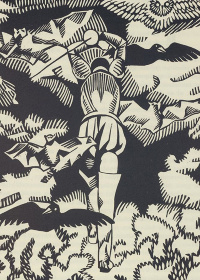
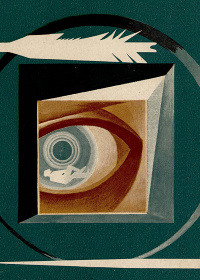
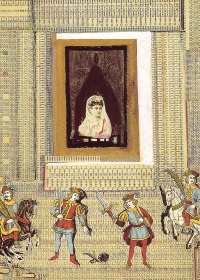
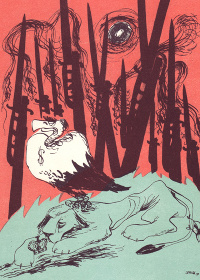
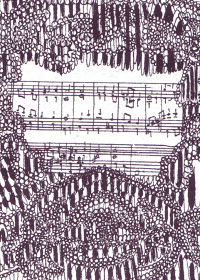
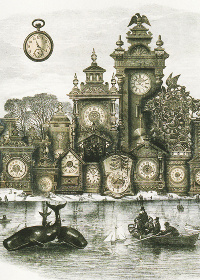
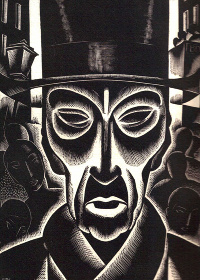
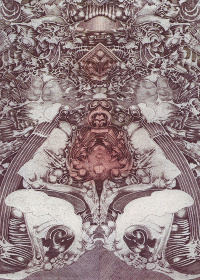
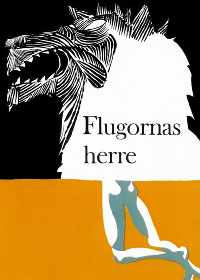
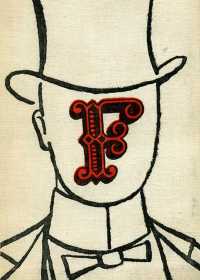
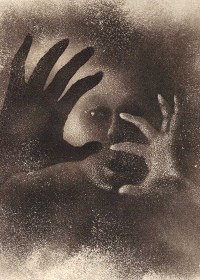
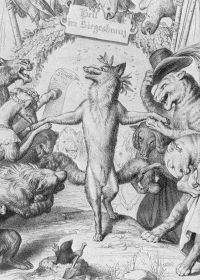
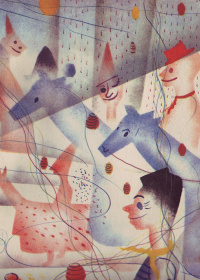
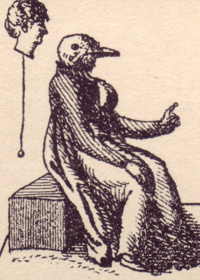
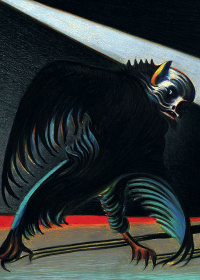
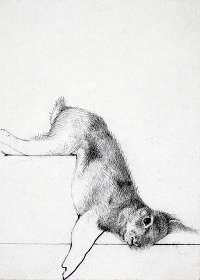
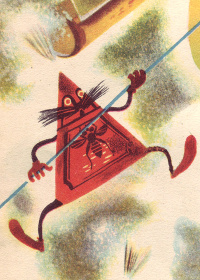
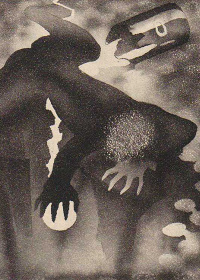
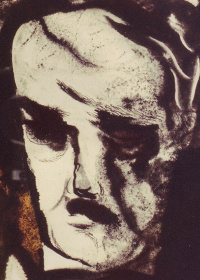
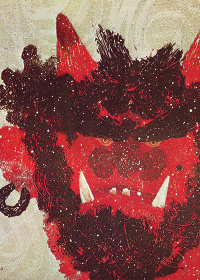
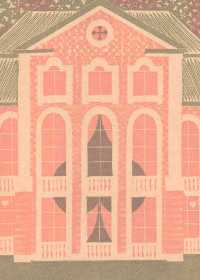
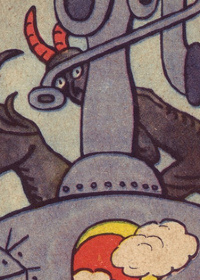
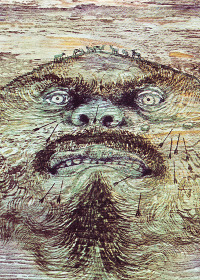
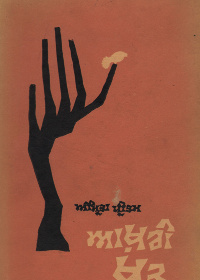
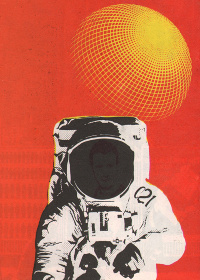
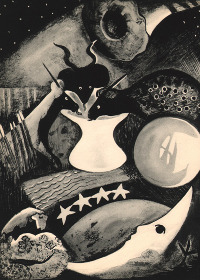
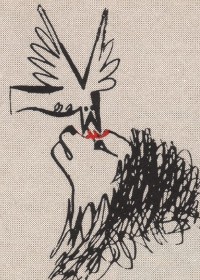
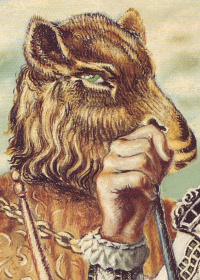
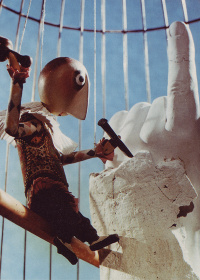
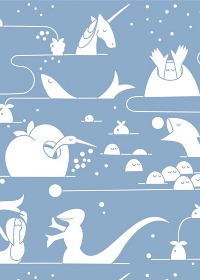
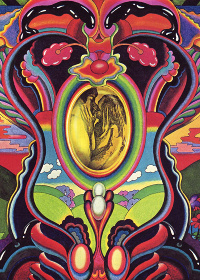
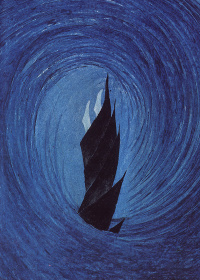
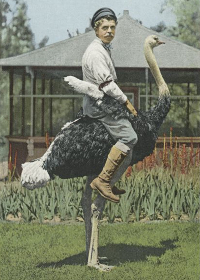
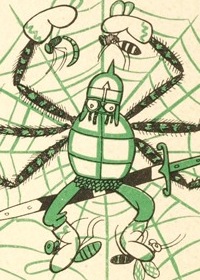
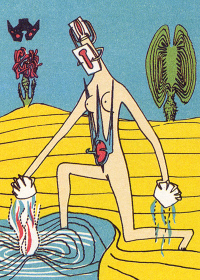
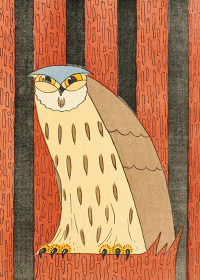
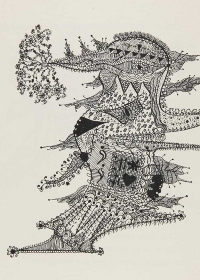
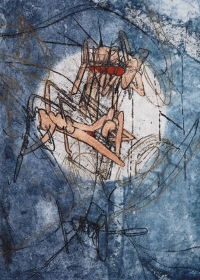
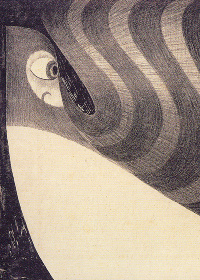
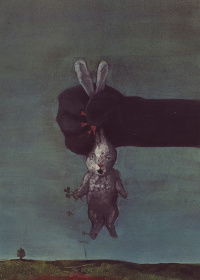
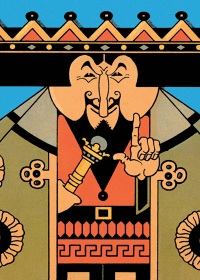
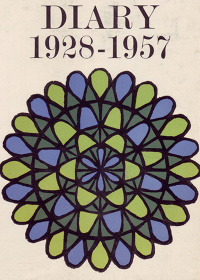
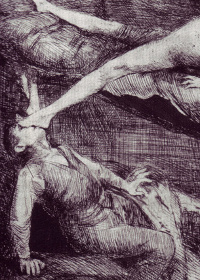
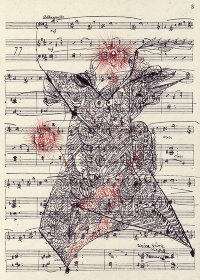
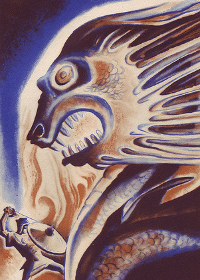
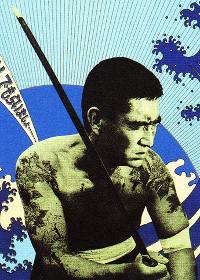
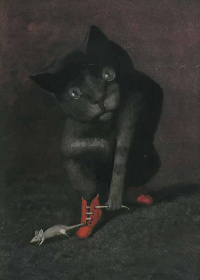
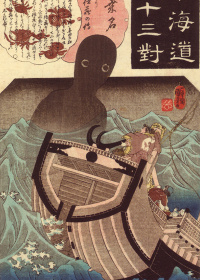
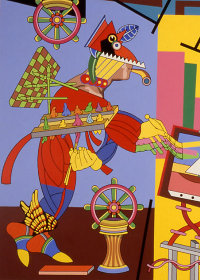
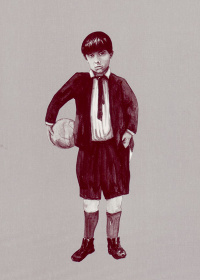
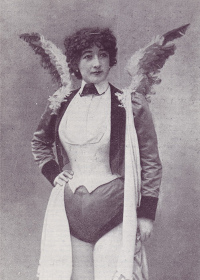
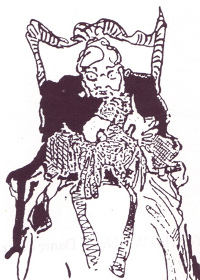
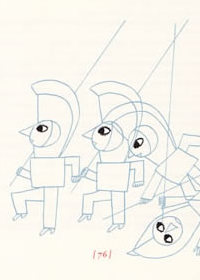
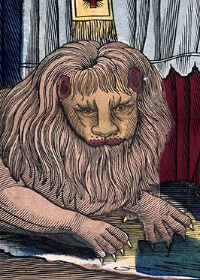
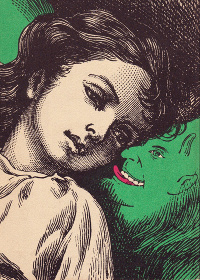
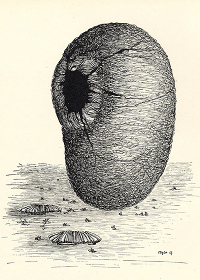
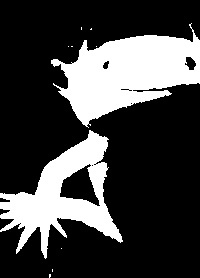
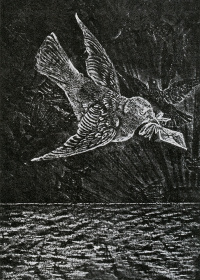
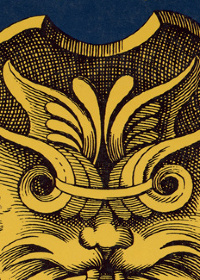
Figure 10. Hoffmann, Nussknacker und Mausekonig (Nutcracker and Mouse King, 1819)
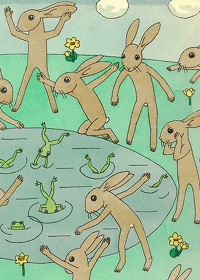
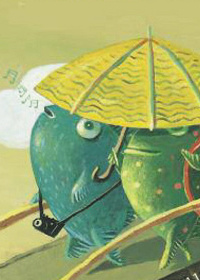
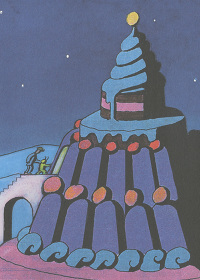
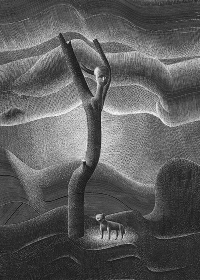
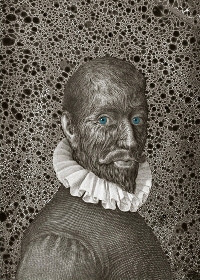
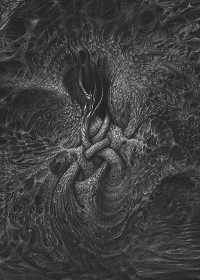
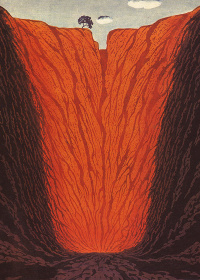
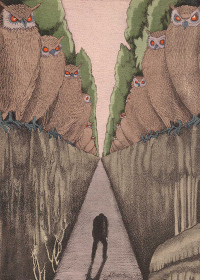
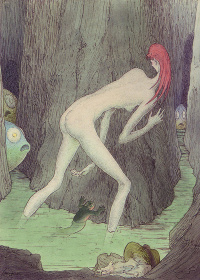
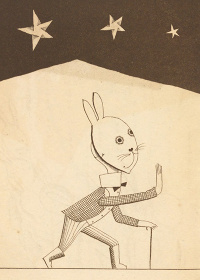
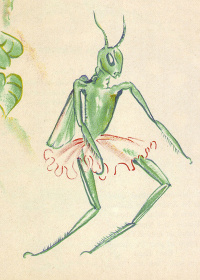
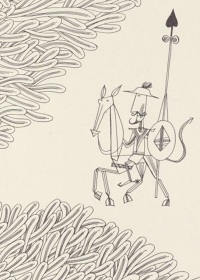
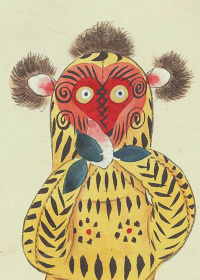
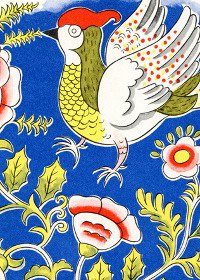
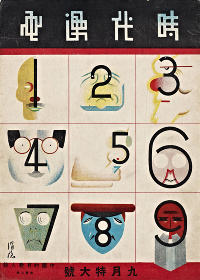
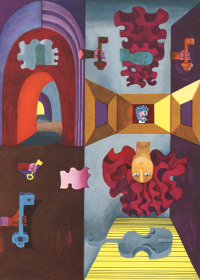
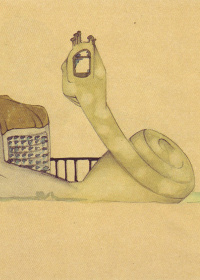
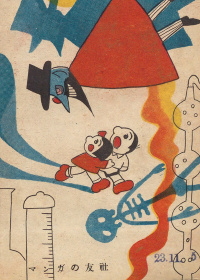
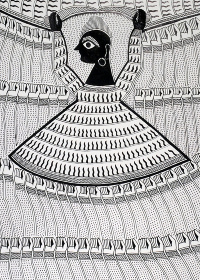
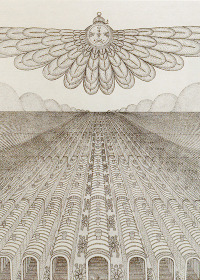
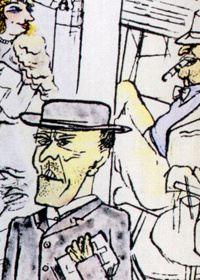
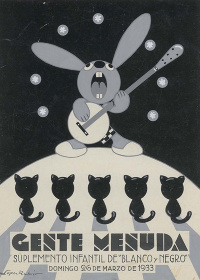
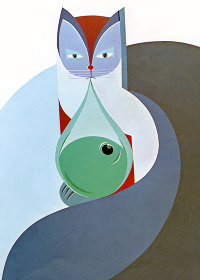
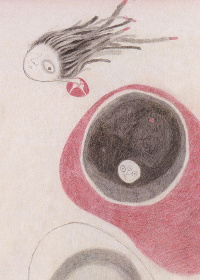
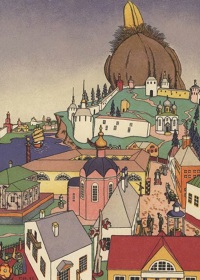
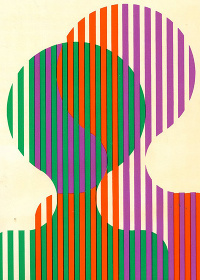
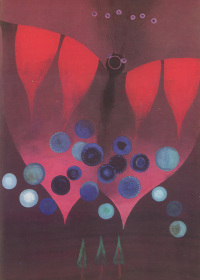
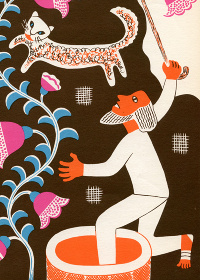
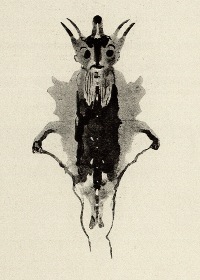
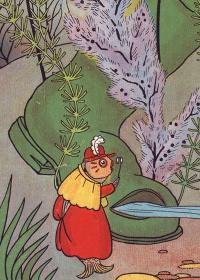
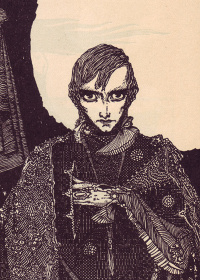
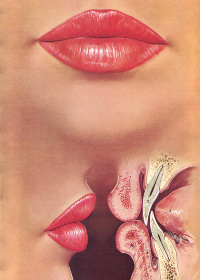
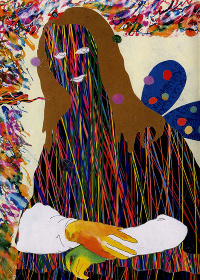
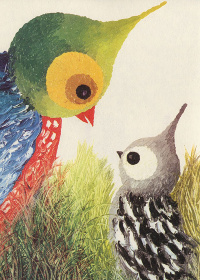
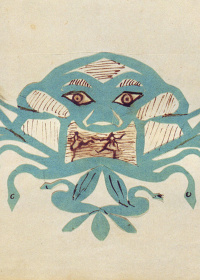
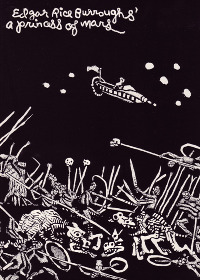
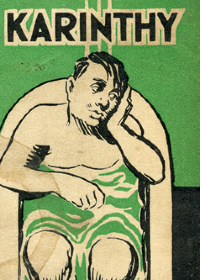
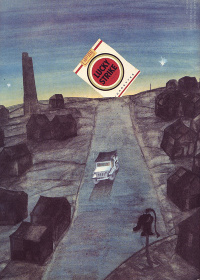
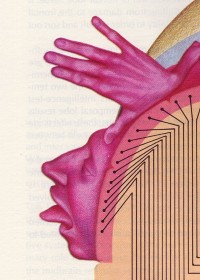
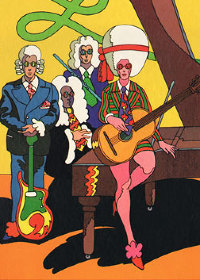
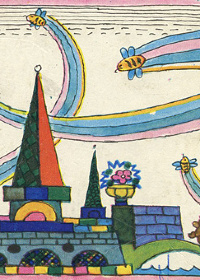
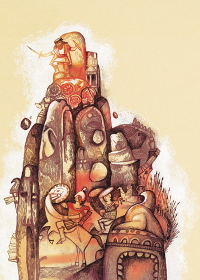
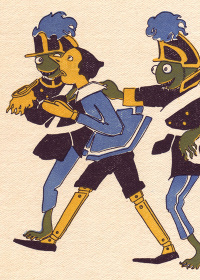
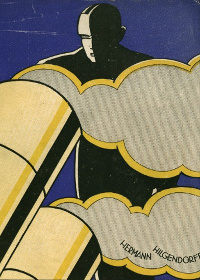
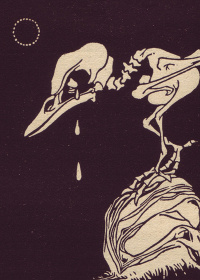
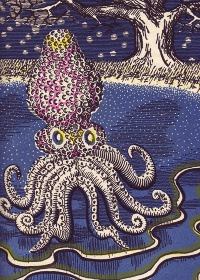
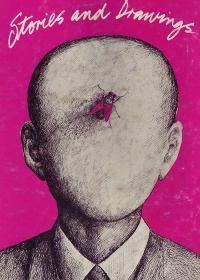
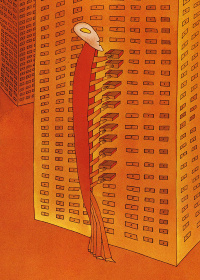
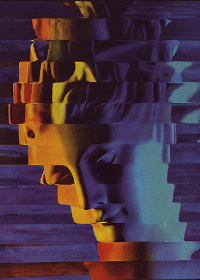
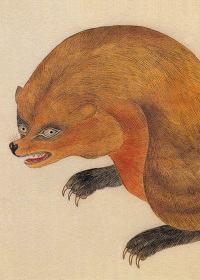
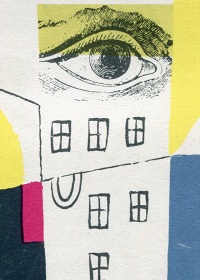
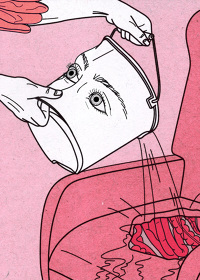
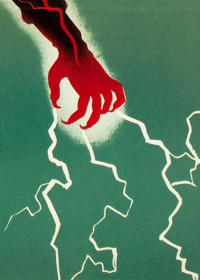
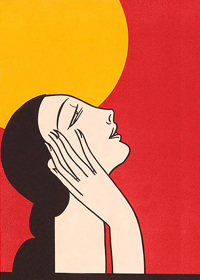
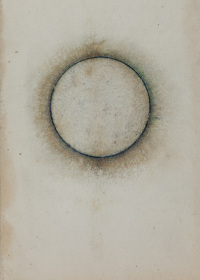
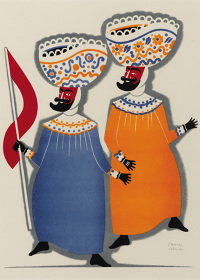
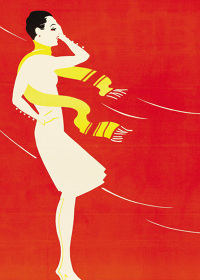
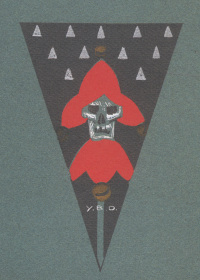
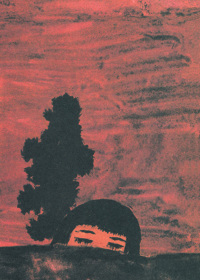
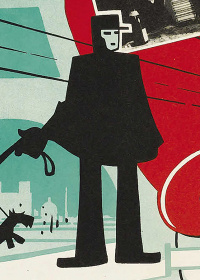
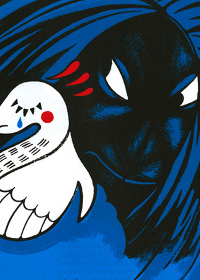
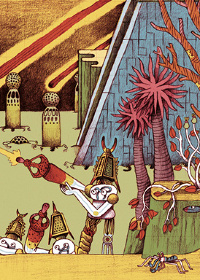
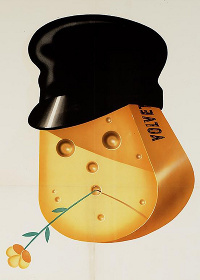
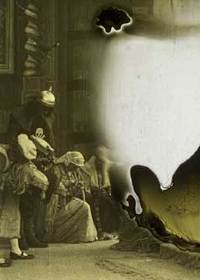
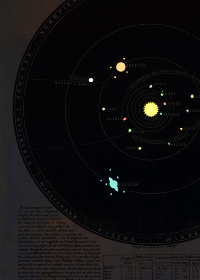
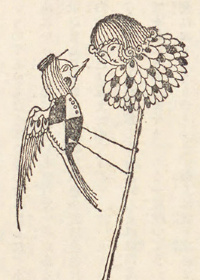
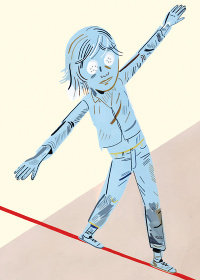
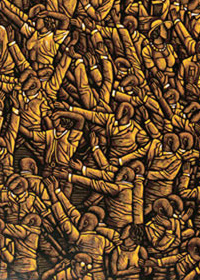
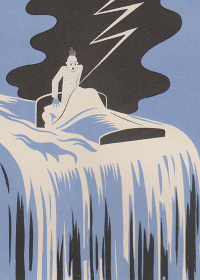
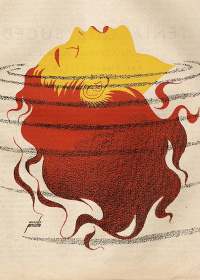
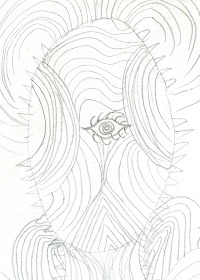
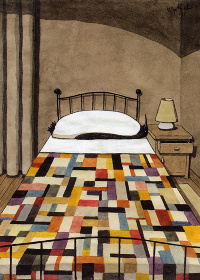
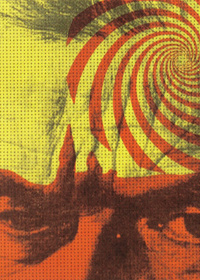
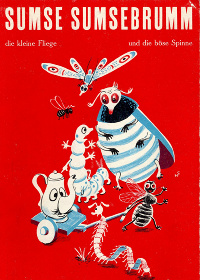
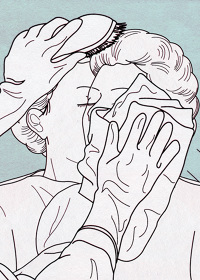
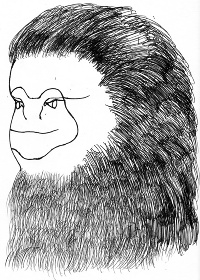
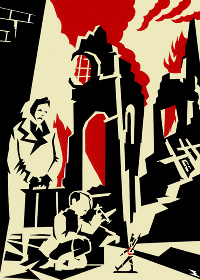
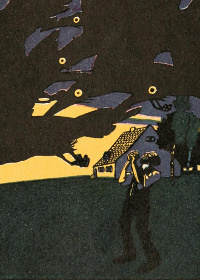
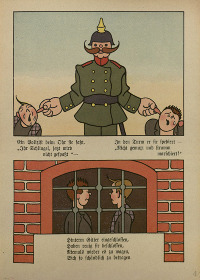
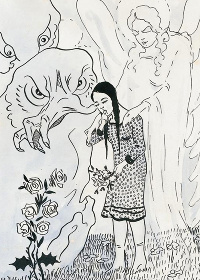
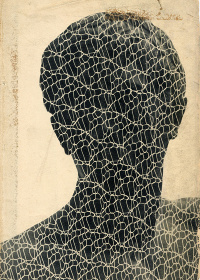
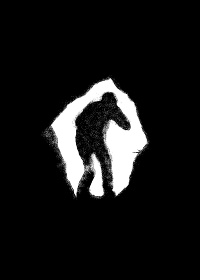
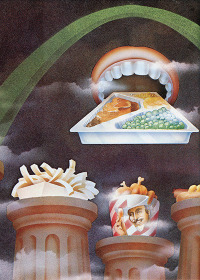
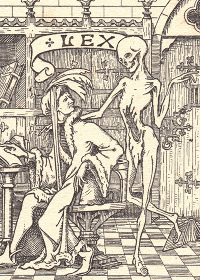
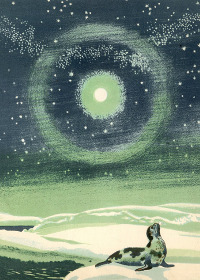
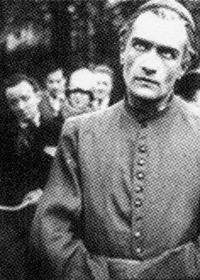
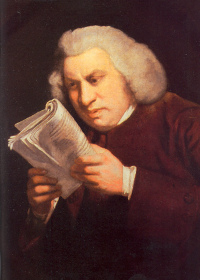
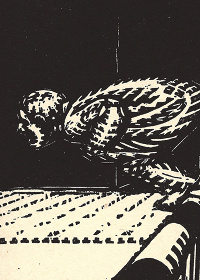
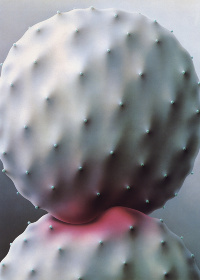
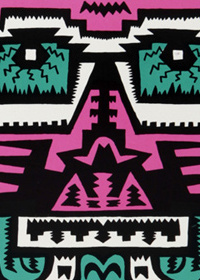
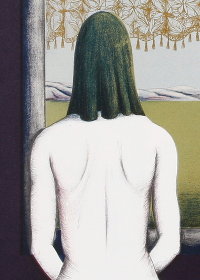
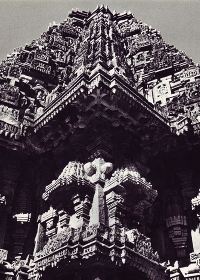
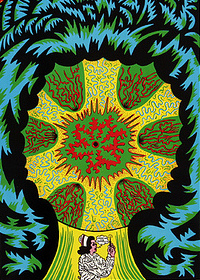
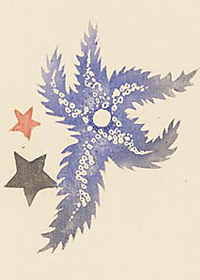
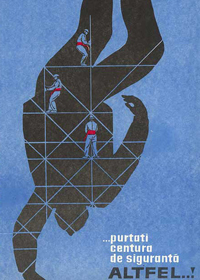
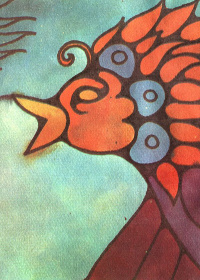
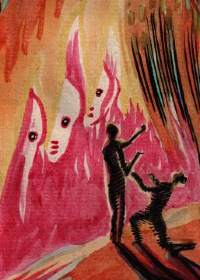
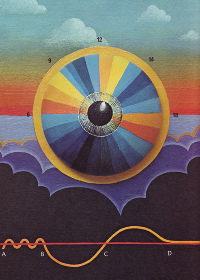
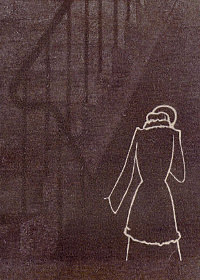
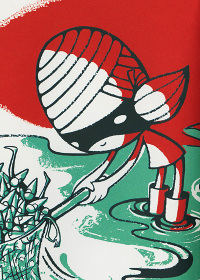
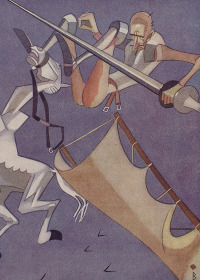
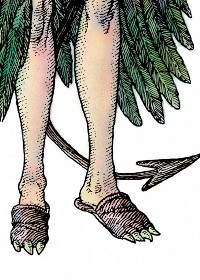
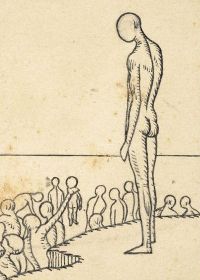
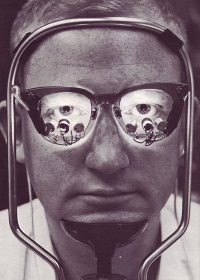
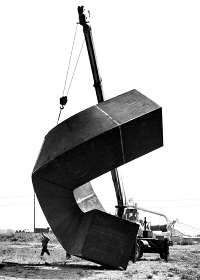
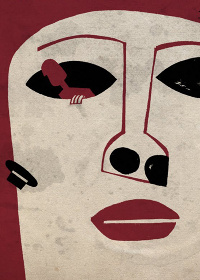
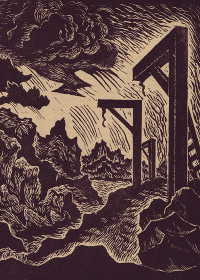
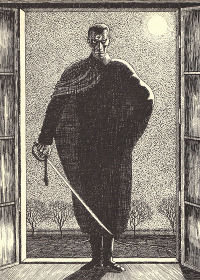
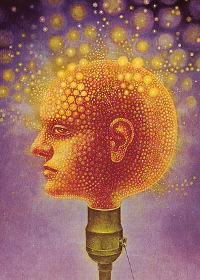
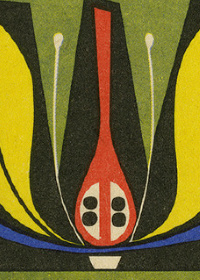
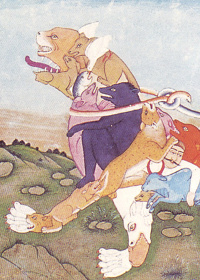
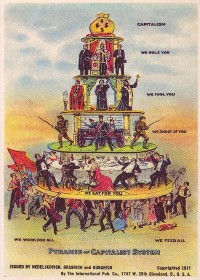
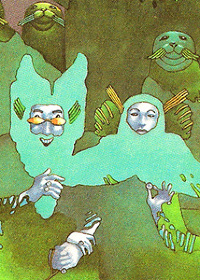
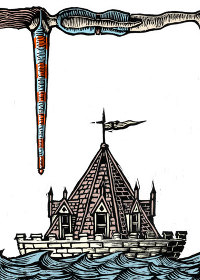
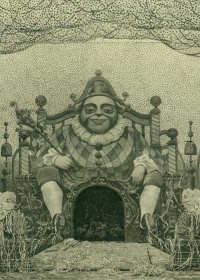
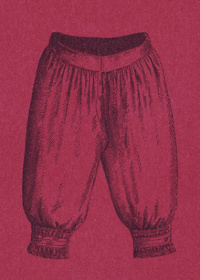
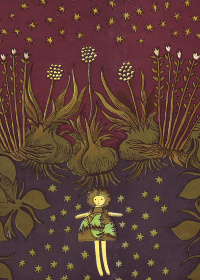
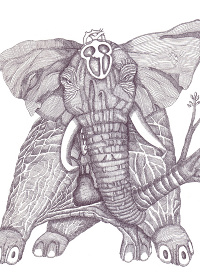
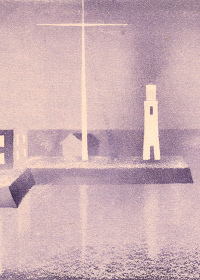
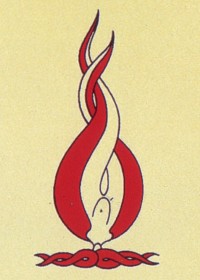
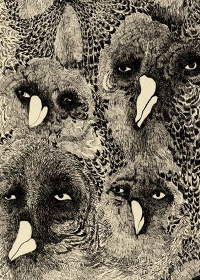
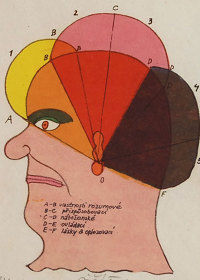
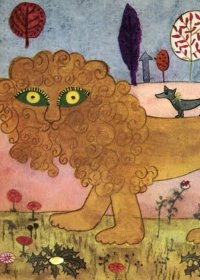
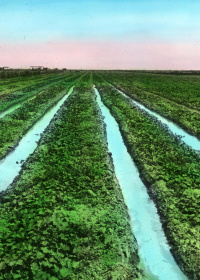
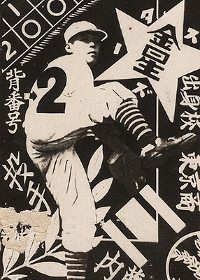
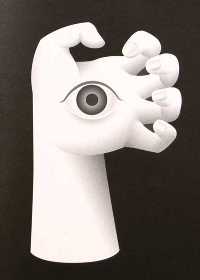
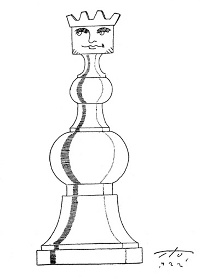
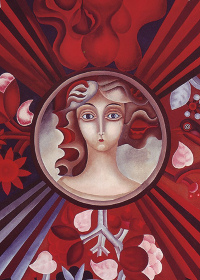
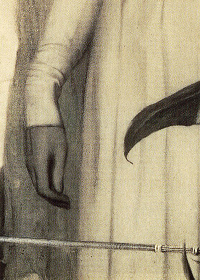
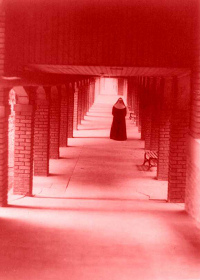
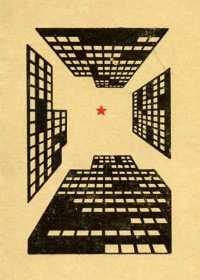
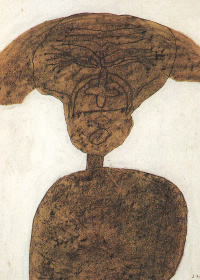
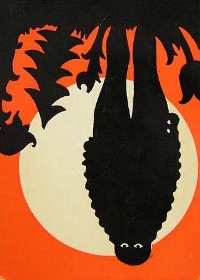
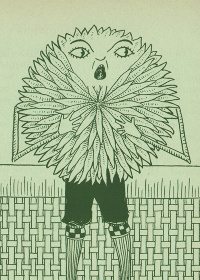
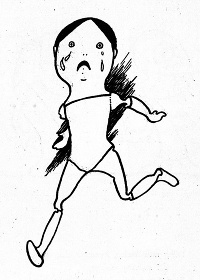
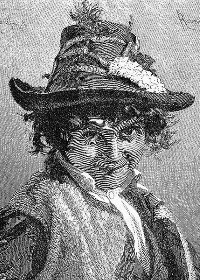
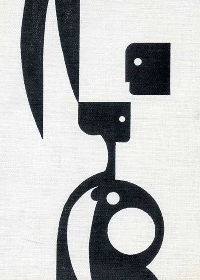
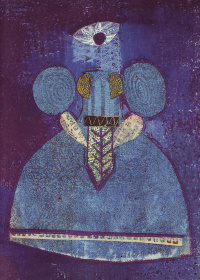
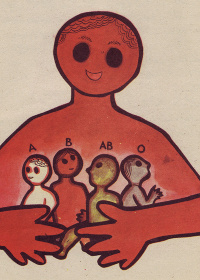
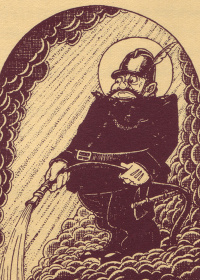
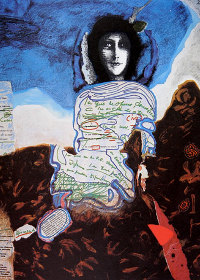
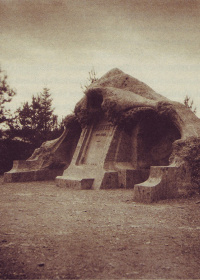
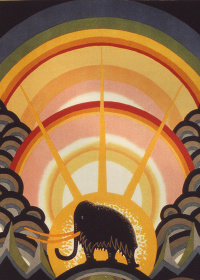
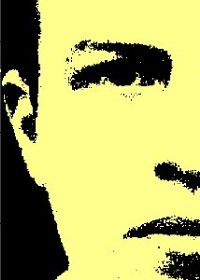
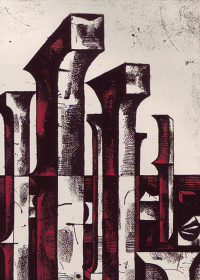
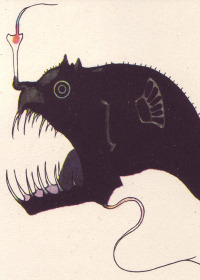
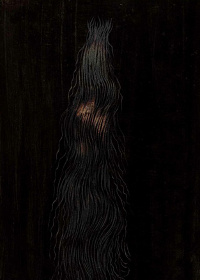
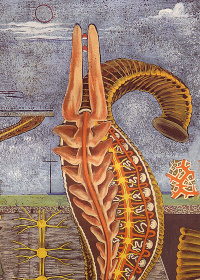
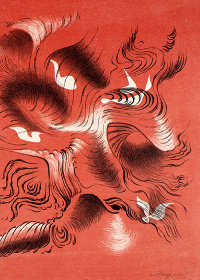
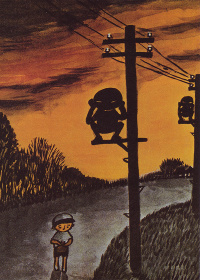
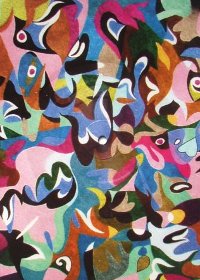
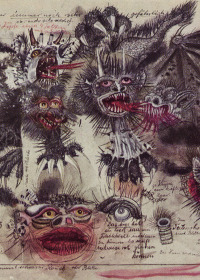
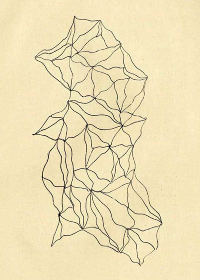
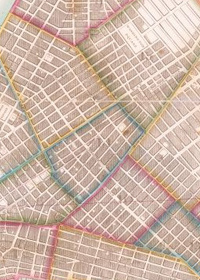
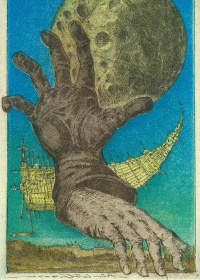
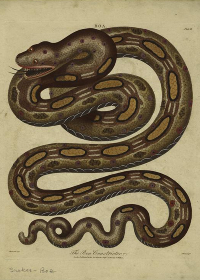
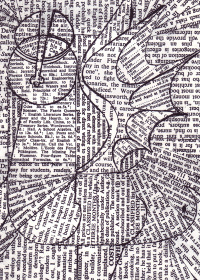
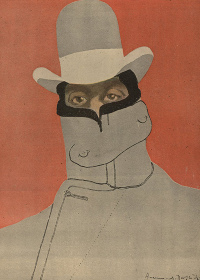
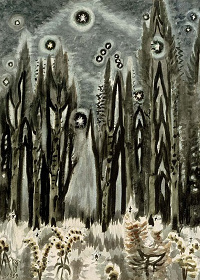
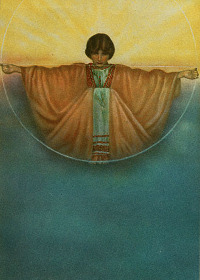
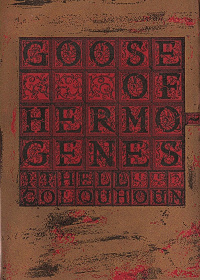
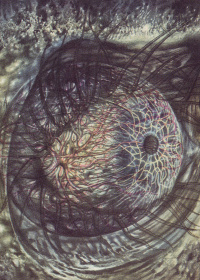
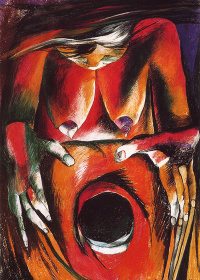
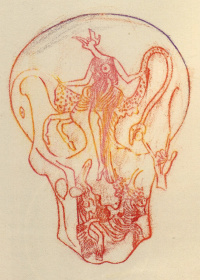
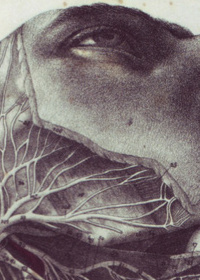
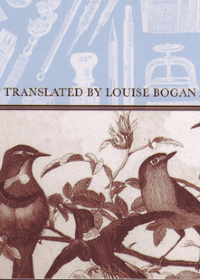
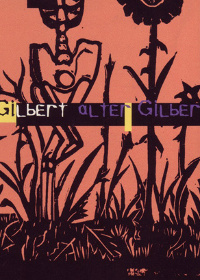
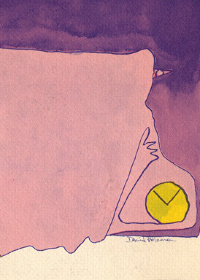
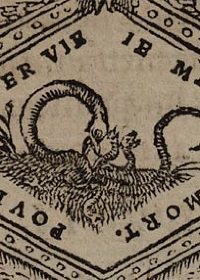
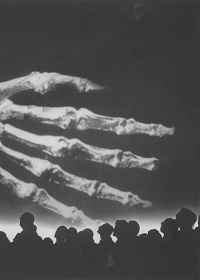
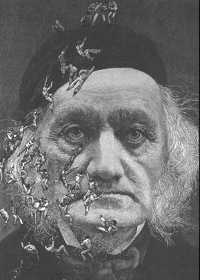
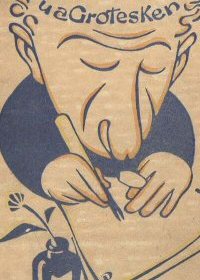
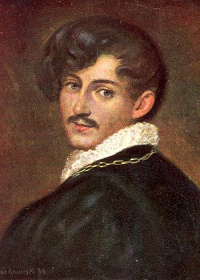
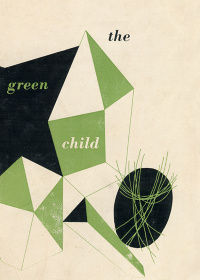
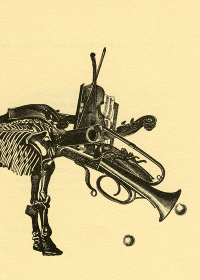
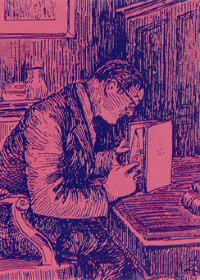
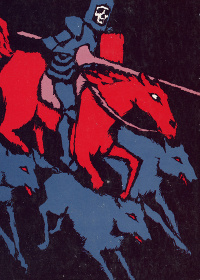
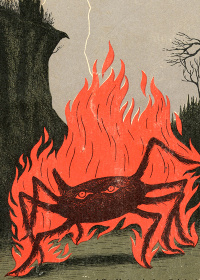
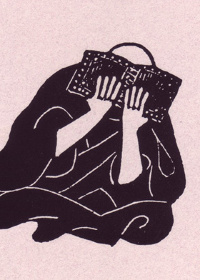
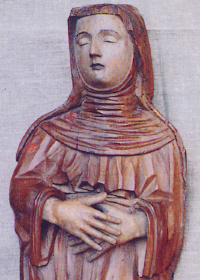
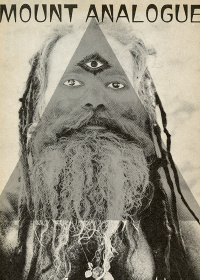
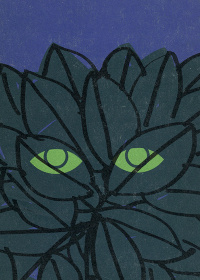
These figures come from Marianne Thalmann's Literary Sign Language of German Romanticism (1967, trans. Harold A. Basilius, 1972). I found the book when searching for Thalmann's Romantic Fairy Tale: The Seeds of Surrealism (1964; where have you been all my life).
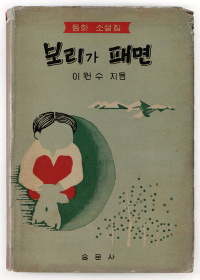
A quote from the book itself on the back cover:
The literary sign language of the romantics derives from an urban stratum in which literary artists, painters, and critics have isolated themselves from the philistines... Copying organic vitality, an act which presupposes a relationship of trust in reality, no longer suffices... The urbanite translates nature's arbitrariness into the signs of a fabricated world. He discovers nature as something to be imagined... The professionalism of the artist is evident in the word "make"; he makes rather than copies reality... What is linguistic reality? How is it constructed?... The literary artist has at his disposal words... they are the literary signs which reconstitute visible objects from his mental images... With this technique we face not only a single reality but a multitude of realities which we encounter ironically and grotesquely in the mirror of our imagination
I haven't yet researched Thalmann, but here's a short bio: Ph. D. from the University of Vienna (in what?). Taught (German Lit?) at Wellesley College from 1933 to 1953. This puts her in Vienna as a grad student in the late 20s/early 30s.
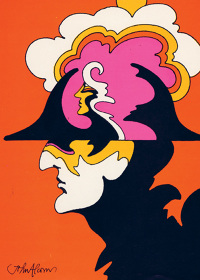
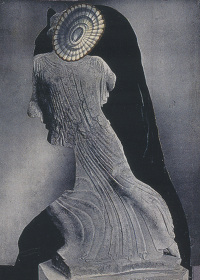
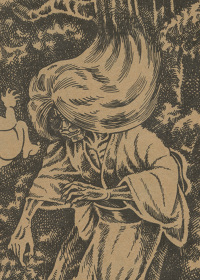
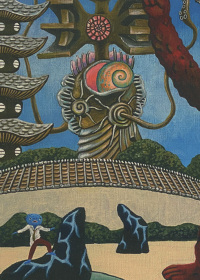
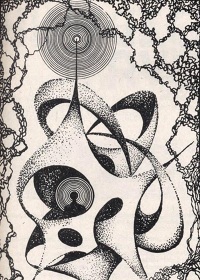
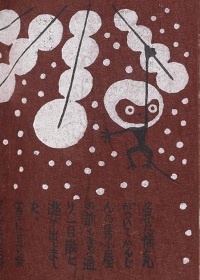
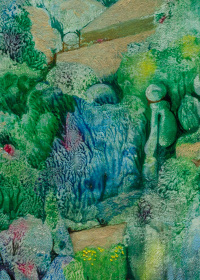
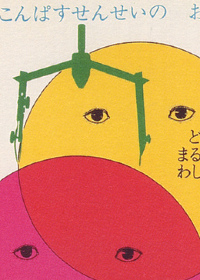
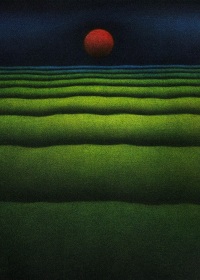
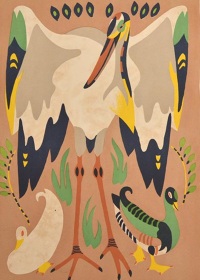
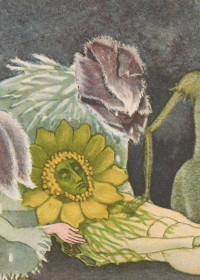
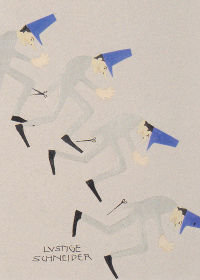
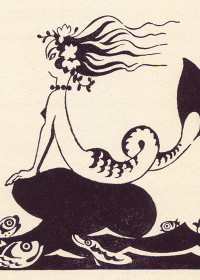
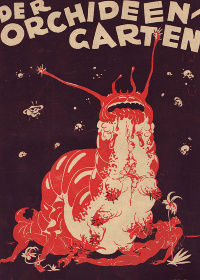
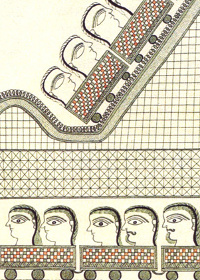
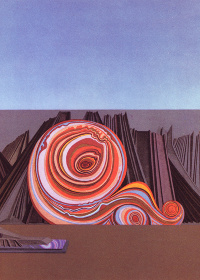
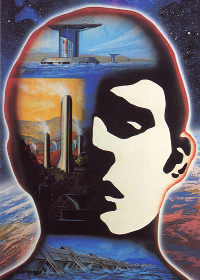
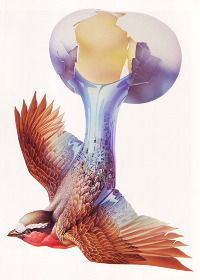
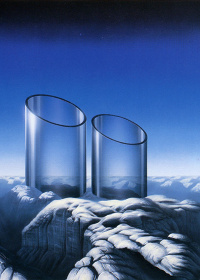
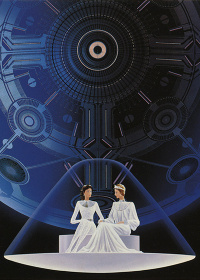
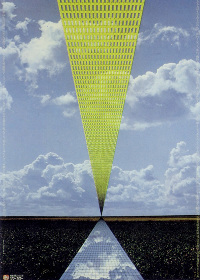
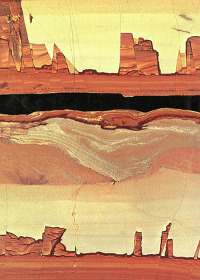
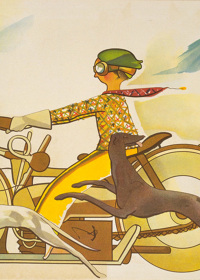
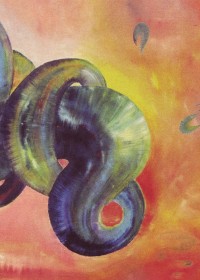
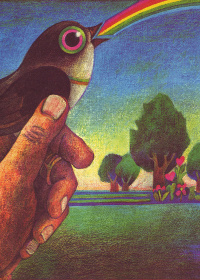
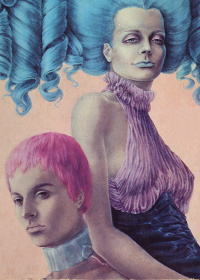
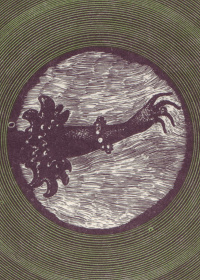
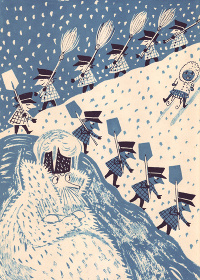
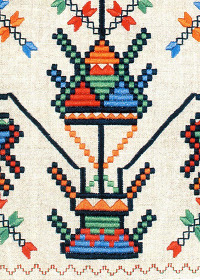
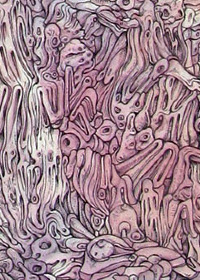
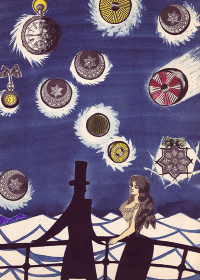
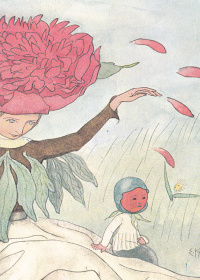
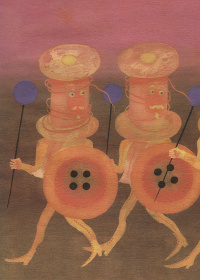
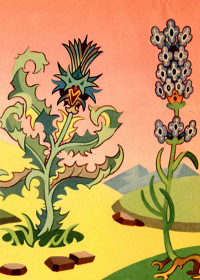
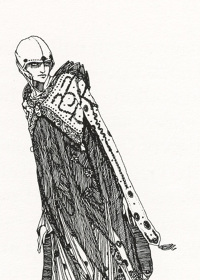
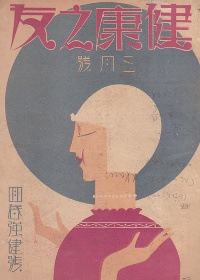
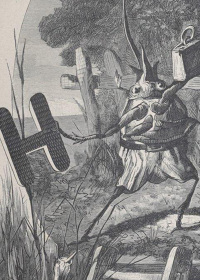
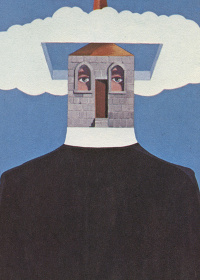
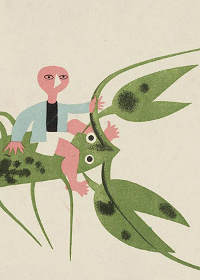
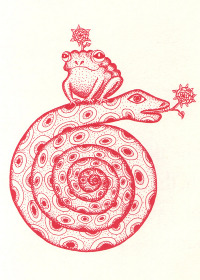
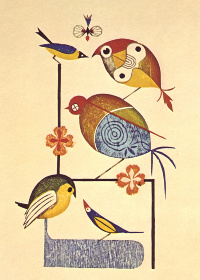
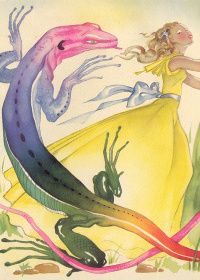
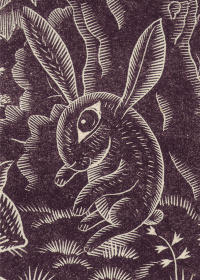
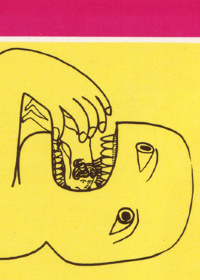
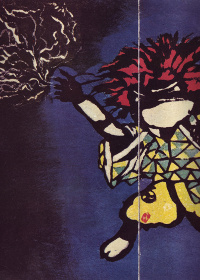
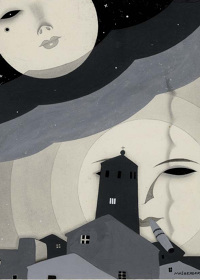
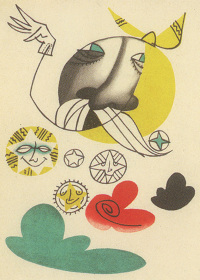
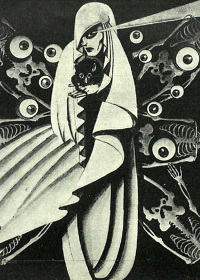
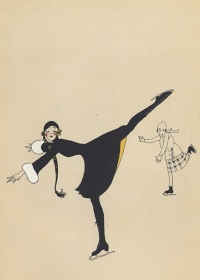
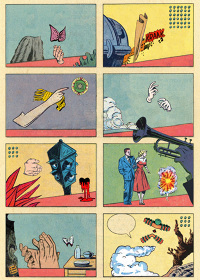
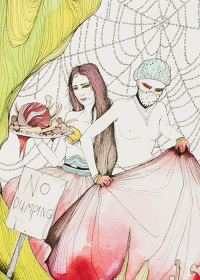
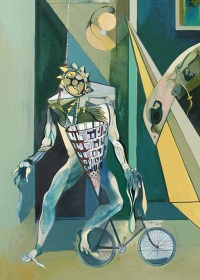
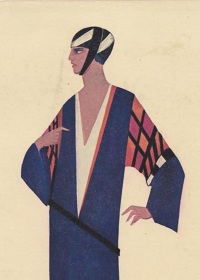
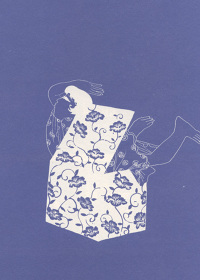
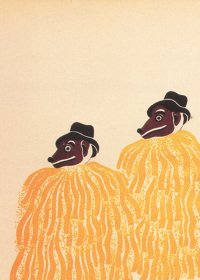
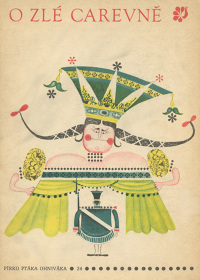
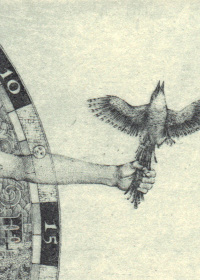
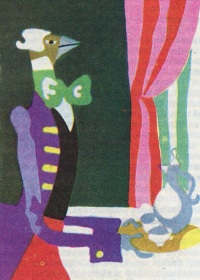
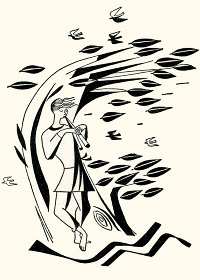
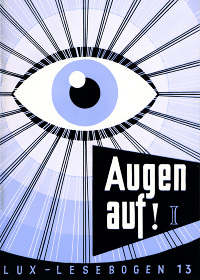
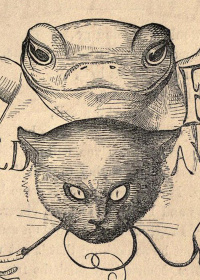
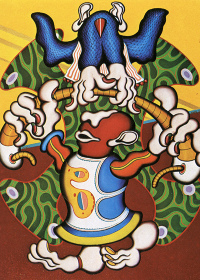
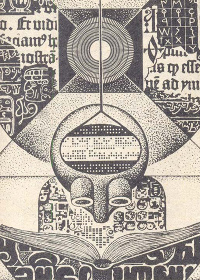
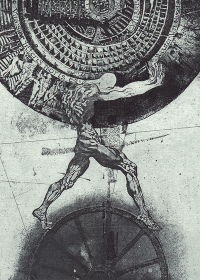
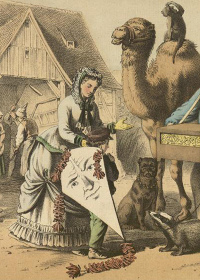
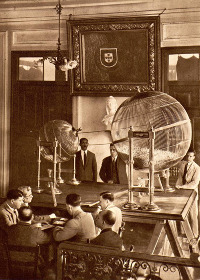
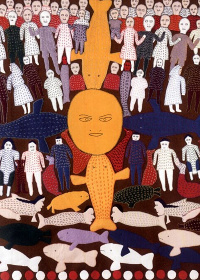
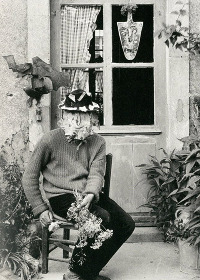
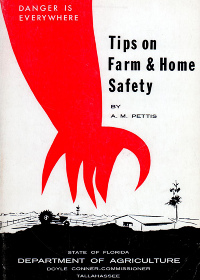
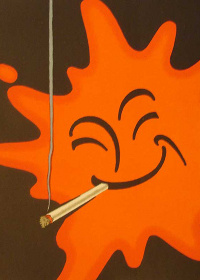
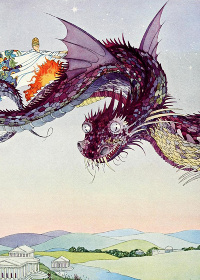
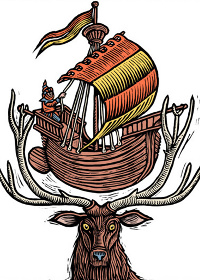
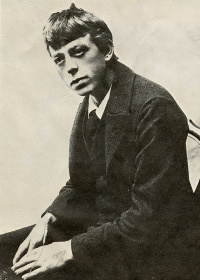
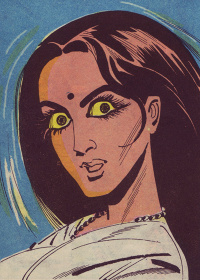
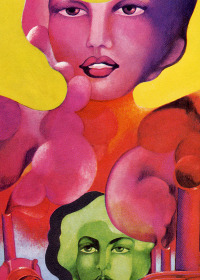
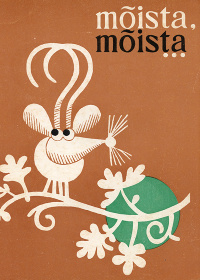
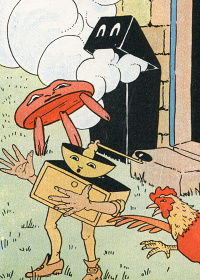
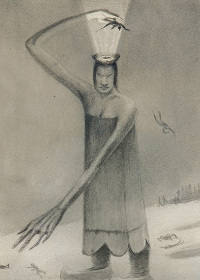
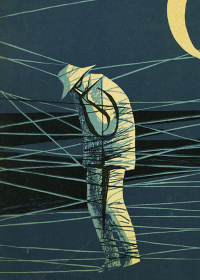
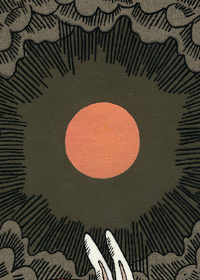
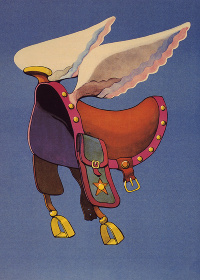
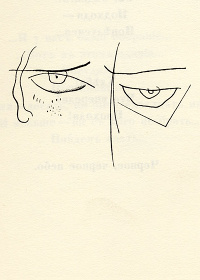
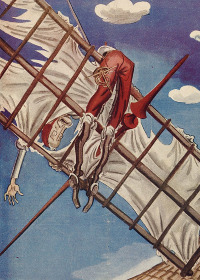
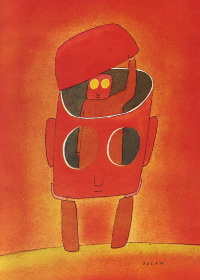
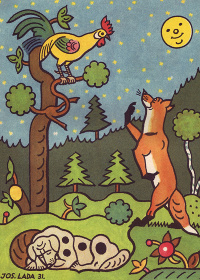
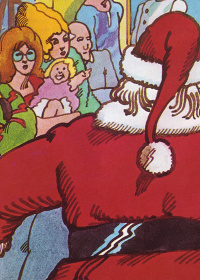
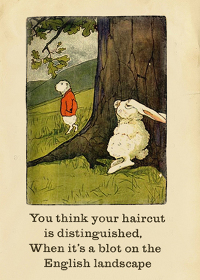
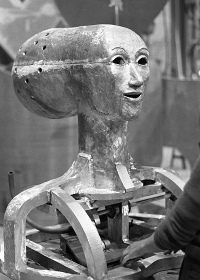
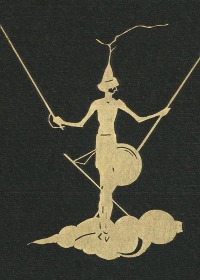
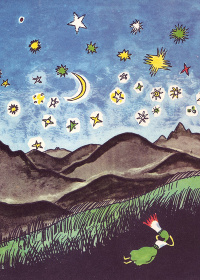
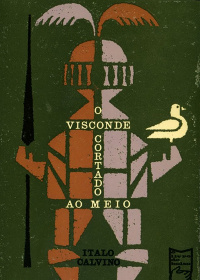
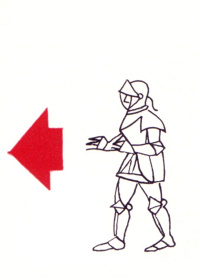
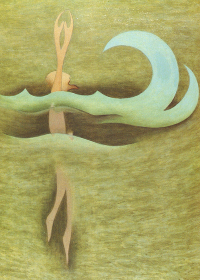
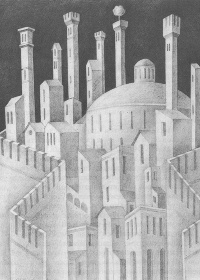
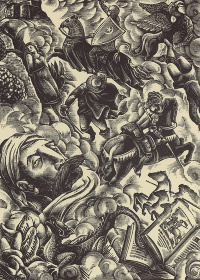
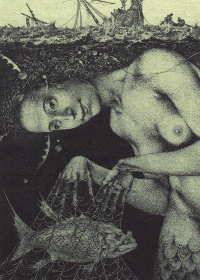
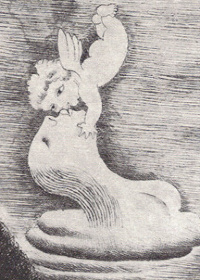
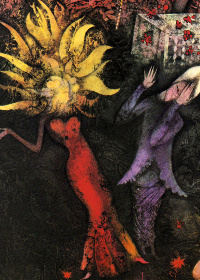
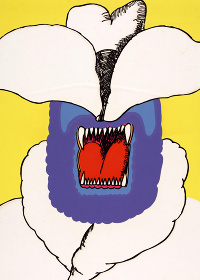
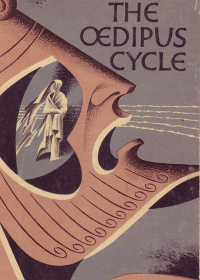
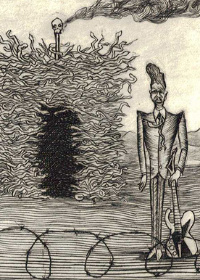
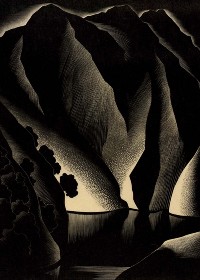
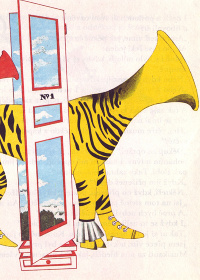
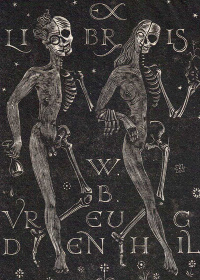
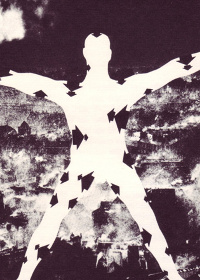
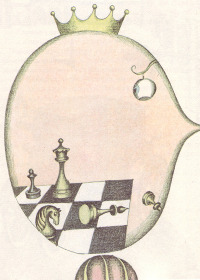
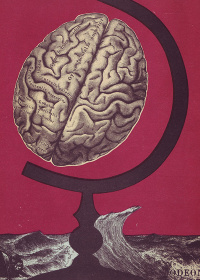
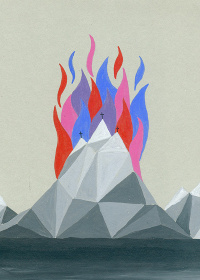
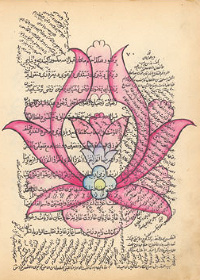
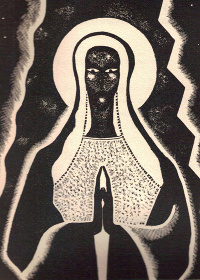
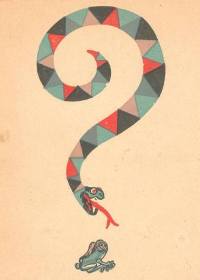
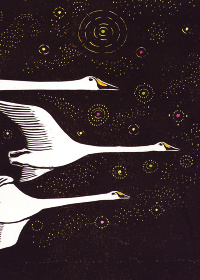
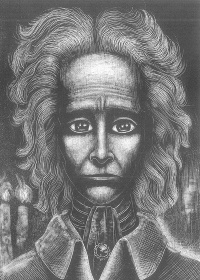
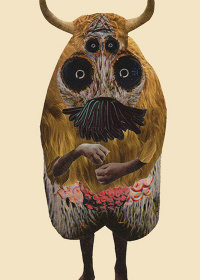
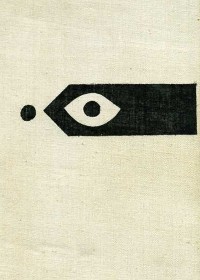
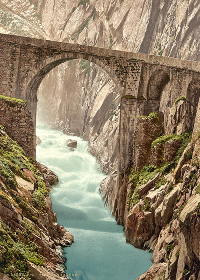
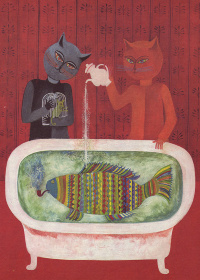
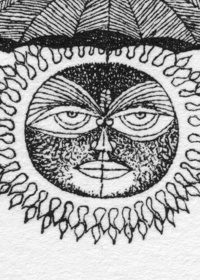
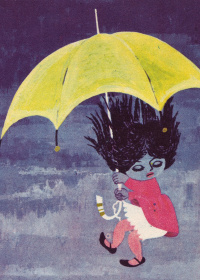
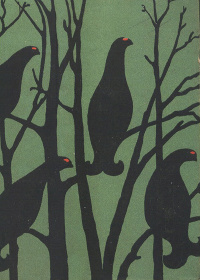
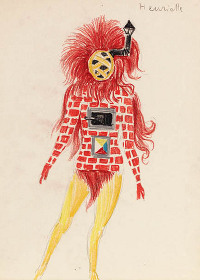
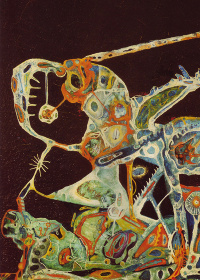
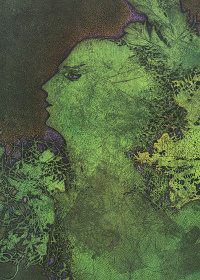
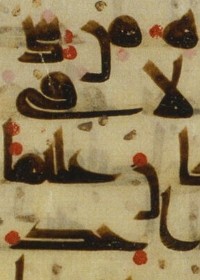
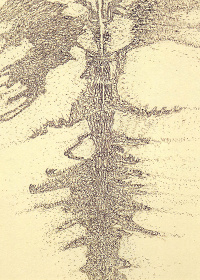
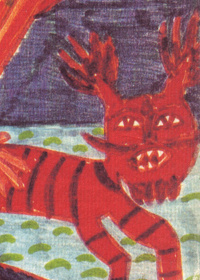
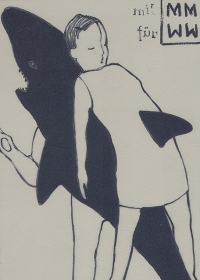
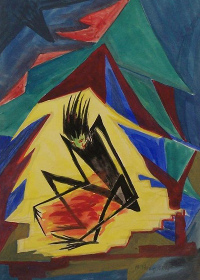
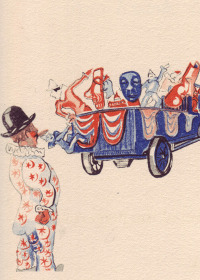
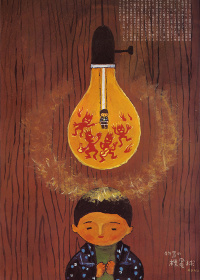
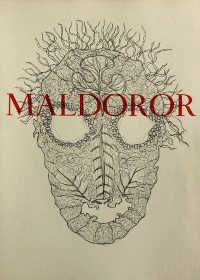
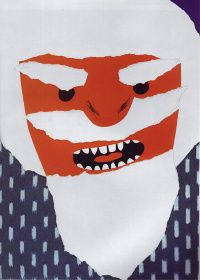
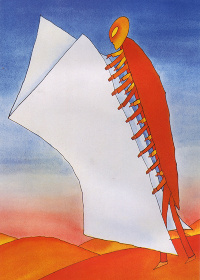
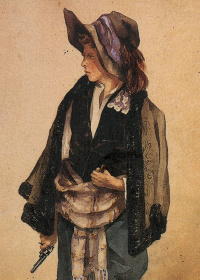
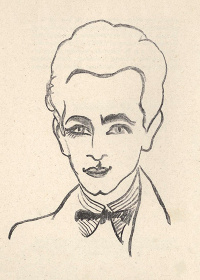
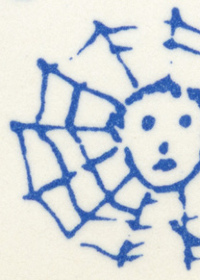
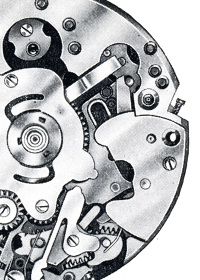
For now, the pretty pictures.
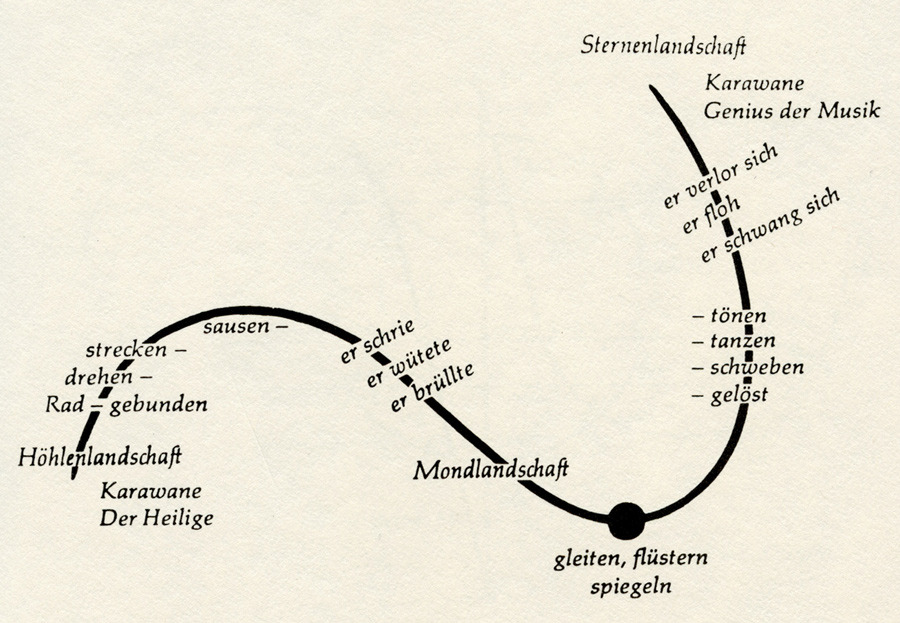
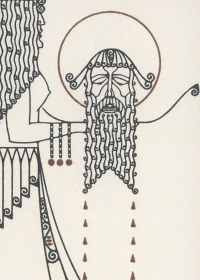
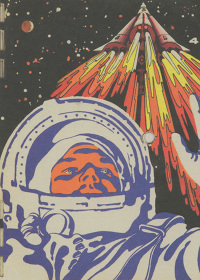
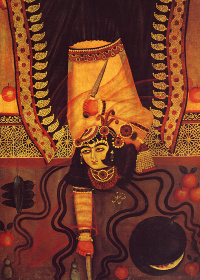
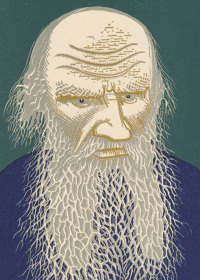
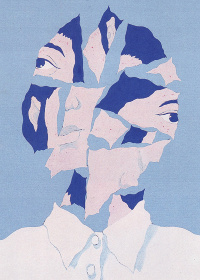
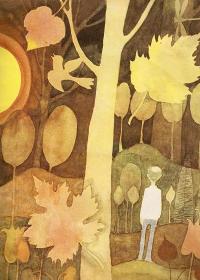
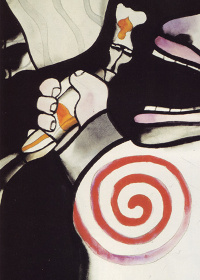
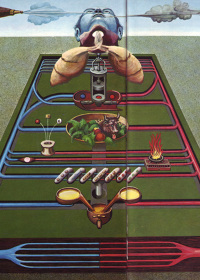
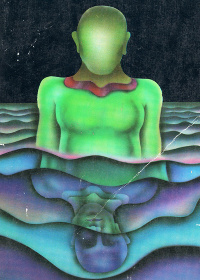
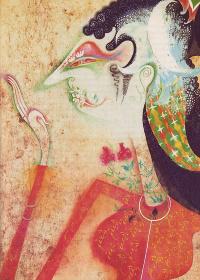
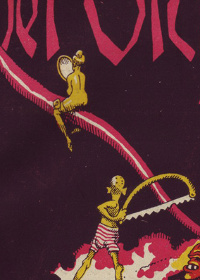
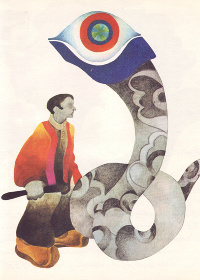
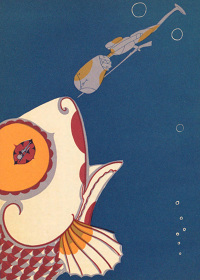
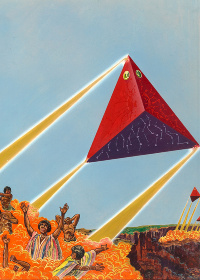
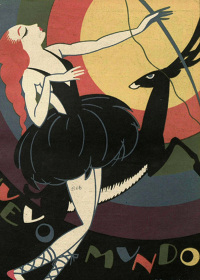
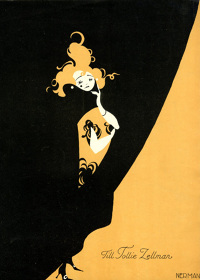
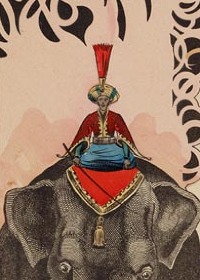
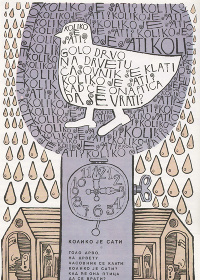
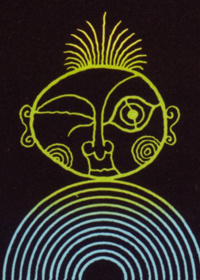
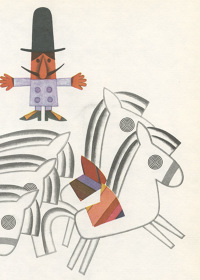
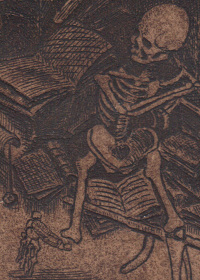
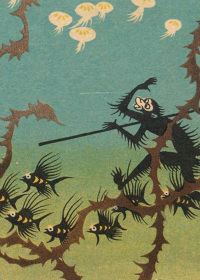
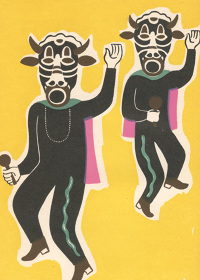
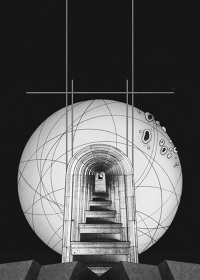
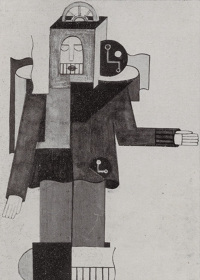
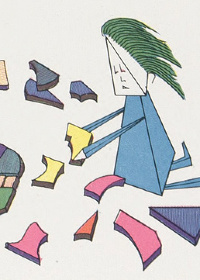
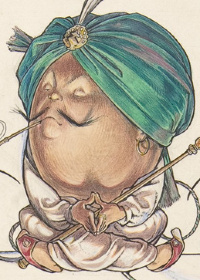
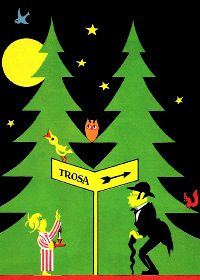
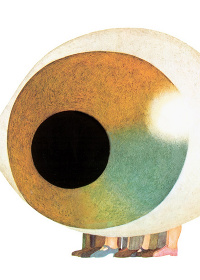
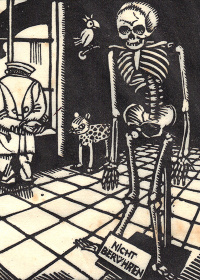
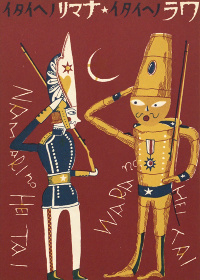
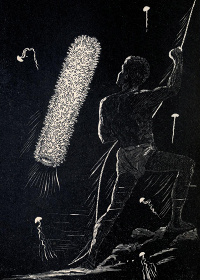
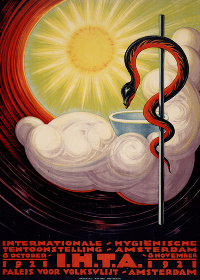
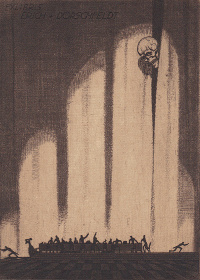
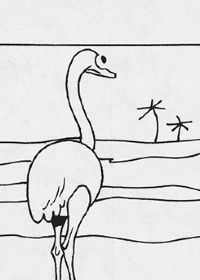
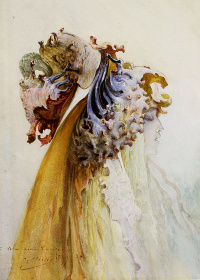
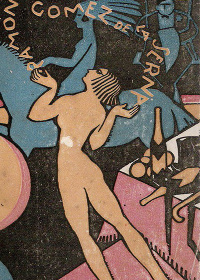
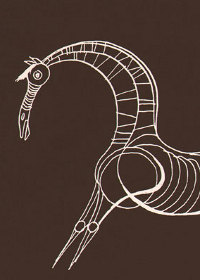
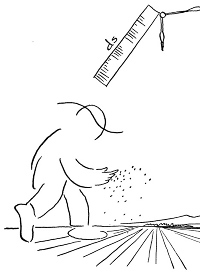
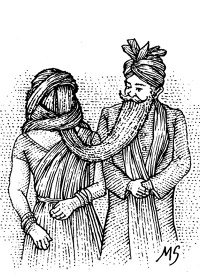
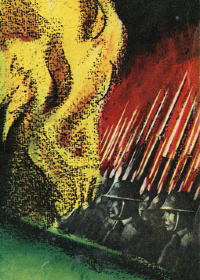
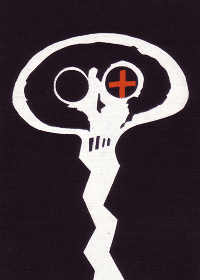
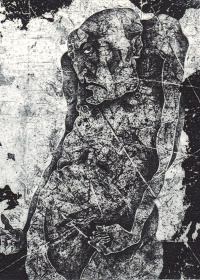
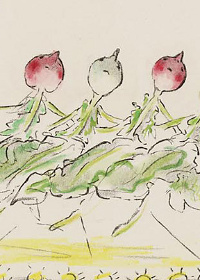
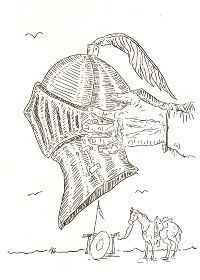
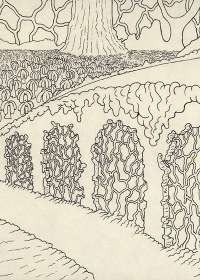
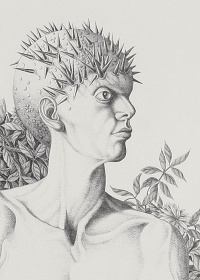
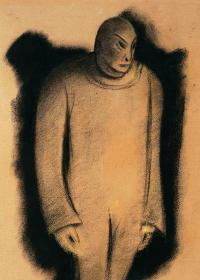
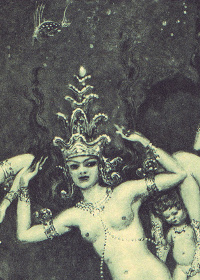
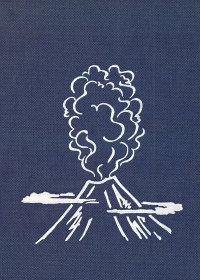
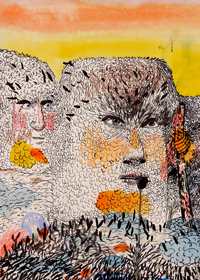
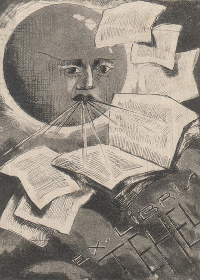
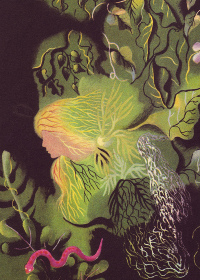
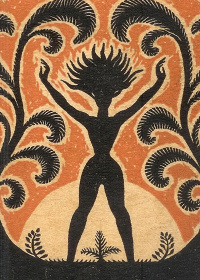
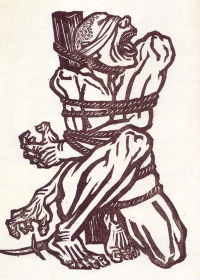
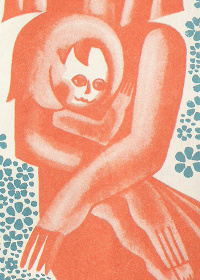
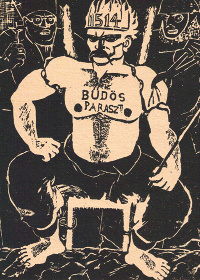
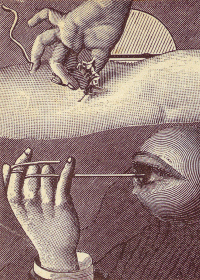
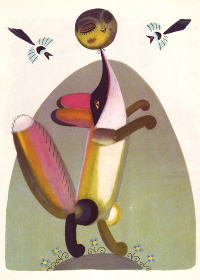
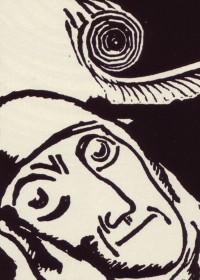
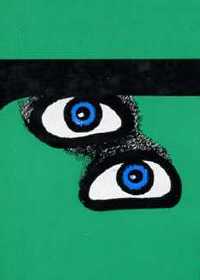
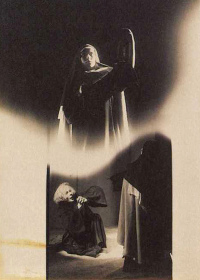
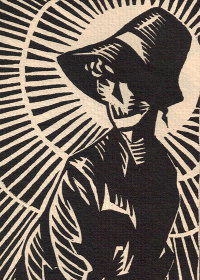
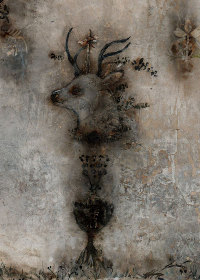
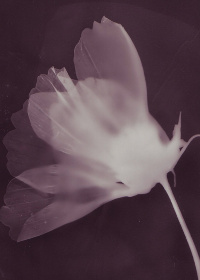
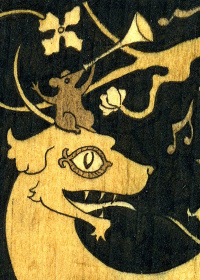
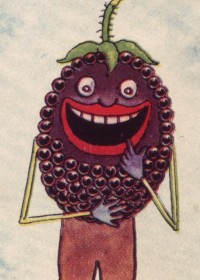
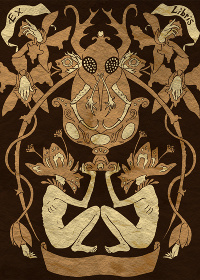
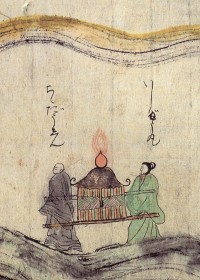
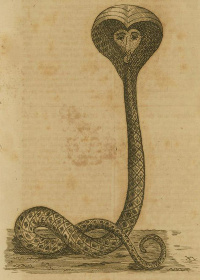
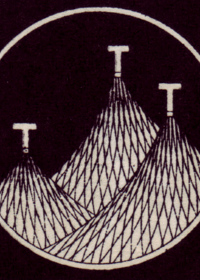
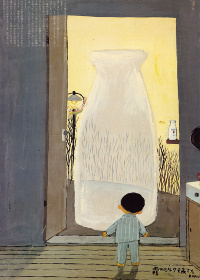
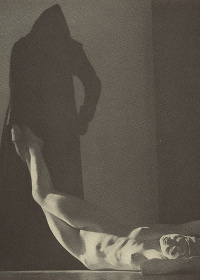
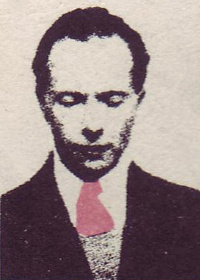
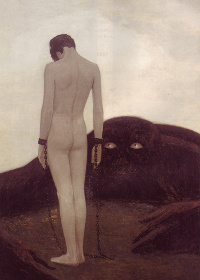
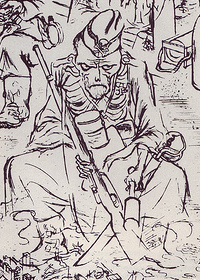
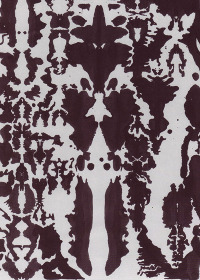
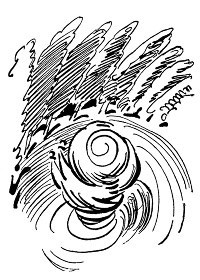
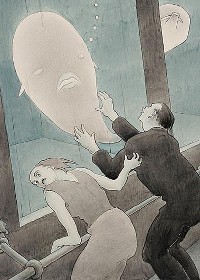
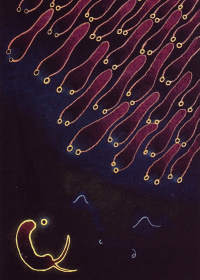
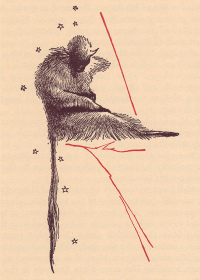
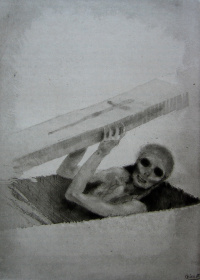
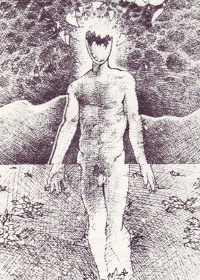
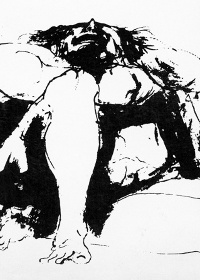
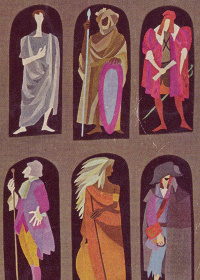
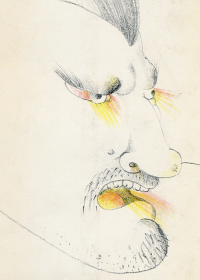
Figure 1. Wackenroder, Der Nakte Heilige (A Marvellous Oriental Legend of a Naked Saint, 1796)
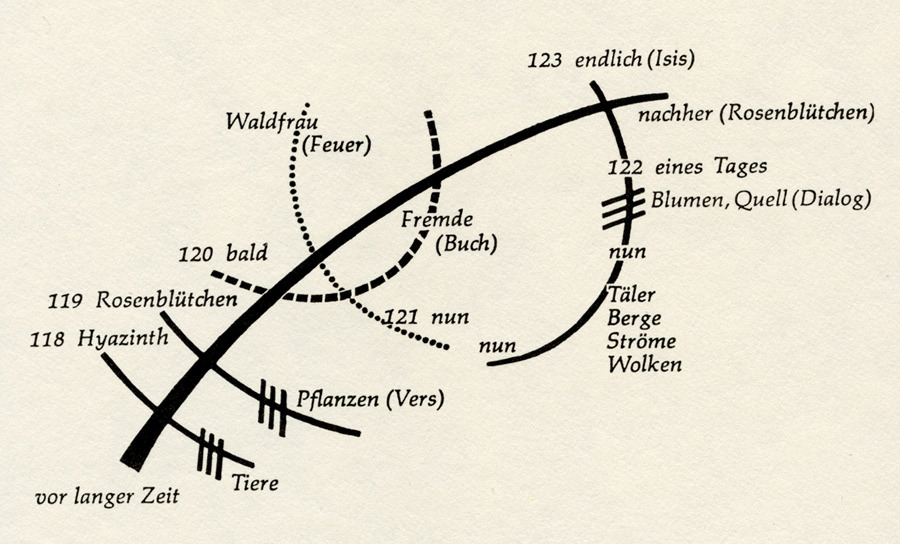
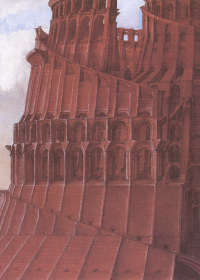
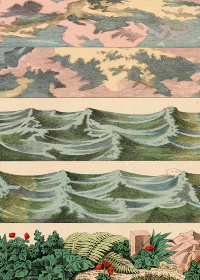
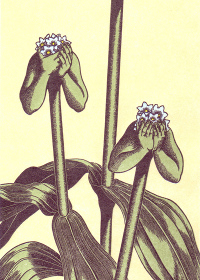
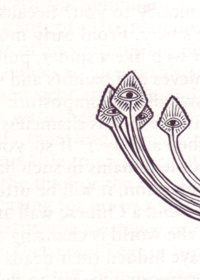
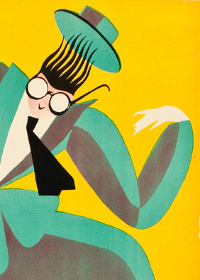
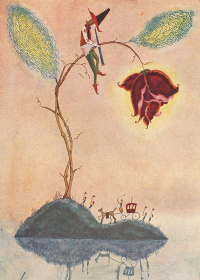
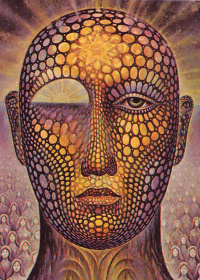
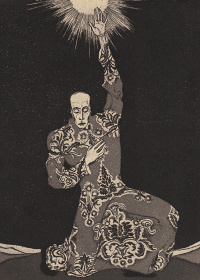
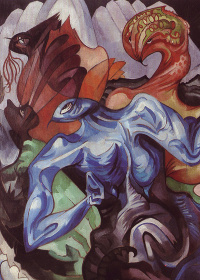
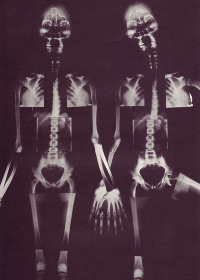
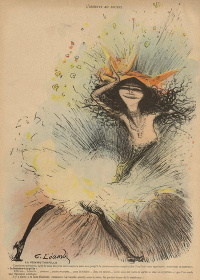
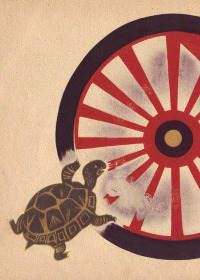
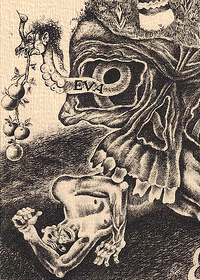
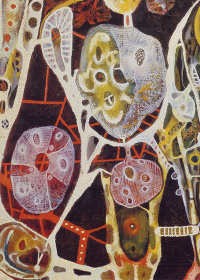
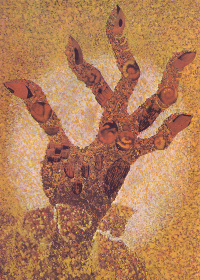
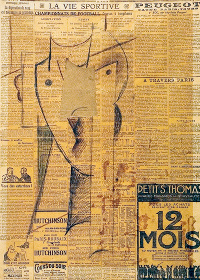
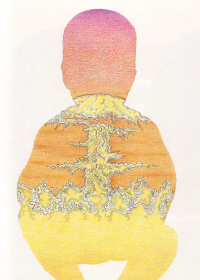
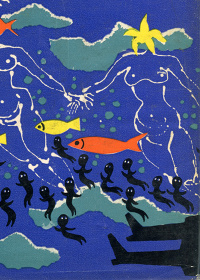
Figure 2. Novalis, Hyazinth (Hyacinth, 1798)
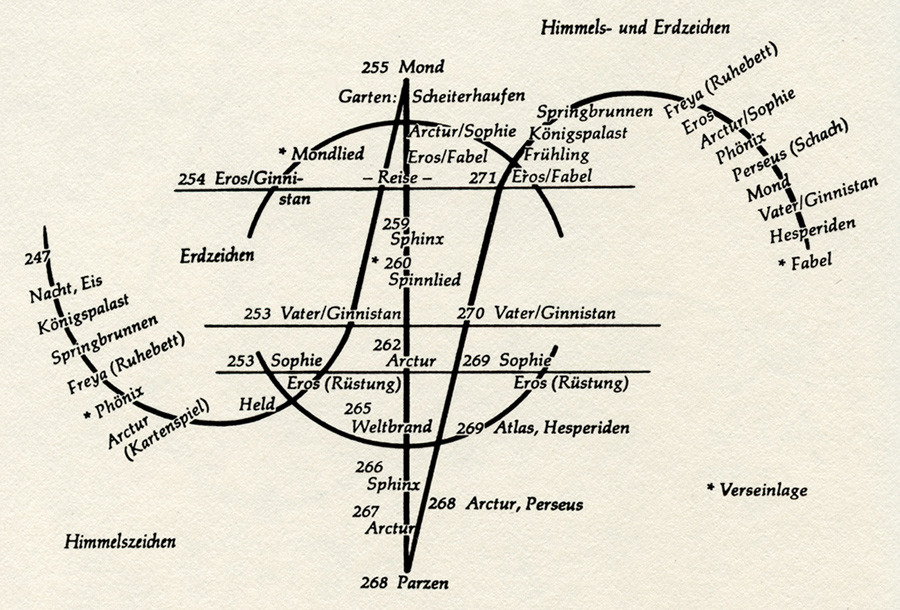
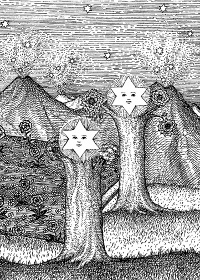
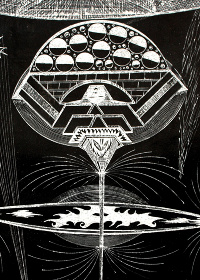
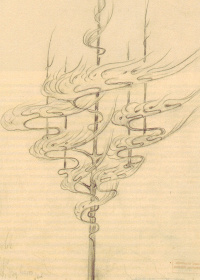
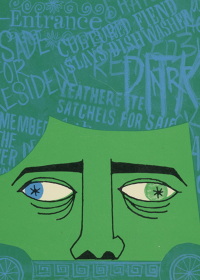
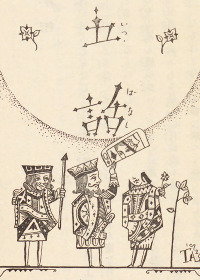
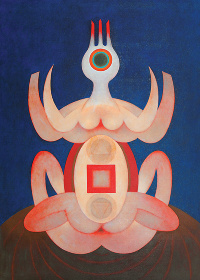
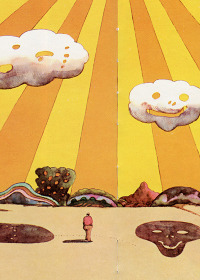
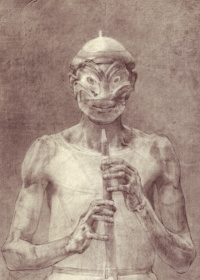
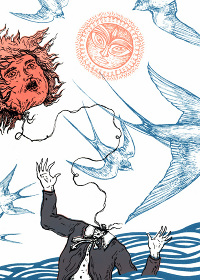
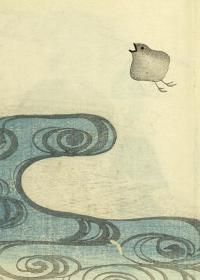
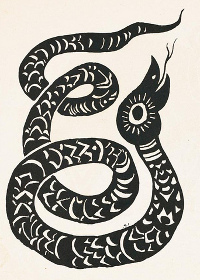
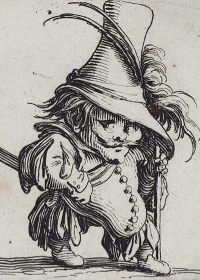
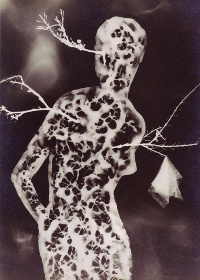
Figure 3. Novalis, Klingsohrmarchen (1799)
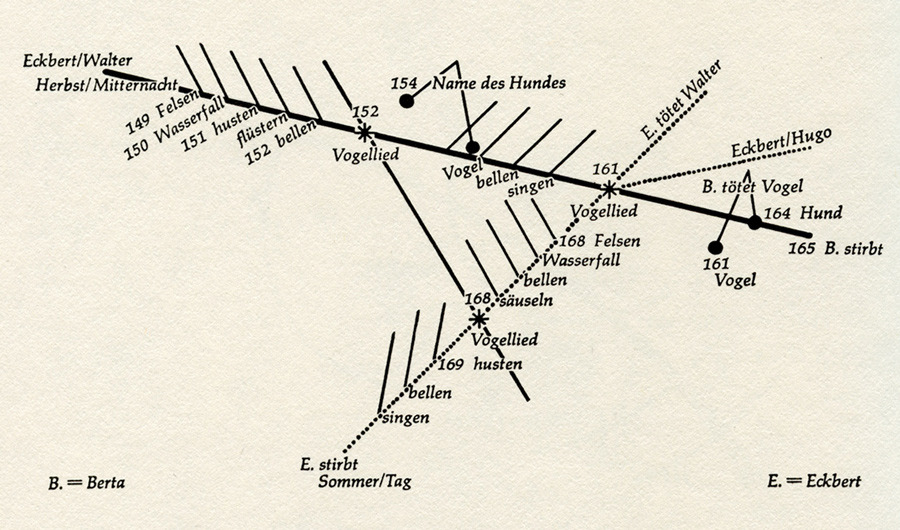
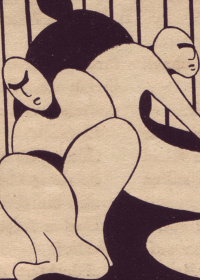
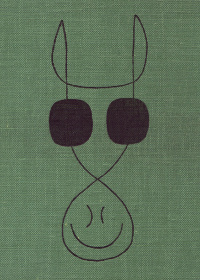
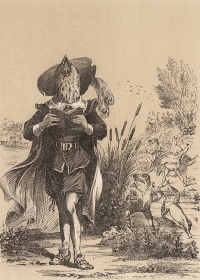
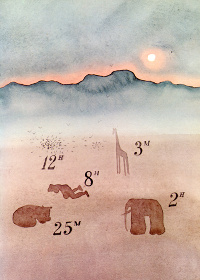
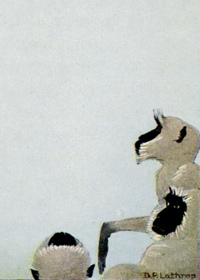
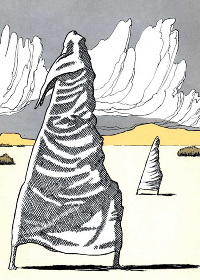
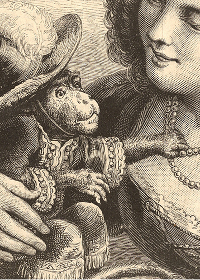
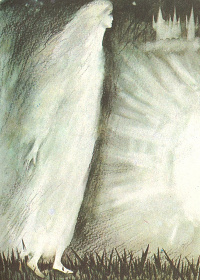
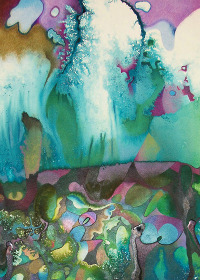
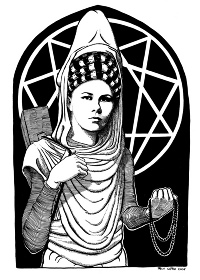
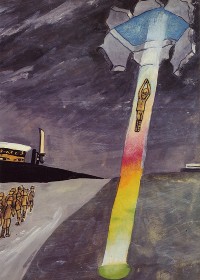
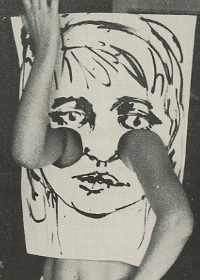
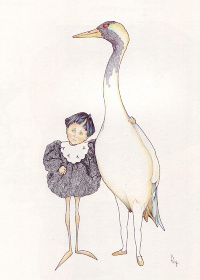
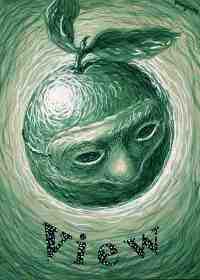
Figure 4. Tieck, Der blonde Eckbert (Blond Eckbert, 1797)
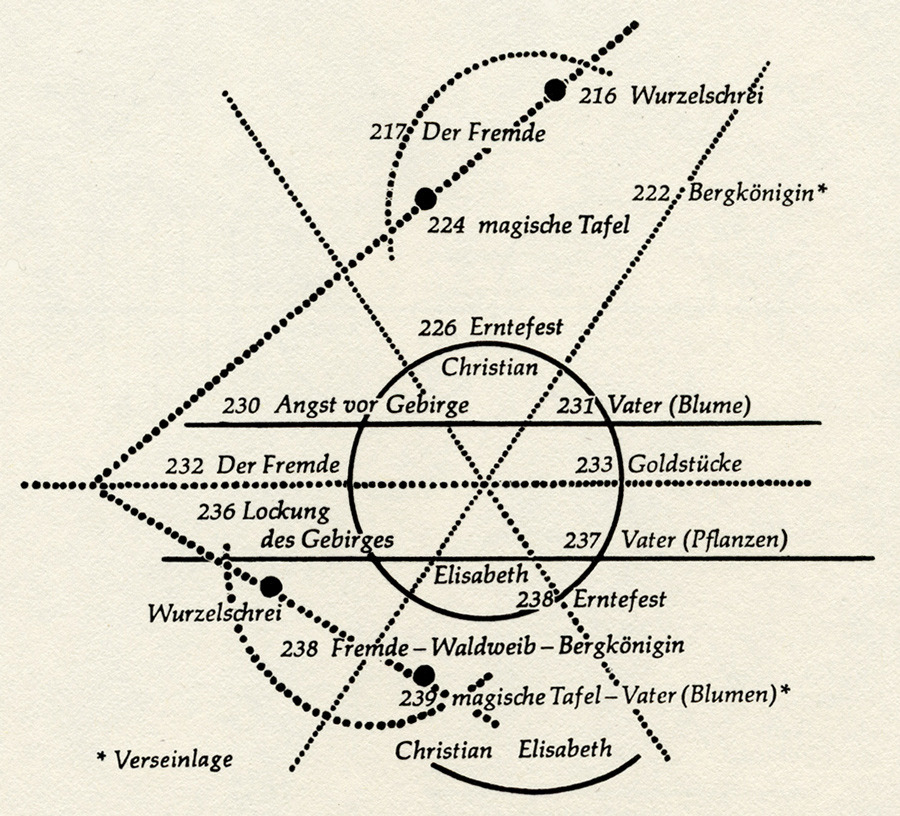
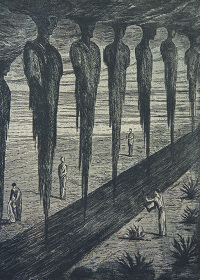
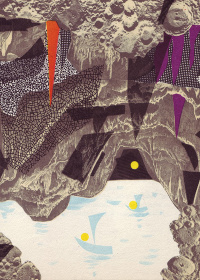
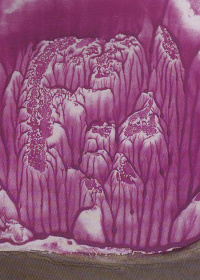
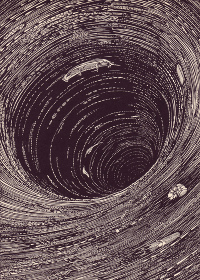
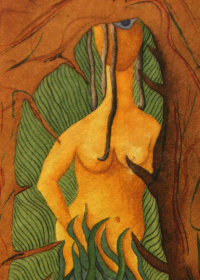
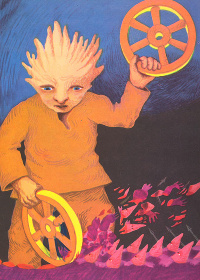
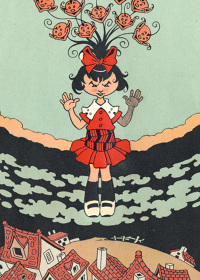
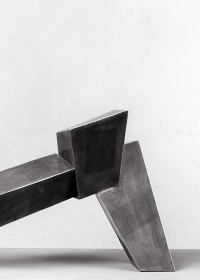
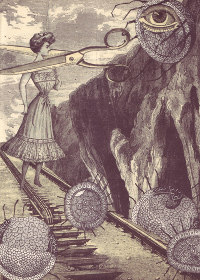
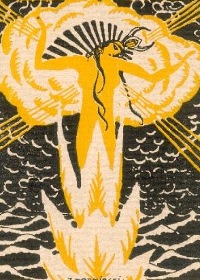
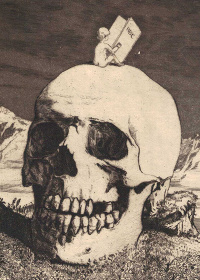
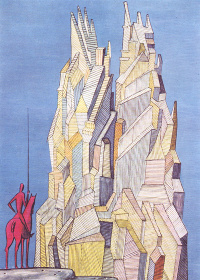
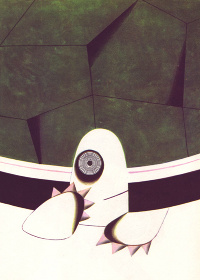
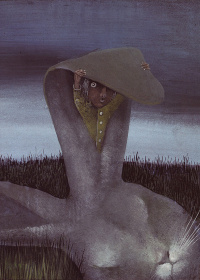
Figure 5. Tieck, Der Runenberg (The Runenberg, 1803)
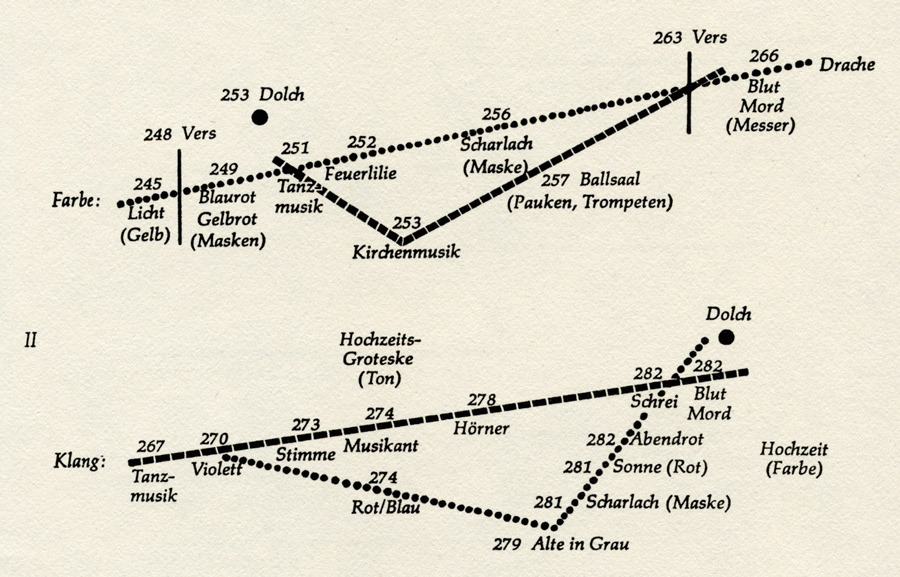
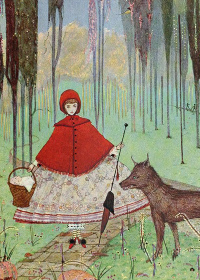
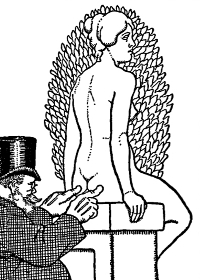
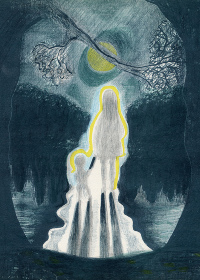
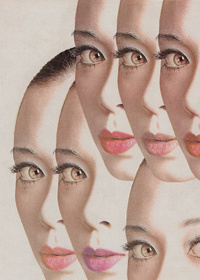
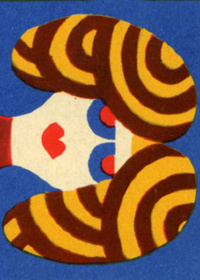
Figure 6. Tieck, Liebeszauber (Love's Magic, 1811)
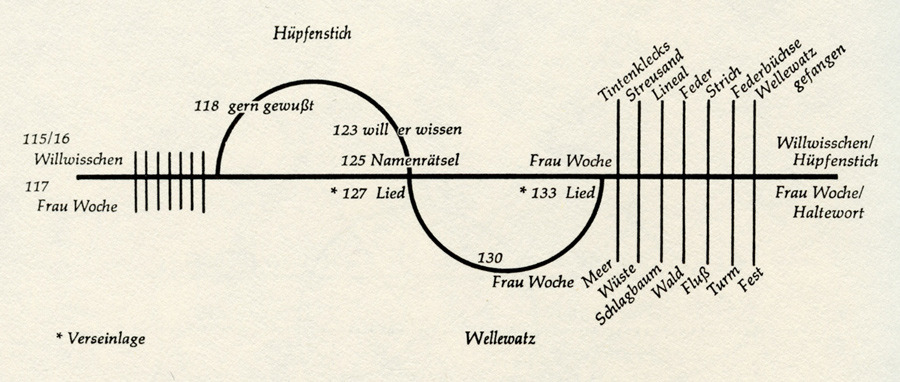
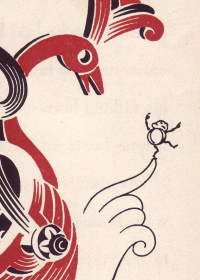
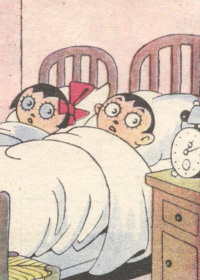
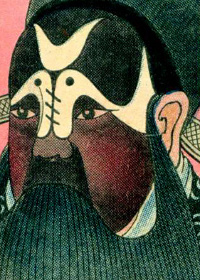
Figure 7. Brentano, Hupfenstich (1805–1810)
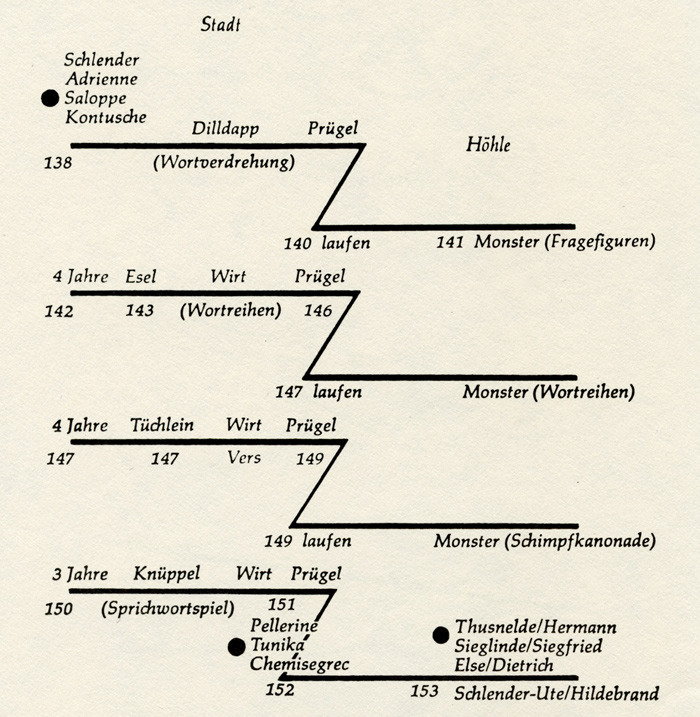
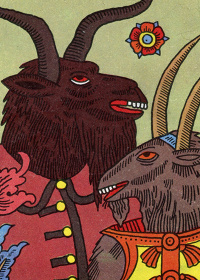
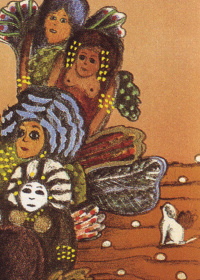
Figure 8. Brentano, Dilldapp (1805–1810)
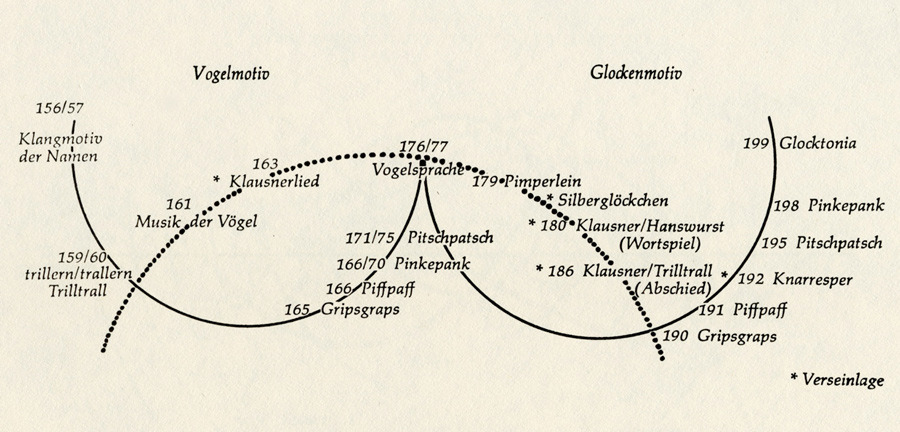
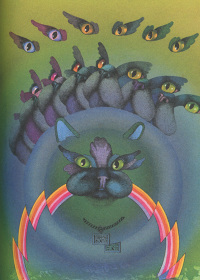
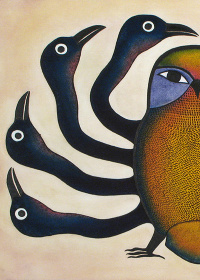
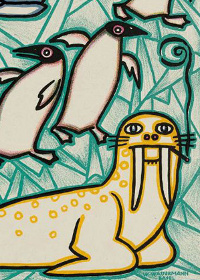
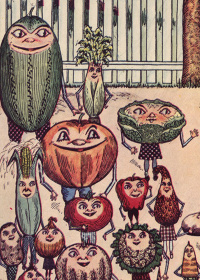
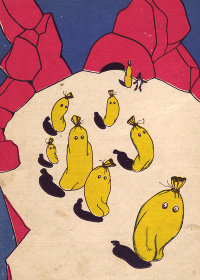
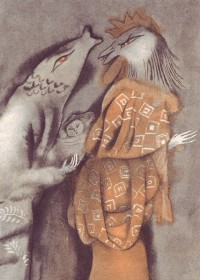
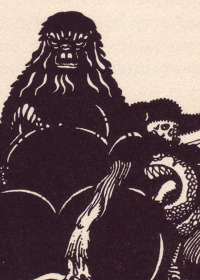
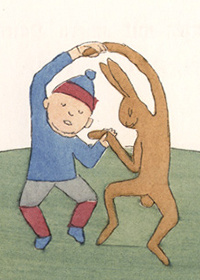
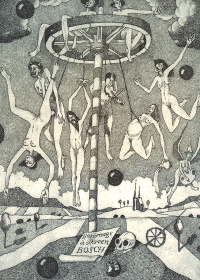
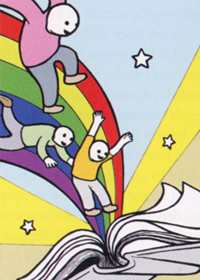
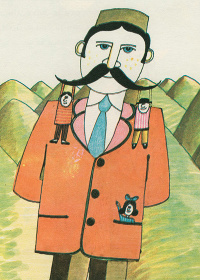
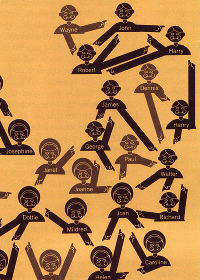
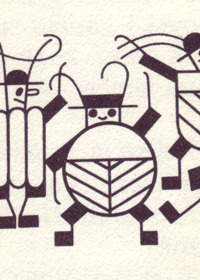
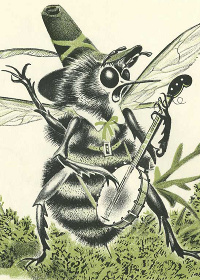
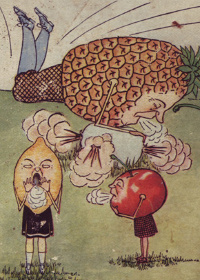
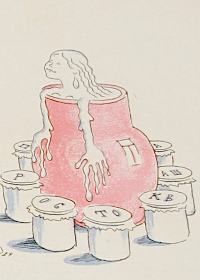
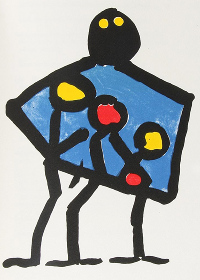
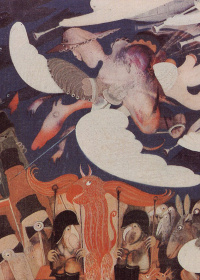
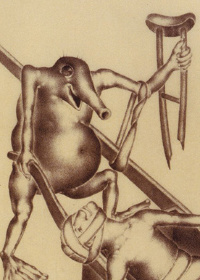
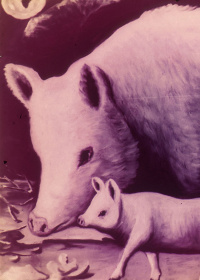
Figure 9. Brentano, Klopfstock und seine funf Sohne (Klopfstock and His Five Sons, 1805–1810)
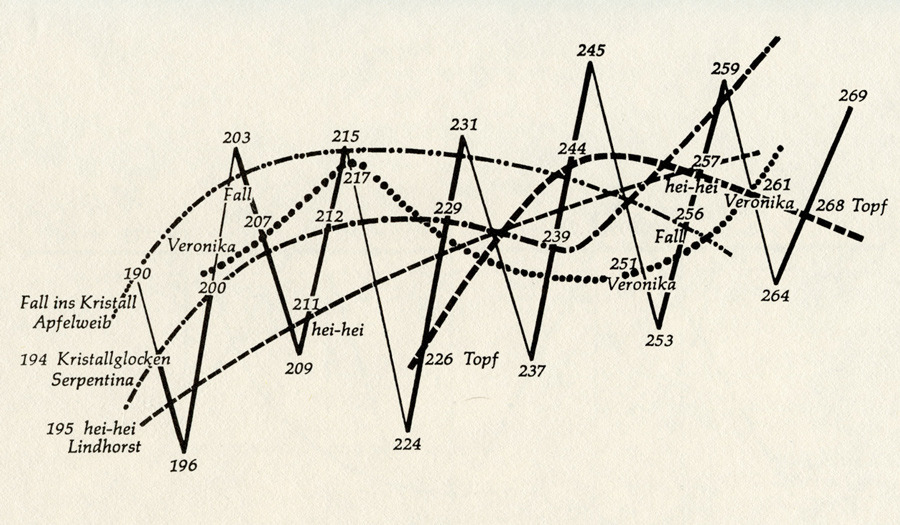
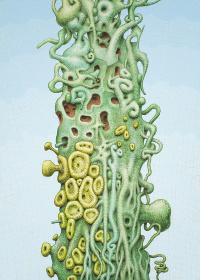
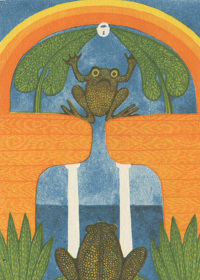
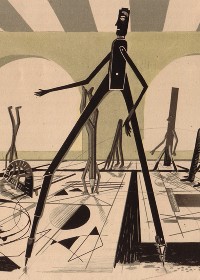
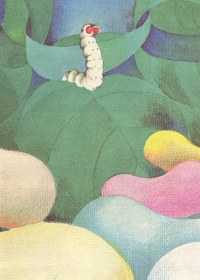
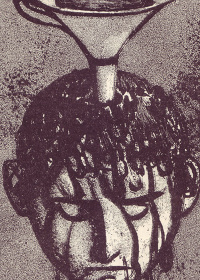
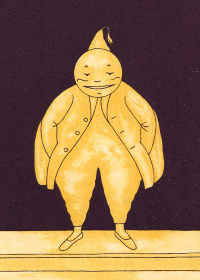
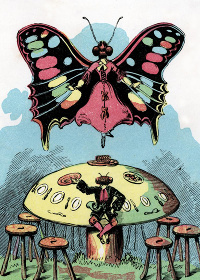
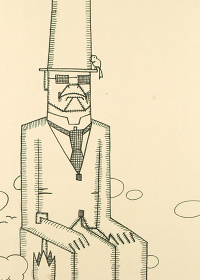
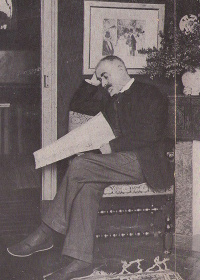
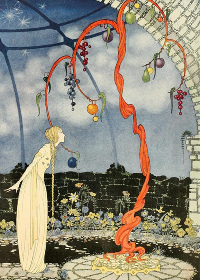
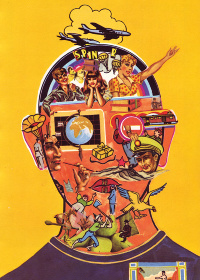
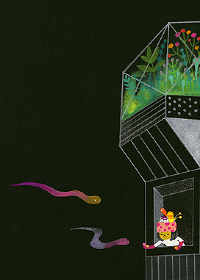
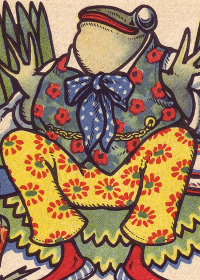
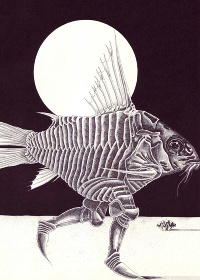
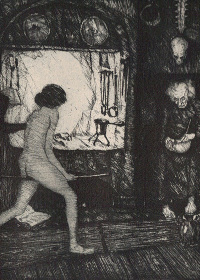
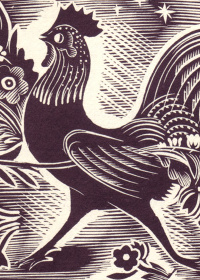
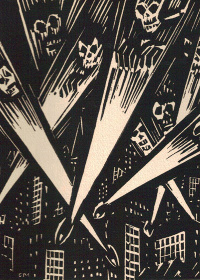
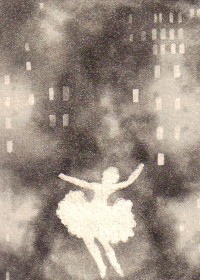
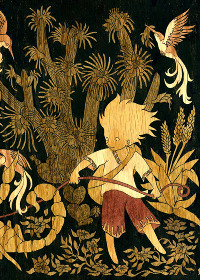
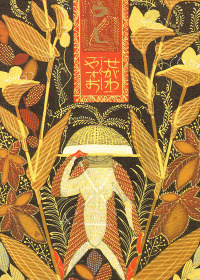
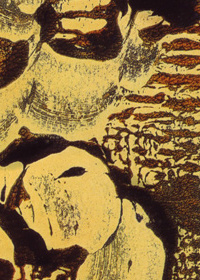
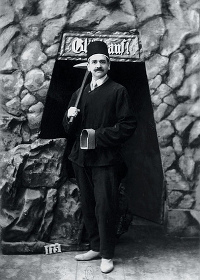
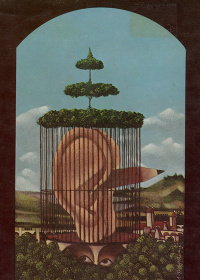
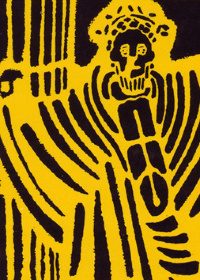
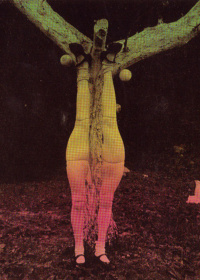
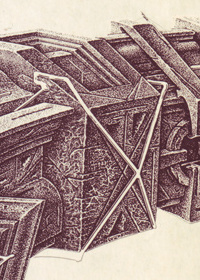
Figure 11. Hoffmann, Der goldene Topf (The Golden Pot, 1815)
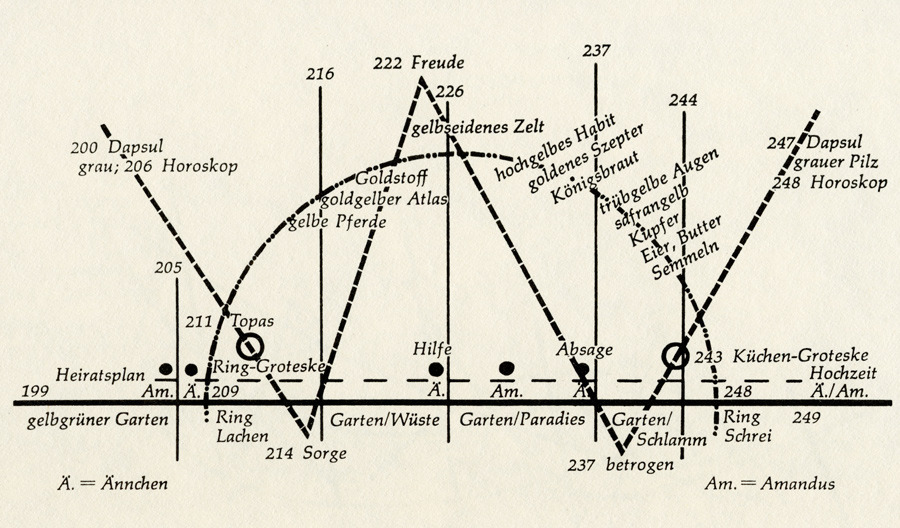
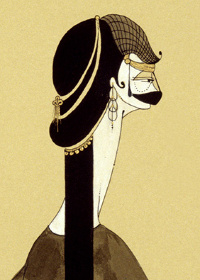
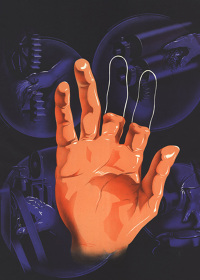
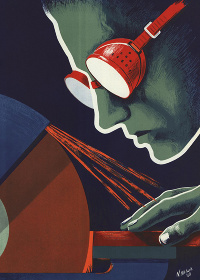
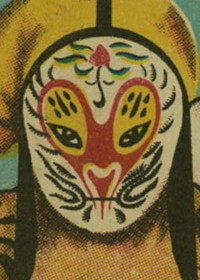
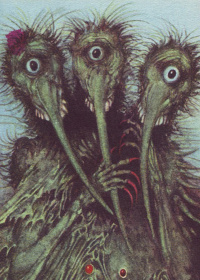
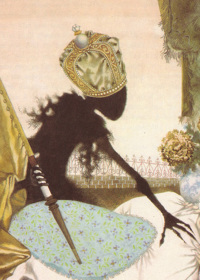
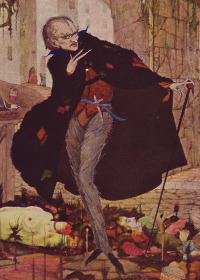
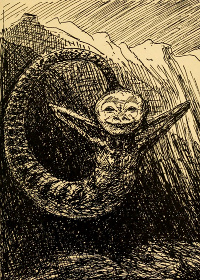
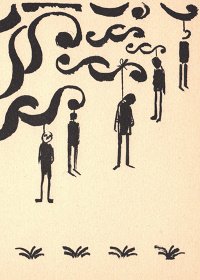
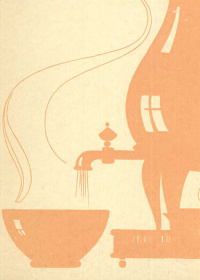
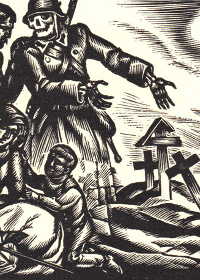
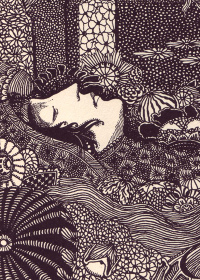
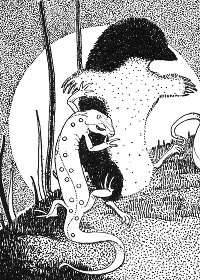
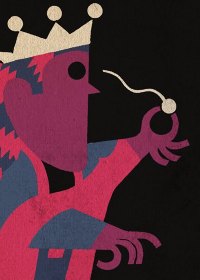
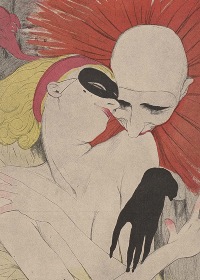
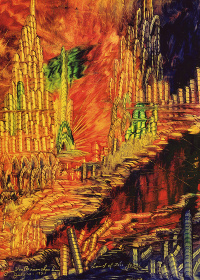
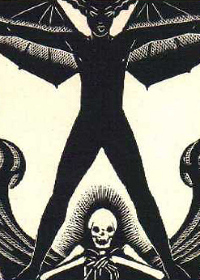
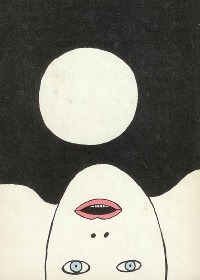
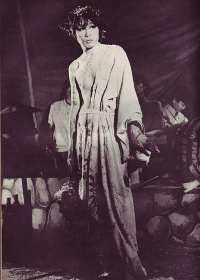
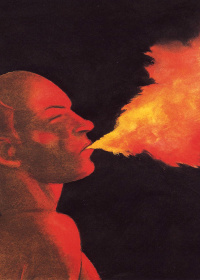
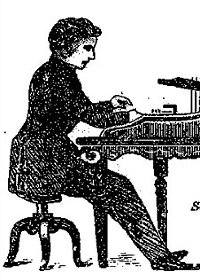
Figure 12. Hoffmann, Die Konigsbraut (The King's Bride, 1820)
Flap copy for Literary Sign Language of German Romanticism:
Marianne Thalmann is universally recognized as an authority whose contributions have led to a complete revaluation of our theories about German Romanticism. The present volume, widely acclaimed when it first appeared in Germany in 1967, is a unique and highly original interpretation of romantic literature.
Miss Thalmann views the early German romantics as sophisticated urbanites whose descriptions of nature were imaginative and frequently dictated by literary concerns rather than a perception of reality. In their narratives, particularly the artistic fairy tales, water, flowers, clouds, and animals, as well as city streets and buildings are "encoded" as literary signs of an imaginary world. The romantics developed this sign language as an attempt to distance themselves from the materialistically oriented society.
In her effort to "decode" the sign language of the German romantics, Professor Thalmann compares their tales to the intricate designs of sixteenth century mannerism. Contrary to the widely held notion that the romantics trusted in divine inspiration as the basis for the creative act, Miss Thalmann views them as skilled artisans creating a fabricated world that was fluid, ambiguous, and polyphonic. Even the characteristic romantic open-ended conclusion is interpreted as a literary sign signaling the retreat from reality into imagination. It is precisely their artificiality which makes these tales truly aesthetic objects.