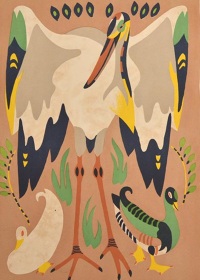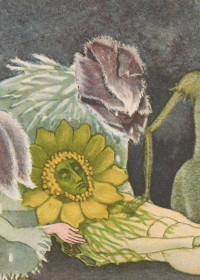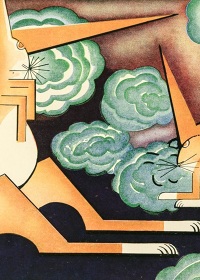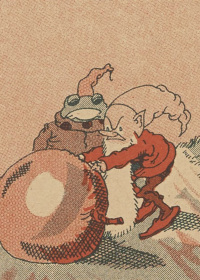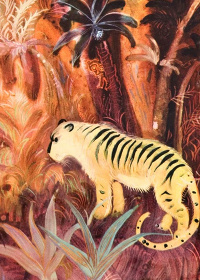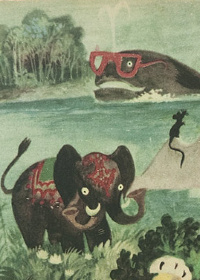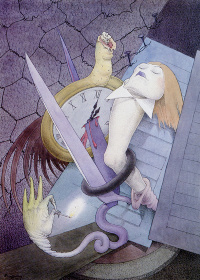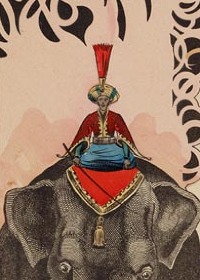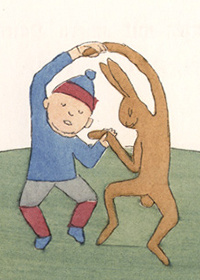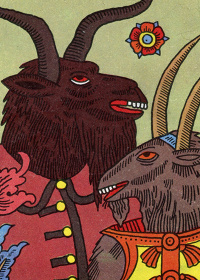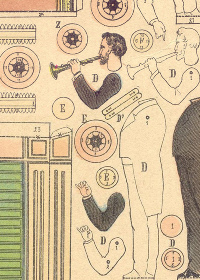

(Find me at Bookers Buzz Books.)
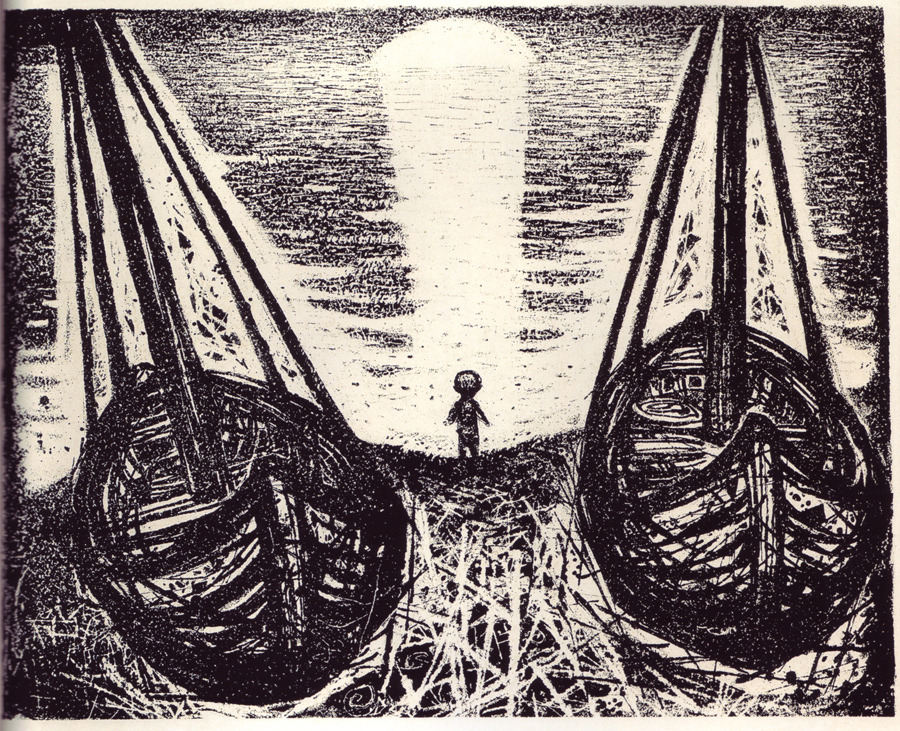
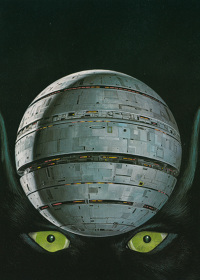
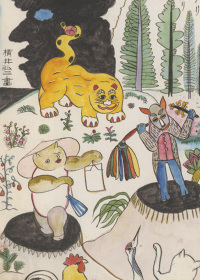
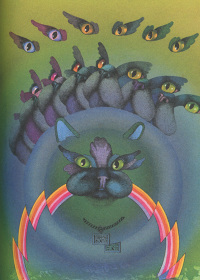
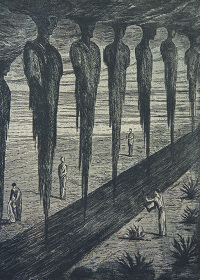
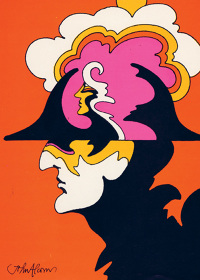
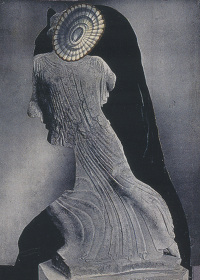
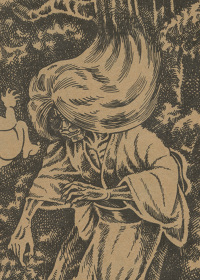
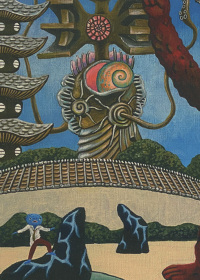
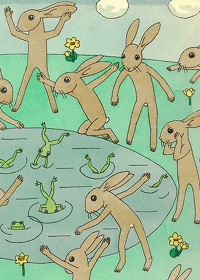
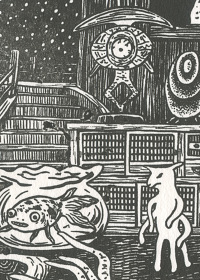
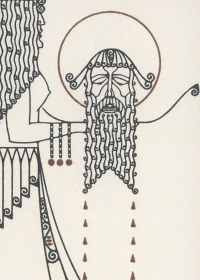
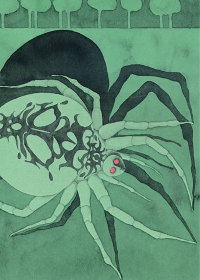
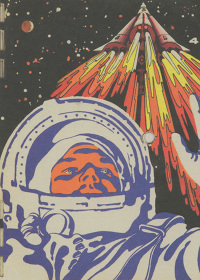
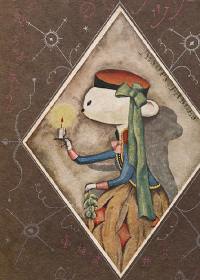
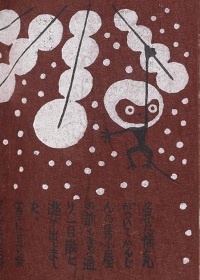
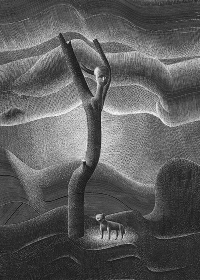
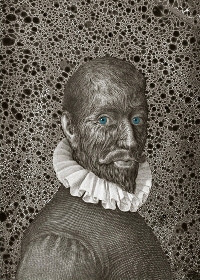
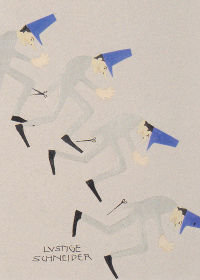
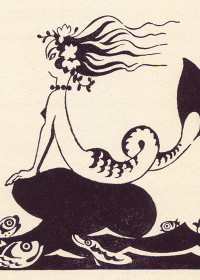
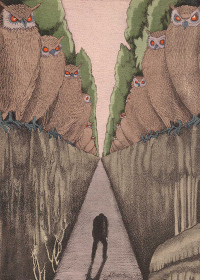
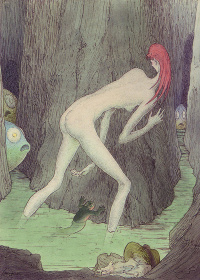
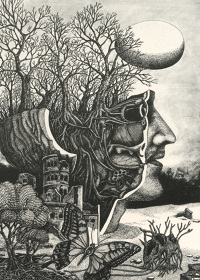
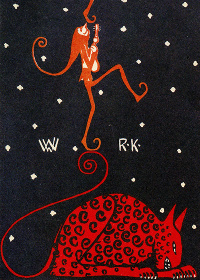
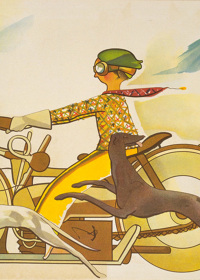
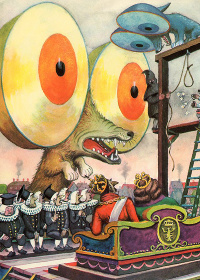
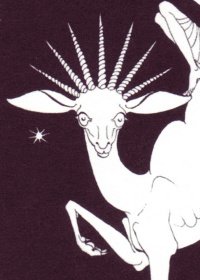
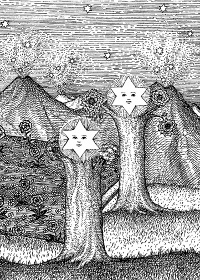
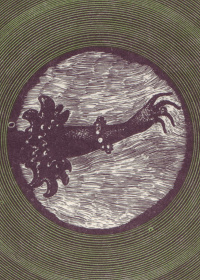
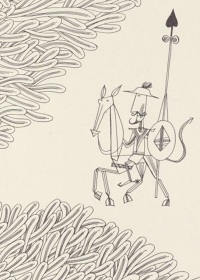
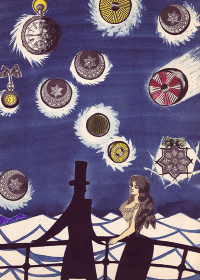
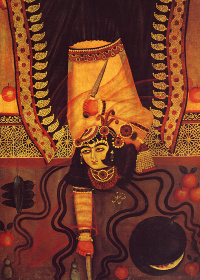
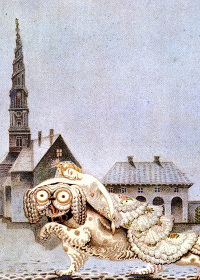
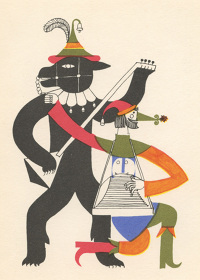
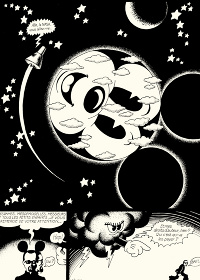
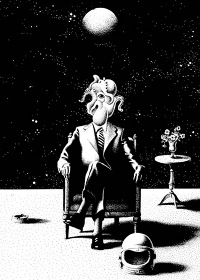
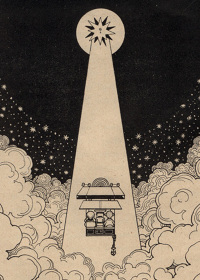
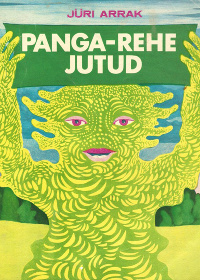
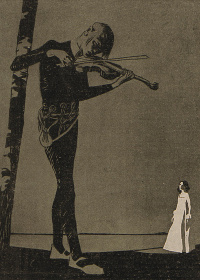
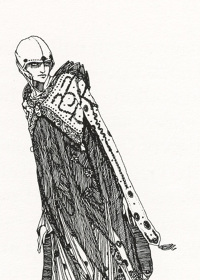
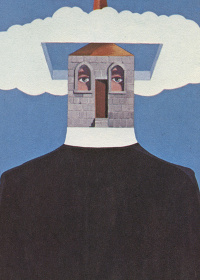
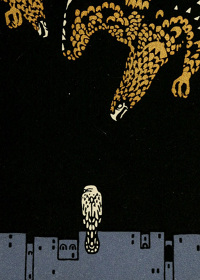
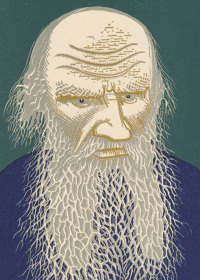
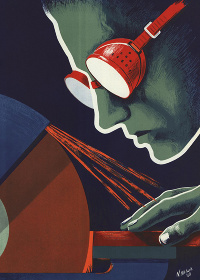
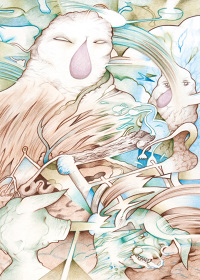
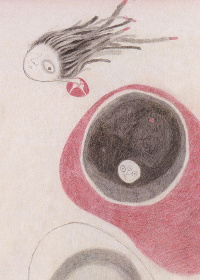
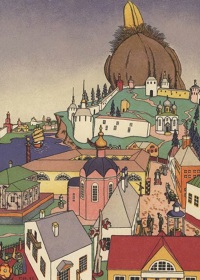
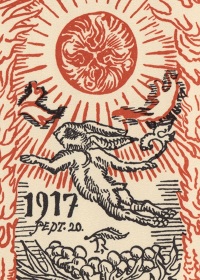
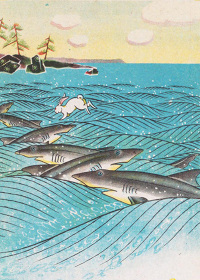
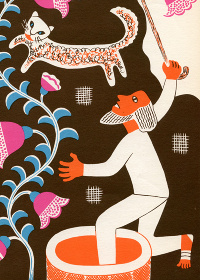
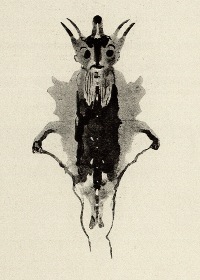
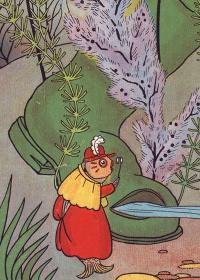
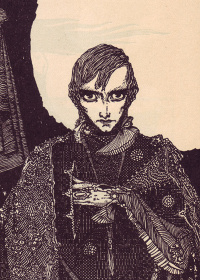
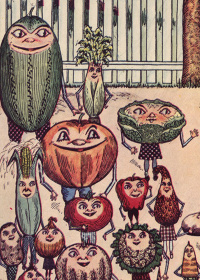
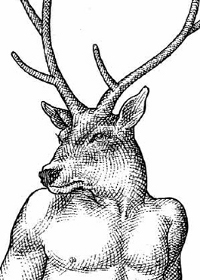
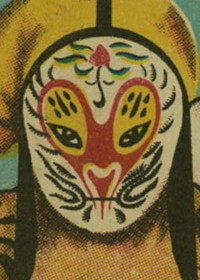
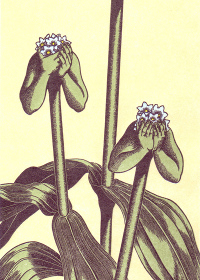
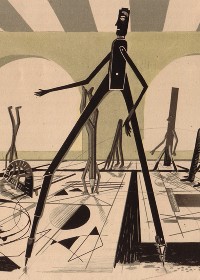
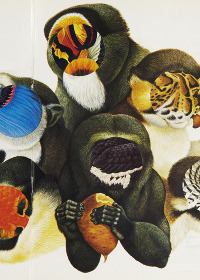
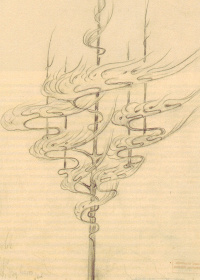
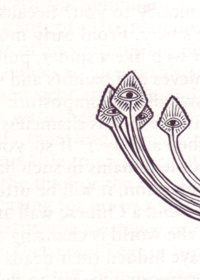
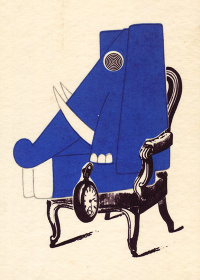
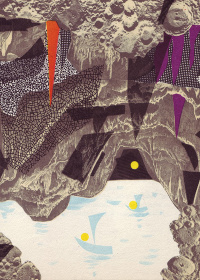
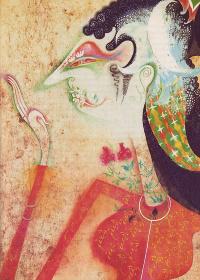
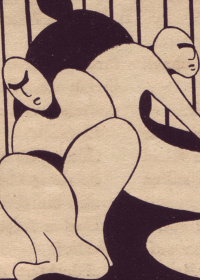
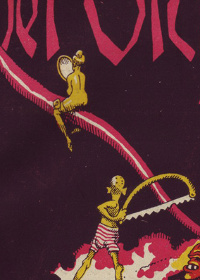
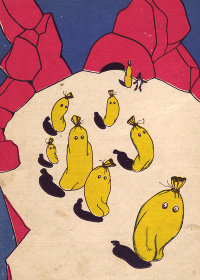
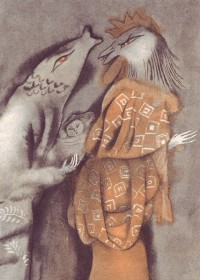
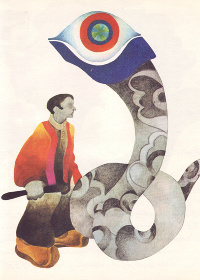
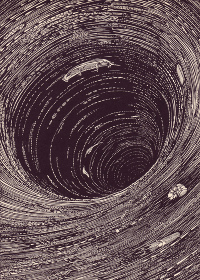
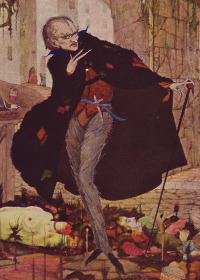
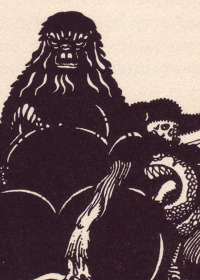
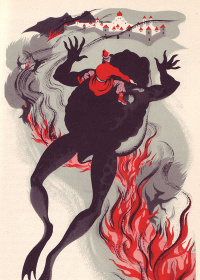
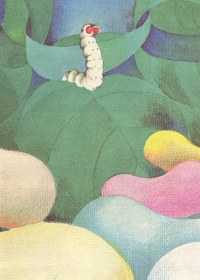
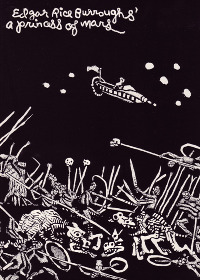
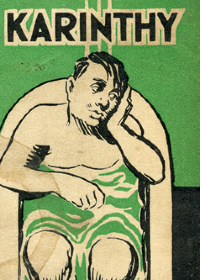
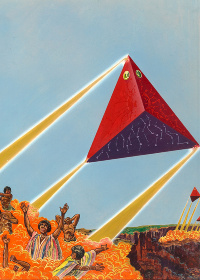
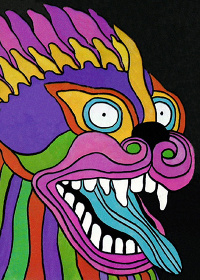
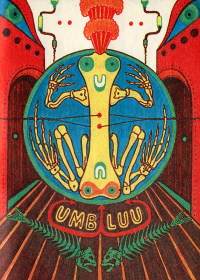
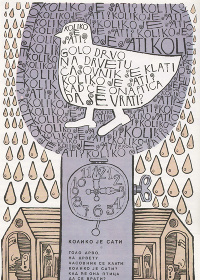
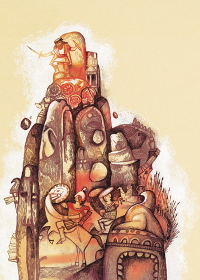
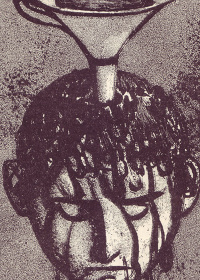
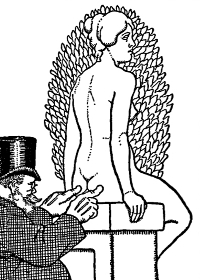
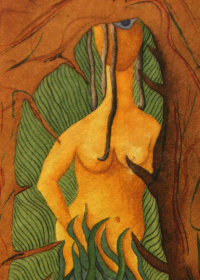
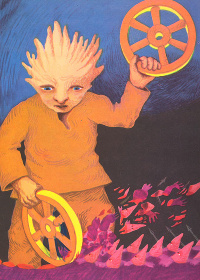
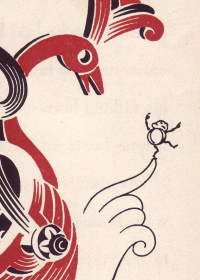
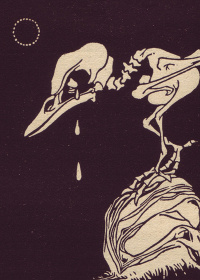
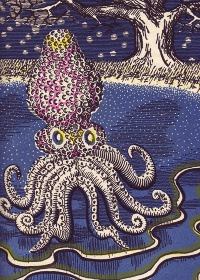
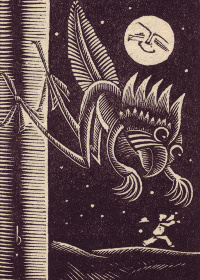
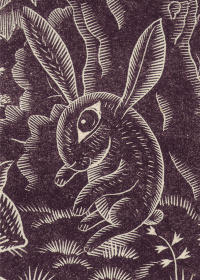
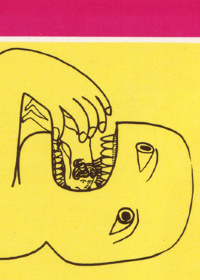
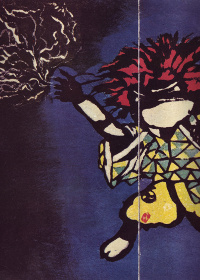
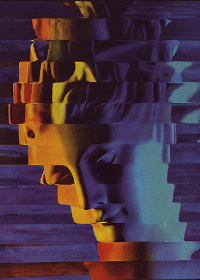
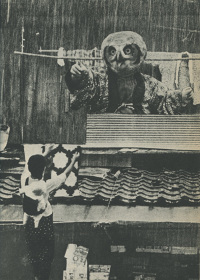
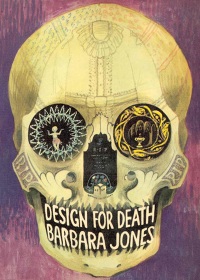
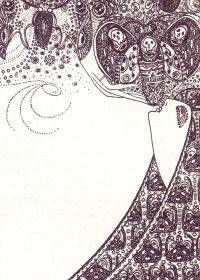
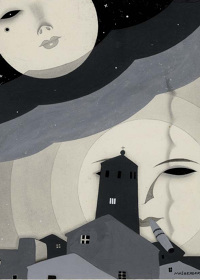
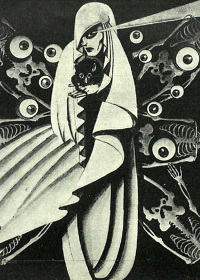
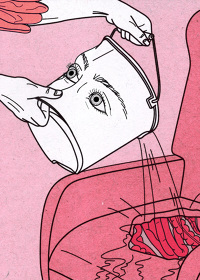
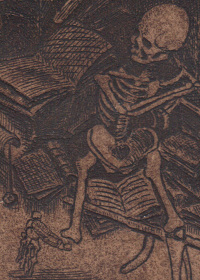
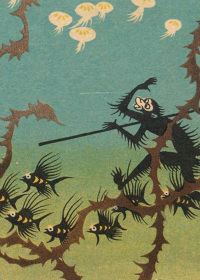
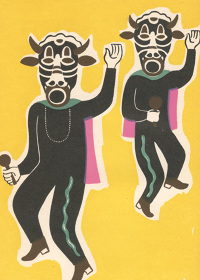
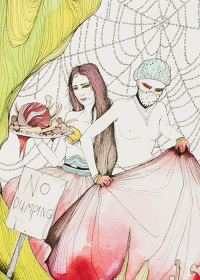
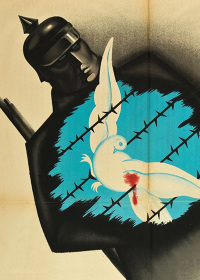
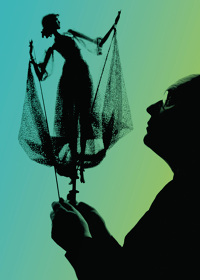
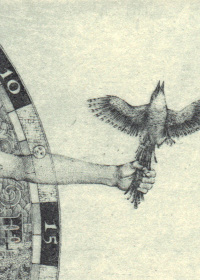
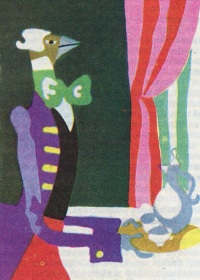
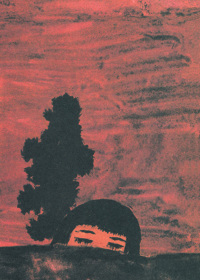
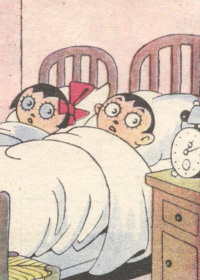
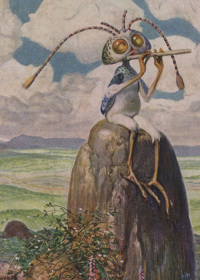
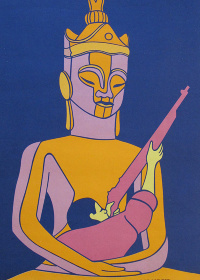
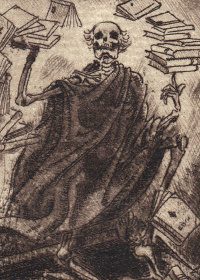
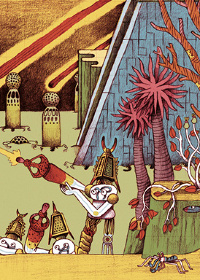
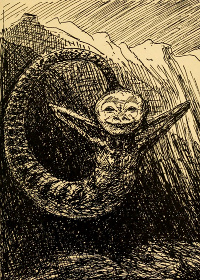
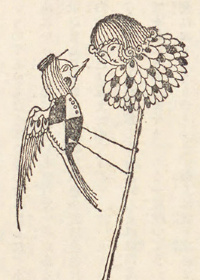
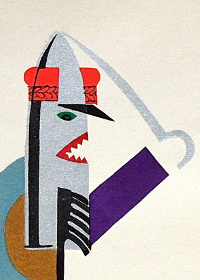
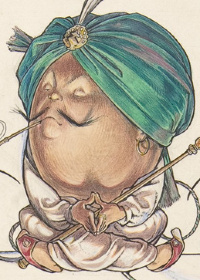
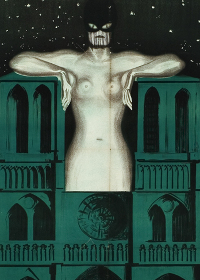
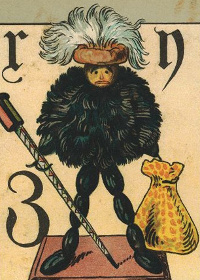
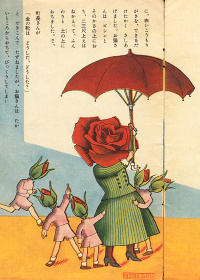
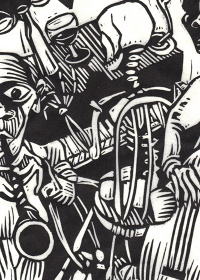
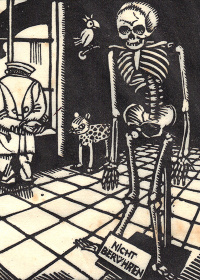
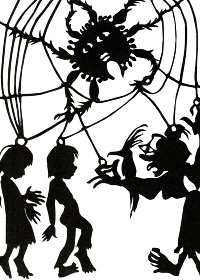
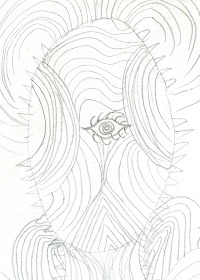
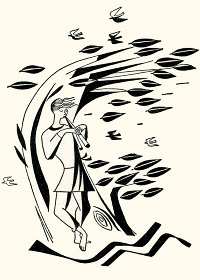
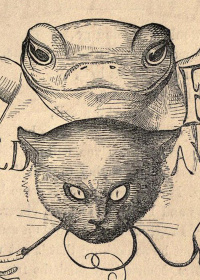
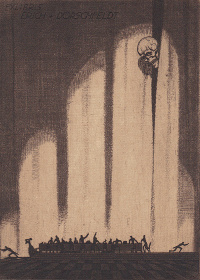
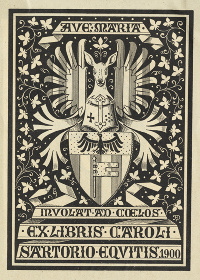
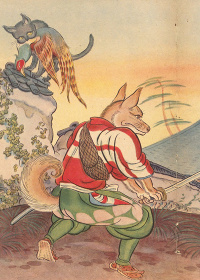
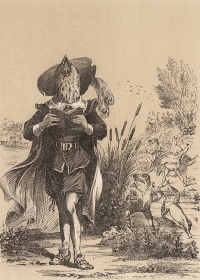
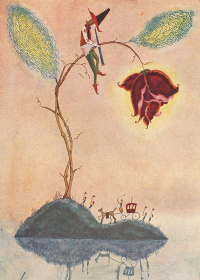
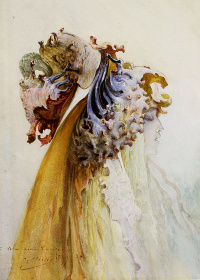
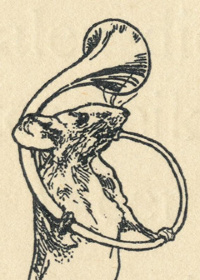
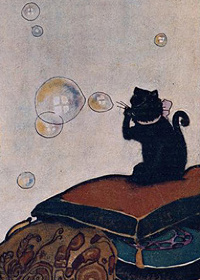
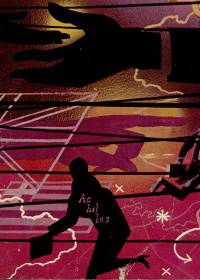
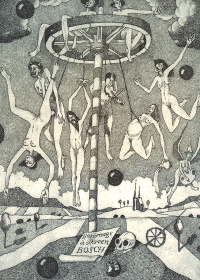
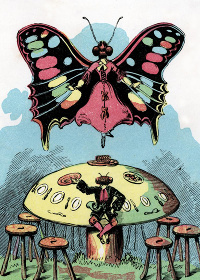
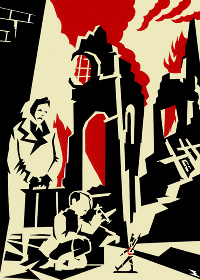
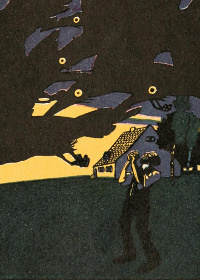
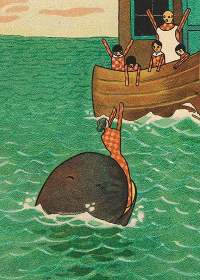
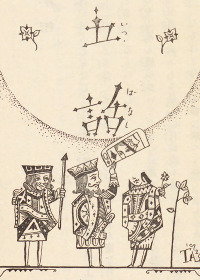
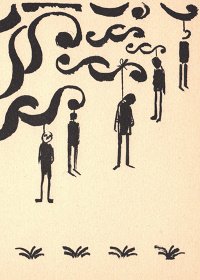
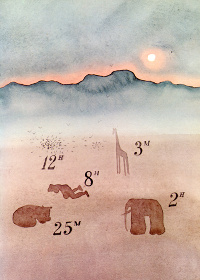
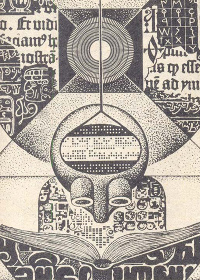
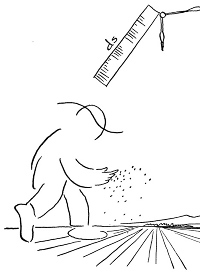
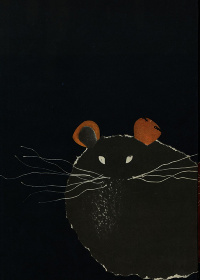
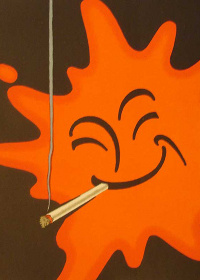
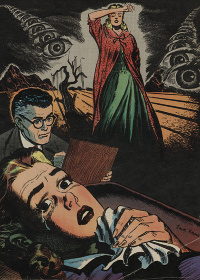
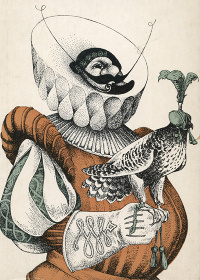
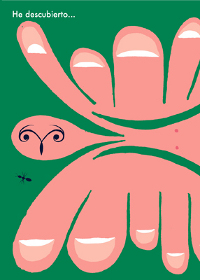
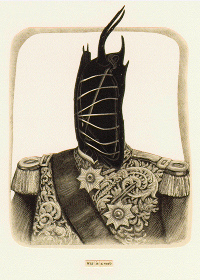
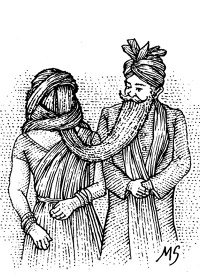
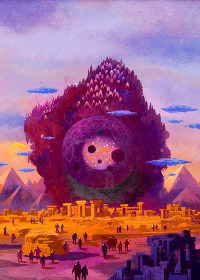
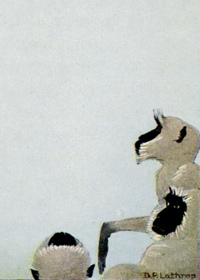
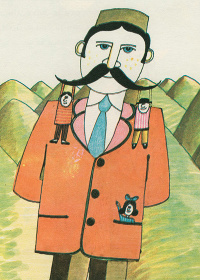
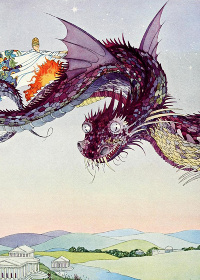
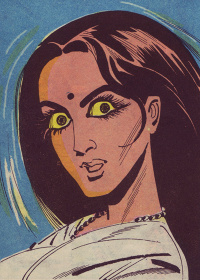
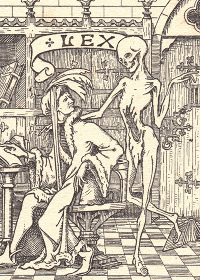
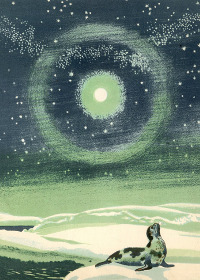
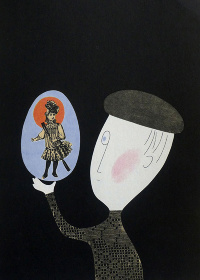
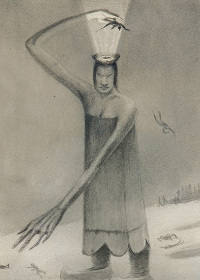
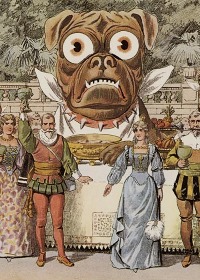
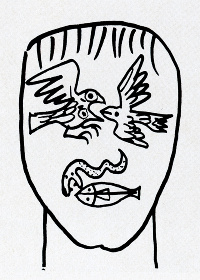
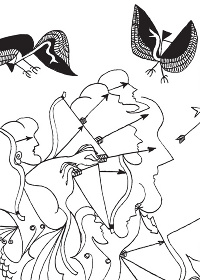
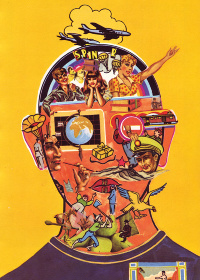
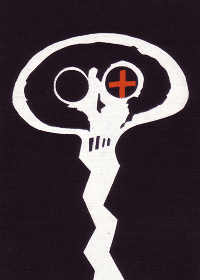
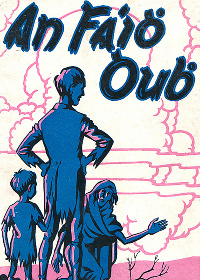
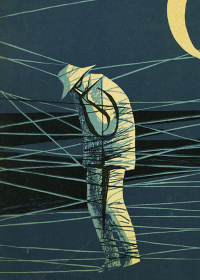
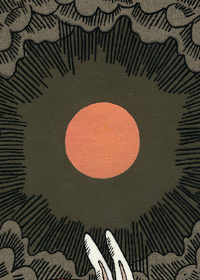
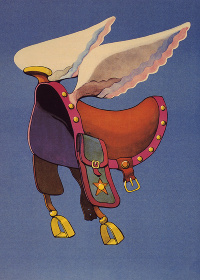
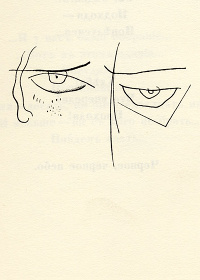
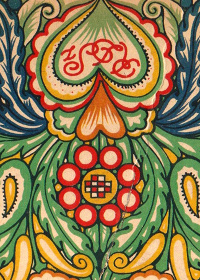
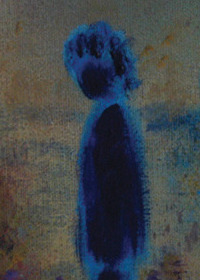
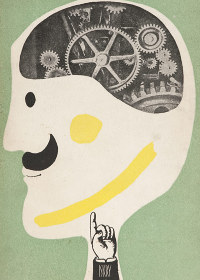
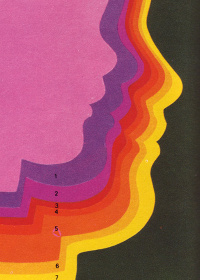
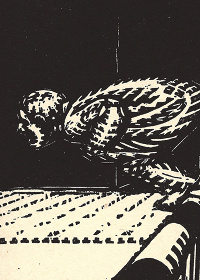
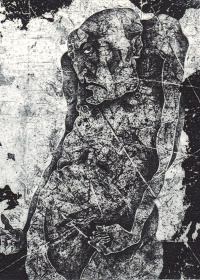
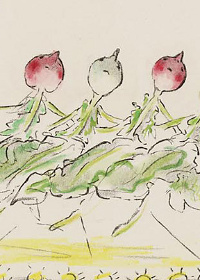
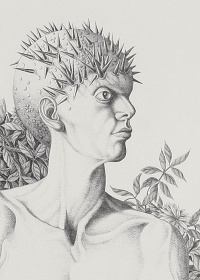
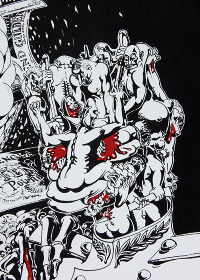
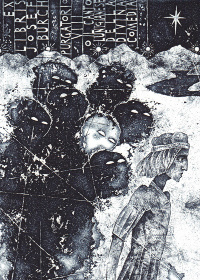
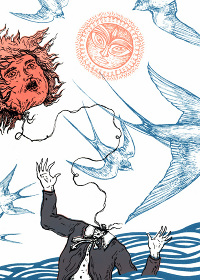
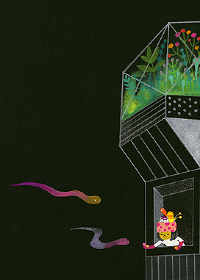
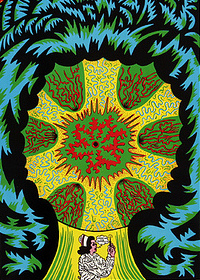
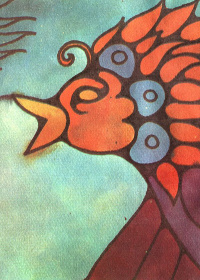
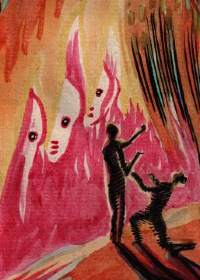
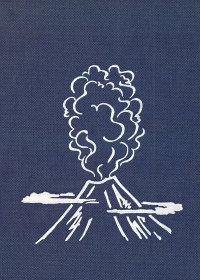
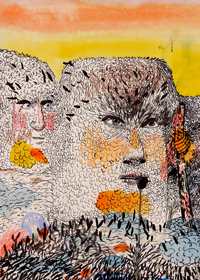
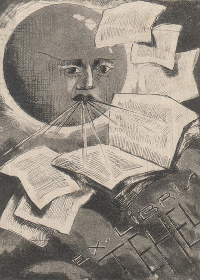
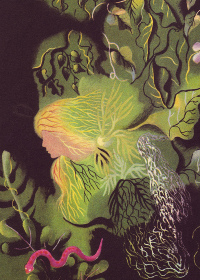
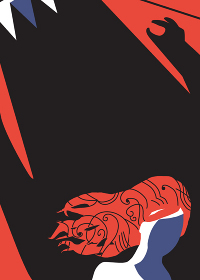
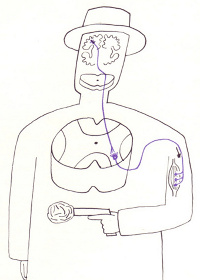
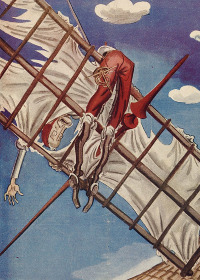
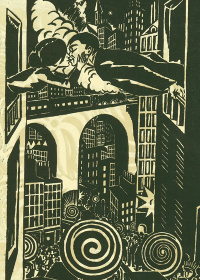
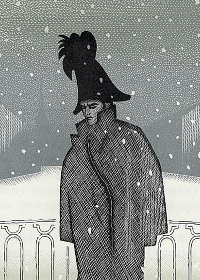
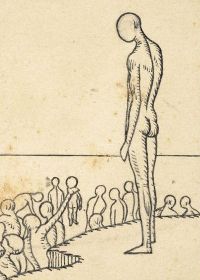
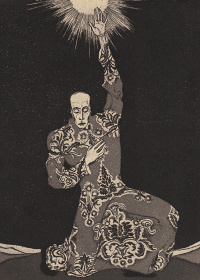
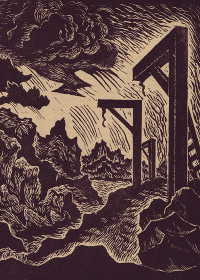
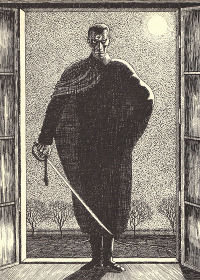
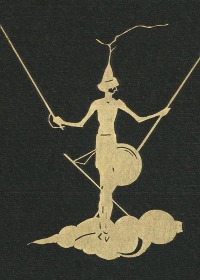
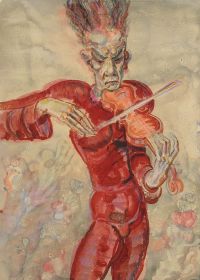
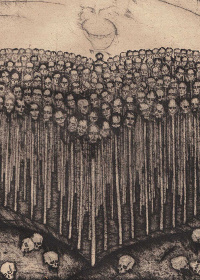
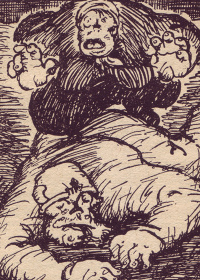
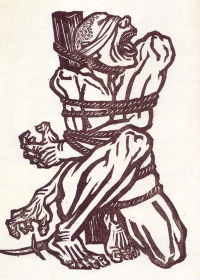
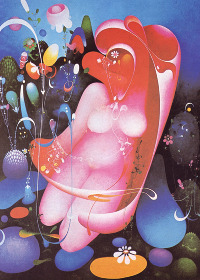
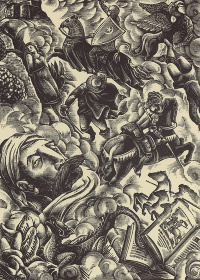
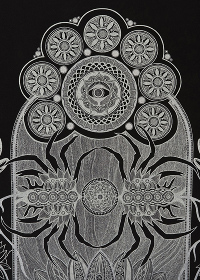
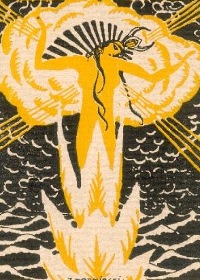
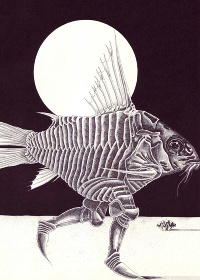
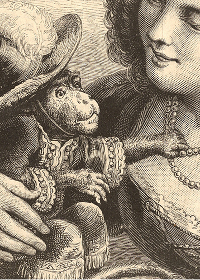
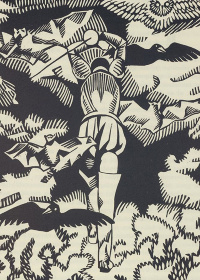
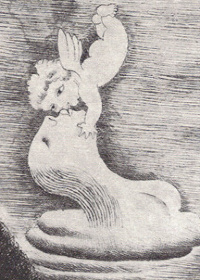
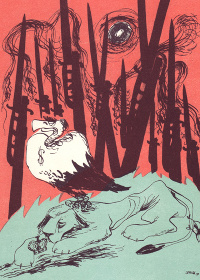
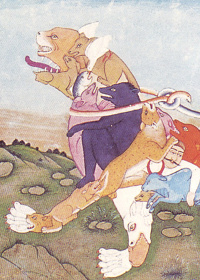
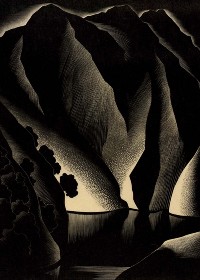
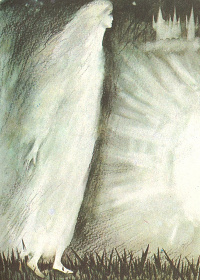
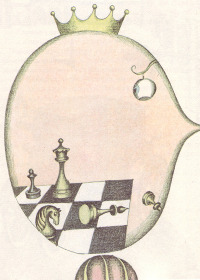
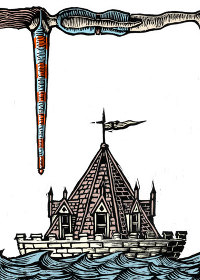
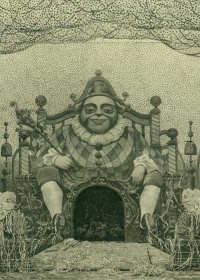
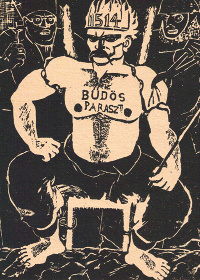
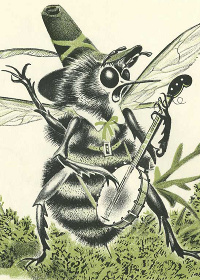
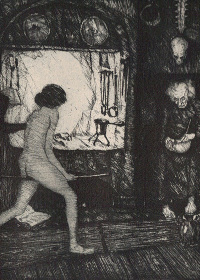
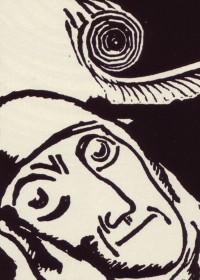
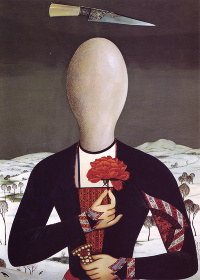
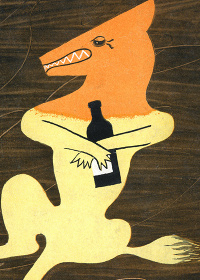
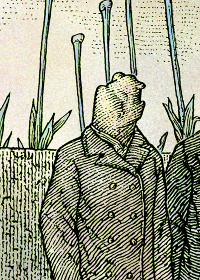
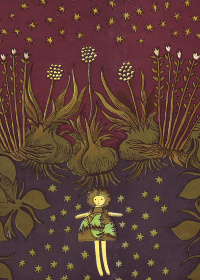
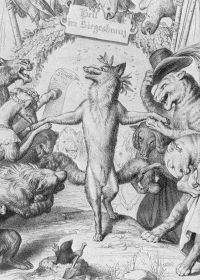
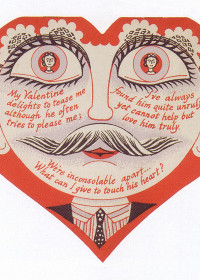
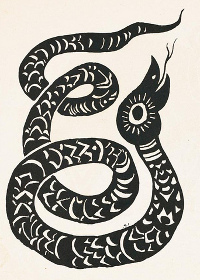
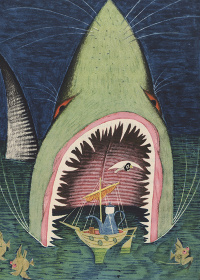
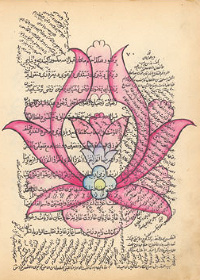
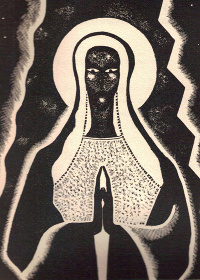
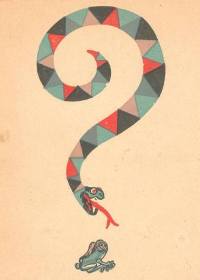
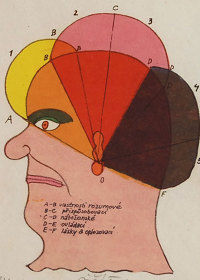
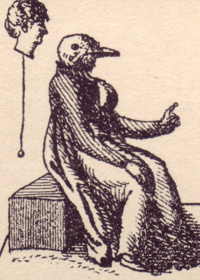
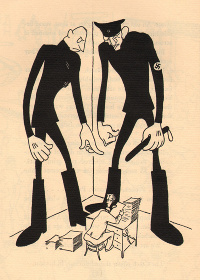
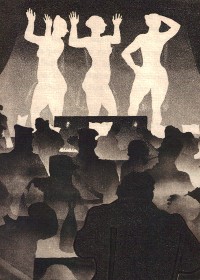
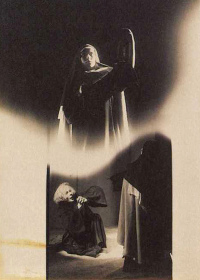
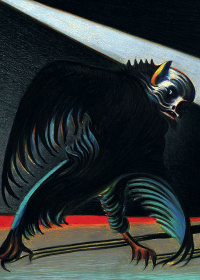
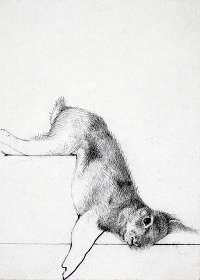
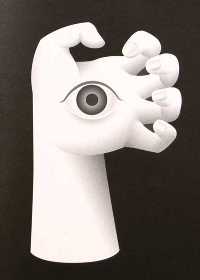
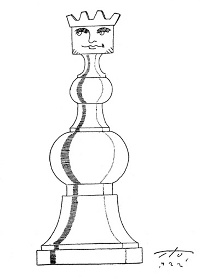
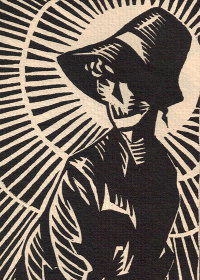
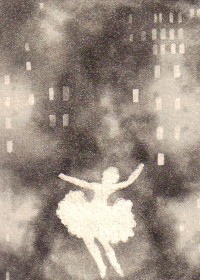
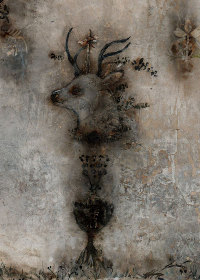
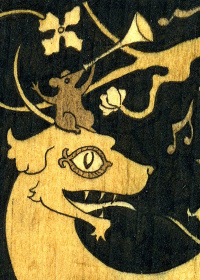
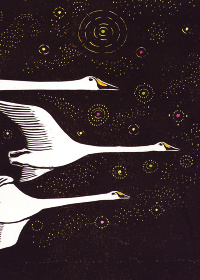
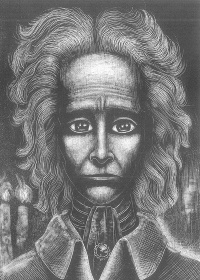
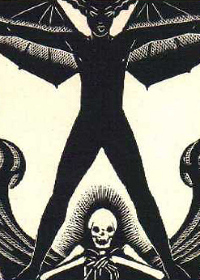
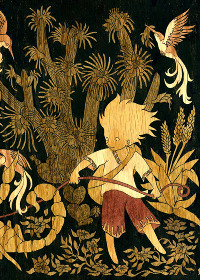
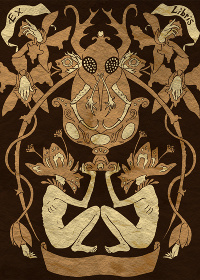
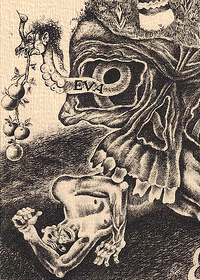
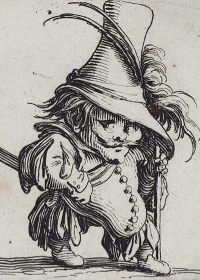
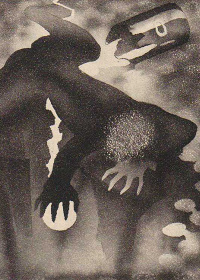
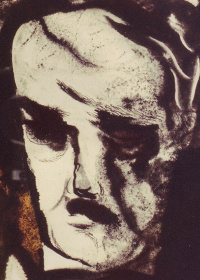
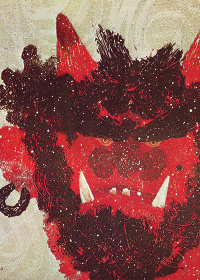
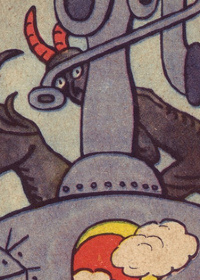
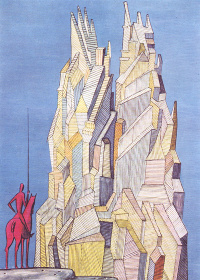
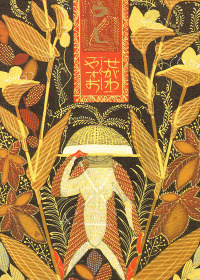
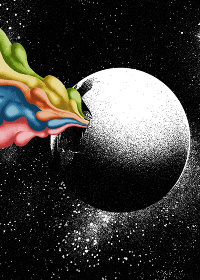
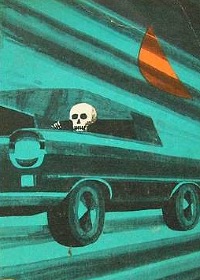
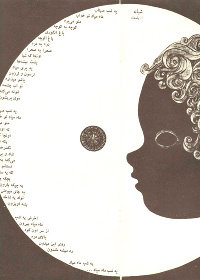
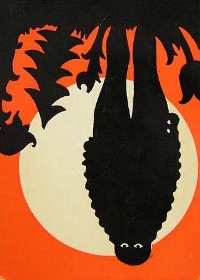
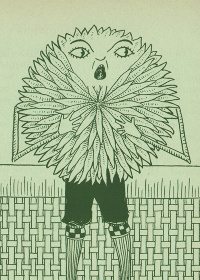
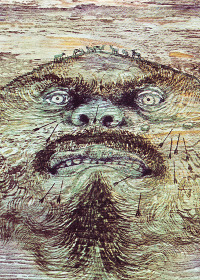
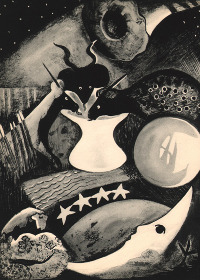
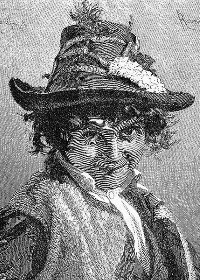
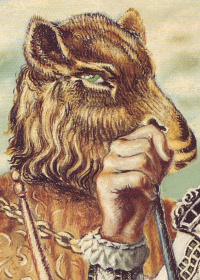
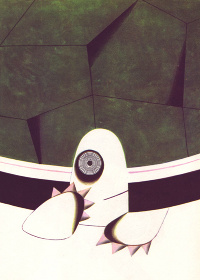
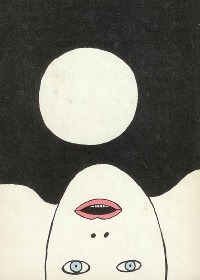
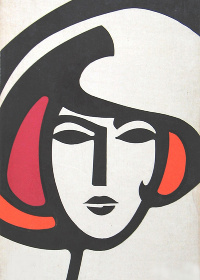
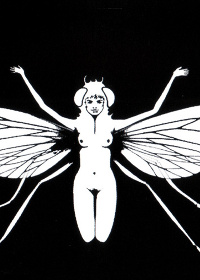
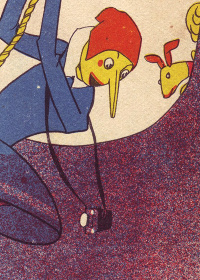
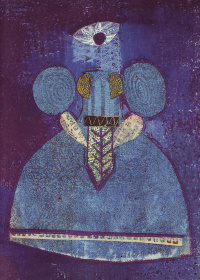
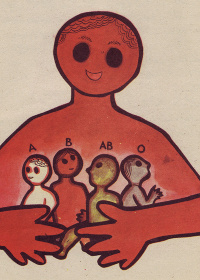
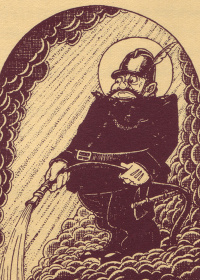
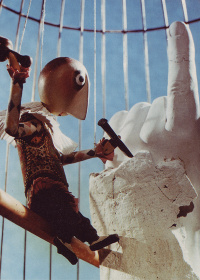
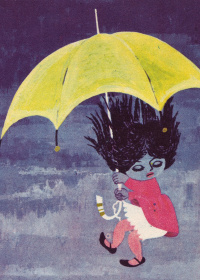
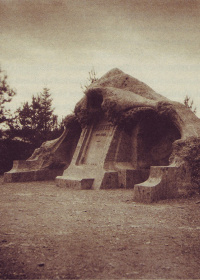
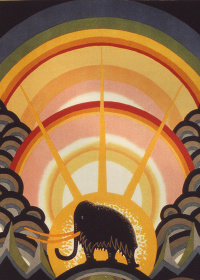
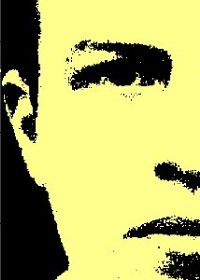
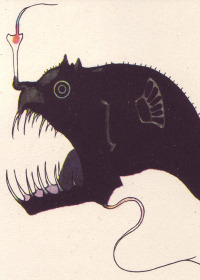
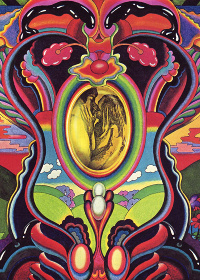
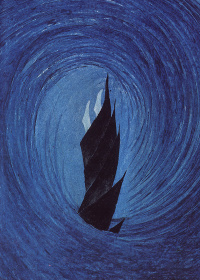
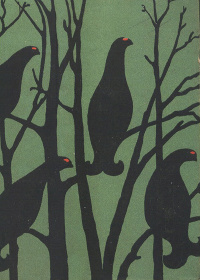
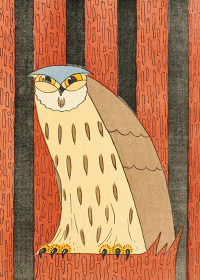
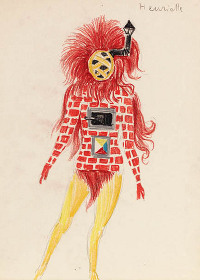
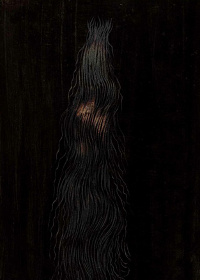
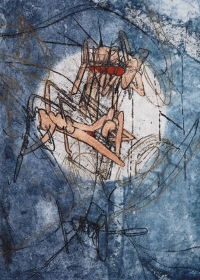
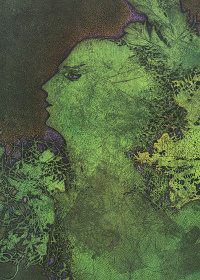
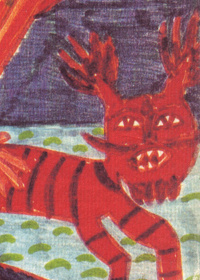
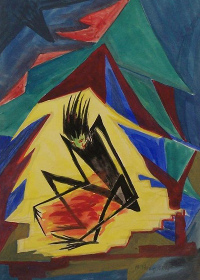
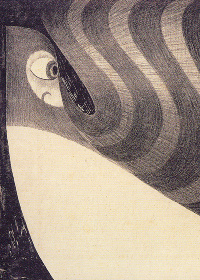
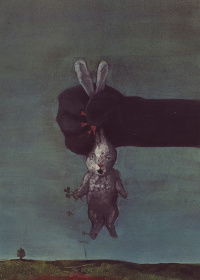
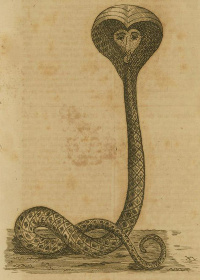
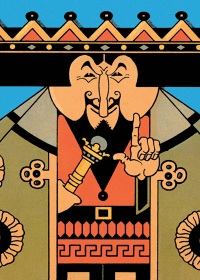
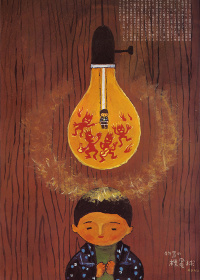
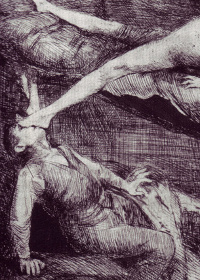
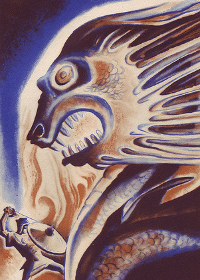
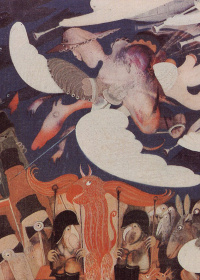
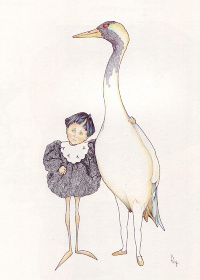
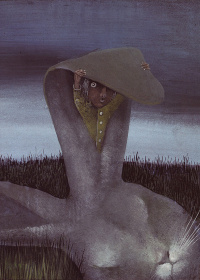
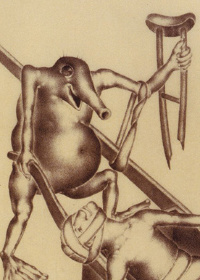
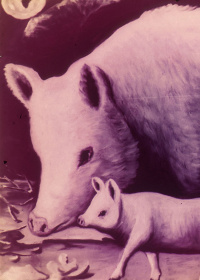
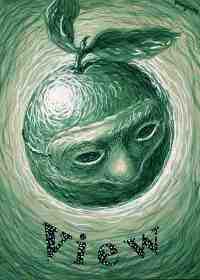
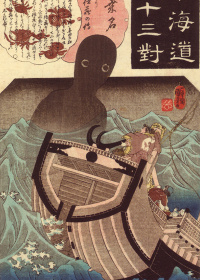
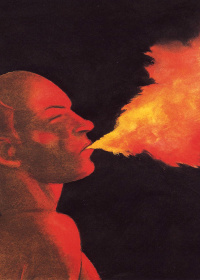
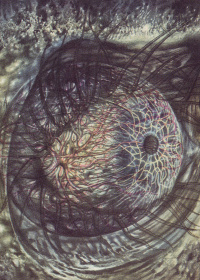
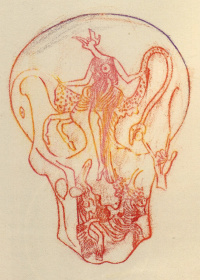
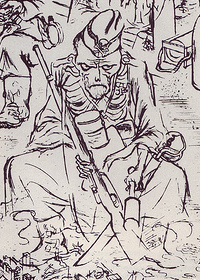
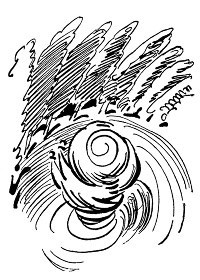
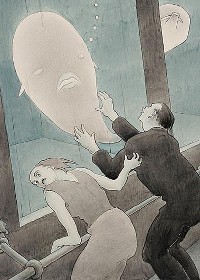
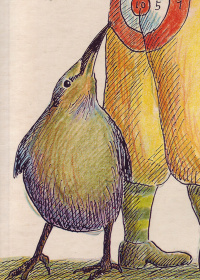
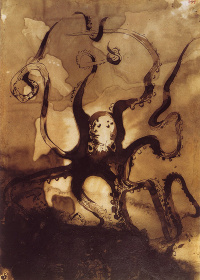
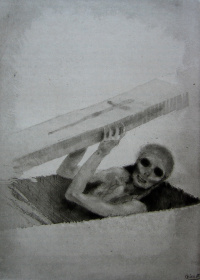
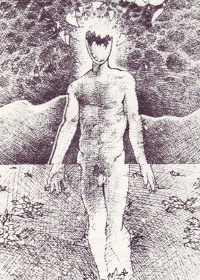
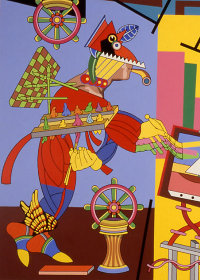
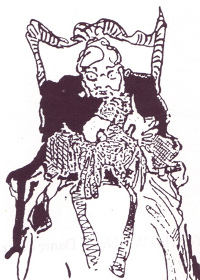
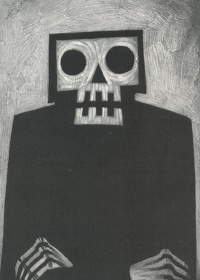
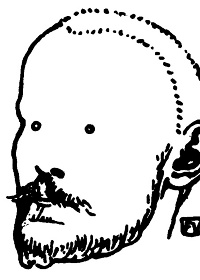
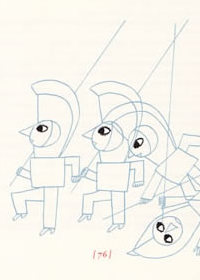
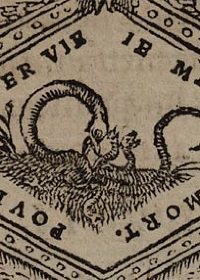
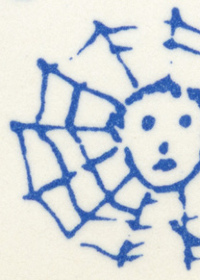
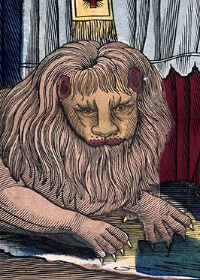
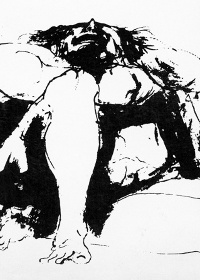
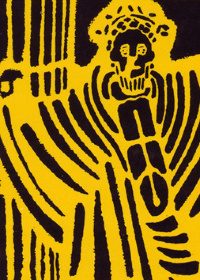
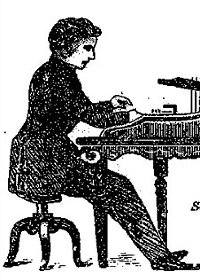
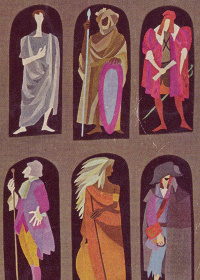
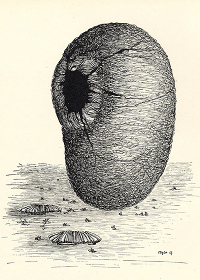
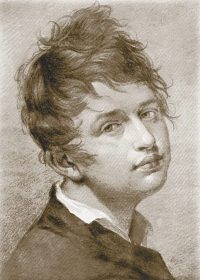
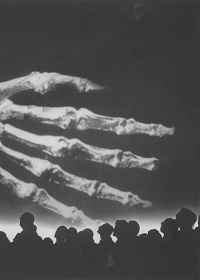
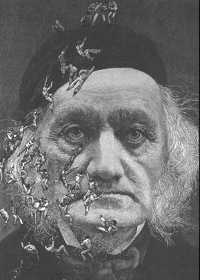
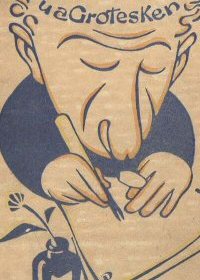
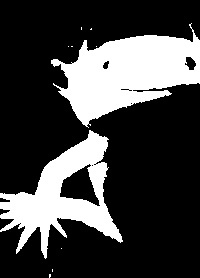
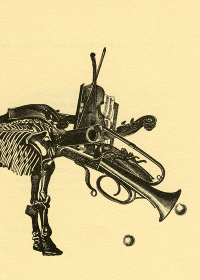
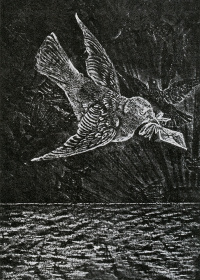
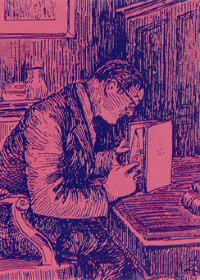
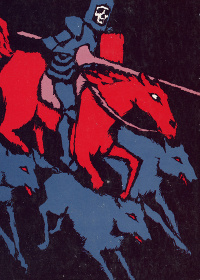
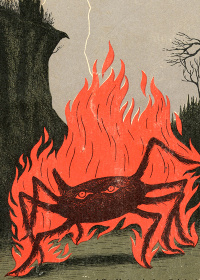
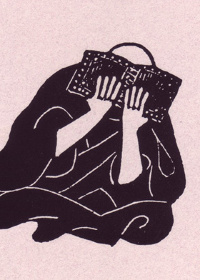
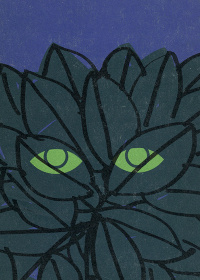
Algirdas Steponavičius, illustration for the play The Prophet Jonah by Kazys Saja, 1967, original zincography
The Mysterious Radiance of Existence
"On World Outlook"
by Algirdas Steponavičius
How to express that unbelievable world vision, the painful life space, where our fates come true?
Black abysses of the universe are falling, I can see my body burning in the fire of the melted plasma, I am crying blinded by the explosions of quasars, crawling mad in the dreary eternity of the light—year's time, searching hopelessly for the salvation of the soul.
Existence for me is both a divine and absurd value.
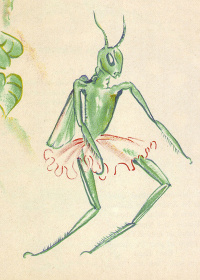
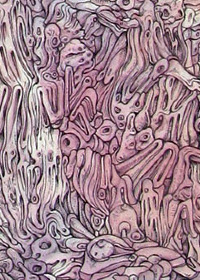
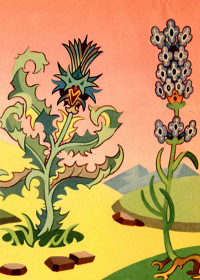
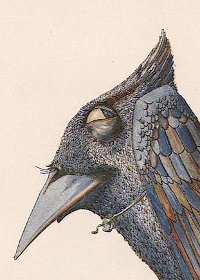
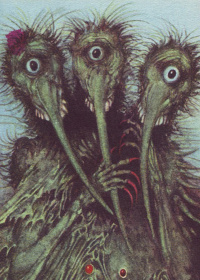
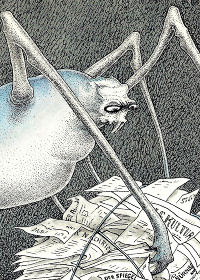
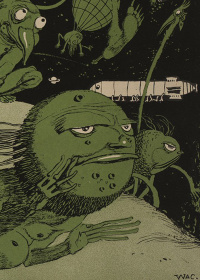
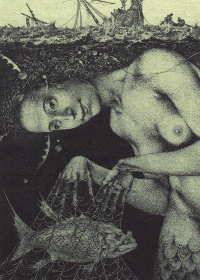
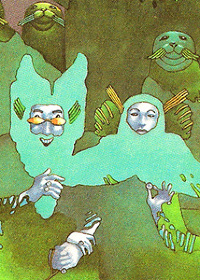
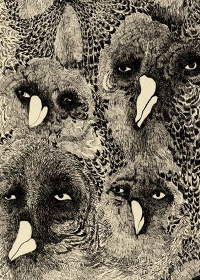
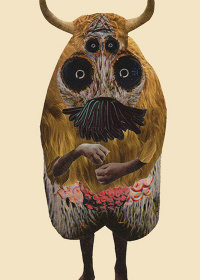
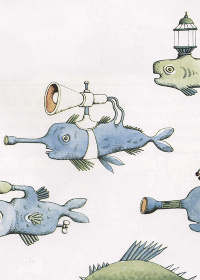
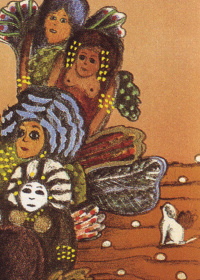
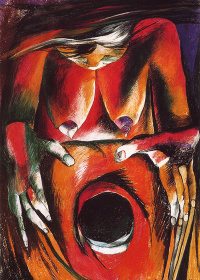
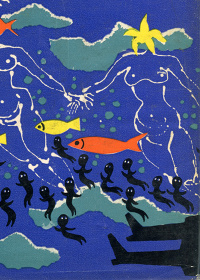
My eyes and consciousness seem to be cut through by a knife and opened for mad visions. Lumps of life are droning, moaning and rolling over, the swings of blind instincts, groans and desires intertwine into knots, the pools of blood are pulsating, the open palates are panting, life is whining, crawling and uncoiling in various shapes. Slimy seaweeds, strange creatures with tongues, plants with knobby joints, funny fish, bugs bearing marks and those which sing with bone beaks. Ants, sovereigns, thieves, animals, barefoot children, sick people with sticks, jesters, traders, robbers, dogs, and pilgrims -- the process of life is marching from the past to the present.
Here everything gets mixed—massacres, love, holidays, crucifixions.
The world—a mystery, disclosing itself by way of the stunning manifestations of visions and the fire of events. It is an inexorable, mysterious and dramatic ritual—the realization of Existence and Non-Existence in the presence of Eternity.
When glancing from the expanses of the universe and the space of time, the millions of years following the birth of the world seem a mere instant, and man—an indiscernible micro speck of dust in the vortices of existence.
Sometimes it prays, kneeling at the edge of the universe...
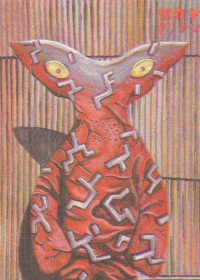
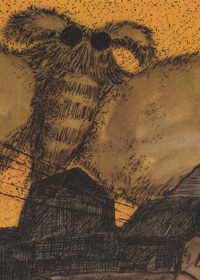
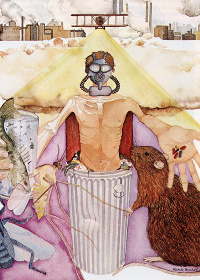
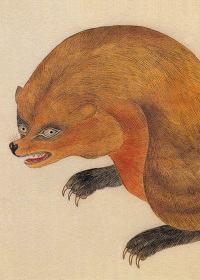
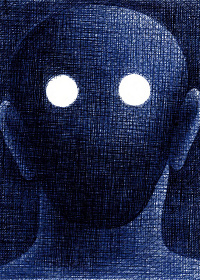
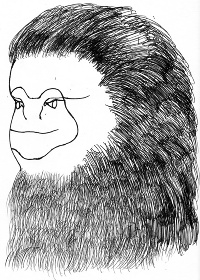
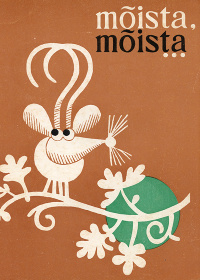
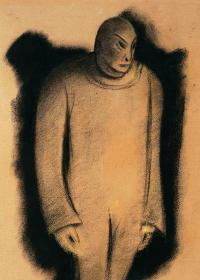
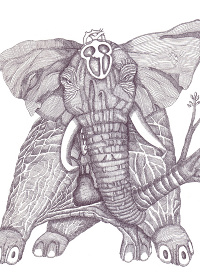
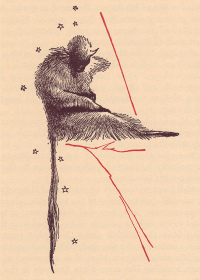
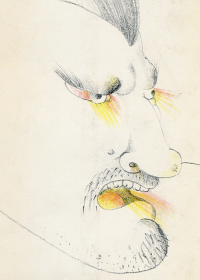
I move by way of making funny steps; I am fatally conditioned by the destined existence, closed in a soft hairy body, with protuberant ears, a jutting nose like a beak, and a mouth resembling that of a rodent.
I am always lonely in my own seclusion, though my love is directed to other worlds.
My soul is full of endless anxiety and the feeling of cosmic harm and riot; the pits of despair can also be felt looming there. I do not lose my hope to find comfort, protection and shelter for my soul like a blind child concealing a wordless moan.
The insatiable soul is open to the universe like a hungry cavity. I am greedily drinking an intoxicating nectar of life, but I am still thirsty. Wind, a tree, the expanses of the sky are the few things which enable me to feel a divine blessing. A knob of a green meadow, the warmth of eyes...
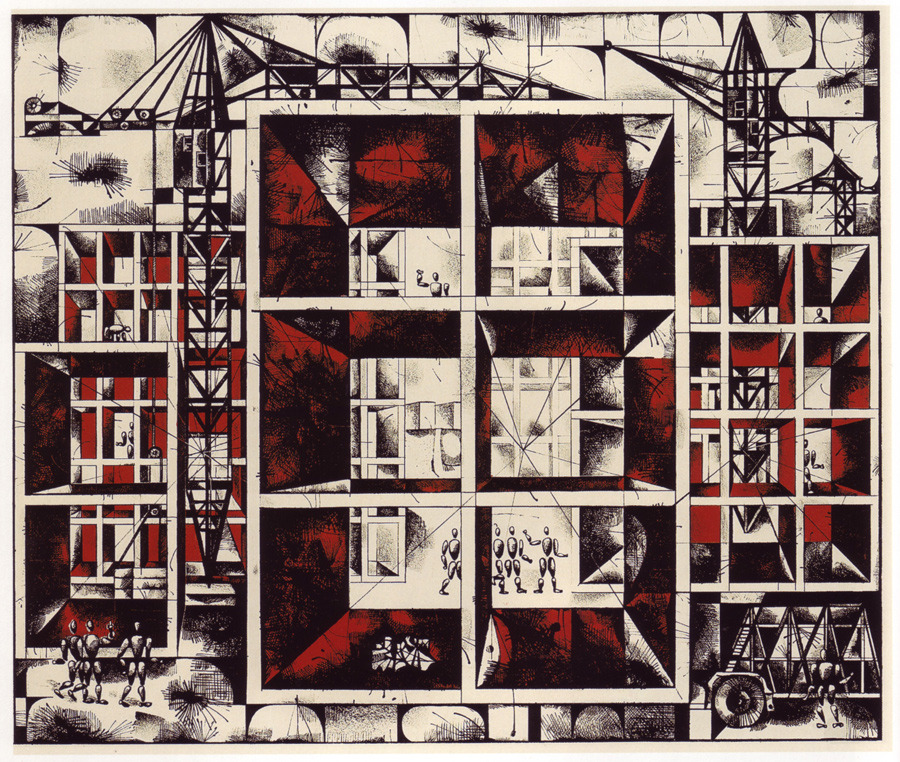
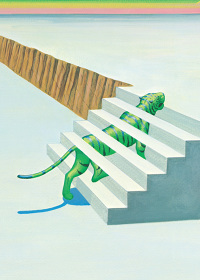
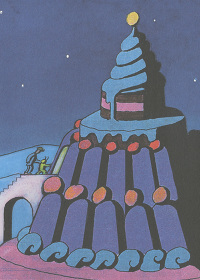
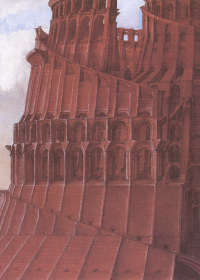
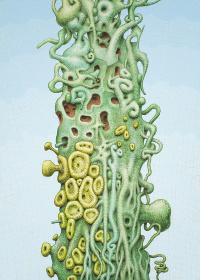
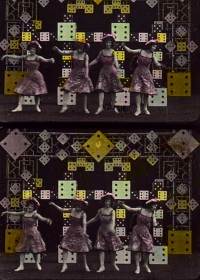
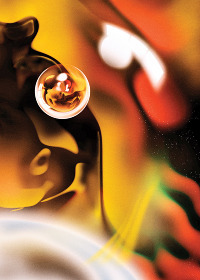
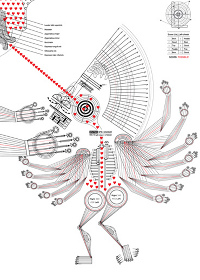
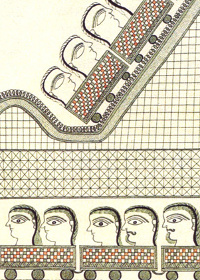
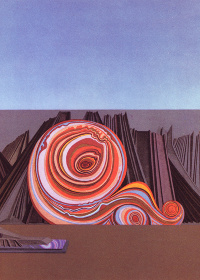
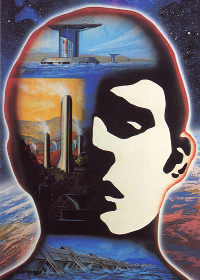
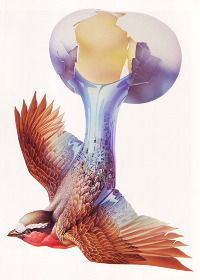
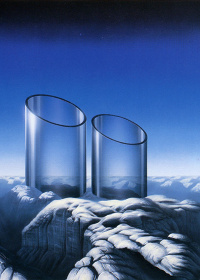
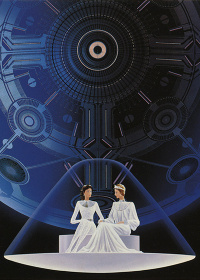
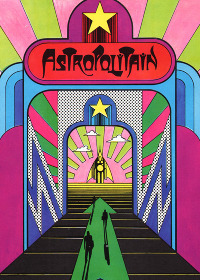
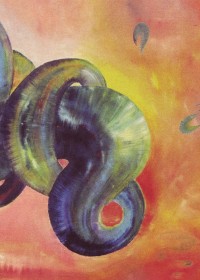
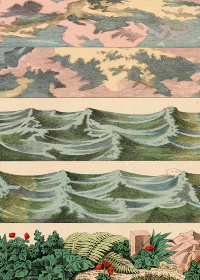
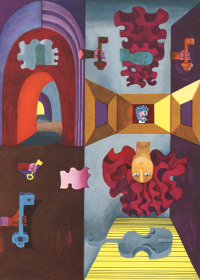
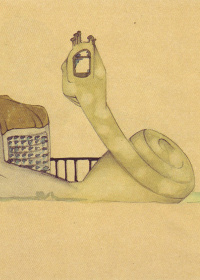
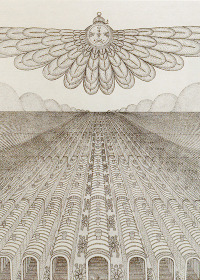
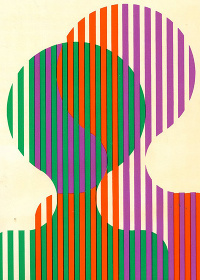
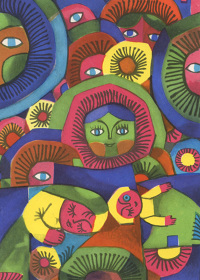
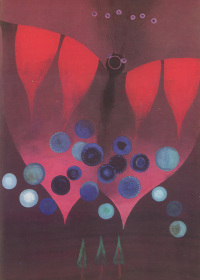
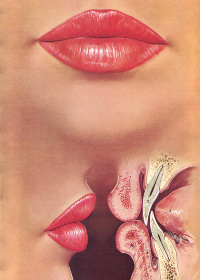
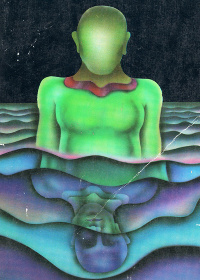
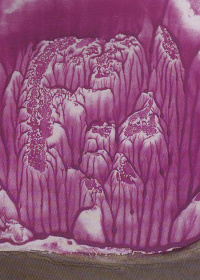
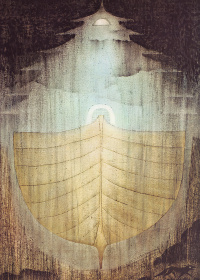
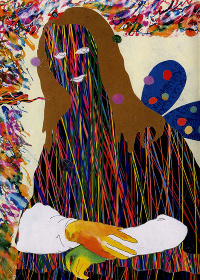
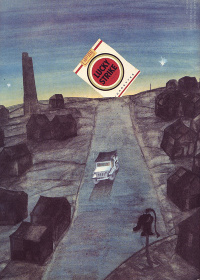
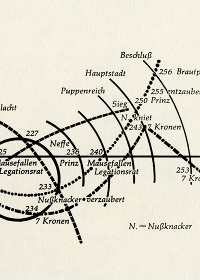
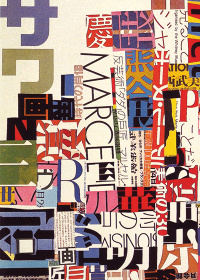
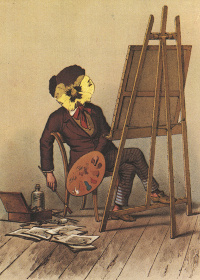
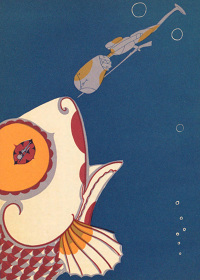
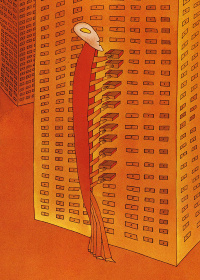
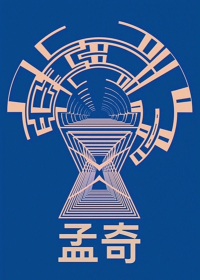
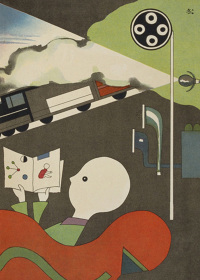
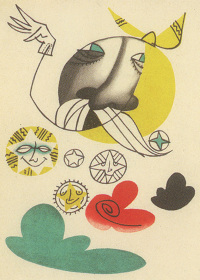
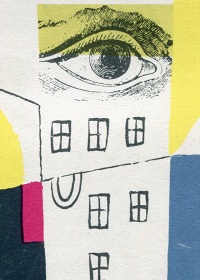
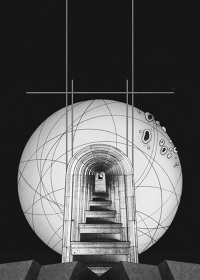
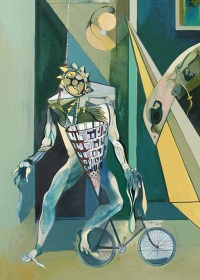
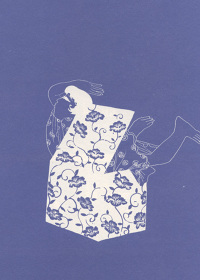
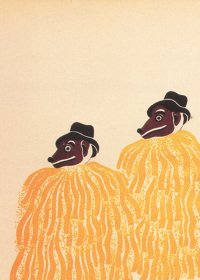
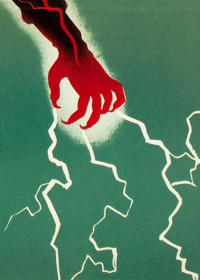
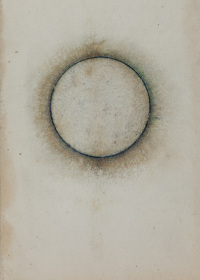
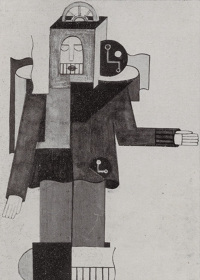
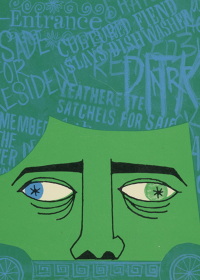
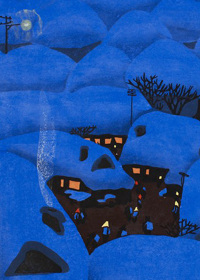
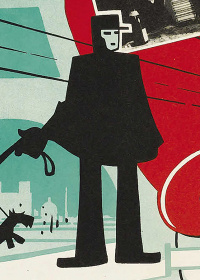
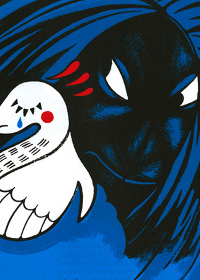
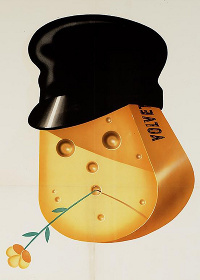
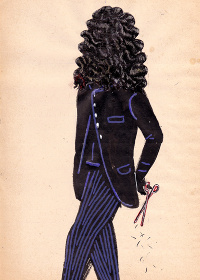
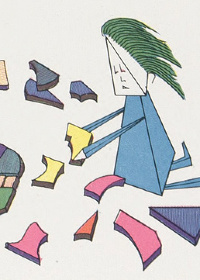
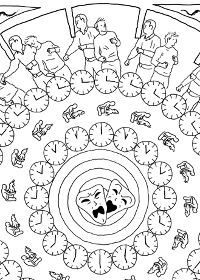
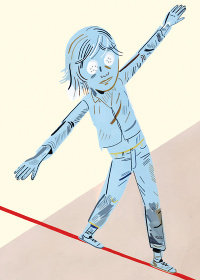
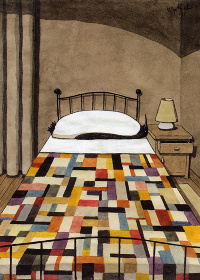
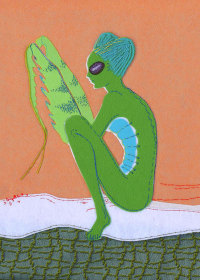
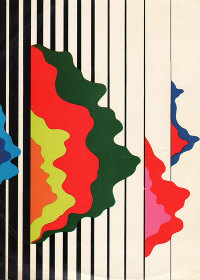
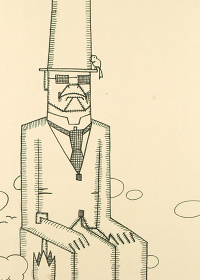
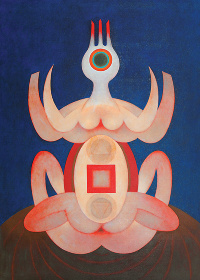
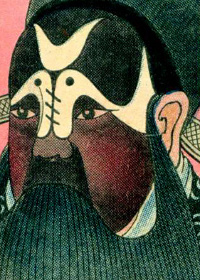
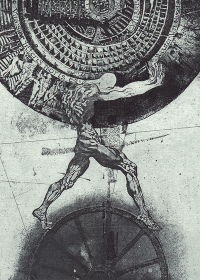
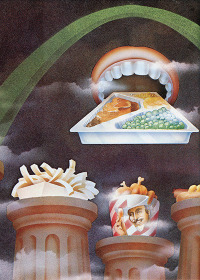
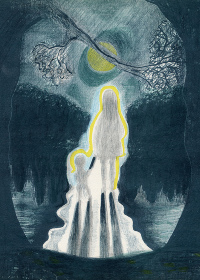
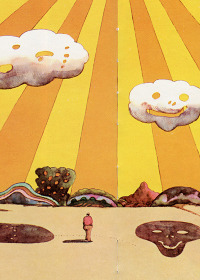
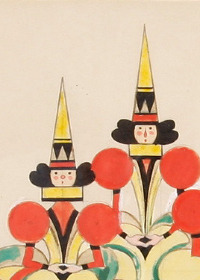
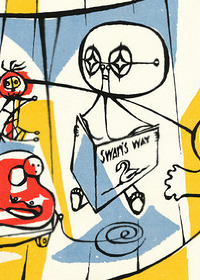
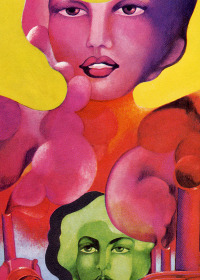
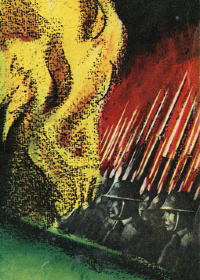
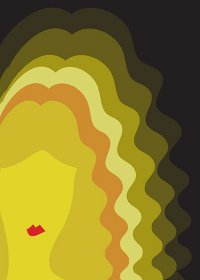
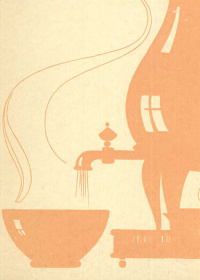
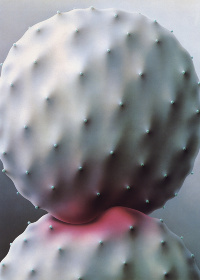
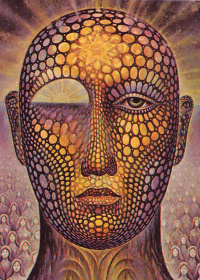
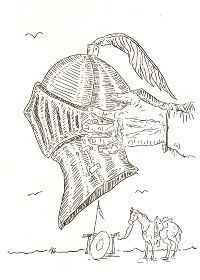
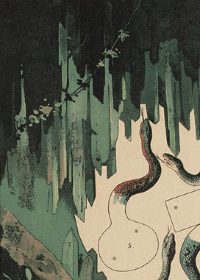
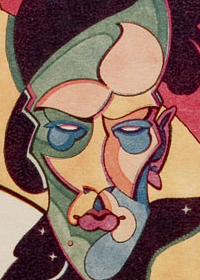
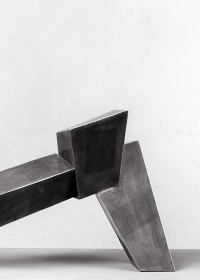
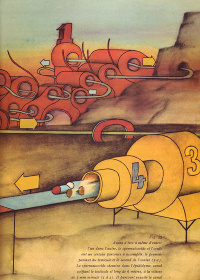
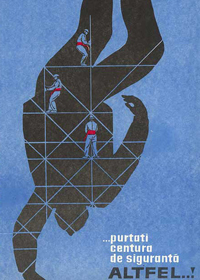
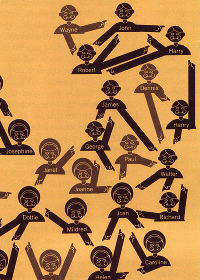
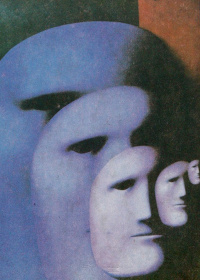
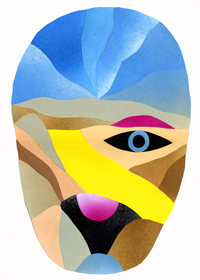
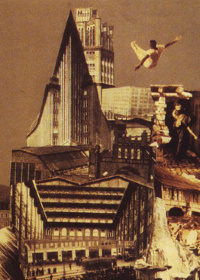
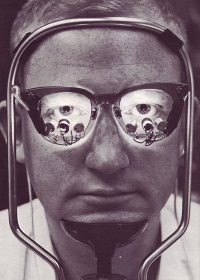
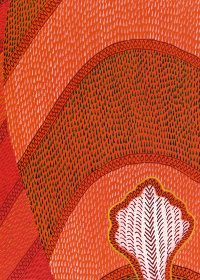
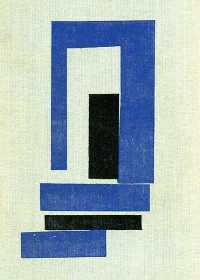
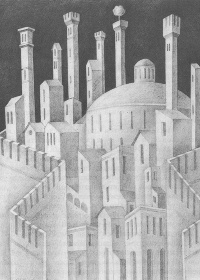
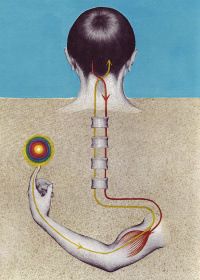
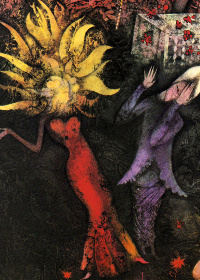
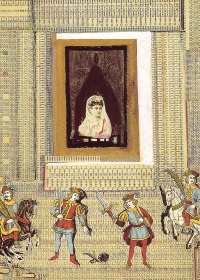
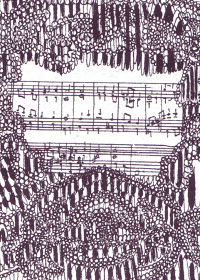
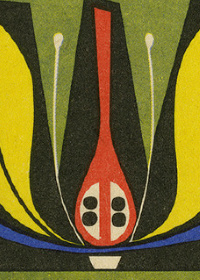
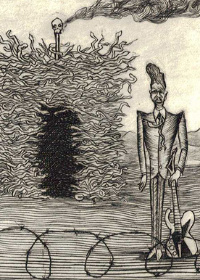
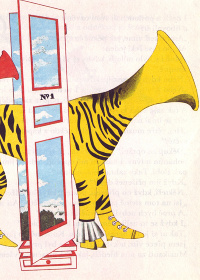
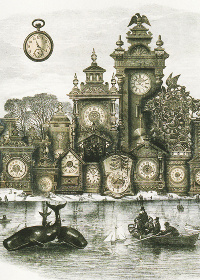
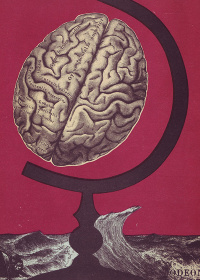
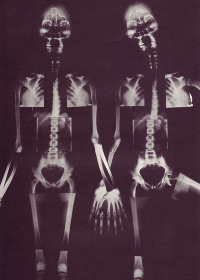
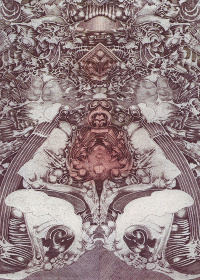
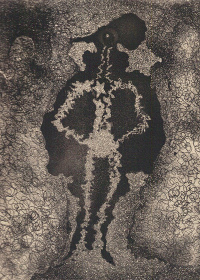
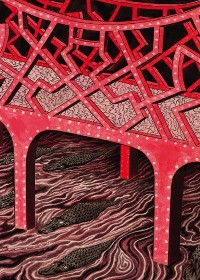
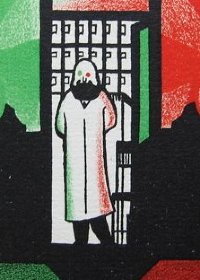
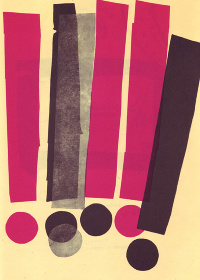
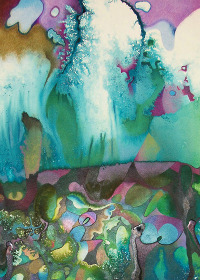
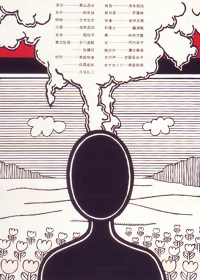
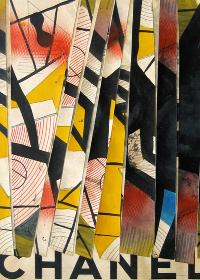
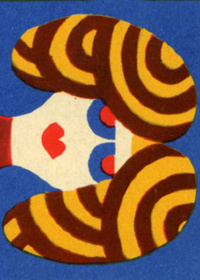
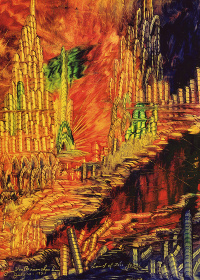
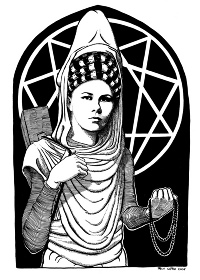
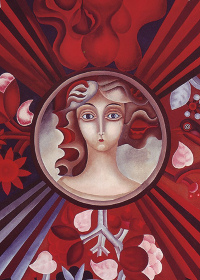
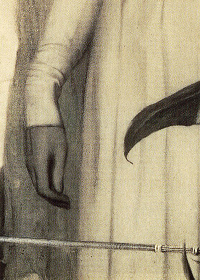
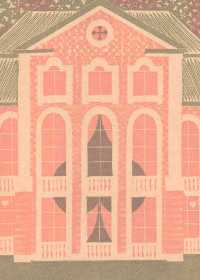
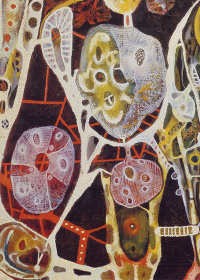
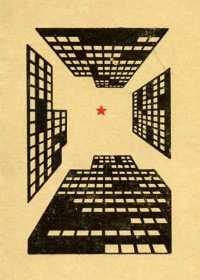
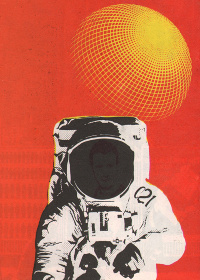
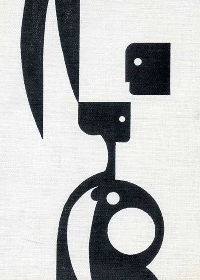
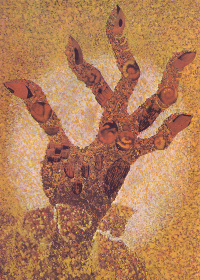
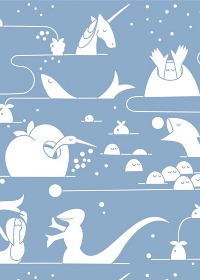
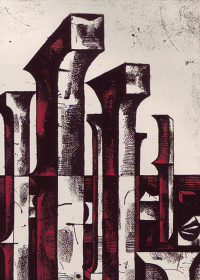
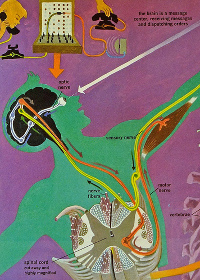
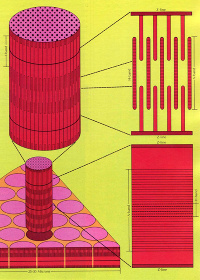
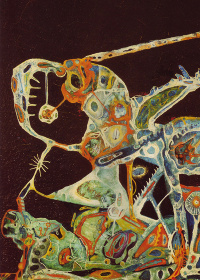
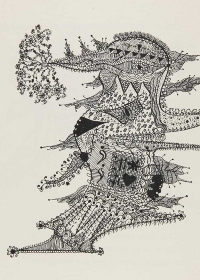
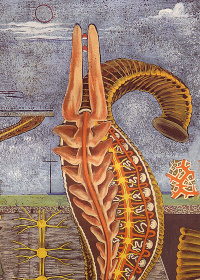
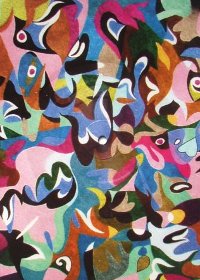
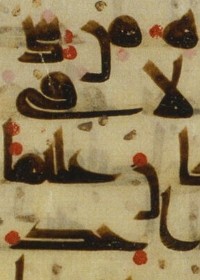
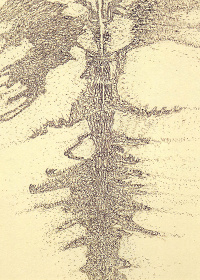
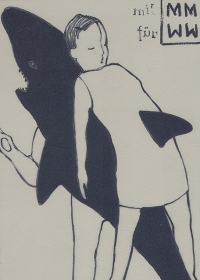
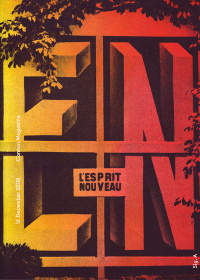
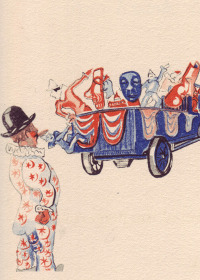
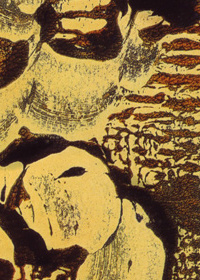
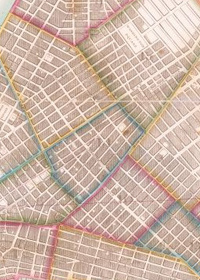
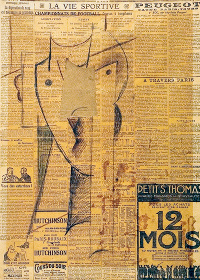
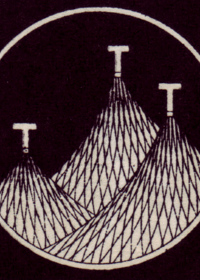
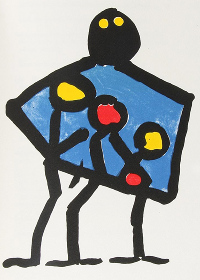
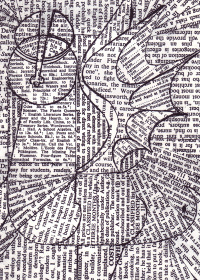
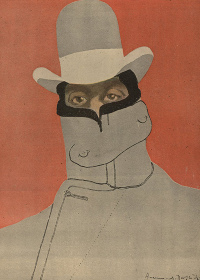
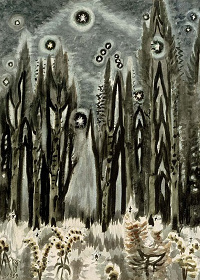
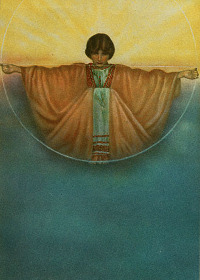
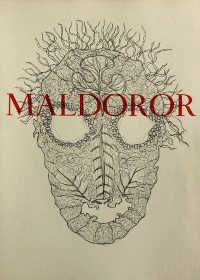
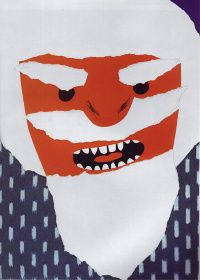
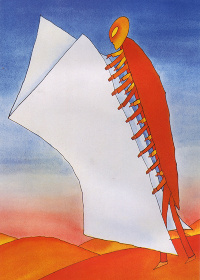
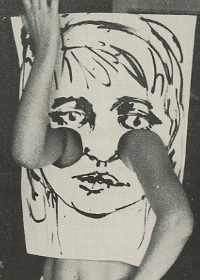
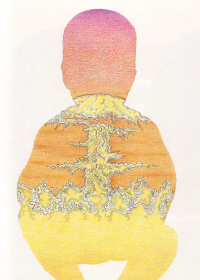
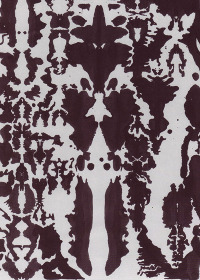
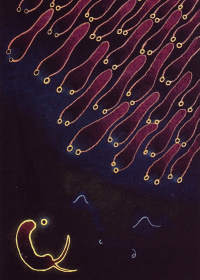
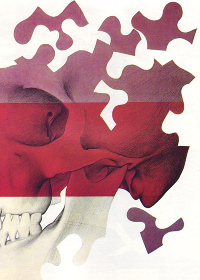
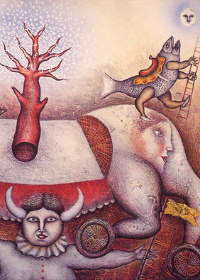
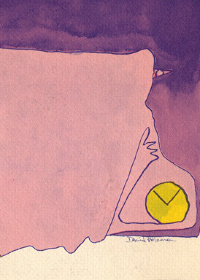
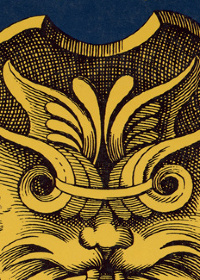
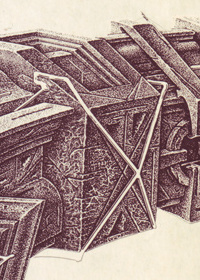
Algirdas Steponavičius, New Construction Works I, 1968, color lithograph
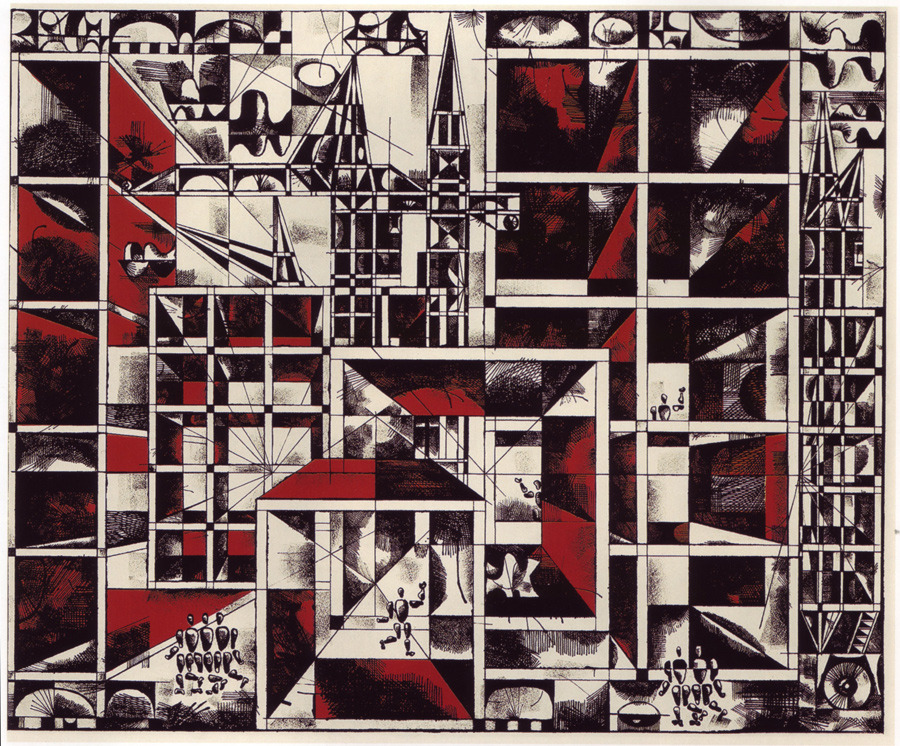
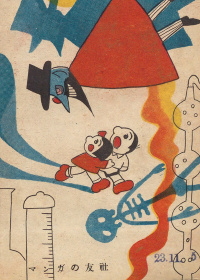
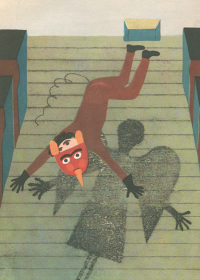
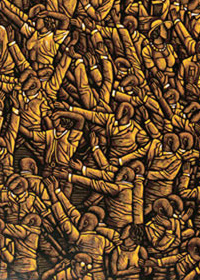
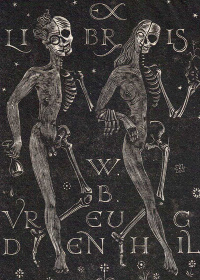
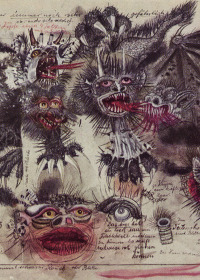
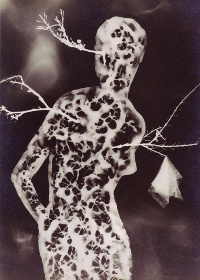
Algirdas Steponavičius, New Construction Works II, 1968, color lithograph
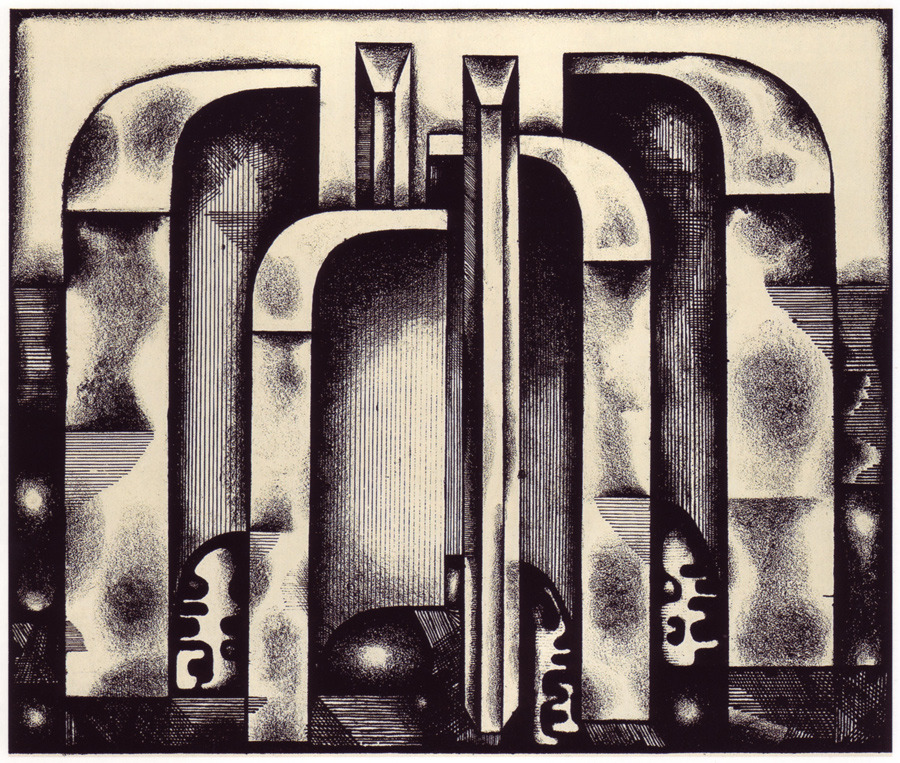
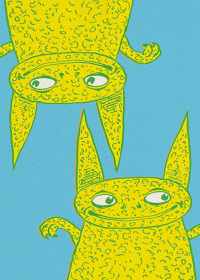
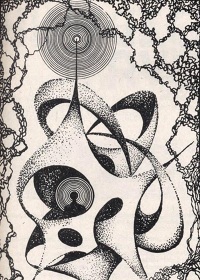
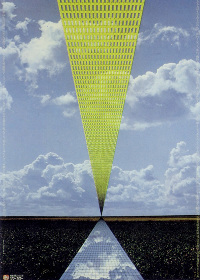
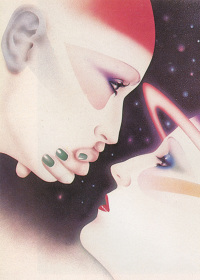
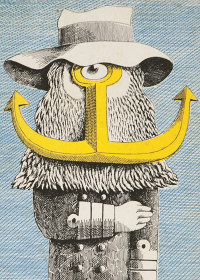
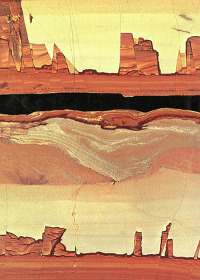
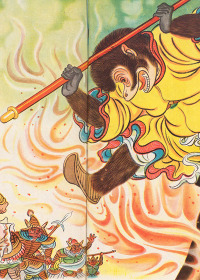
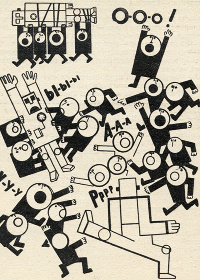
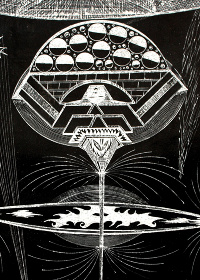
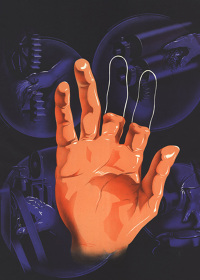
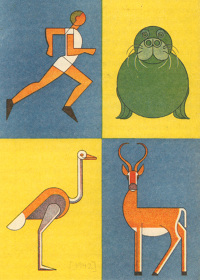
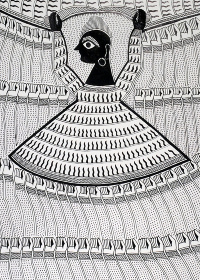
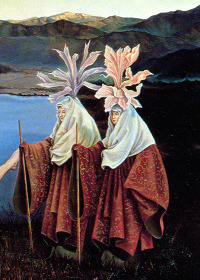
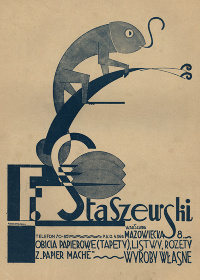
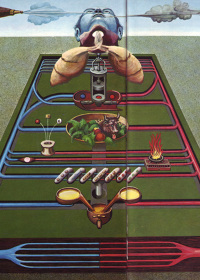
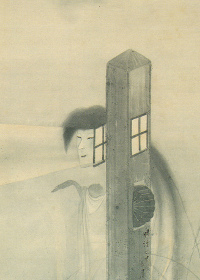
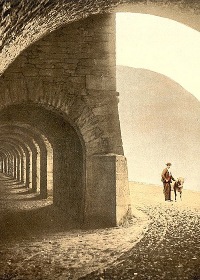
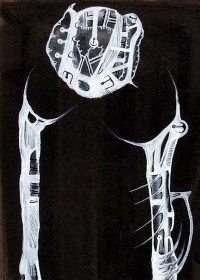
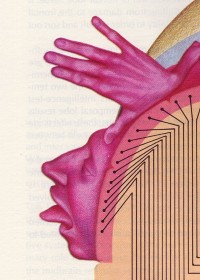
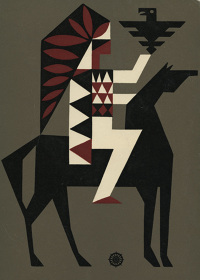
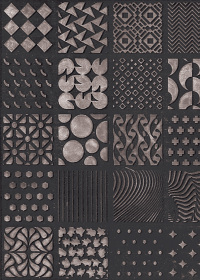
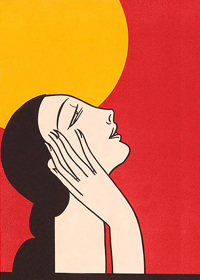
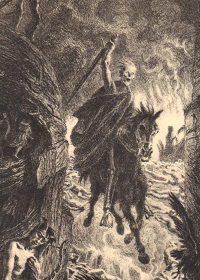
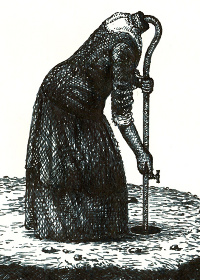
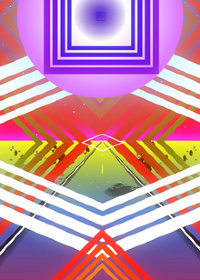
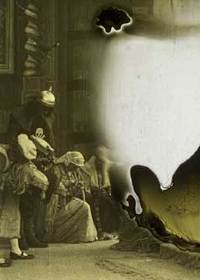
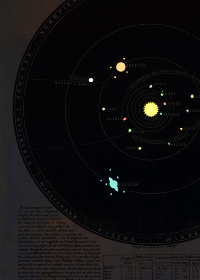
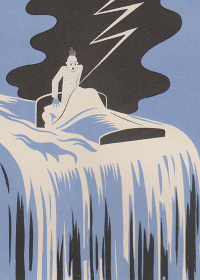
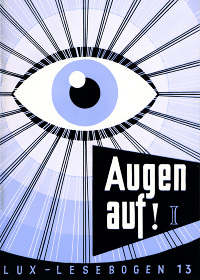
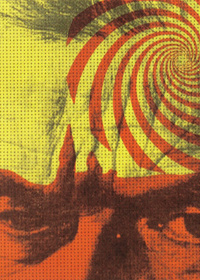
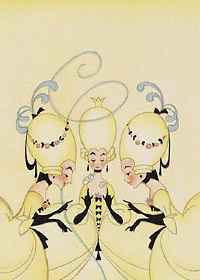
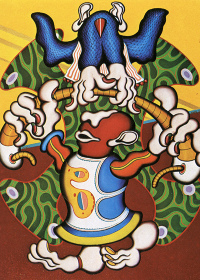
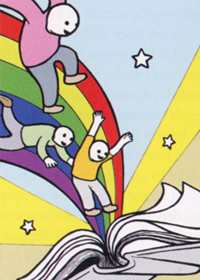
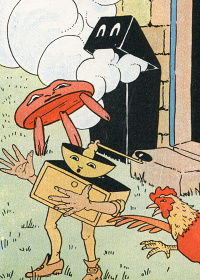
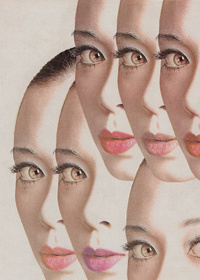
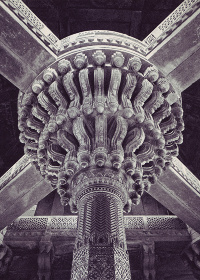
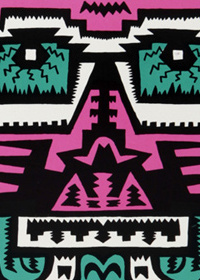
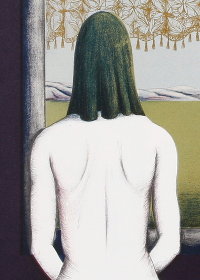
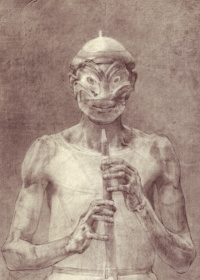
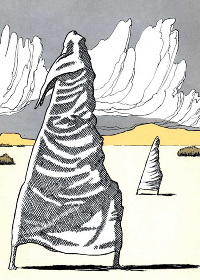
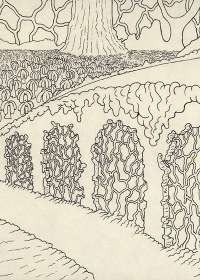
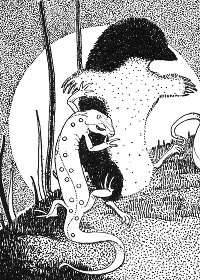
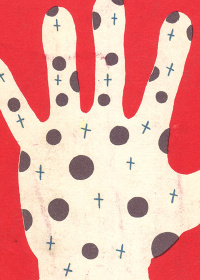
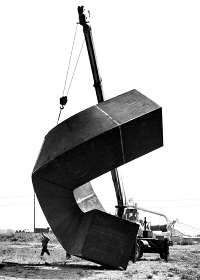
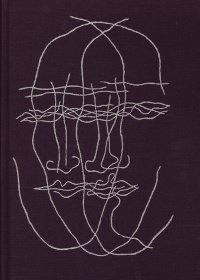
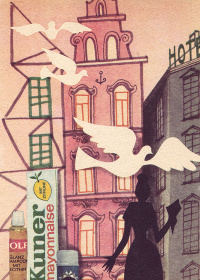
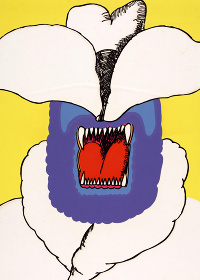
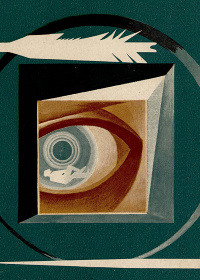
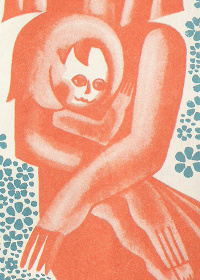
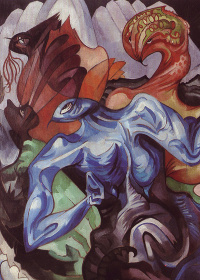
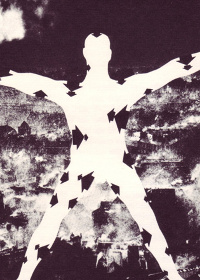
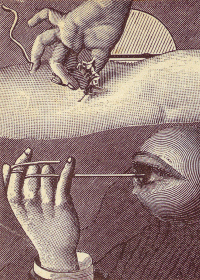
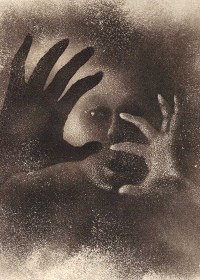
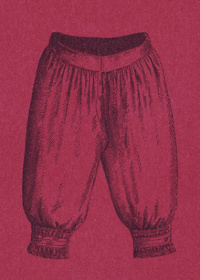
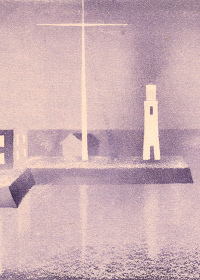
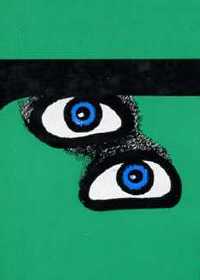
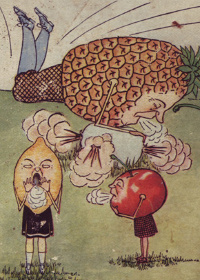
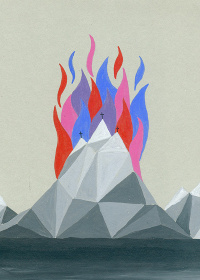
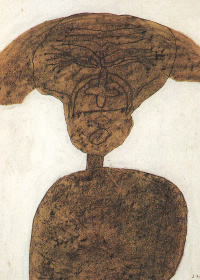
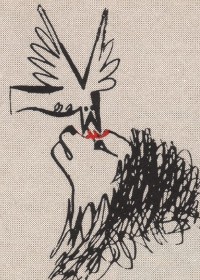
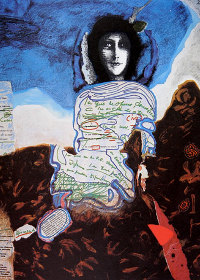
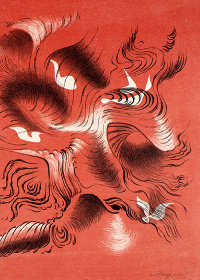
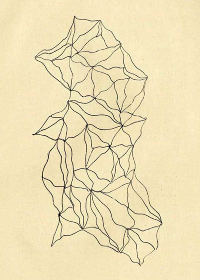
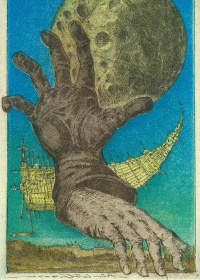
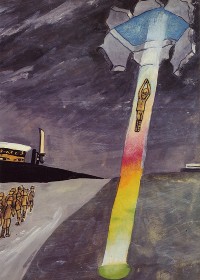
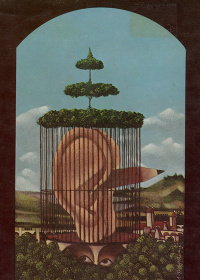
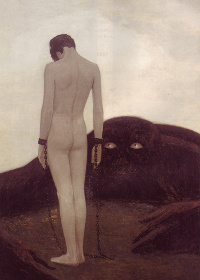
Algirdas Steponavičius, Constructions I, 1969, lithograph
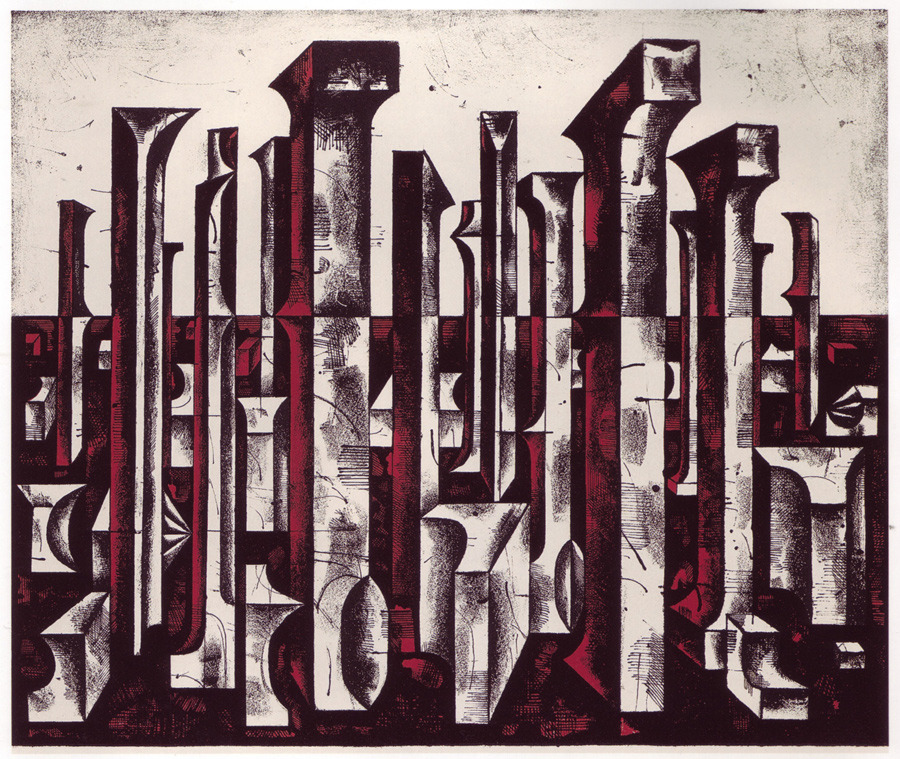
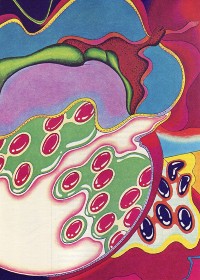
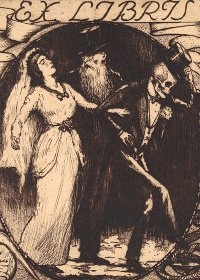
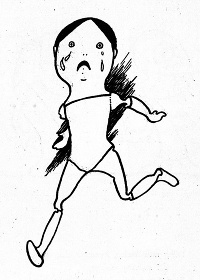
Algirdas Steponavičius, Constructions II, 1969, color lithograph
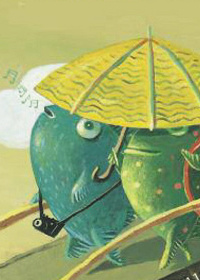
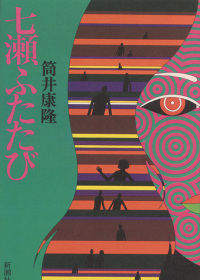
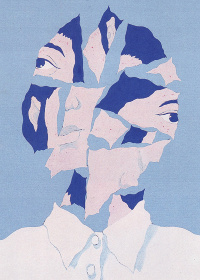
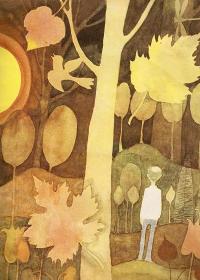
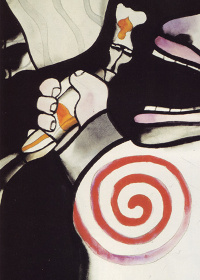
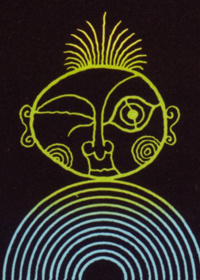
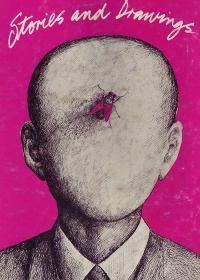
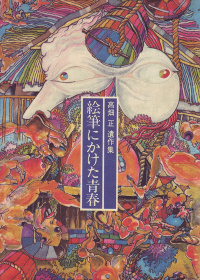
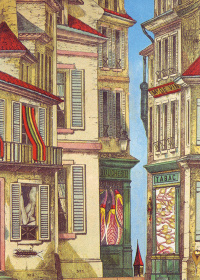
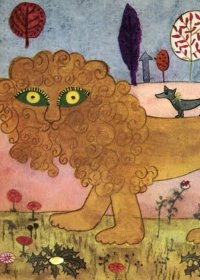
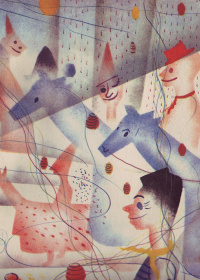
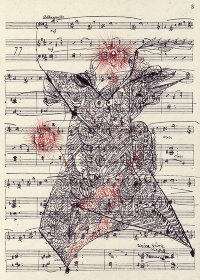
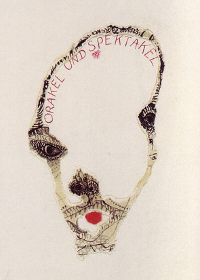
The text and images come from the retrospective Algirdas Steponavičius: Paslaptingos būties švytėjimas. I got my copy from a Lithuanian bookstore. Be patient, open their instructions in a separate window, and have ten windows open for google translate.
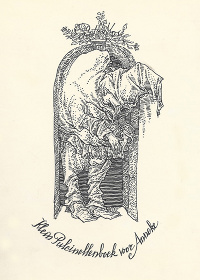
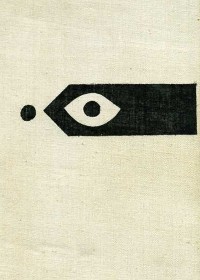
This hardcover book is 256 pages and illustrated in full color throughout. It also has a few bits in English: short essay about the artist, 2-pages of biographical dates, and a three-page section of his writings called "The Mysterious Radiance of Existence." There are 3 more parts after "On World Outlook": "On Creation," "On Drawings for Books," and "Who and what prompted me to take an interest in art?"
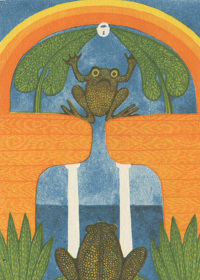
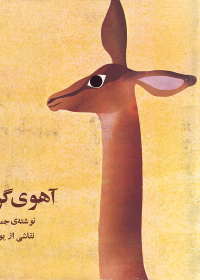
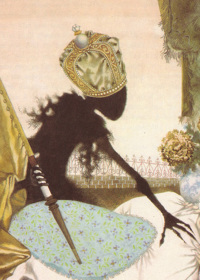
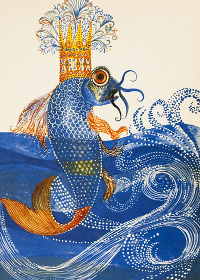
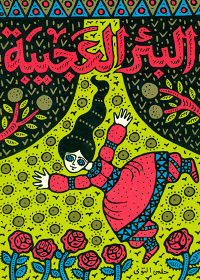
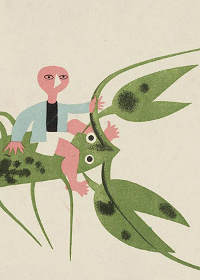
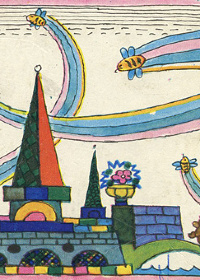
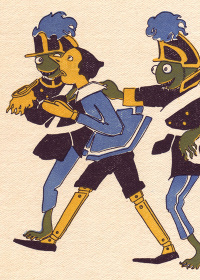
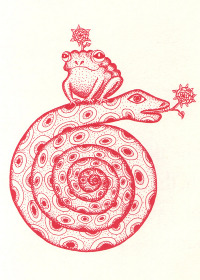
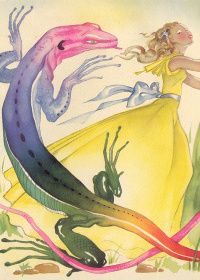
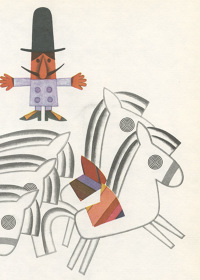
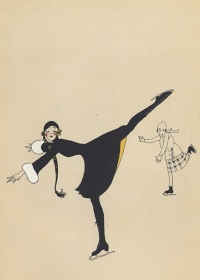
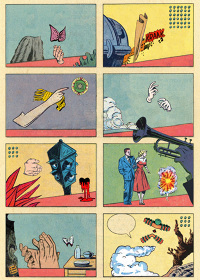
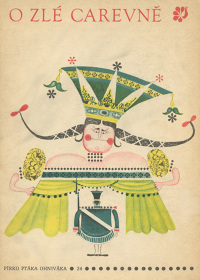
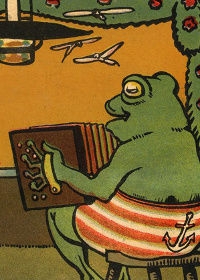
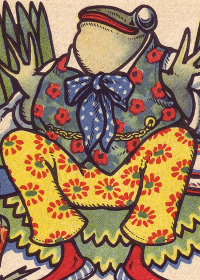
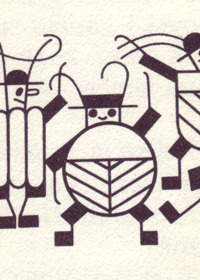
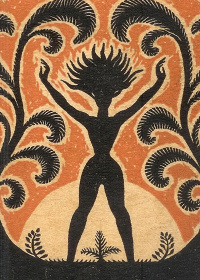
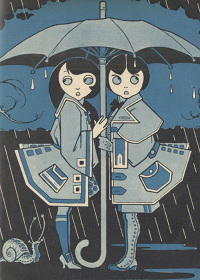
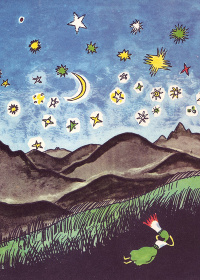
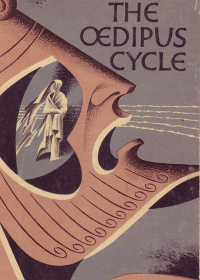
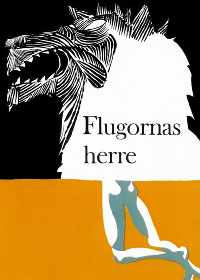
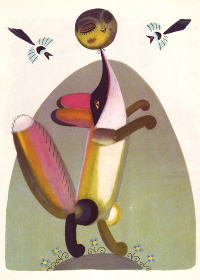
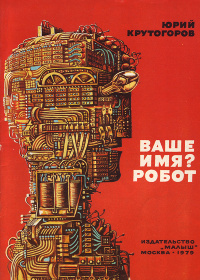
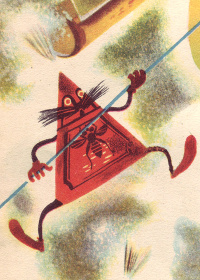
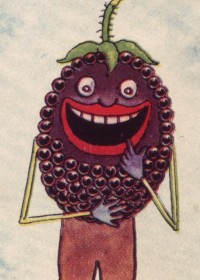
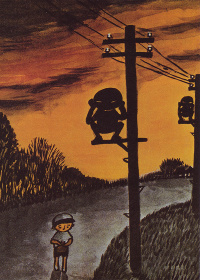
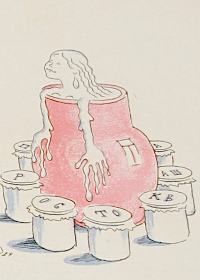
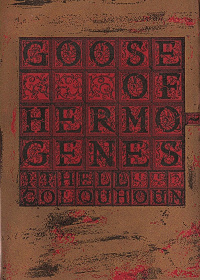
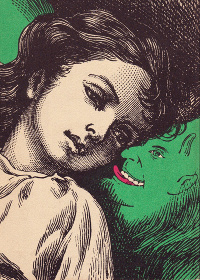
Easier to acquire is The Frog Queen [link to Michael Deforge's excellent livejournal]. I found a clean copy for $6.99 (1974, Progress Publishers, an English translation).
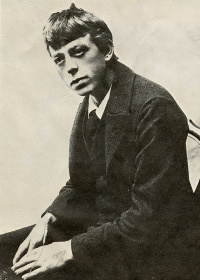
Short bio:
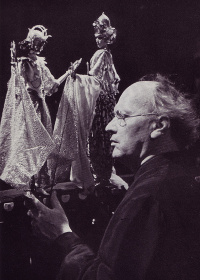
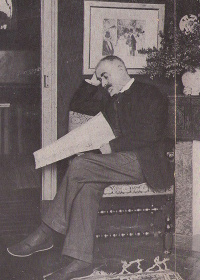
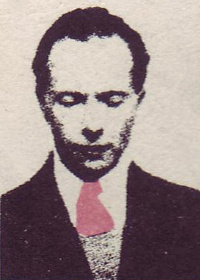
Algirdas Steponavičius was born on January 12, 1927 in Kaunas. "He drew book illustrations, landscapes, made lithographs, easel and mural paintings.... His unique illustrations aroused strong public interest and made a great influence on the development of book art. Prized with high international awards, they made Lithuanian book art famous in the world."
"He lived on a nice hill in the Jeruzale district of Vilnius. He used to travel in Lithuania, went canoeing on lakes and rivers. He took interest in poetry, literature, philosophy and music, explored the structures of plants, stones, constellations and formations of live nature."
He died in 1996.
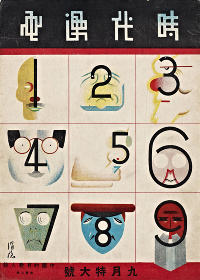
(Side note: I'm personally relieved to break a long string of festive posts. Remember the good old days: 1, 2, 3?)