Taedium Vitae: Farewell Notes of Japanese Literary Suicides
(Find me at Bookers Buzz Books.)
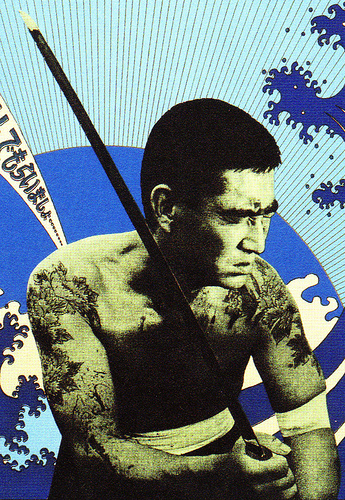
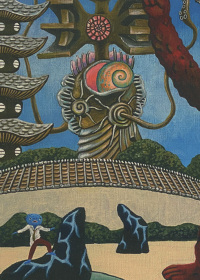
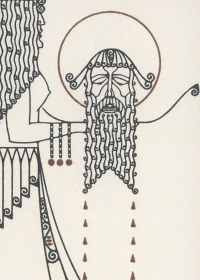
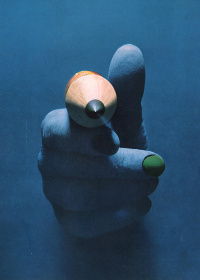
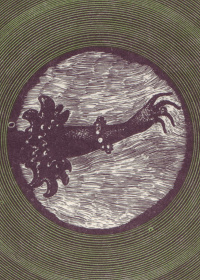
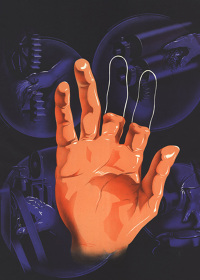
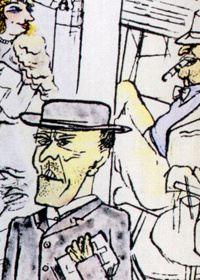
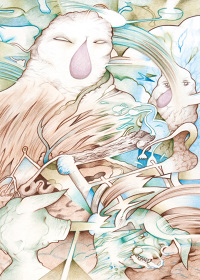
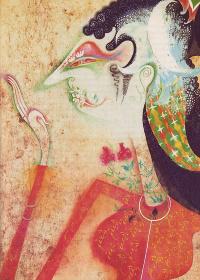
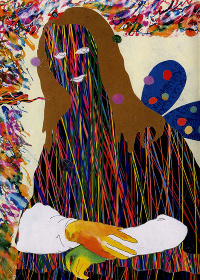
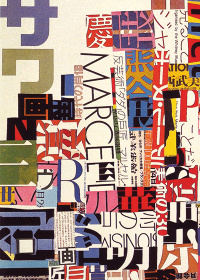
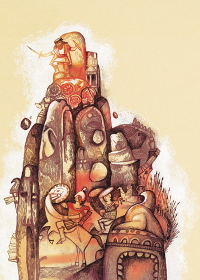
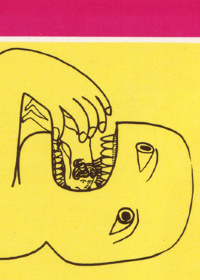
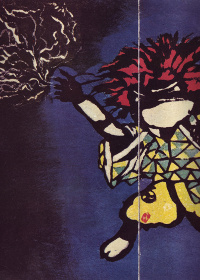
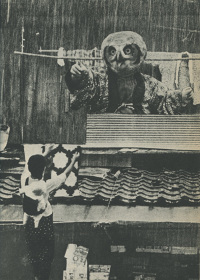
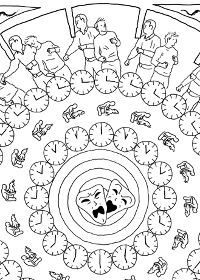
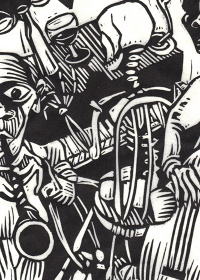
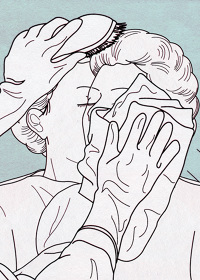
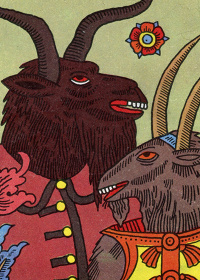
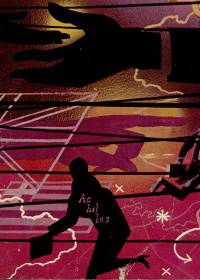
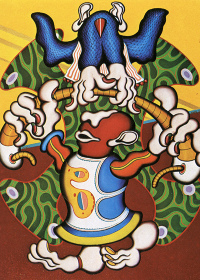
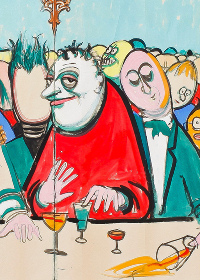
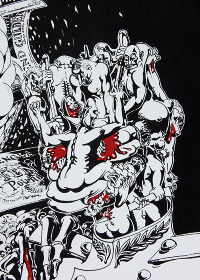
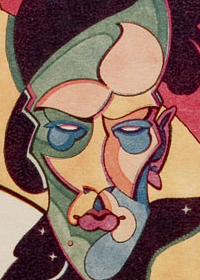
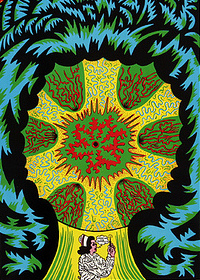
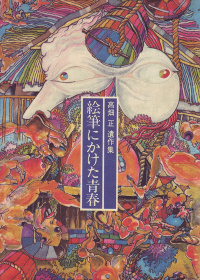
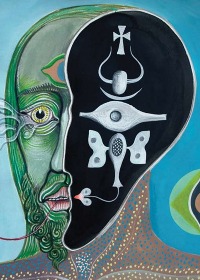
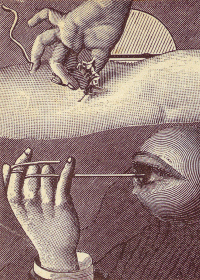
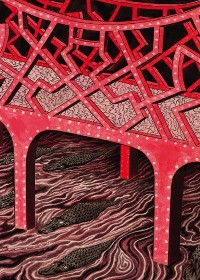
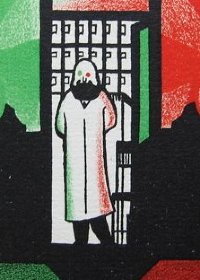
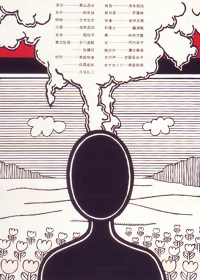
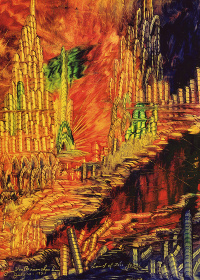
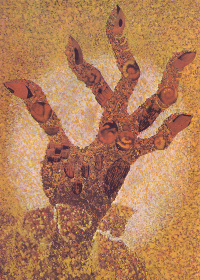
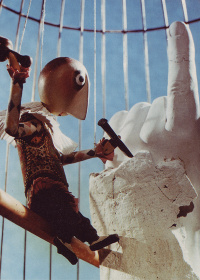
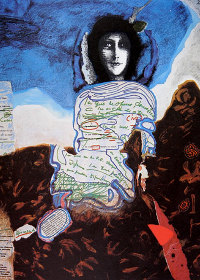
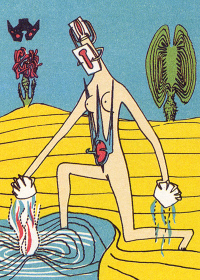
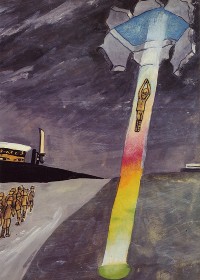
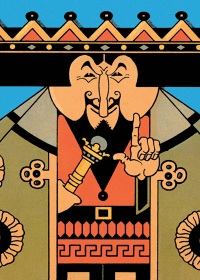
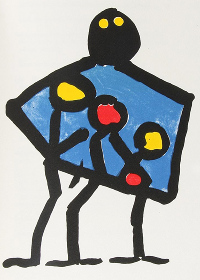
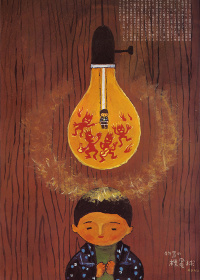
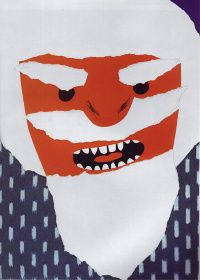
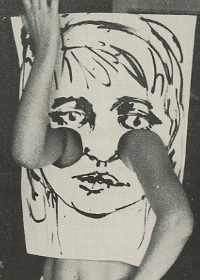
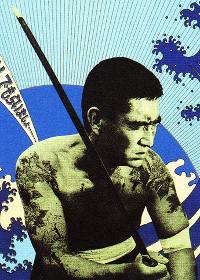
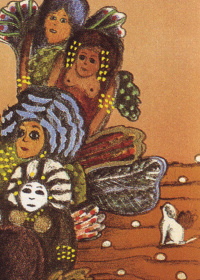
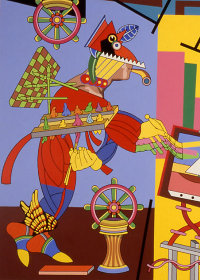
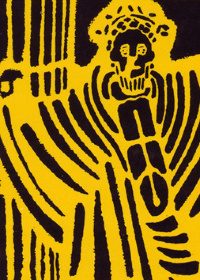
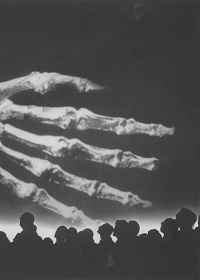
Tadanori Yokoo, Finger Cutting Ceremony, detail
Taedium Vitae
Farewell Notes of Japanese Literary Suicides
By Gilbert Alter-Gilbert
mono no aware – Japanese phrase meaning "the pathos of things"
In Japan, longstanding tradition has perpetuated several honorable categories of seppuku, or ritual suicide; a fact reflected by the Japanese language, which contains many terms for specific forms of shi, or death. Shinju is the word for suicide which fulfills a pact between lovers. Roshi refers to death from old age, while gokuraku-ojo is the death (of a woman) through prolonged sexual intercourse. Senshi is what death in war is called; junshi designates the suicide of a warrior who follows his lord to the grave. Perhaps the best-known exemplars of this code of martial martyrdom were the Samurai, adepts of the art of Bushido, who were emulated in spirit by the members of the ikosyu, the Japanese suicide squadrons of World War II: the kamikaze, kaiten, and aoka pilots who rammed airplanes, midget torpedo-submarines, and manned missiles into enemy craft.
Japanese culture is probably the only one in which, besides leaving a last will and testament, a concomitant tradition of writing a jisei—a death poem, or "farewell to life"—has arisen, and in which the suicide note is cultivated as a literary form.
Twentieth-century Japan (particularly during the Showa period, 1926 – 1989) has been rich in literary development. Writers such as Shiga Naoya, Arishima Takeo (who committed suicide in 1923), Junichiro Tanizaki, Sato Haruo, and Ryunosuke Akutagawa comprised the White Birch School; there were also the Neo-perceptionists Yokomitsu Riichi and Yasunari Kawabata, as well as proponents of the business novel, the pop novel, and postmodernism. As the Buraiha or anti-literary establishment writers, roughly comparable to the beats in the U.S. or the new novelists in France, challenged prevailing artistic standards, they were complimented by pure aestheticists such as Tanizaki, who wrote In Praise of Shadows; the cruel and abberantly fixated Mishima; the existentialist Dazai; and the hedonist-nihilist Ryu Murakami. Some followed the Romantic tradition, some Naturalism, while the emergence of the so-called "I-novel" — confessional, autobiographical, psychological—heralded a modern sensibility, colored by a deep strain of pessimism. Of these many significant authors, several were suicides, including three of the most prominent: Ryunosuke Akutagawa, Osamu Dazai, and Yukio Mishima. Each of them left an embarkation missive, expressing defiance or resignation.

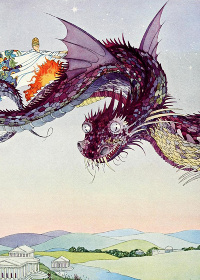
Ryunosuke Akutagawa, born March 1, 1892 in Tokyo, drank poison and died in the same city, July 24, 1927. His father named him Dragon-helper because he was born at the dragon hour on a dragon day in the dragon month of a dragon year. Both of his parents went insane. A pure artist, he has been called an "arbiter of elegance in the vicious society in which he lived." In Akutagawa, as in Edgar Allan Poe, a curious dichotomy of pessimism and dark thought combined with a quest for what he termed "supreme beauty." Akutagawa was a major proponent of the gothic / grotesque vein which runs through the work of other Japanese writers such as Sato Haruo, Junichiro Tanizaki, Kajii Motojiro, Edogawa Rampo, Kobo Abe, and Nakajima Ton.
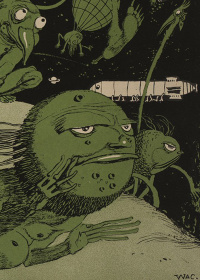
Best known for his story Rashomon, Akutagawa had a penchant for the strange and disturbing, cultivating what one critic called a "disgusting realism" steeped in the macabre. Akutagawa stories often have a basis in old Japanese folk tales; many, such as The Nose, are fraught with obsessive elements. Though he eschewed autobiographical revelation in his fiction, his character and world-view show themselves clearly throughout his oeuvre. Especially sensitive and physically frail, Akutagawa was, from childhood onward, a sickly runt, plagued by poor health and a host of other problems. His neurotically critical intelligence led him to adopt a jaundiced opinion of mankind, and this cynicism about human nature is reflected in the deviousness and treachery of his fictional characters. Cynicism aside, Akutagawa suffered from self-doubt and from a constitutional inability to cope with the practical demands of life; a condition offset only by his faith in his aesthetic convictions. Suicide suggested itself to him as the only fitting end for a writer and, at the age of thirty-five, Akutagawa killed himself by administering a lethal dose of veronal. He left a final epistle entitled To an Old Friend, in which he dryly discusses suicide and its motivations, justifications, and techniques of execution, replete with literary allusion, and a detailed consideration of the act's philosophical implications, and in which he repeatedly makes mention of "a vague sense of anxiety" and his loss of vital force or animal strength. He concludes with a reference to Empedocles, who wanted to make a god of himself by leaping into Aetna's cinder cone, but unlike whom Akutagawa professes to desire only peace and deliverance from disenchantment and world-weariness. After his death, the prestigious Akutagawa Prize was instituted in his honor. Three years later, a young acolyte, a minor writer, took his own life on Akutagawa's grave.
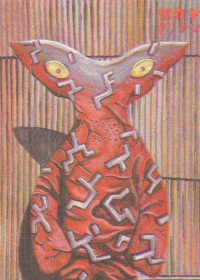
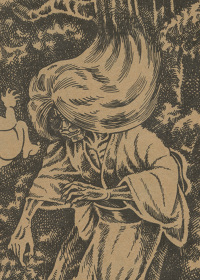
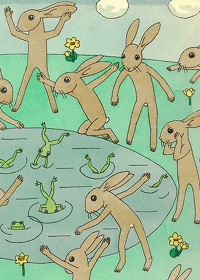
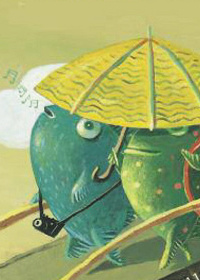
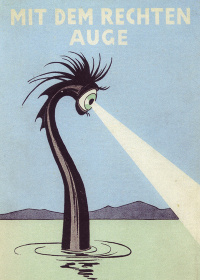
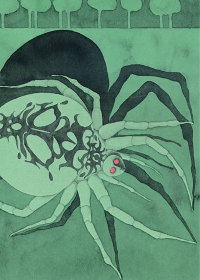
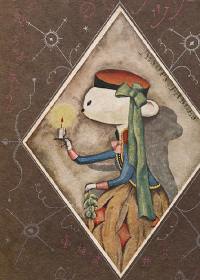
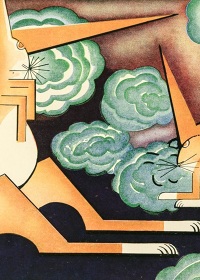
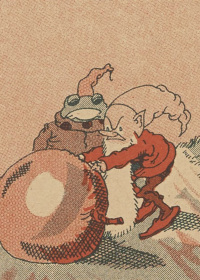
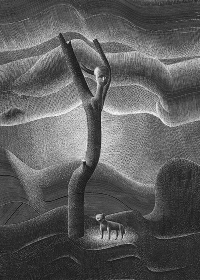
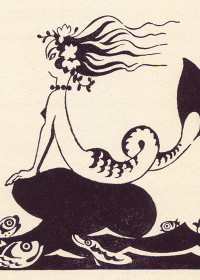
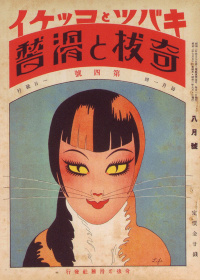
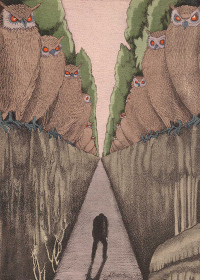
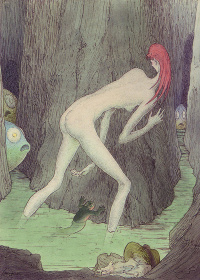
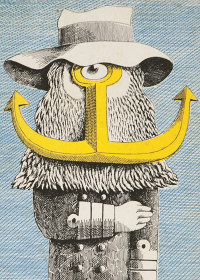
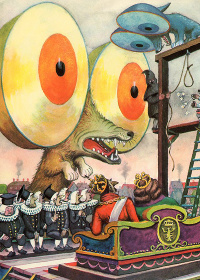
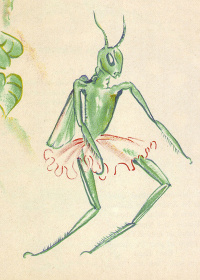
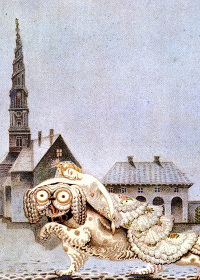
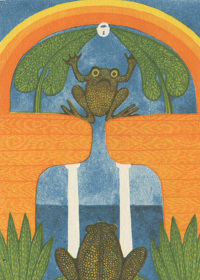
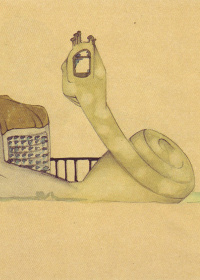
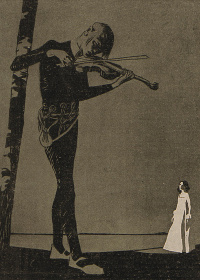
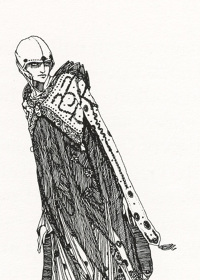
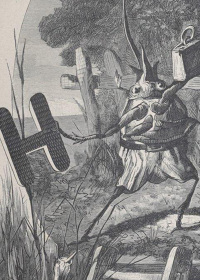
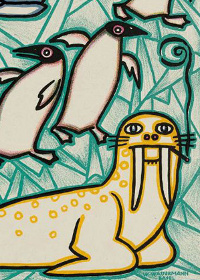
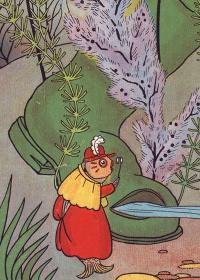
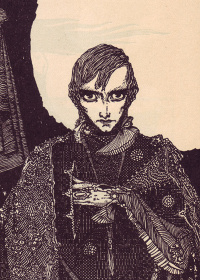
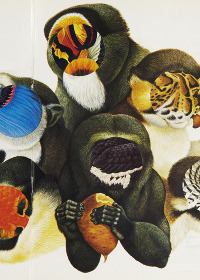
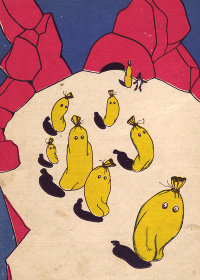
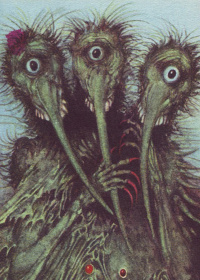
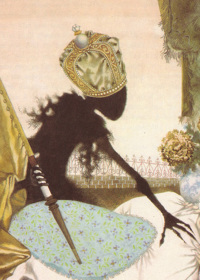
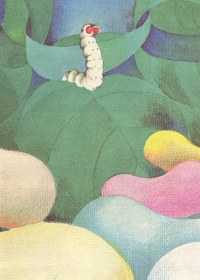
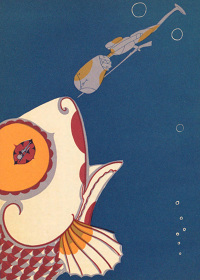
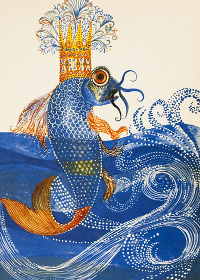
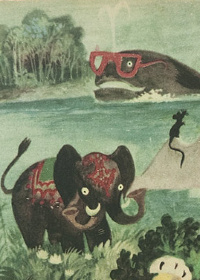
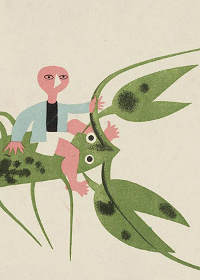
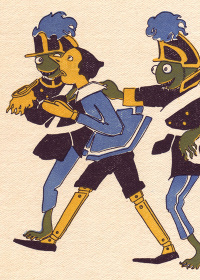
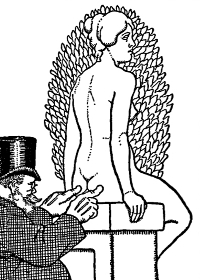
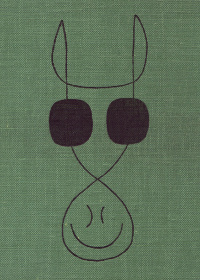
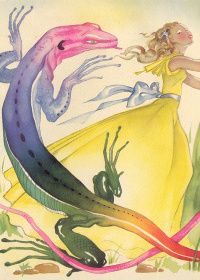
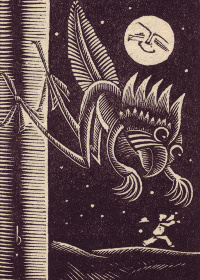
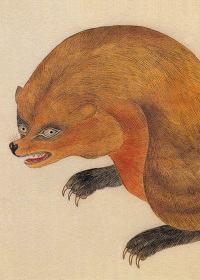
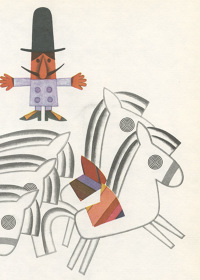
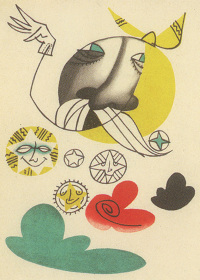
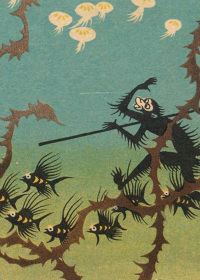
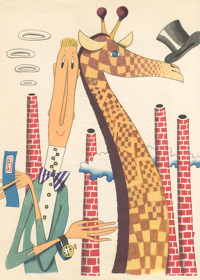
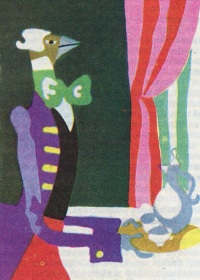
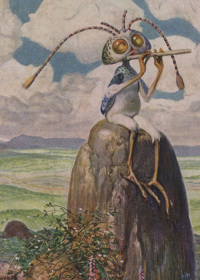
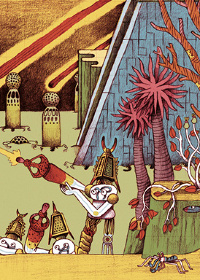
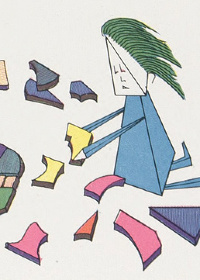
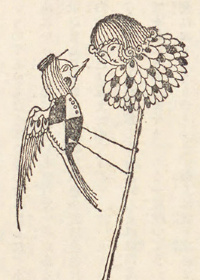
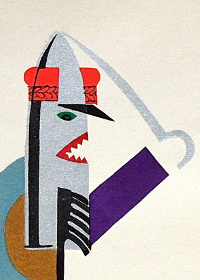
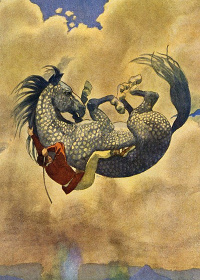
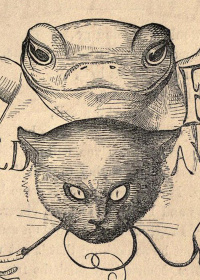
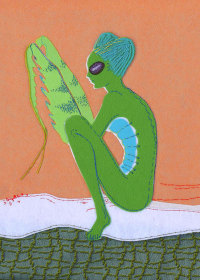
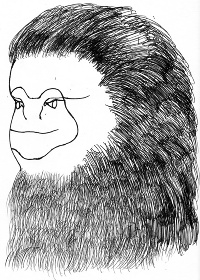
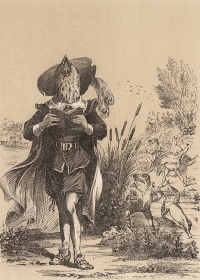
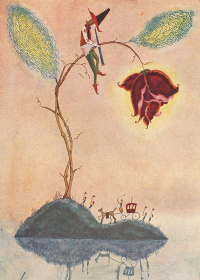
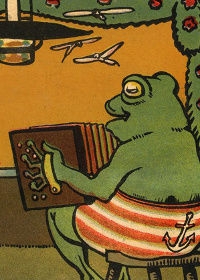
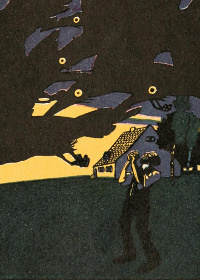
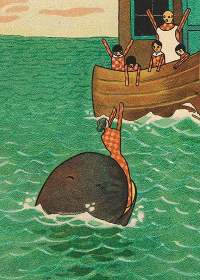
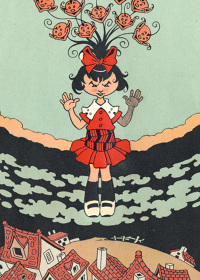
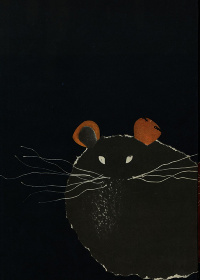
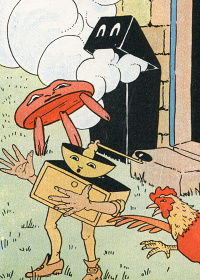
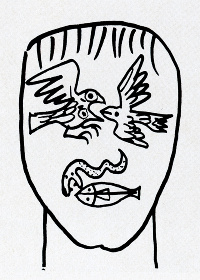
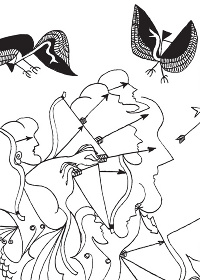
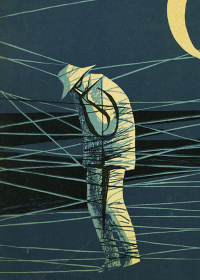
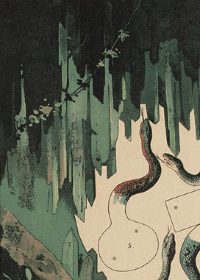
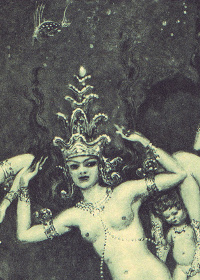
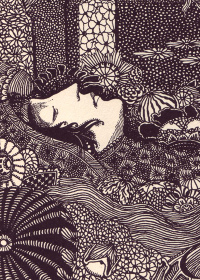
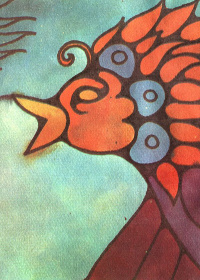
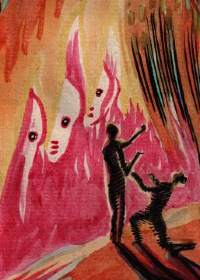
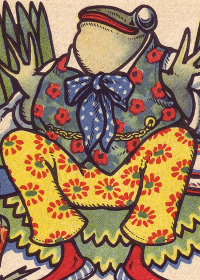
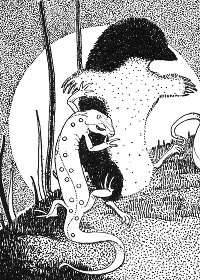
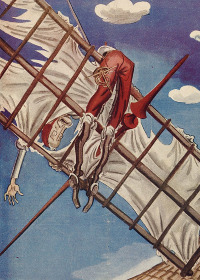
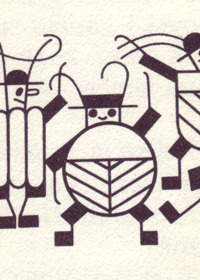
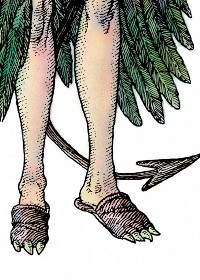
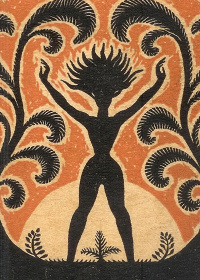
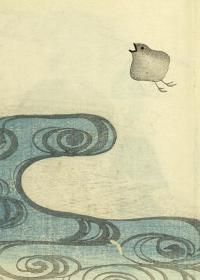
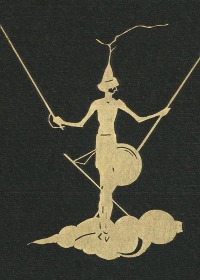
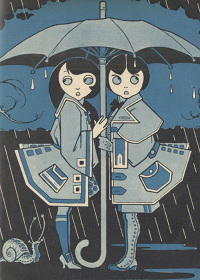
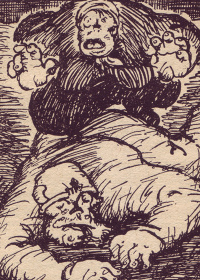
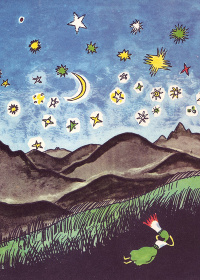
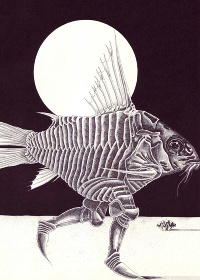
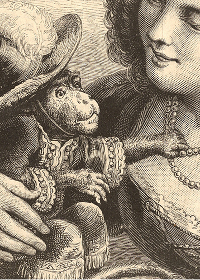
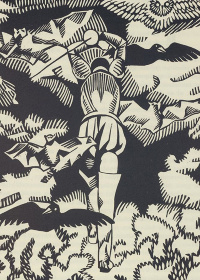
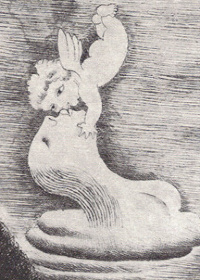
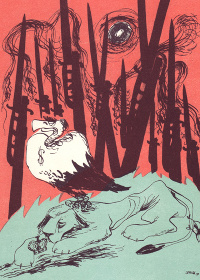
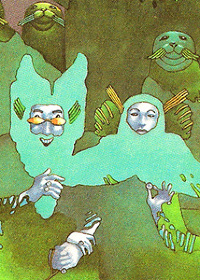
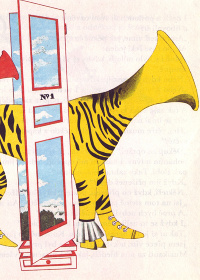
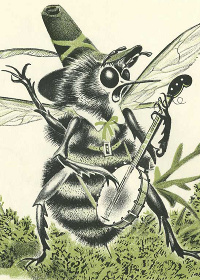
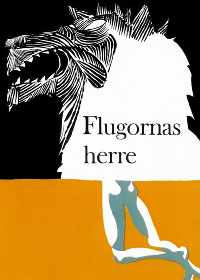
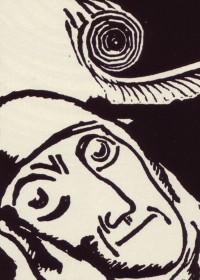
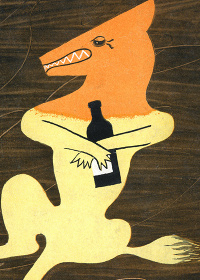
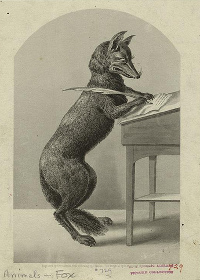
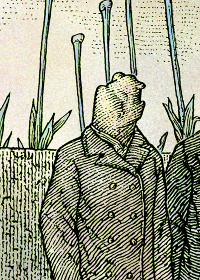
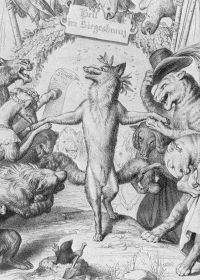
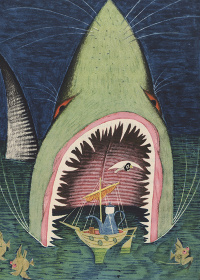
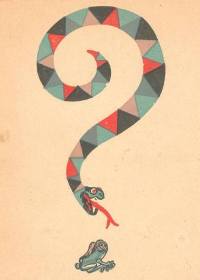
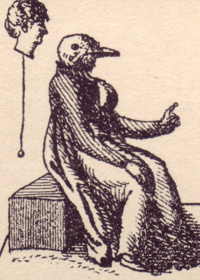
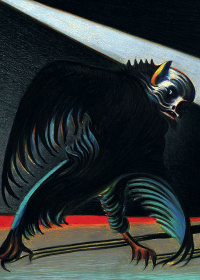
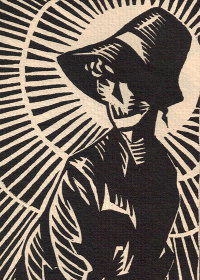
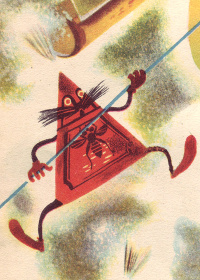
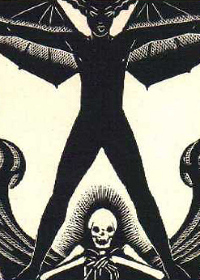
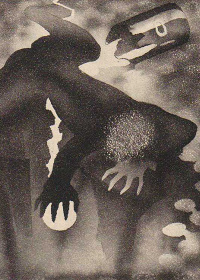
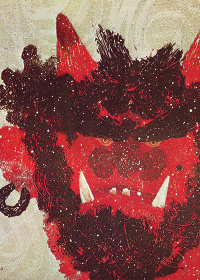
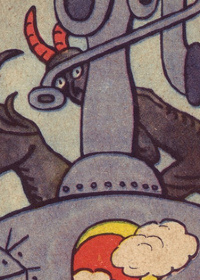
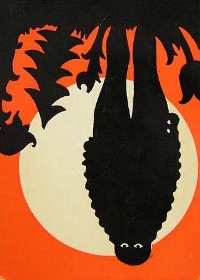
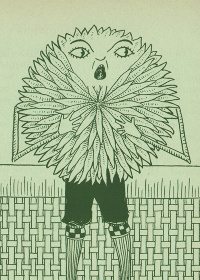
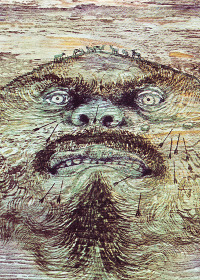
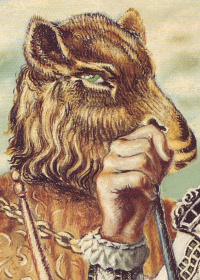
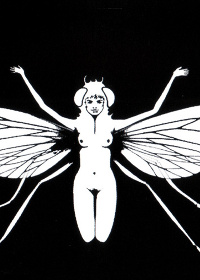
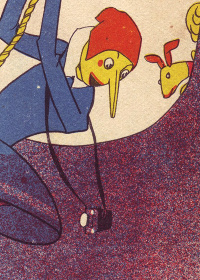
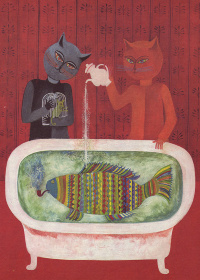
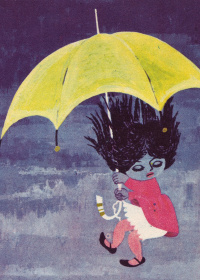
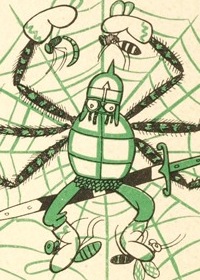
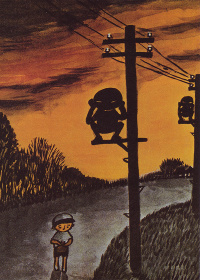
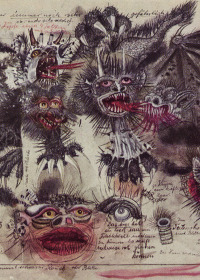
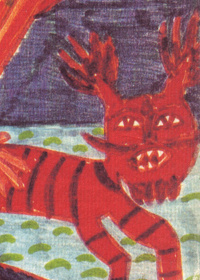
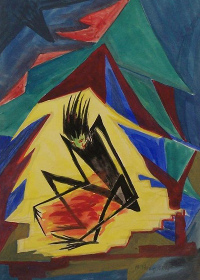
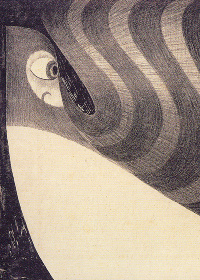
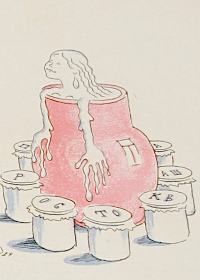
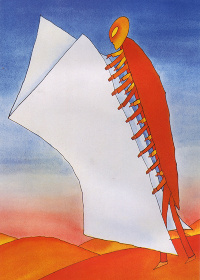
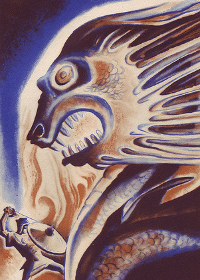
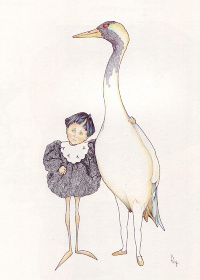
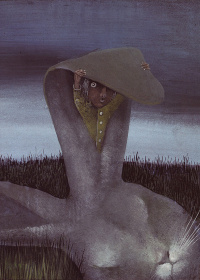
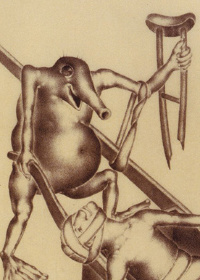
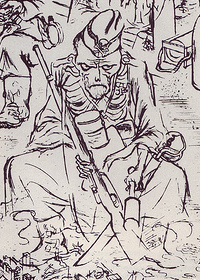
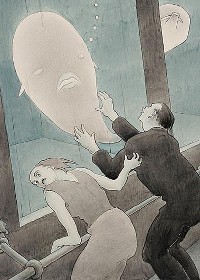
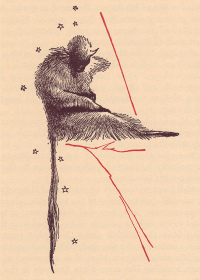
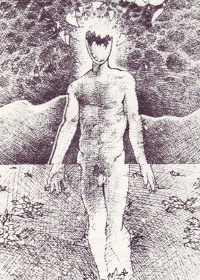
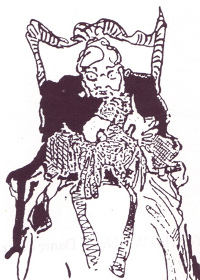
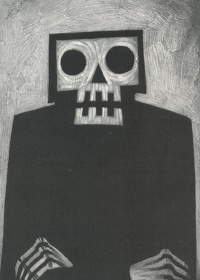
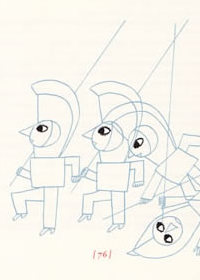
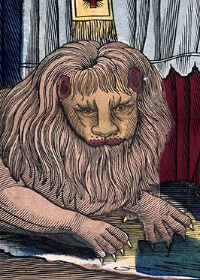
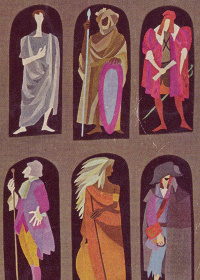
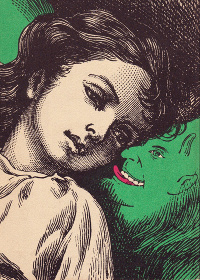
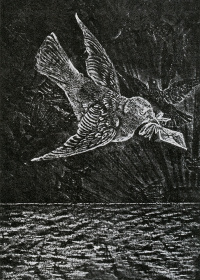
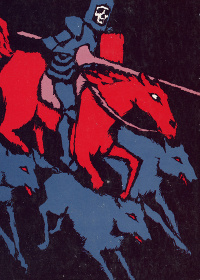
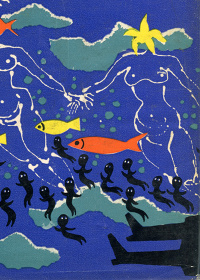
 illustration from Akutagawa's Kappa*
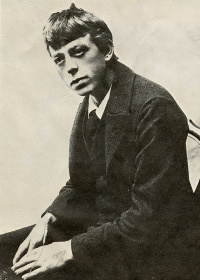
Osamu Dazai (pen name of Tsushima Shuji) 1909 - 1948, Japan's "poet of despair," led a reckless existence marred by alcoholism, narcotics addiction, institutionalization, and extramarital affairs. Like Akutagawa and Tanizaki, the "dark romantics" of Japan, he was an obsessed artist who adopted the Byronic stance of tragic hero, a past master of the art of suffering, doomed to play his part in a continual round of trauma, failure, delinquency, and dereliction. His writings were a record of personal catastrophes, autobiographical chronicles capturing in "the prison of language" the romantic agony of his pitiful life. He attempted suicide four times, before his fifth try proved successful. His entire output was one long suicide note; "completing it," according to one critic, "meant long-overdue release from the pain of being." Shiga Naoya described Dazai's death as "self-euthanasia." From his precocious youth forward, Dazai was beset by problems of self-destruction and felt a sense of alienation, defeat, and defection from life; he complained of a lifelong "feeling of futility" and of the never-mitigated "perfidy of this world."

At the age of eighteen, Dazai published a magazine called Cell Literature, and caught the attention of the writer Masuji Ibuse, who became his patron and mentor and, by the mid-thirties, Dazai was well on his way to establishing his "unsavory reputation." During the next dozen years, Dazai struggled intermittently with lung hemorrhages stemming from tuberculosis, was hospitalized for peritonitis and respiratory complications, married a geisha and was disinherited by his wealthy family, succumbed to at least one accidental sleeping pill overdose, was confined to a sanitarium, became hooked on opiates, did his best to ignore the Pacific War through a self-prescribed program of "artistic resistance," suffered misery and penury, and managed to create such masterpieces as The Setting Sun and No Longer Human. Ironically, Dazai succeeded artistically because, as one commentator put it, "after the war, his own life mirrored Japan's state of prostration as it began once again to disintegrate; and his stories reflected the public and private despair of a society torn from its moorings, which had discarded old creeds and failed to find new." Dazai, nonetheless, unfailingly relapsed into a state of victimization, convinced there was no place for him on this earthly plane. The chronology of Dazai's suicide attempts runs as follows: December 10, 1929: first suicide attempt (with overdose of sleeping pills at age 19); he recovers and recuperates at Owani Hot Spring . . . November, 1930: attempts suicide (by drowning) with waitress Tanabe Shimeko at Enoshima; she dies, he survives and recuperates at Ikarigaseki Hot Spring . . . March 1935: attempts to hang himself in Kamakura . . . August 1936: goes to Tanigawa Hot Spring for rest . . . March 1937: goes with wife Hatsuyo to Minakami Hot Spring where they attempt suicide together (both survive); visits hot springs near Kofu in 1942 and 1943 . . . June 13, 1948: Dazai and girlfriend Tomie Yamazaki disappear, leaving behind farewell notes . . . June 19, 1948: their drowned bodies are found in the Tamagawa Canal . . . June 21, 1948: Dazai's cremated remains are entombed at the Zenrinji Temple in Mitaka. In his parting message to his wife, titled Goodbye, he wrote that he had come to hate writing. Thus, at the age of thirty-nine, passed the grand vizier of negative zen and crown prince of Nipponese nihilism.
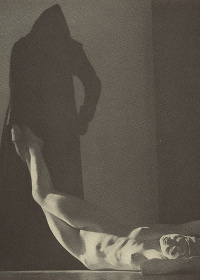
If Dazai illustrates Freud's dictum that "the goal of all life is death," the still more pathological Yukio Mishima (1925 - 1970) gives validation to Euripides' "count no man happy till he die." Like Akutagawa, Mishima was a prodigy, during a childhood checkered by bouts of jikachudoku, or autointoxication. Like Gabriele d'Annunzio, he was to bloom into both brilliant artist and arch-fascist. From the occasion of his graduation first in his class from the Peers School, when he was presented a silver watch by the Emperor at the palace, through his album of photographs Ordeal by Roses, to his formation of the Shield society, an impeccably uniformed private army devoted to militaristic ultranationalism and emperor-worship, Mishima was a dandy and a narcissist. He was also a genuine masochist who once aptly posed for a famous portrait as St. Sebastian. His ideal was a "beautiful death," and he rehearsed his own death endlessly. Like Gide and Genet, he was an invert who often dealt, in his more than dozen novels (including Confessions of a Mask, Forbidden Colors, The Thirst of Love, and The Sailor Who Fell from Grace with the Sea), fifty volumes of stories and essays, and scores of Kabuki, Noh, and contemporary plays, with thinly-veiled themes of homoeroticism. Two stories of this anti-vitalist writer-warrior illustrate the Weltanschauung: The Temple of the Golden Pavilion, in which a monk, obsessed with the beauty of his temple, destroys it by fire in an act of supreme liberation; and At the Cape, which concerns a young couple poised atop a cliff, who are so hypnotized by the dazzling blue of the ocean glittering beneath them, that they hurl themselves in. Motivated not only by dissatisfaction with the empty materialism and spiritual malaise of post-war Japan, but by recognition of his inability to freeze time, and preserve his own youth and physical beauty, Mishima's spectacular suicide was perhaps the inevitable outcome of his well-known exhibitionism, a theatrical act, a wild bid for heroism propelled by what one observer termed a "sense of phantom crisis." After an abortive attempt to stage a coup d'etat by seizing the Ichigaya headquarters of Japan's National Defense Force, Mishima enacted kappuku, or self-disembowelment, the first stage of hara-kiri. When the second stage, kaishaku, or decapitation, was carried out by his protege and probable lover, Morita, Mishima's head rolled off onto the commanding officer's carpet with hachimaki intact. The hachimaki, or headband, read: Serve the nation for seven lives. As early as 1955, Mishima published in the newspaper Mainichi something called Last Letter. He is also reported to have left a suicide announcement of some sort with the American scholar Donald Keene. Immediately prior to taking his life, he addressed a gekibun, or exit manifesto, to an assembly of Jietai troops. This valedictory aside, a last note left on his desk read: "Human life is limited, but I would like to live for ever." Mishima's funeral was attended by more than ten thousand people.
Two years later, in 1972, Nobel prize-winning author Yasunari Kawabata, who claimed to have been visited by the specter of Mishima after his death, himself committed suicide by gas inhalation. He left no farewell message. If he had, what would it have said?
* Borges: "In Kappa the novelist employs the familiar artifice of blasting the human race under the guise of a fantastic species; perhaps he was inspired by Swift's "yahoos," or the penguins of Anatole France, or the strange kingdoms crossed by the stone monkey in the Buddhist allegory. Halfway through the story, Akutagawa forgets the satiric conventions: it hardly matters to him that the Kappa, who are water imps, turn into humans who talk about Marx, Darwin or Nietzsche. According to the literary canons, this negligence is a flaw. In fact, the last pages of the story are infused with an indescribable melancholy; we sense that, in the author's imagination, everything has collapsed, even the dreams of his art." (trans. Eliot Weinberger)
Thank you to Gilbert Alter-Gilbert for allowing me to reprint this article.