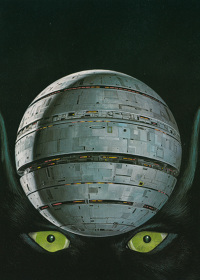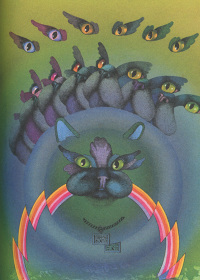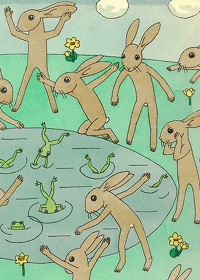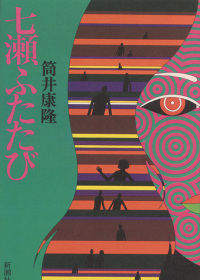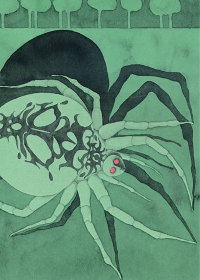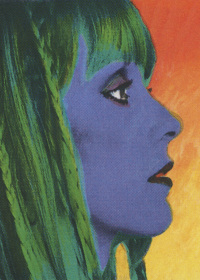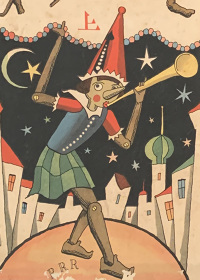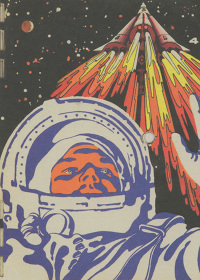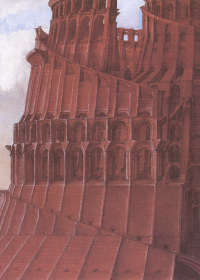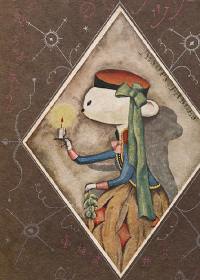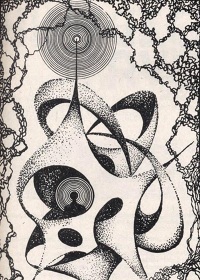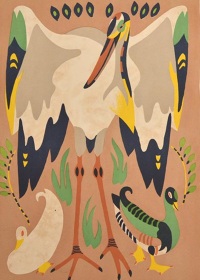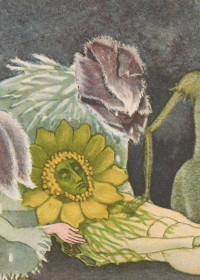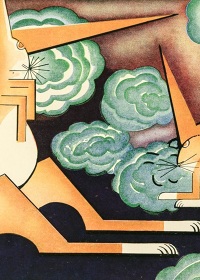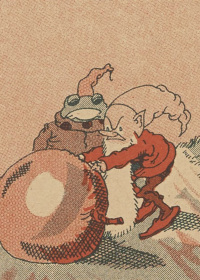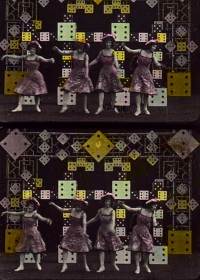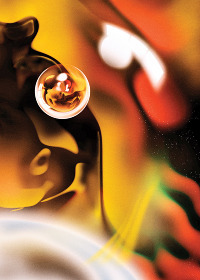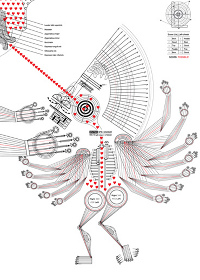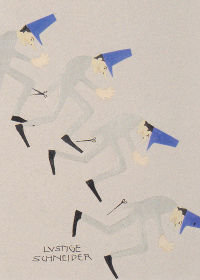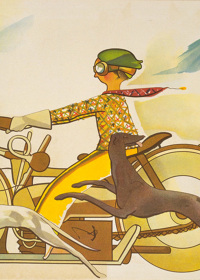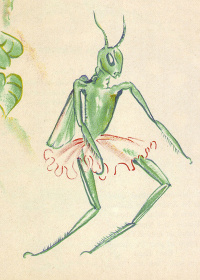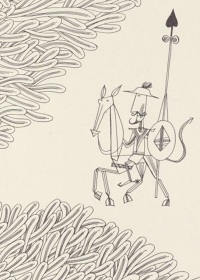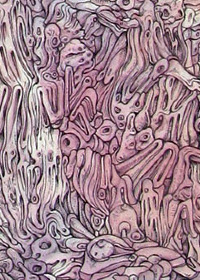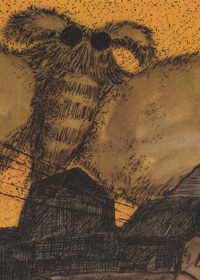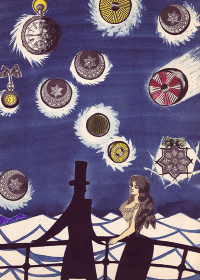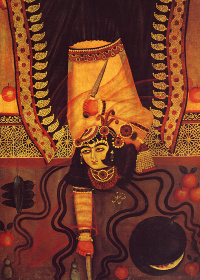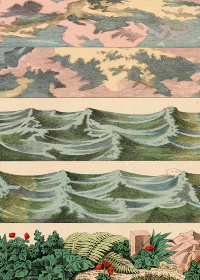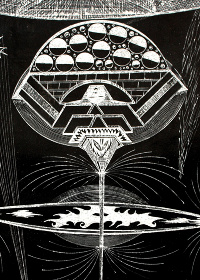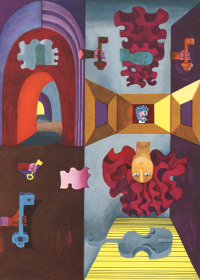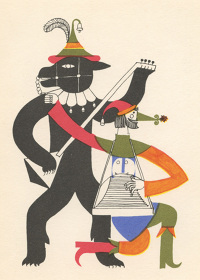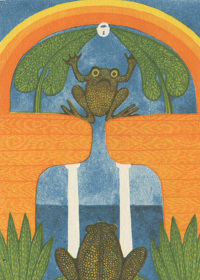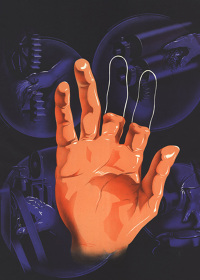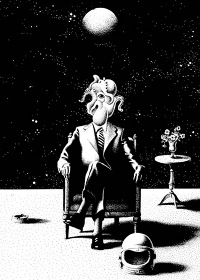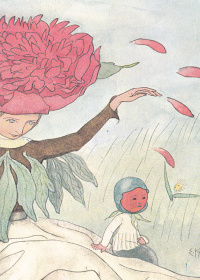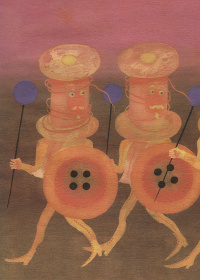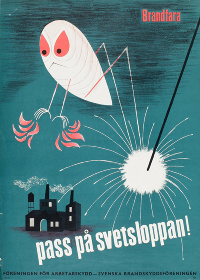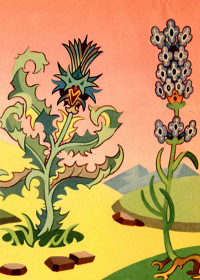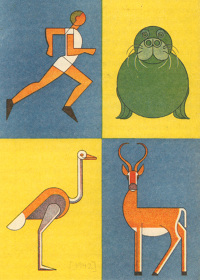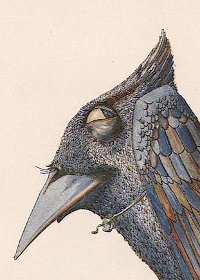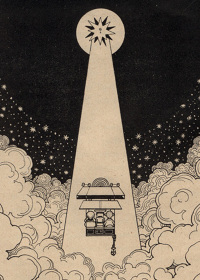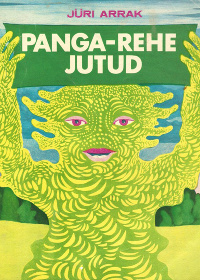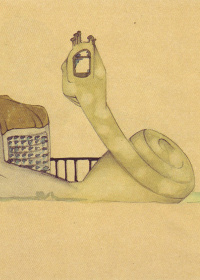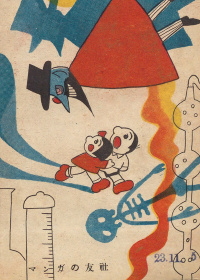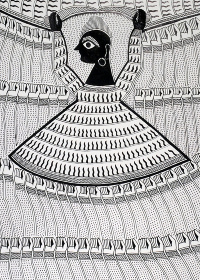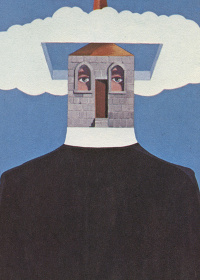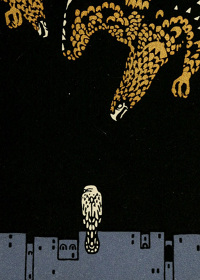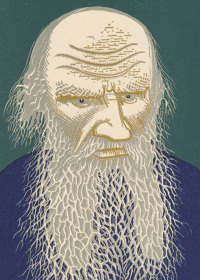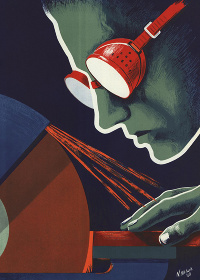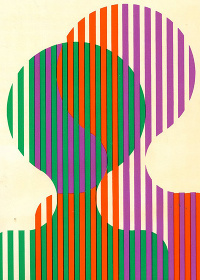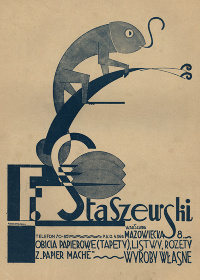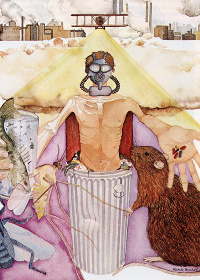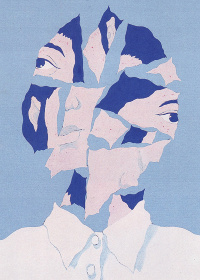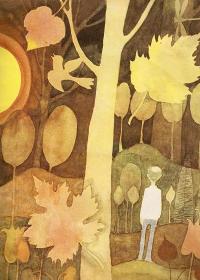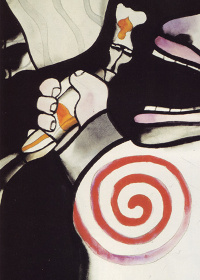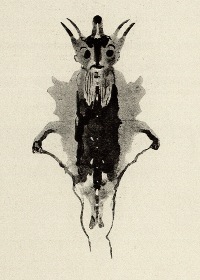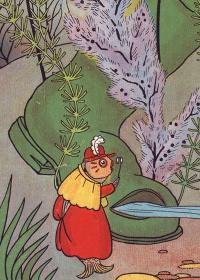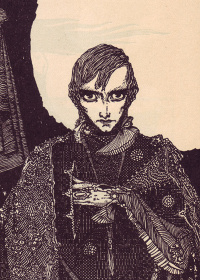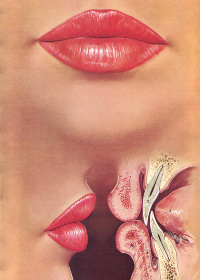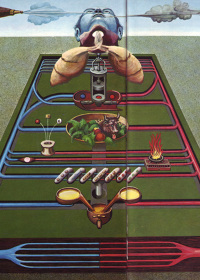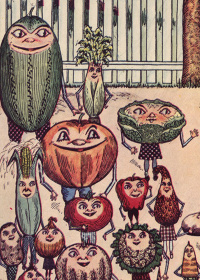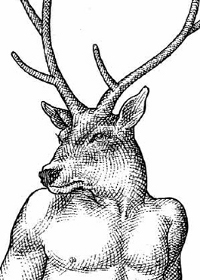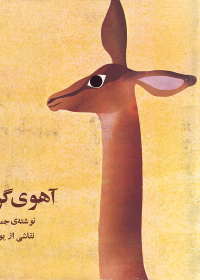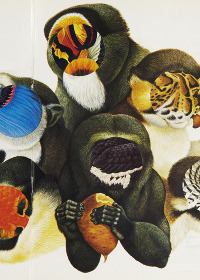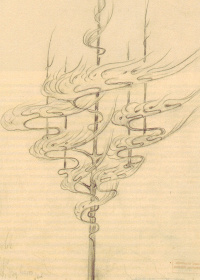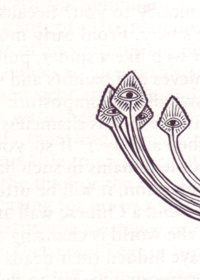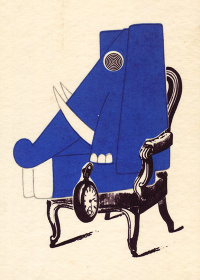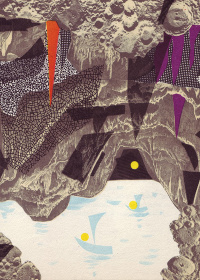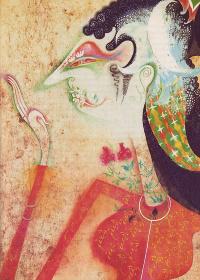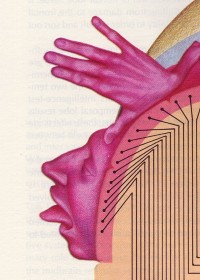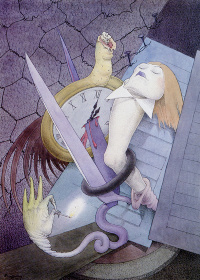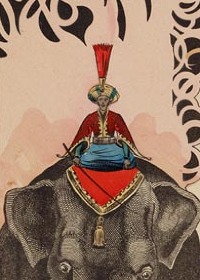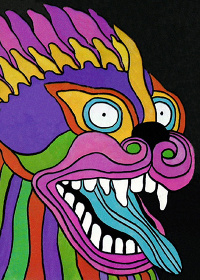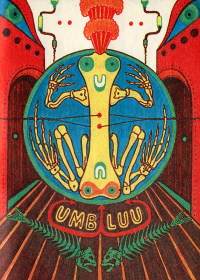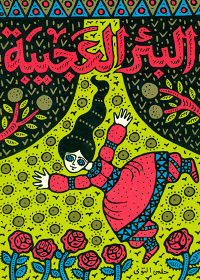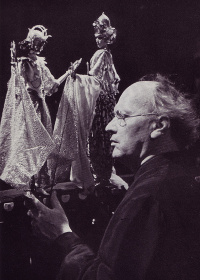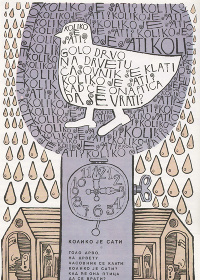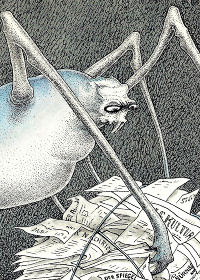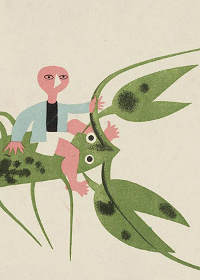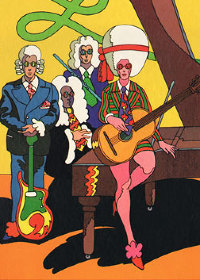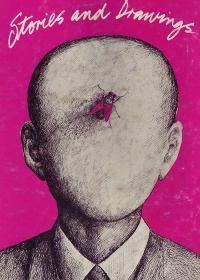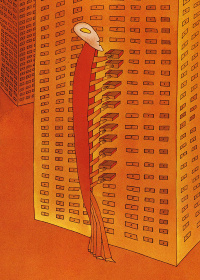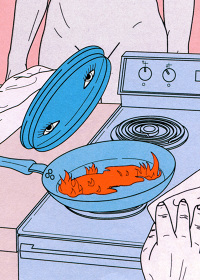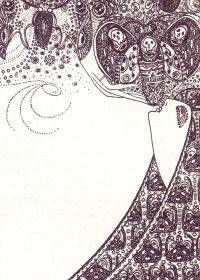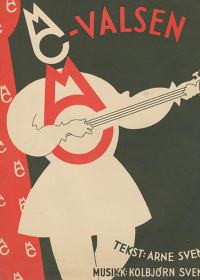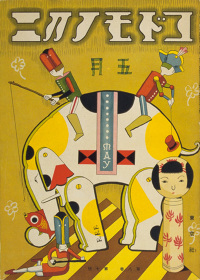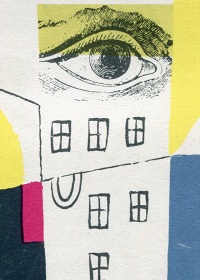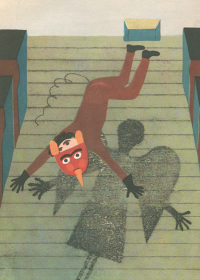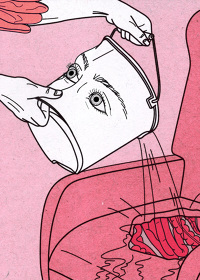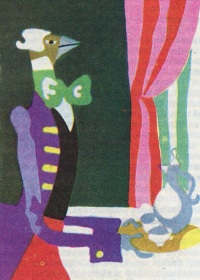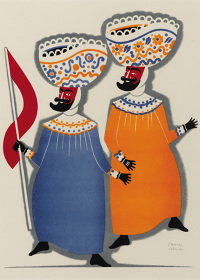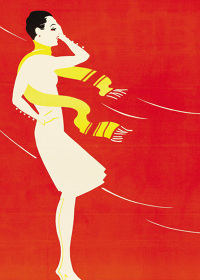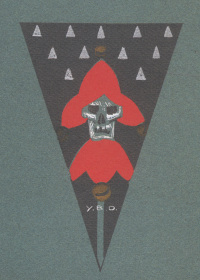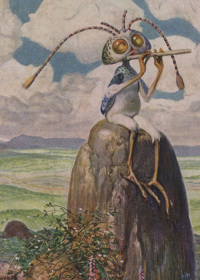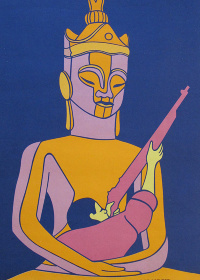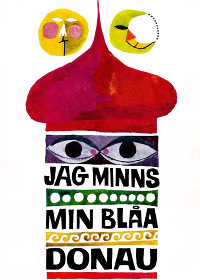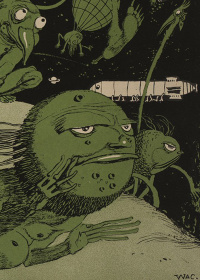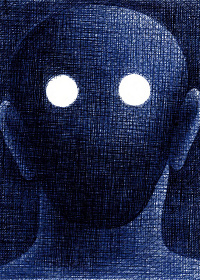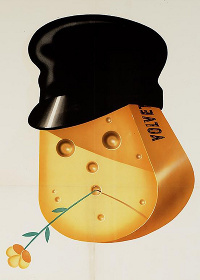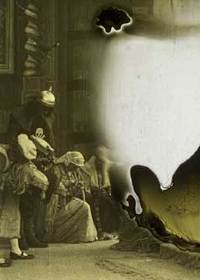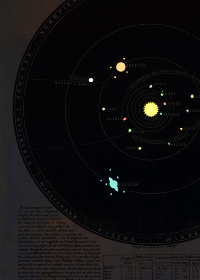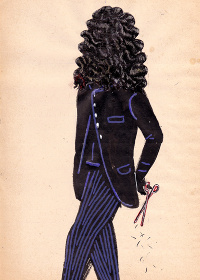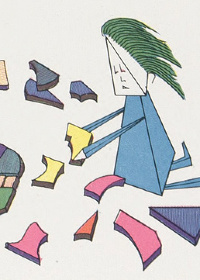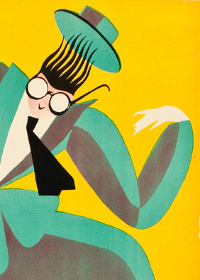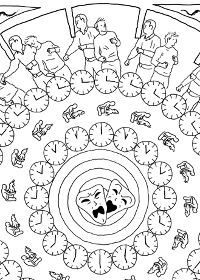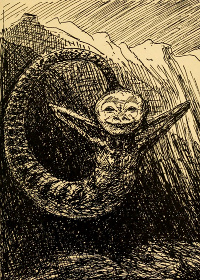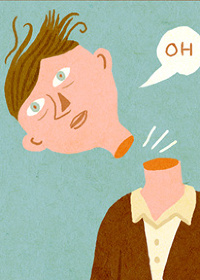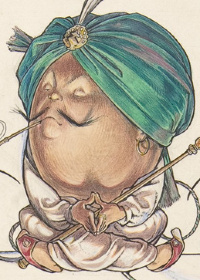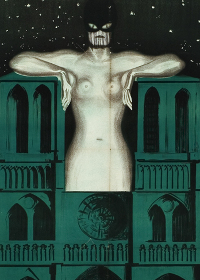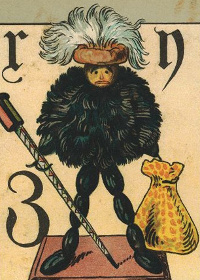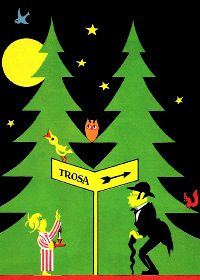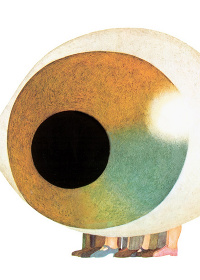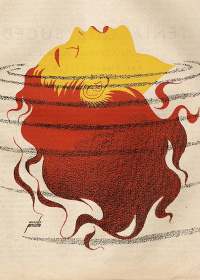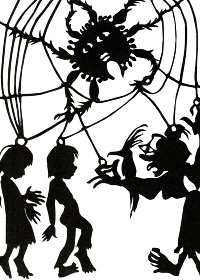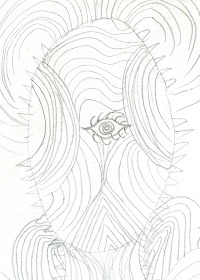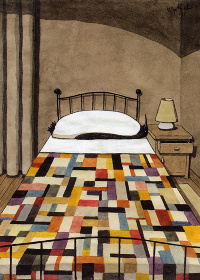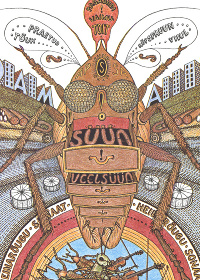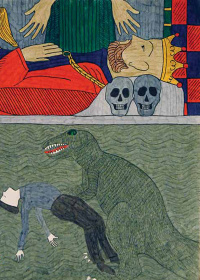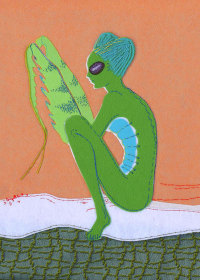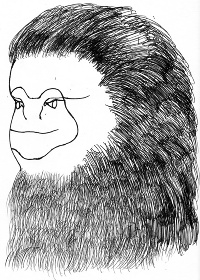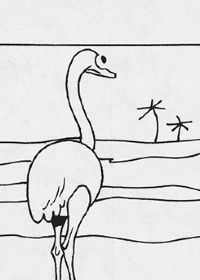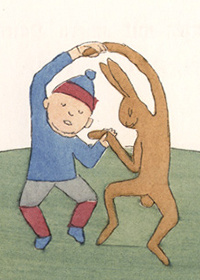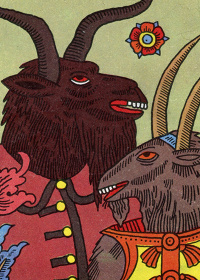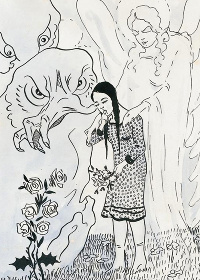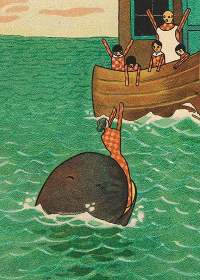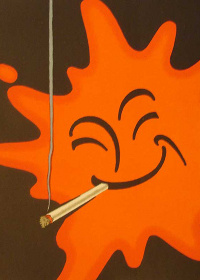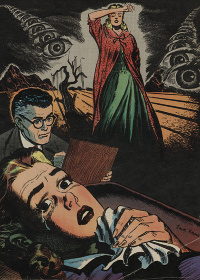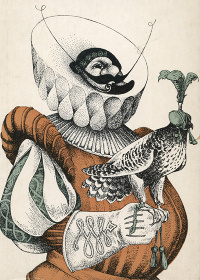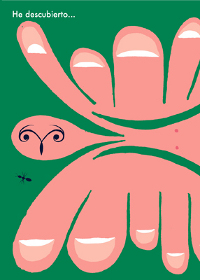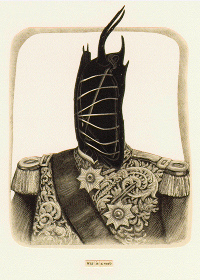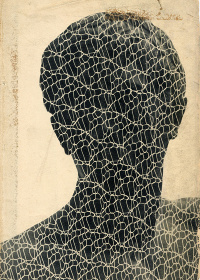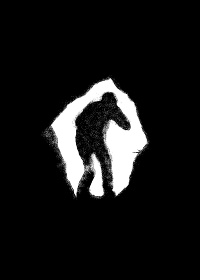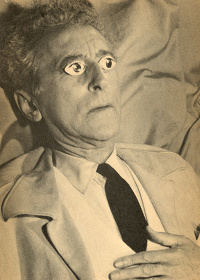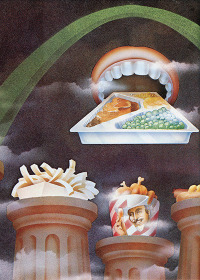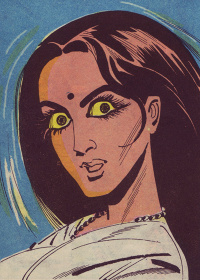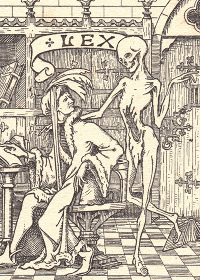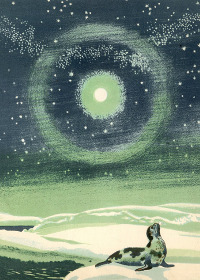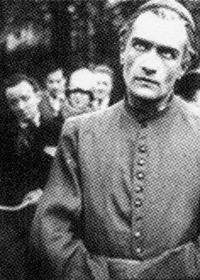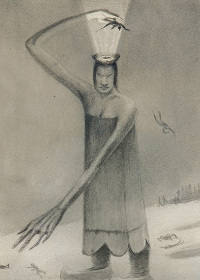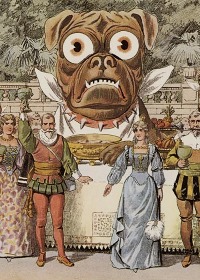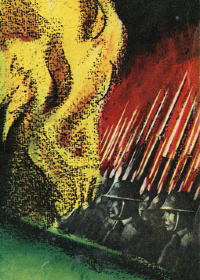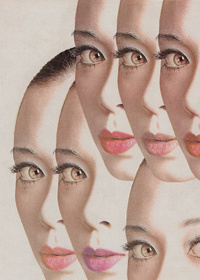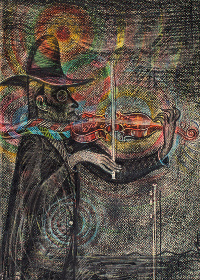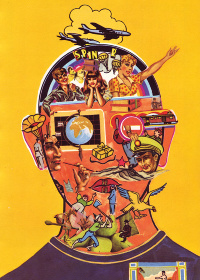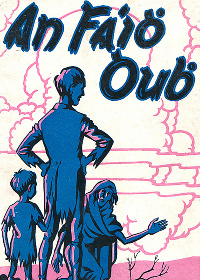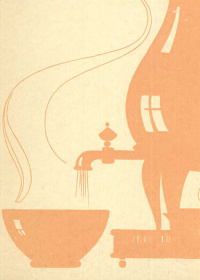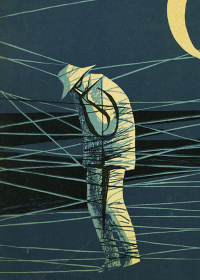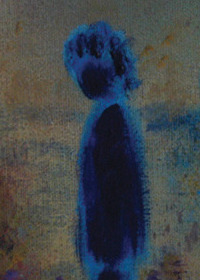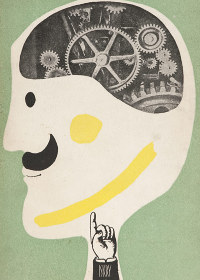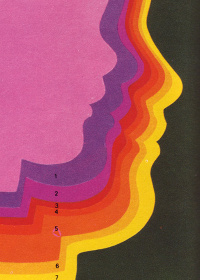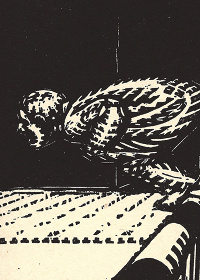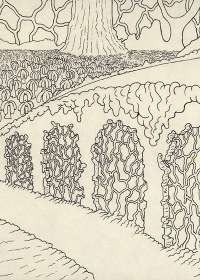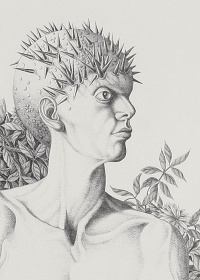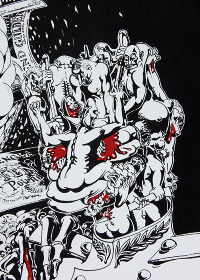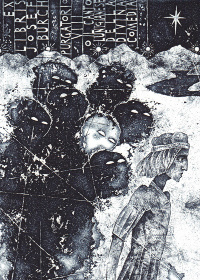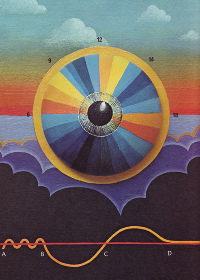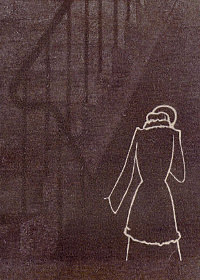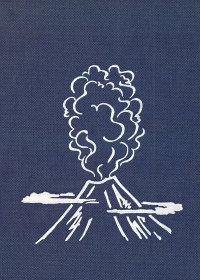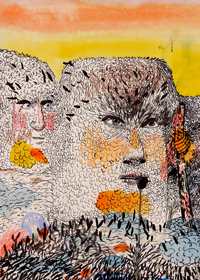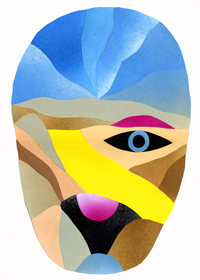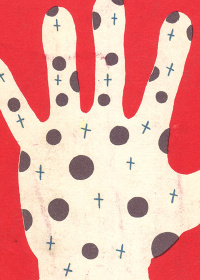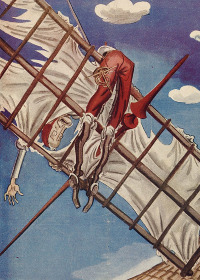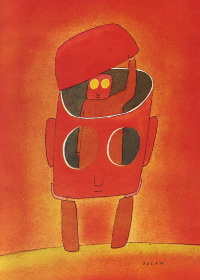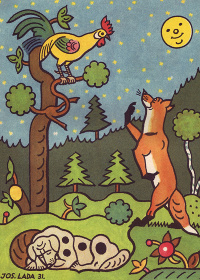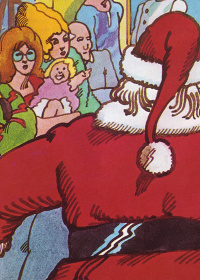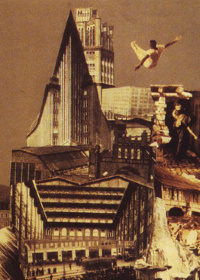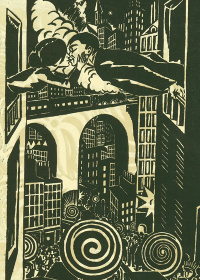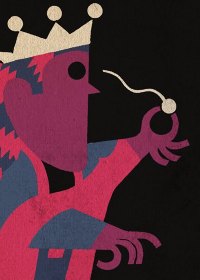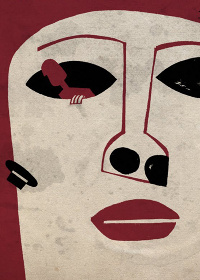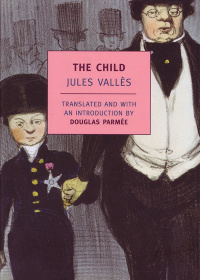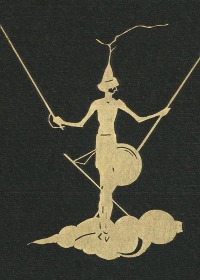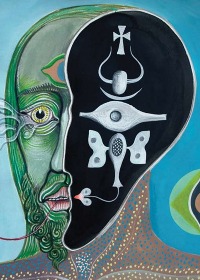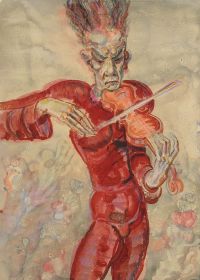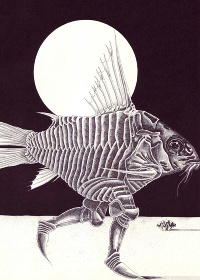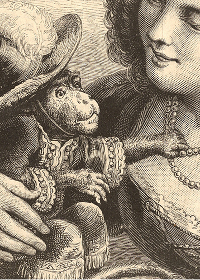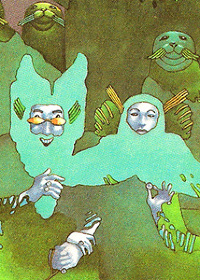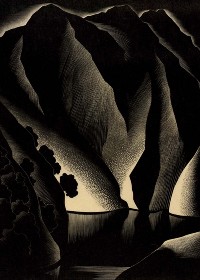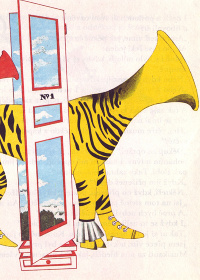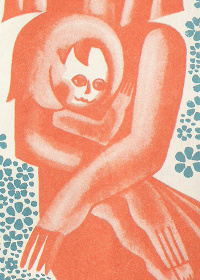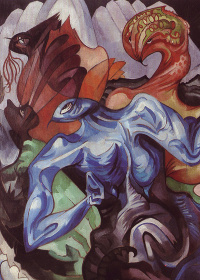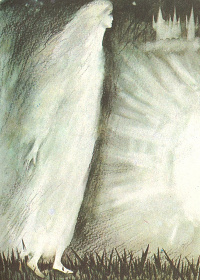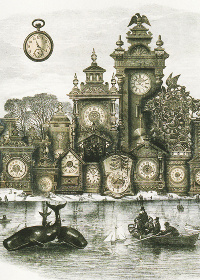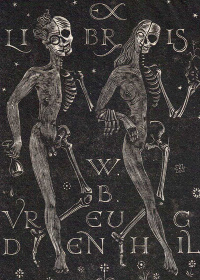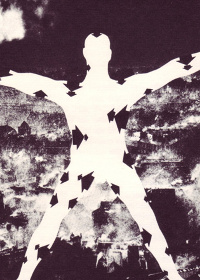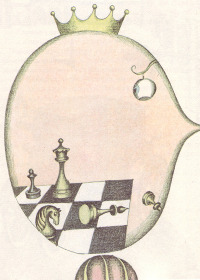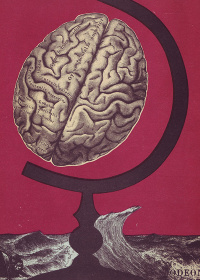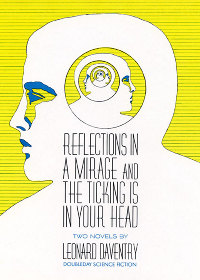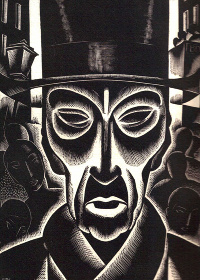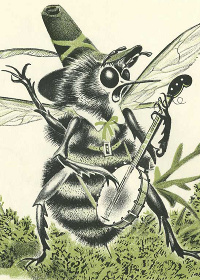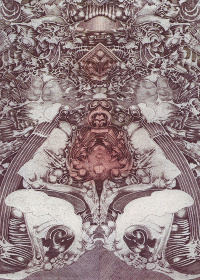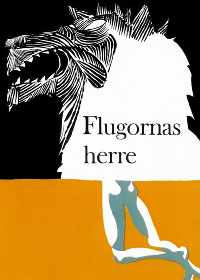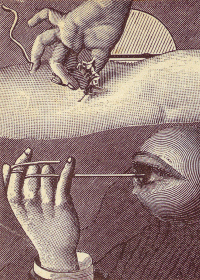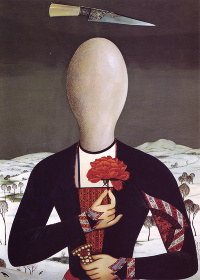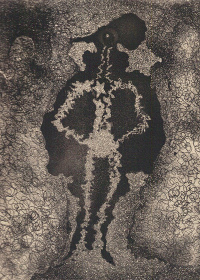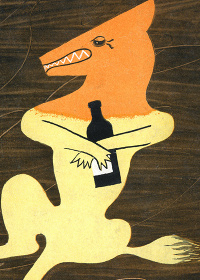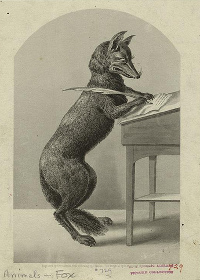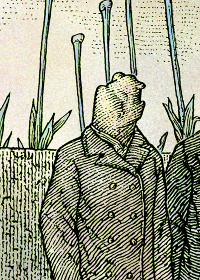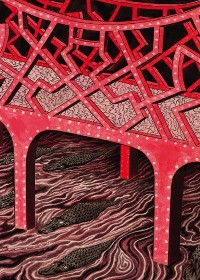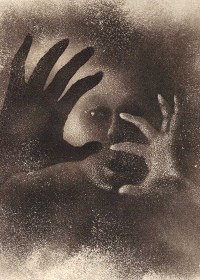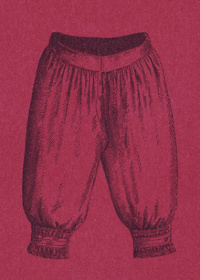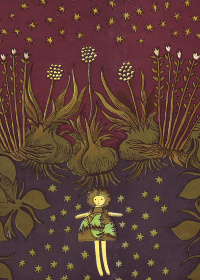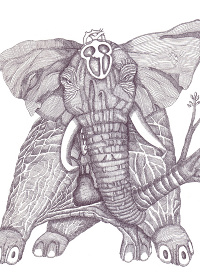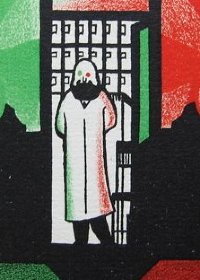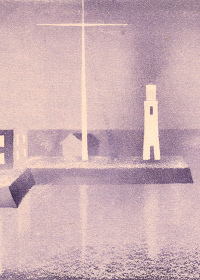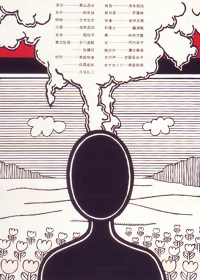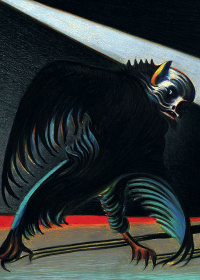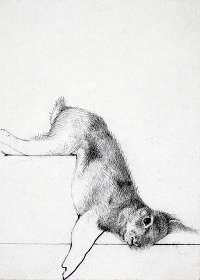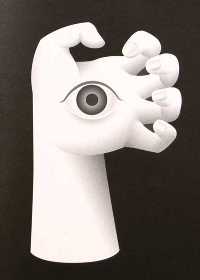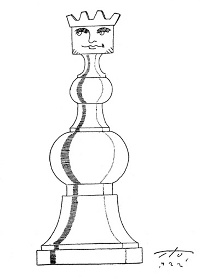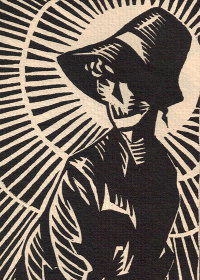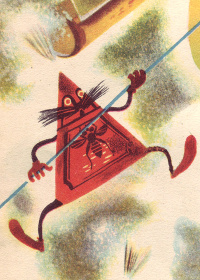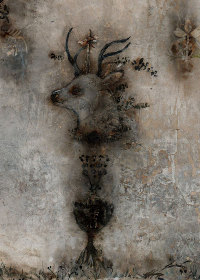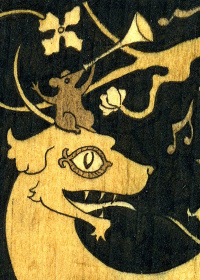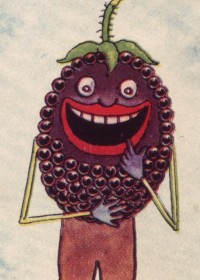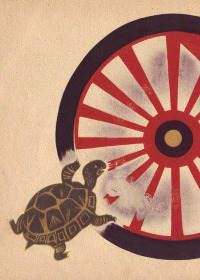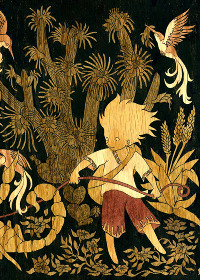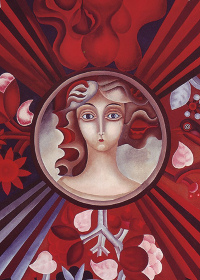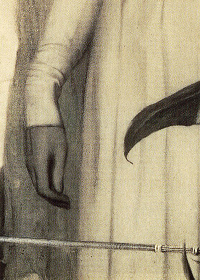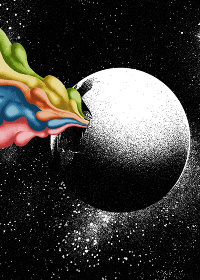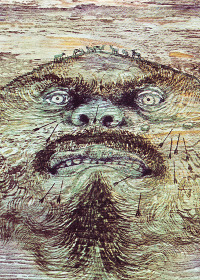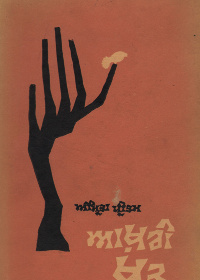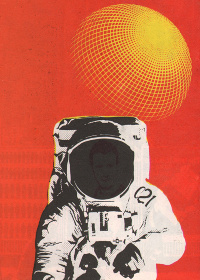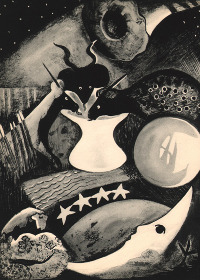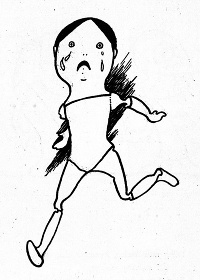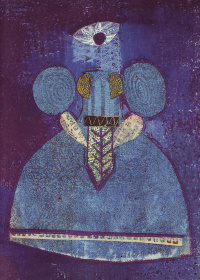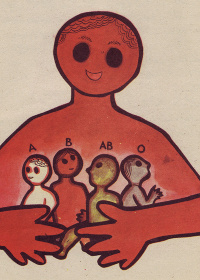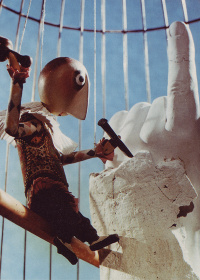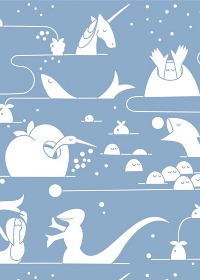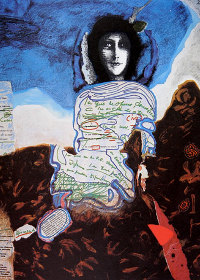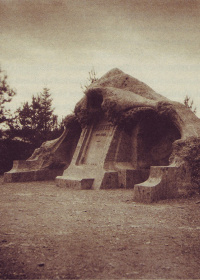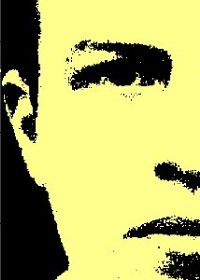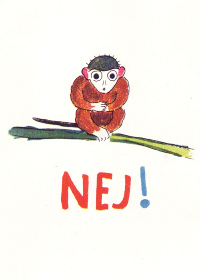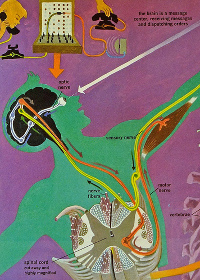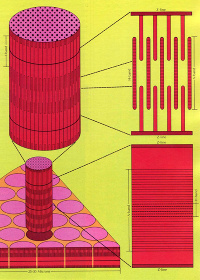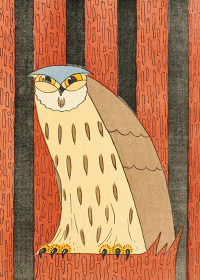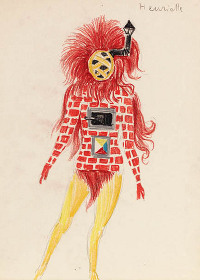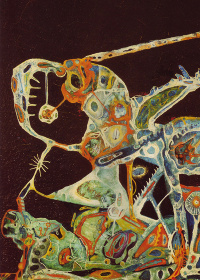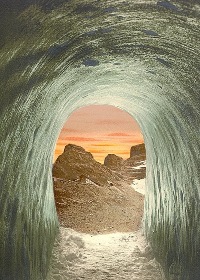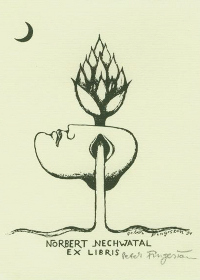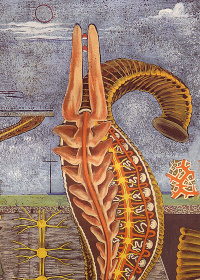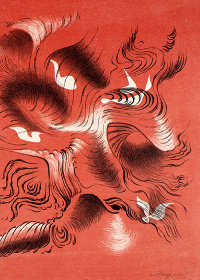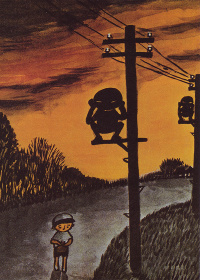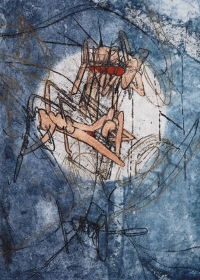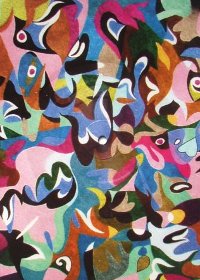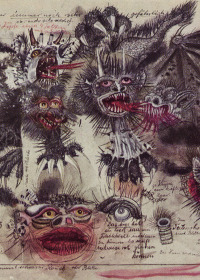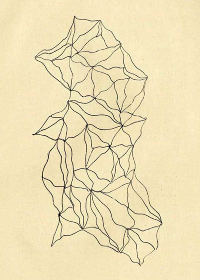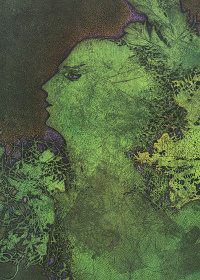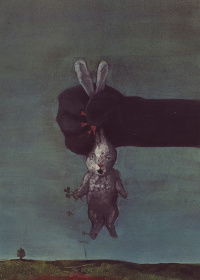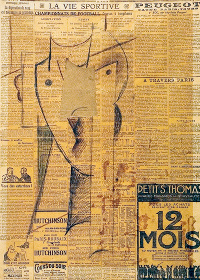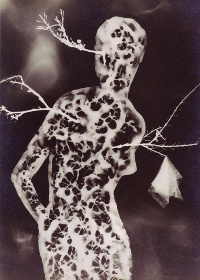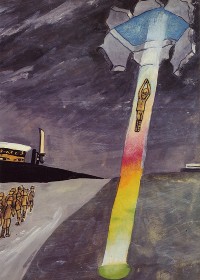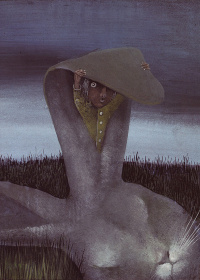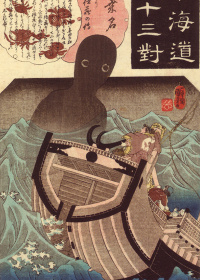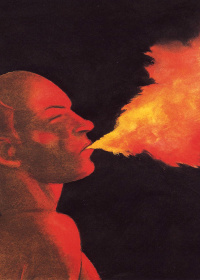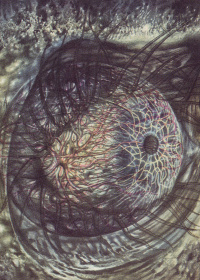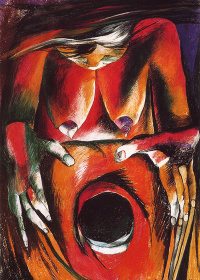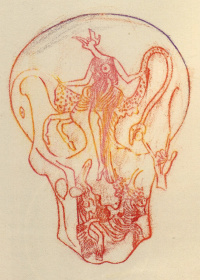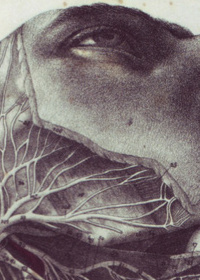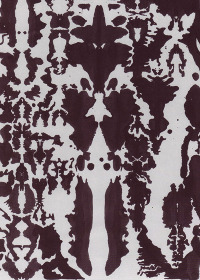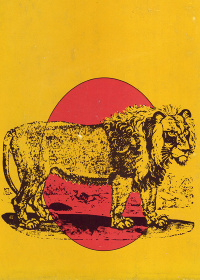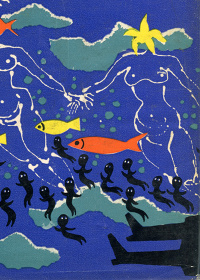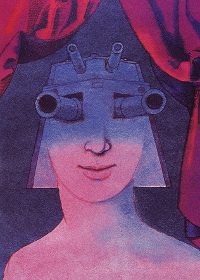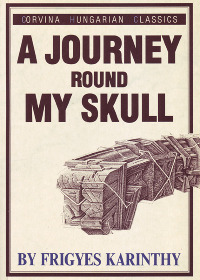

Provoke children to ask questions like Why Me? and Who Ate the Rainbow?
(Find me at Bookers Buzz Books.)
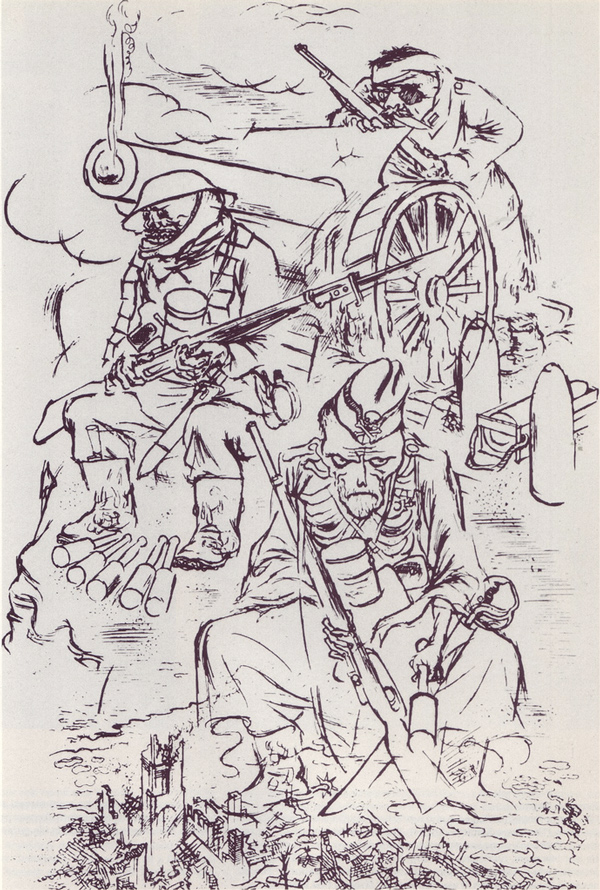
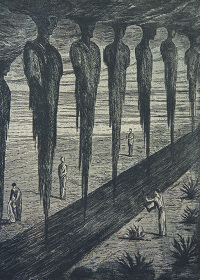
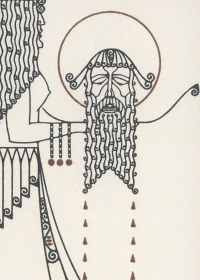
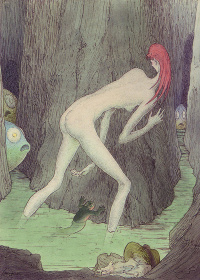
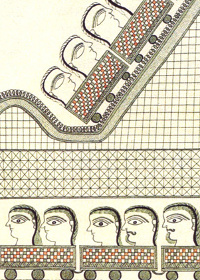
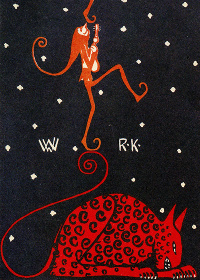
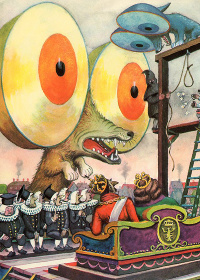
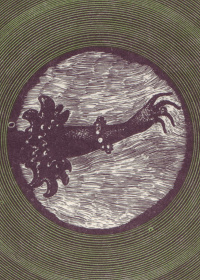
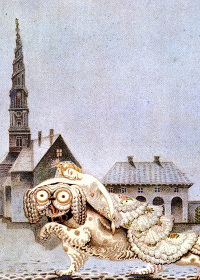
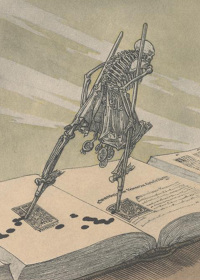
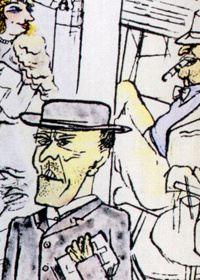
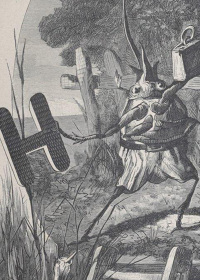
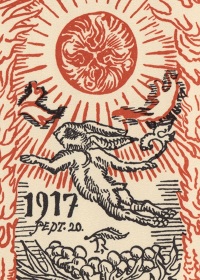
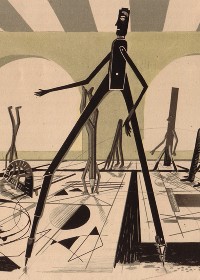
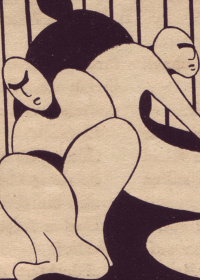
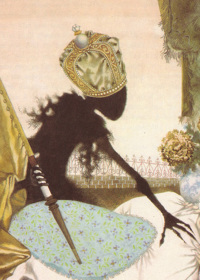
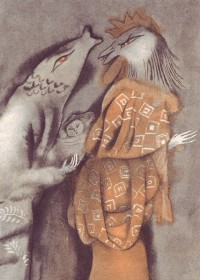
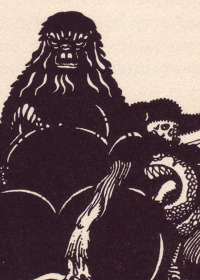
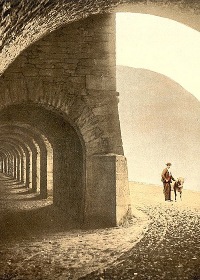
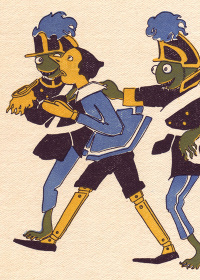
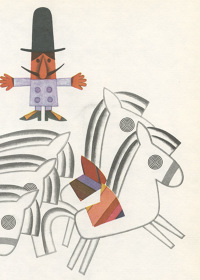
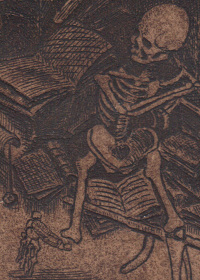
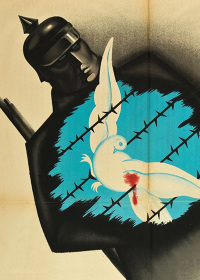
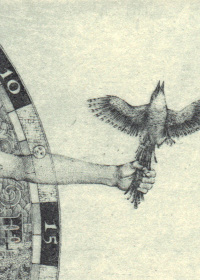
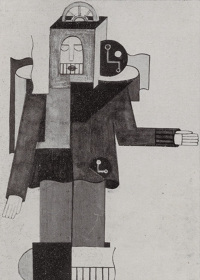
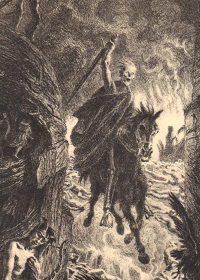
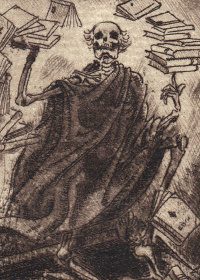
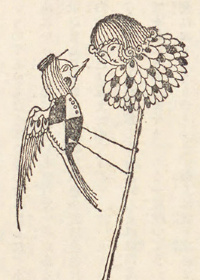
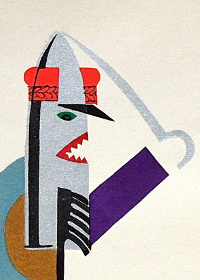
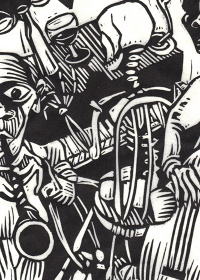
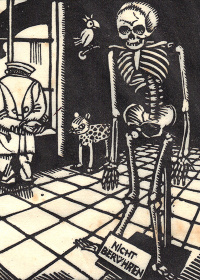
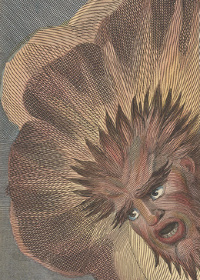
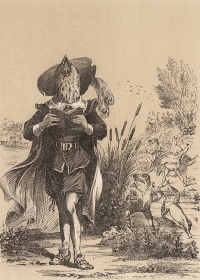
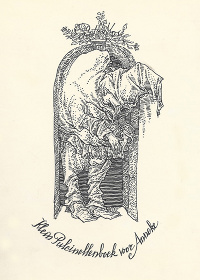
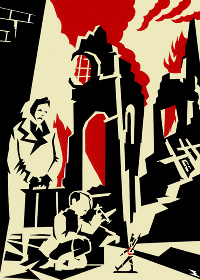
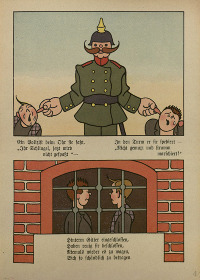
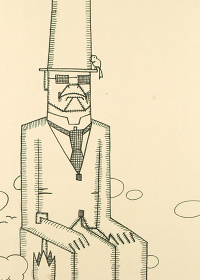
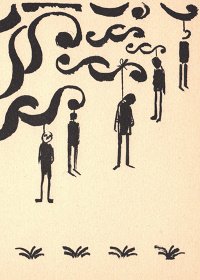
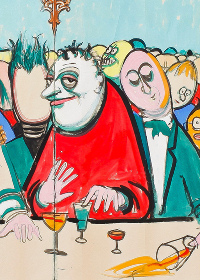
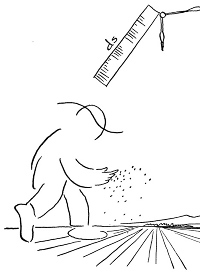
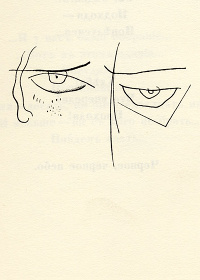
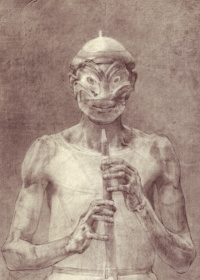
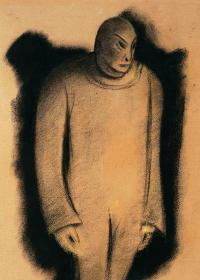
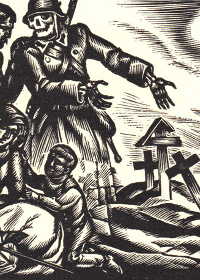
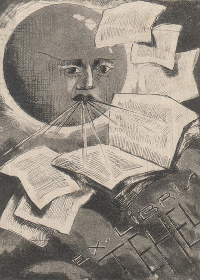
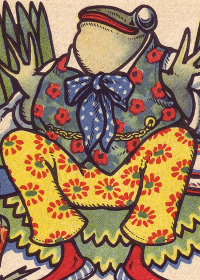
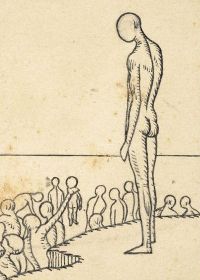
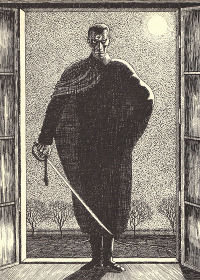
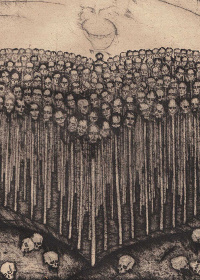
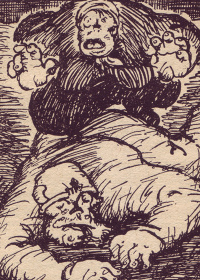
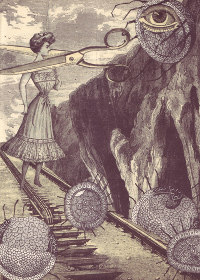
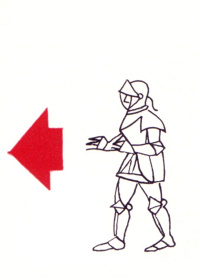
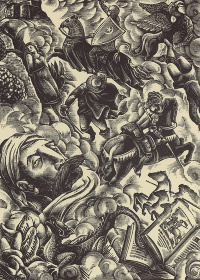
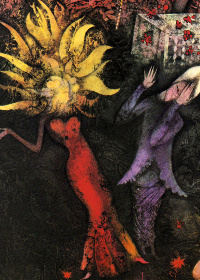
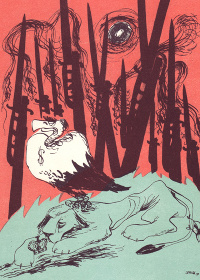
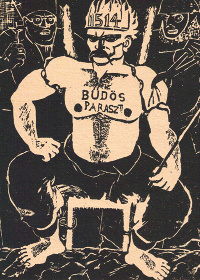
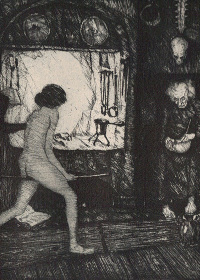
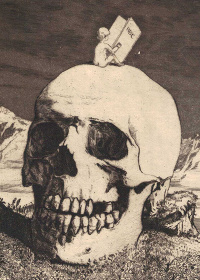
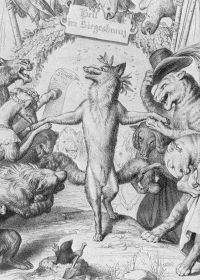
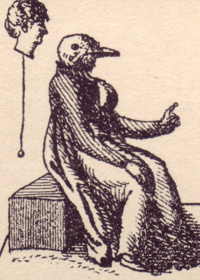
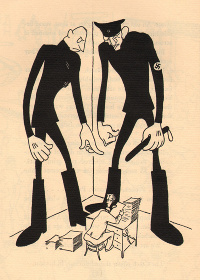
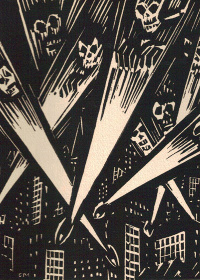
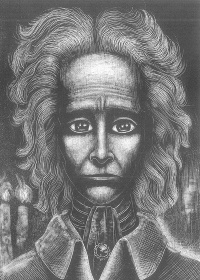
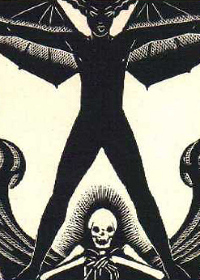
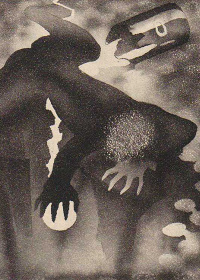
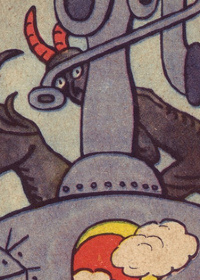
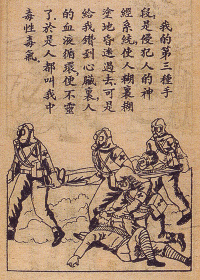
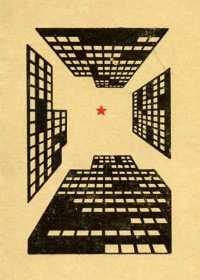
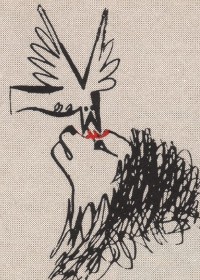
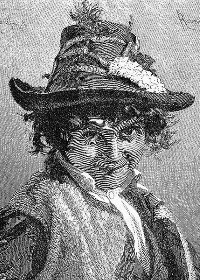
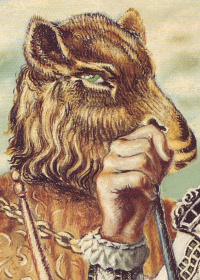
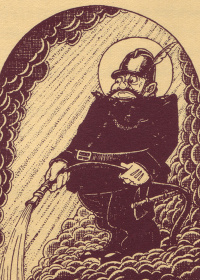
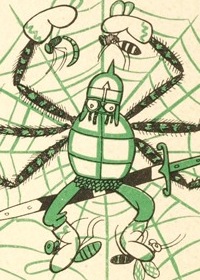
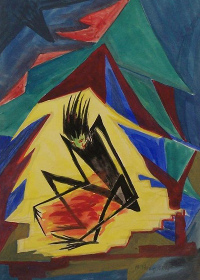
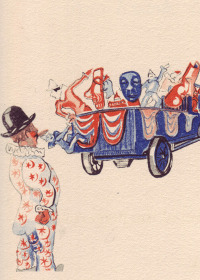
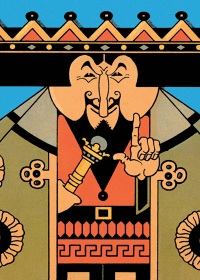
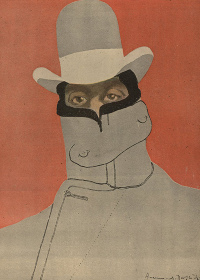
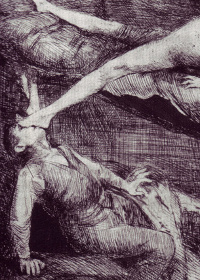
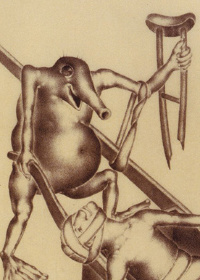
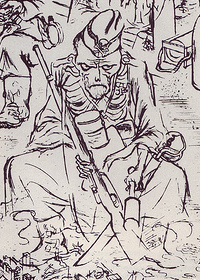
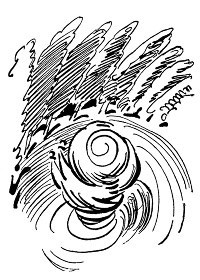
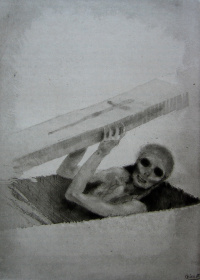
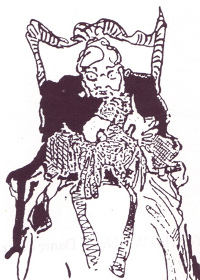
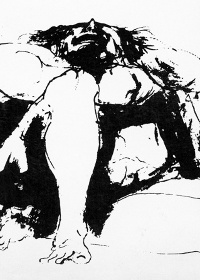
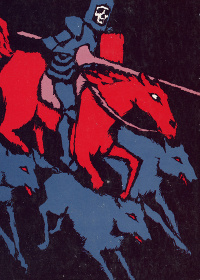
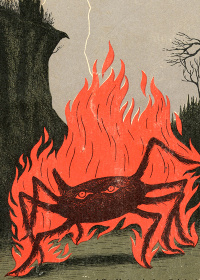
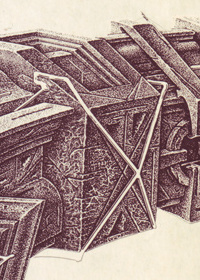
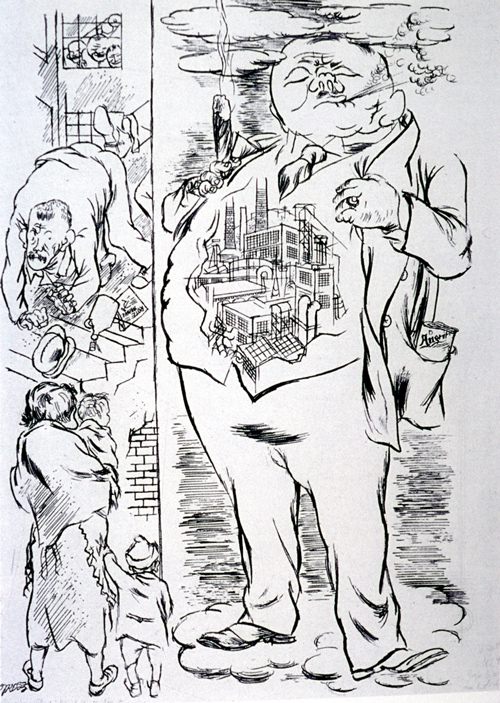
Kiepenheuer published a children's book by Brecht called Die drei Soldaten (The Three Soldiers) in 1931. The illustrations were by George Grosz. This book came as a sharp contrast to the new wave of chauvinistic war literature, ruthlessly exposing the horrors of war. "The book is intended when read aloud to provoke children to ask questions," Brecht wrote in his introduction. It was followed by Grosz's title drawing.
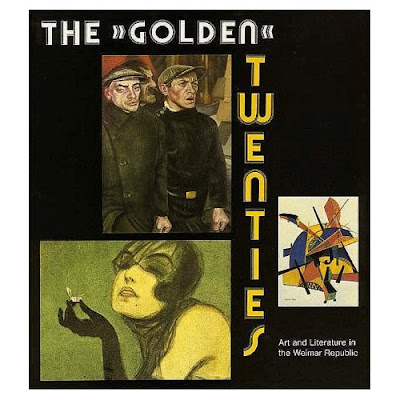
Quoted from The "Golden" Twenties: Art and Literature in the Weimar Republic. (Do I see air quotes in a book title?!)
Update, 10/30/08 (typed as I listen to my fair city of Philadelphia go ape-shit):
I dug up some information on the Brecht/Grosz book. It doesn't seem to exist in English, although the text is likely buried in a selection of Brecht's poems.
The following passage from Frederic Ewen's Bertolt Brecht: His Life and Times gives us a hint at what we're missing. And it does not disappoint! Seriously, at least read the last couple lines below:
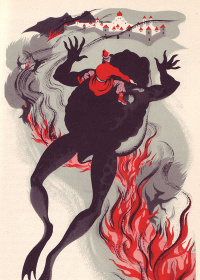
The most powerful and affecting of the poems of this time is "Die drei Soldaten" ("The Three Soldiers" -- A Book for Children), which appeared in the Versuche of 1932. [Ed.--Not sure why this publication info differs from that given in The "Golden" Twenties.] Georg Grosz supplied the incisive and bitter illustrations. The poem consists of fourteen sections of rhymed couplets, and describes how three soldiers -- Hunger, Mishap, and Consumption -- desert toward the end of the war, and make their way through various cities. Here they encounter the rich, the poor, children, men of the church. They are witnesses of the destruction of wheat in a time of hunger. They attend the trial of a worker who has been framed. They see mustard gas being manufactured. They have a private session with God himself; watch the war of the classes, and finally reach Moscow.
They are so outraged by what they saw in Germany, particularly the passivity with which the poor and the stricken accept their plight; the hardened hearts of the well-to-do in the face of misery; the impotence of God; and (most shameful indignity of all!) the fact that they themselves, the soldiers, are taken for granted, that they begin to commit atrocities. When they finally reach Moscow, they discover that the populace there will not stand for them. The three soldiers laugh for the first time. They say: "These people have some sense. None of them takes us for granted. They'll simply put us up against a wall and shoot us." Which is what happens.
Brecht's anger is white-hot -- anger at those who tolerate such outrages no less than at those who perpetrate them. Through the three soldiers he voices his affronted conscience. They resolve
To shoot all
Who put up with things as they were.
For there are many who are afraid to grumble,
Saying Yes and Amen to all.
And these would have to be shot,
So that one at last might know what's what.
Among the bitterest passages in the poem is that describing the soldiers' conference with God, which is attended by personages of wealth. The Lord God, seeing that it is "impossible" to change the world agrees to make misery "invisible." So the soldiers become transparent and one can no longer see Hunger, Mishap, and Consumption. One sees only injustice on earth and the people tormented and exploited. One sees the results but not the causes! And even God, having lost all authority with His subordinates on earth, and having Himself forgotten the contents of the book He had once written, is found blundering down below. He too has to be stood up against a wall. With the death of God, the invisible becomes visible again. The class war is revealed.
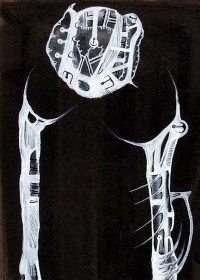
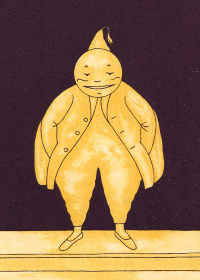
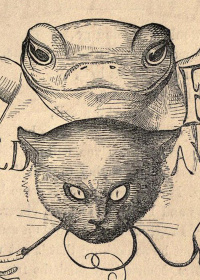
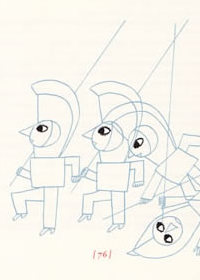
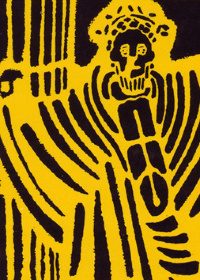
Update 2, 10/30/08 (this post may keep growing): I found another of Grosz's illustrations for "The Three Soldiers" at this site.
*****
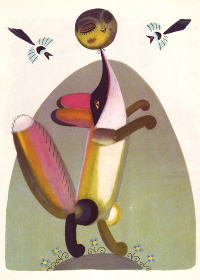
More books for your brood:
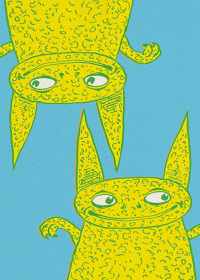
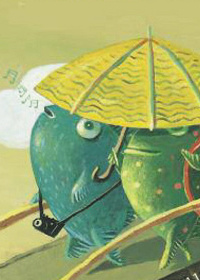
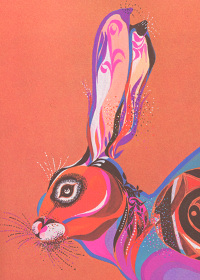
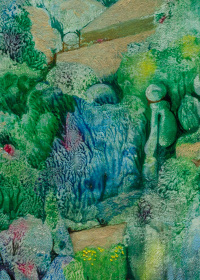
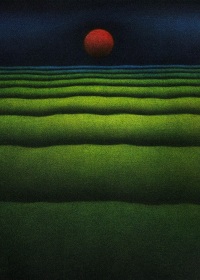
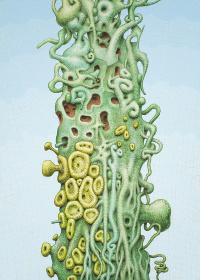
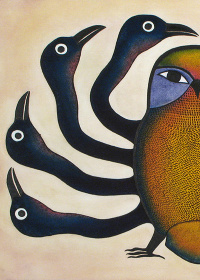
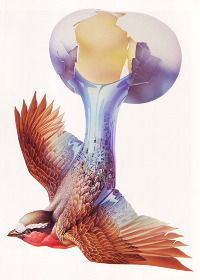
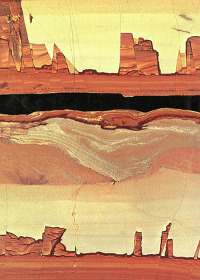
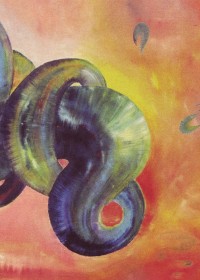
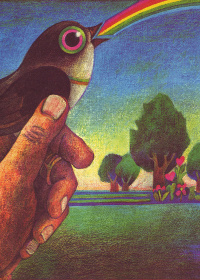
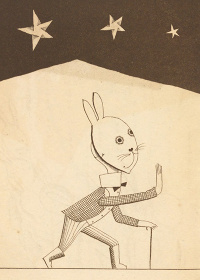
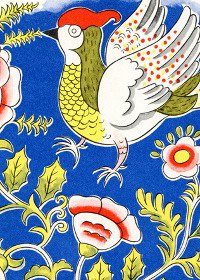
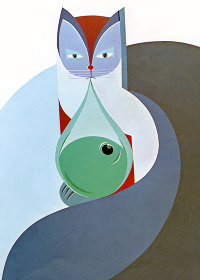
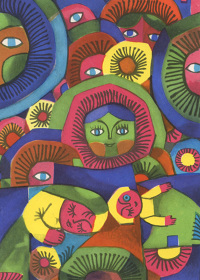
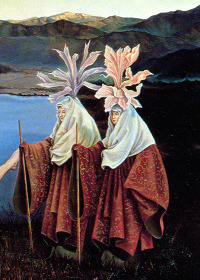
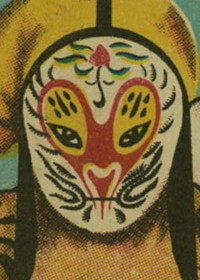
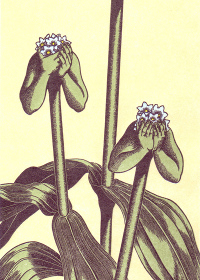
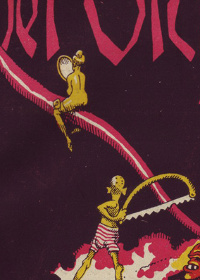
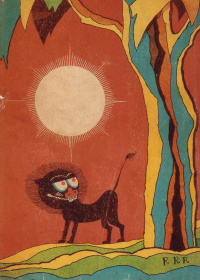
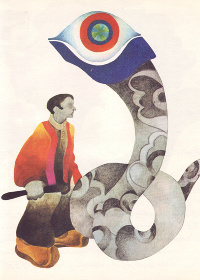
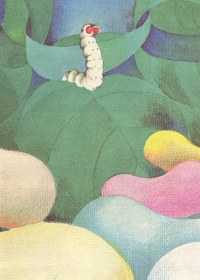
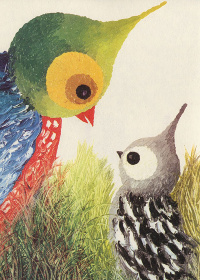
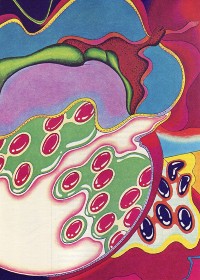
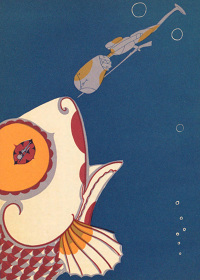
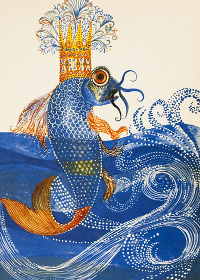
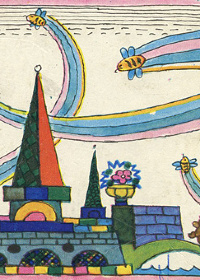
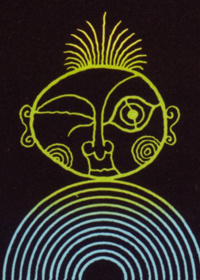
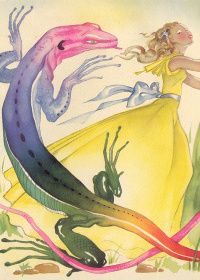
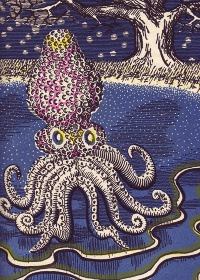
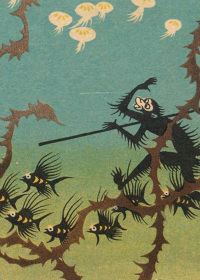
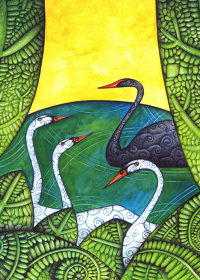
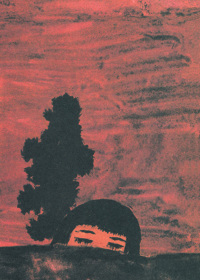
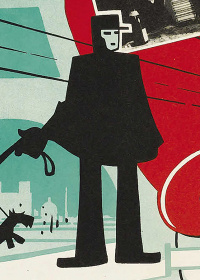
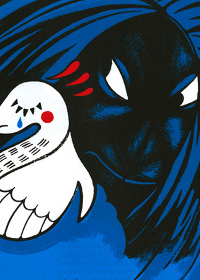
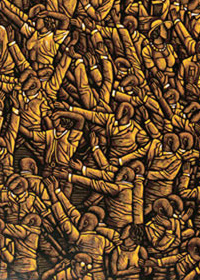
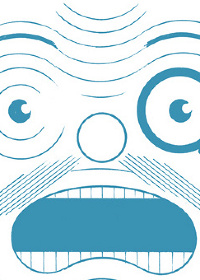
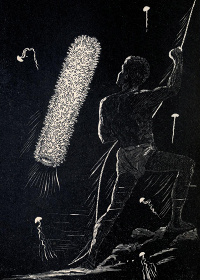
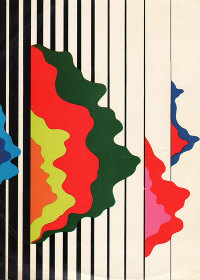
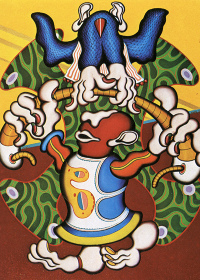
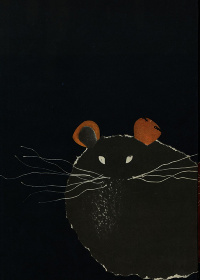
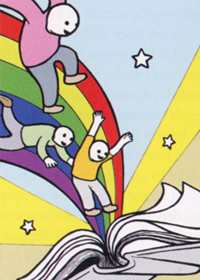
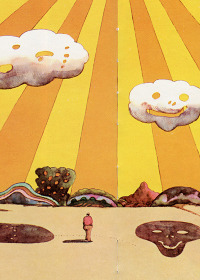
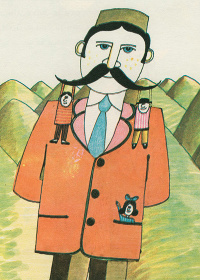
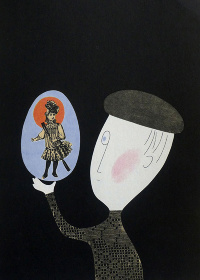
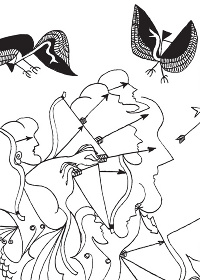
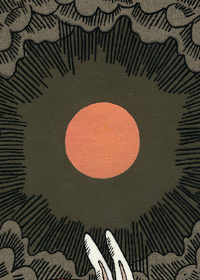
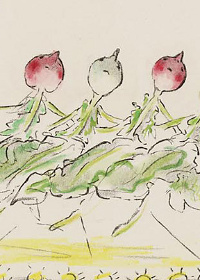
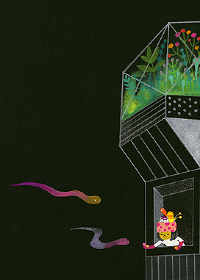
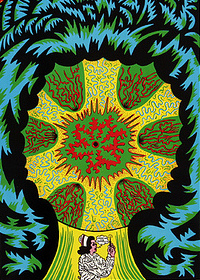
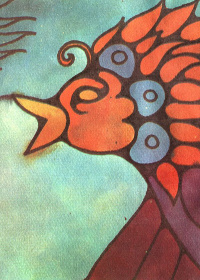
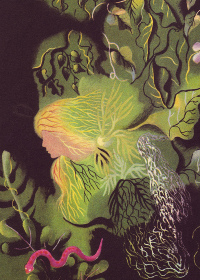
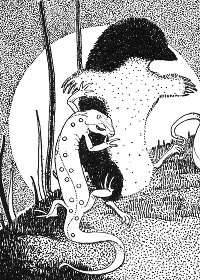
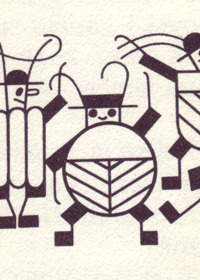
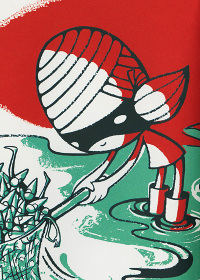
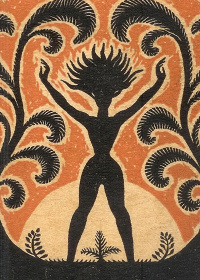
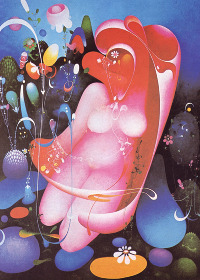
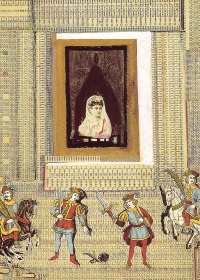
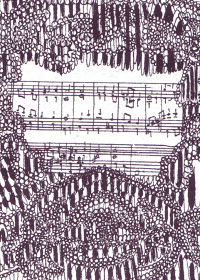
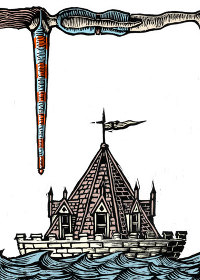
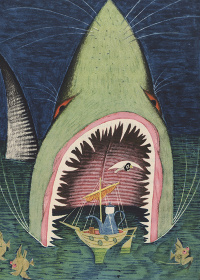
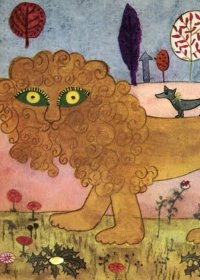
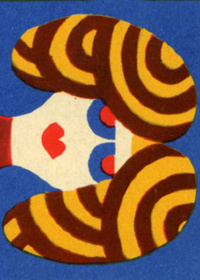
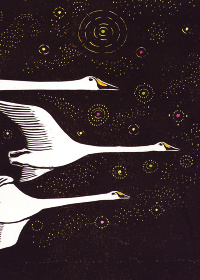
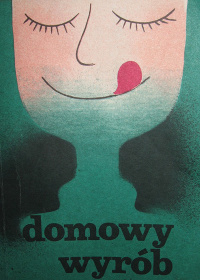
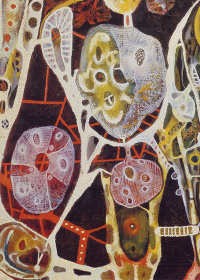
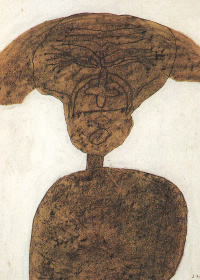
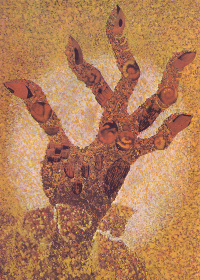
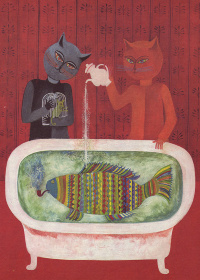
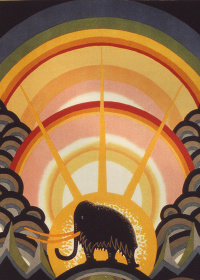
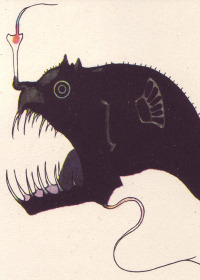
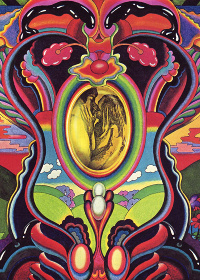
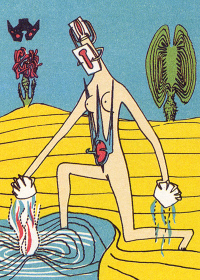
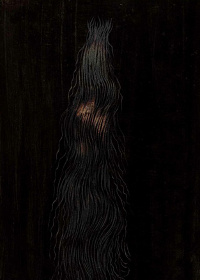
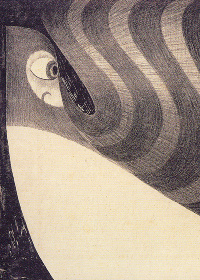
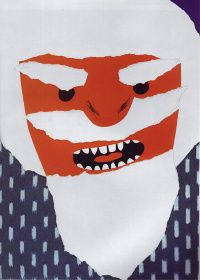
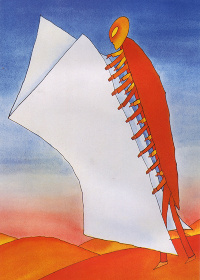
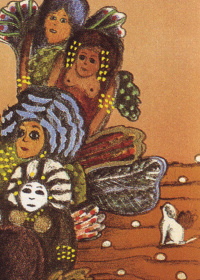
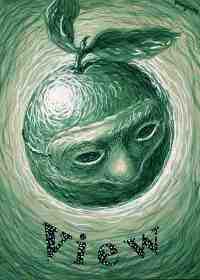
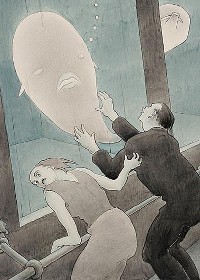
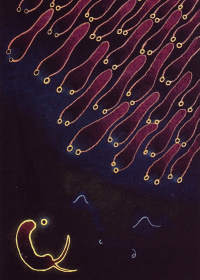
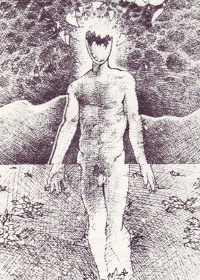
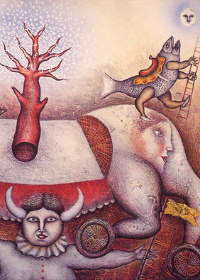
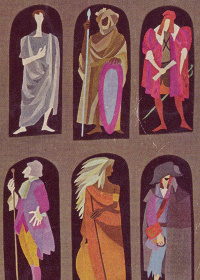
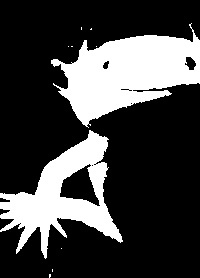
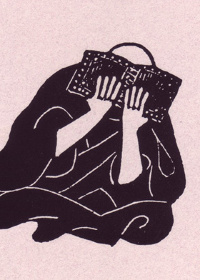
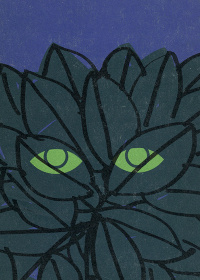
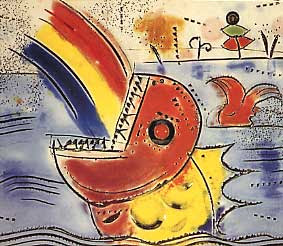 Taiwanese illustrator Zai Bo, from his children's
book Who Ate the Rainbow? (1994)*
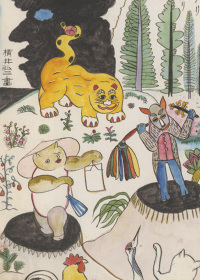
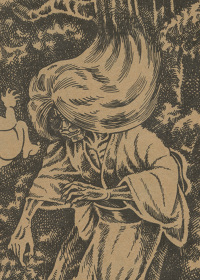
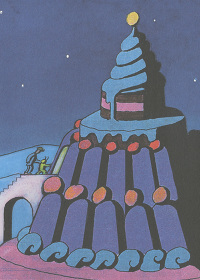
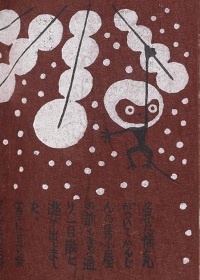
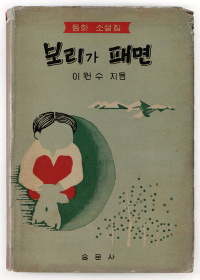
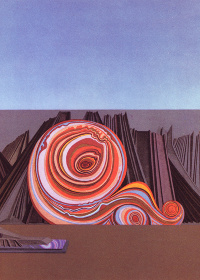
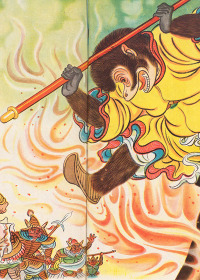
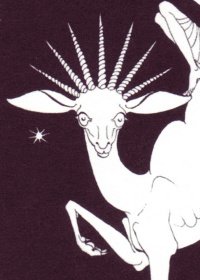
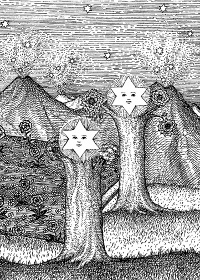
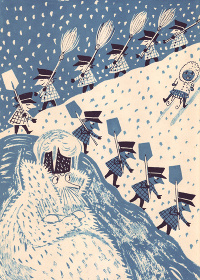
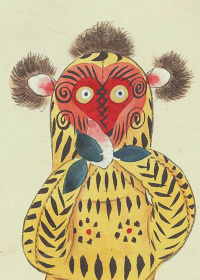
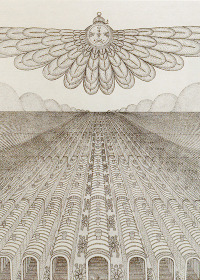
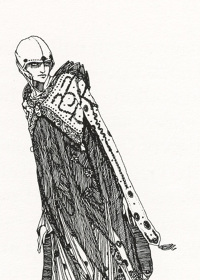
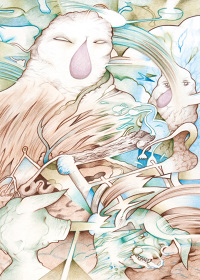
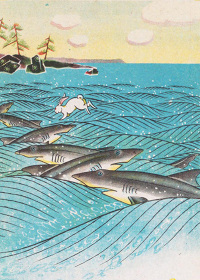
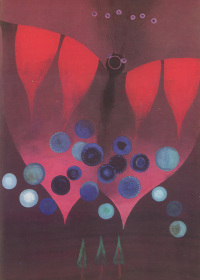
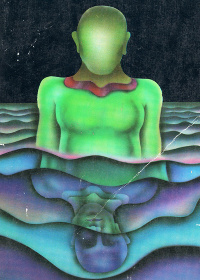
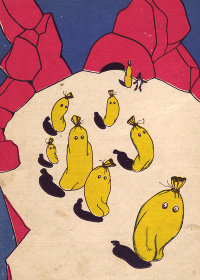
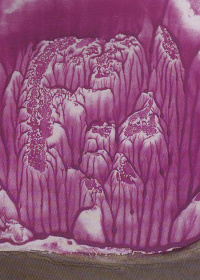
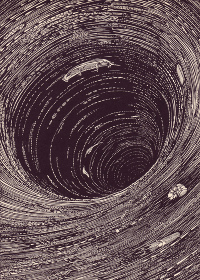
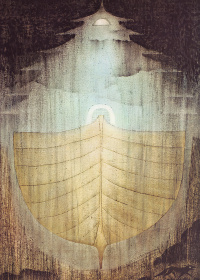
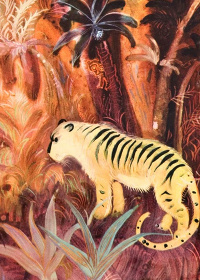
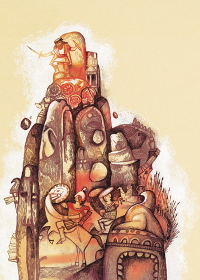
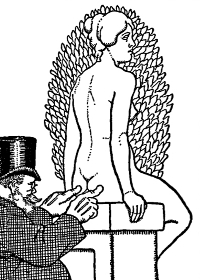
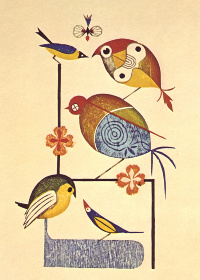
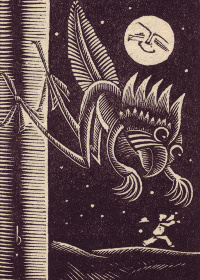
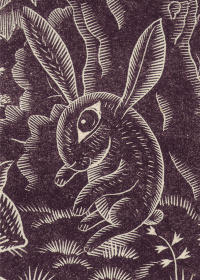
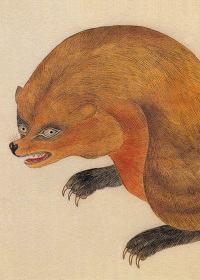
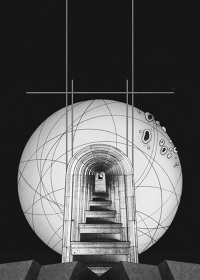
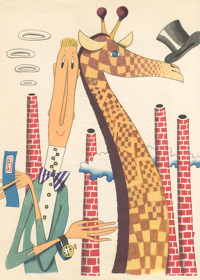
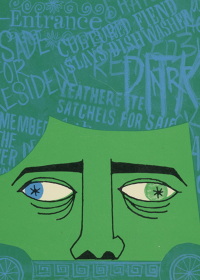
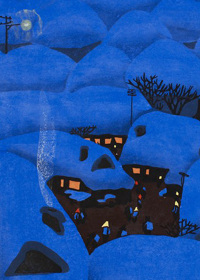
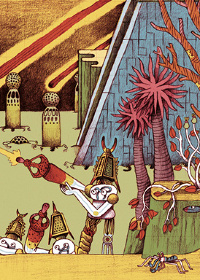
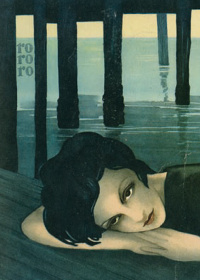
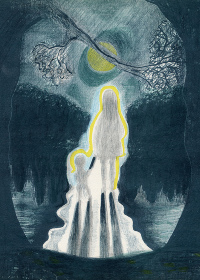
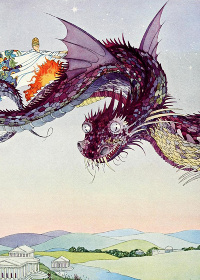
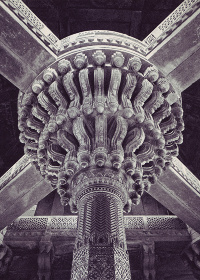
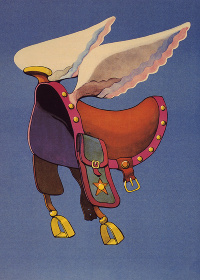
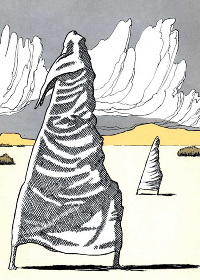
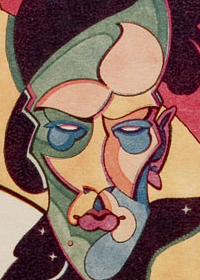
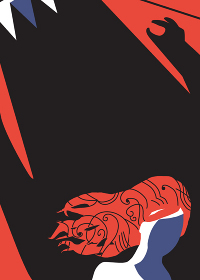
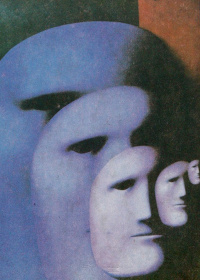
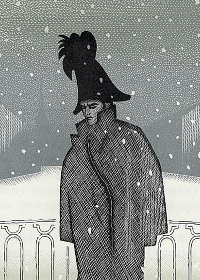
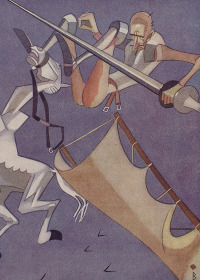
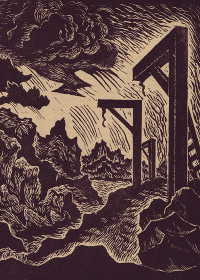
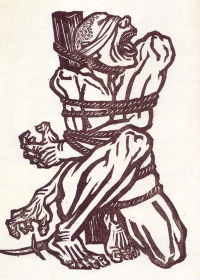
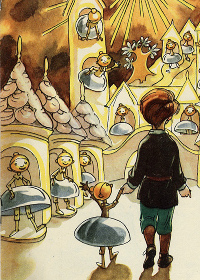
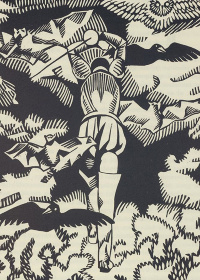
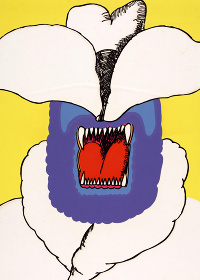
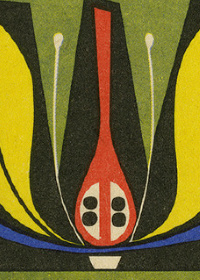
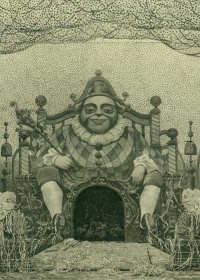
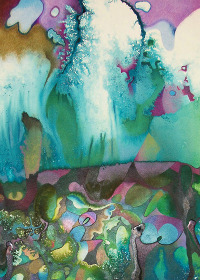
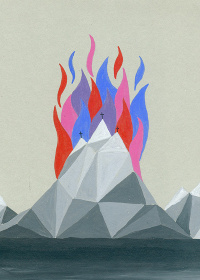
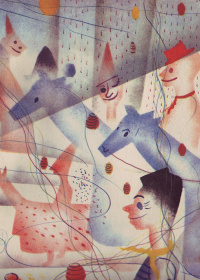
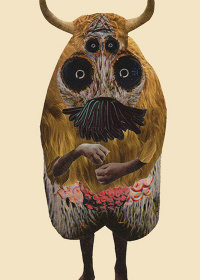
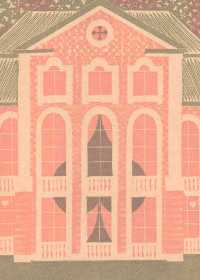
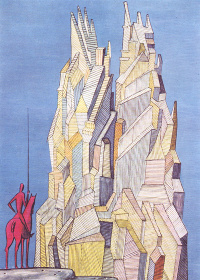
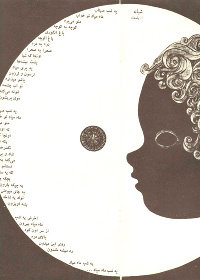
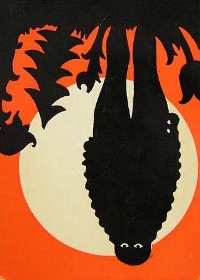
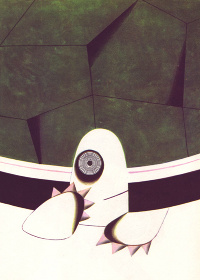
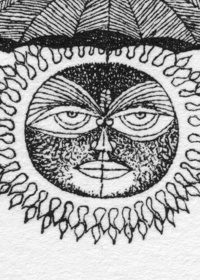
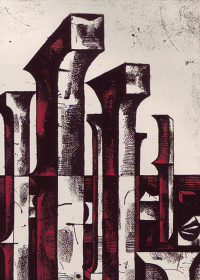
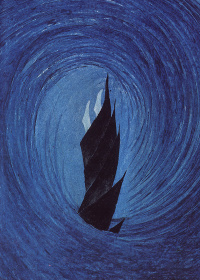
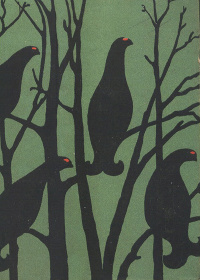
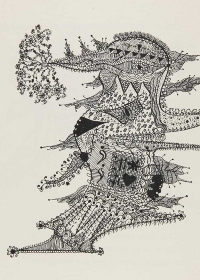
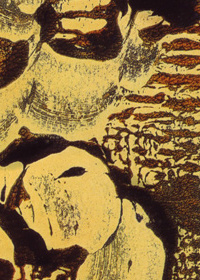
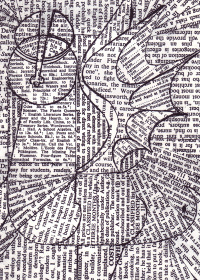
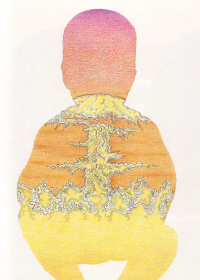
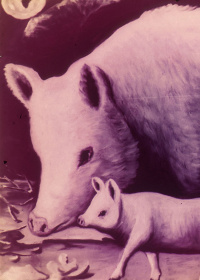
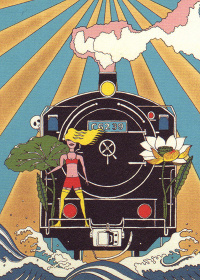
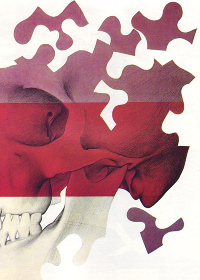
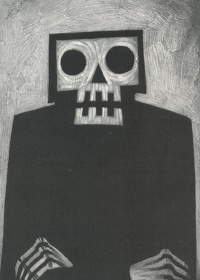
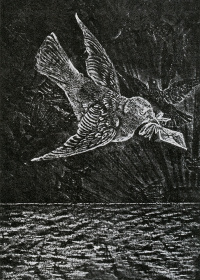
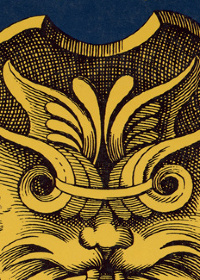
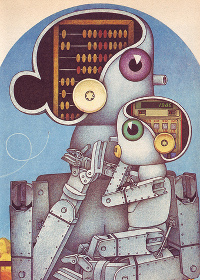
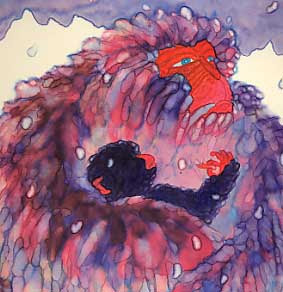 Korean illustrator Kang Woo-Hyon, from his children's book
Snow Mountain (1990)
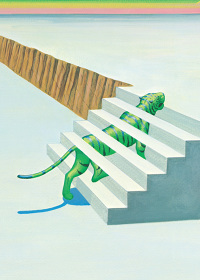
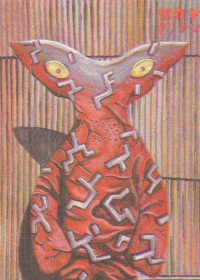
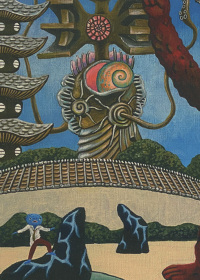
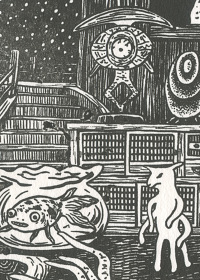
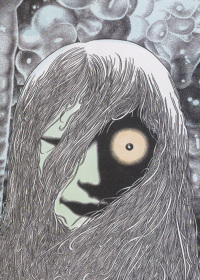
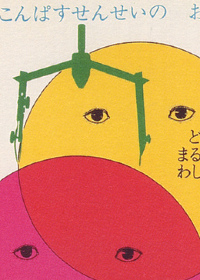
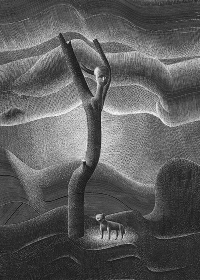
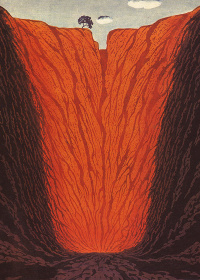
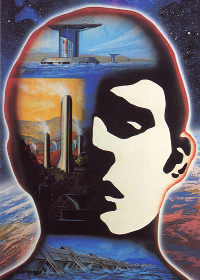
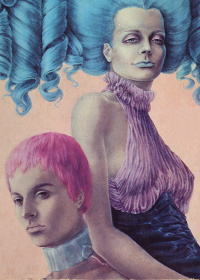
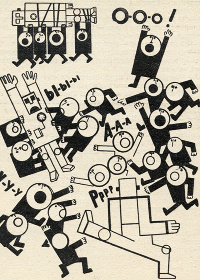
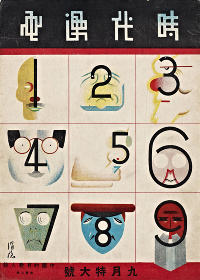
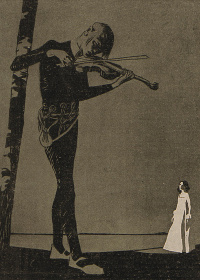
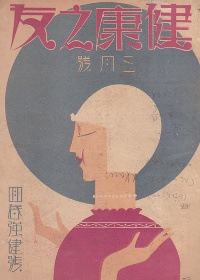
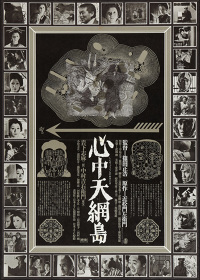
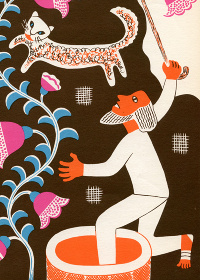
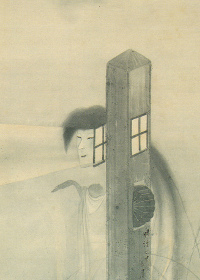
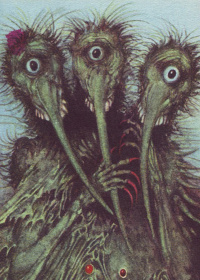
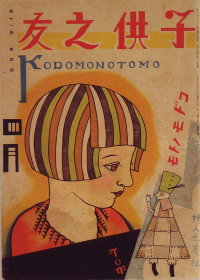
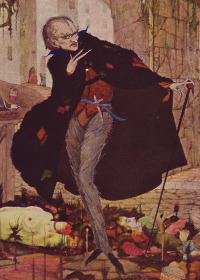
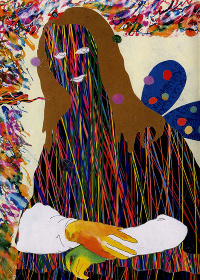
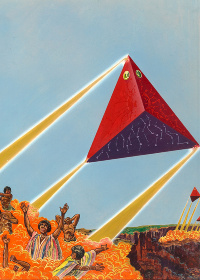
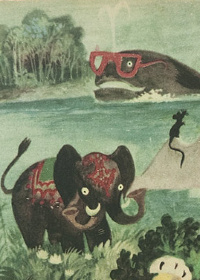
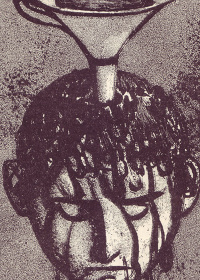
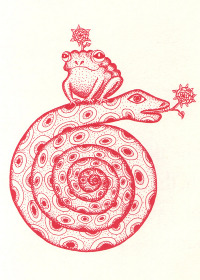
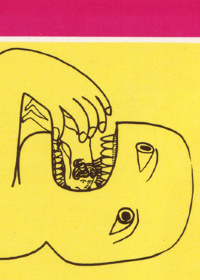
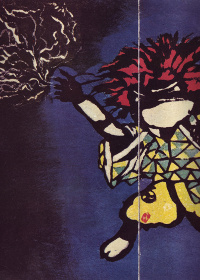
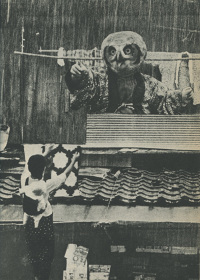
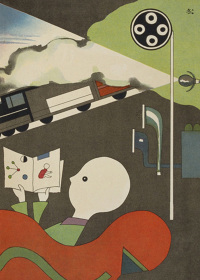
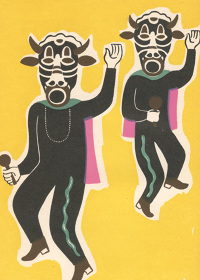
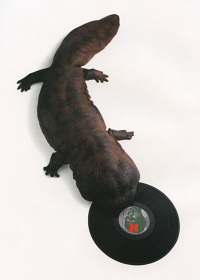
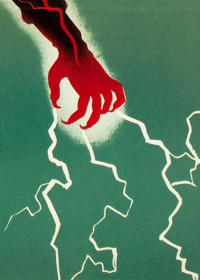
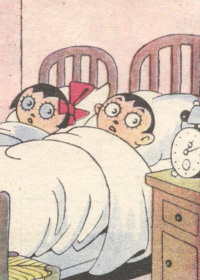
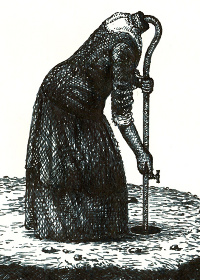
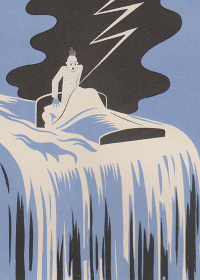
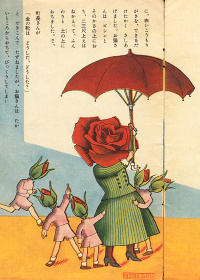
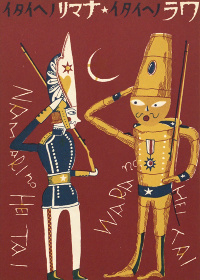
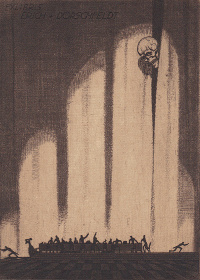
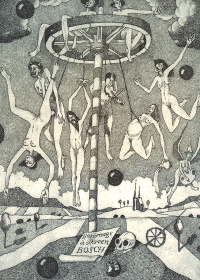
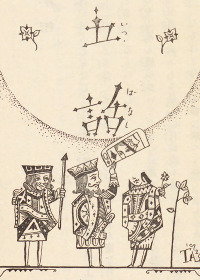
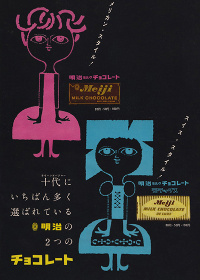
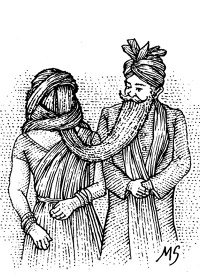
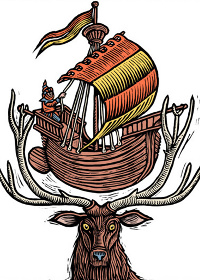
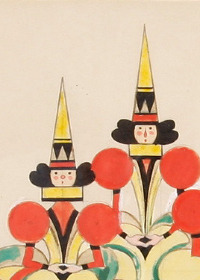
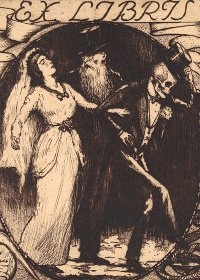
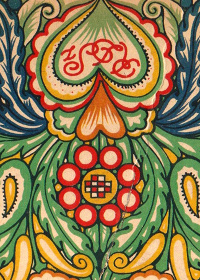
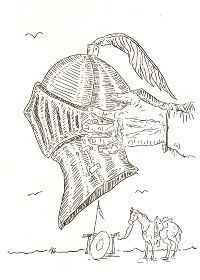
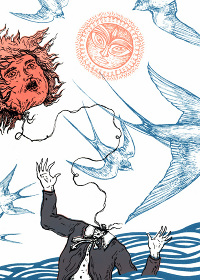
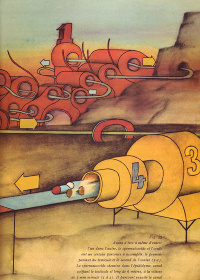
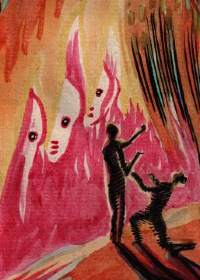
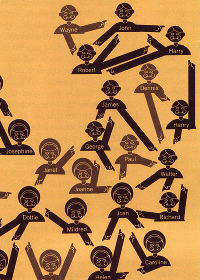
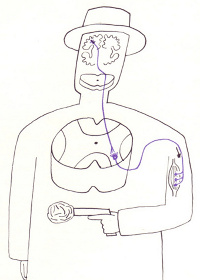
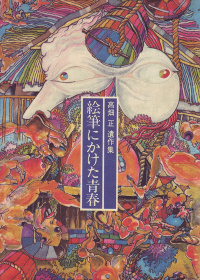
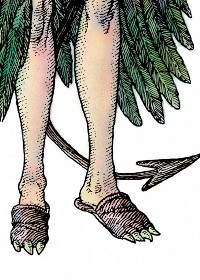
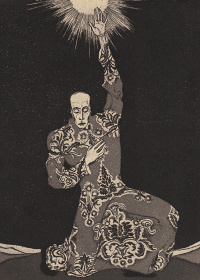
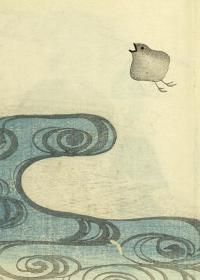
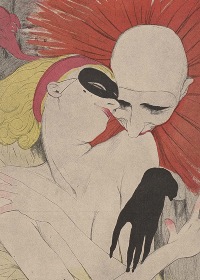
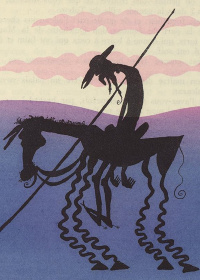
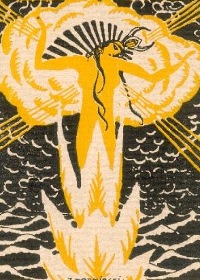
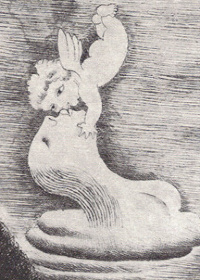
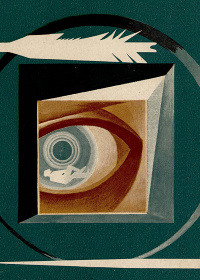
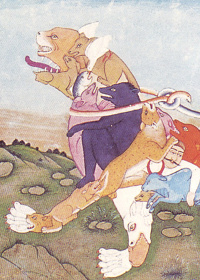
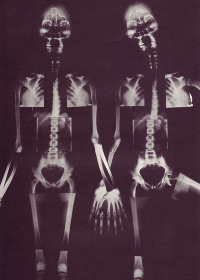
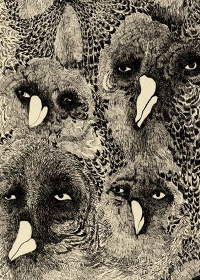
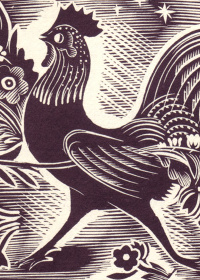
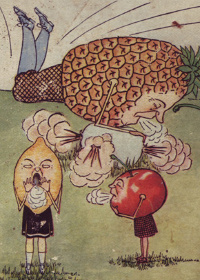
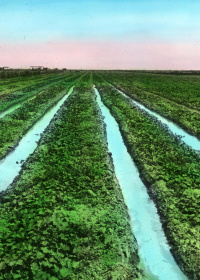
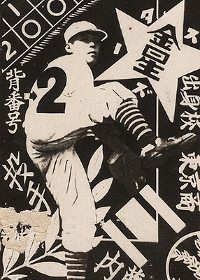
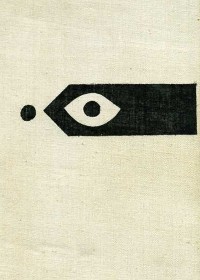
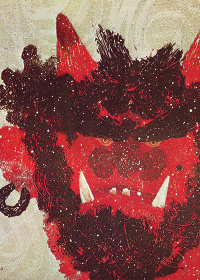
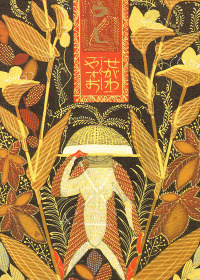
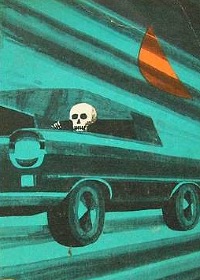
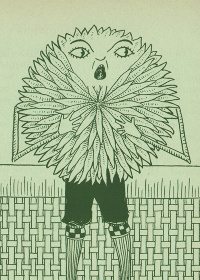
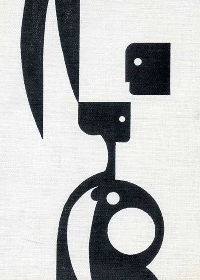
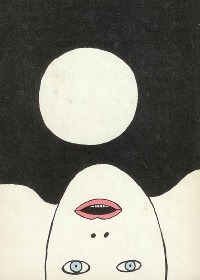
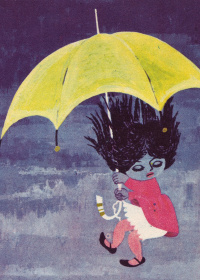
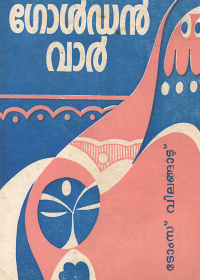
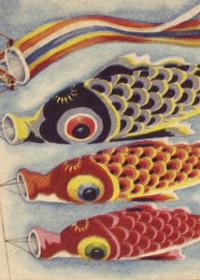
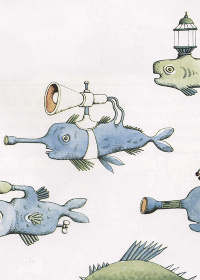
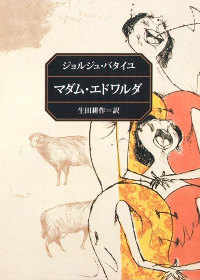
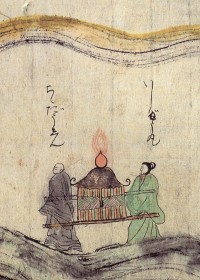
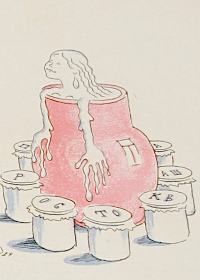
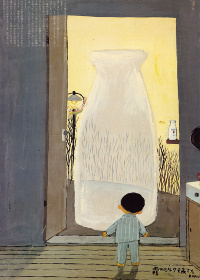
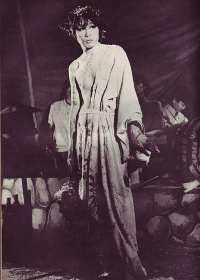
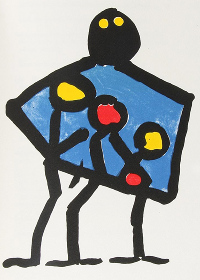
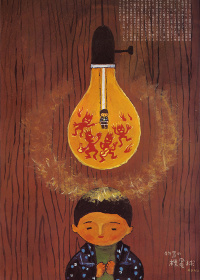
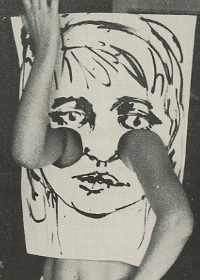
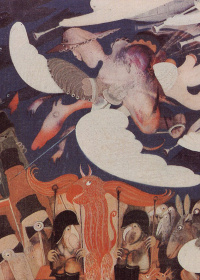
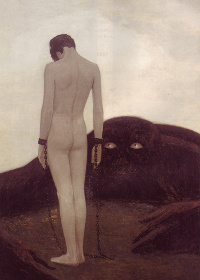
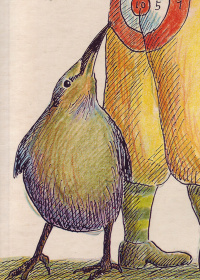
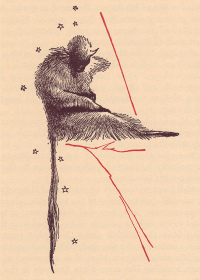
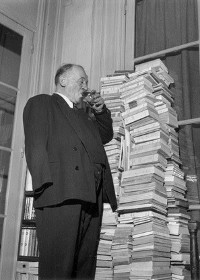
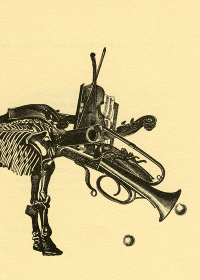
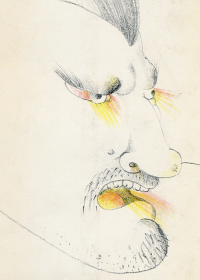
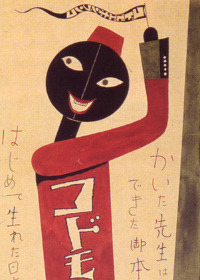
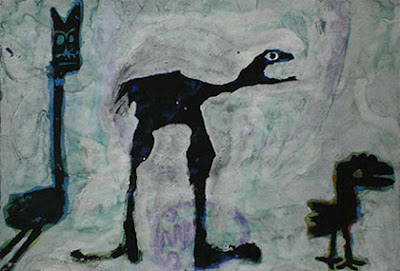 Japanese illustrator Seizo Tashima, 1961 illustration
(may or may not be from a children's book!)
***
*Answer: one crazy fucking fish.
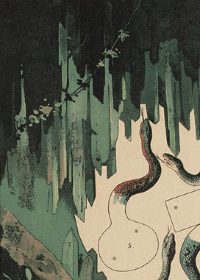
I need to get my grubby hands on Who Ate the Rainbow? (but how?). Here's a description:
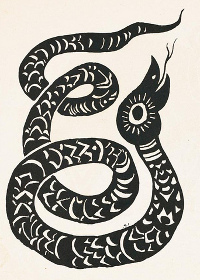
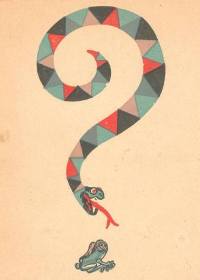
Wondrous things happen to the animals and the tree that come into contact with the rainbow. When Uh-oh the rainbow is cut in half by a kite string, it is eaten by a big fish, which is in turn eaten by a duck, which lays a rainbow egg. The snake eats the egg and acquires rainbow colors. When it touches a withered tree, the tree is immediately restored to life and even bears rainbow fruit.
Uh-oh...