
A Woman Burning in the Distance: Contemporary Mithila Art
(Find me at Bookers Buzz Books.)
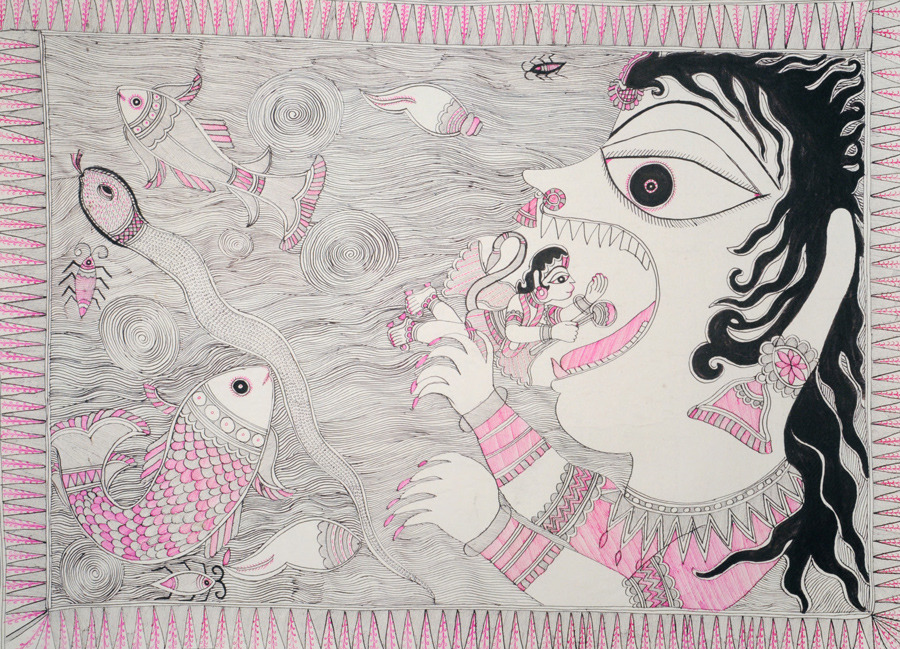
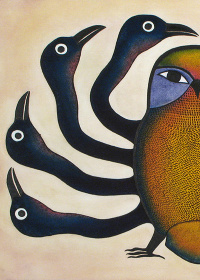
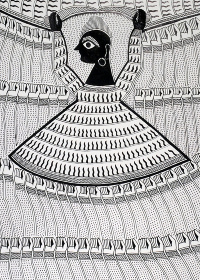
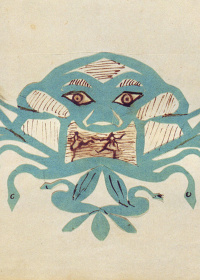
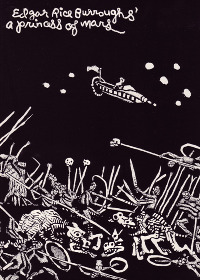
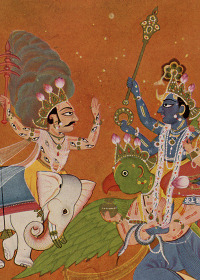
Last year I became fascinated by Mithila art from India after stumbling on the work of Ganga Devi. It's not easy to find clear reproductions of this work, so I was excited when BibliOdyssey directed me to Oberlin Library's Mithila collection.
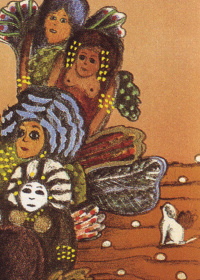
The origin of these drawings can be traced to the Madhubani region of India and Nepal that includes the towns and villages of Jitwarpur, Madhubani, Darbhanga and Saharsa in India and Janakpur in Nepal. Mithila (or Maithili) — the language spoken there — includes linguistic features from Hindi and Bengali. This region is replete in history with the birth of Gautama Buddha in Kapilavastu, his enlightenment in Bodh Gaya and the teaching of his first sermon in Sarnath just north of Varanasi. Lord Ram and his wife Sita — the central figures in Valmiki's great Hindu epic, the Ramayana — were both born here. Mithila artists draw inspiration from their geographic and historical closeness with these epic characters.
The drawings are highly symbolic in that they illustrate scenes from everyday life, from anecdotal myths and from the epics [...] Mithila drawings were originally wall and floor drawings made by village women on the mud walls of typical village homes. These drawings were periodically washed away by rains and thus had to be continuously re-done. In the 1960s, the onset of a drought caused crops to fail and left the region deep in poverty. In order to help the inhabitants fend for themselves, Baskar Kulkarni, an artist from Delhi, was sent by the All India Handicraft Board to the Madhubani district to analyze the income yielding potential of these wall and floor drawings. He took drawings made by the locals on heavy paper back to Delhi and exposed the exquisite artwork to a receiving market. The reputation of the Mithila artists spread quickly and demands for their work grew. Once the drawings descended from walls to scrolls, the artists began to exploit the opportunity for individual artistic expression and experimentation provided by the availability of paper.
Additional links:
—"Palettes Reborn, Worlds Retold" ("Celebrated abroad but little-known at home, Mithila art is inventing itself in new and astonishing ways, says John Bowles")
—Mithila Painting, run by the author of the above article
—Two Mithila books from the mighty Tara Books: Following My Paint Brush and Waterlife
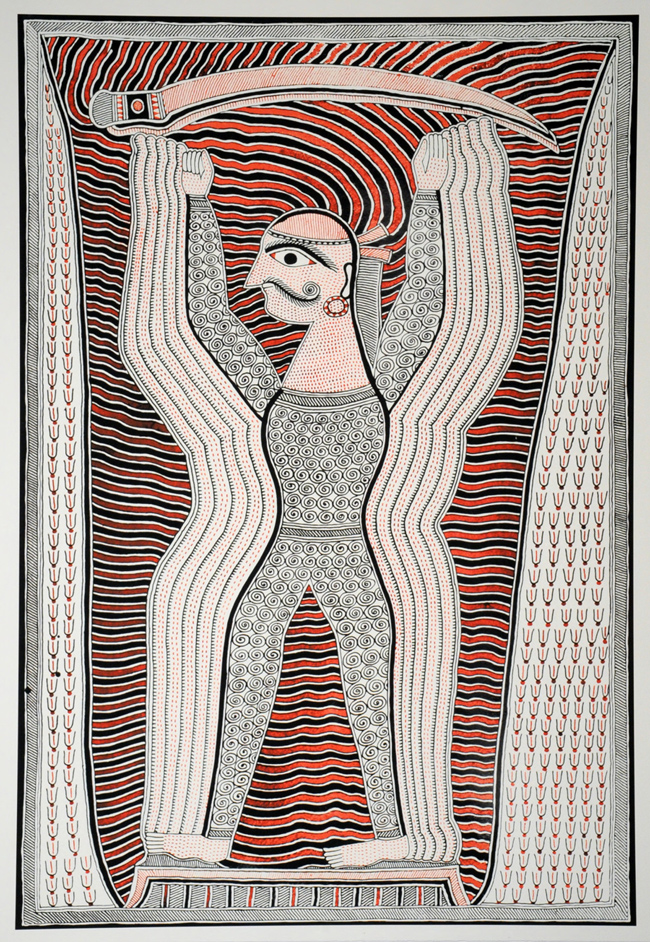
"Rioter as icon brandishing sword."
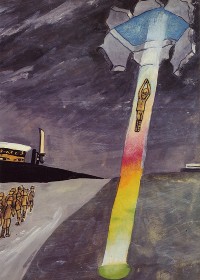
Mithila drawing from the Gujarat Series by Santosh Kumar Das
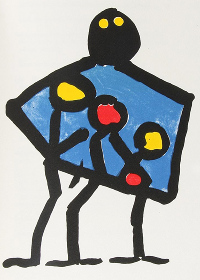
About half of the works in this post are by Santosh Das. From "Palettes Reborn, Worlds Retold":
Das first learned about Mithila art as a child at his home in Ranti (a village on the outskirts of Madhubani), where his mother painted kohbar compositions on paper, and his aunts Karpoori Devi and Mahasundari Devi (both master Mithila artists) experimented with narrative themes. In his early 20s, he did some translation work for Mary Lanius, a visiting art historian from the University of Denver, who recognised his talent and then underwrote his five-year scholarship to study in the famous art department at Baroda’s Maharaja Sayajirao University (MSU). It was there that Das first remembers hearing others compare his drawings to those by Paul Klee and Joan Miró, whom he knew nothing of then but came to admire, along with Picasso and other Western masters.
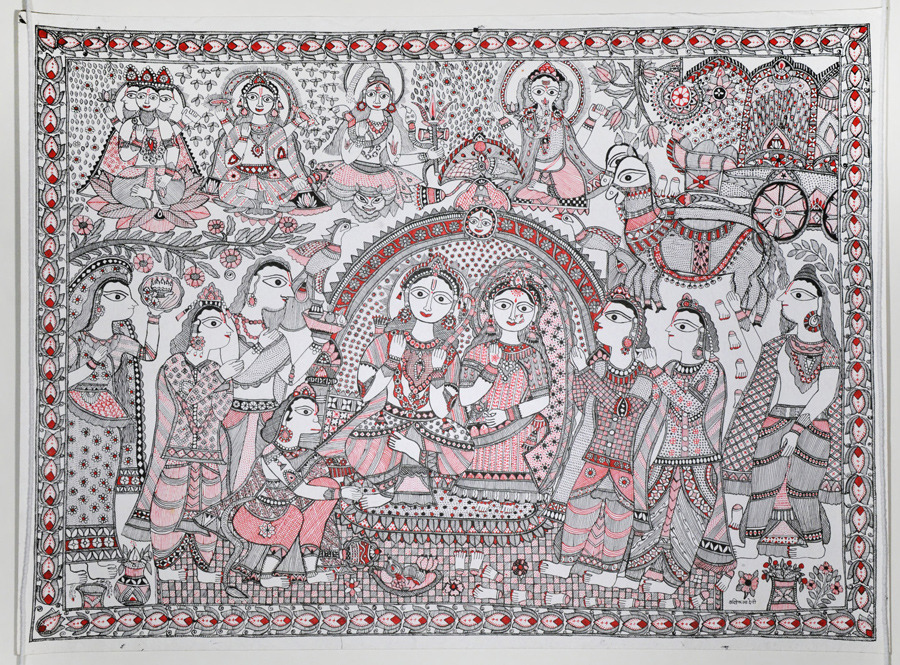
"Ram and Sita return to Ayodhya"
Drawing by Shashikala Devi
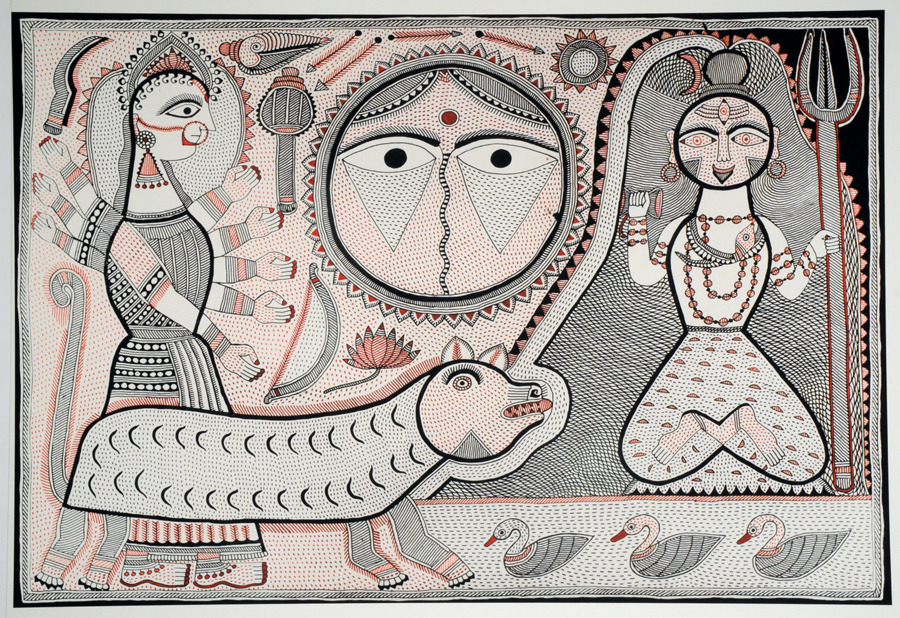
"Mother Earth (center) weeping for the victims..."
Mithila drawing from the Gujarat Series by Santosh Kumar Das
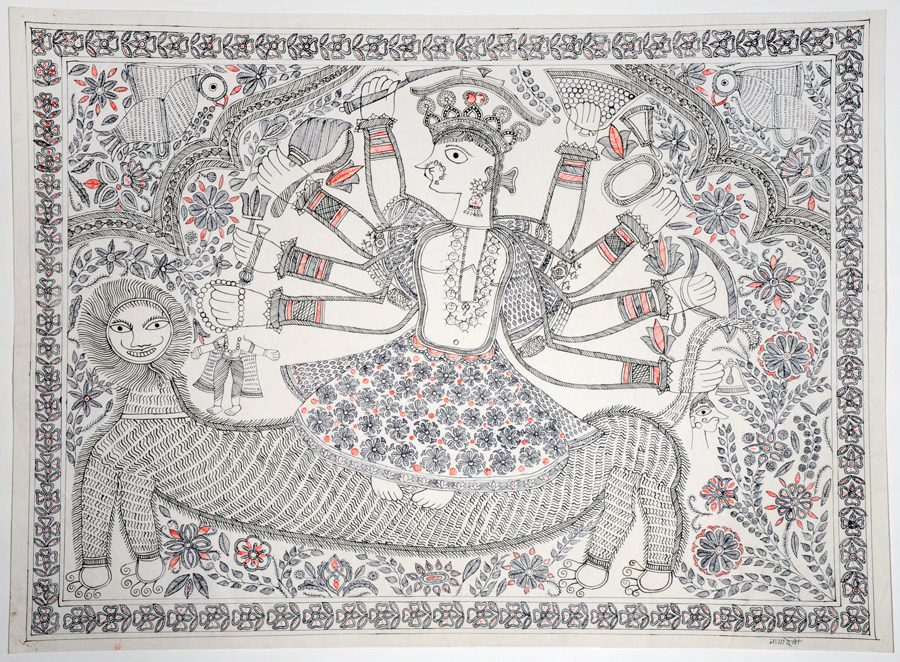
"Goddess Durga (the 'Inaccessible'), one of Lord Shiva's shaktis, or female powers"
Drawing by Maya Devi
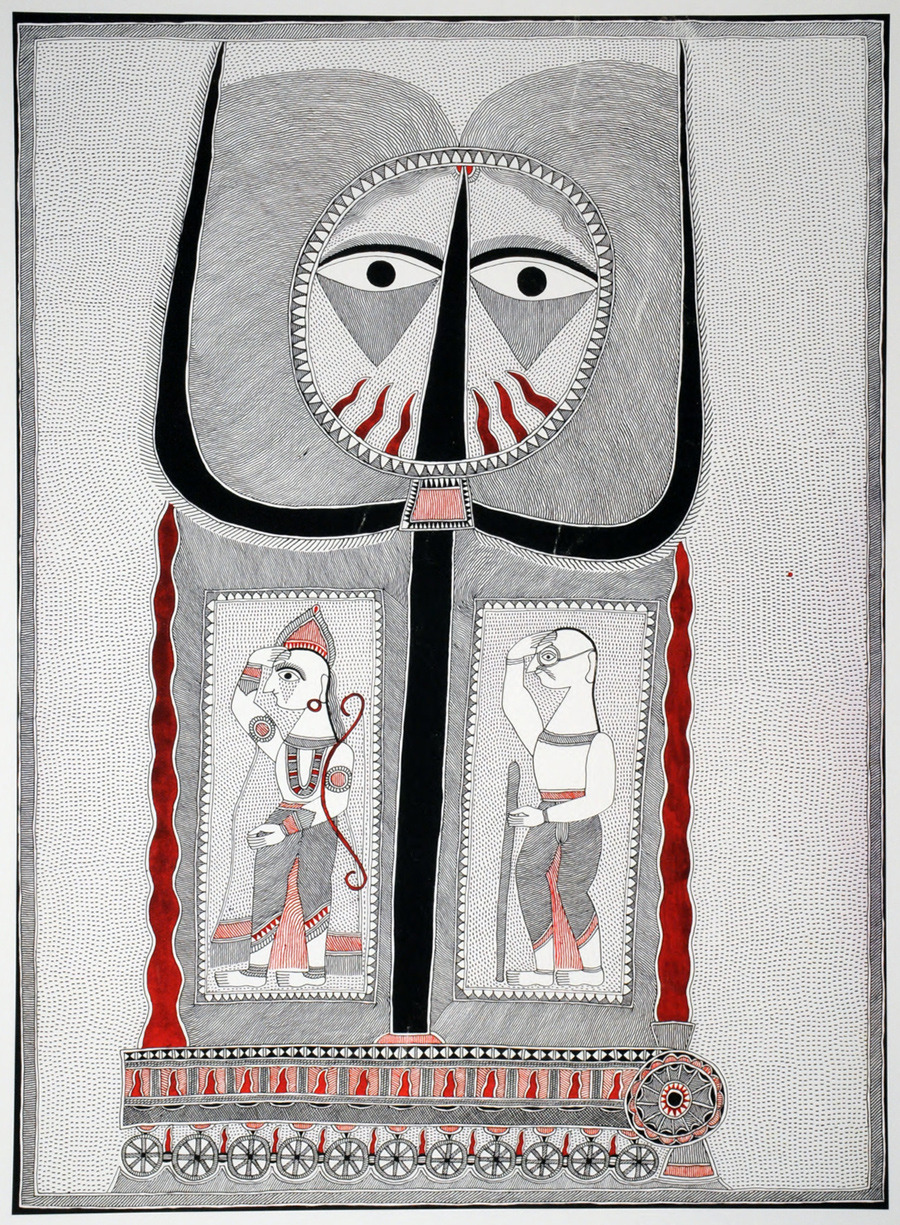
"Ram (left) and Gandhi (right) mourn Shiva's trident piercing Mother Earth."
Mithila drawing from the Gujarat Series by Santosh Kumar Das
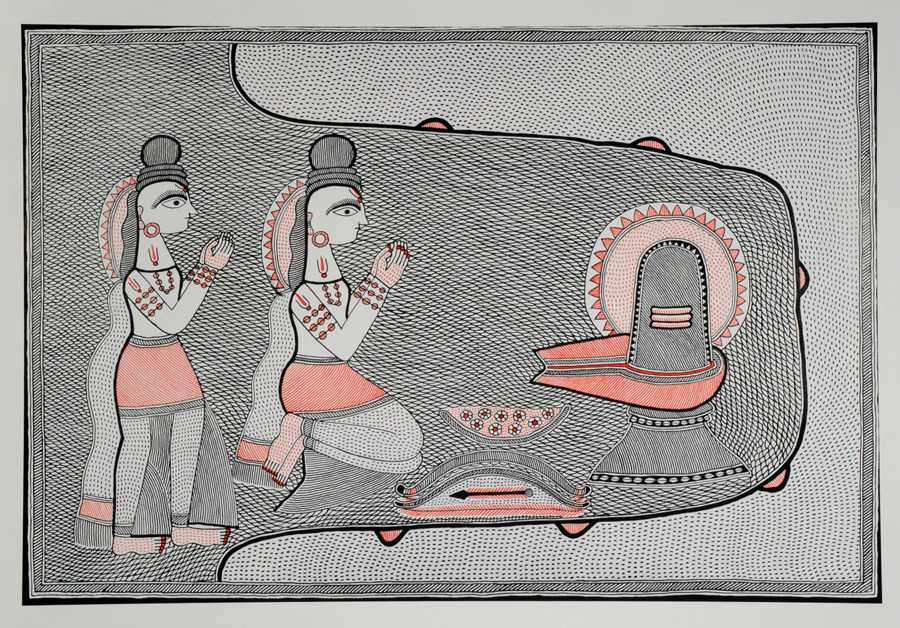
"Ram and Lakshman worshipping Shiva lingam on the rocks by the sea."
Mithila drawing from the Gujarat Series by Santosh Kumar Das
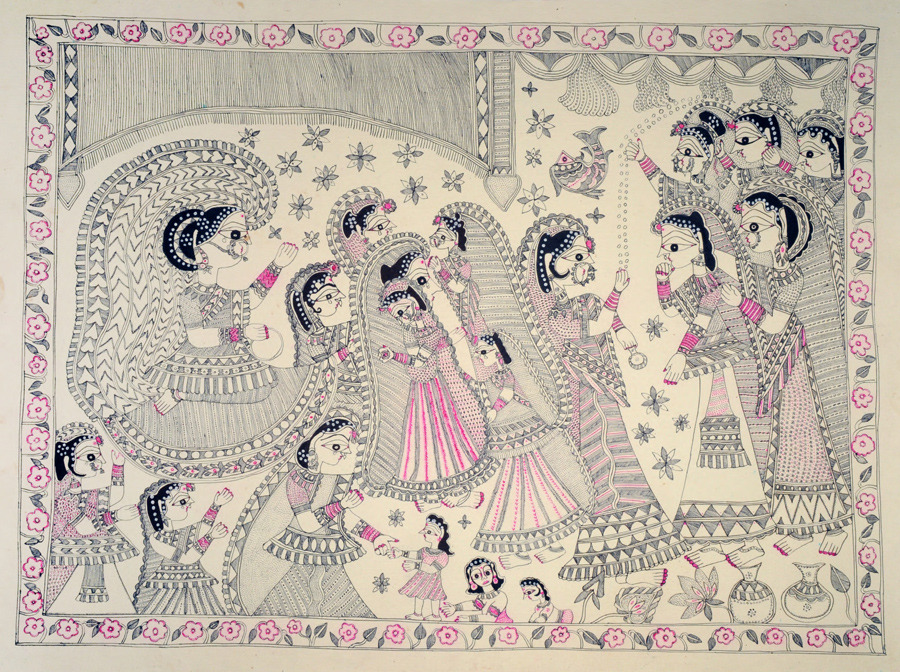
"Weeping bride prepares to leave her family and her childhood village"
Drawing by Lalitha Devi
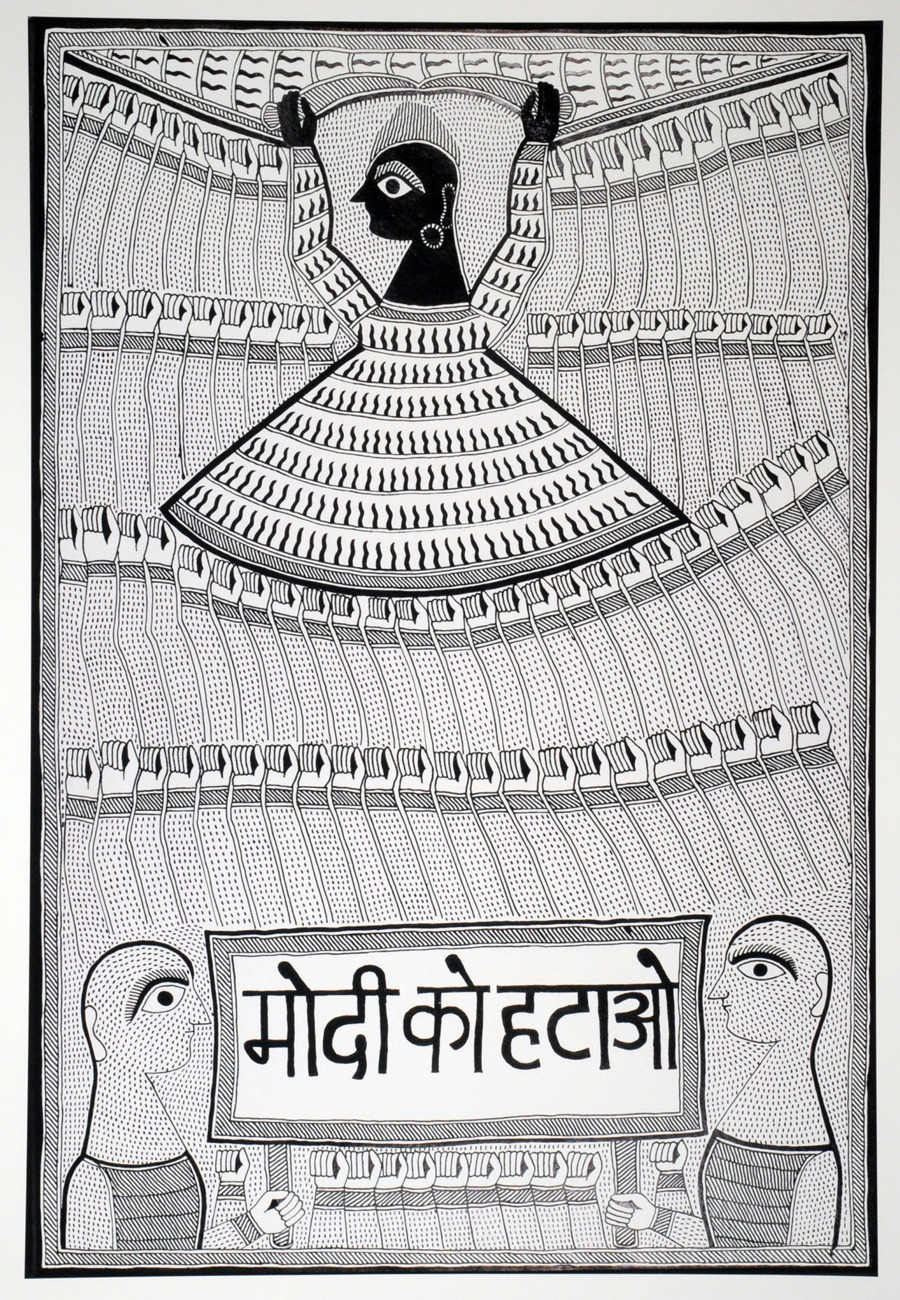
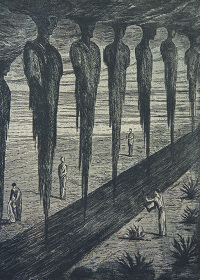
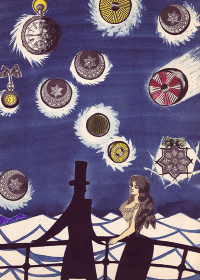
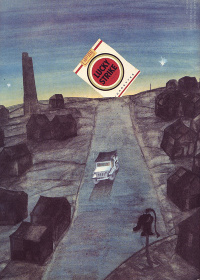
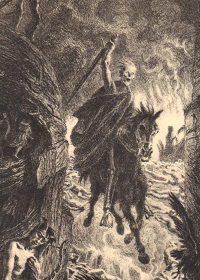
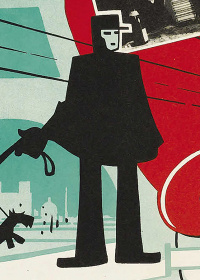
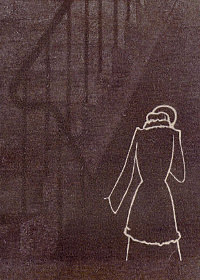
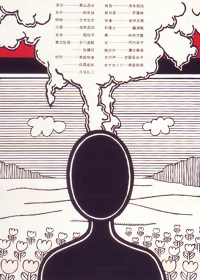
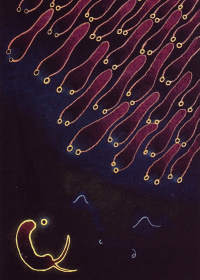
"Chief Minister Narendra Modi's opponents with sign ''Remove Modi';
woman burning in the distance."
Mithila drawing from the Gujarat Series by Santosh Kumar Das
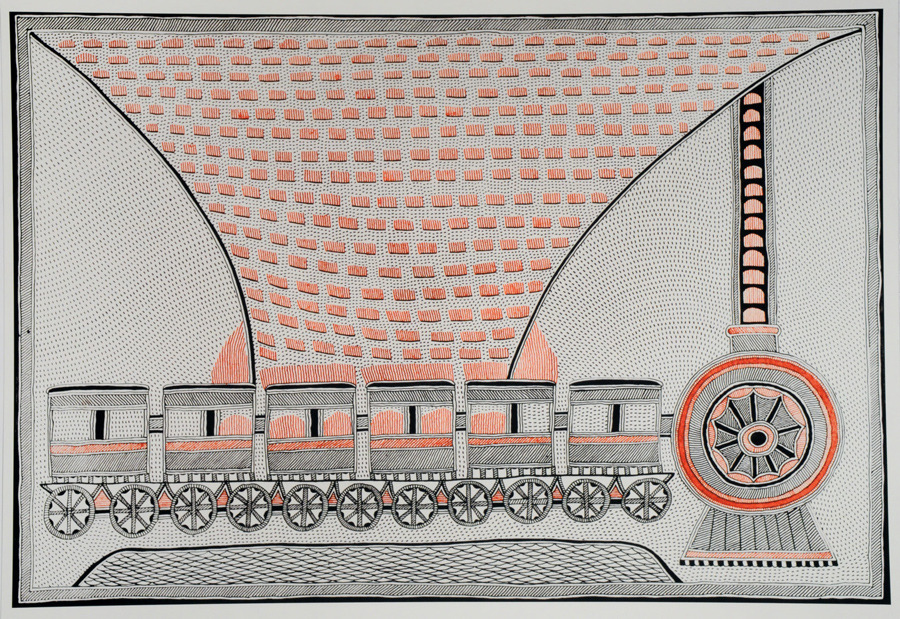
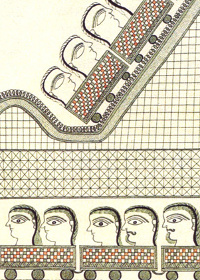
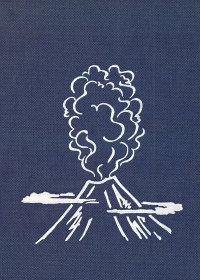
"February 27, 2002: Railway Station in Godhra, Gujarat, 59 people die in burning train."
Mithila drawing from the Gujarat Series by Santosh Kumar Das
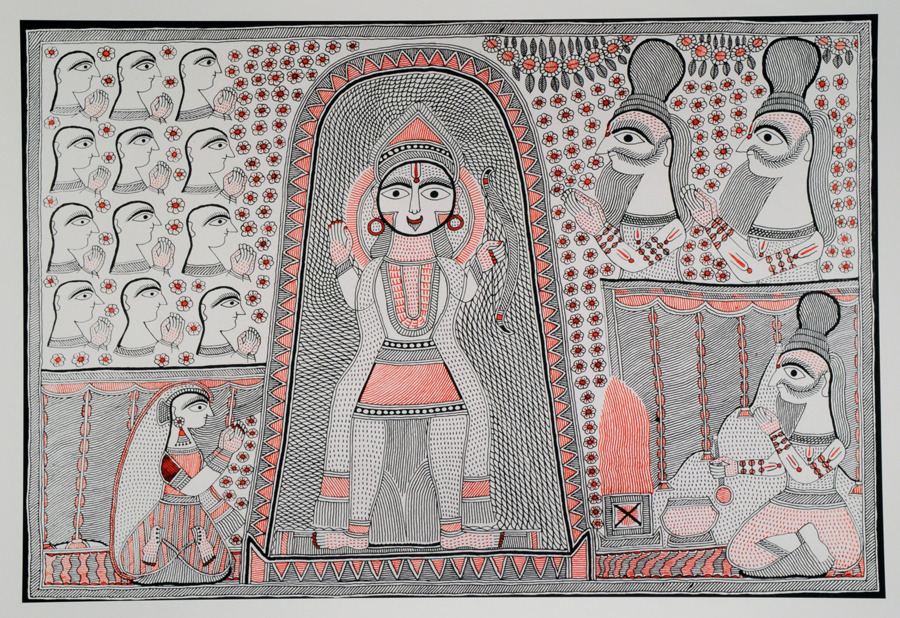
"Ram (center) worshipped by laypeople and sages."
Mithila drawing from the Gujarat Series by Santosh Kumar Das
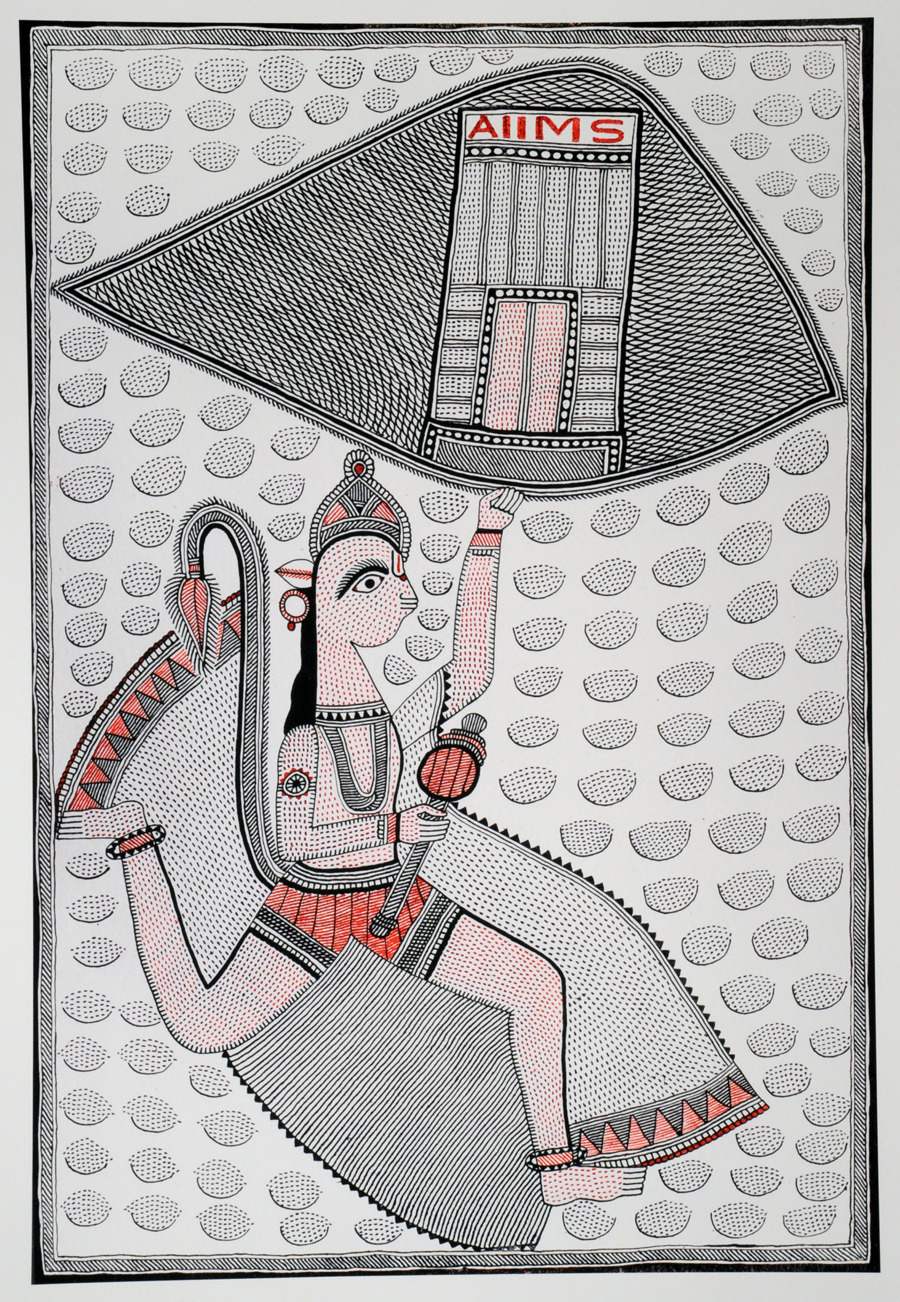
"Hanuman brings the All India Institute of Medical Sciences (AIIMS) to the relief camps"
Mithila drawing from the Gujarat Series by Santosh Kumar Das
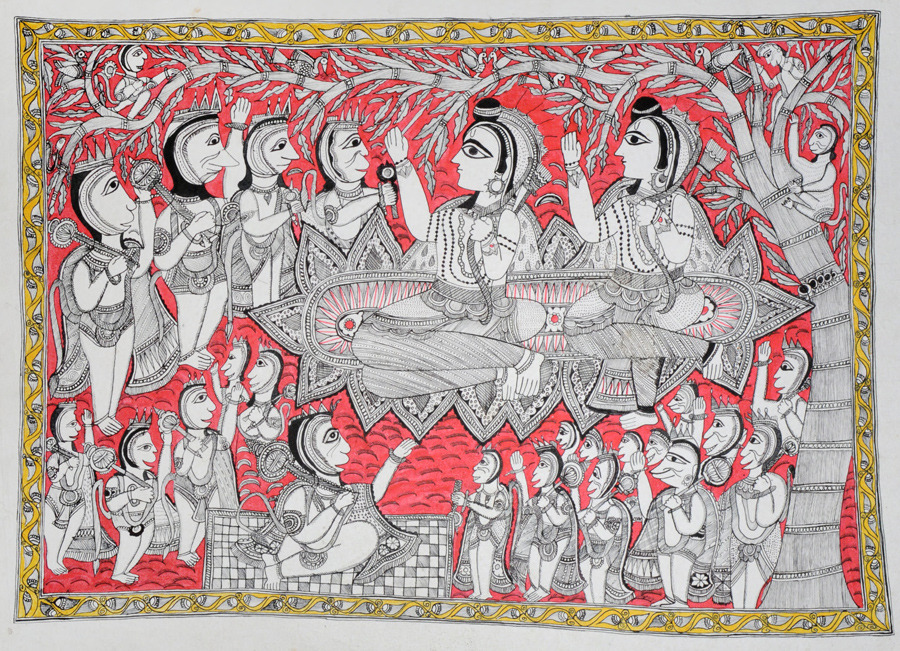
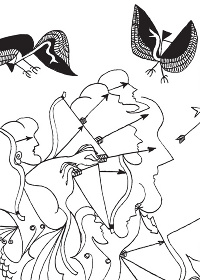
"Planning the attack on Lanka"
Drawing by Vinita Jha
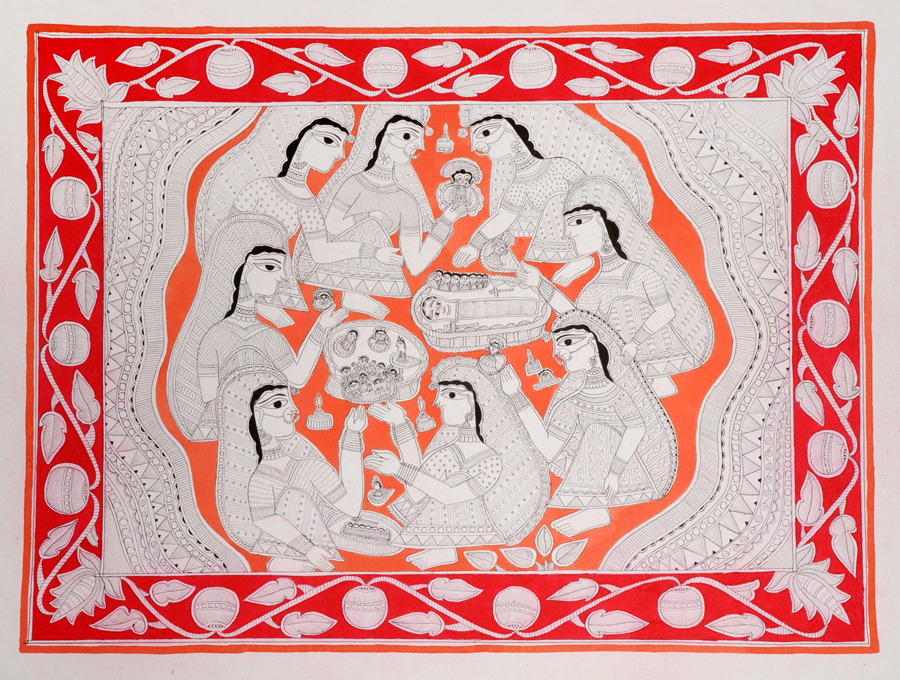
"Women sitting in a circle in the evening by lamplight, sing Sama Chakeba songs and telling the Sama Chakeba story"
Drawing by Gopal Prasad Saha
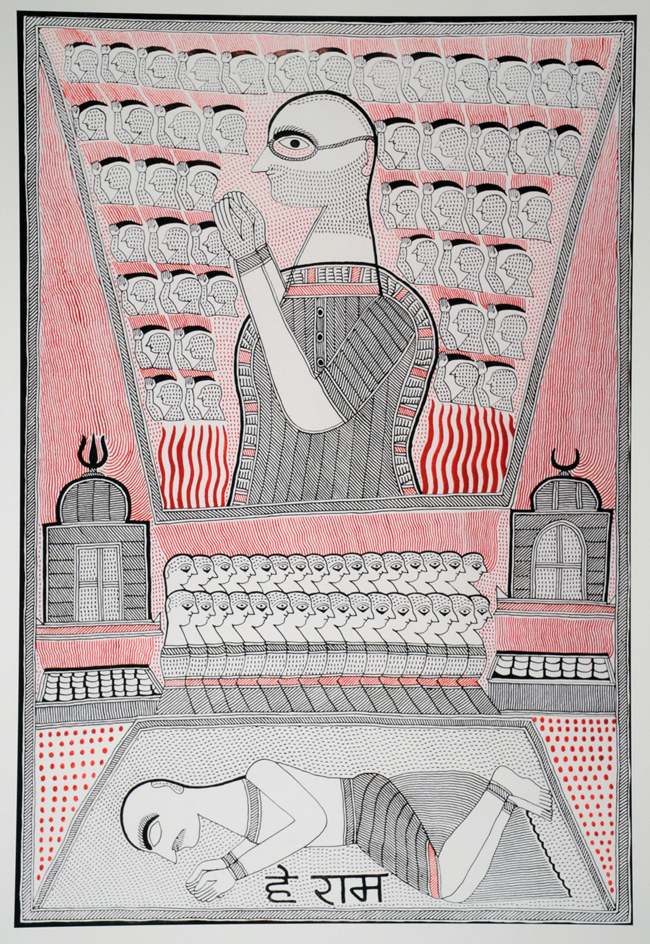
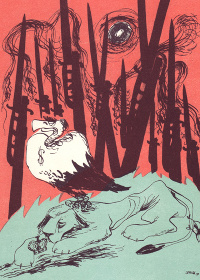
"Chief Minister Modi rises as a hero for Hindu fanatics while Gujarat burns and Gandhi is forgotten."
Mithila drawing from the Gujarat Series by Santosh Kumar Das
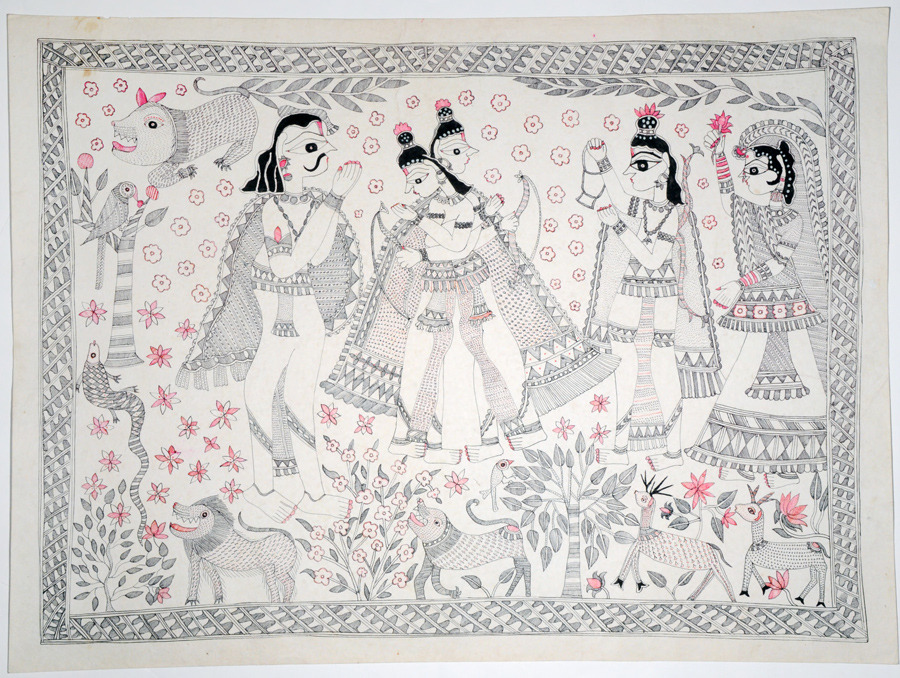
"Event from the Ramayana in which Ram's half brother, Bharat, meets the exiled Ram"
Drawing by Lalitha Devi
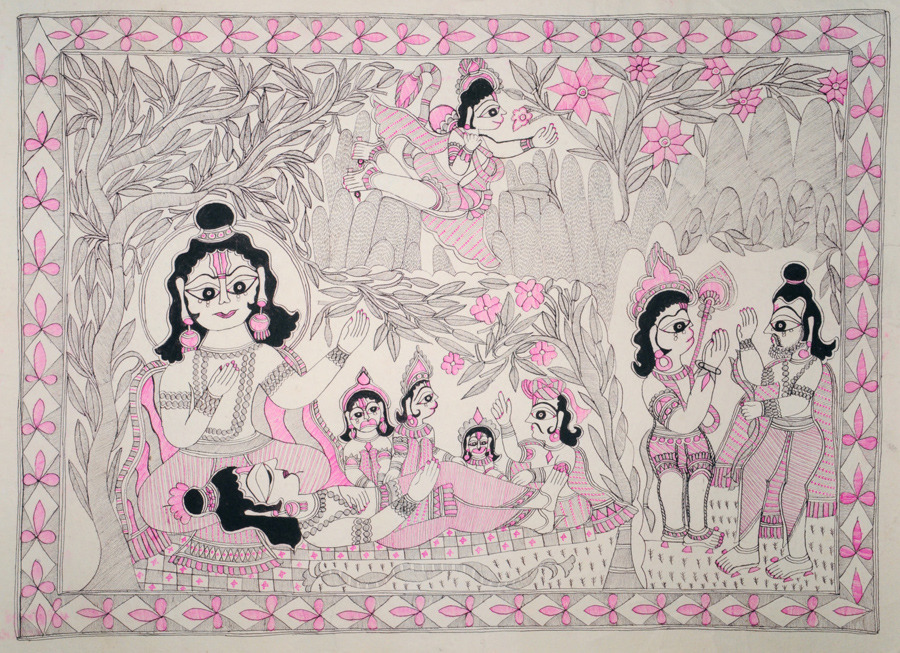
Hanuman going for the Herb to Save Lakshmana
Drawing by Lalitha Devi