
The Black Spider
(Find me at Bookers Buzz Books.)
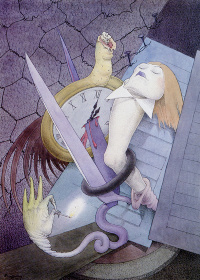
In 1949 Thomas Mann wrote that there was scarcely a work in world literature that he admired more than The Black Spider...
9/5/2011: This post combines a few posts from my archives. If you want to read the book, I suggest waiting for Susan Bernofsky's translation, in the works for NYRB Classics. [Due out October 2013; Amaz link.] If you can't wait, Oneworld has reprinted Waidson's translation.

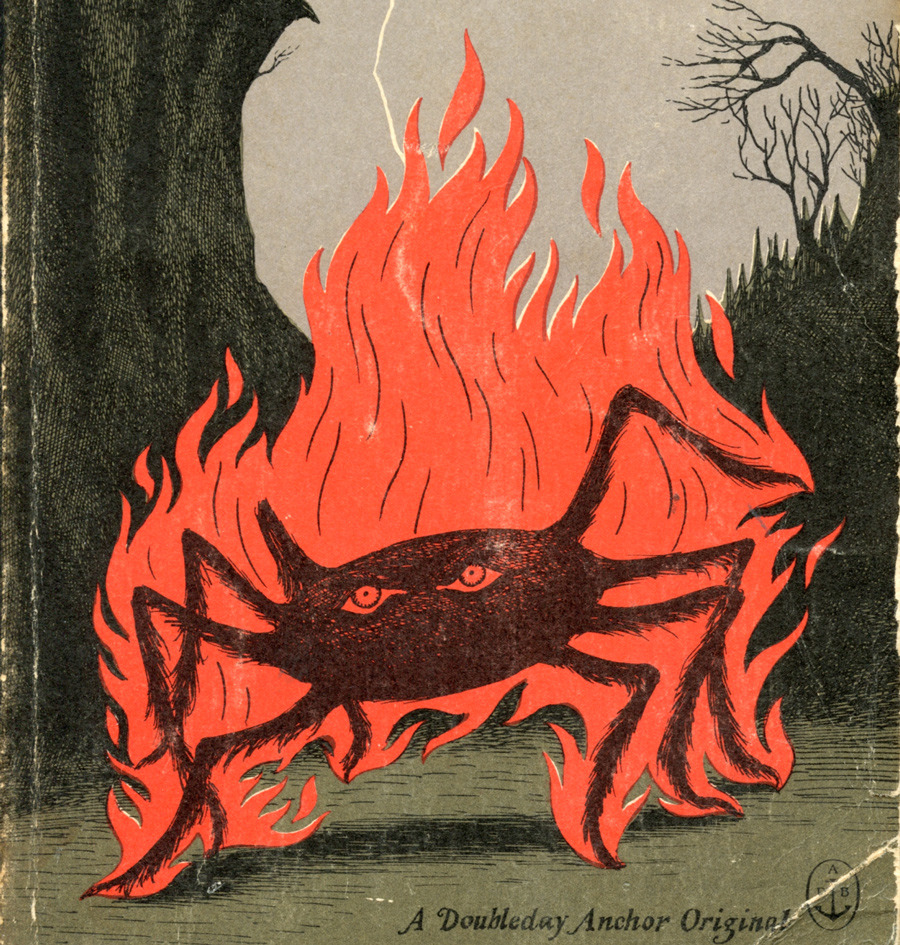
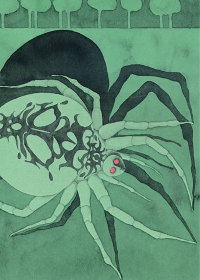
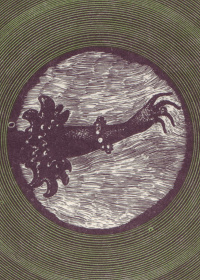
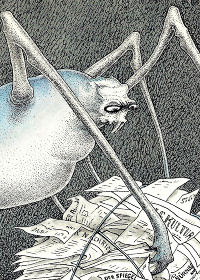
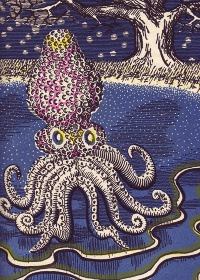
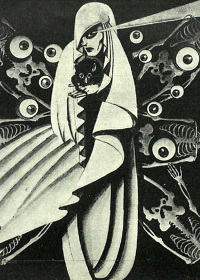
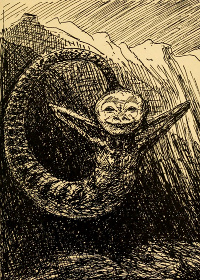
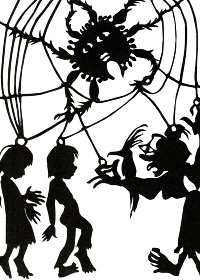
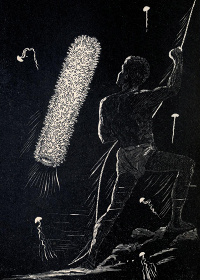
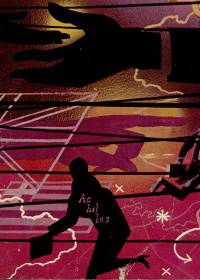
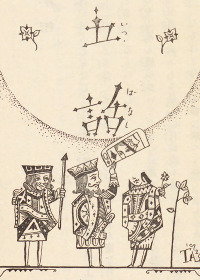
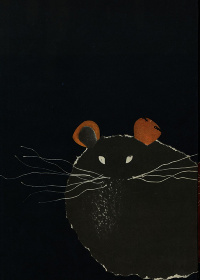
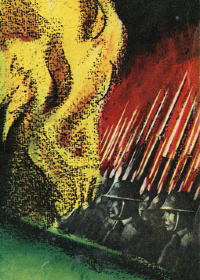
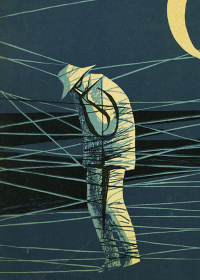
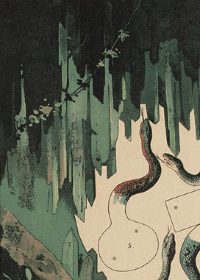
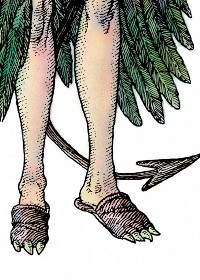
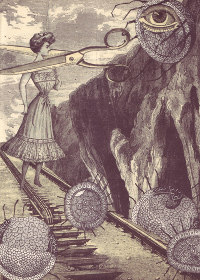
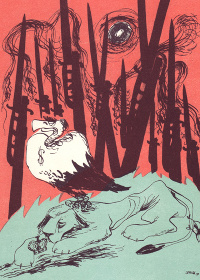
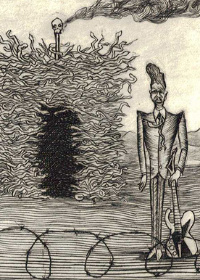
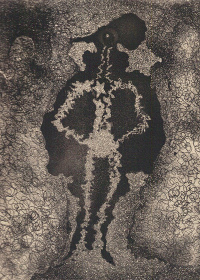
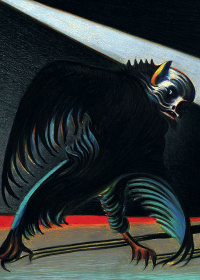
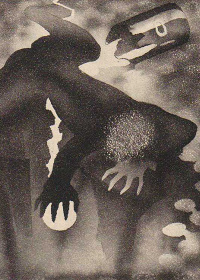
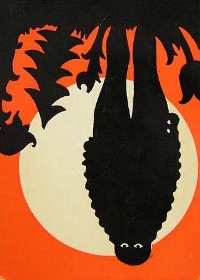
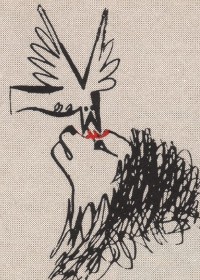
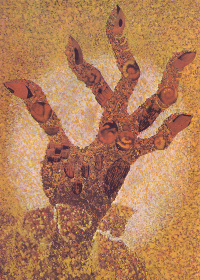
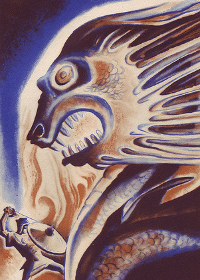
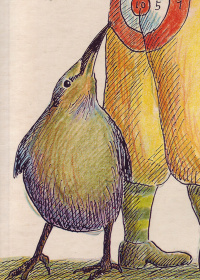
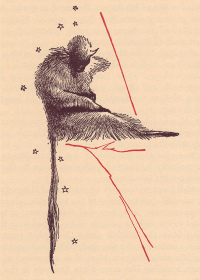
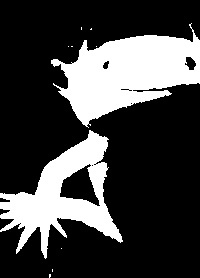
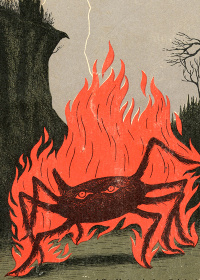
9/27/2007: I recently bought Nineteenth Century German Tales so I could read Jeremias Gotthelf's novella The Black Spider (even though it could scar my arachnophobic ass for life). When it arrived in the mail, this incredible Edward Gorey cover made my day.
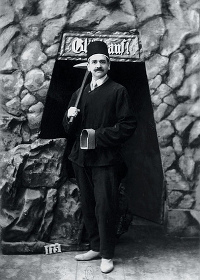
This little paperback was published in 1959 by Doubleday Anchor. In addition to Gotthelf, editor Angel Flores (note to self: investigate because he's put together some cool anthologies) included Jean Paul ("Life of Maria Wurtz"), Kleist ("Michael Kohlhaas"), Hoffman ("Mines of Falun"), Adalbert Stifter ("Brigitta"), Gottfried Keller ("Meret"), & Eduard Morike ("Mozart On His Way to Prague"). The stories were first published between 1793 and 1842.
If you like imaginative fiction, you should investigate German Romanticism. Everything I've encountered so far is surprisingly modern. Flores points out that these writers were all translated into English in the 1800s (though note that the Doubleday book includes new translations), and were a big influence on Poe and his "innumerable French progeny" (I assume he means Baudelaire, the symbolists, the decadents, and the surrealists). I can definitely imagine Nerval reading The Black Spider while walking his pet lobster.*** (I didn't know Nerval made his reputation translating Goethe's Faust into French.)
Wow, searching for a source for the lobster fact, I uncover the BOUZINGO. I don't think I ever encountered that specific term. I'm sure I'll come across it again soon, though, because I recently purchased Enid Starkie's biography Petrus Borel, The Lycanthrope: His Life and Times.
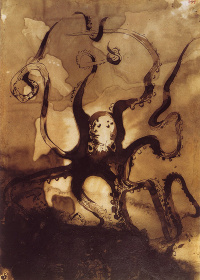
Keep your eyes peeled for Gorey's flaming black spider at your local used bookstore.
***Nerval was said to have walked a pet lobster on a leash because “it does not bark and knows the secrets of the sea.”
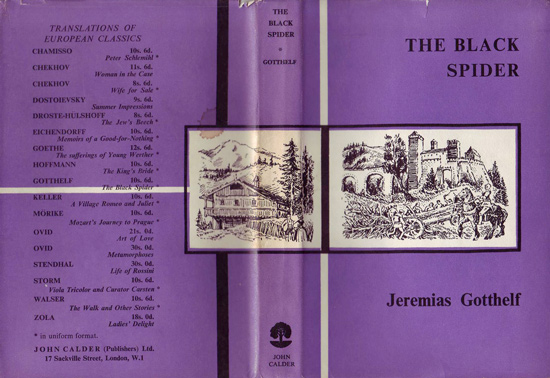
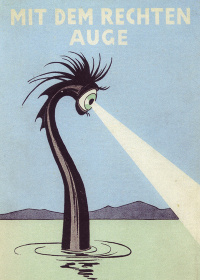
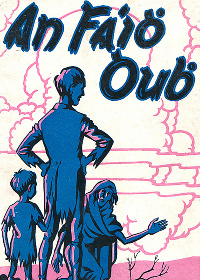
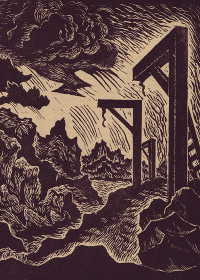
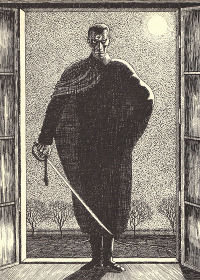
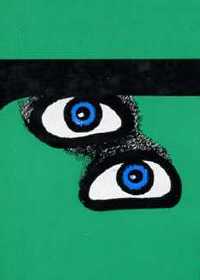
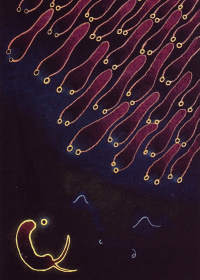
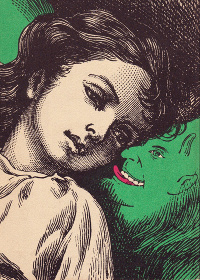
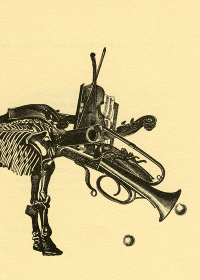
Calder edition jacket
1/30/2008: In an earlier post, I mentioned Gotthelf's The Black Spider without listing the translator of the version I was reading: Mary Hottinger. In his preface to his 1959 anthology Nineteenth Century German Tales, Angel Flores writes "These tales, newly translated for the present anthology, were extremely popular in all the German-speaking countries of their origin--Austria, Germany, Switzerland--when first published between 1793 and 1842, and their authors were well received in England and the United States when Carlyle, De Quincey, Coleridge, and Ruskin, among others, introduced them in translations and essays. In Hawthorne, Melville, Poe, and Poe's innumerable French progeny, their influence is unmistakable."
I plan to post excerpts from The Black Spider -- it turned out to be more out-there and horrific than I thought it would be, and Mary Hottinger succeeded in transmitting what she calls Gotthelf's "titanic vigor."
Hottinger provided a short note to her translation of The Black Spider. The note is not reproduced in the later book Three Eerie Tales which also includes her translation. Here it is in full.
"In translating Gotthelf, the translator is faced with one almost insuperable difficulty. Gotthelf’s native tongue, the language he lived his daily life in, was Bernese, one of the many dialects of German which are the living languages of Switzerland today. In writing, like all Swiss, he used the form of High German which is the official language of Switzerland, though it differs considerably from High German proper.
"Like Burns, who was in a similar linguistic situation, he made the best of both worlds by writing in Swiss High German, using the homely, concrete, and vigorous Swiss words whenever it suited him. Anyone who has attempted to read the High German “translations” of Gotthelf (for the reading of the original is laborious to anyone quite unacquainted with Swiss dialect) will feel how flat and colorless they sound.
"This is the problem the translator has to face. No dialect may be translated into any dialect of another language; its local associations are too strong. Gotthelf’s translator must therefore abide by the literary language of his own country and sacrifice a great deal that lends relief and vigor to the whole. This is most painful in the case of the window post where the Spider is imprisoned, for Gotthelf used for it the old word Bystel, still current in certain parts of Switzerland and South Germany, instead of Fensterposten, the common and official word. Equally painful is the necessity of discarding Gotte and Gotti, the homely Swiss words for godmother and godfather.
"There is nothing for it but to let these things go with a sigh and hope that the rich serenity and titanic vigor of Gotthelf’s style will make itself felt without them."
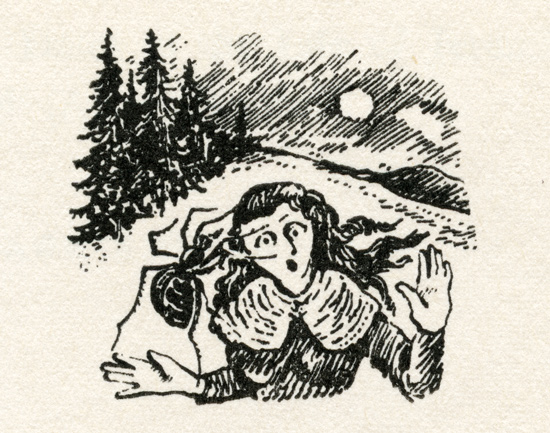
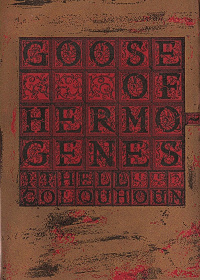
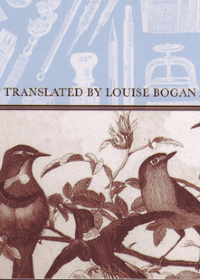
from the title page of the Calder edition
3/2/2008: An authority told me this Calder edition of Gotthelf's Black Spider is "somewhat creakily translated." It's by H. M. Waidson, 1957. I haven't compared it to Mary Hottinger's translation.
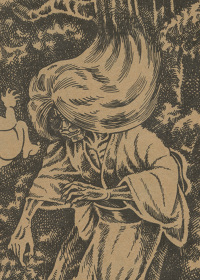
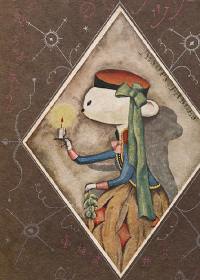
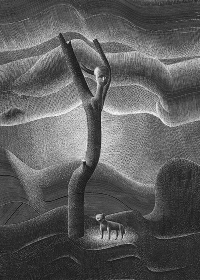
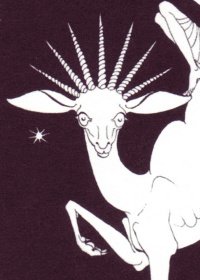
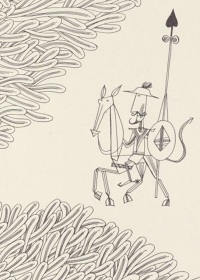
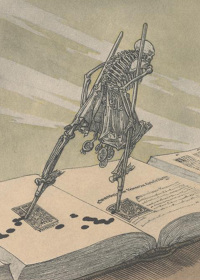
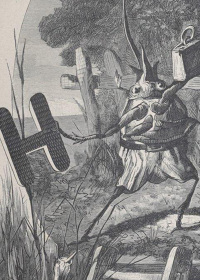
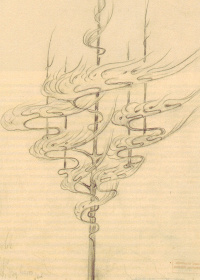
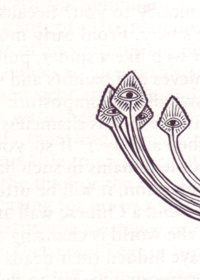
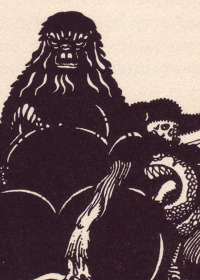
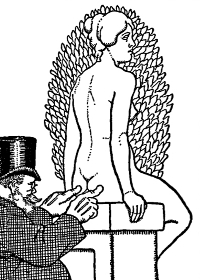
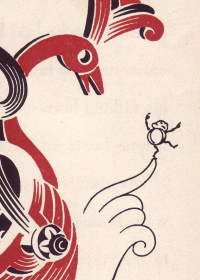
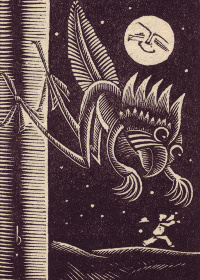
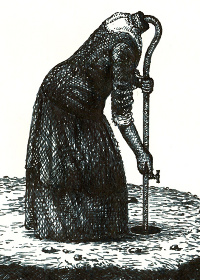
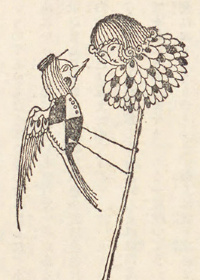
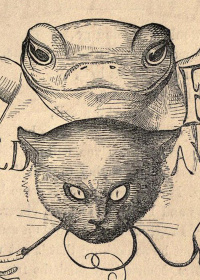
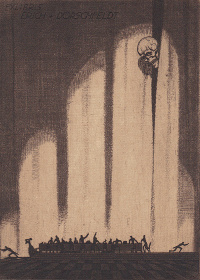
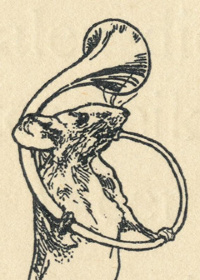
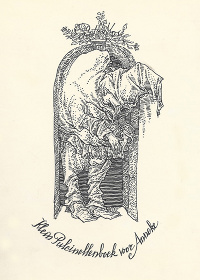
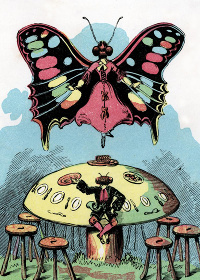
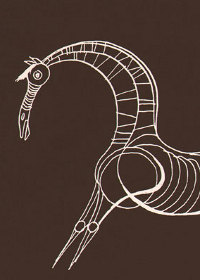
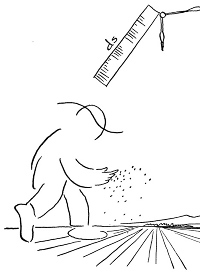
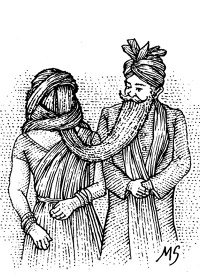
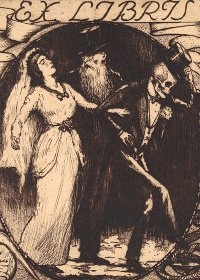
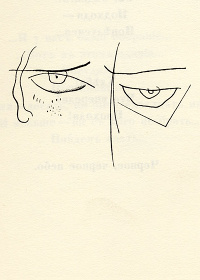
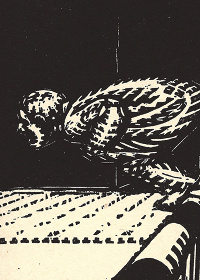
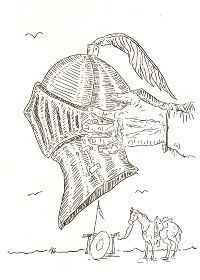
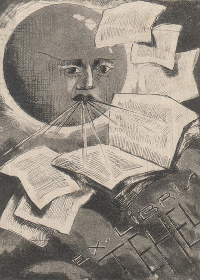
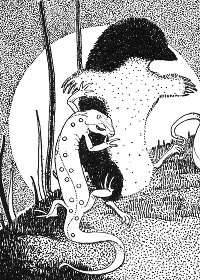
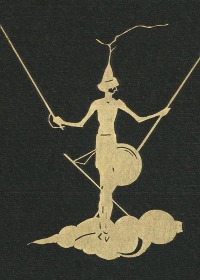
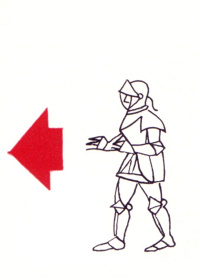
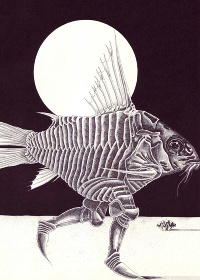
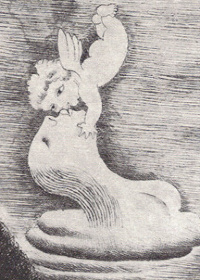
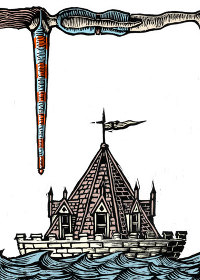
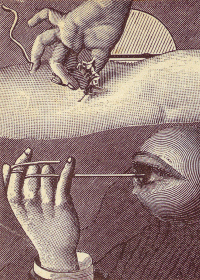
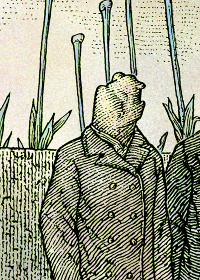
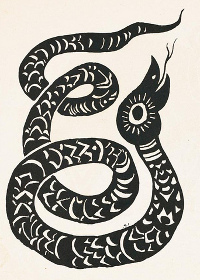
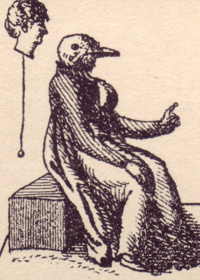
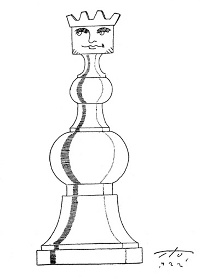
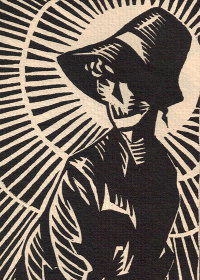
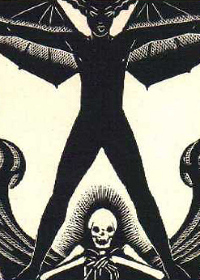
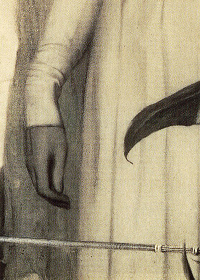
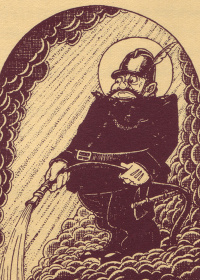
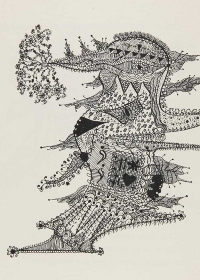
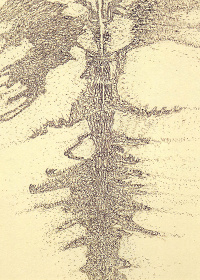
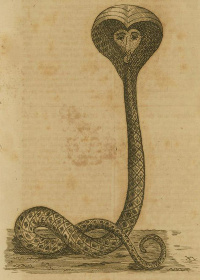
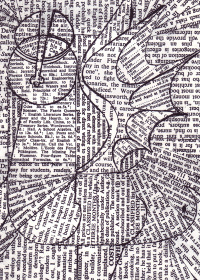
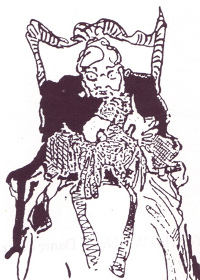
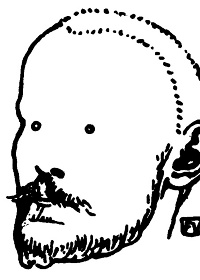
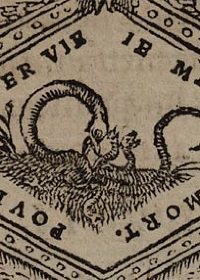
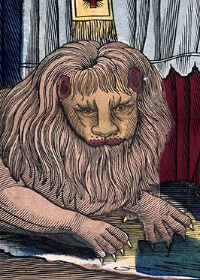
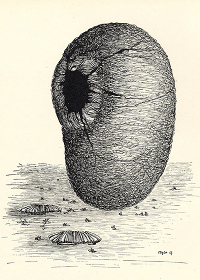
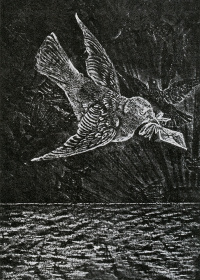
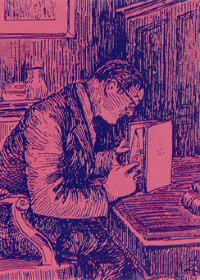
The look of Calder's "European Classics" series may be drab, but Calder made up for it with pleasures like this little drawing on the title page of The Black Spider.
From Waidson's intro (remember Gotthelf was a Swiss pastor):
In a letter of December, 1838, Gotthelf describes the breakthrough of his creative writing in the following terms: 'Thus I was hemmed in and kept down on all sides. I could express myself nowhere in free action. I couldn't even tire myself out riding, and if I had been able to go riding every other day, I should never have written. You must realize now that a wild life was moving within me of which no one suspected the existence, and if a few expressions forced their way out of my mouth, they were taken as mere insolent words. This life had either to consume itself or to break forth in some way or other. It did so in writing. And people naturally don't realize that it is indeed a regular breaking-out of a long pent-up force, like the bursting forth of a mountain lake. Such a lake bursts out in wild floods until it finds its own path, and sweeps mud and rocks along in its wild flight. Then it gets cleaner, and may become quite a pretty little stream. My writing too has broken its own path in the same way, a wild hitting-out in all directions where I have been constricted, in order to make space for myself. How I came to writing was on the one hand an instinctive compulsion, on the other hand I really had to write like that, if I wanted to make any impression on the people.'
Another quote from the intro:
In 1949 Thomas Mann wrote that there was scarcely a work in world literature that he admired more than The Black Spider...
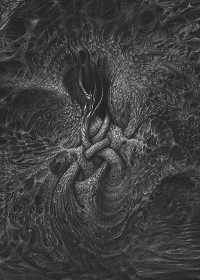
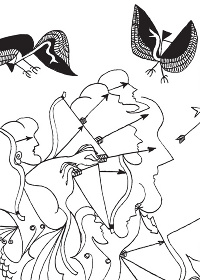
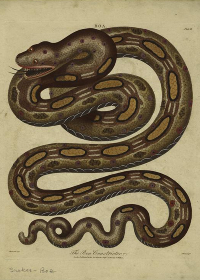
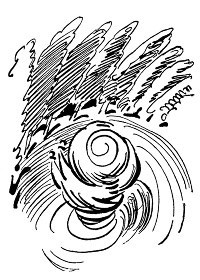
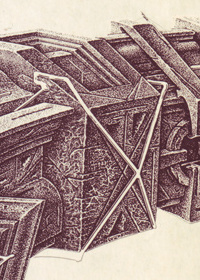
Blown-up Gorey spider: