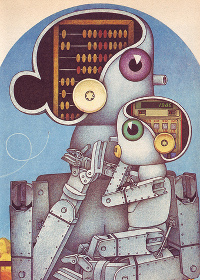

(Find me at Bookers Buzz Books.)
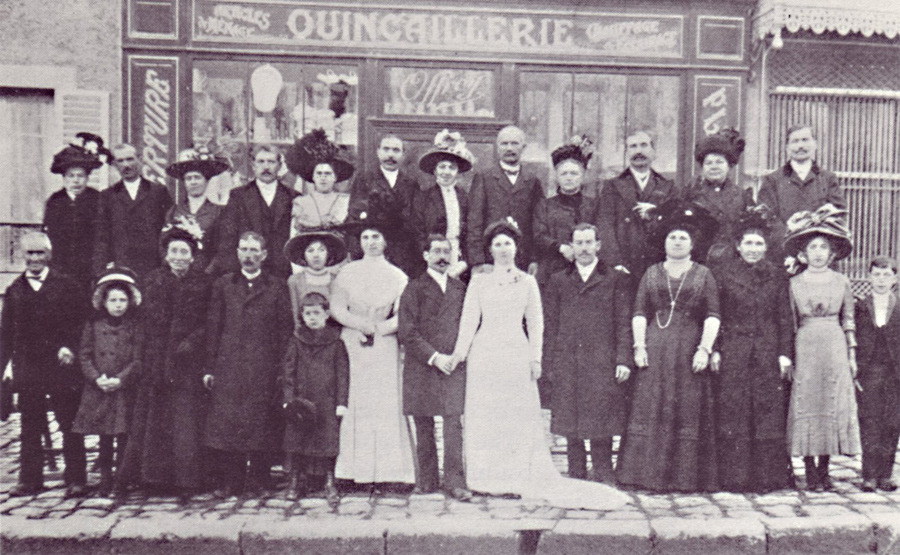
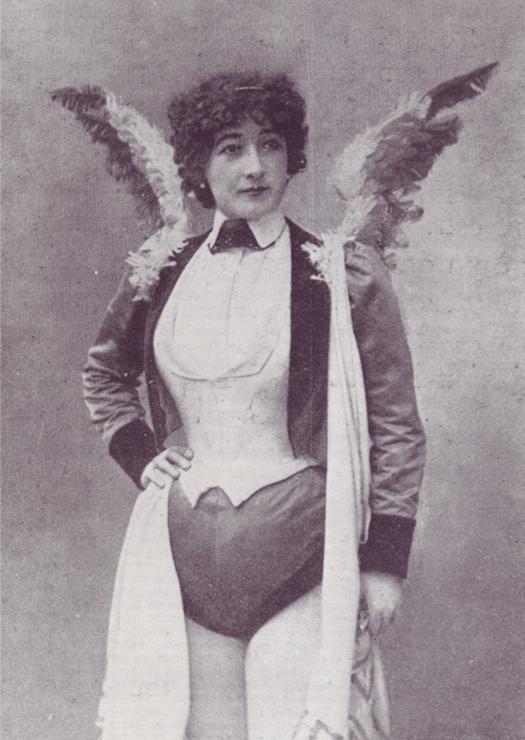
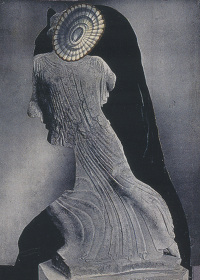
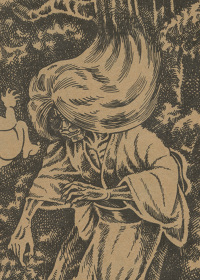
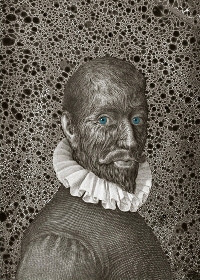
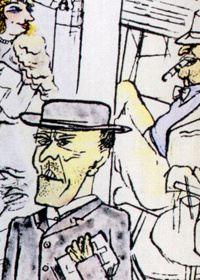
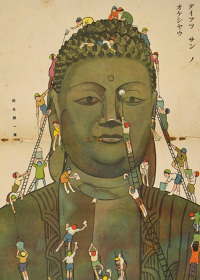
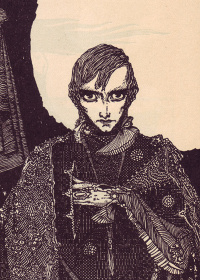
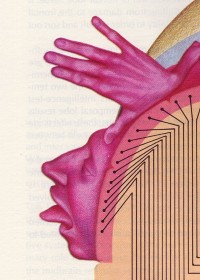
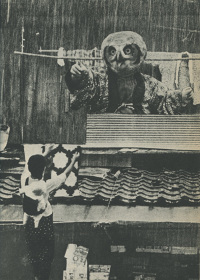
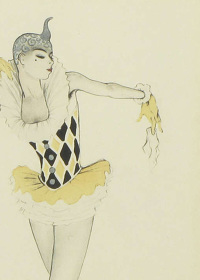
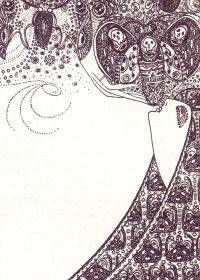
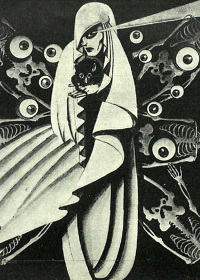
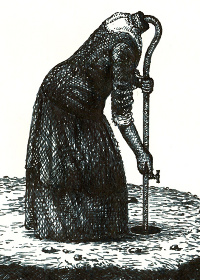
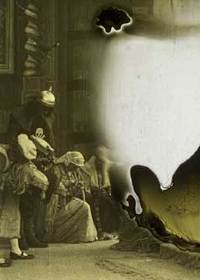
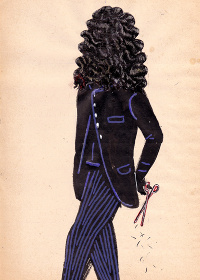
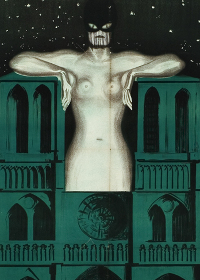
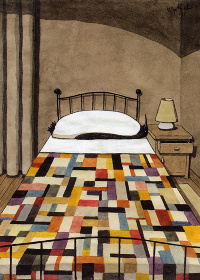
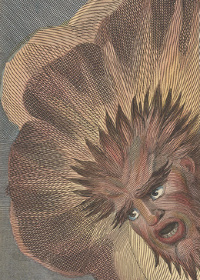
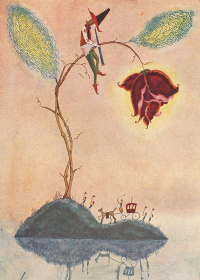
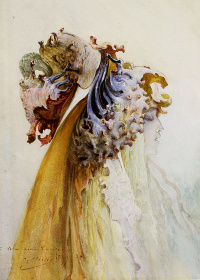
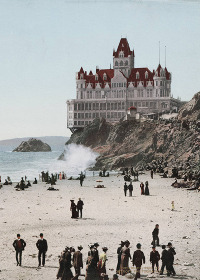
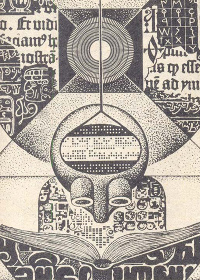
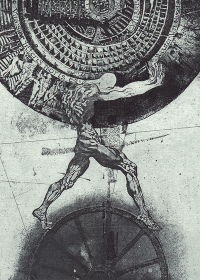
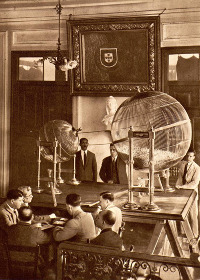
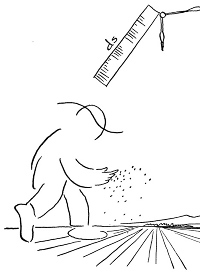
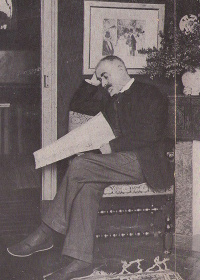
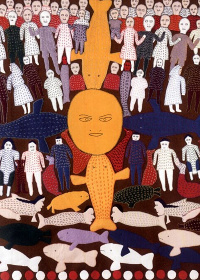
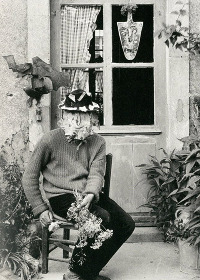
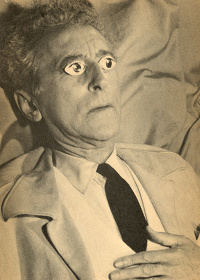
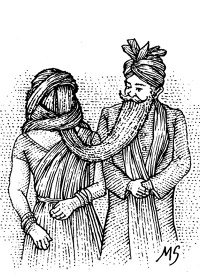
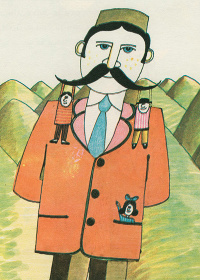
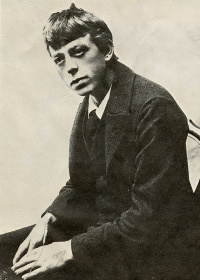
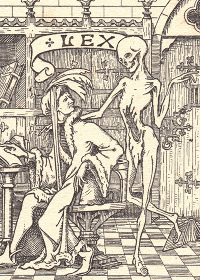
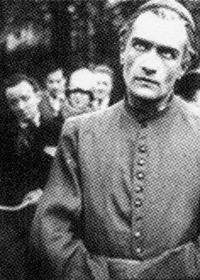
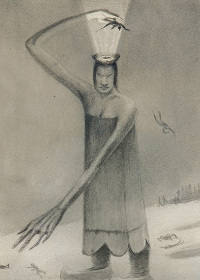
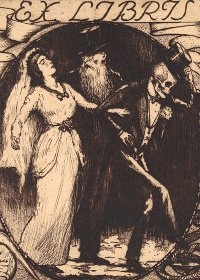
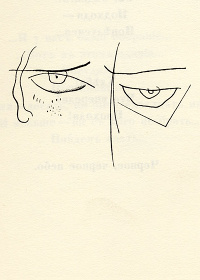
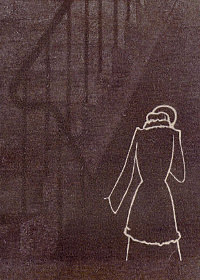
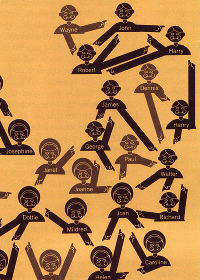
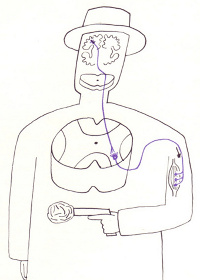
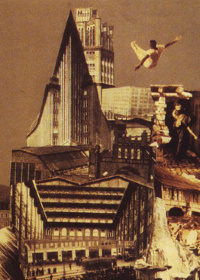
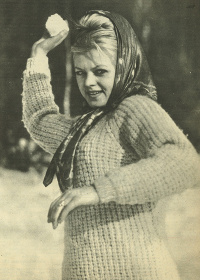
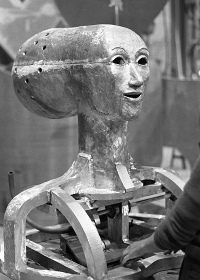
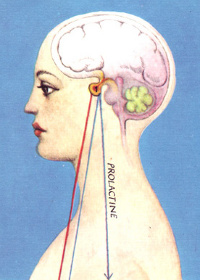
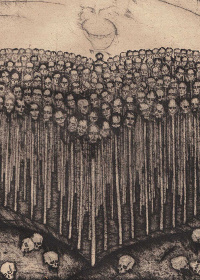
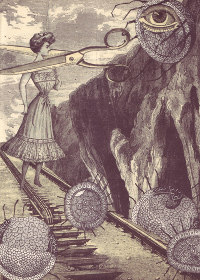
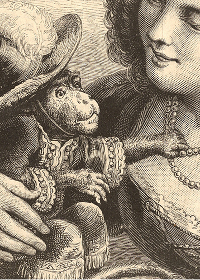
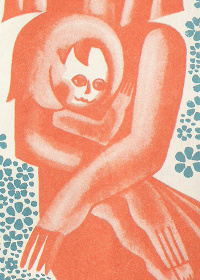
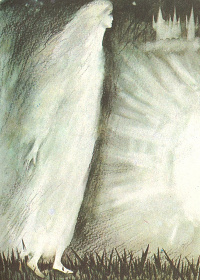
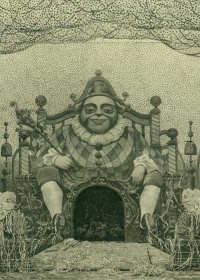
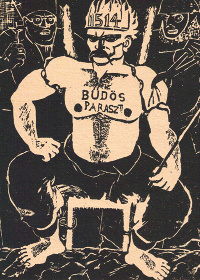
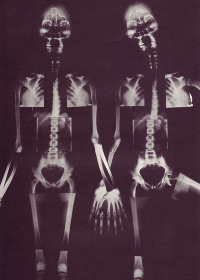
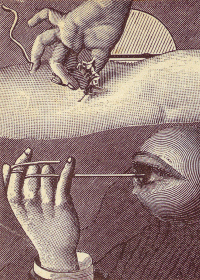
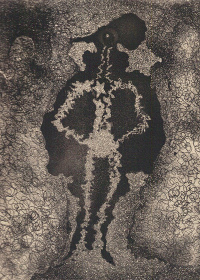
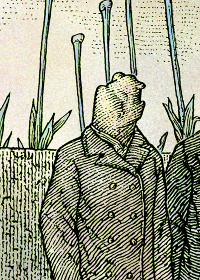
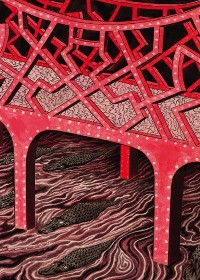
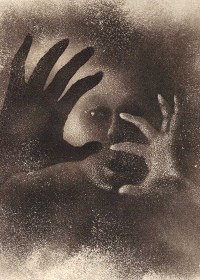
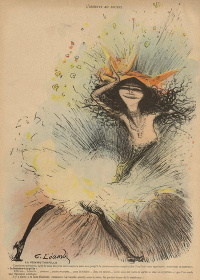
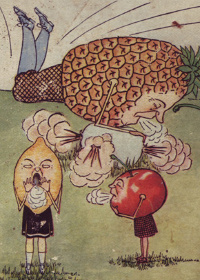
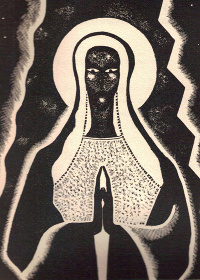
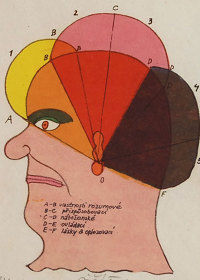
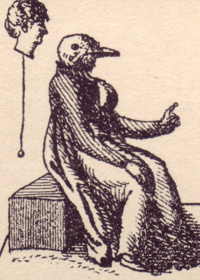
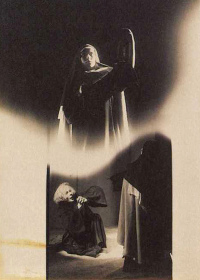
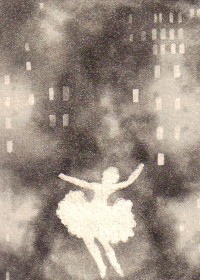
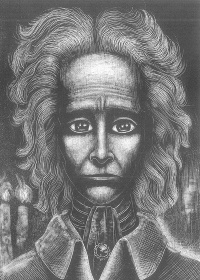
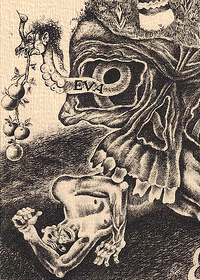
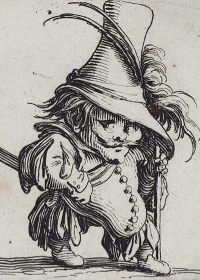
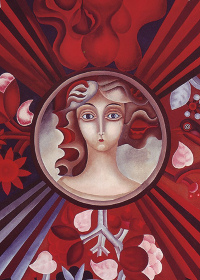
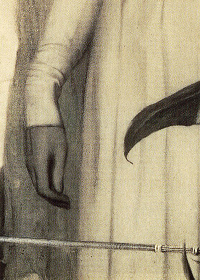
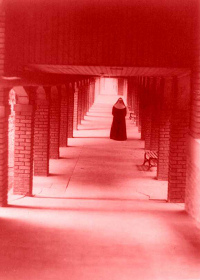
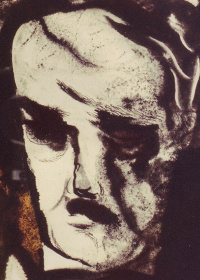
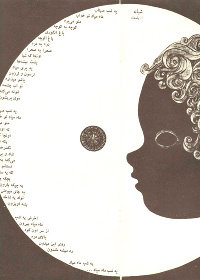
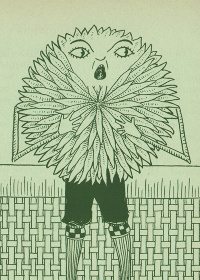
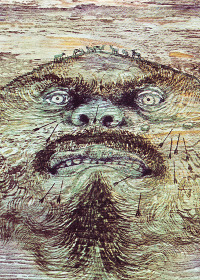
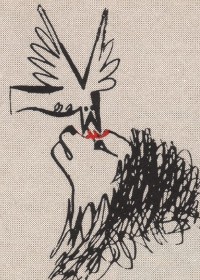
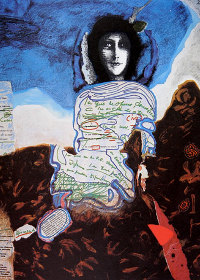
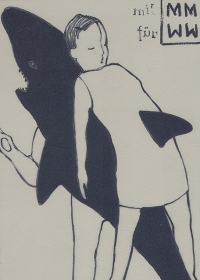
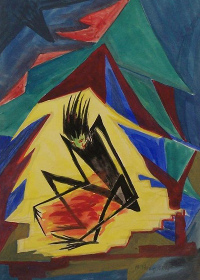
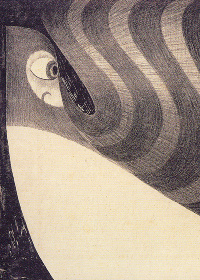
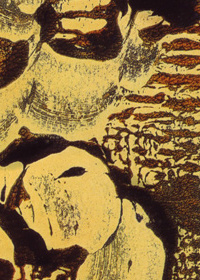
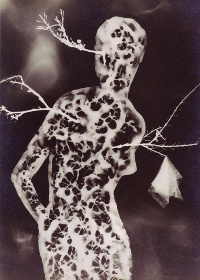
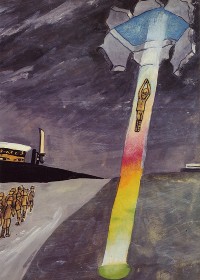
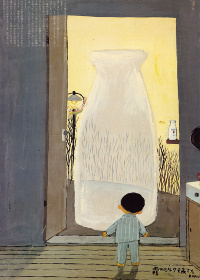
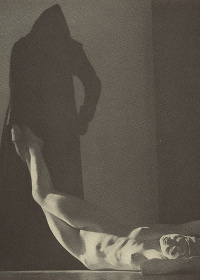
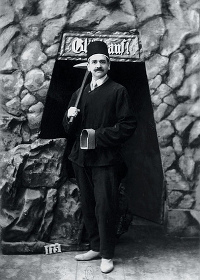
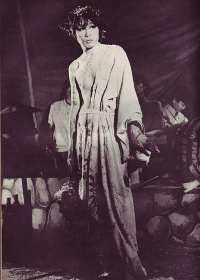
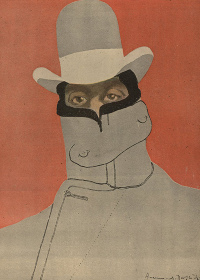
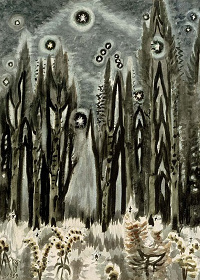
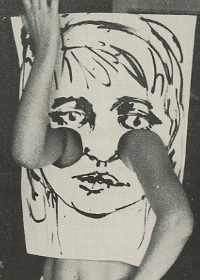
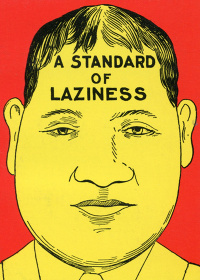
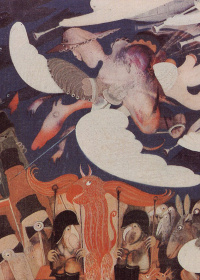
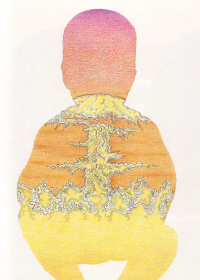
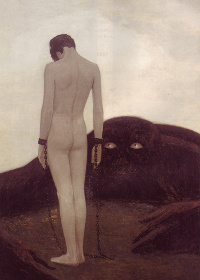
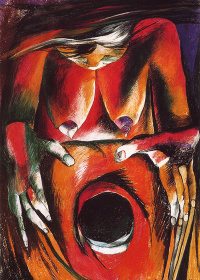
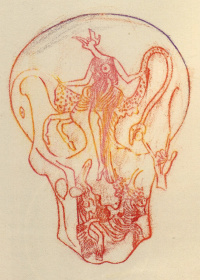
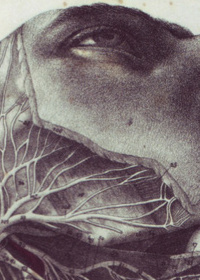
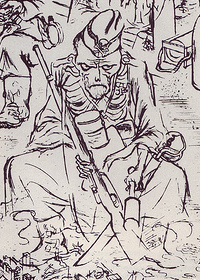
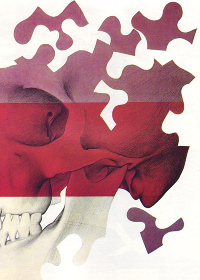
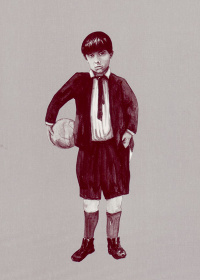
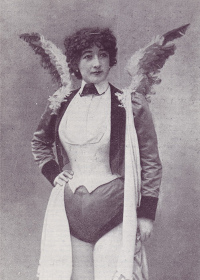
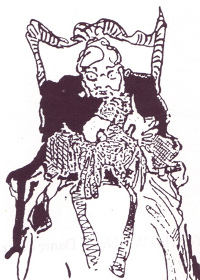
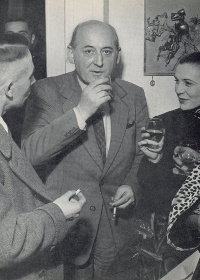
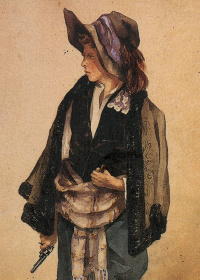
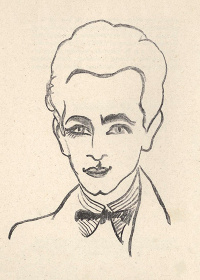
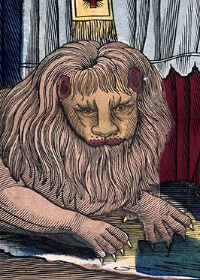
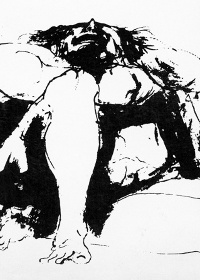
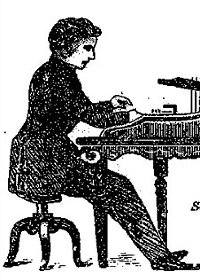
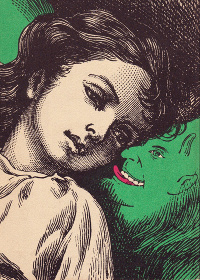
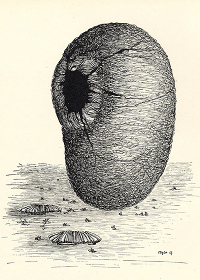
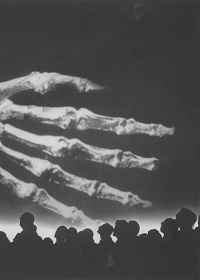
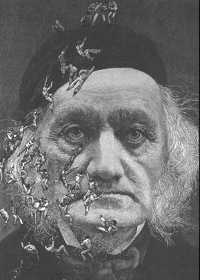
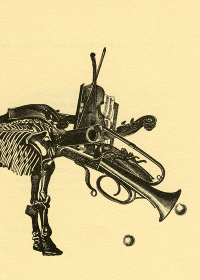
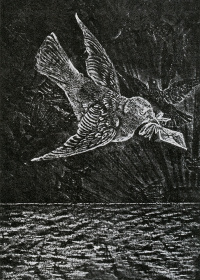
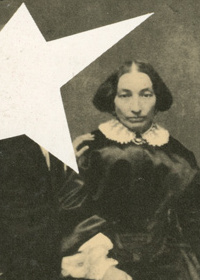
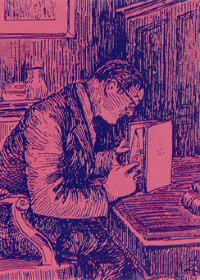
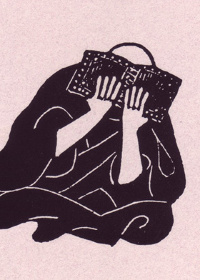
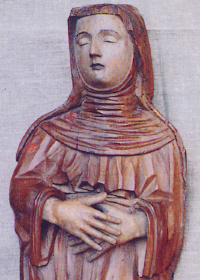
These two images accompany the short 1929 text "Human Face" by Georges Bataille, translated in the Spring 1986 issue of October (issue 36, all Bataille). The top photo is of a 1905 wedding party. I could stare at it for hours. I don't know the date of the other photo. It's only captioned "Mademoiselle de Rigny."
I never quite fully understand Bataille—and consciously don't want to fully understand him—which is maybe why his gloom often cheers me up. "Human Face" ends:
Why not admit that our few remaining heady dreams are traced by the swift bodies of young American girls? Thus if anything can still draw sobs for all that has just vanished, it is no longer a great singer's beauty, but mere perversity, sordid and deluded. To us, so many strange, merely half-monstrous individuals seem to persist in empty animation, like the jingle of the music box, in innocent vice, libidinous heat, lyrical fumes. So that despite all antithetical obsession, there is absolutely no thought of dispensing with this hateful ugliness, and we will yet catch ourselves some day, eyes suddenly dimmed and brimming with inadmissable tears, running absurdly towards some provincial haunted house, nastier than flies, more vicious, more rank than a hairdresser's shop.
Bataille's '39/'40 text "Sacrifice" is also in this issue. In it he says, "I am of that number who pledge men to something other than a constant increase of production, and who provoke men to sacred horror." Disregarding what exactly Bataille means by "sacred horror," I'm again seeing parallel goals between early-20th-century French philosophers and Lovecraft. I guess Lovecraft would have said cosmic horror.
Right after reading this, I watched a 1960s television interview with Fellini, included on the Criterion DVD of La Strada.
The interviewer quotes Bergman: "I'm not here to bring peace but war to your souls."
Fellini responds, "Bergman really said that? Well, aside from the emphatic tone, I think he's right. I think an artist—or any man, really—has to face doubts and problems steadfastly. He has to accept his own war, as opposed to glossing over conflict by pacifying and calming it. I think that's what gives dignity to the mission of the artist, and to the mission of being a man."
I don't think there's a point to this post.
10/7/2011: A friend-of-the-blog, L, reports that the full text of Bataille's "Documents" publication (1929-1930) is available here, and that Mme. de Rigny appears on page 195 of volume 1 (no. 4). Thanks L!