
The Maze of No Emergence
(Find me at Bookers Buzz Books.)
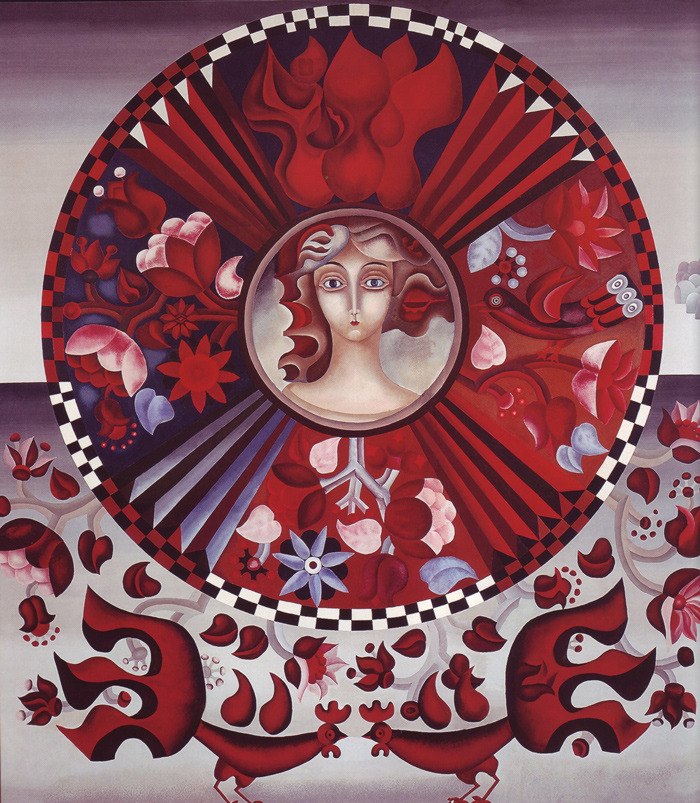
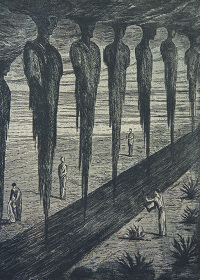
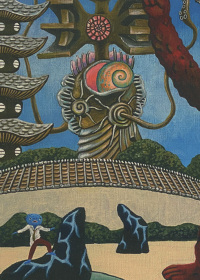
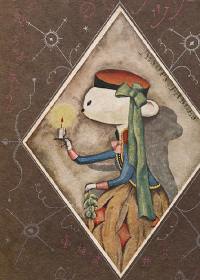
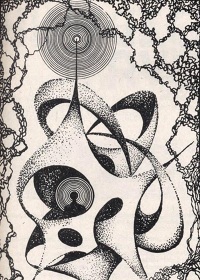
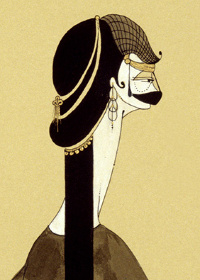
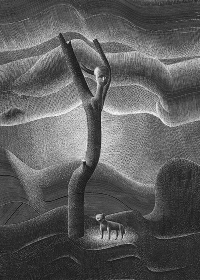
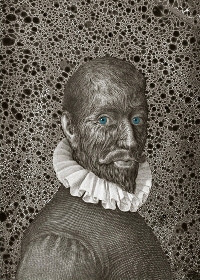
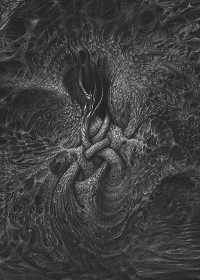
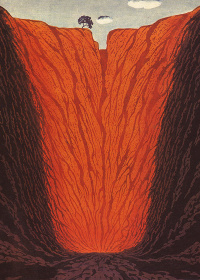
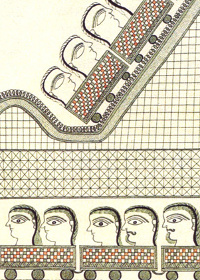
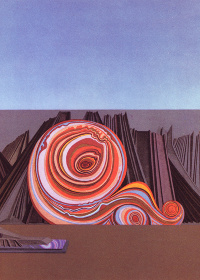
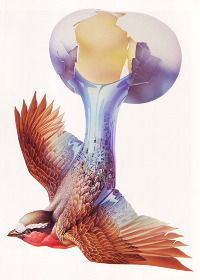
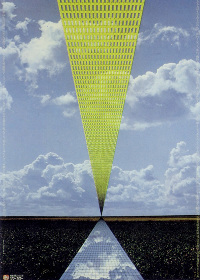
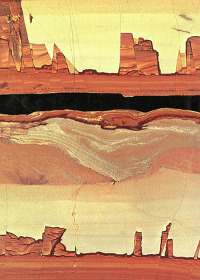
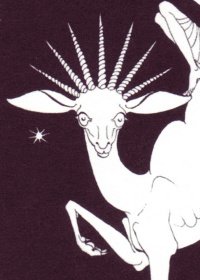
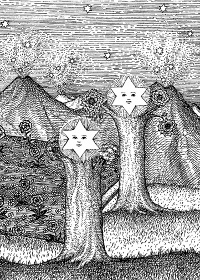
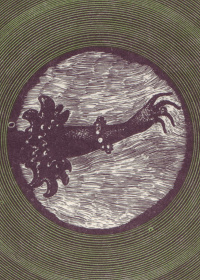
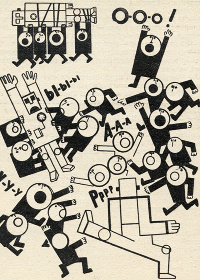
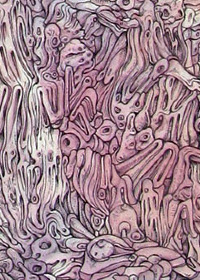
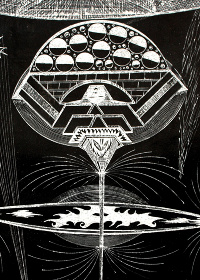
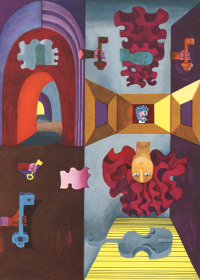
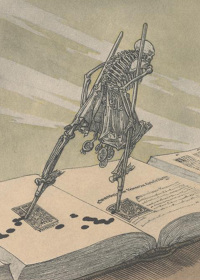
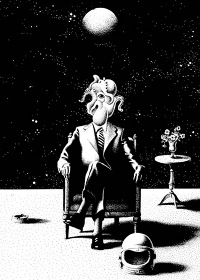
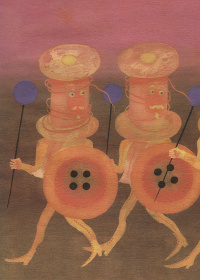
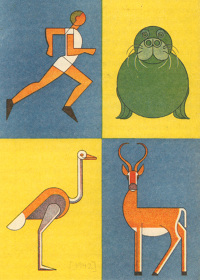
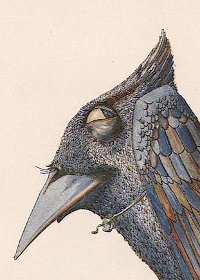
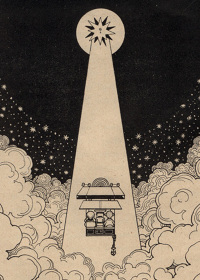
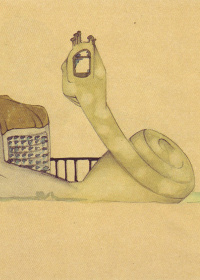
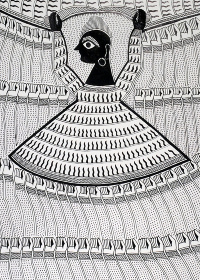
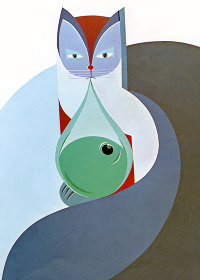
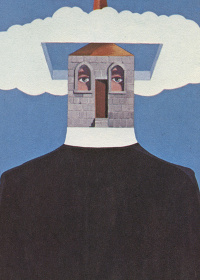
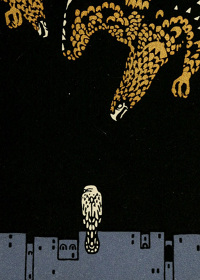
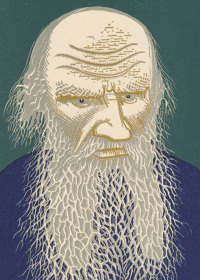
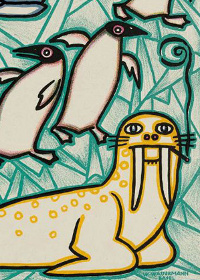
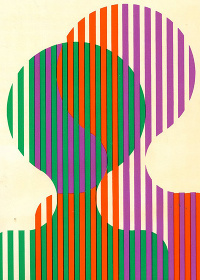
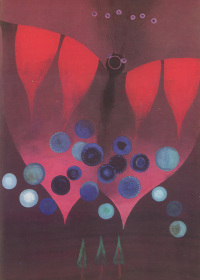
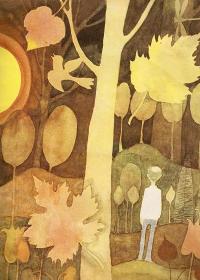
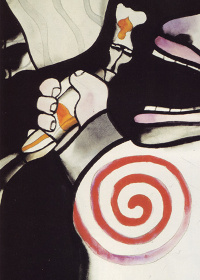
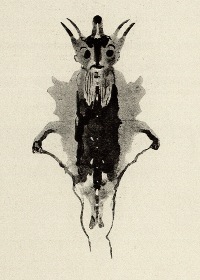
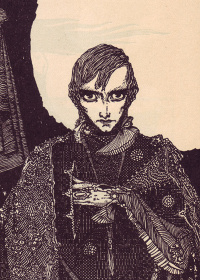
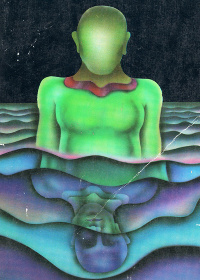
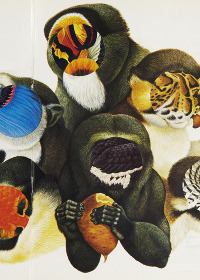
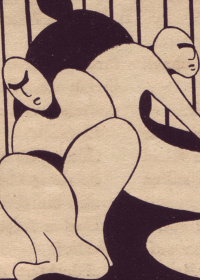
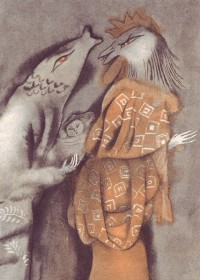
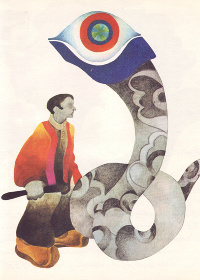
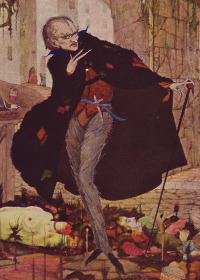
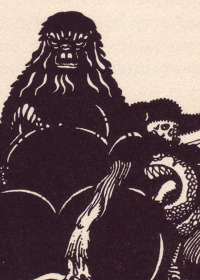
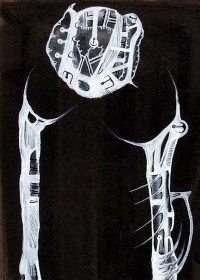
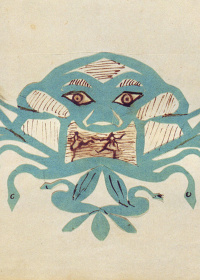
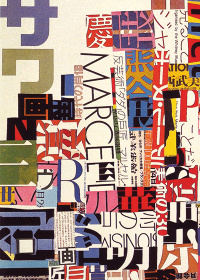
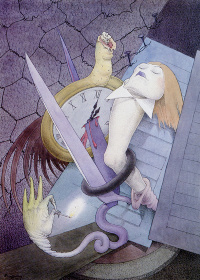
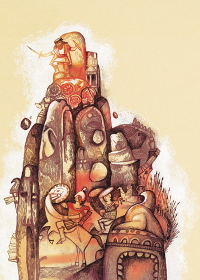
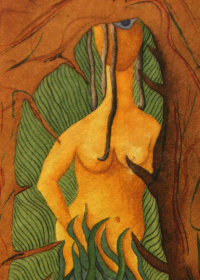
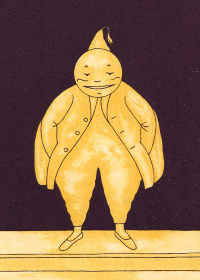
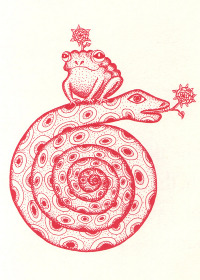
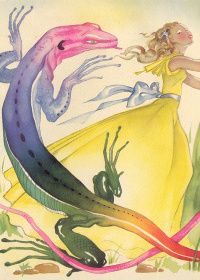
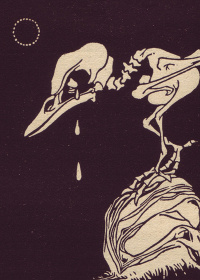
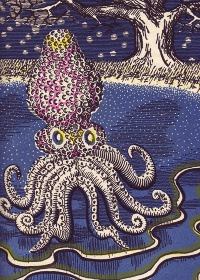
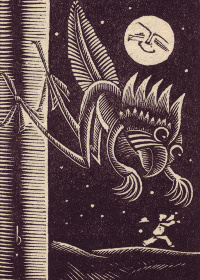
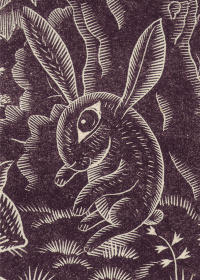
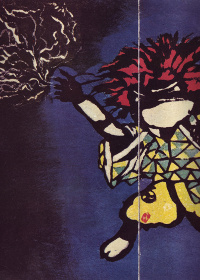
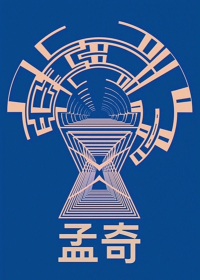
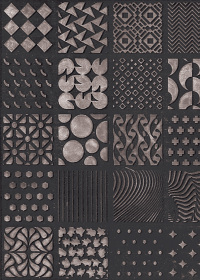
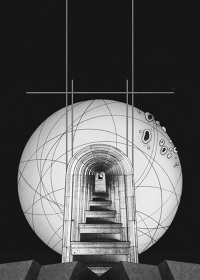
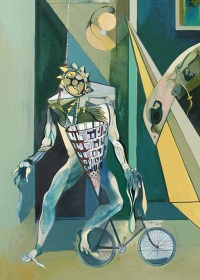
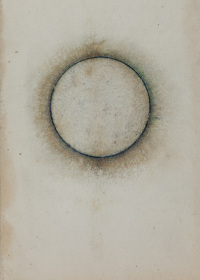
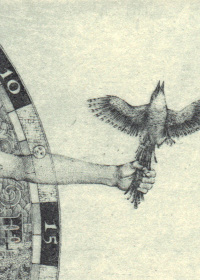
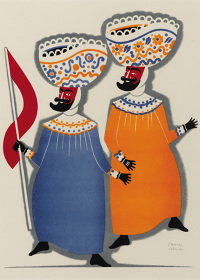
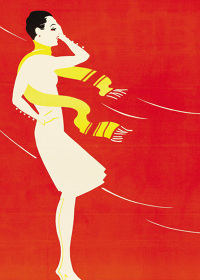
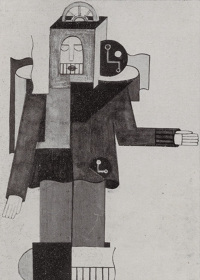
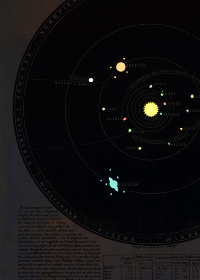
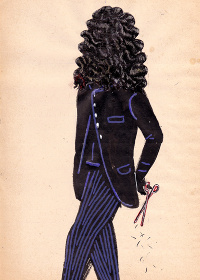
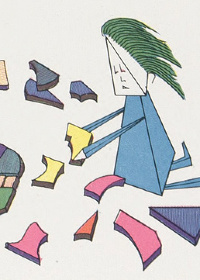
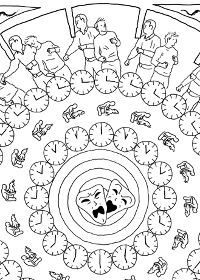
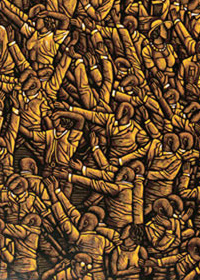
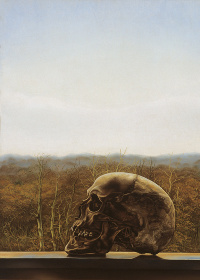
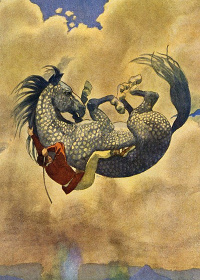
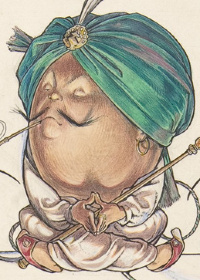
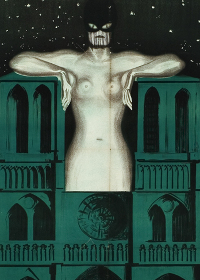
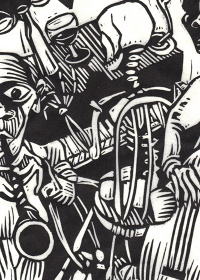
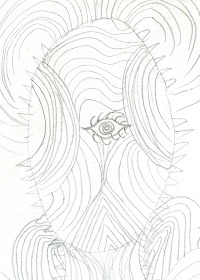
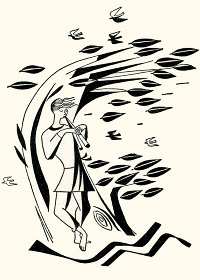
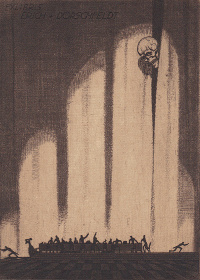
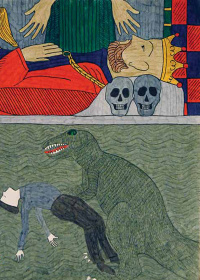
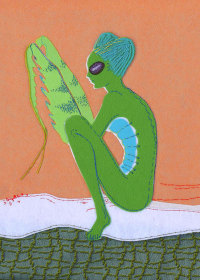
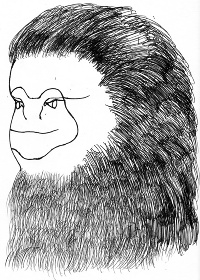
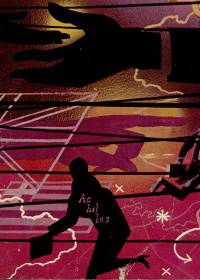
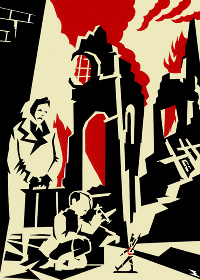
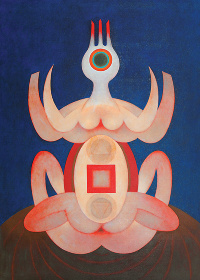
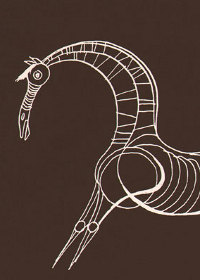
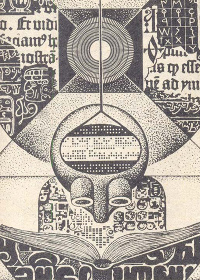
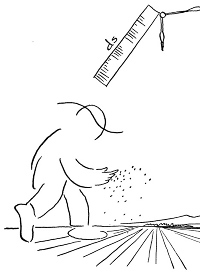
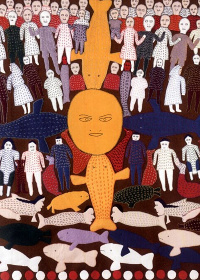
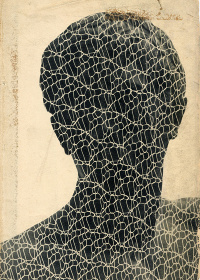
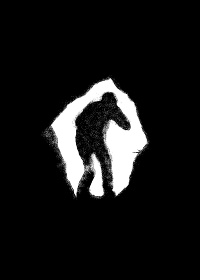
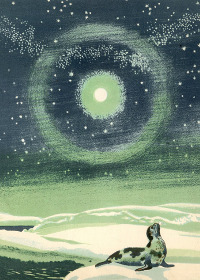
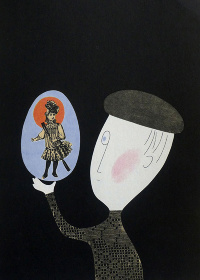
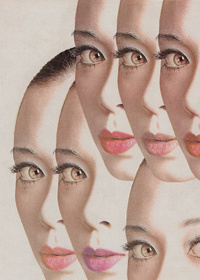
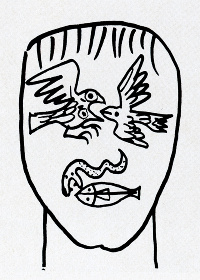
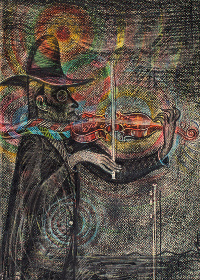
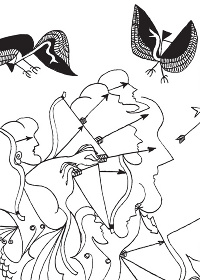
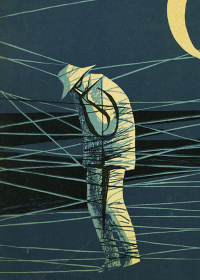
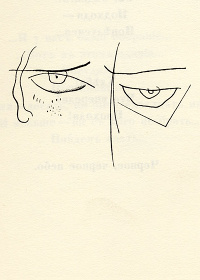
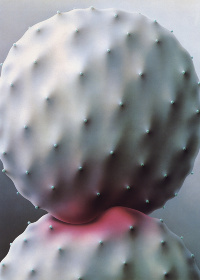
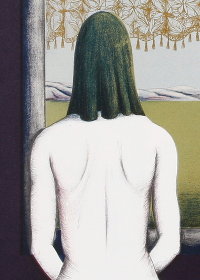
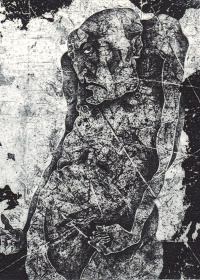
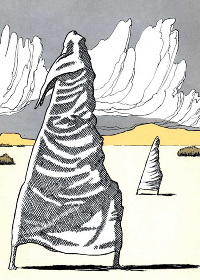
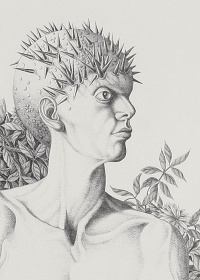
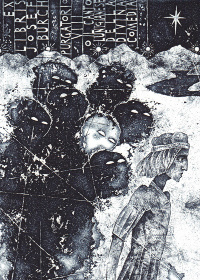
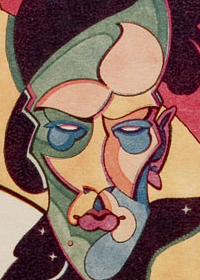
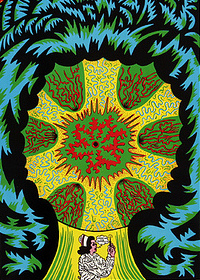
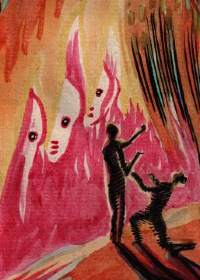
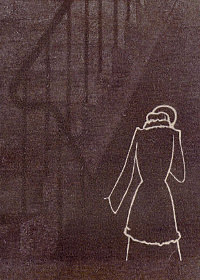
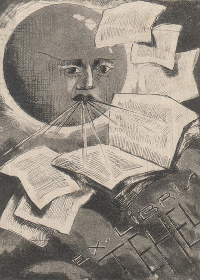
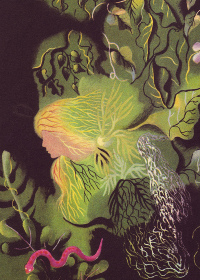
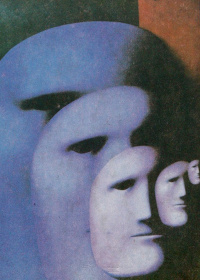
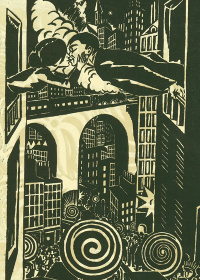
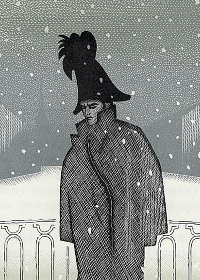
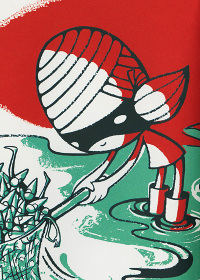
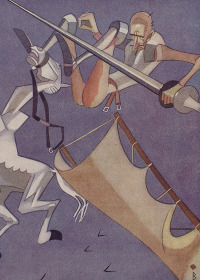
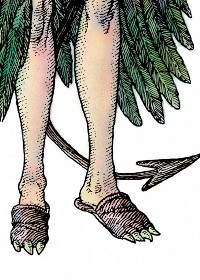
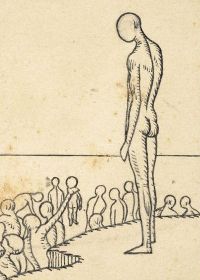
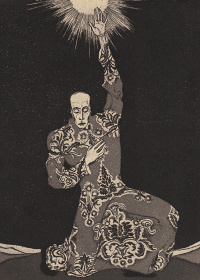
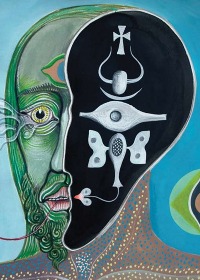
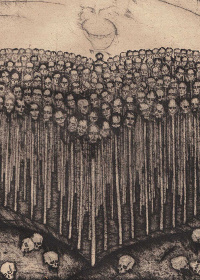
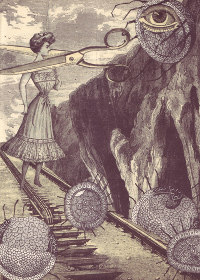
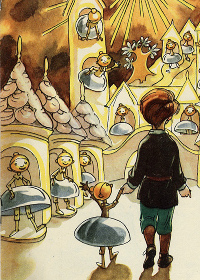
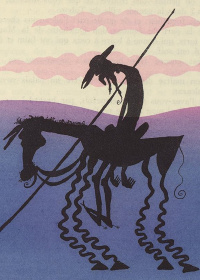
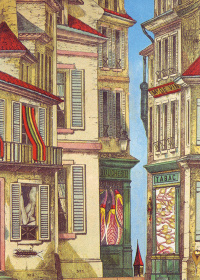
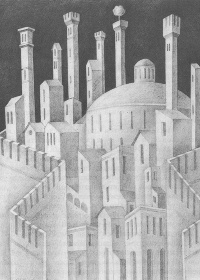
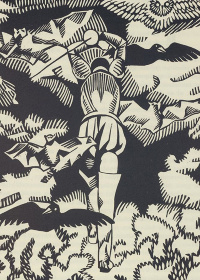
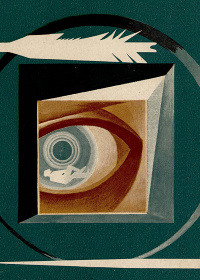
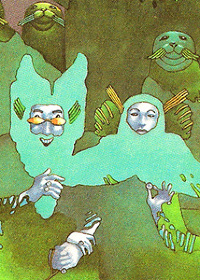
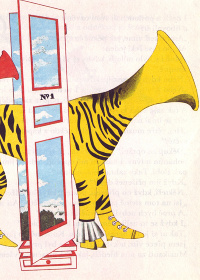
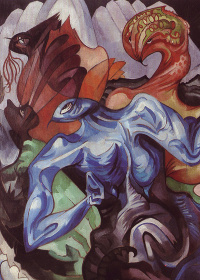
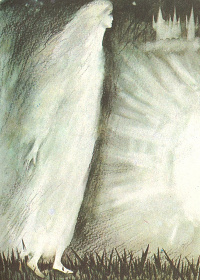
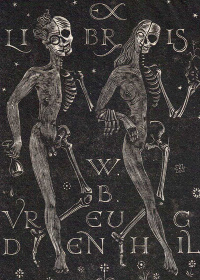
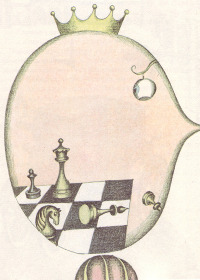
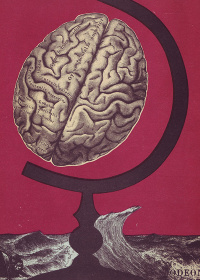
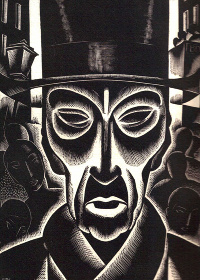
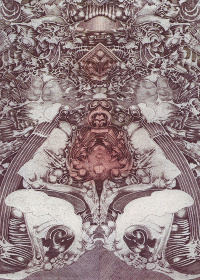
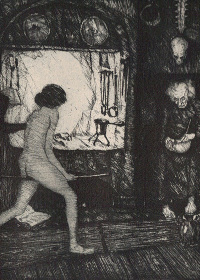
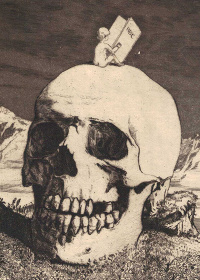
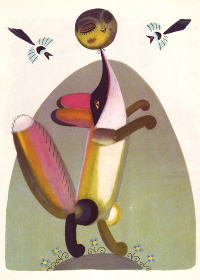
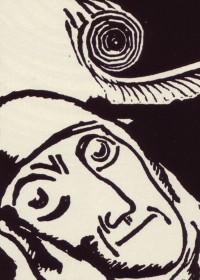
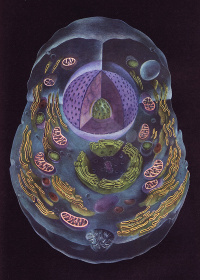
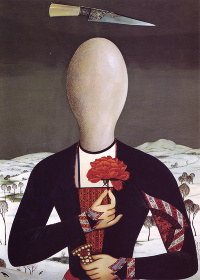
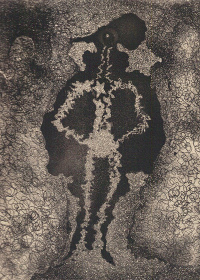
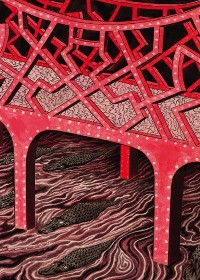
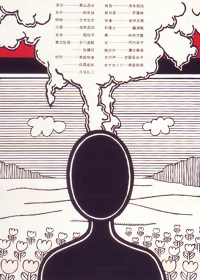
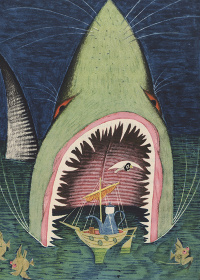
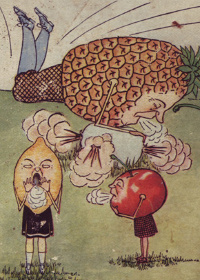
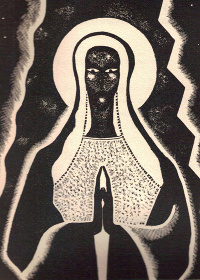
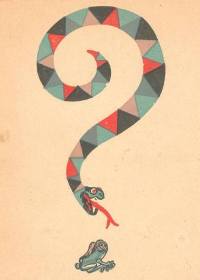
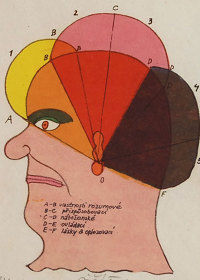
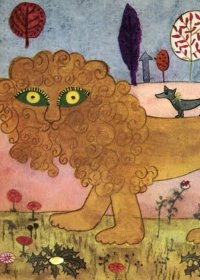
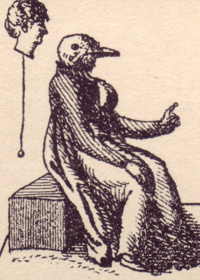
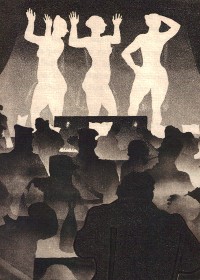
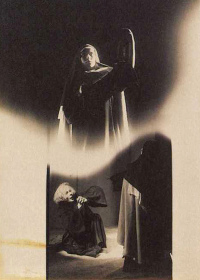
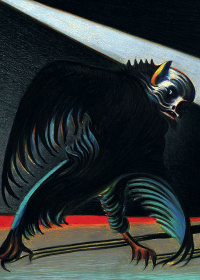
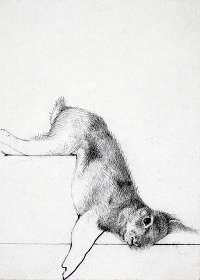
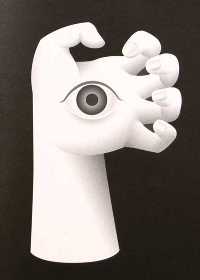
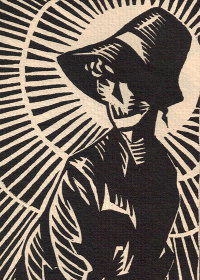
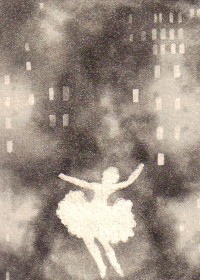
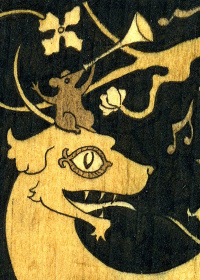
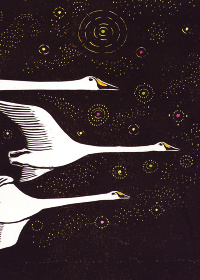
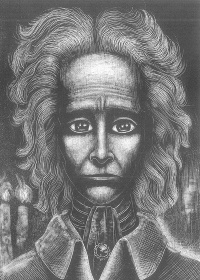
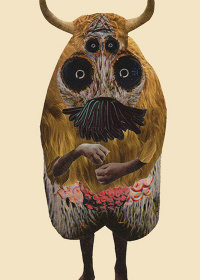
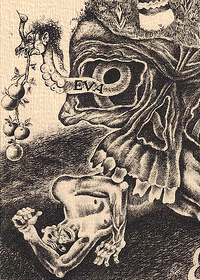
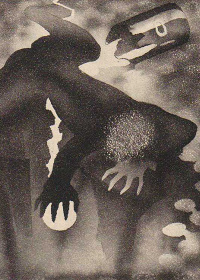
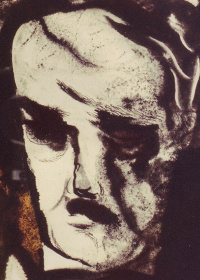
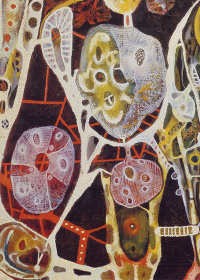
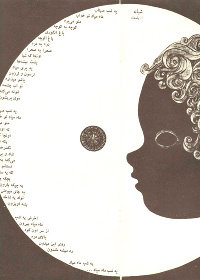
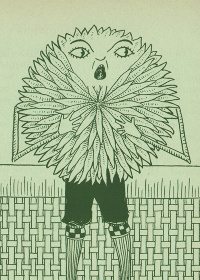
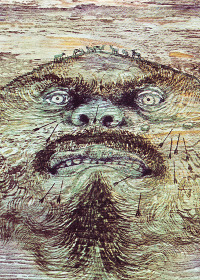
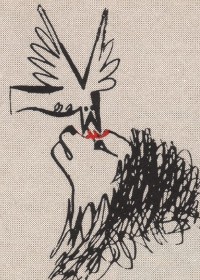
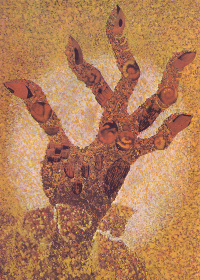
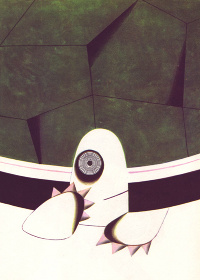
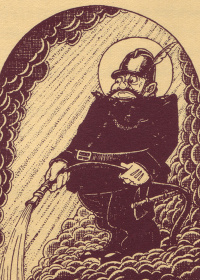
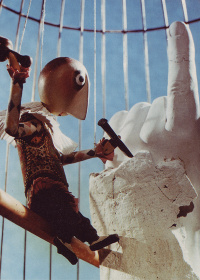
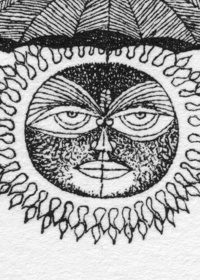
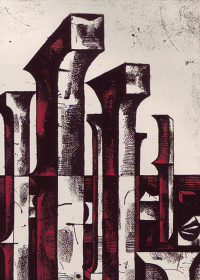
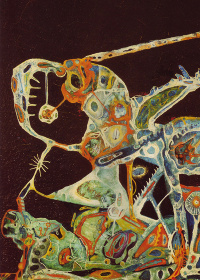
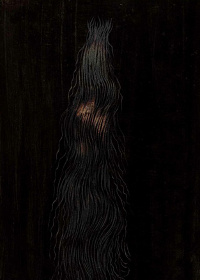
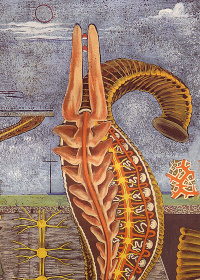
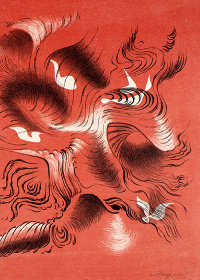
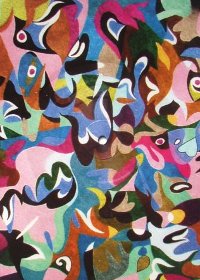
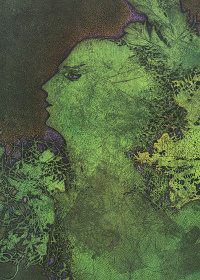
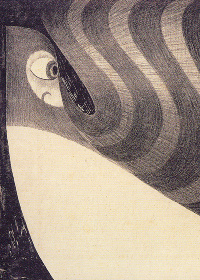
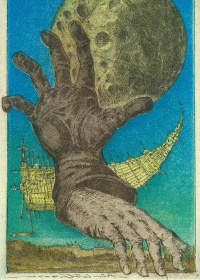
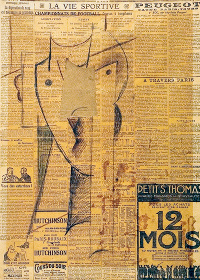
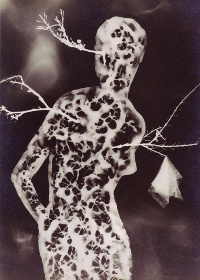
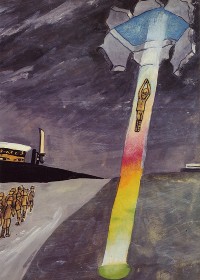
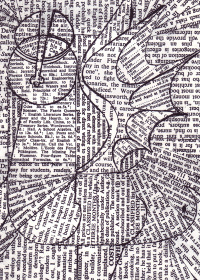
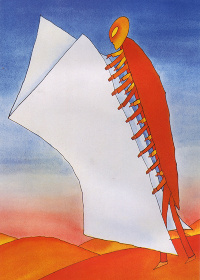
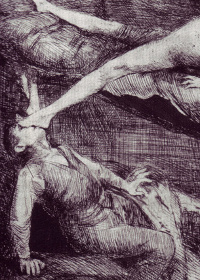
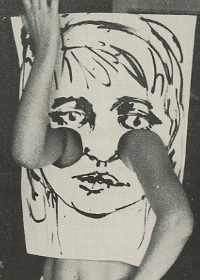
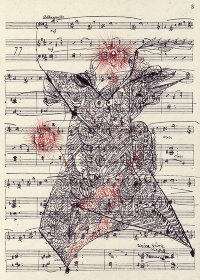
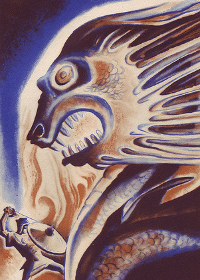
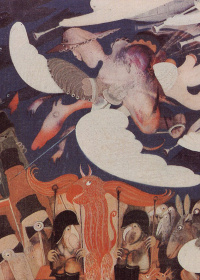
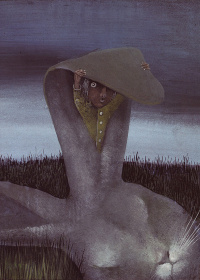
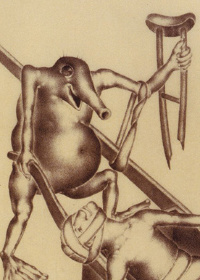
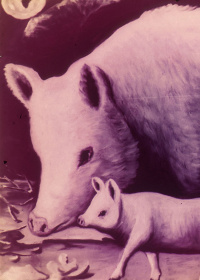
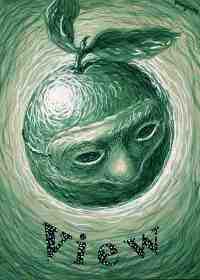
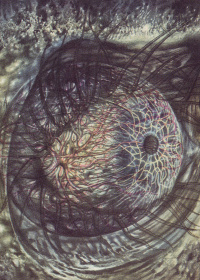
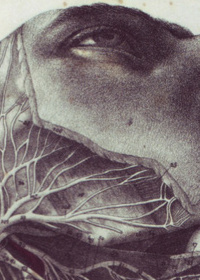
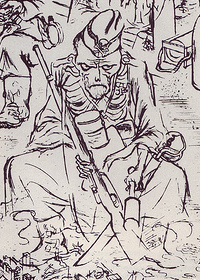
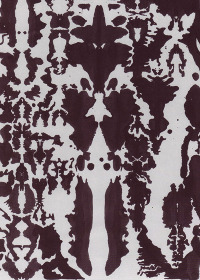
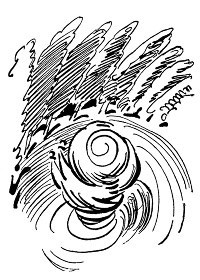
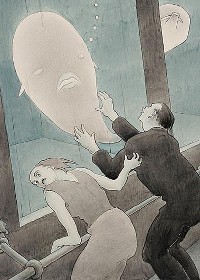
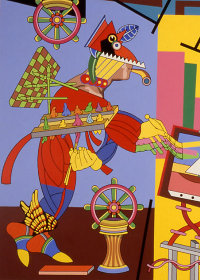
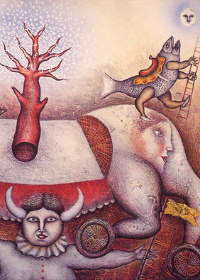
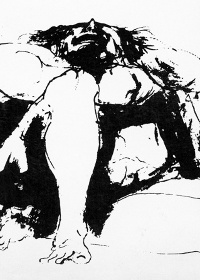
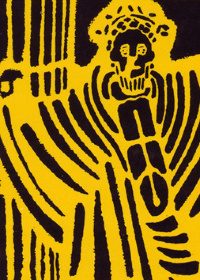
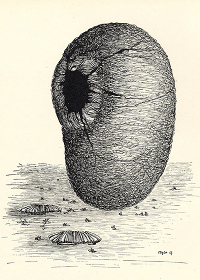
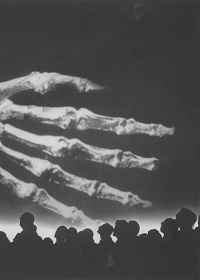
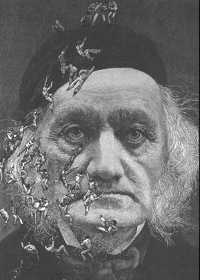
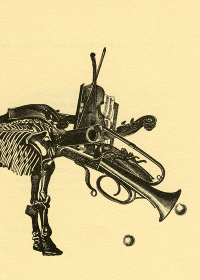
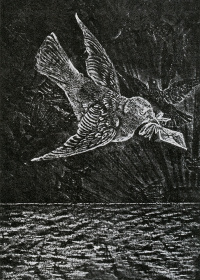
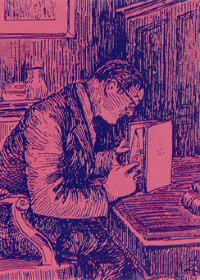
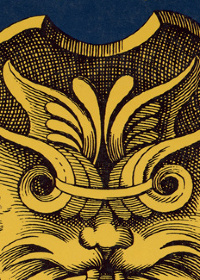
Algirdas Steponavicius, 1969-70, section of a large mural
The Maze of No Emergence
by Marco Denevi
Translated by Gilbert Alter-Gilbert
The house where Teresilda Palomeque was born had forty-three inhabitants and eight gardens.
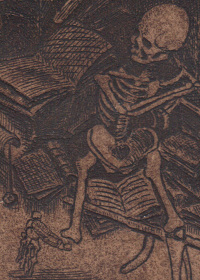
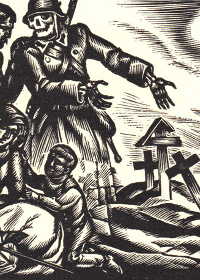
Then Teresilda's parents died. Her brothers died, young bachelors every one, because they were stricken by the secret bite of a skeleton. Her sisters, too, succumbed, leaving all their husbands and children.
But Teresilda remained single and continued to live alone and of one accord with the house of forty-three inhabitants and eight gardens. Ambling through the apartments, she traversed balconies and belvederes, scaled and descended stairways, clambered among the attics and onto the terraces, crept into the cellars, raced along the passageways, and scurried through the galleries and across the patios, snaking among the furniture, the lithographs and macramé, and flitting through the gardens like a butterfly.
Throughout the neighborhood, a rumor circulated that Teresilda had multiplied ten or fifteen times, because it couldn’t be that Teresilda all by herself could open so many doors and appear at so many, many windows.
Once a month the neighbors came calling, to unlimber her china and the English teapot. When Teresilda turned sixty, they began to implore:
-- For God's sake, Teresilda. For God’s sake. It's absurd, not to mention dangerous and almost criminal, for you to live alone in this tremendous castle. One day when you least expect it, something terrible may happen.
Then they would huddle together and, not without a certain brutality, give voice to their morbid apprehensions:
-- Come to your senses before some thieves break in and strangle you or drive a dagger into your heart!
In the end Teresilda conceded that she felt threatened and uncomfortable. Immediately, her nephews took the necessary steps.
One morning Teresilda resigned herself to pay a visit to the notary and affix her signature to a lot of bulky, tiresome documents. And one afternoon she stopped in at a shop on Wedgewood Street, in order to arrange the consignment of her least indispensable furniture because, after all, for God's sake, Teresilda, for God's sake.
Her nephews handled the removal of the rest of the furnishings, then Teresilda, alone once more, resumed her merry exploits.
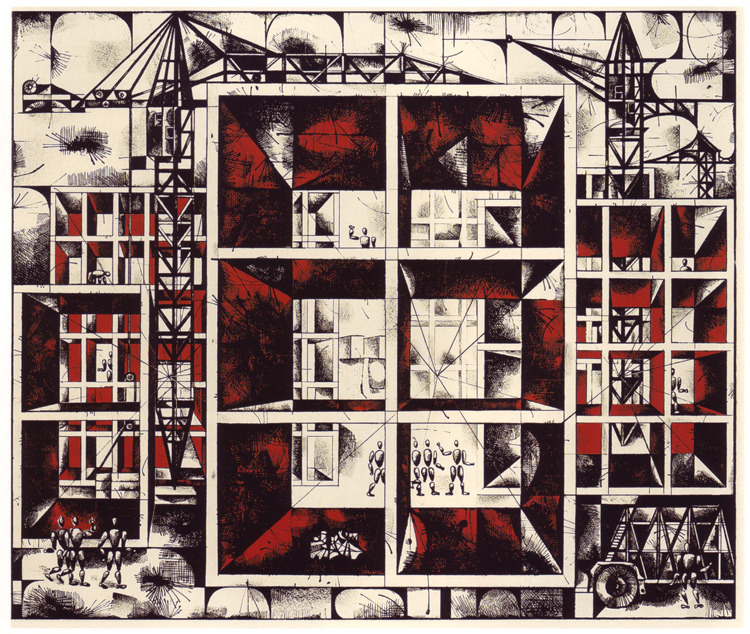
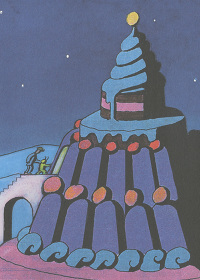
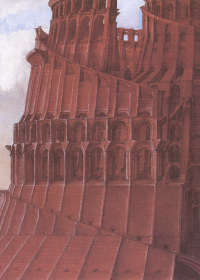
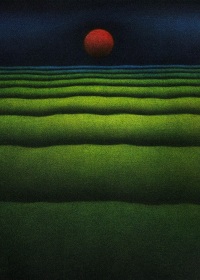
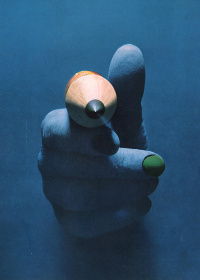
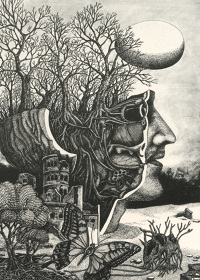
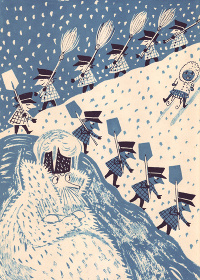
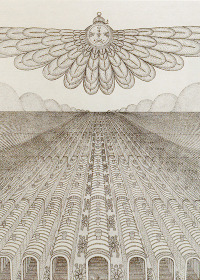
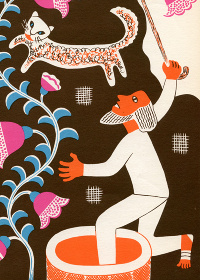
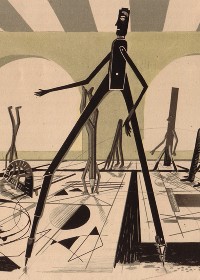
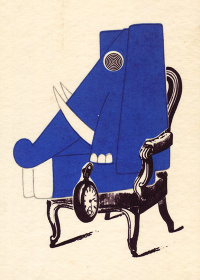
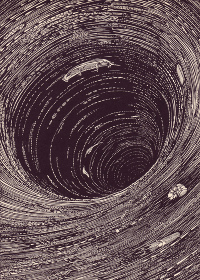
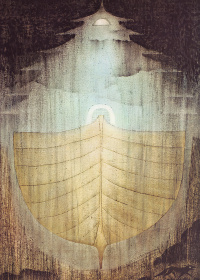
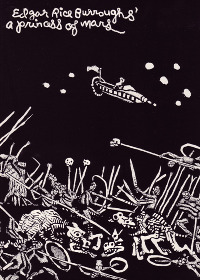
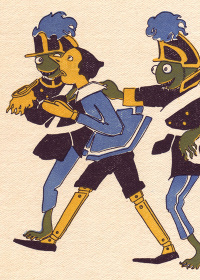
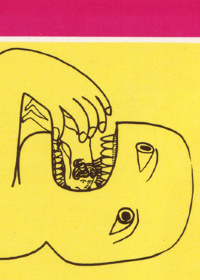
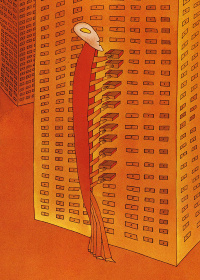
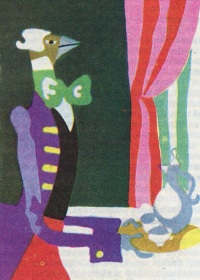
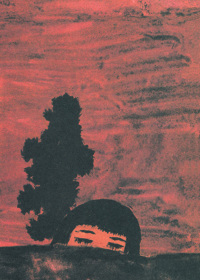
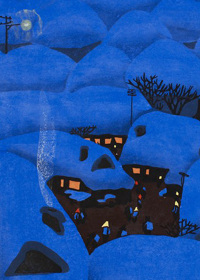
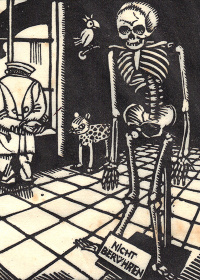
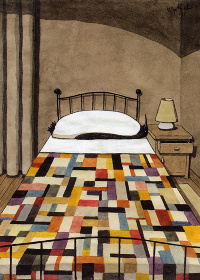
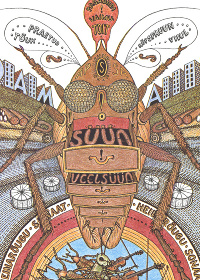
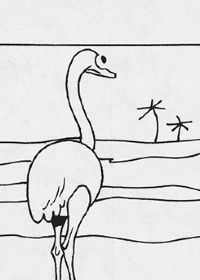
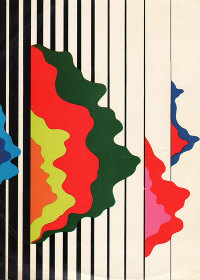
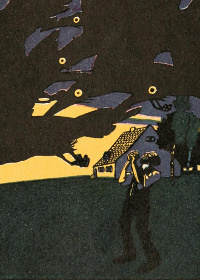
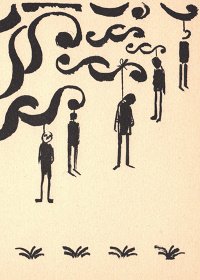
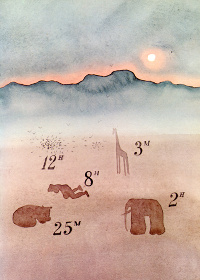
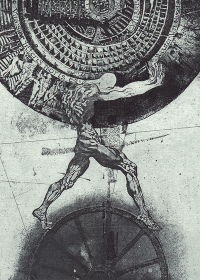
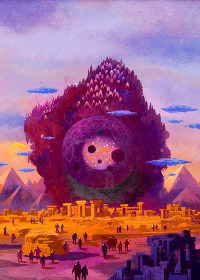
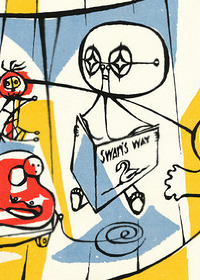
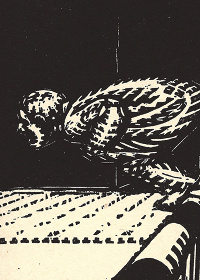
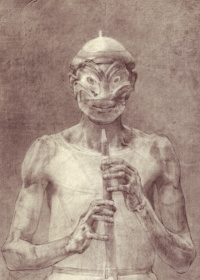
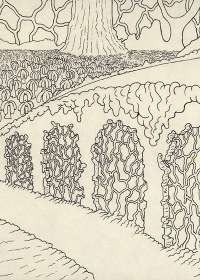
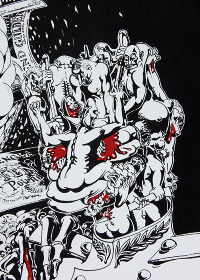
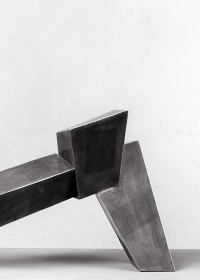
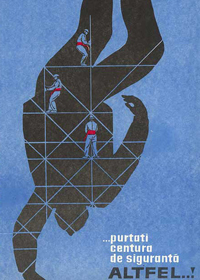
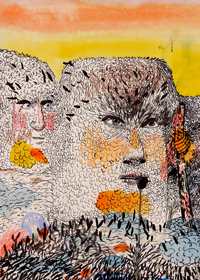
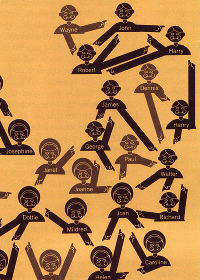
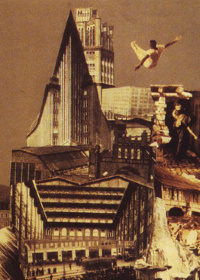
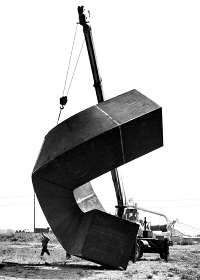
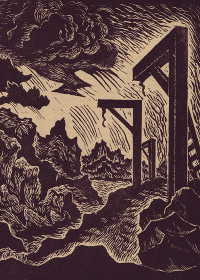
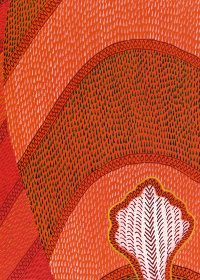
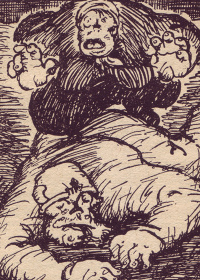
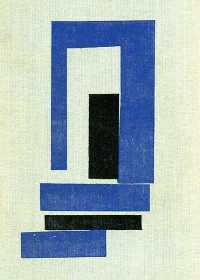
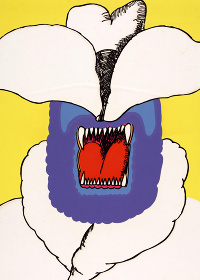
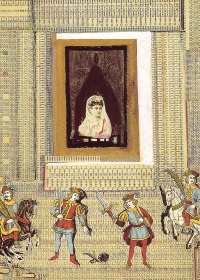
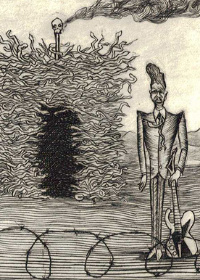
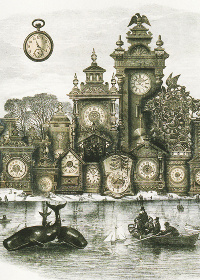
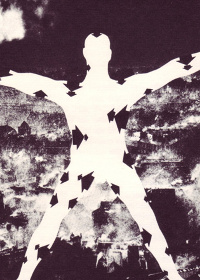
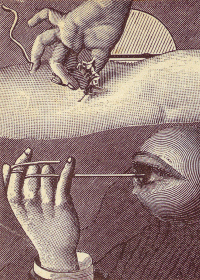
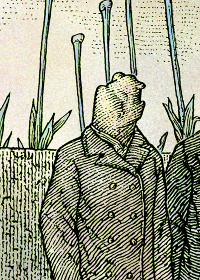
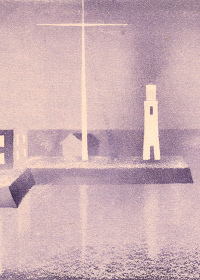
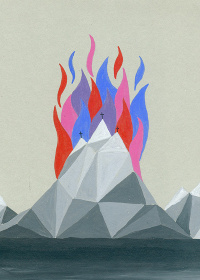
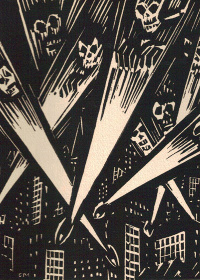
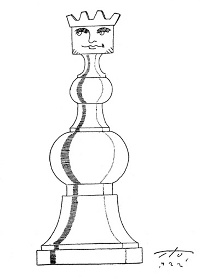
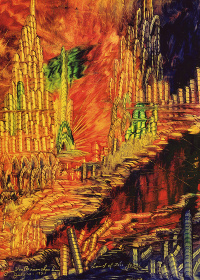
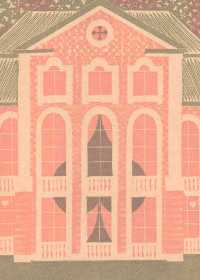
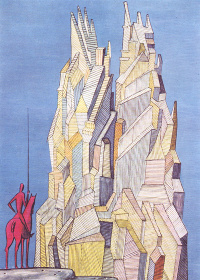
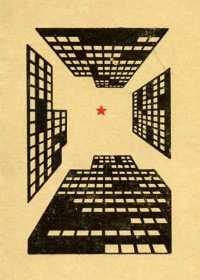
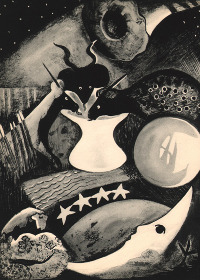
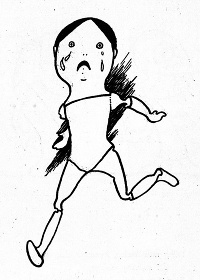
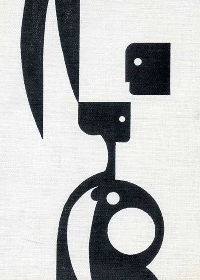
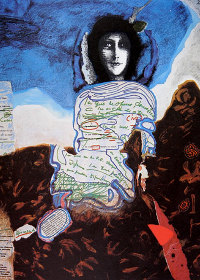
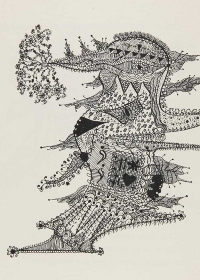
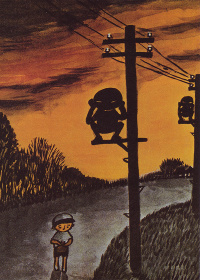
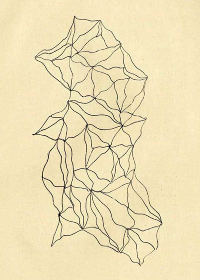
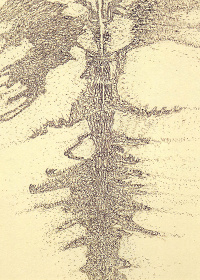
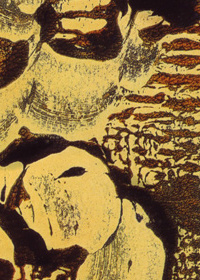
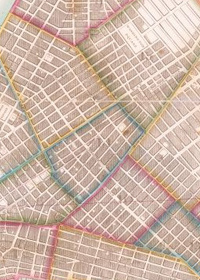
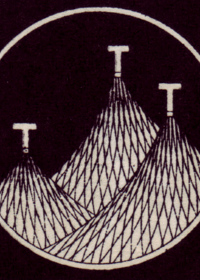
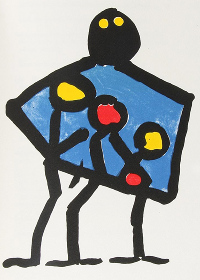
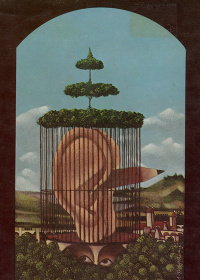
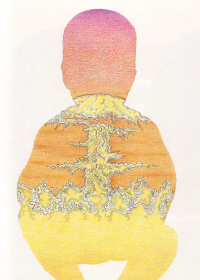
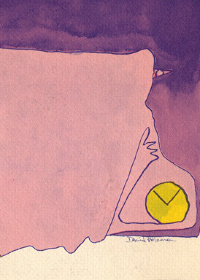
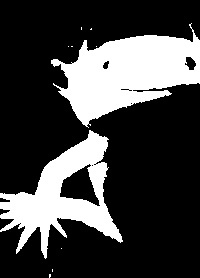
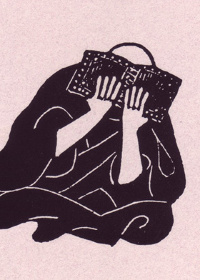
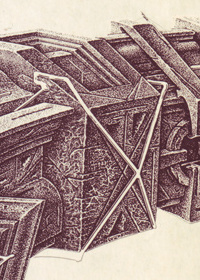
Algirdas Steponavicius, 1968, Naujosios statybos I
The following day she bumped into a wall. The day after that, she struck another wall. She changed direction and found herself hemmed in by a piece of furniture. She spun around and was blocked by another piece of furniture. She turned once more and collided with a door.
She opened the door and saw that there was no way in and no way out. She took a step backwards and banged into a window. When she tried to poke her head through this window, she found that the window had no outer side at all, but had both its sides within.
She looked and she looked and wherever she looked she strained her eyes until they were ready to pop.
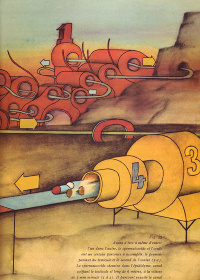
She soon understood that she was trapped in a labyrinth. She was encompassed by the toils and meshes of a chaotic architecture, the stratagems and deliriums of a Daedalus corrupt and cruel, the cartwheels and somersaults of a tangled puzzle-web, guarded by the minotaur of death.
It was no use screaming: no one could hear her in far-away Wedgewood Street.
A month later the nephews searched for her in every quarter of the fortress, wing by wing, and room by room: they searched in the American-style kitchen, and in the bathroom with the imported tile; they even searched the ventilation ducts, but they couldn't find a trace of her, no matter how they tried.
Who knows what has become of poor Teresilda Palomeque, drawn into an unfathomable labyrinth, from which she could not wrest free.
TRANSLATOR: Gilbert Alter-Gilbert
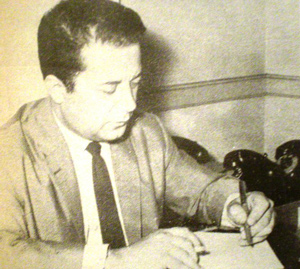
Bio by Alter-Gilbert
Marco Denevi (1922–1998) was an Argentine novelist and dramatist at the height of his activity from the late 1950s through the early 1980s. Having experienced surprising success with early novelistic efforts which won prizes and were adapted for the screen as big-budget productions, Denevi became curmudgeonly and supercilious later in life, when his pen went largely quiescent. Like his compatriot Borges, Denevi was, at bottom, a metaphysical writer, with a penchant for crafting texts best described as parable-flavored investigations of reality. At his finest, a master of poetic prose tempered by irony and paradox, Denevi was, in his own idiosyncratic fashion, an integer in the rich Argentine tradition of imaginative literature, submerging elements of the fantastic beneath outwardly realistic constructions. "The Maze of No Emergence" comes from the compact collection Seven Strange Disappearances, a suite of interlinked tales.
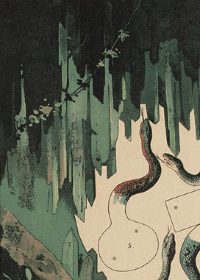
More works by the Lithuanian artist Steponavicius can be found in my previous post.