
(Find me at Bookers Buzz Books.)
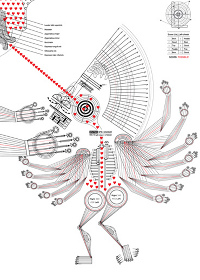
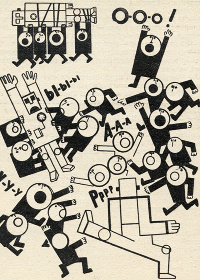
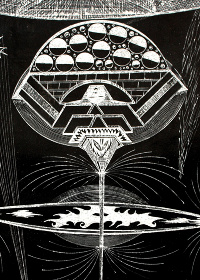
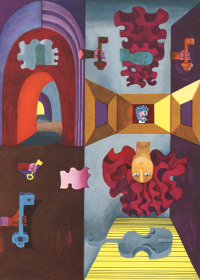
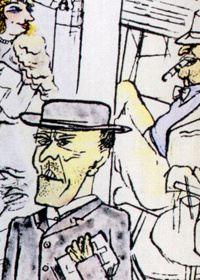
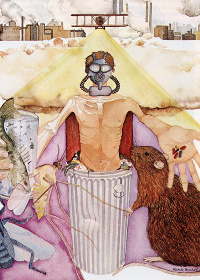
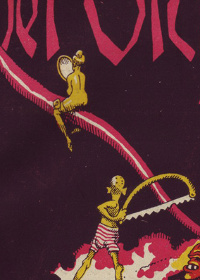
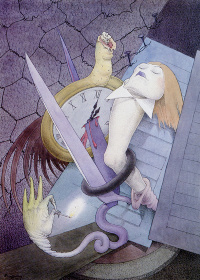
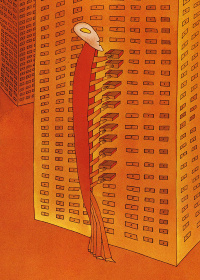
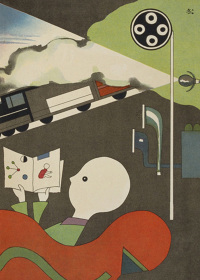
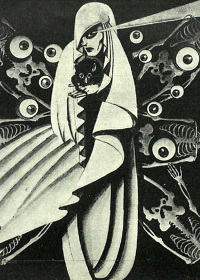
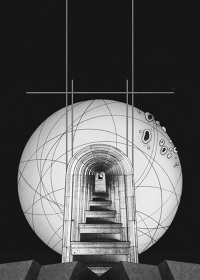
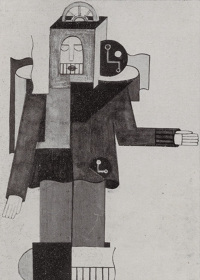
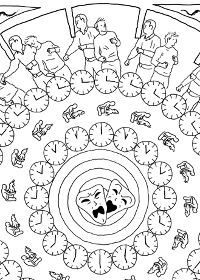
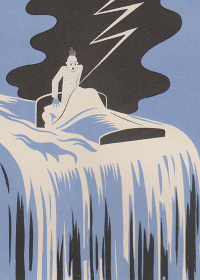
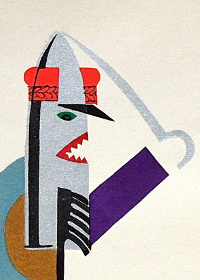
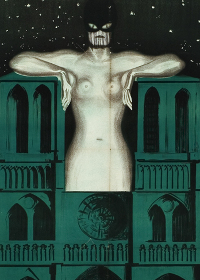
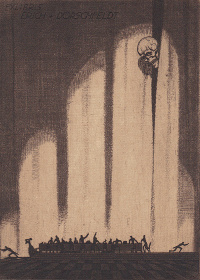
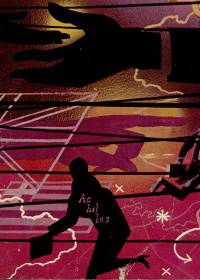
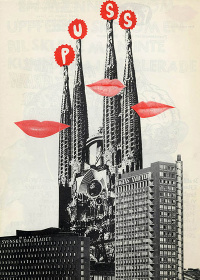
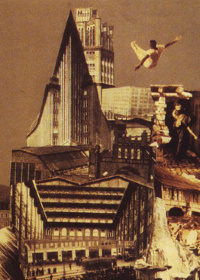
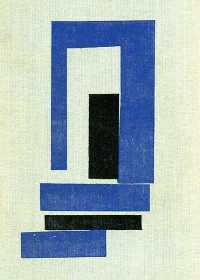
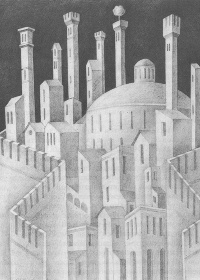
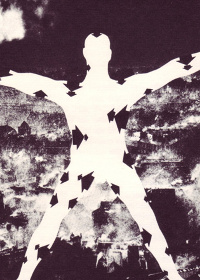
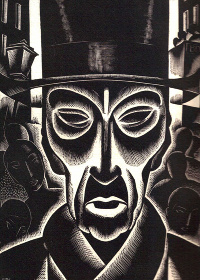
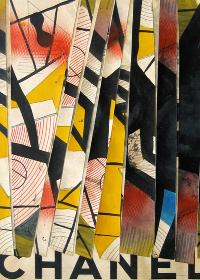
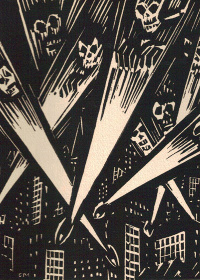
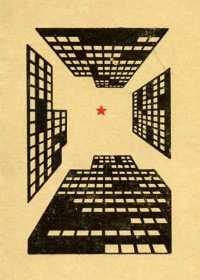
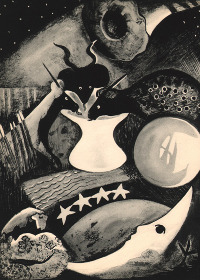
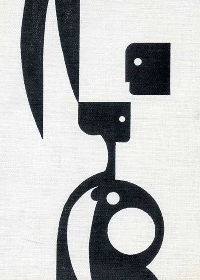
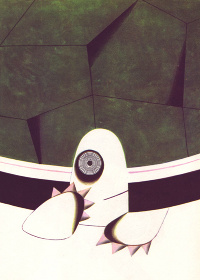
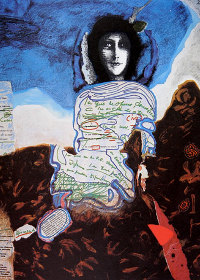
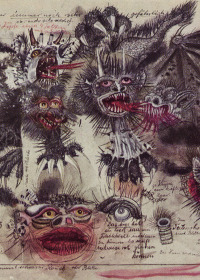
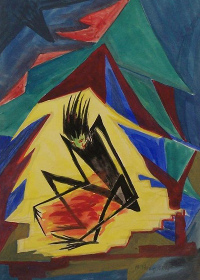
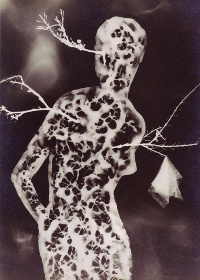
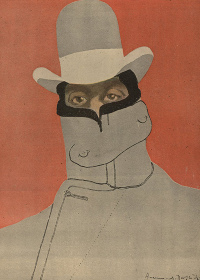
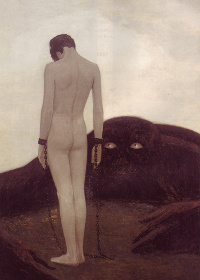
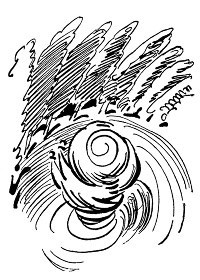
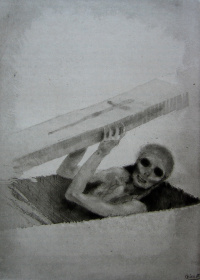
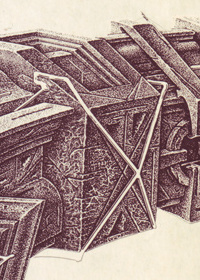
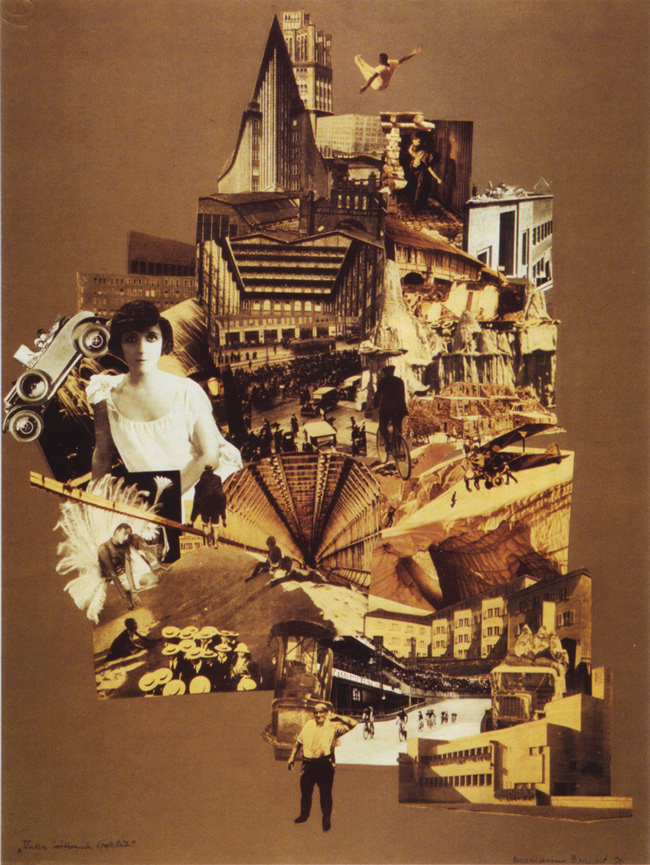 Marianne Brandt, Our Unnerving City, 1926
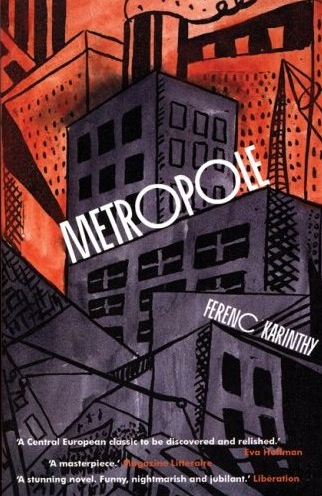
The Fantastic for Grown-Ups: Ferenc Karinthy's Metropole
by G.-O. Châteaureynaud
translated by Edward Gauvin
A Hungarian linguist invited to a conference gets on the wrong plane, falls asleep and, still bleary, gets off in a city where they speak a tongue unknown to him. He gets a room in a hotel, believing all this is temporary, but he is lost: the language barrier is such that he can't even arrange transportation back to the airport. Days go by, his money starts running out, and Budai the linguist must learn to live, to survive, in a world less hostile than indifferent to him: radically indifferent.
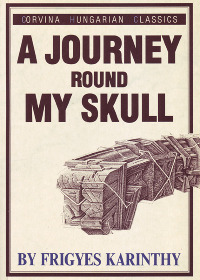
Like his father Fryges (1887-1938), Ferenc Karinthy (1921-1992) was a figure central to the literary life of his country. In 1970, his novel Metropole met straightaway with considerable success in Janos Kadar's Hungary. It can, in fact, be read as a subtle denunciation of the "disconcerting lie" that prevailed for so long there… And yet, the indecipherable tongue confronting Budai cannot be reduced to communist doublespeak. Without a doubt, herein lies Karinthy's masterstroke: the country in Metropole is no country, but the world, from the moment one sees it in a certain light, hears it in a certain way.
Metropole is the fantastic for grown-ups. In it, fear is born from those things most familiar to us: words. Recognizing them makes reality intelligible, in the indispensable distribution of meaning. Metropole is the linguistical novel that our era of pidginization needs. Its original title, Epepe, is the name of a young woman, the only person with whom Budai manages more or less to communicate. The only gentleness he experiences comes from these syllables, and his embrace of the being they supposedly name. This irreplaceable name sometimes sounds like Epepe to him, but at other times also Epepe, Dyediedie, Bebe, or Tete. Words flow fluidly from the mouths of Epepe and her countrymen. When Budai begins to doubt whether they have any meaning at all, whether they actually refer to reality, he has reached the depths of despair.
Karinthy dedicated another of his novels, Spring Comes to Budapest, to the 1956 revolution. A revolution breaks out in Metropole as well, while Budai, separated from Epepe, is leading the miserable life of a homeless porter, but it too, like that of 1956, is crushed. Budai can summon only passing disappointment. What revolution could possibly tear him from his fundamental solitude? From what political upheaval might we expect the abolition of all spiritual dereliction? In Metropole, man is bound neither to God nor his fellow man. He may at best and only fleetingly, attach himself to a woman, via the lips.
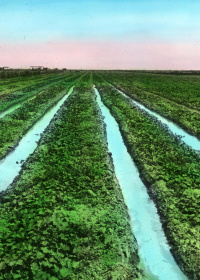
Having escaped the final bloodshed of the failed revolution, Budai is getting some sun in a park when, gazing at a nondescript reservoir, he notices the water is moving. The world has direction, meaning. At the current’s other end must lie the ocean: the freedom, the fullness of a common language rediscovered!
From now on, all [Budai] would have to do was follow the trail of water, without losing sight of it, always staying on the shore… He could almost hear the murmur of the ocean… Farewell, Epepe--God bless! He was confident; soon he would be home.
This could be called faith. Metropole is a book so dark we are grateful to the author for the abrupt reconciliation of the ending.
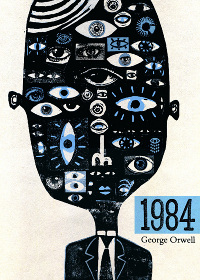
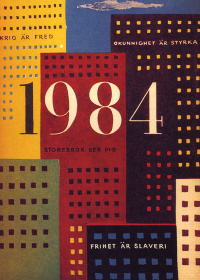
Ferenc Karinthy put his finger on one of the great modern fears: it is Babel that threatens us, Alzheimer’s that haunts us. Metropole shares with masterpieces their simplicity and obviousness, their character of inexplicable and objective necessity. With time, it will take its due place in the twentieth-century library, on the same shelf as The Trial and 1984.
G.-O. C.
Georges-Olivier Châteaureynaud's A Life on Paper: Stories is available from Small Beer Press, in Edward Gauvin's translation.
Metropole has been one of the glaring omissions from this blog. (A commenter pointed out another recently: Alasdair Gray. Feel free to add your own.) Metropole is exactly the type of book I like reading, friends and bloggers I respect pushed it on me, and my own blog was named by the author's father. So thank you Edward Gauvin for making this post happen.
Some links for Marianne Brandt: 1, 2, 3.