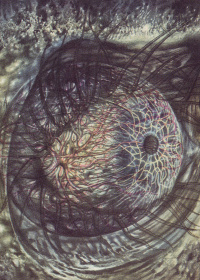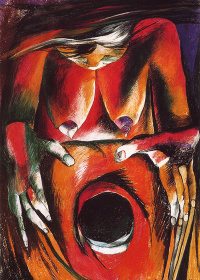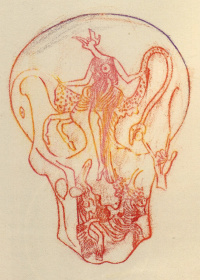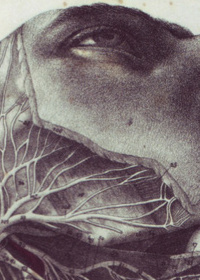

(Find me at Bookers Buzz Books.)
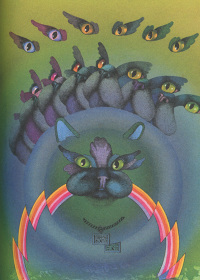
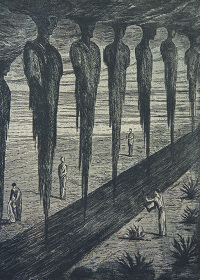
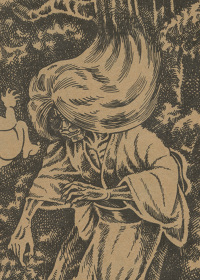
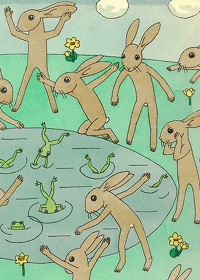
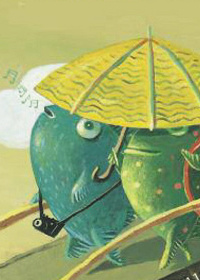
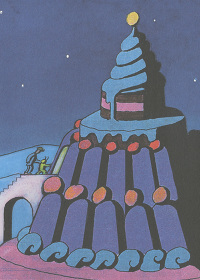
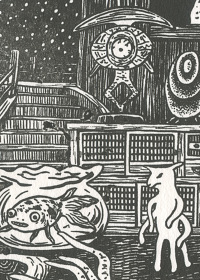
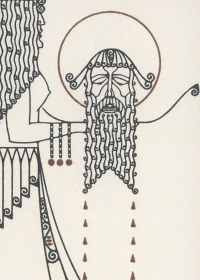
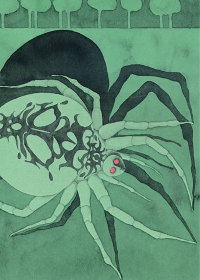
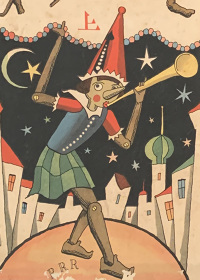
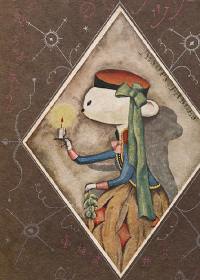
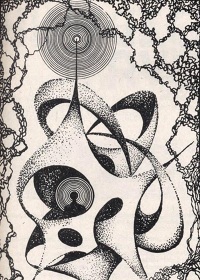
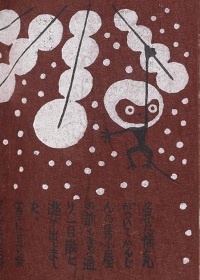
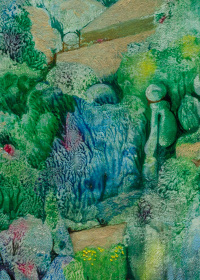
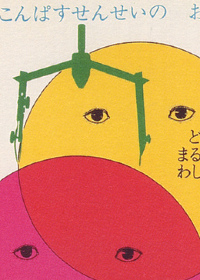
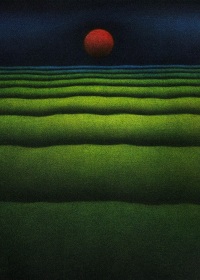
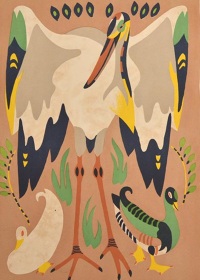
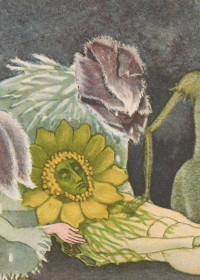
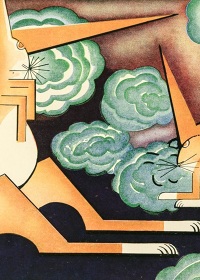
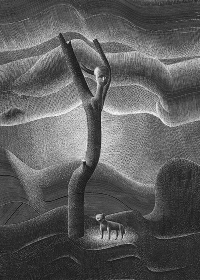
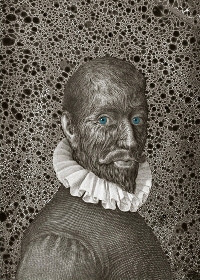
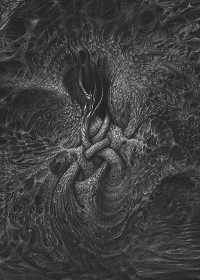
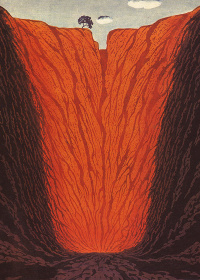
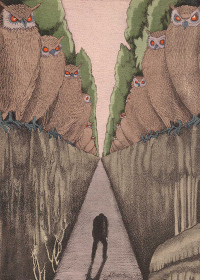
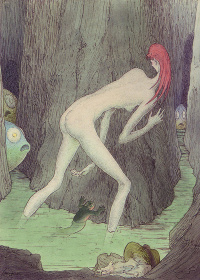
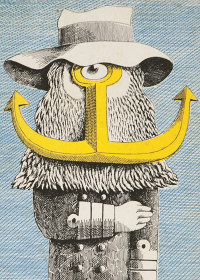
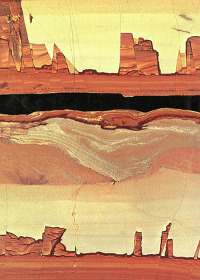
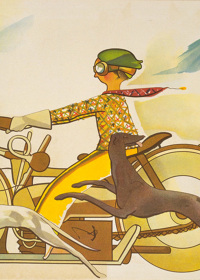
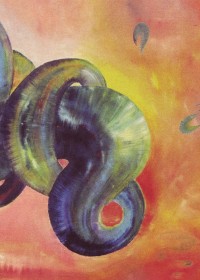
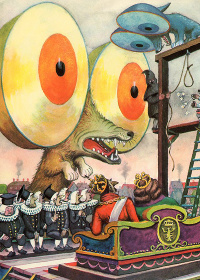
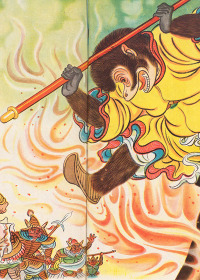
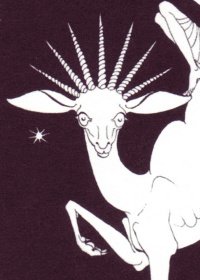
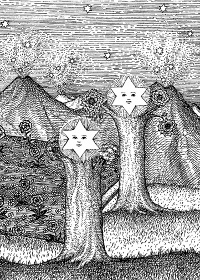
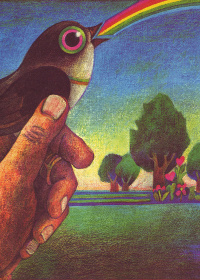
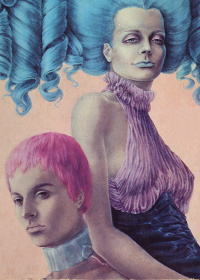
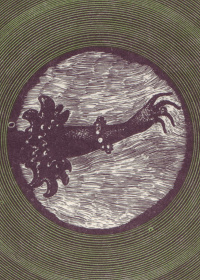
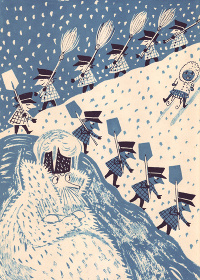
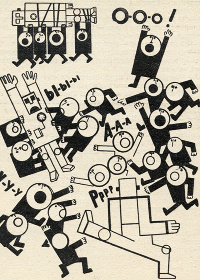
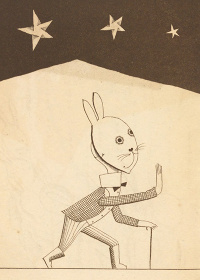
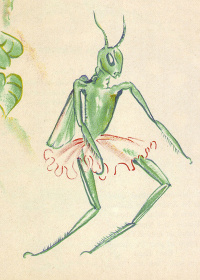
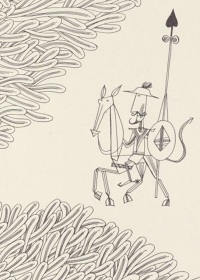
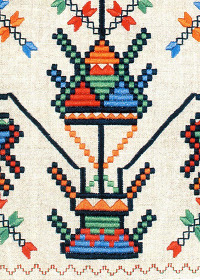
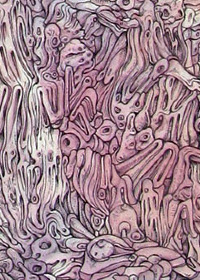
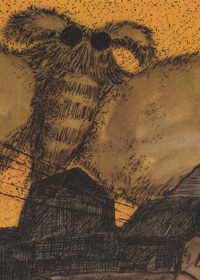
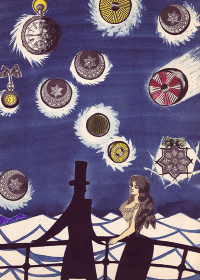
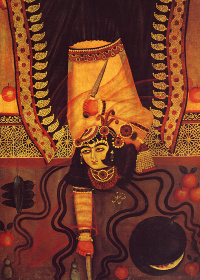
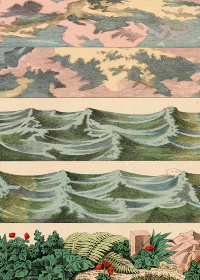
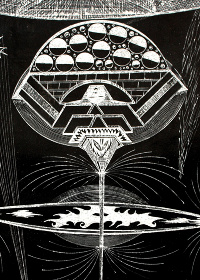
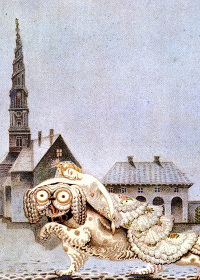
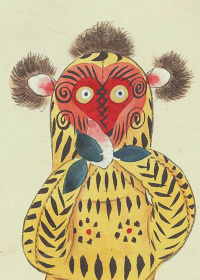
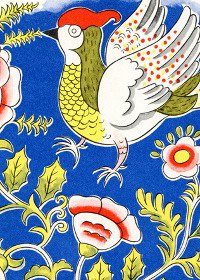
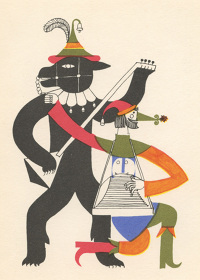
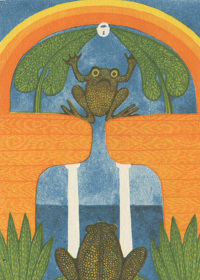
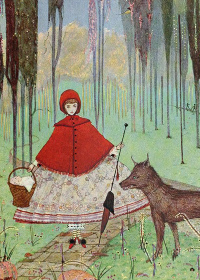
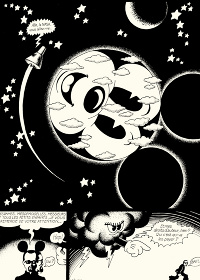
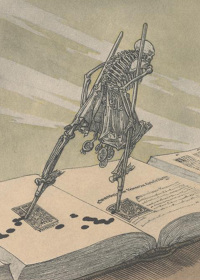
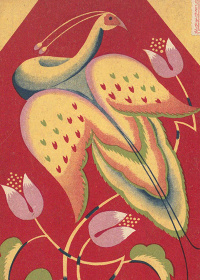
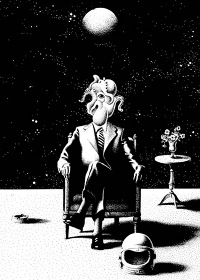
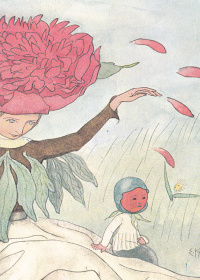
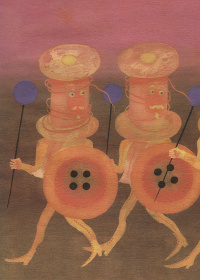
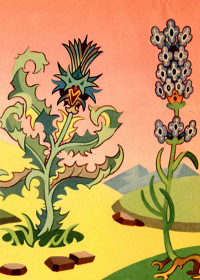
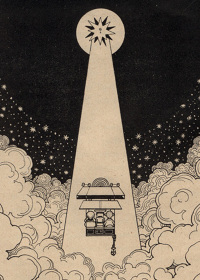
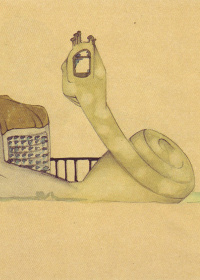
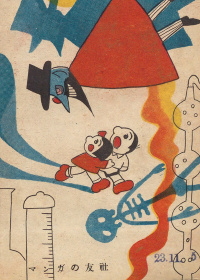
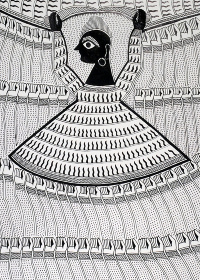
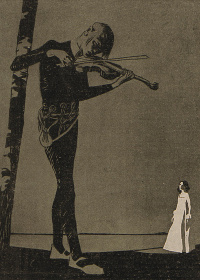
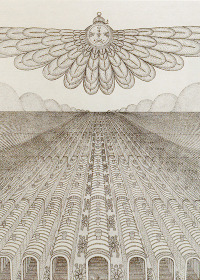
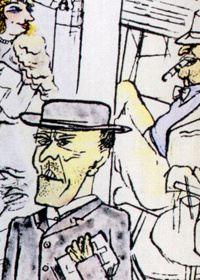
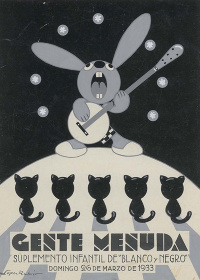
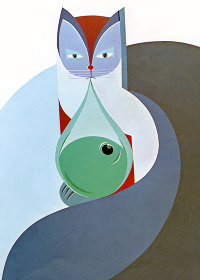
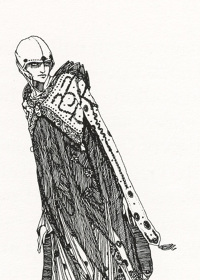
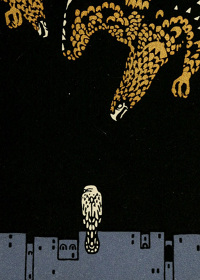
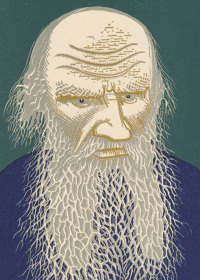
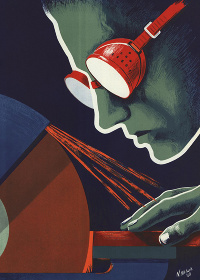
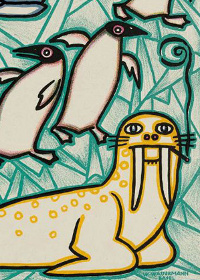
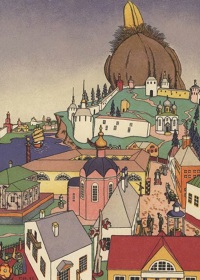
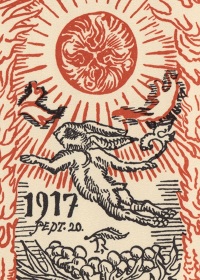
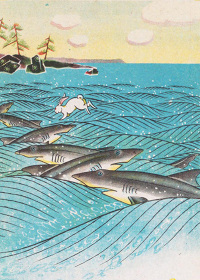
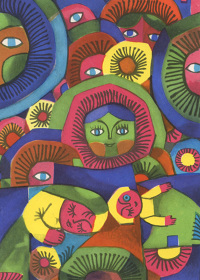
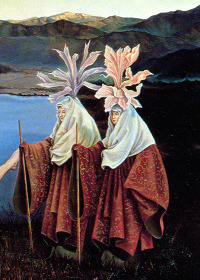
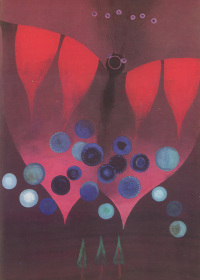
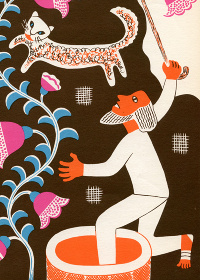
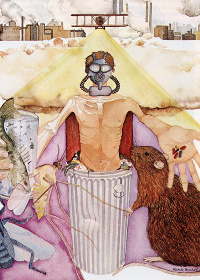
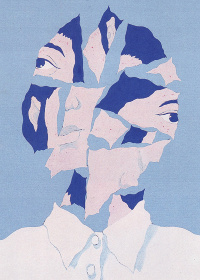
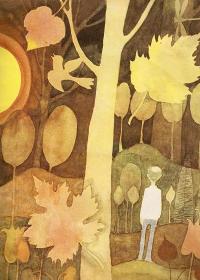
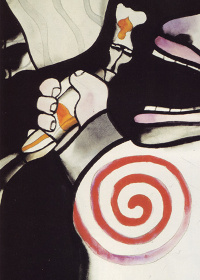
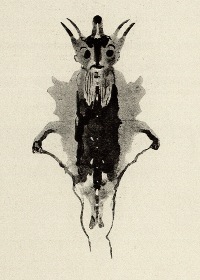
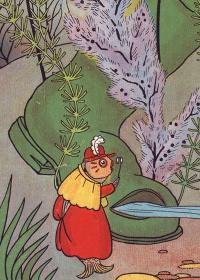
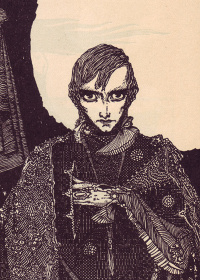
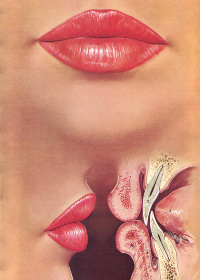
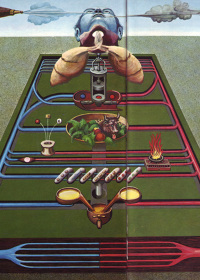
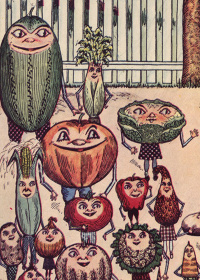
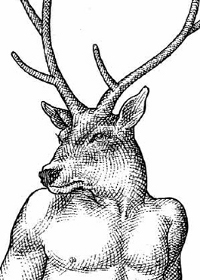
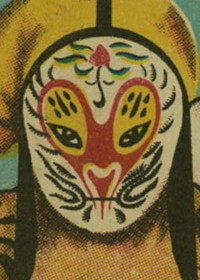
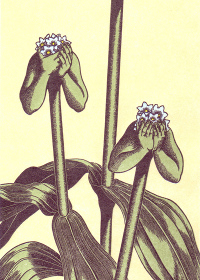
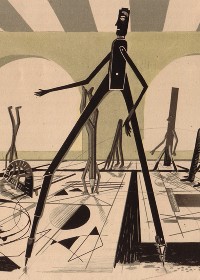
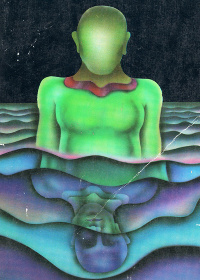
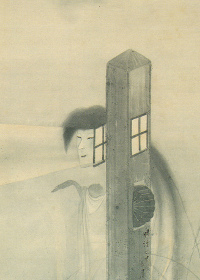
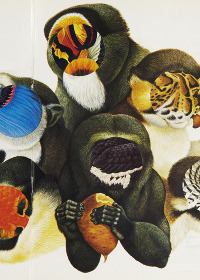
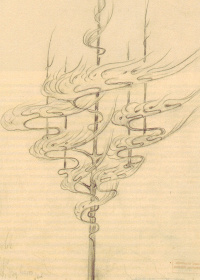
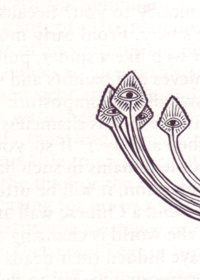
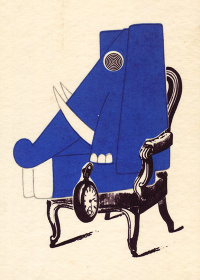
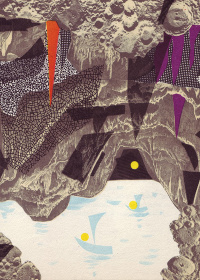
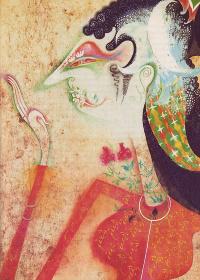
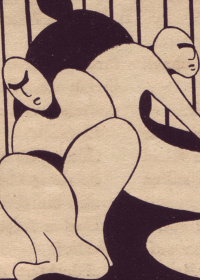
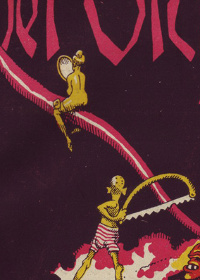
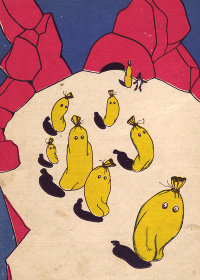
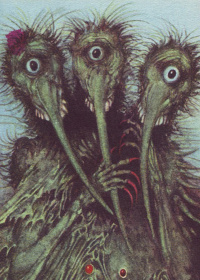
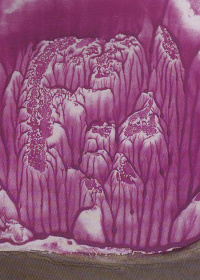
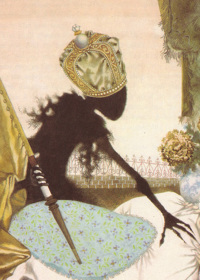
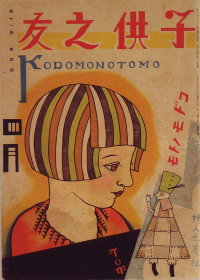
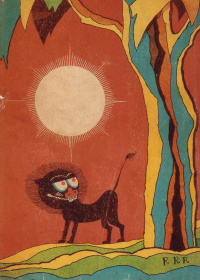
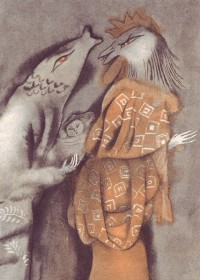
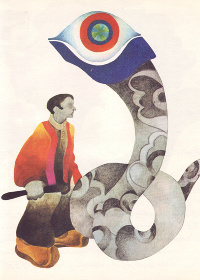
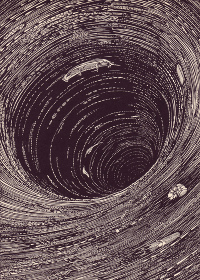
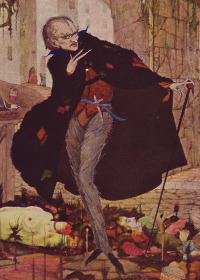
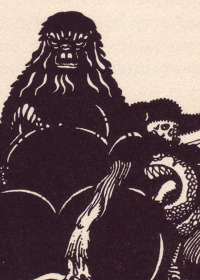
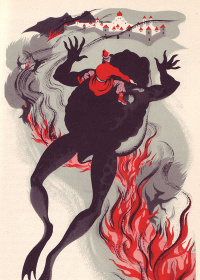
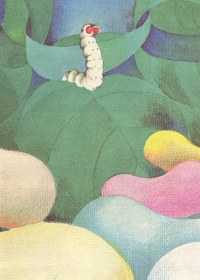
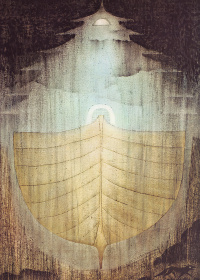
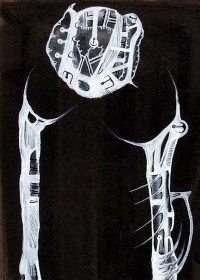
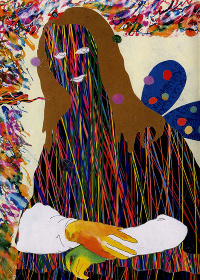
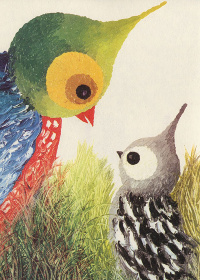
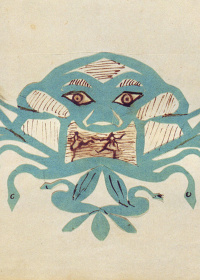
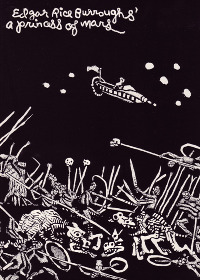
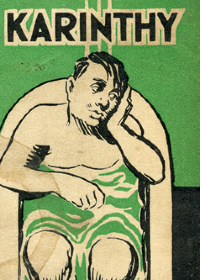
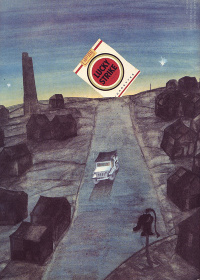
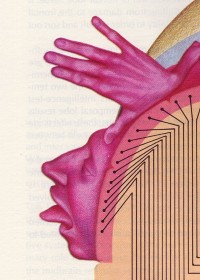
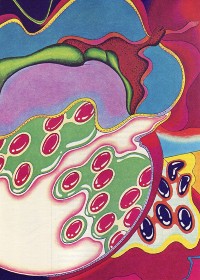
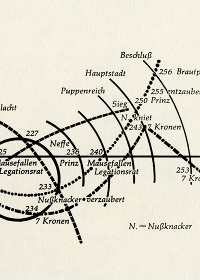
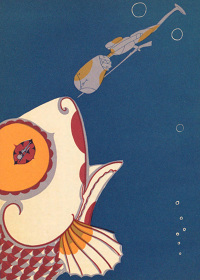
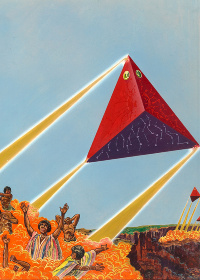
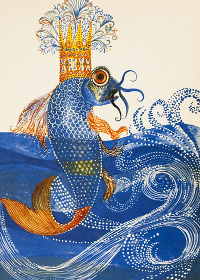
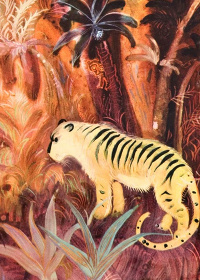
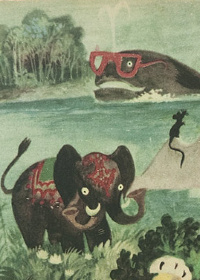
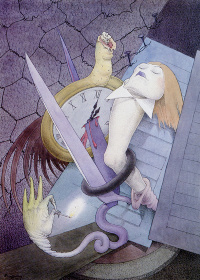
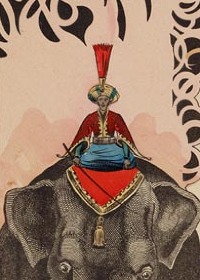
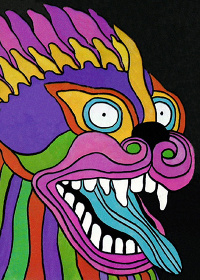
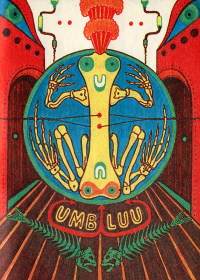
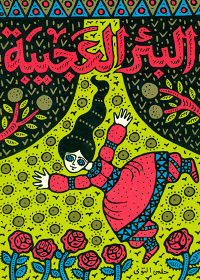
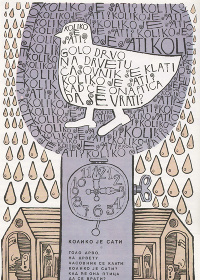
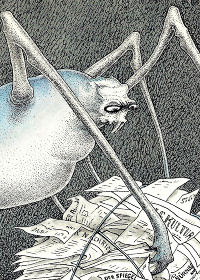
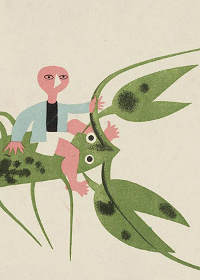
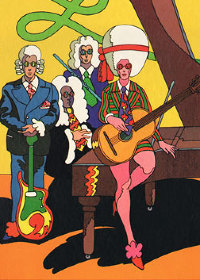
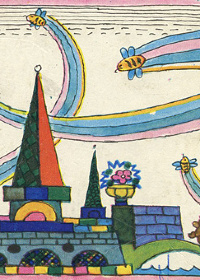
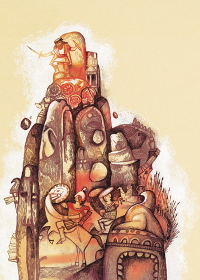
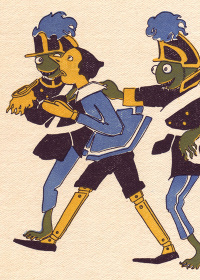
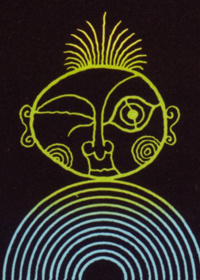
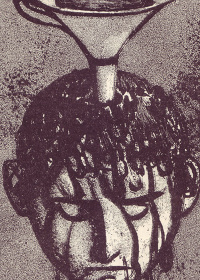
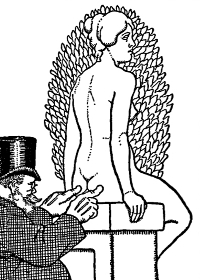
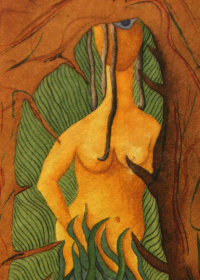
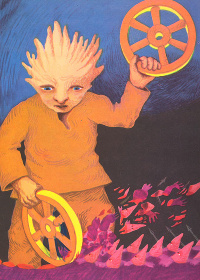
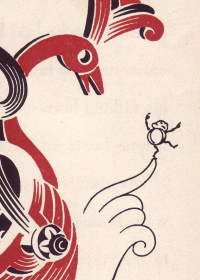
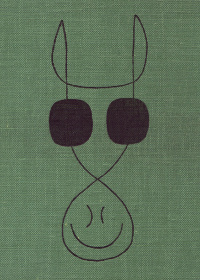
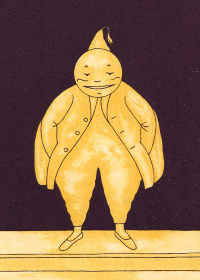
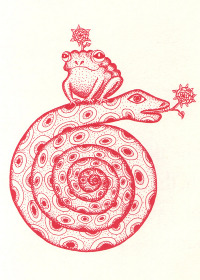
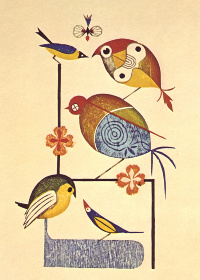
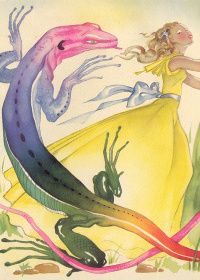
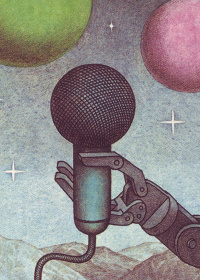
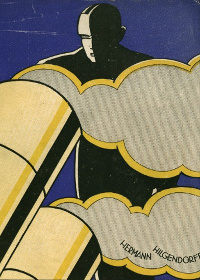
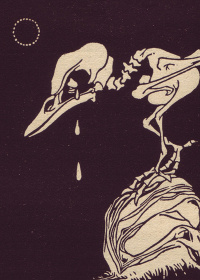
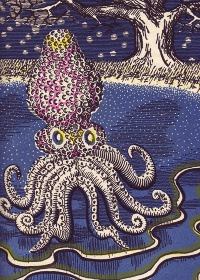
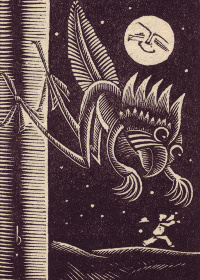
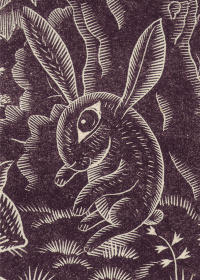
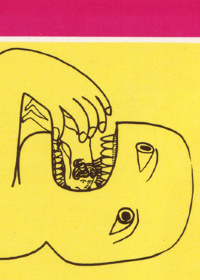
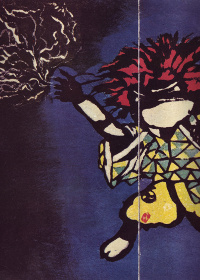
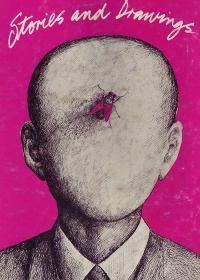
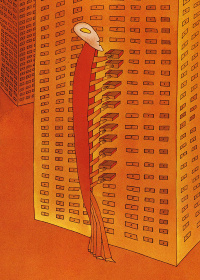
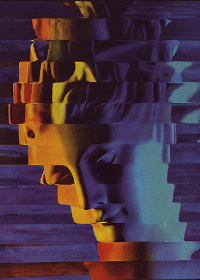
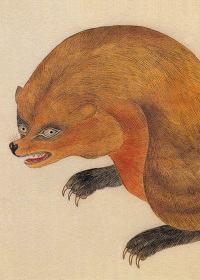
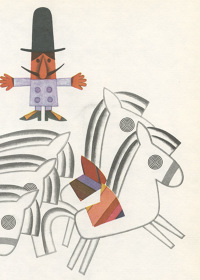
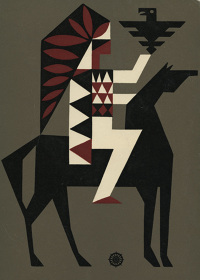
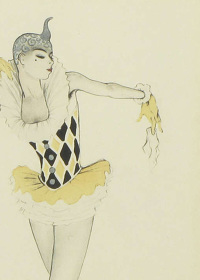
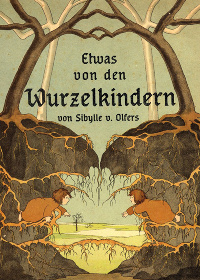
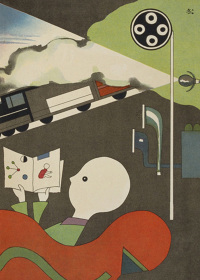
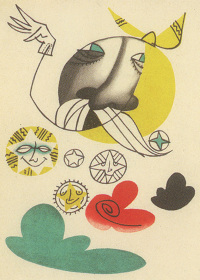
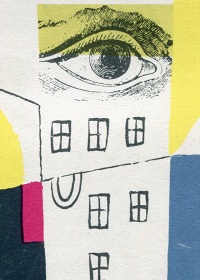
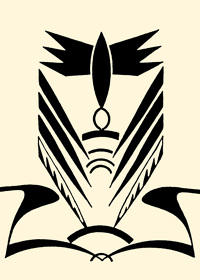
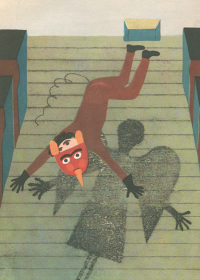
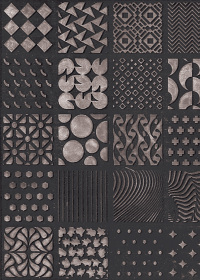
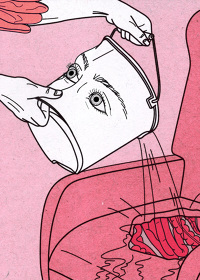
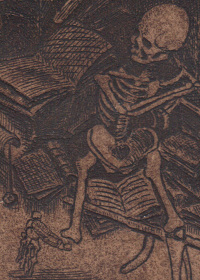
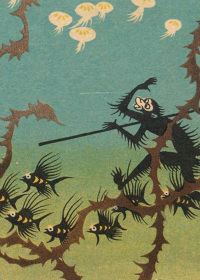
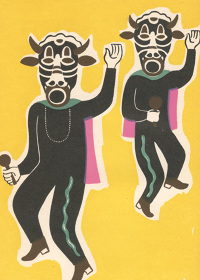
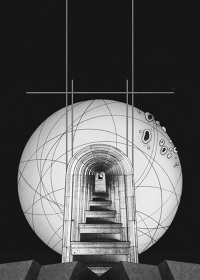
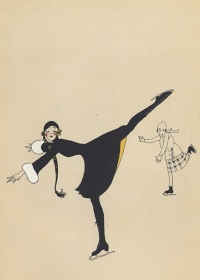
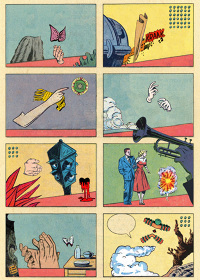
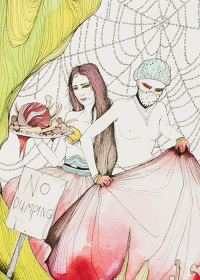
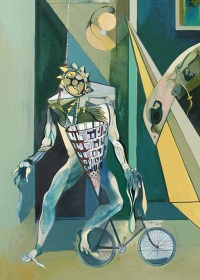
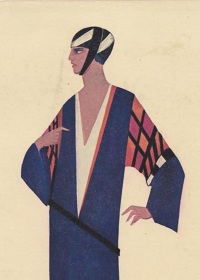
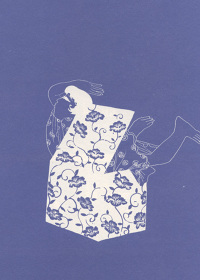
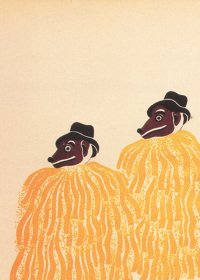
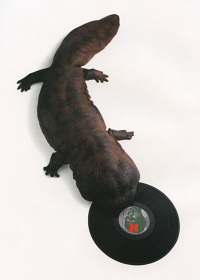
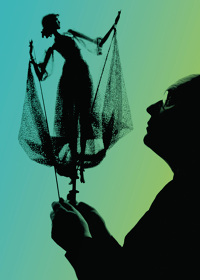
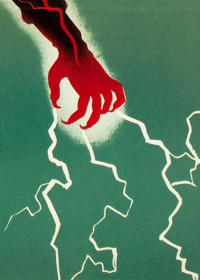
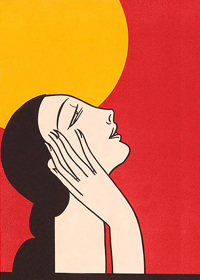
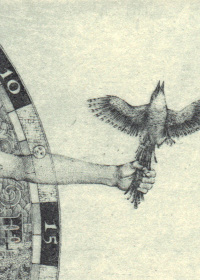
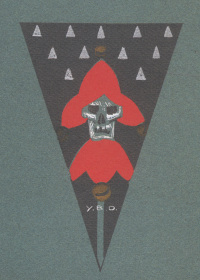
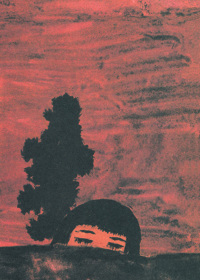
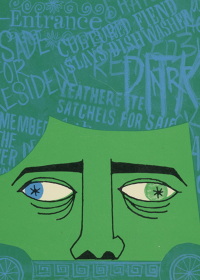
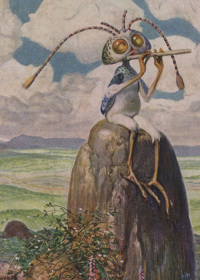
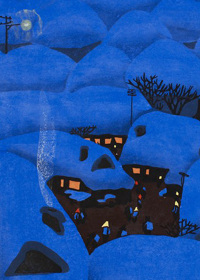
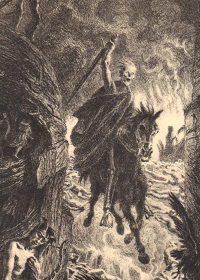
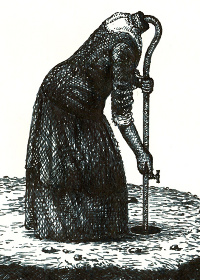
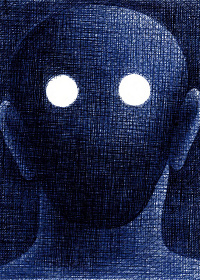
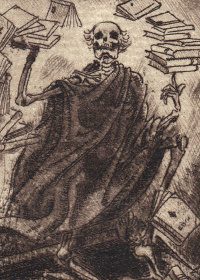
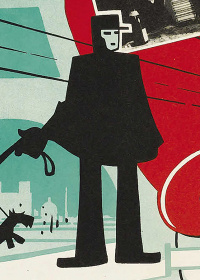
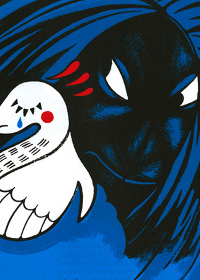
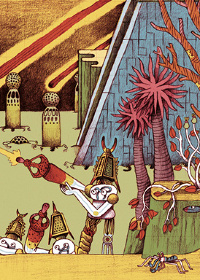
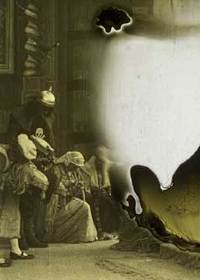
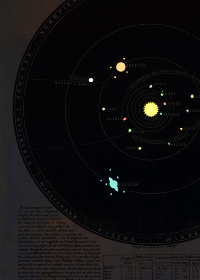
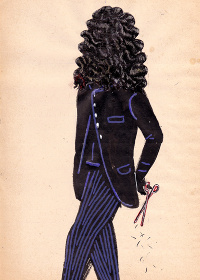
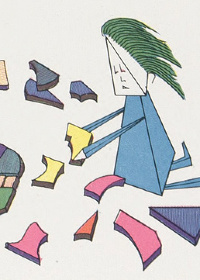
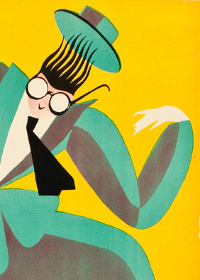
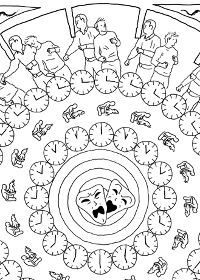
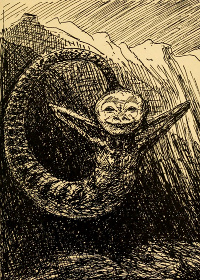
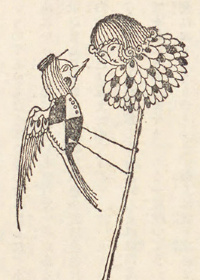
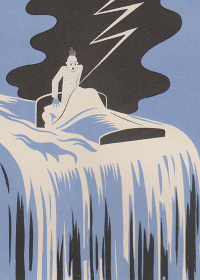
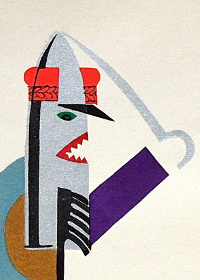
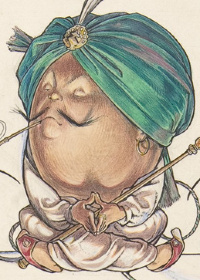
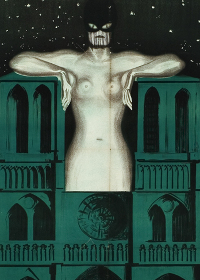
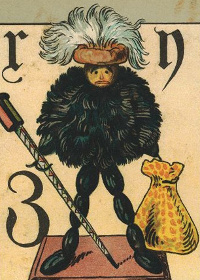
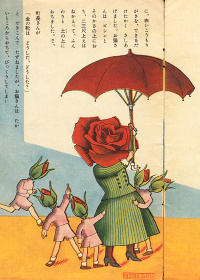
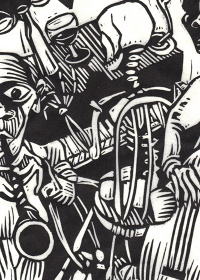
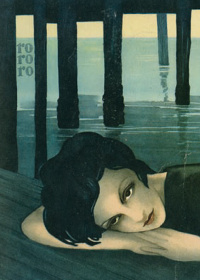
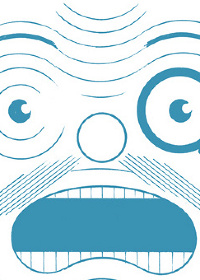
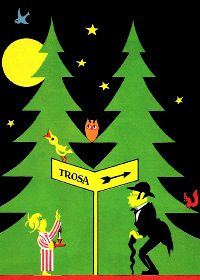
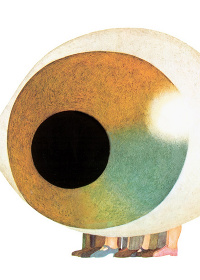
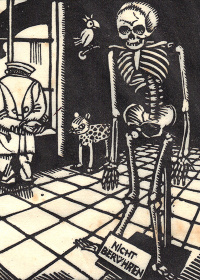
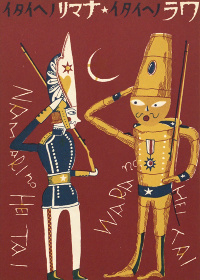
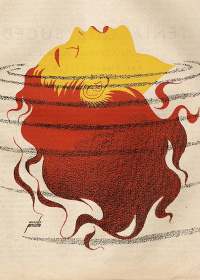
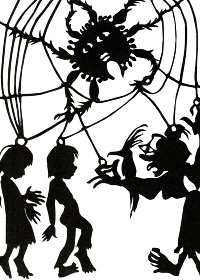
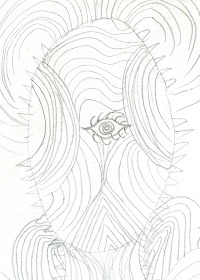
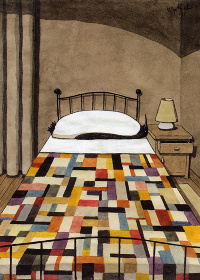
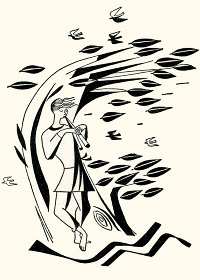
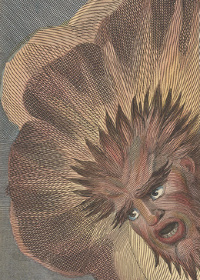
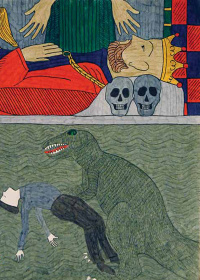
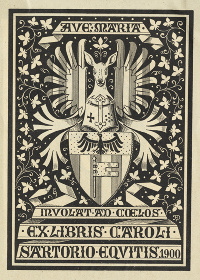
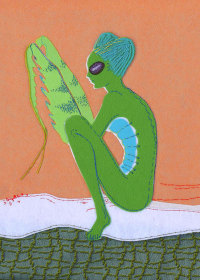
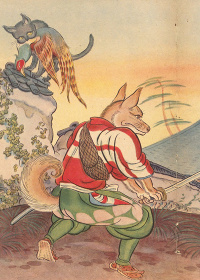
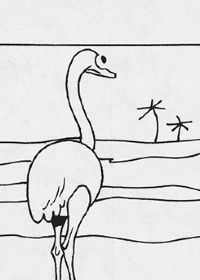
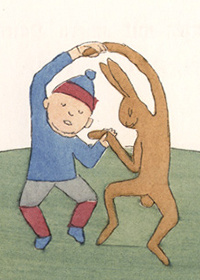
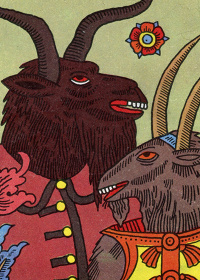
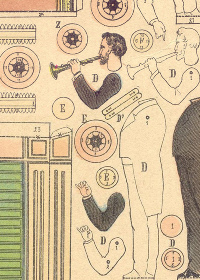
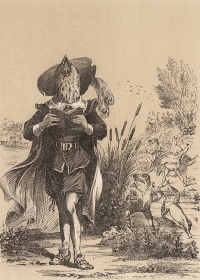
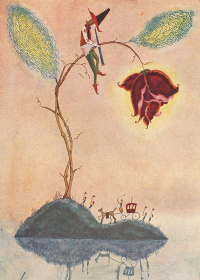
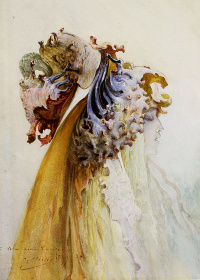
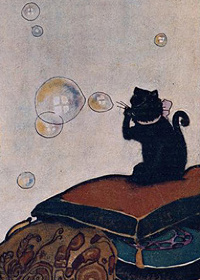
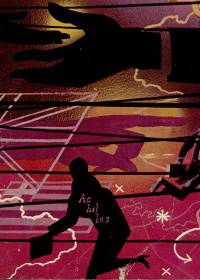
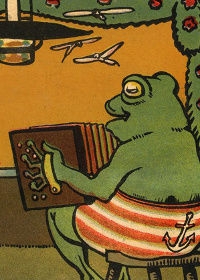
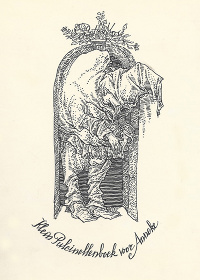
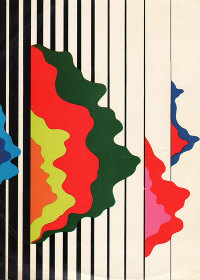
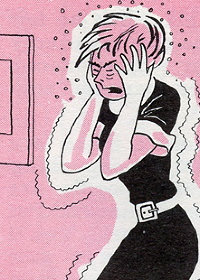
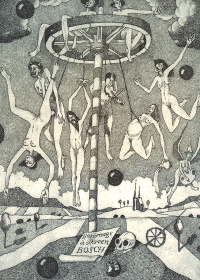
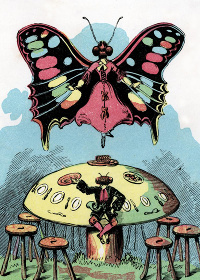
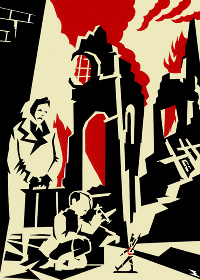
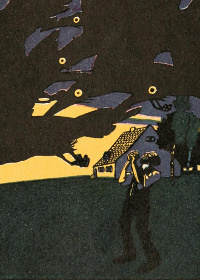
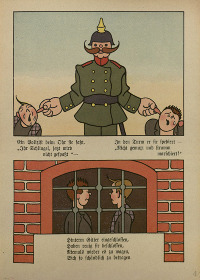
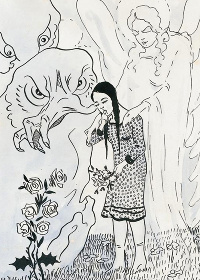
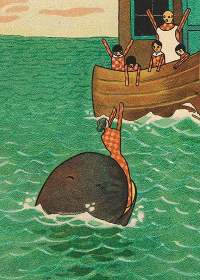
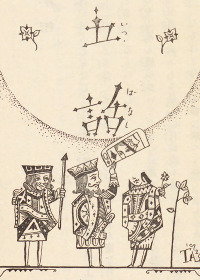
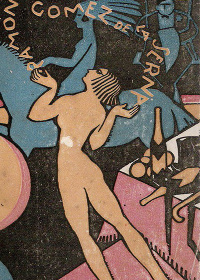
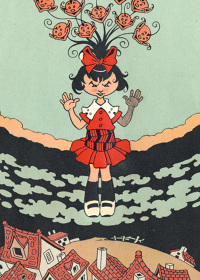
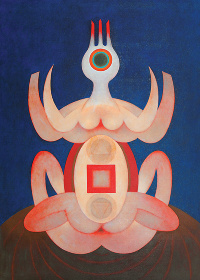
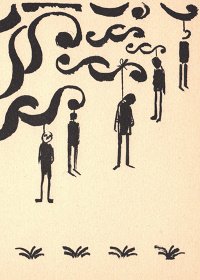
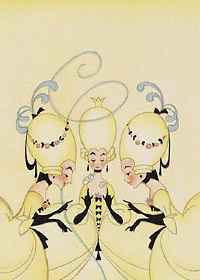
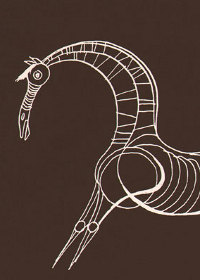
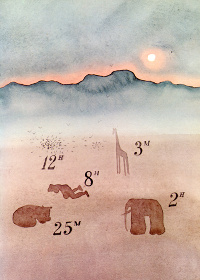
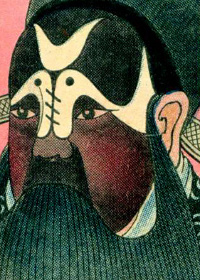
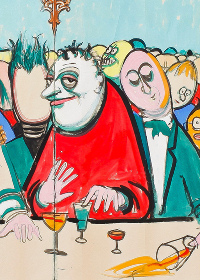
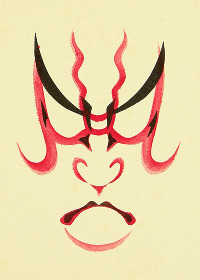
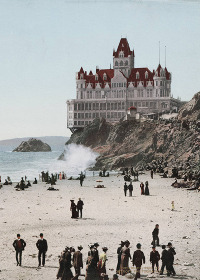
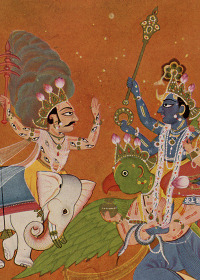
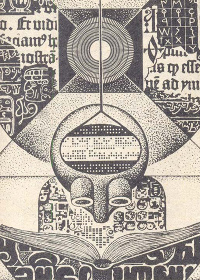
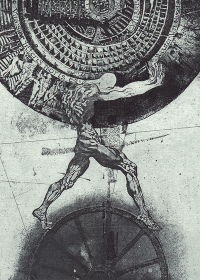
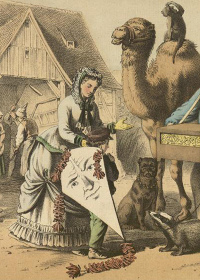
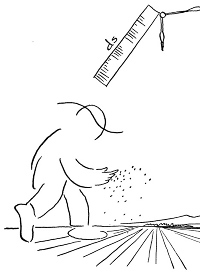
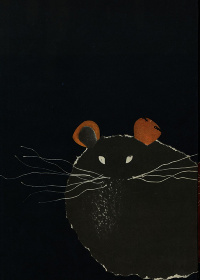
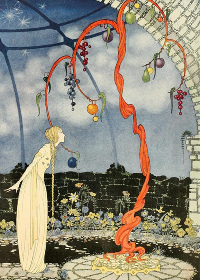
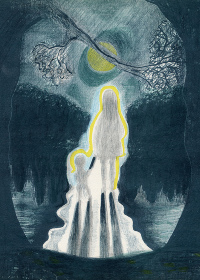
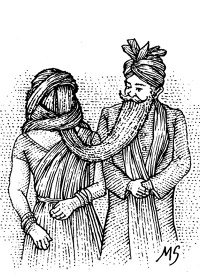
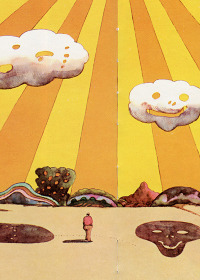
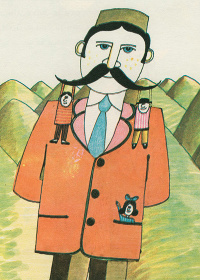
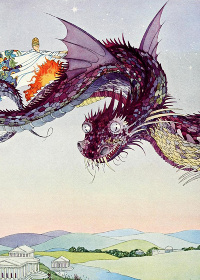
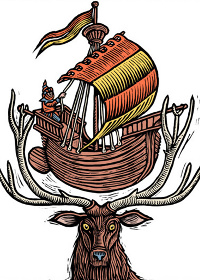
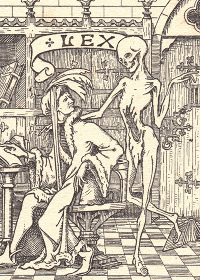
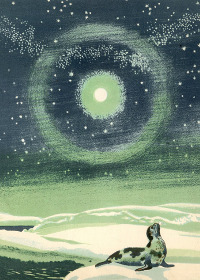
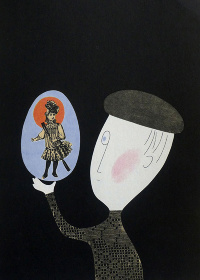
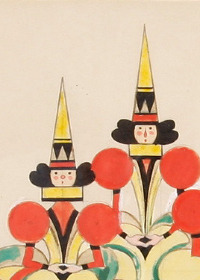
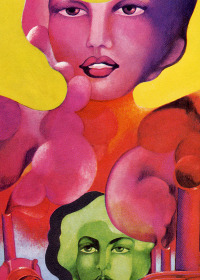
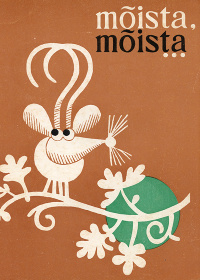
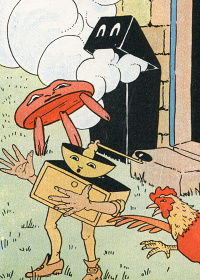
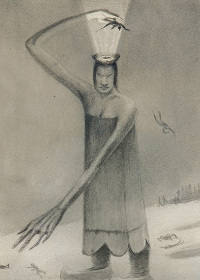
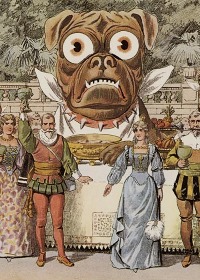
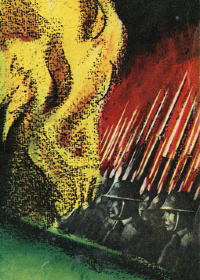
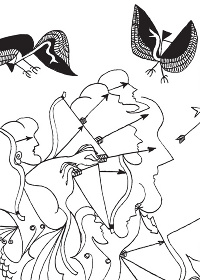
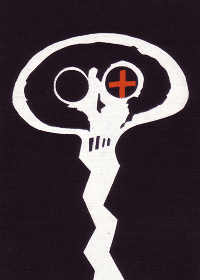
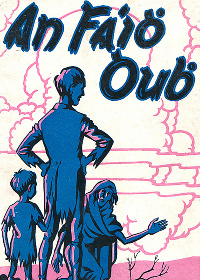
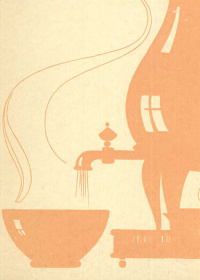
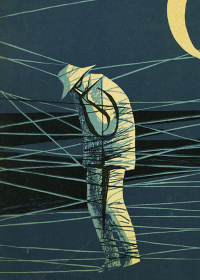
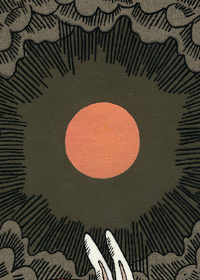
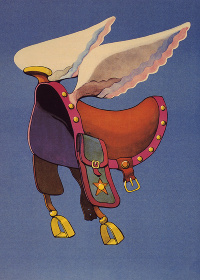
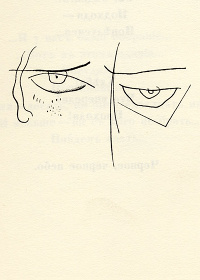
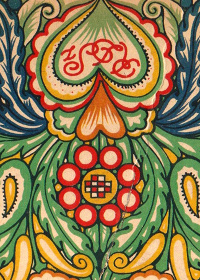
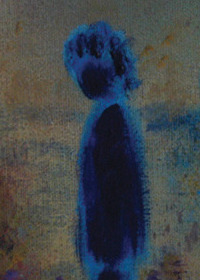
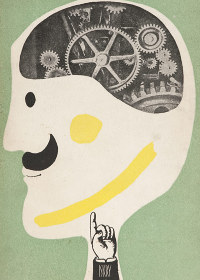
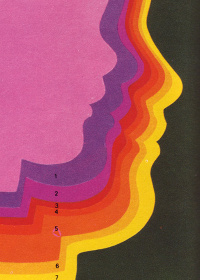
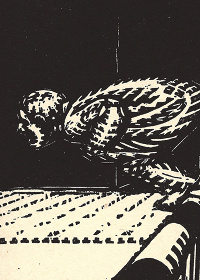
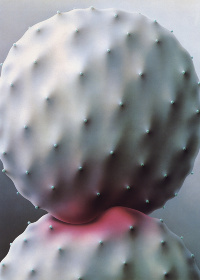
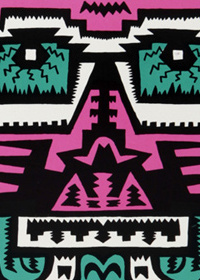
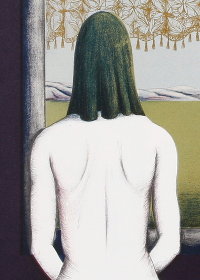
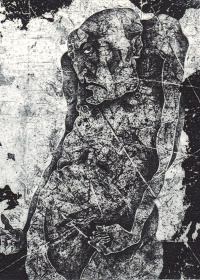
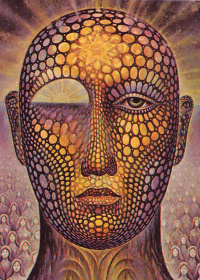
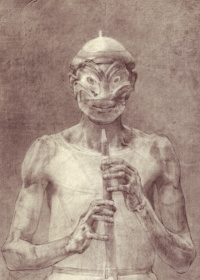
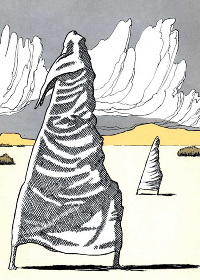
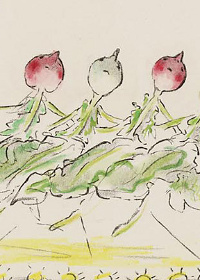
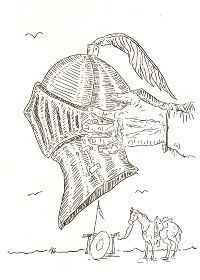
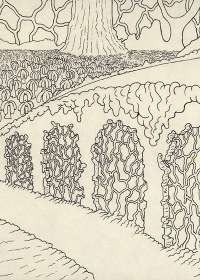
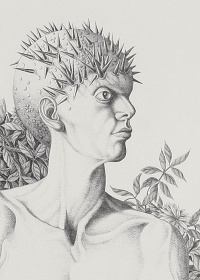
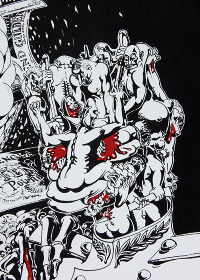
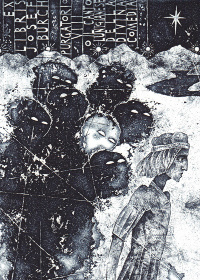
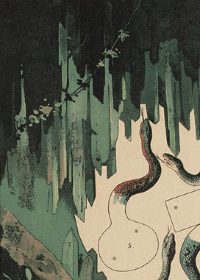
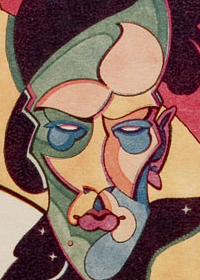
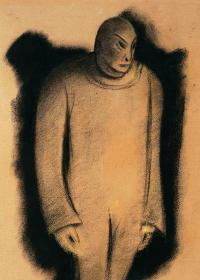
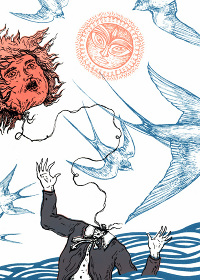
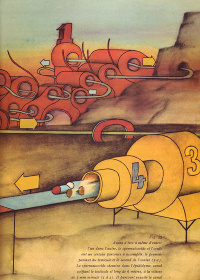
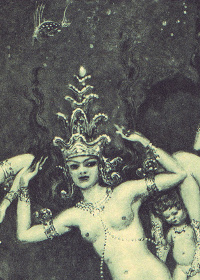
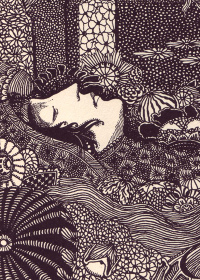
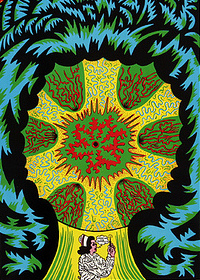
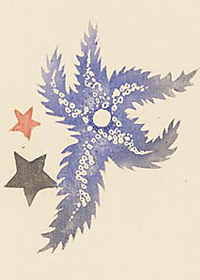
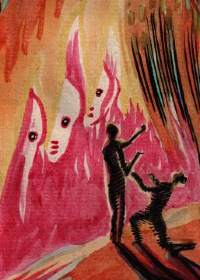
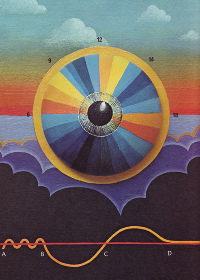
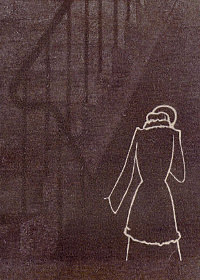
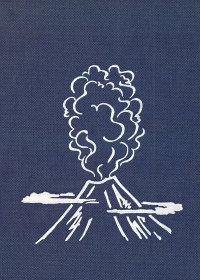
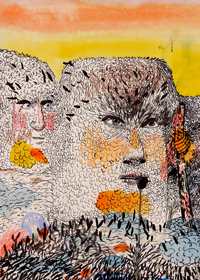
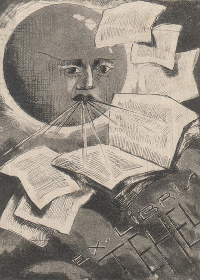
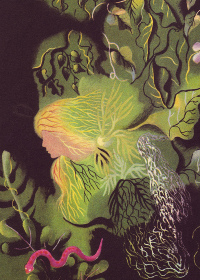
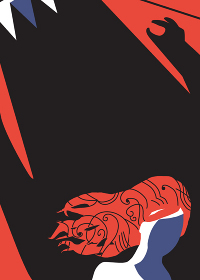
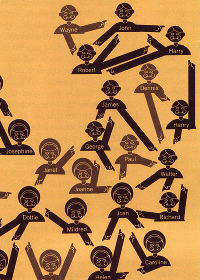
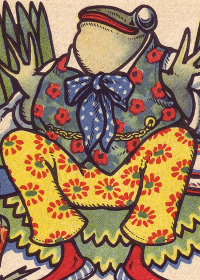
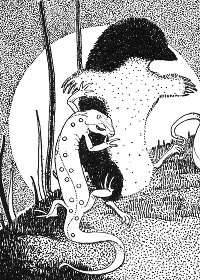
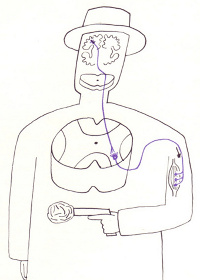
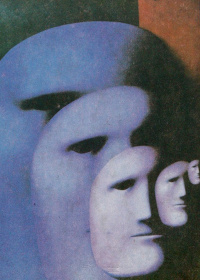
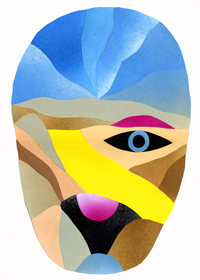
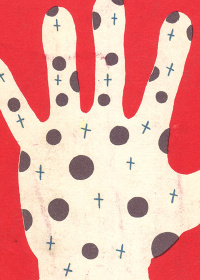
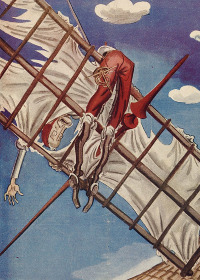
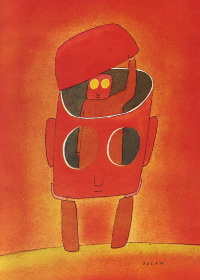
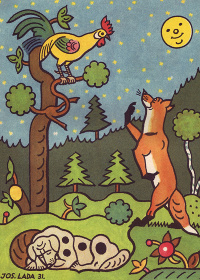
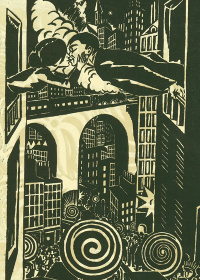
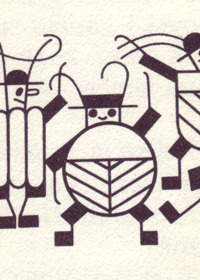
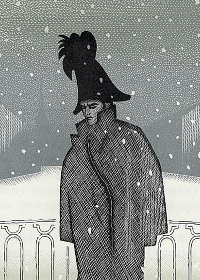
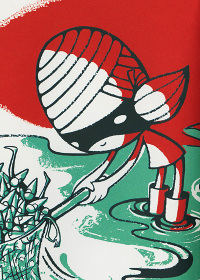
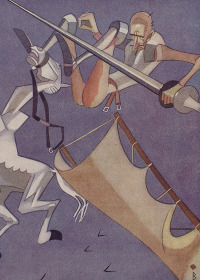
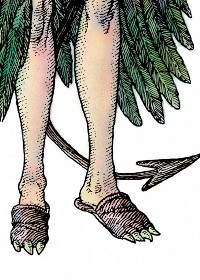
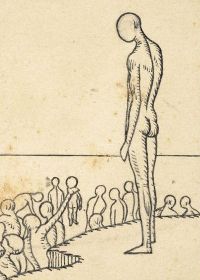
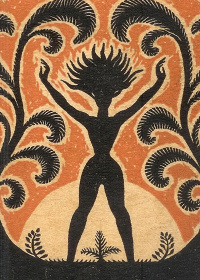
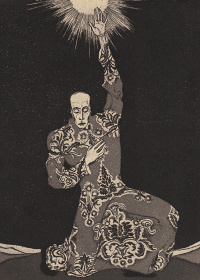
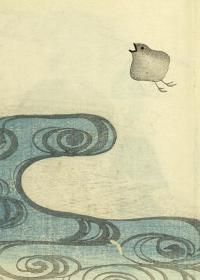
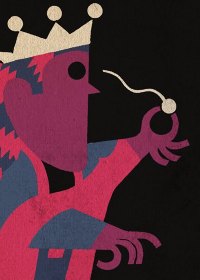
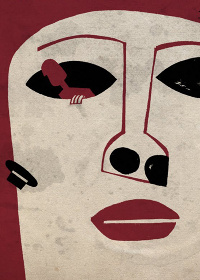
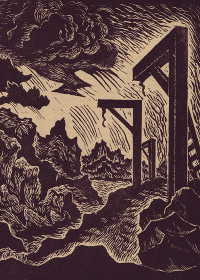
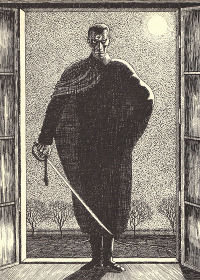
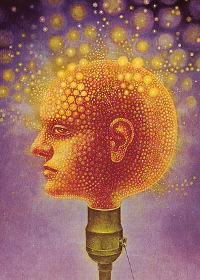
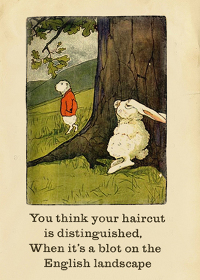
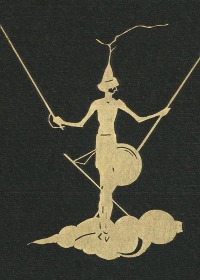
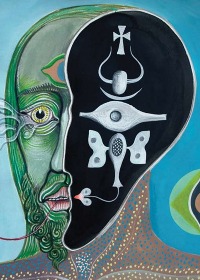
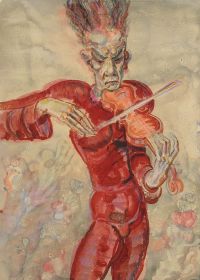
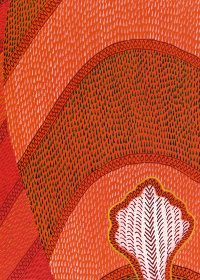
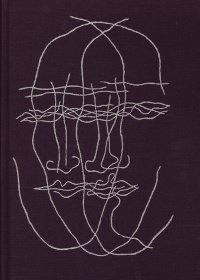
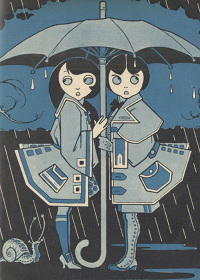
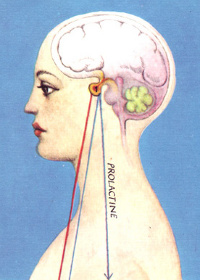
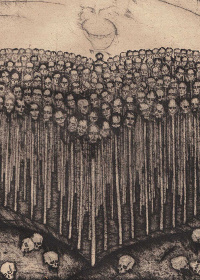
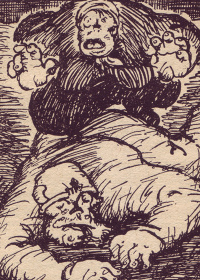
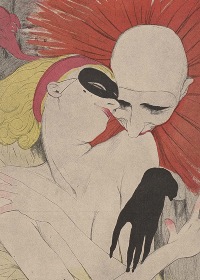
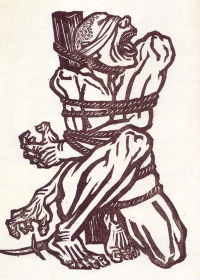
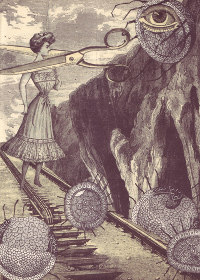
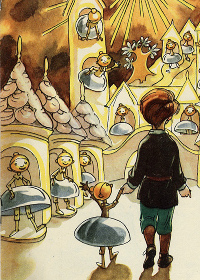
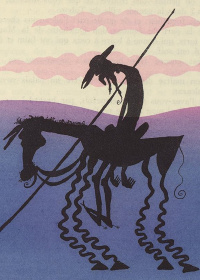
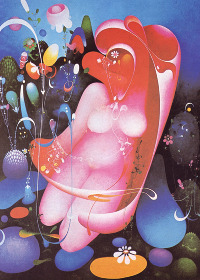
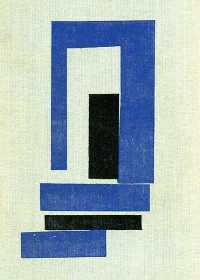
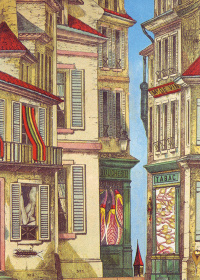
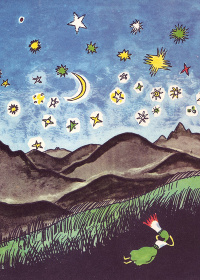
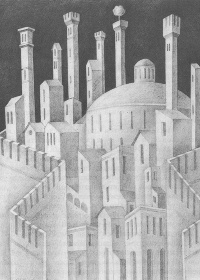
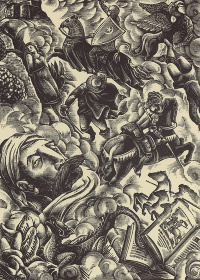
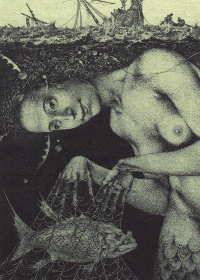
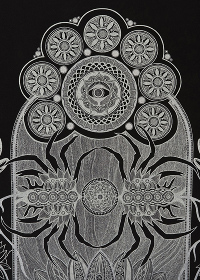
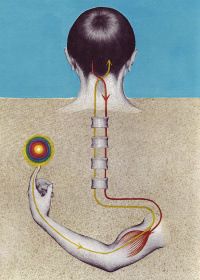
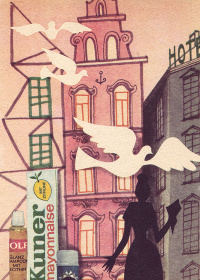
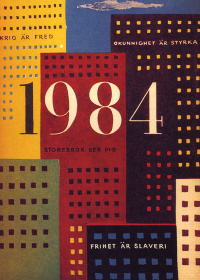
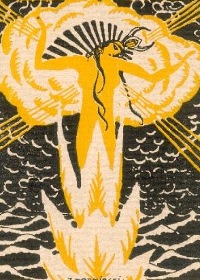
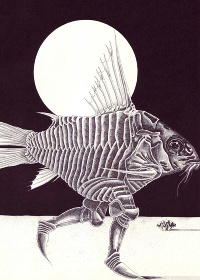
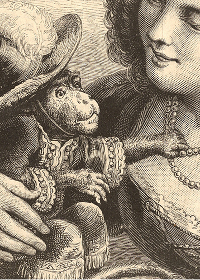
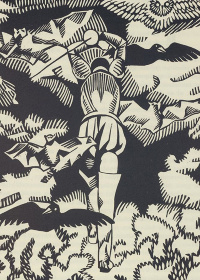
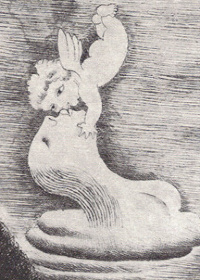
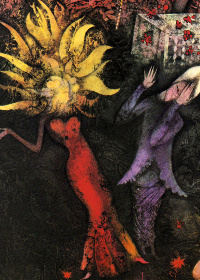
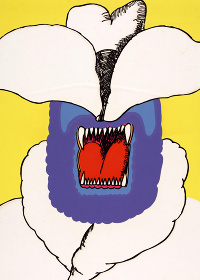
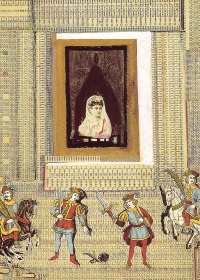
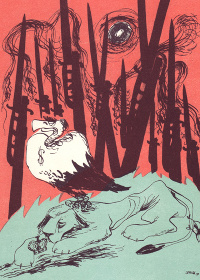
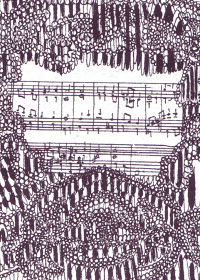
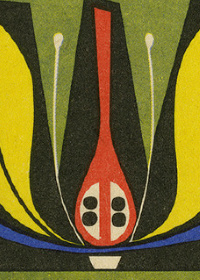
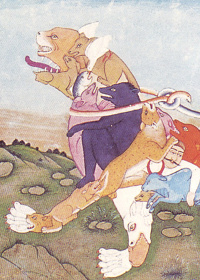
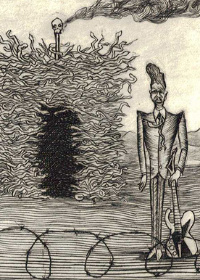
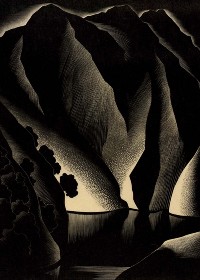
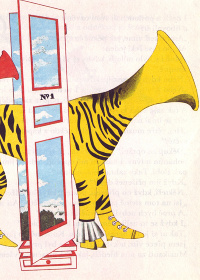
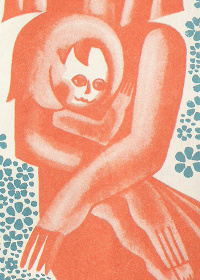
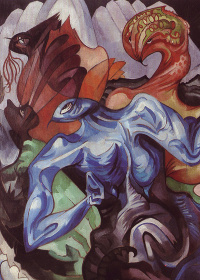
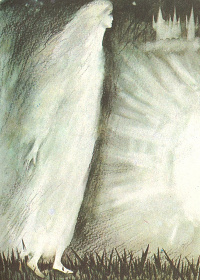
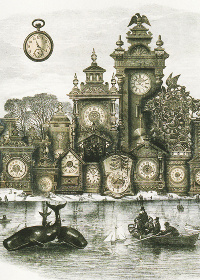
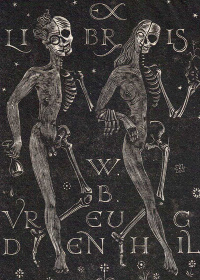
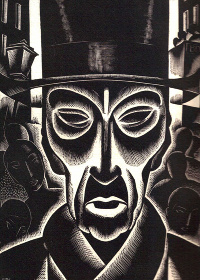
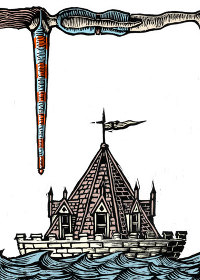
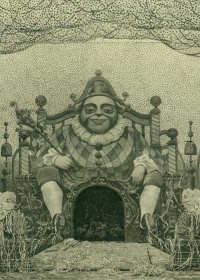
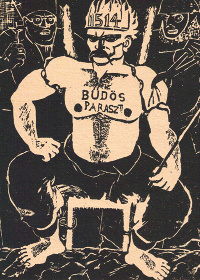
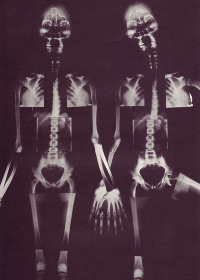
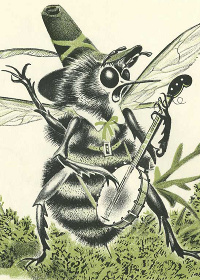
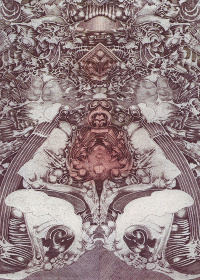
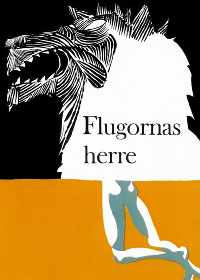
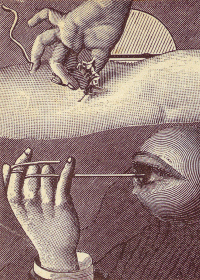
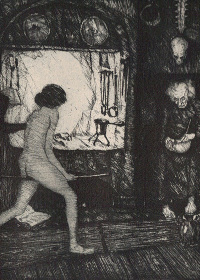
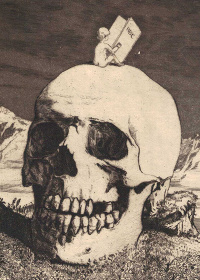
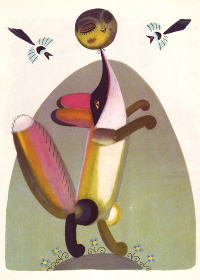
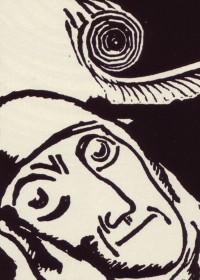
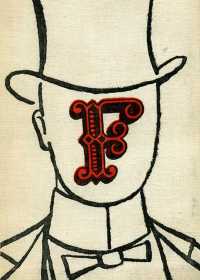
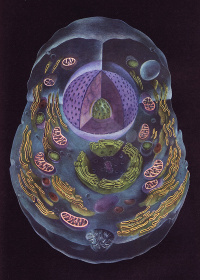
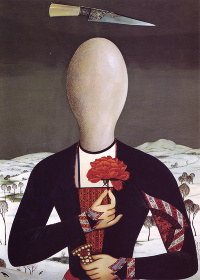
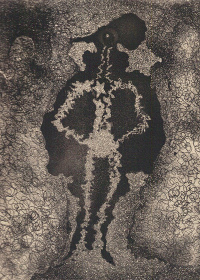
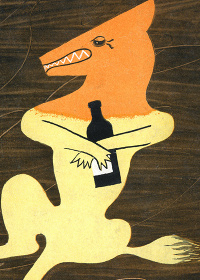
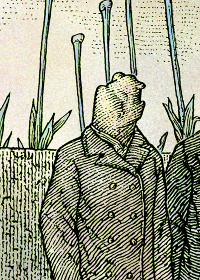
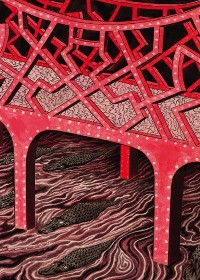
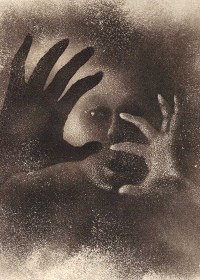
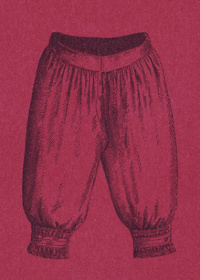
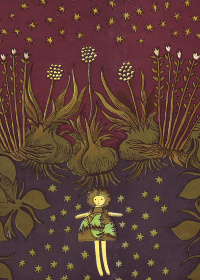
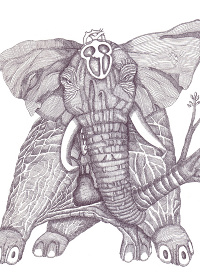
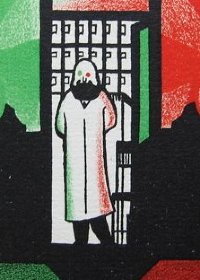
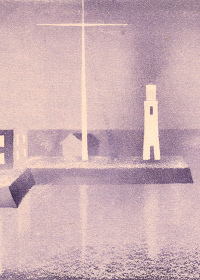
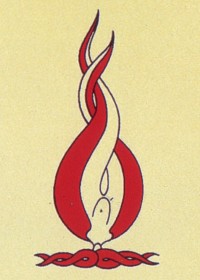
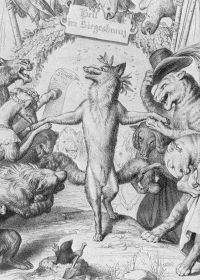
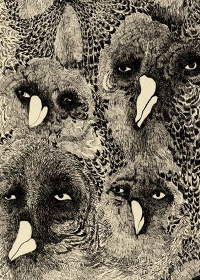
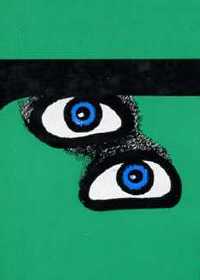
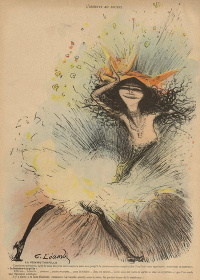
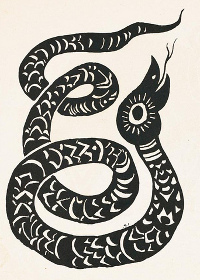
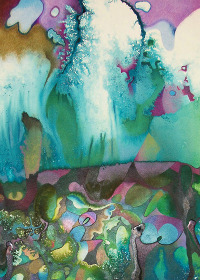
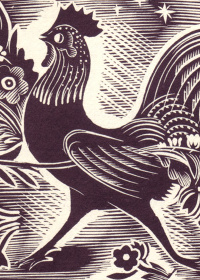
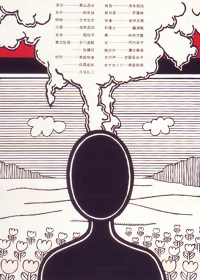
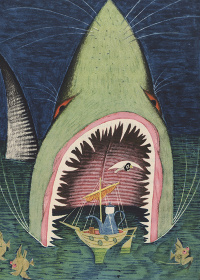
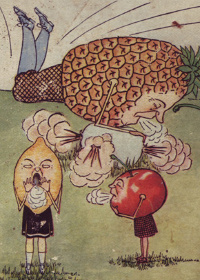
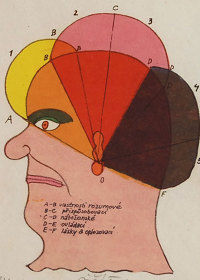
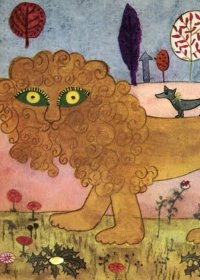
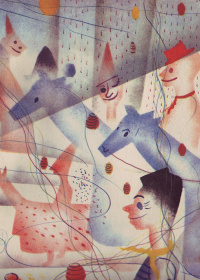
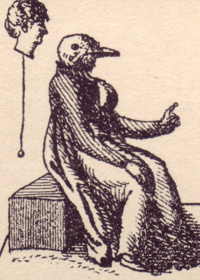
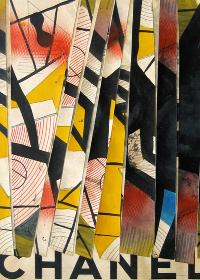
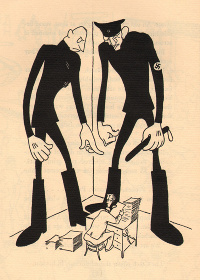
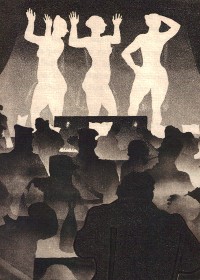
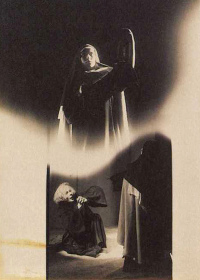
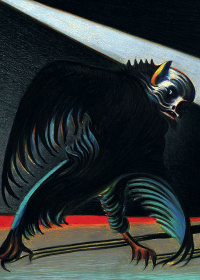
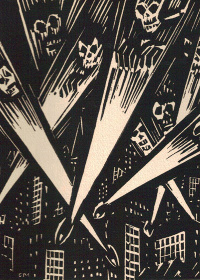
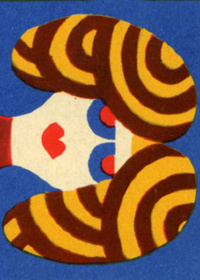
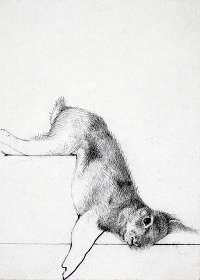
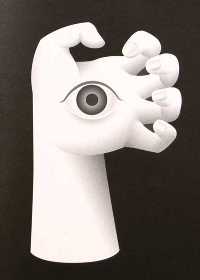
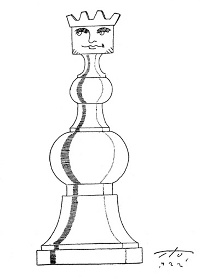
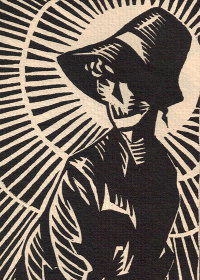
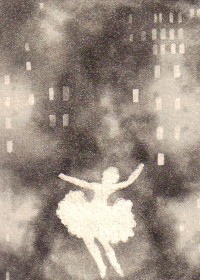
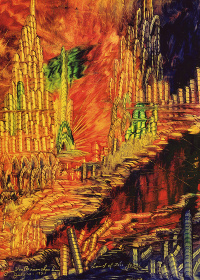
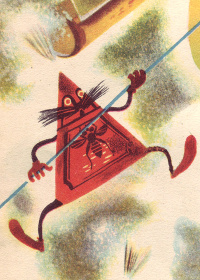
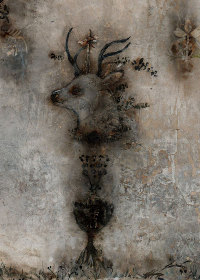
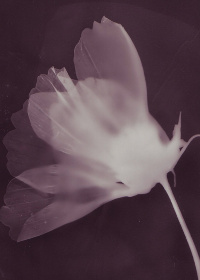
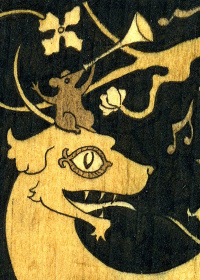
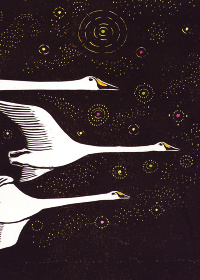
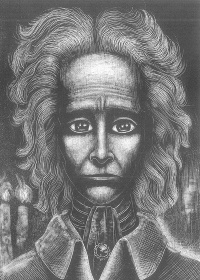
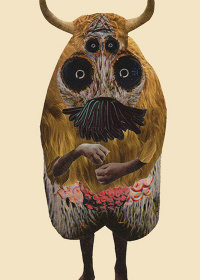
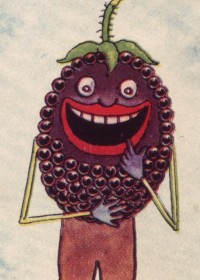
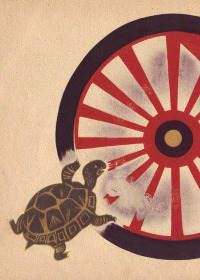
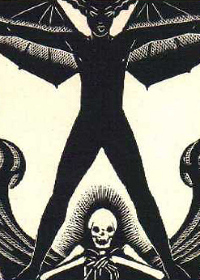
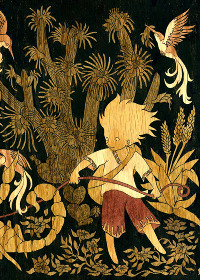
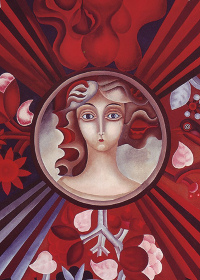
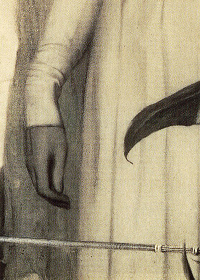
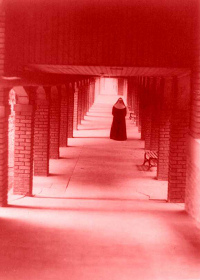
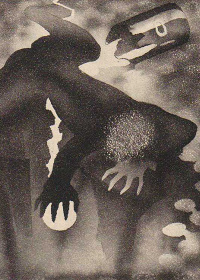
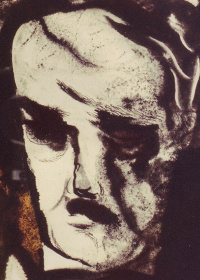
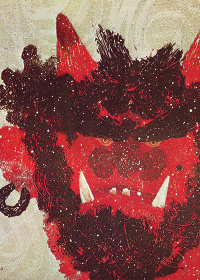
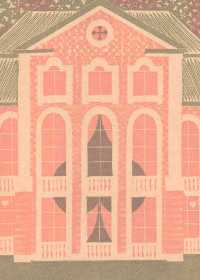
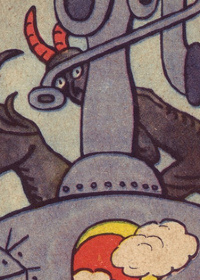
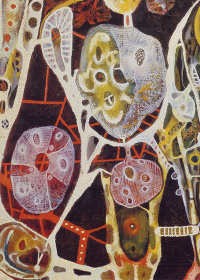
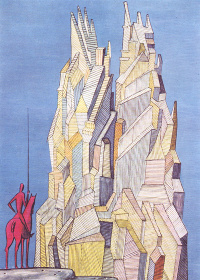
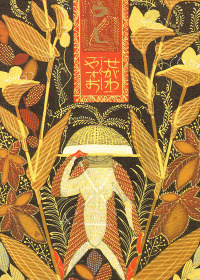
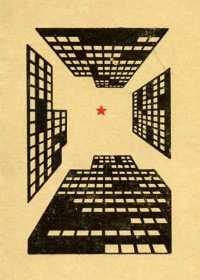
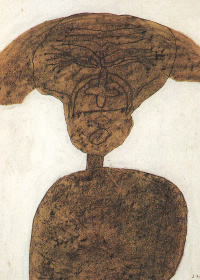
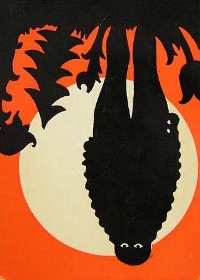
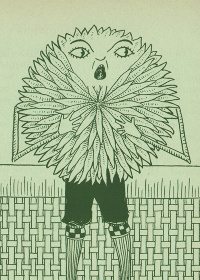
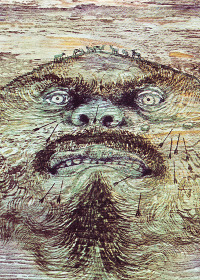
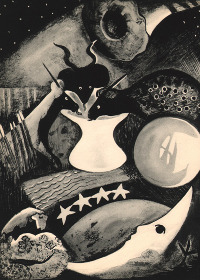
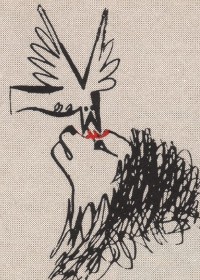
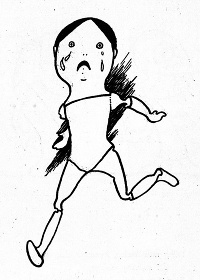
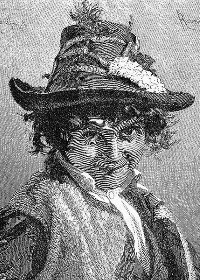
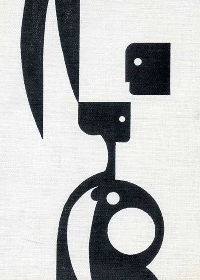
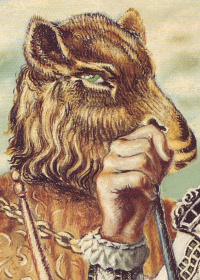
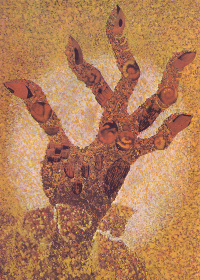
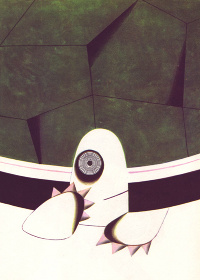
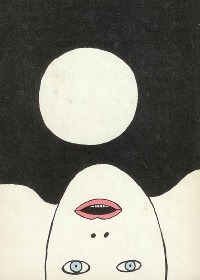
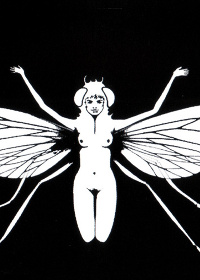
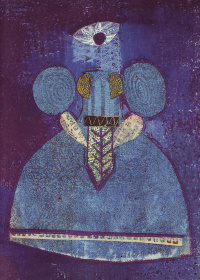
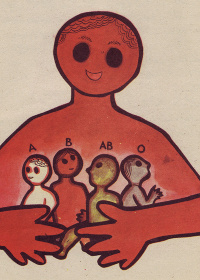
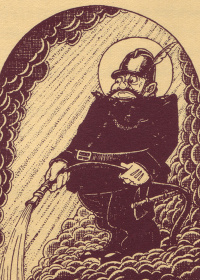
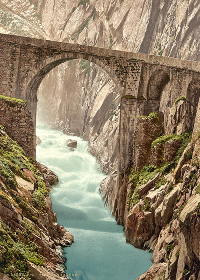
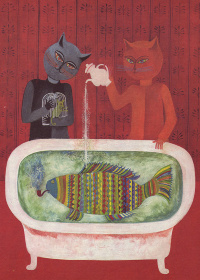
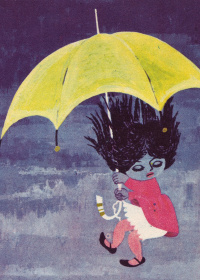
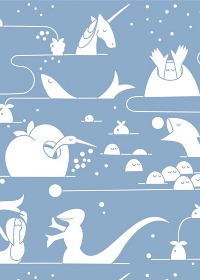
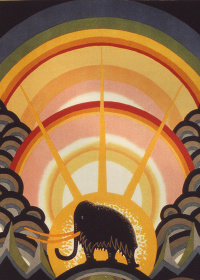
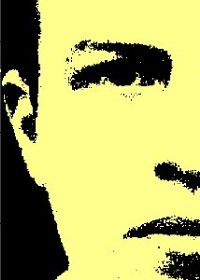
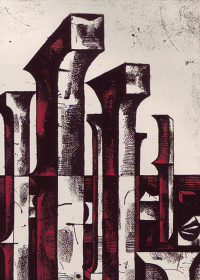
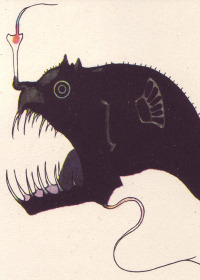
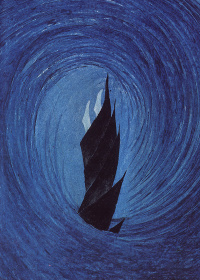
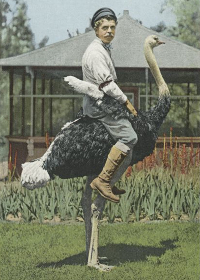
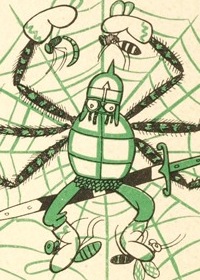
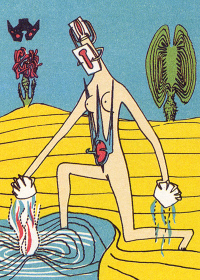
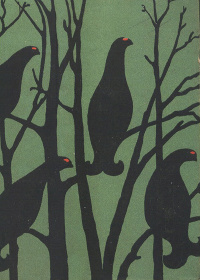
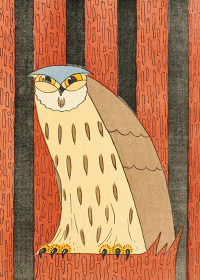
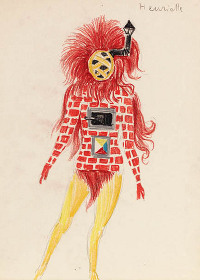
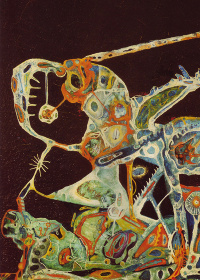
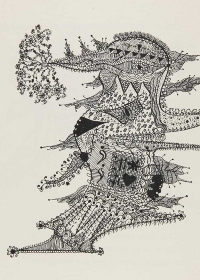
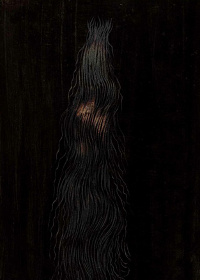
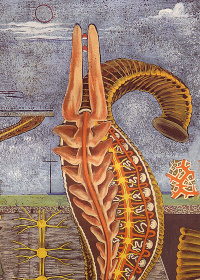
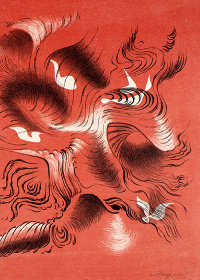
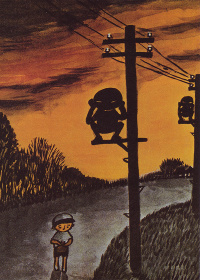
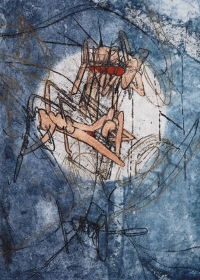
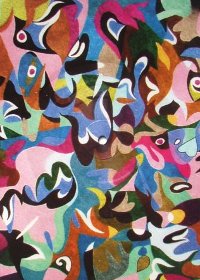
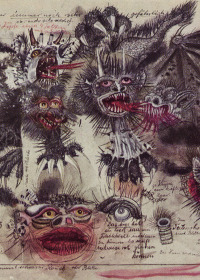
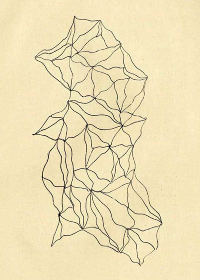
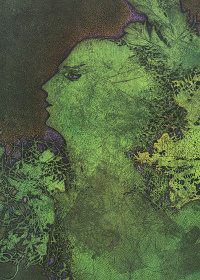
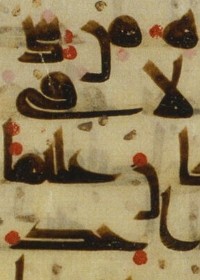
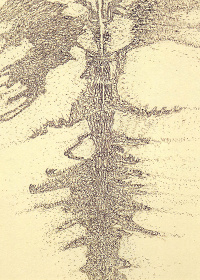
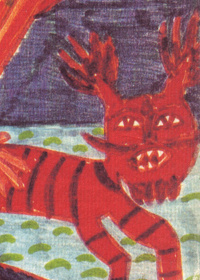
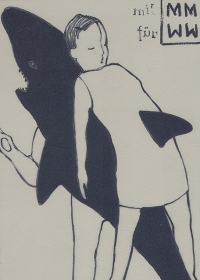
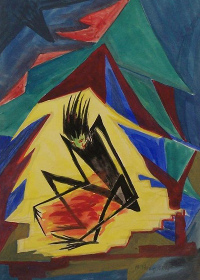
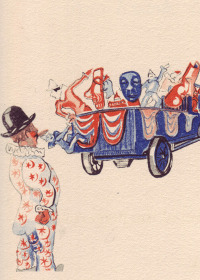
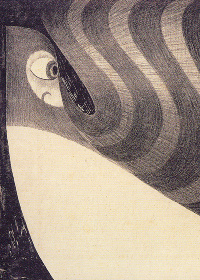
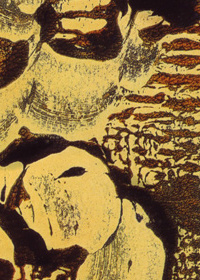
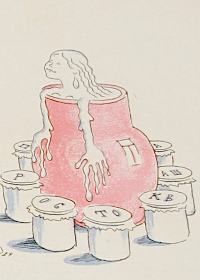
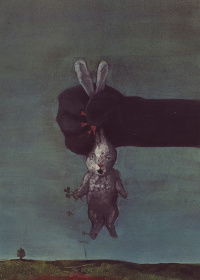
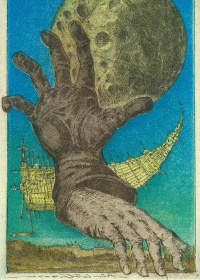
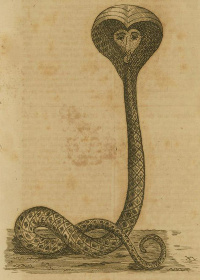
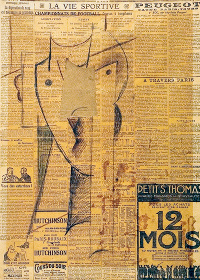
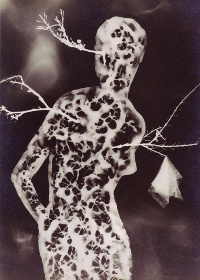
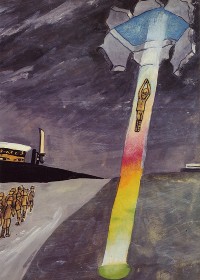
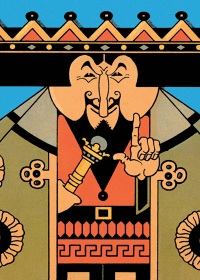
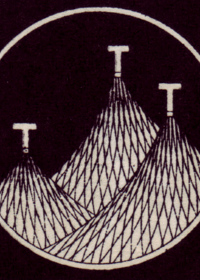
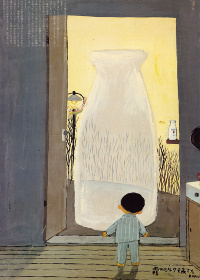
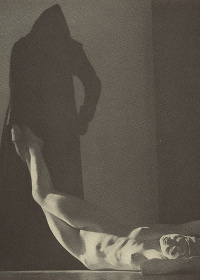
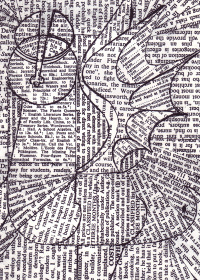
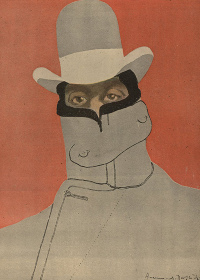
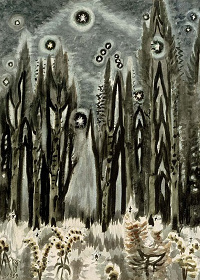
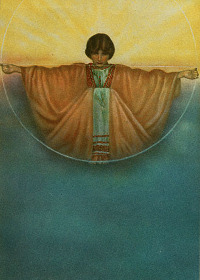
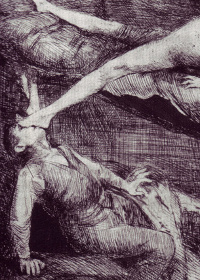
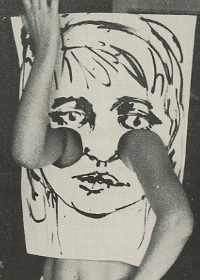
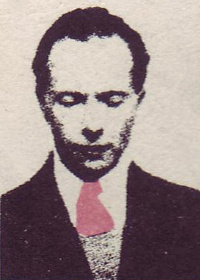
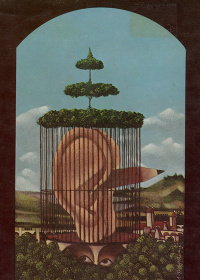
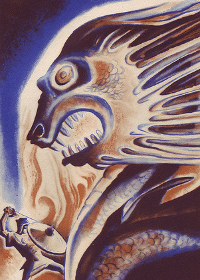
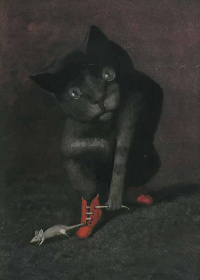
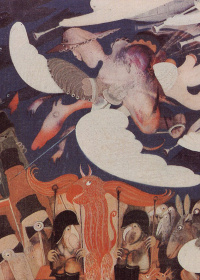
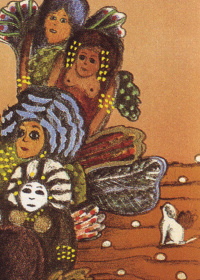
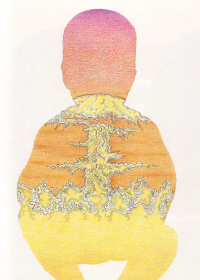
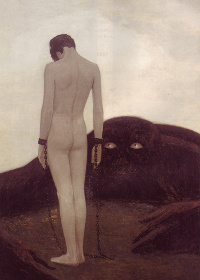
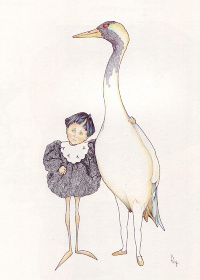
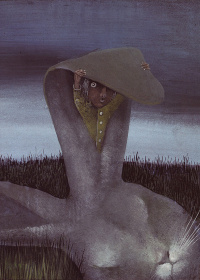
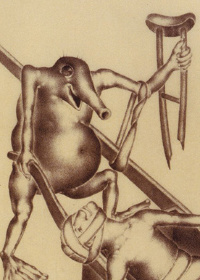
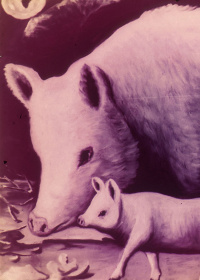
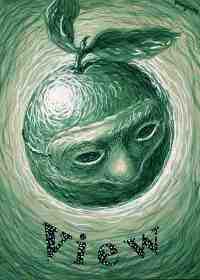
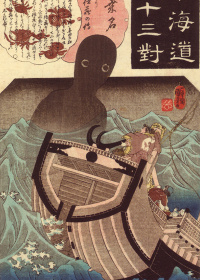
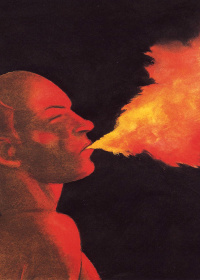
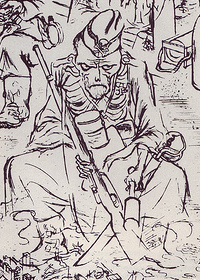
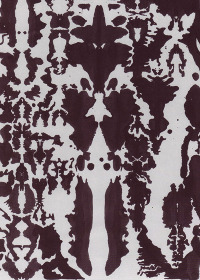
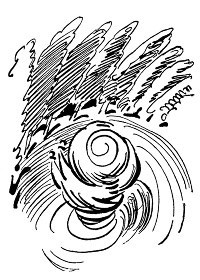
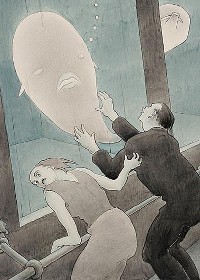
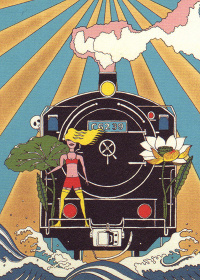
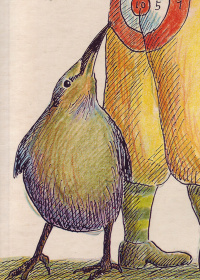
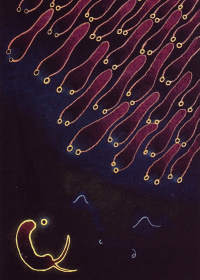
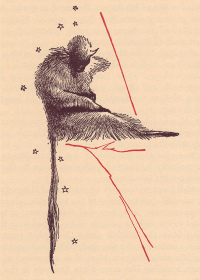
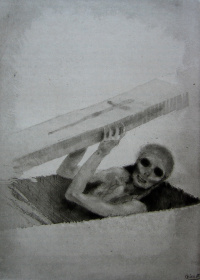
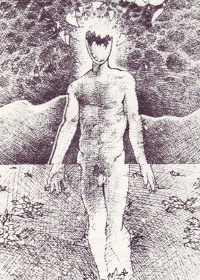
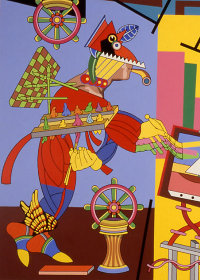
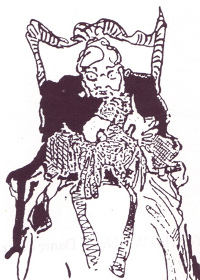
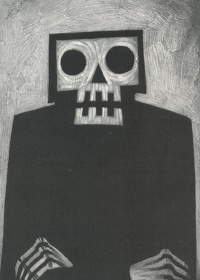
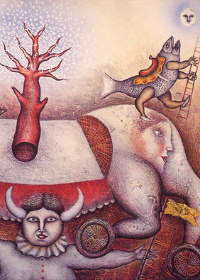
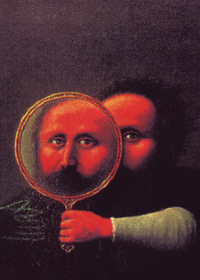
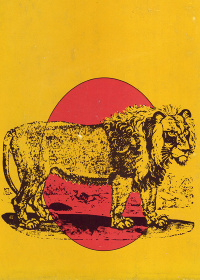
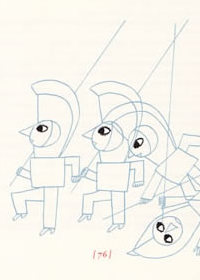
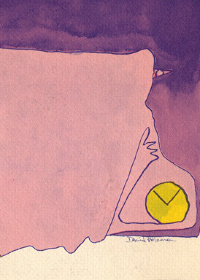
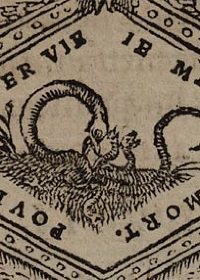
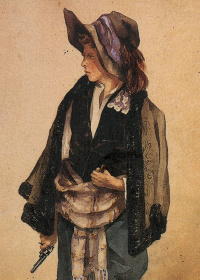
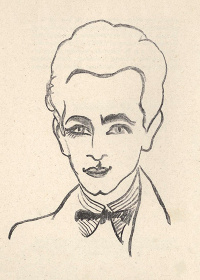
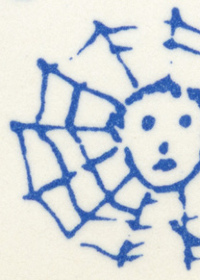
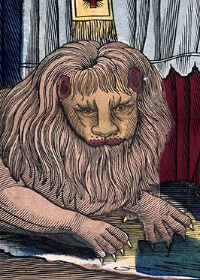
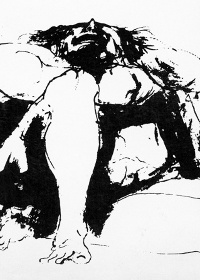
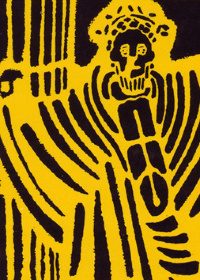
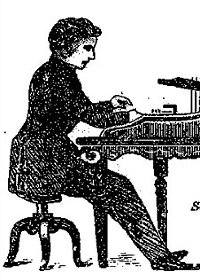
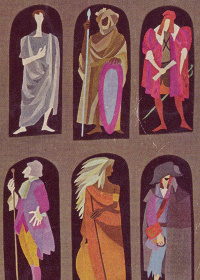
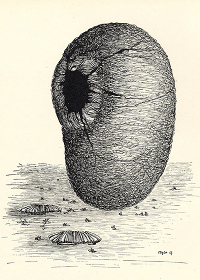
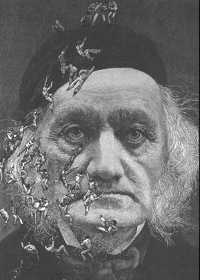
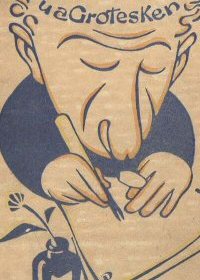
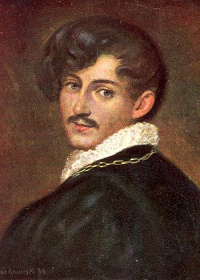
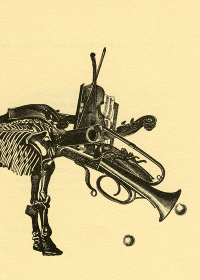
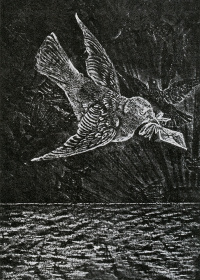
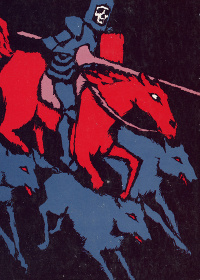
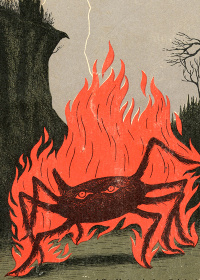
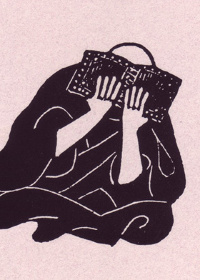
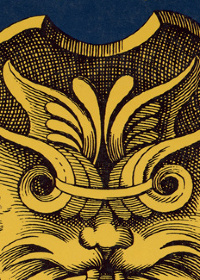
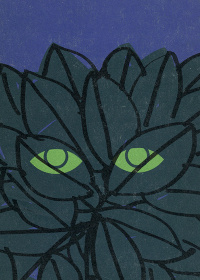
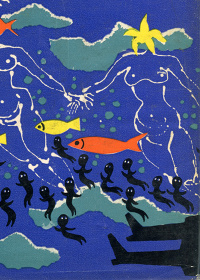
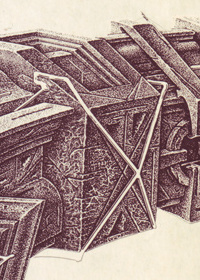
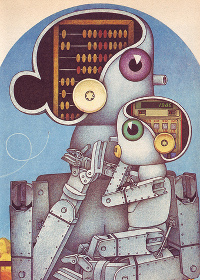
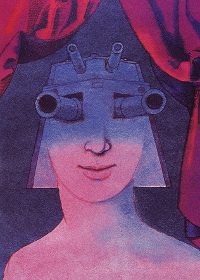
Illustrations by A. Alexeieff for Russian Fairy Tales, 1945. After seeing this September 2009 post, book collector extraordinaire Richard Sica got in touch and began contributing images from Alexeieff and others. See all Alexeieff posts on Bookers Buzz.
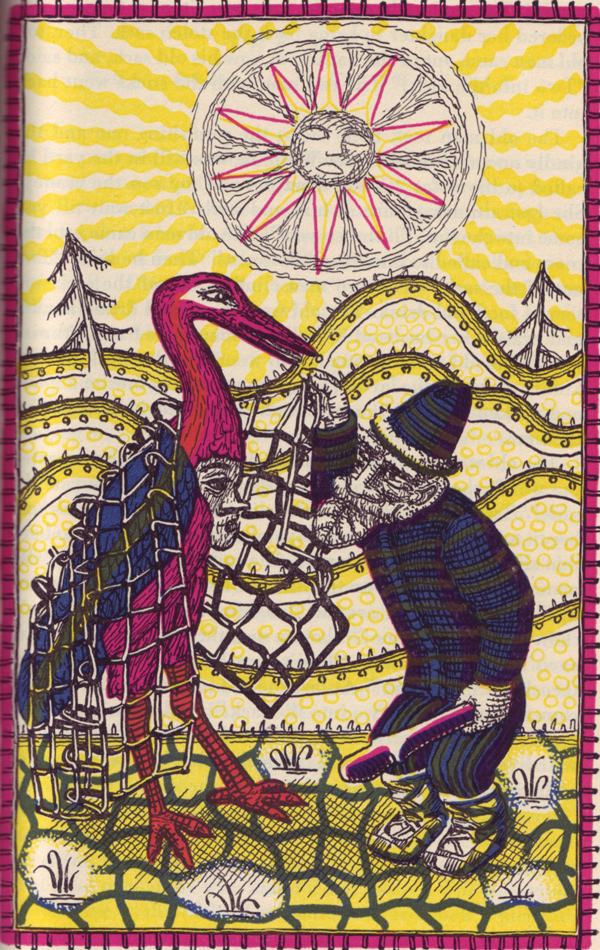
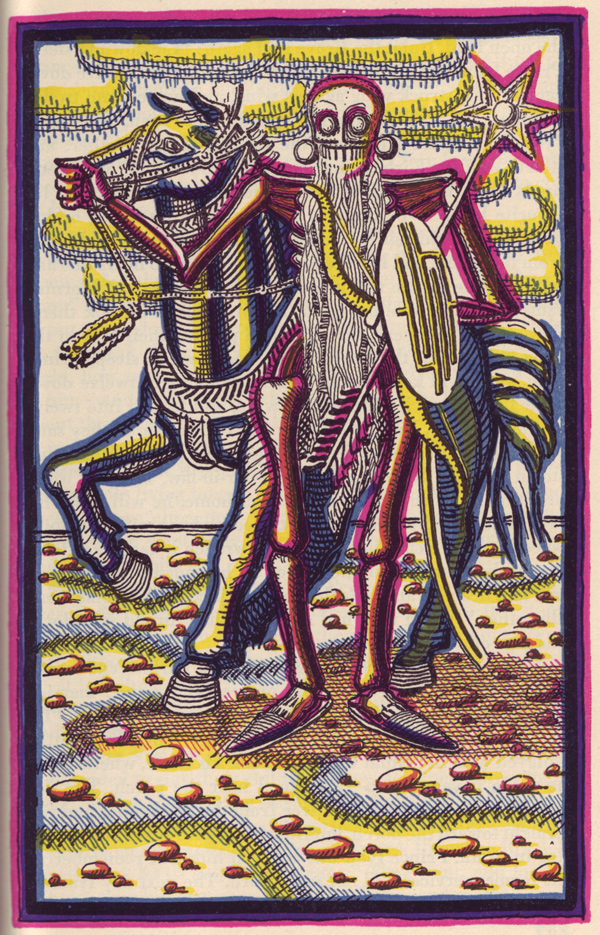
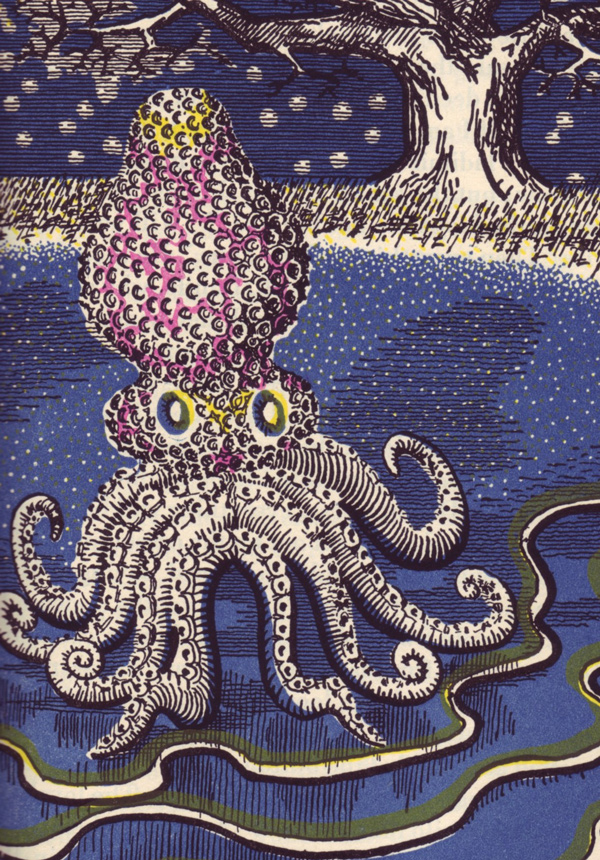
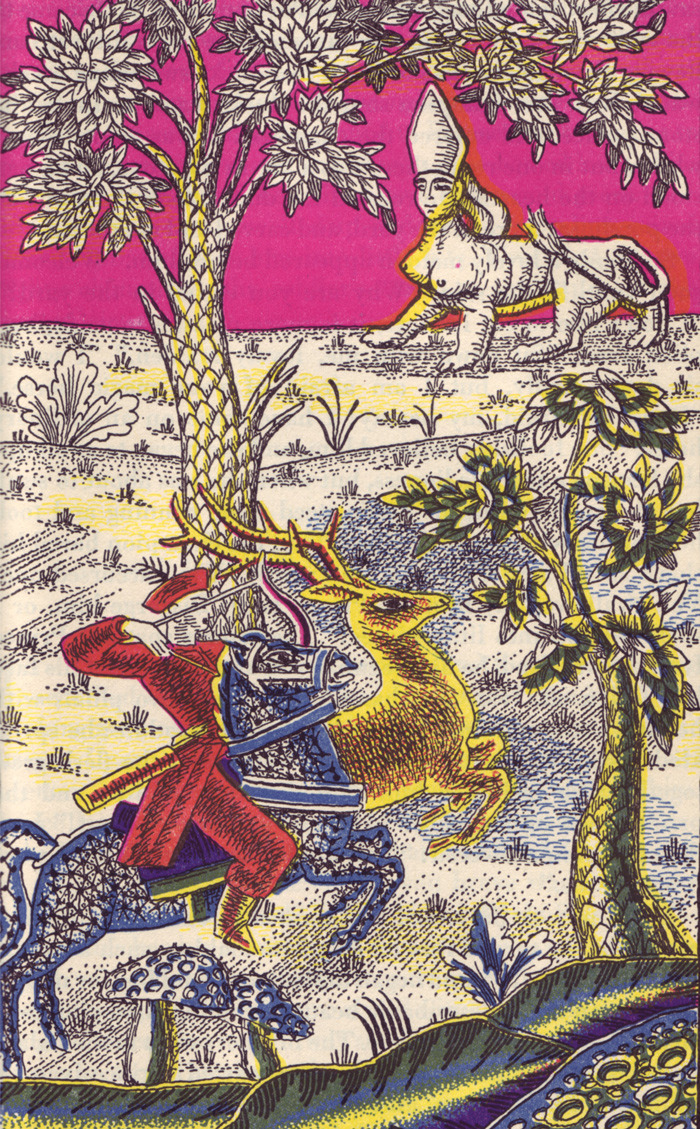
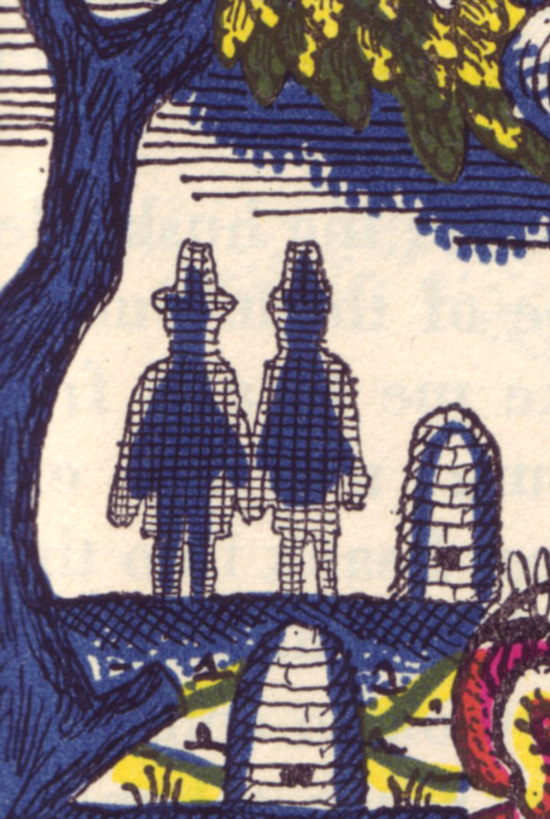
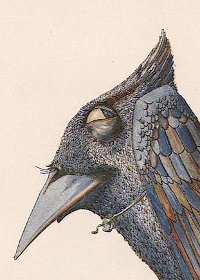
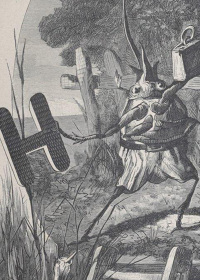
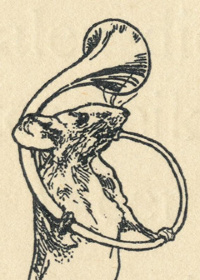
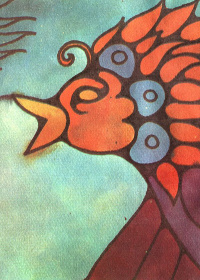
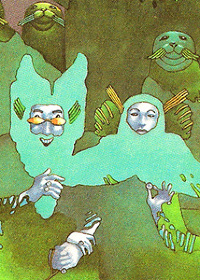
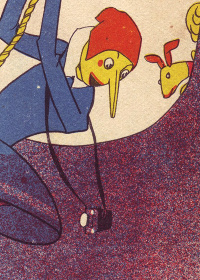
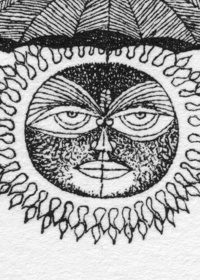
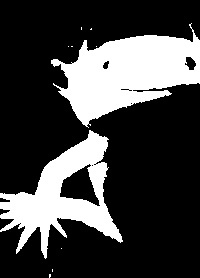
detail (not even the most interesting detail from that image, and yet...)
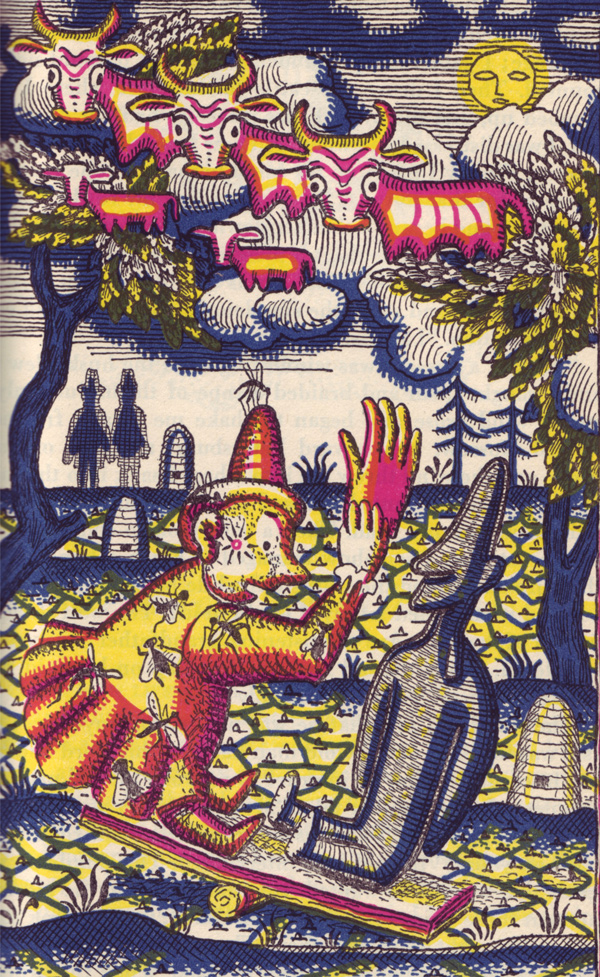
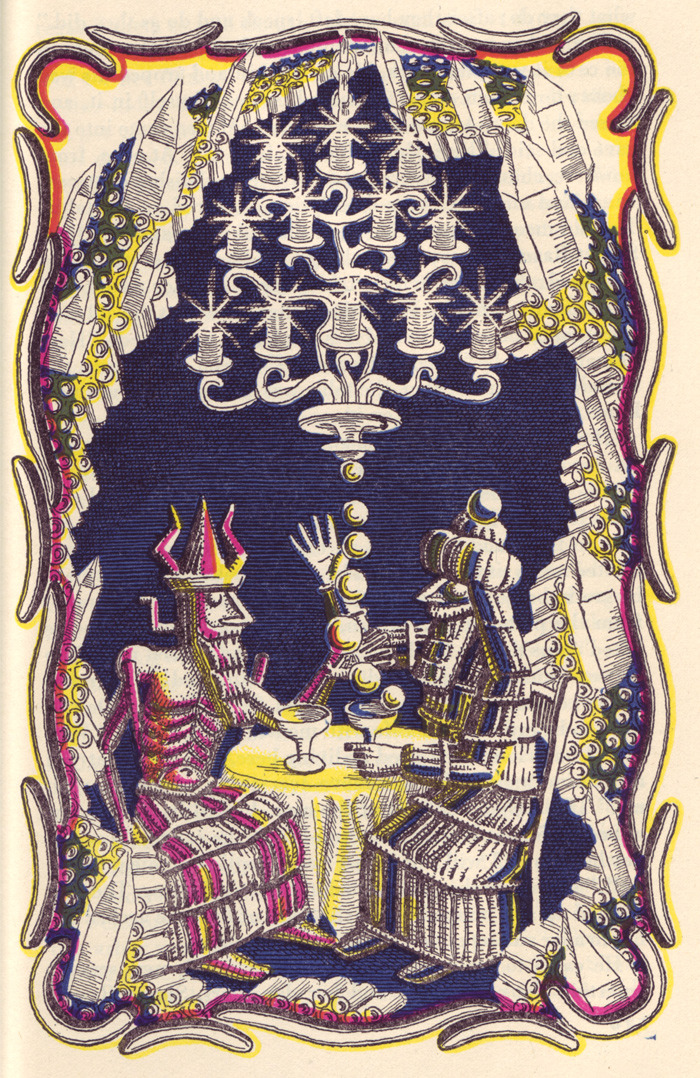

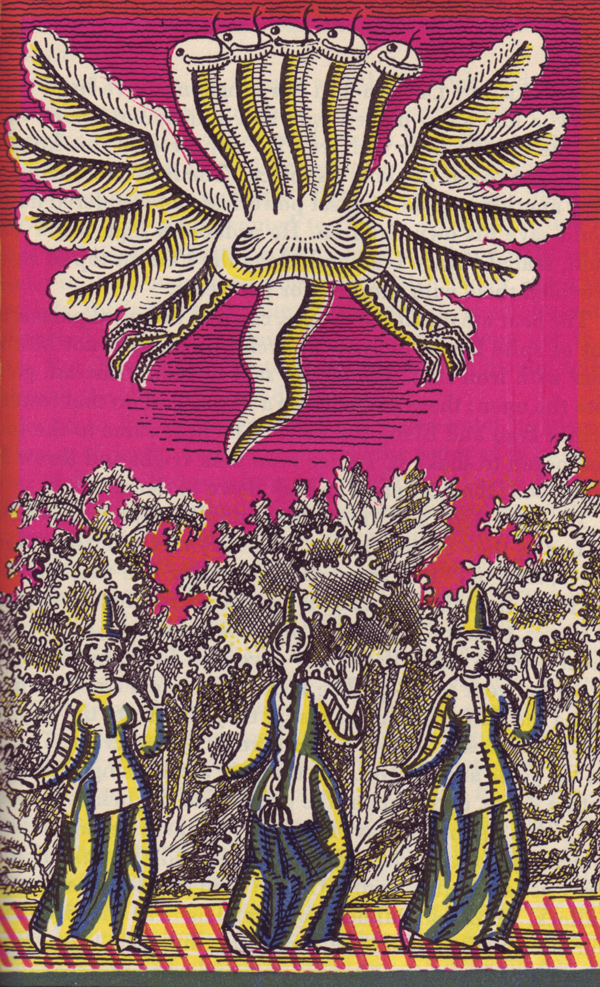
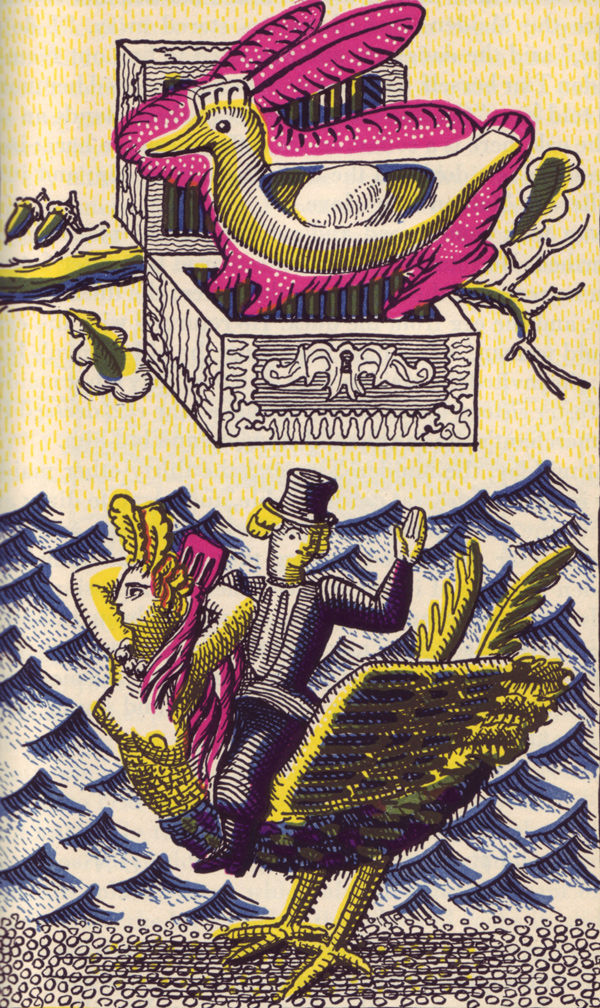
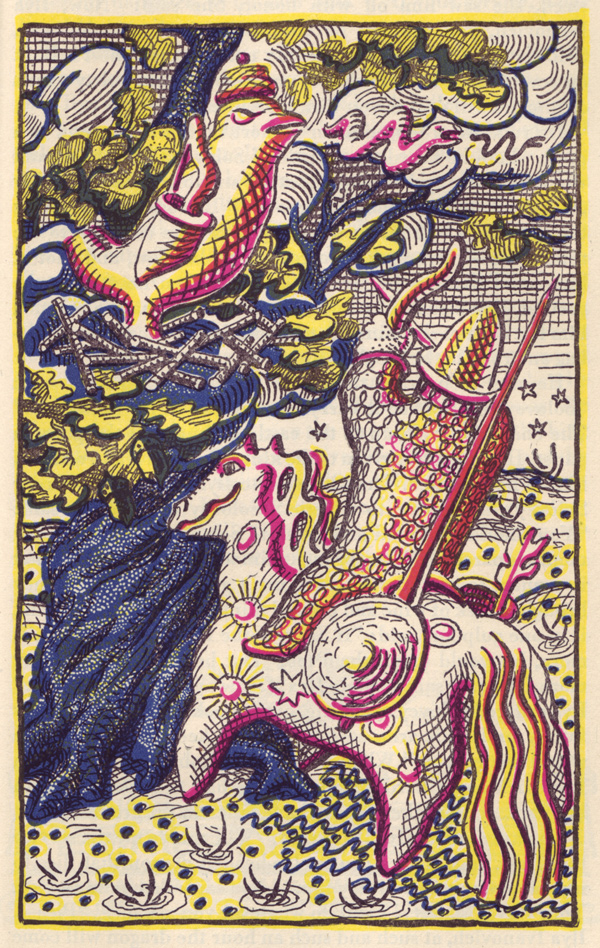
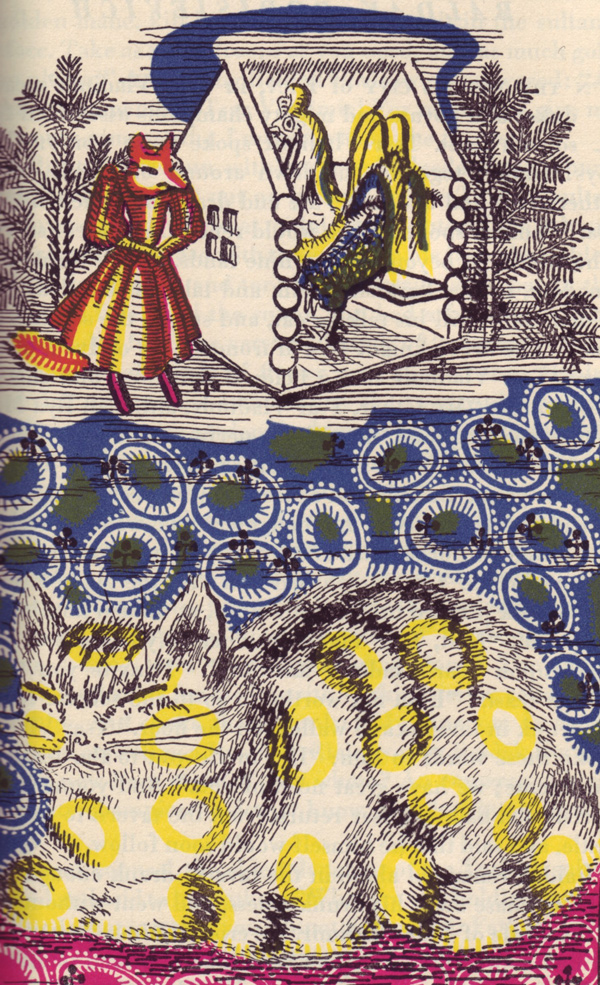
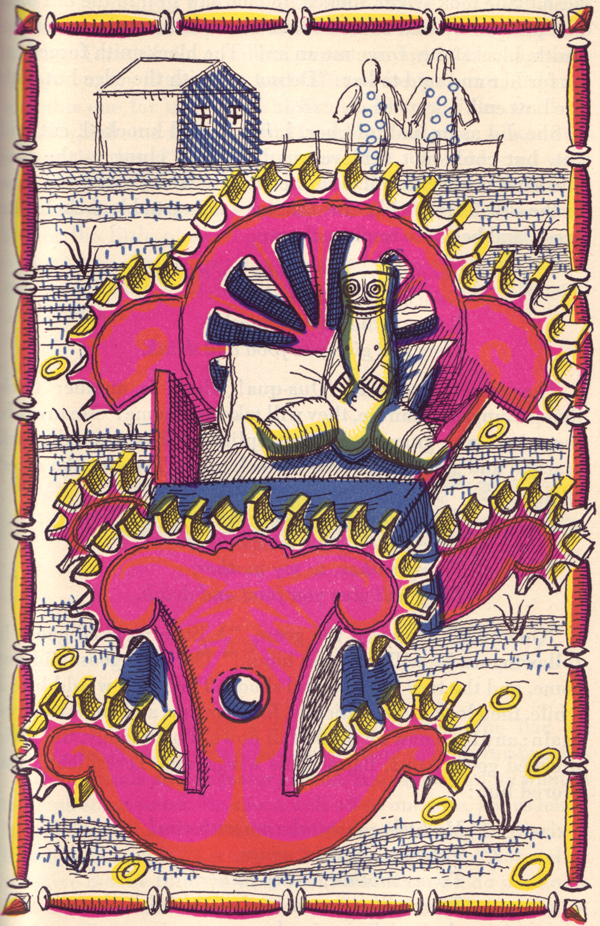
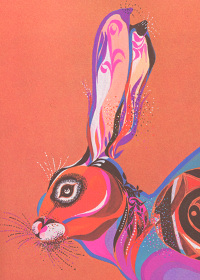
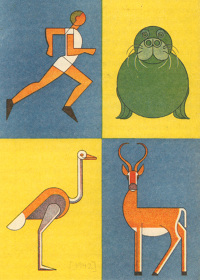
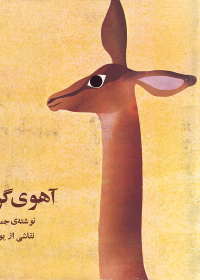
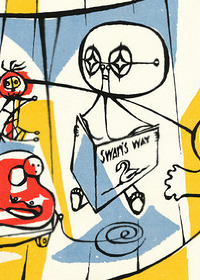
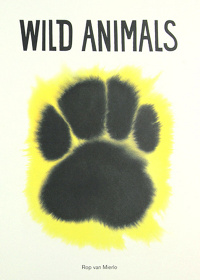
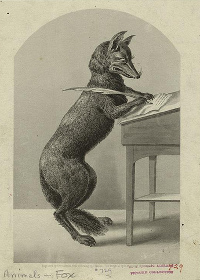
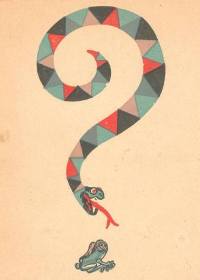
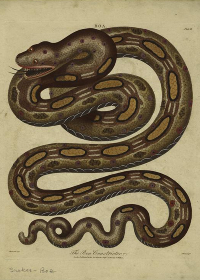
(I featured this image before I owned the book, in the Paper Zoo post)
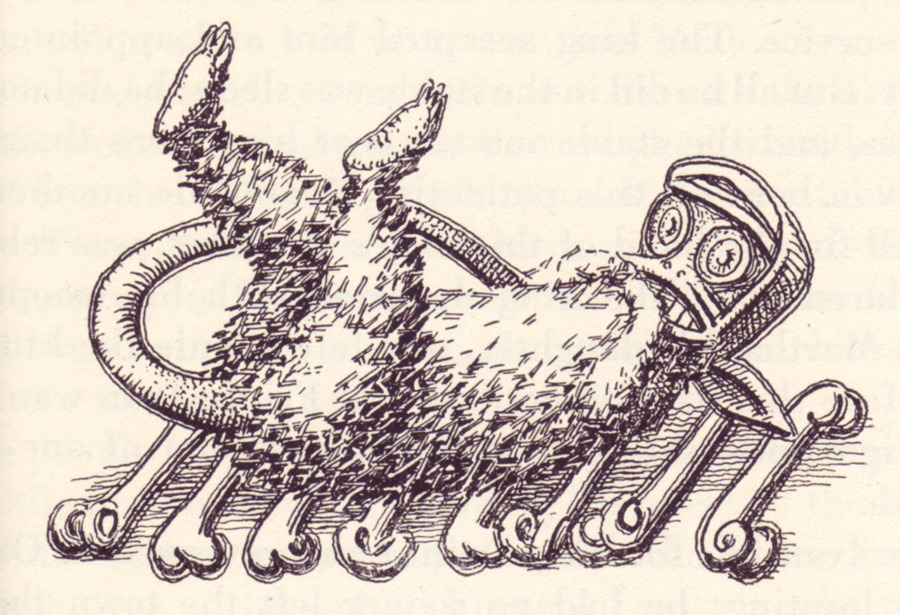
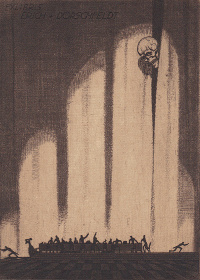
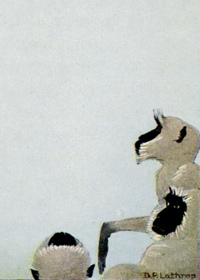
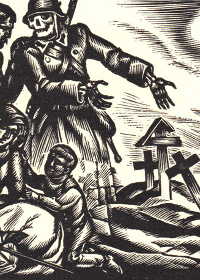
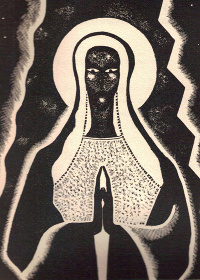
(the b/w illustrations are just as good)
From wikipedia:
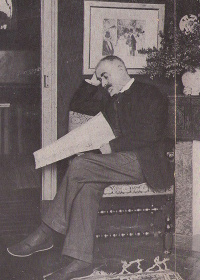
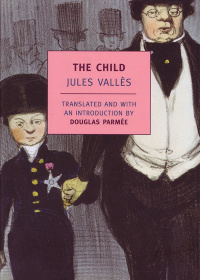
Alexandre Alexeieff (born as Alexey Alexeieff, sometimes credited as Alexander Alexeieff or Alexander Alexeïeff or Alexandre Alexieff) (August 5, 1901 - August 9, 1982) was a Russian-born artist, filmmaker and illustrator who lived and worked mainly in Paris. He and his second wife Claire Parker (1910 - 1981) are credited with inventing the pinscreen as well as the animation technique totalization. In all Alexeieff produced 6 films on the pinscreen, 41 advertising films and illustrated 41 books. [cont. reading]
These illustrations come from Russian Fairy Tales (Pantheon, 1945), translated by Norbert Guterman, with "folkloristic commentary" by Roman Jakobson (yes, that Roman Jakobson). Eudora Welty blurb: "These Russian tales are rambunctious, full-blooded and temperamental. They are tense with action, magical and human, and move in a kind of cyclone of speed. These tales are gorgeous."
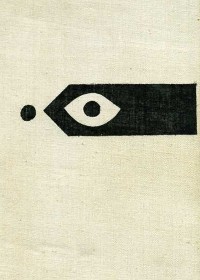
The book is in print, but in my book-grubbing experience, sometime in the mid-70s publishers abandoned the color illustrations when reprinting these types of books. (Please leave a comment if you know for sure that the available edition includes the color illustrations.) Inexpensive copies of the 1945 edition can still be found. And don't worry if the dust jacket is missing -- it's drab.
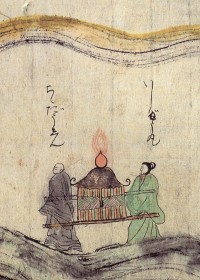
A flickr commenter (talking about an illustration by Bold), turned me on to lubok [see some samples on BibliOdyssey]. It's clear that Alexeieff was playing with this tradition in his illustrations. From wikipedia:
The lubok or Russian popular print is a variety of Russian popular art. Earlier (latter 17th, early 18th century) they were woodcuts, then metal engravings or etchings, and in the 19th century produced by lithography. They sometimes appeared in series, which might be regarded as predecessors of the modern comic strip. Cheap, simple books, similar to chapbooks, which mostly consisted of pictures, are called lubok literature. [cont. reading]
I have my work cut out for me: Forty more books by Alexeieff to somehow collect and an entire world of Russian art to discover.
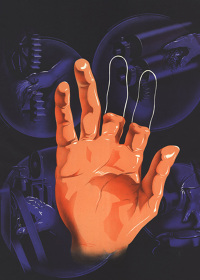
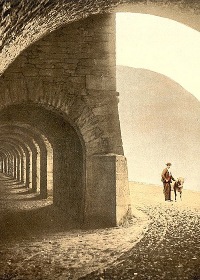
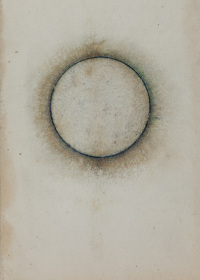
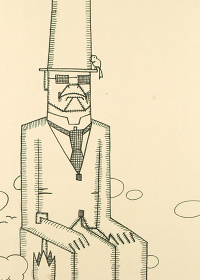
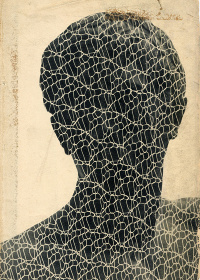
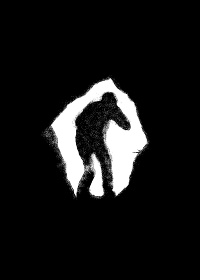
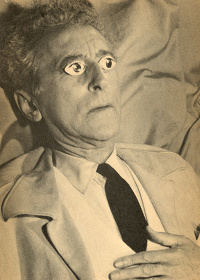
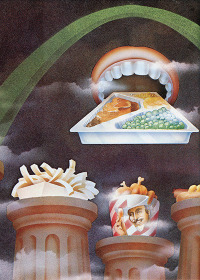
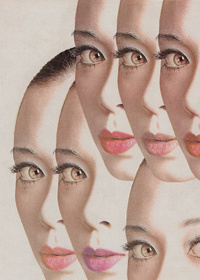
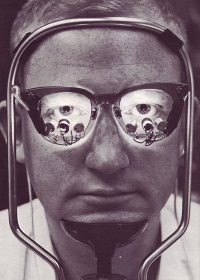
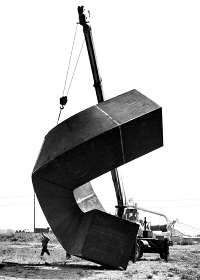
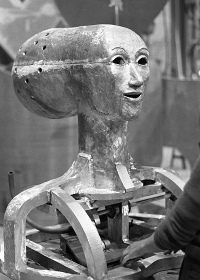
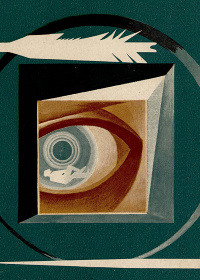
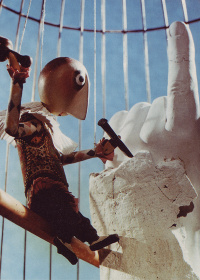
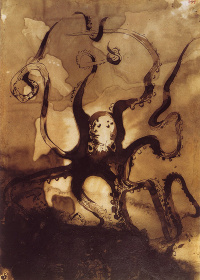
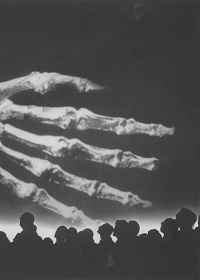
Paynith at Cinematrices posted an awesome gallery of screencaps of Alexeieff's animation work with Claire Parker. [Don't miss paynith's new book blog, dry toasts.] A dvd of this work will be released in November:
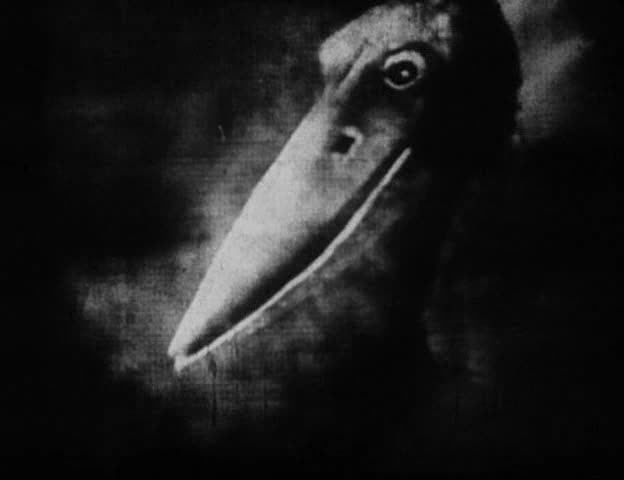
(clicking these stills brings you to the Cinematrices post)
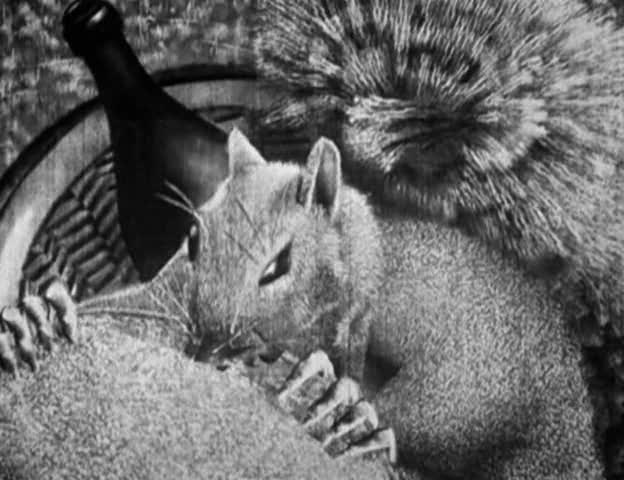
.jpg)