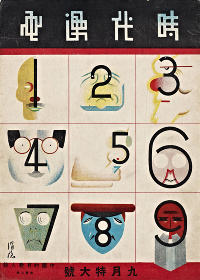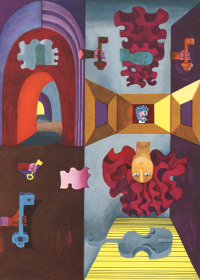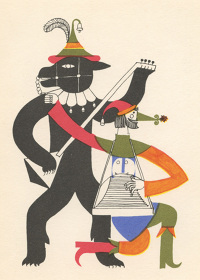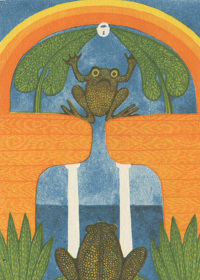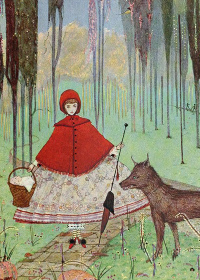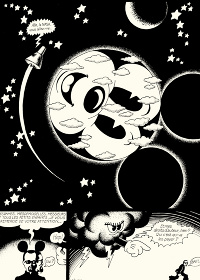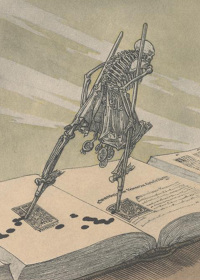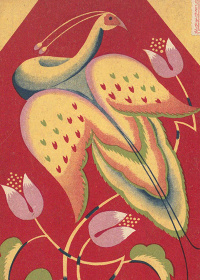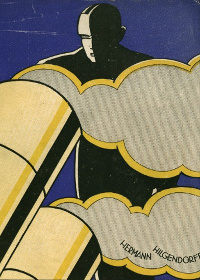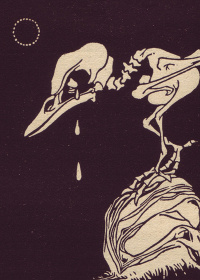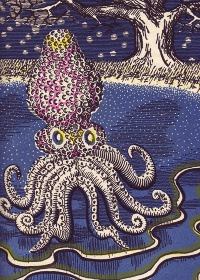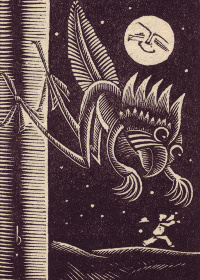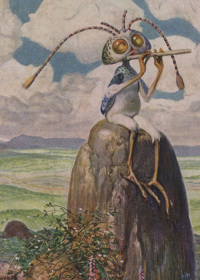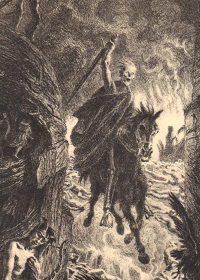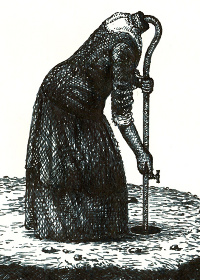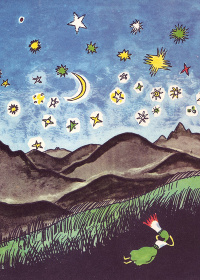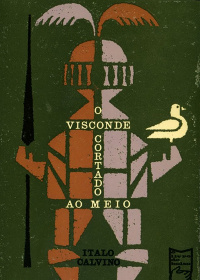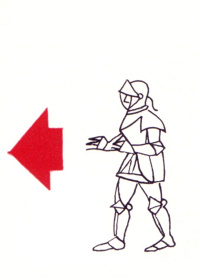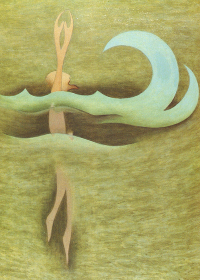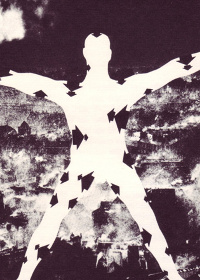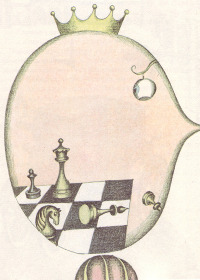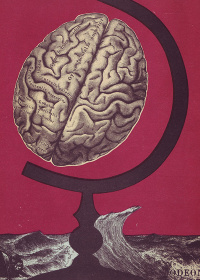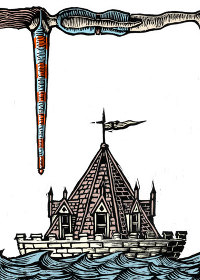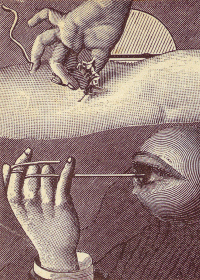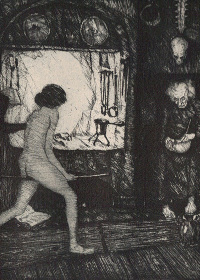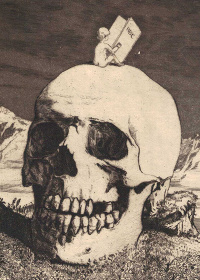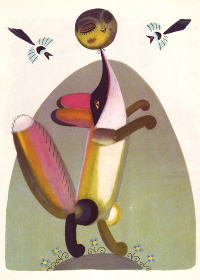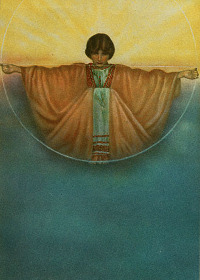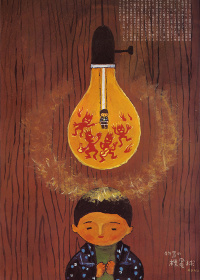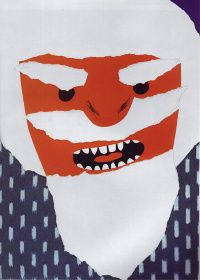

(Find me at Bookers Buzz Books.)
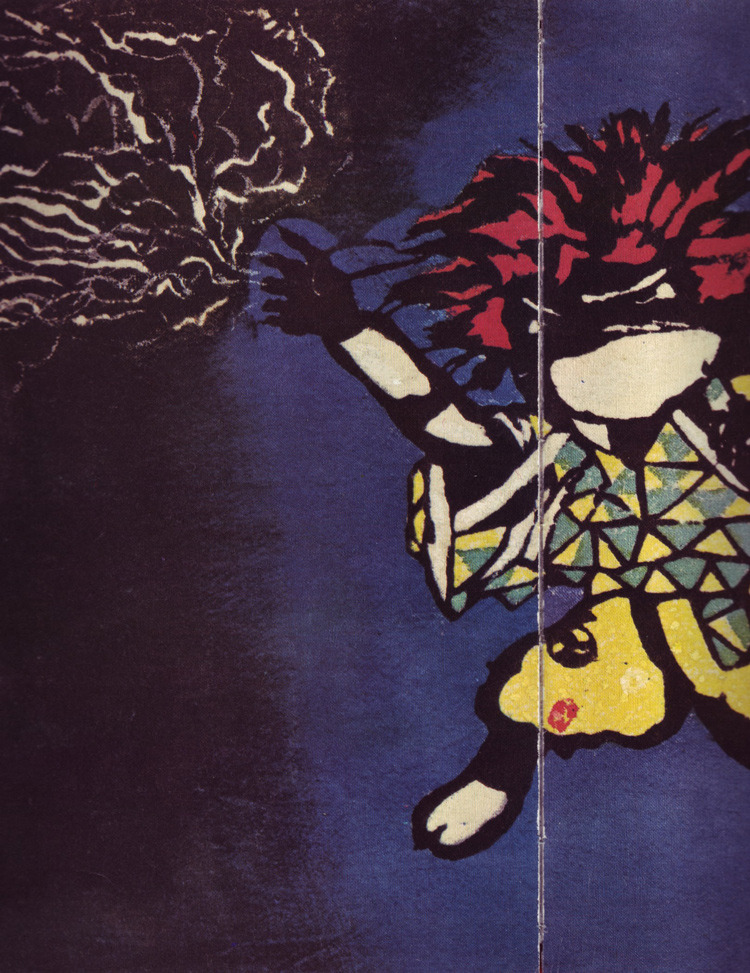
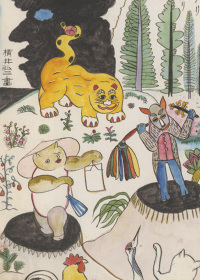
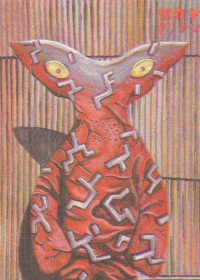
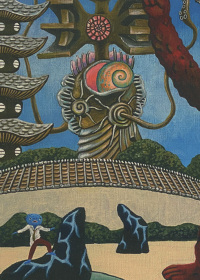
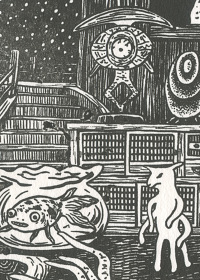
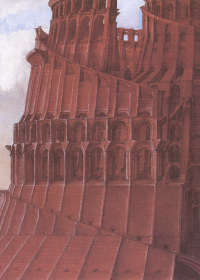
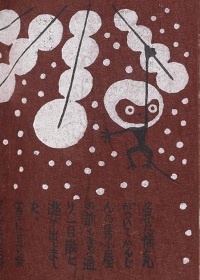
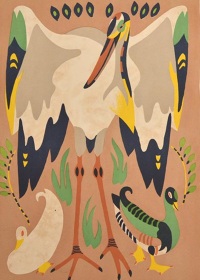
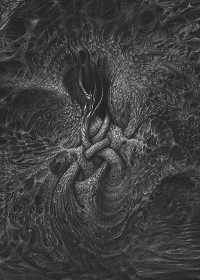
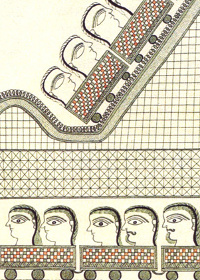
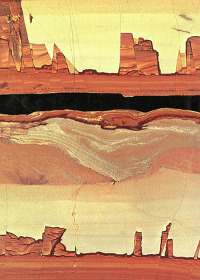
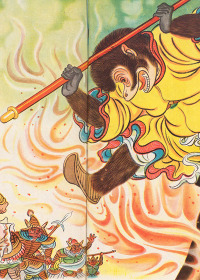
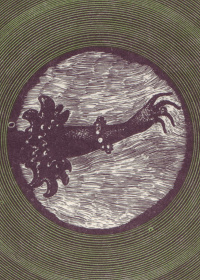
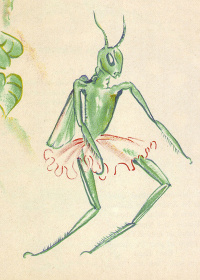
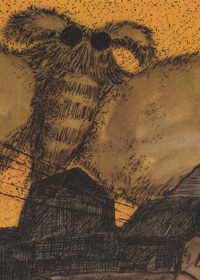
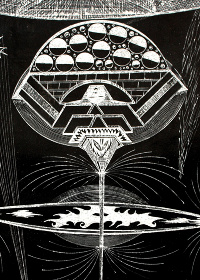
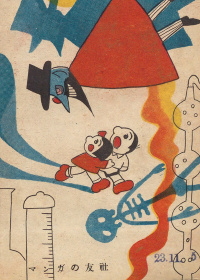
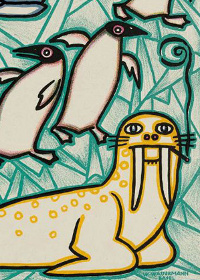
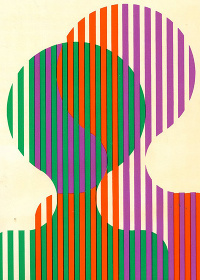
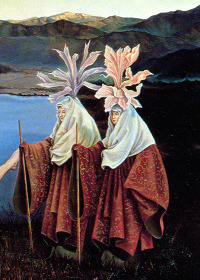
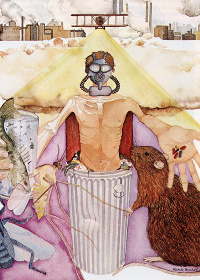
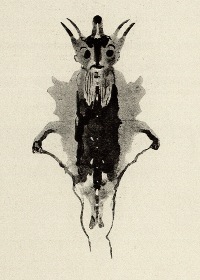
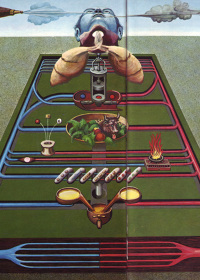
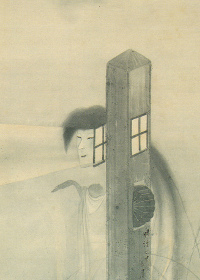
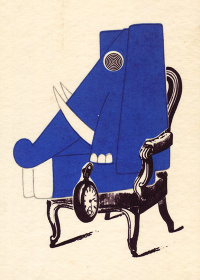
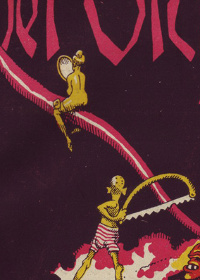
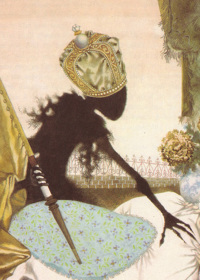
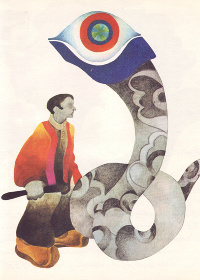
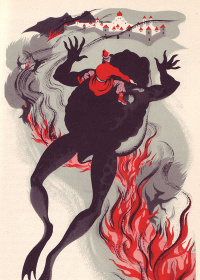
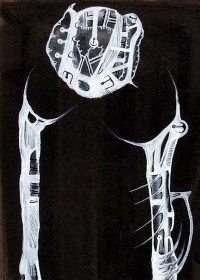
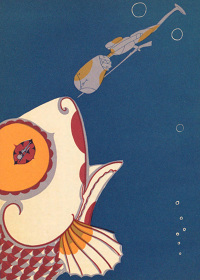
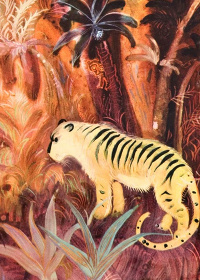
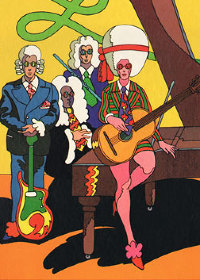
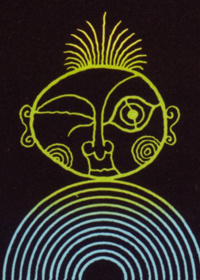
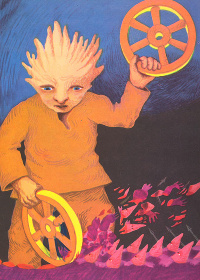
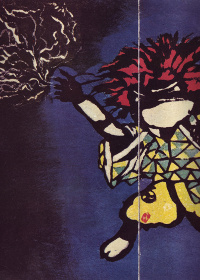
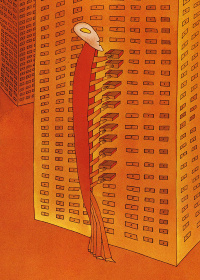
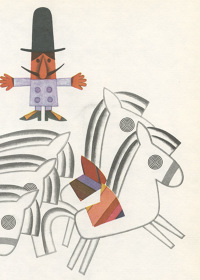
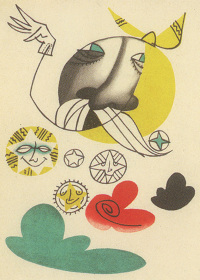
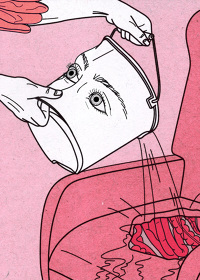
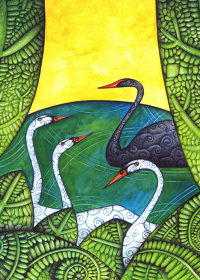
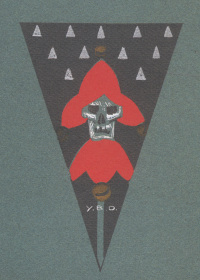
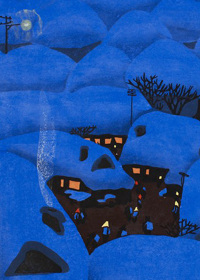
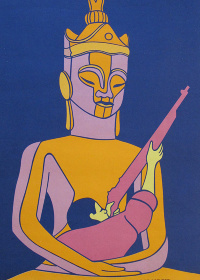
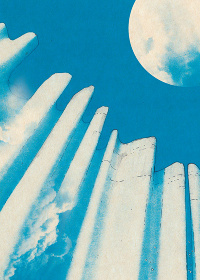
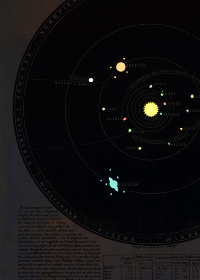
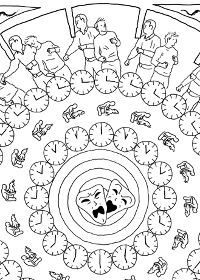
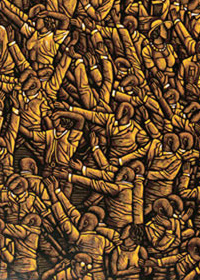
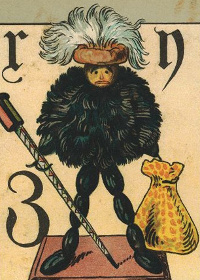
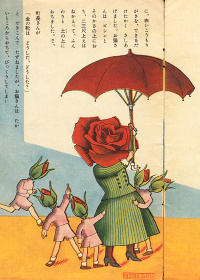
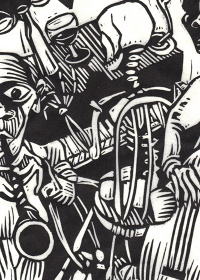
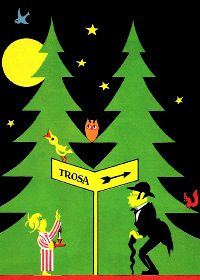
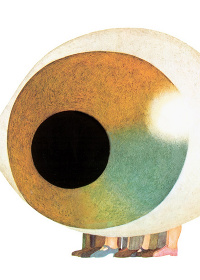
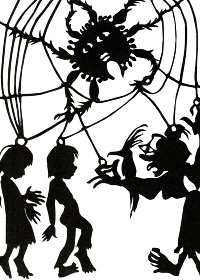
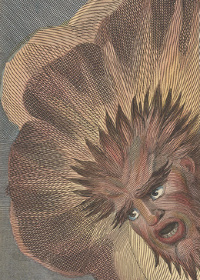
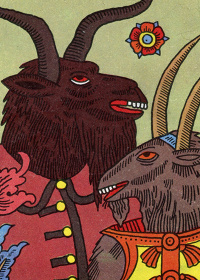
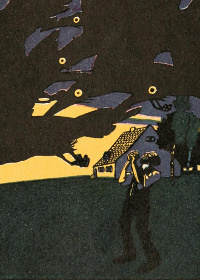
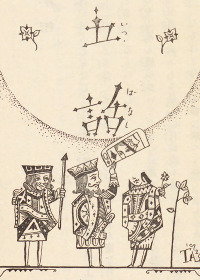
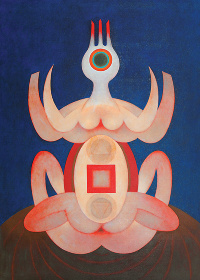
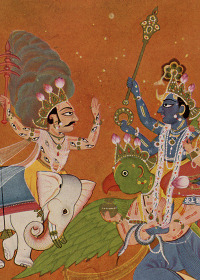
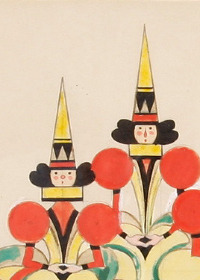
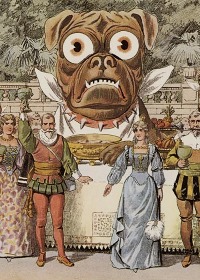
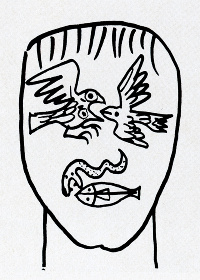
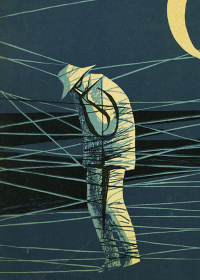
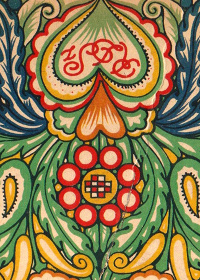
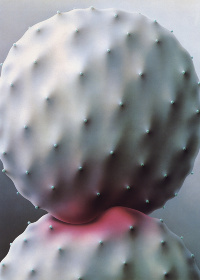
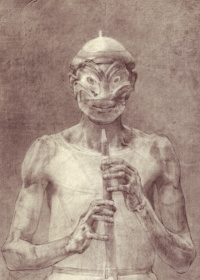
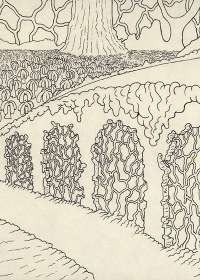
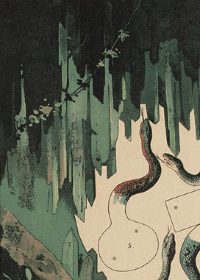
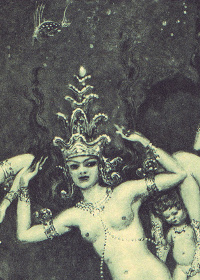
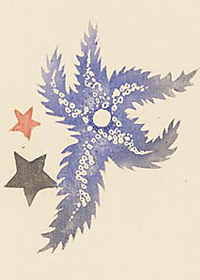
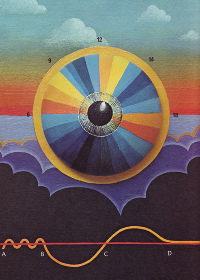
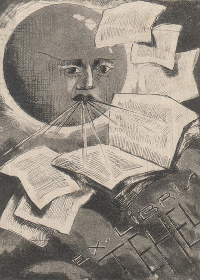
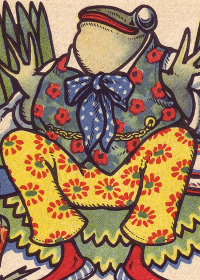
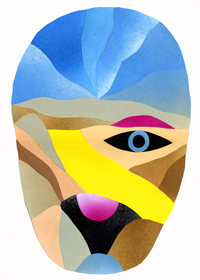
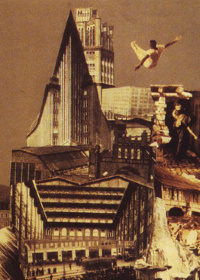
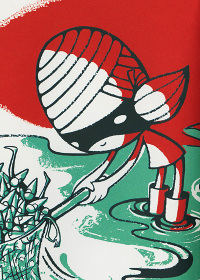
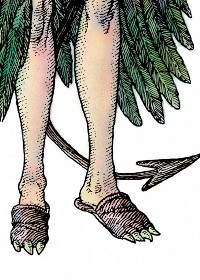
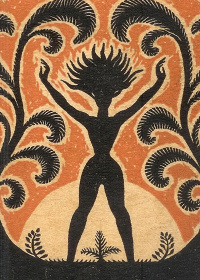
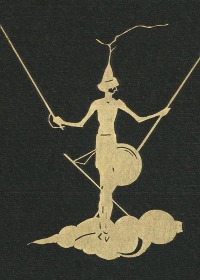
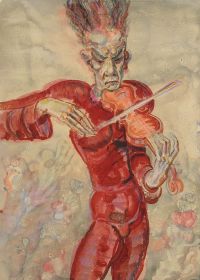
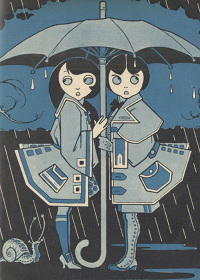
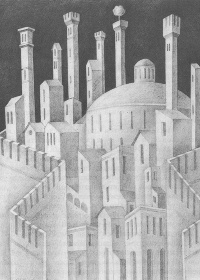
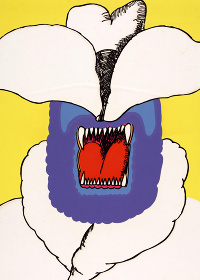
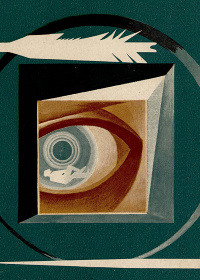
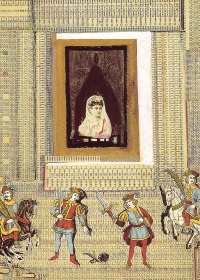
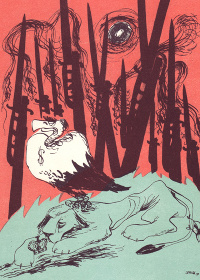
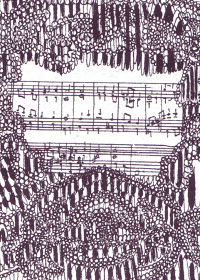
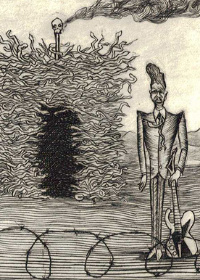
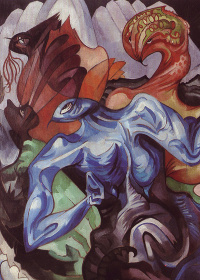
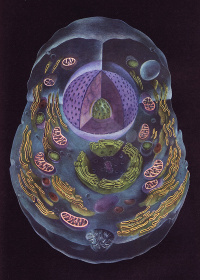
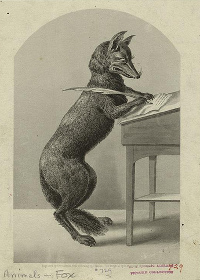
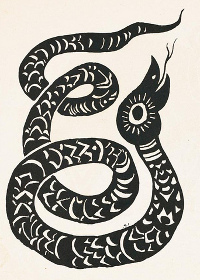
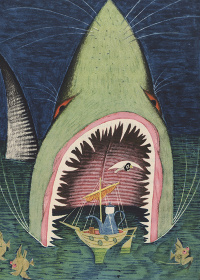
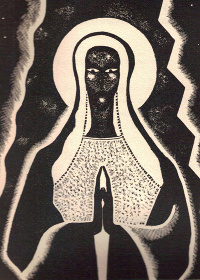
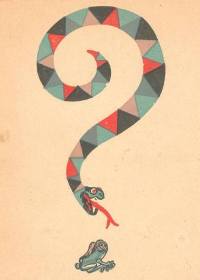
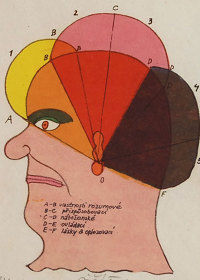
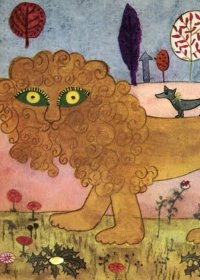
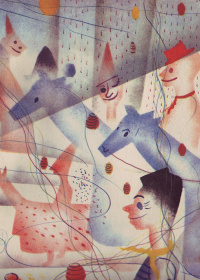
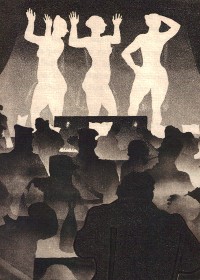
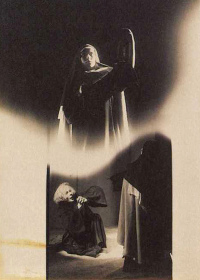
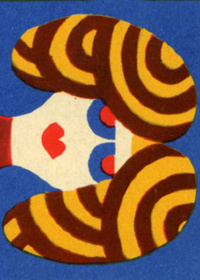
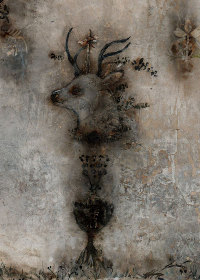
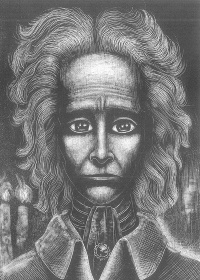
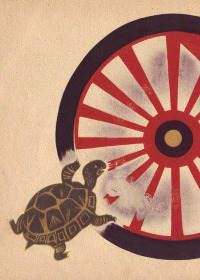
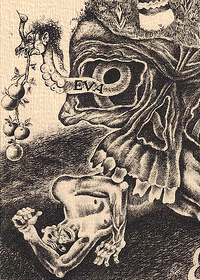
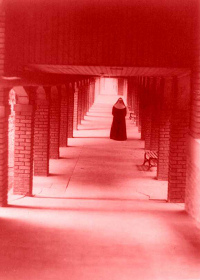
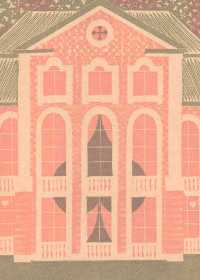
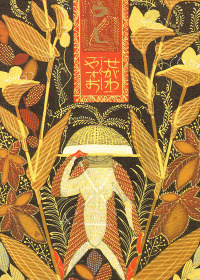
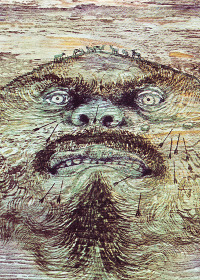
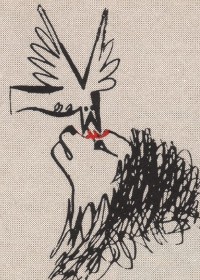
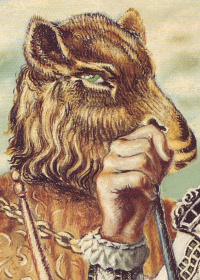
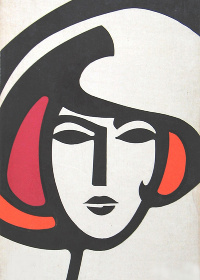
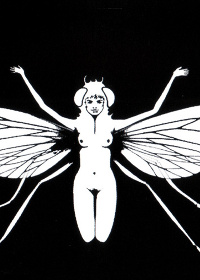
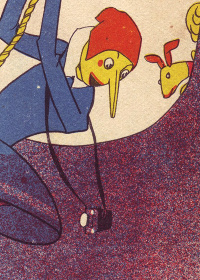
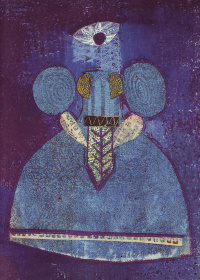
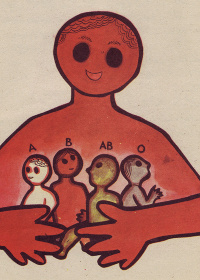
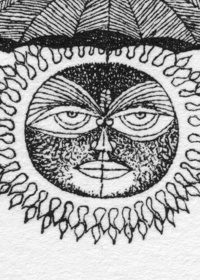
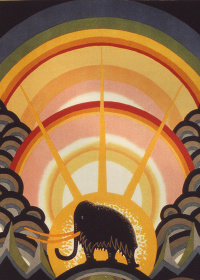
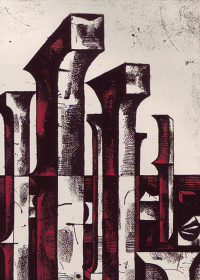
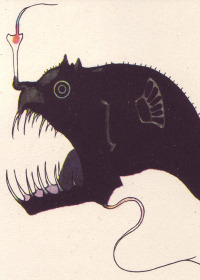
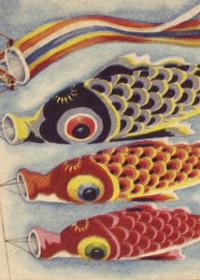
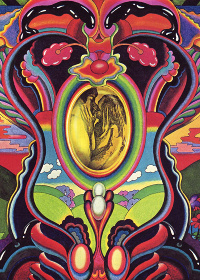
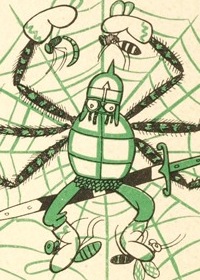
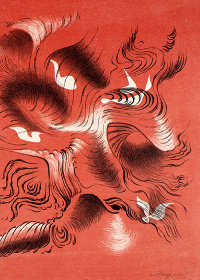
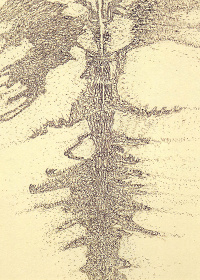
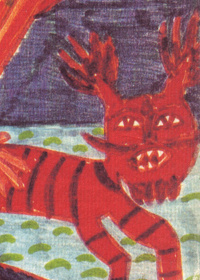
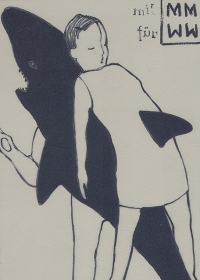
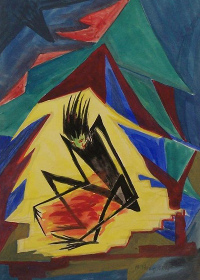
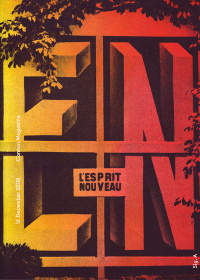
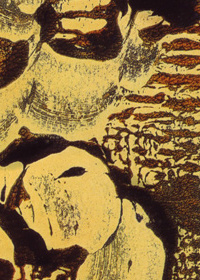
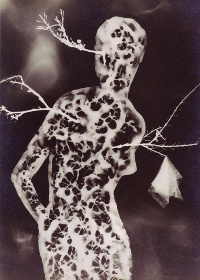
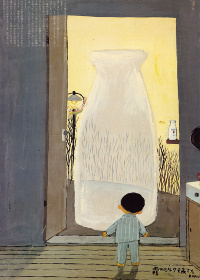
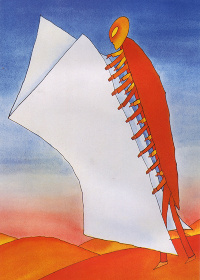
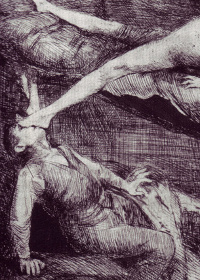
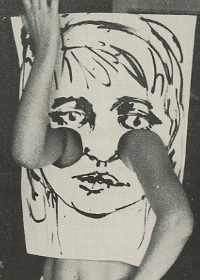
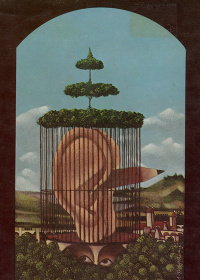
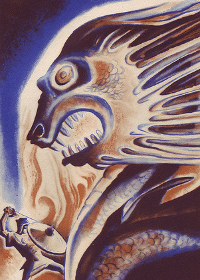
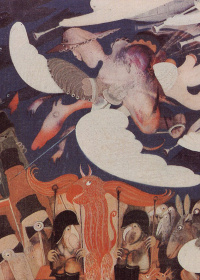
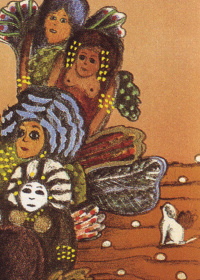
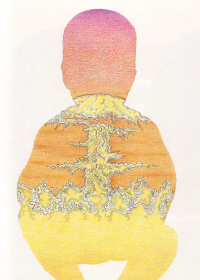
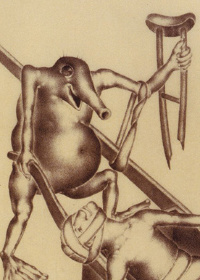
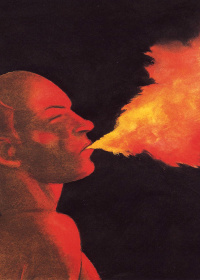
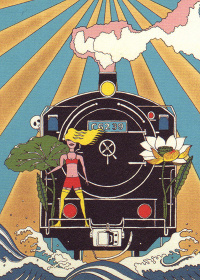
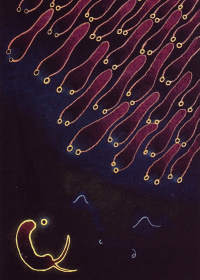
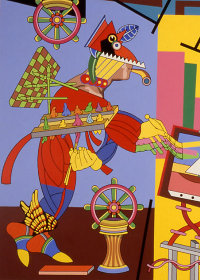
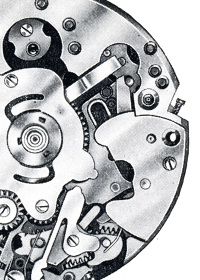
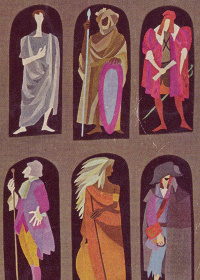
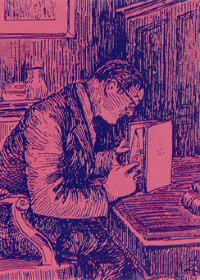
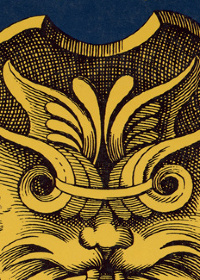
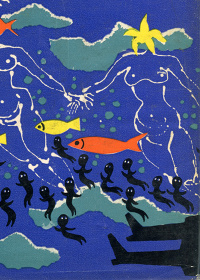
Yukihiko Tajima, Gion Matsuri, 1976 (detail from 2-page spread)
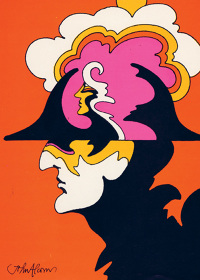
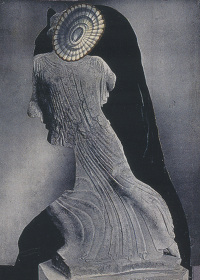
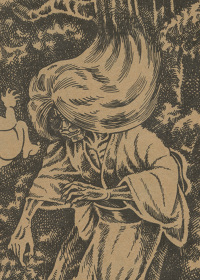
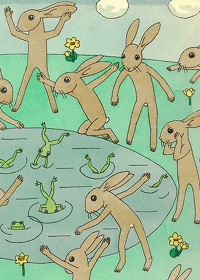
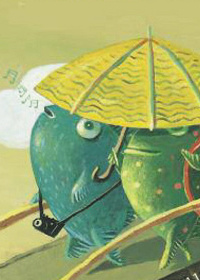
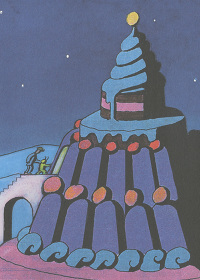
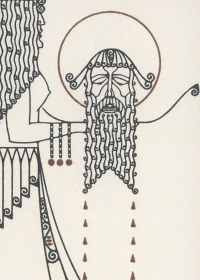
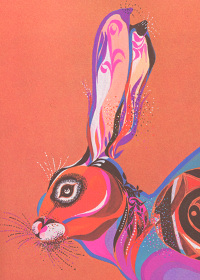
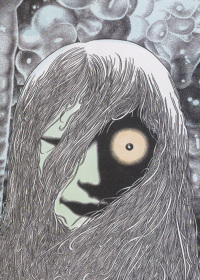
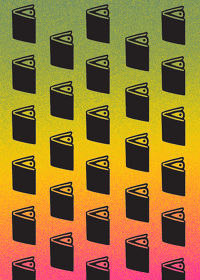
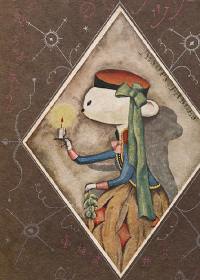
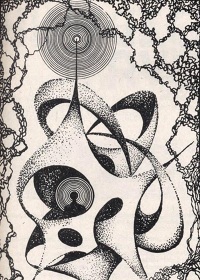
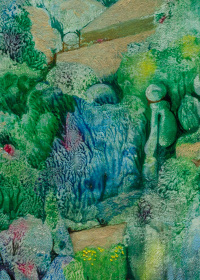
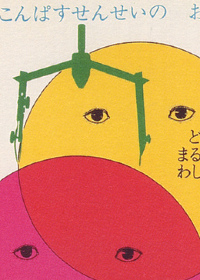
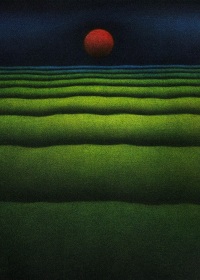
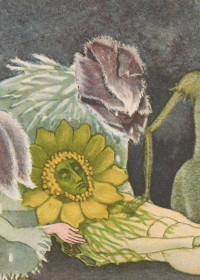
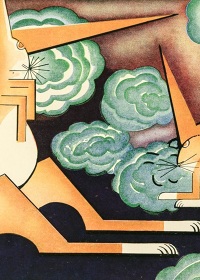
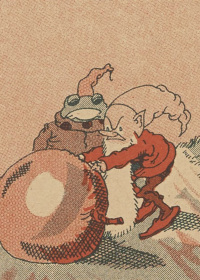
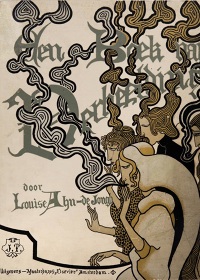
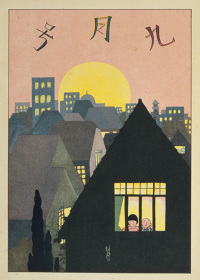
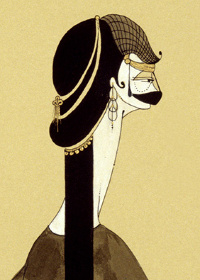
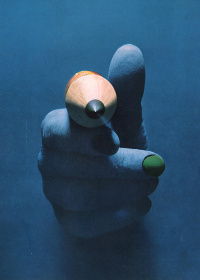
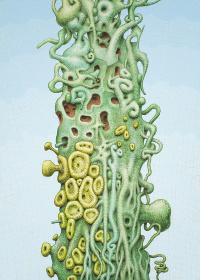
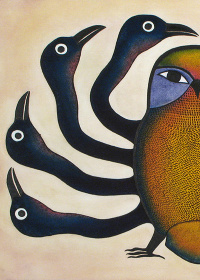
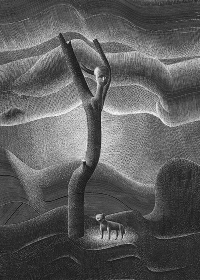
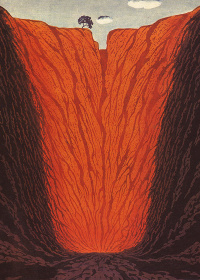
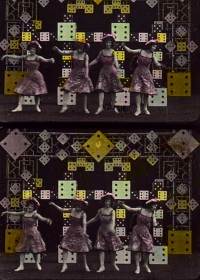
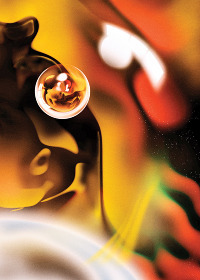
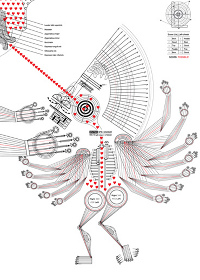
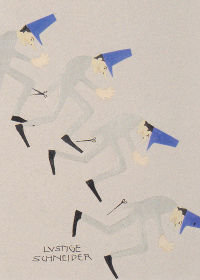
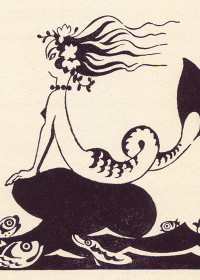
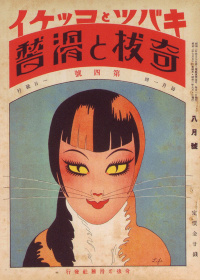
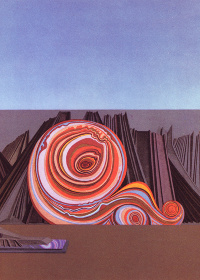
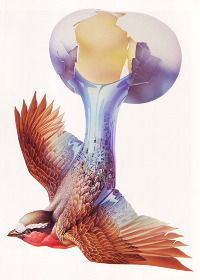
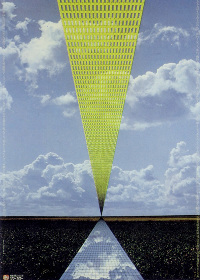
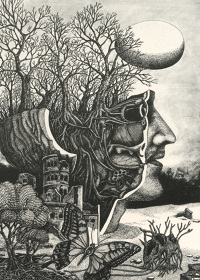
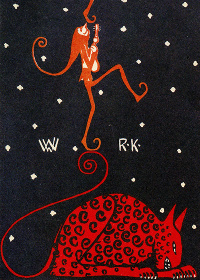
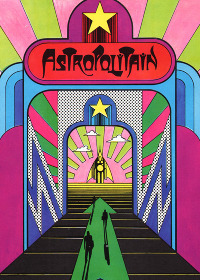
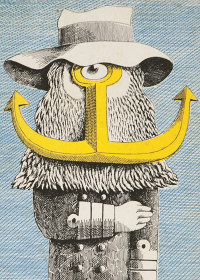
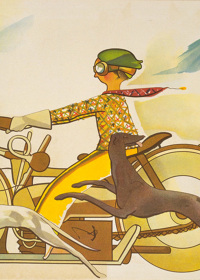
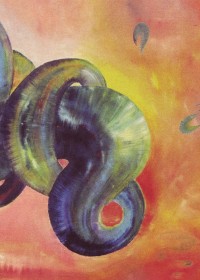
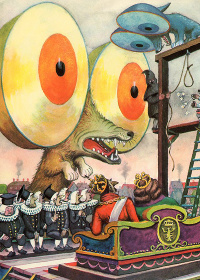
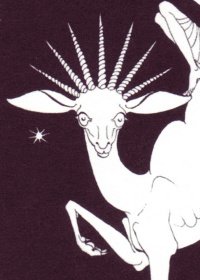
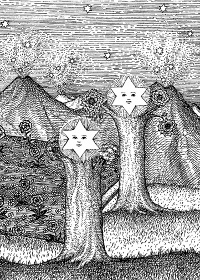
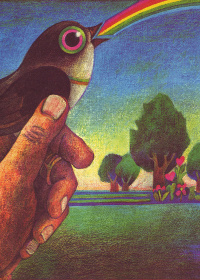
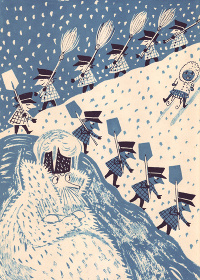
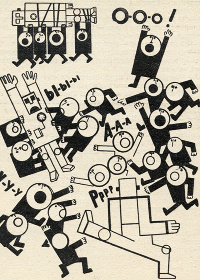
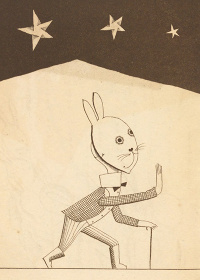
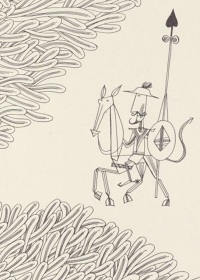
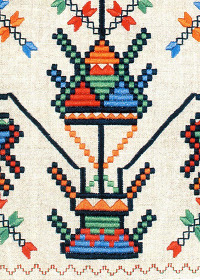
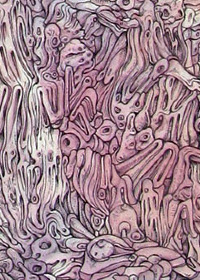
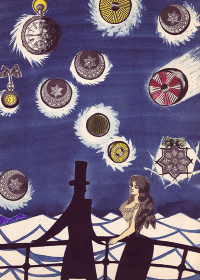
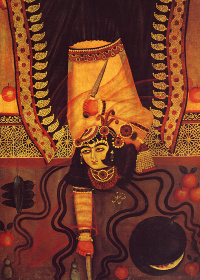
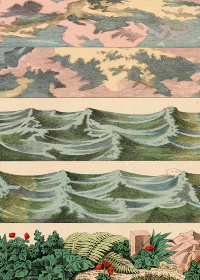
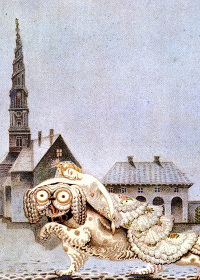
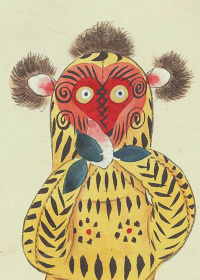
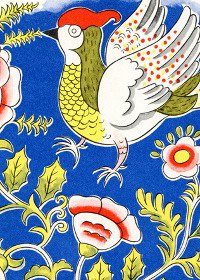
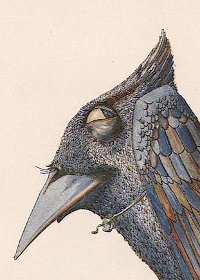
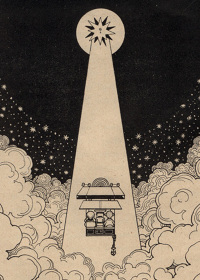
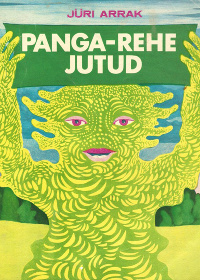
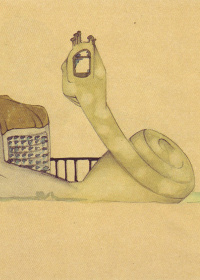
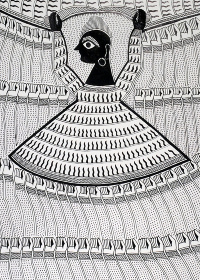
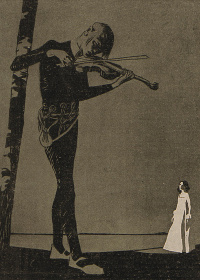
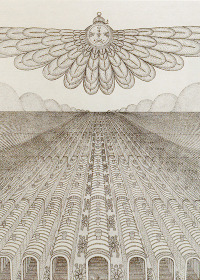
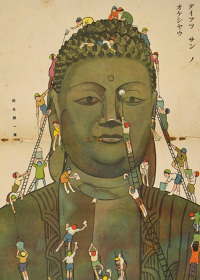
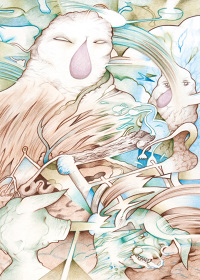
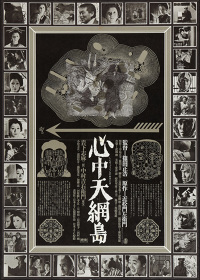
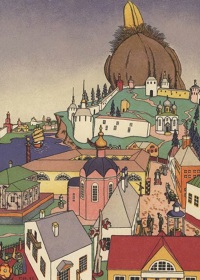
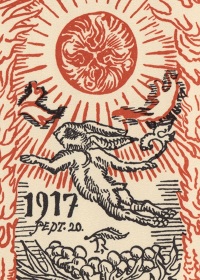
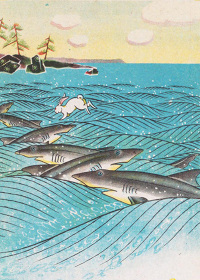
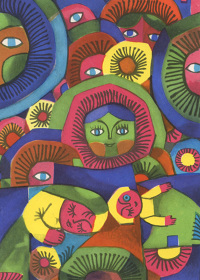
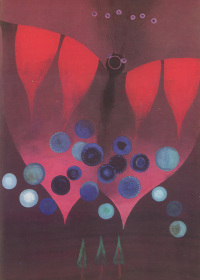
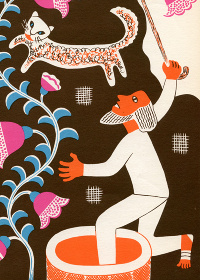
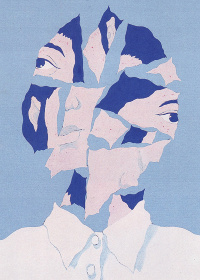
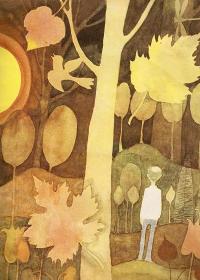
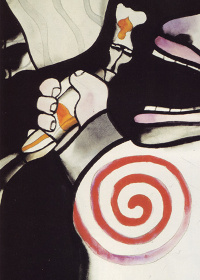
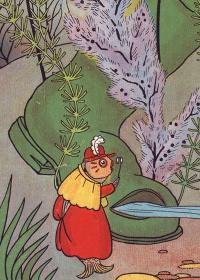
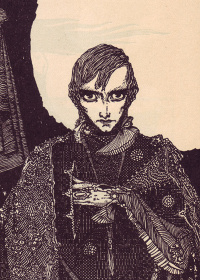
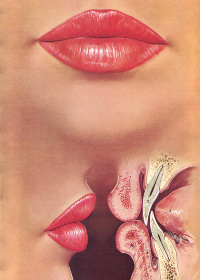
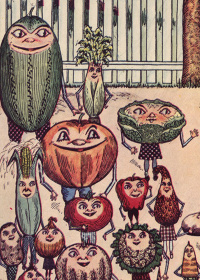
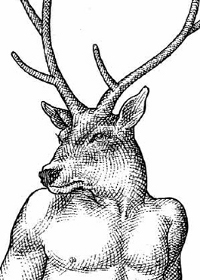
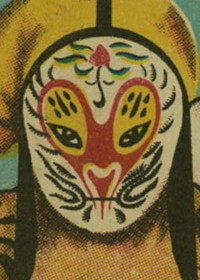
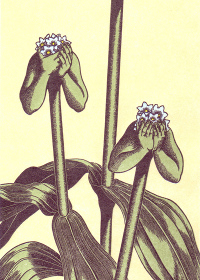
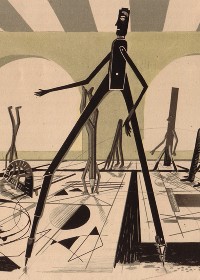
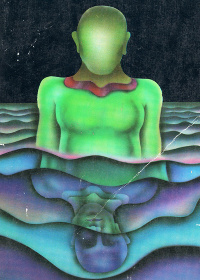
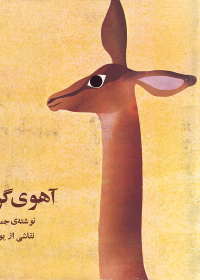
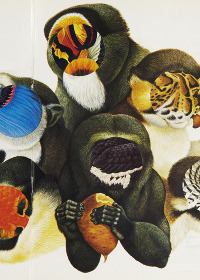
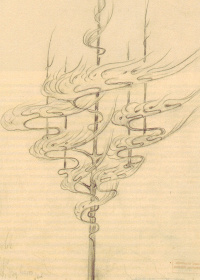
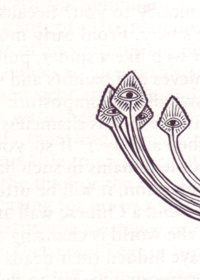
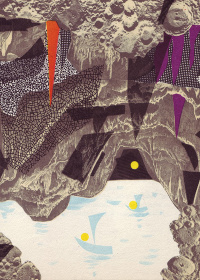
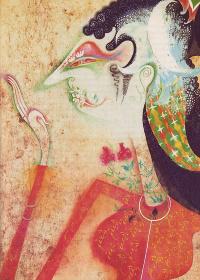
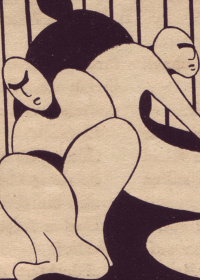
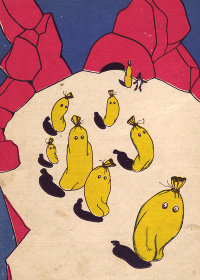
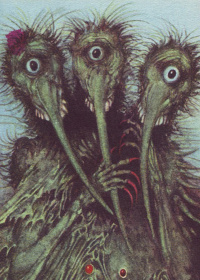
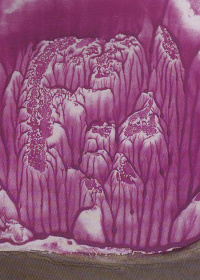
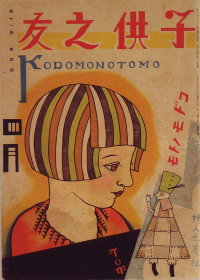
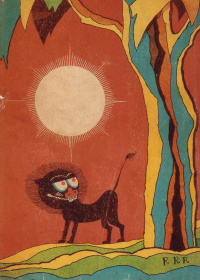
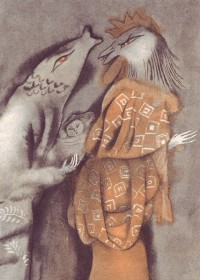
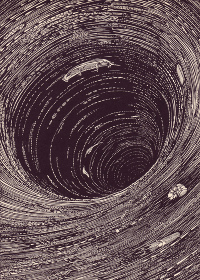
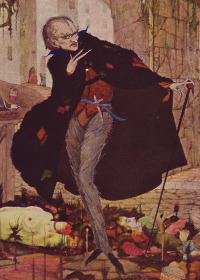
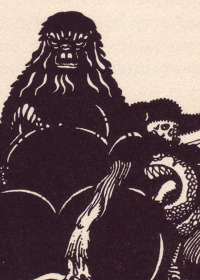
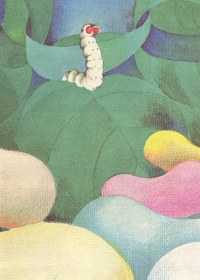
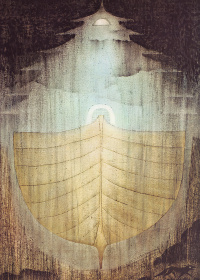
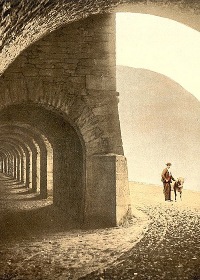
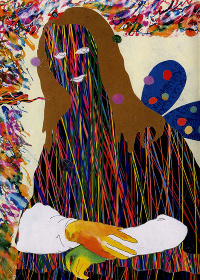
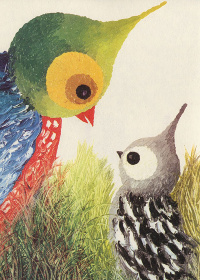
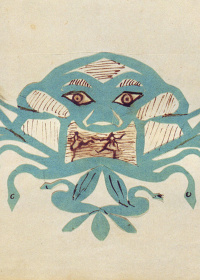
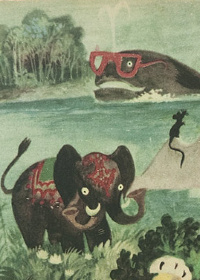
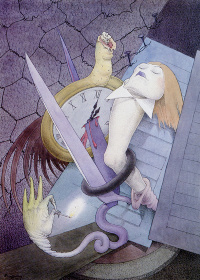
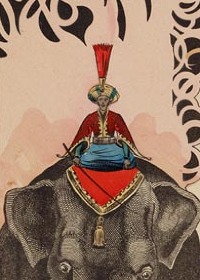
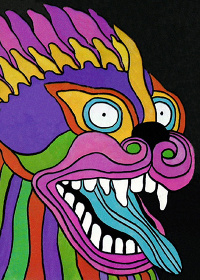
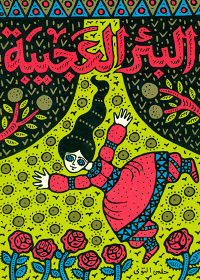
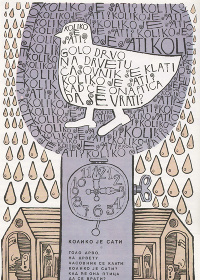
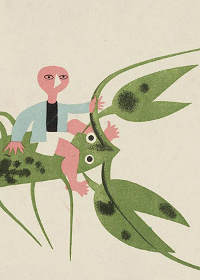
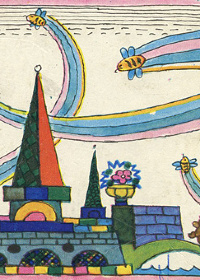
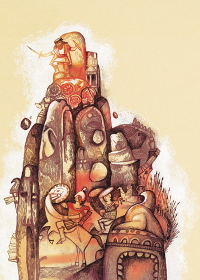
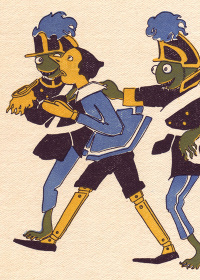
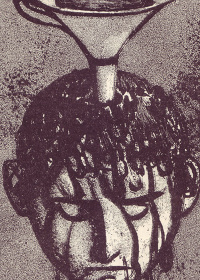
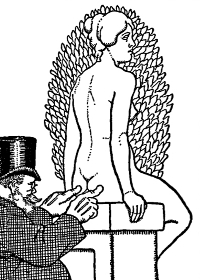
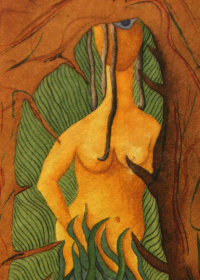
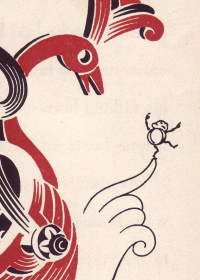
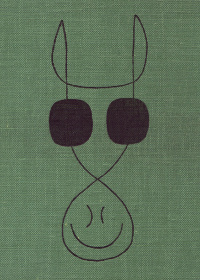
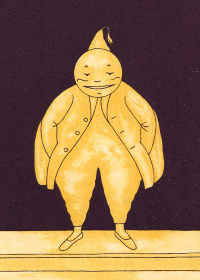
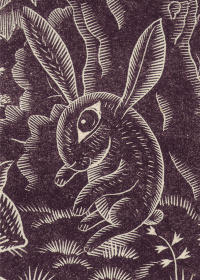
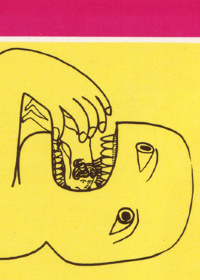
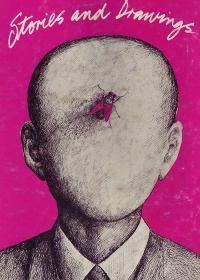
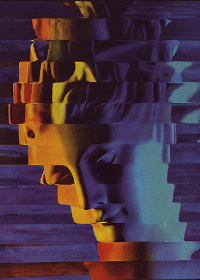
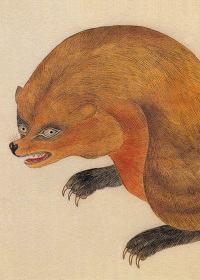
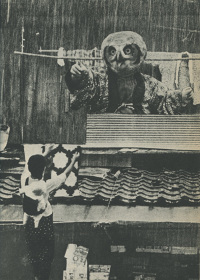
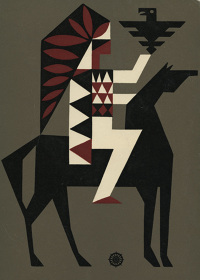
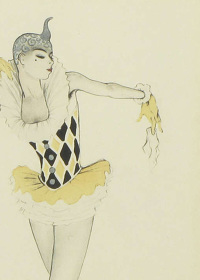
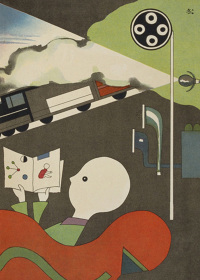
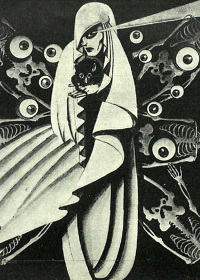
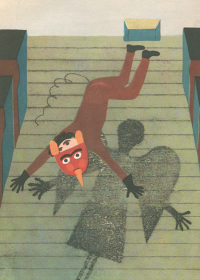
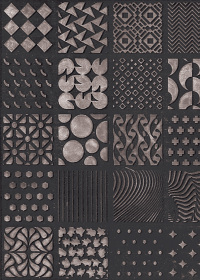
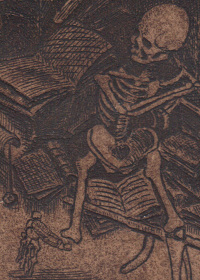
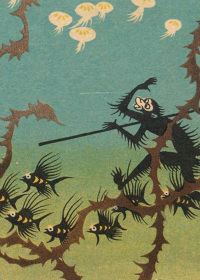
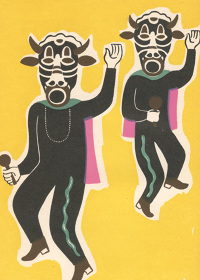
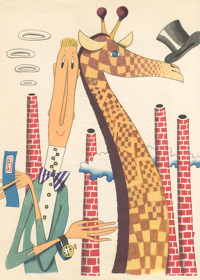
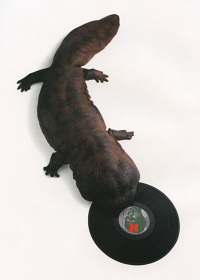
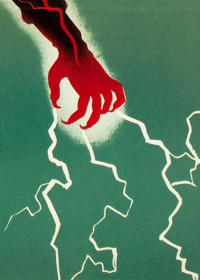
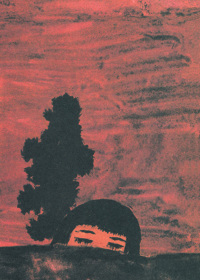
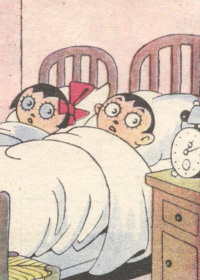
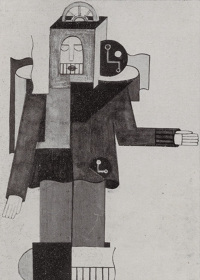
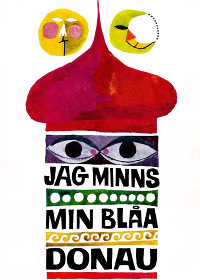
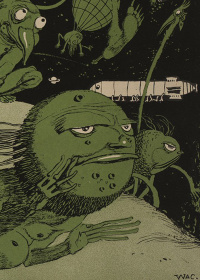
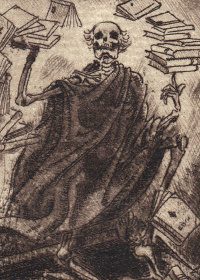
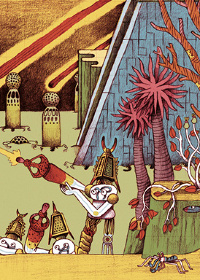
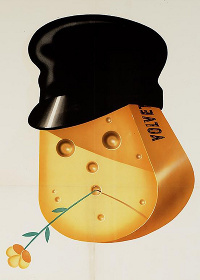
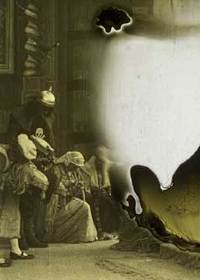
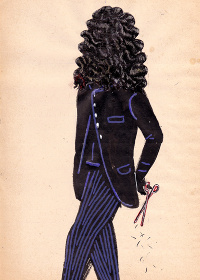
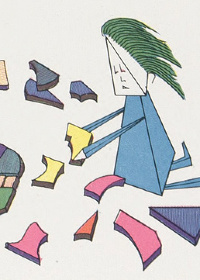
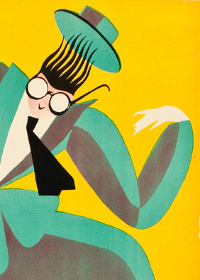
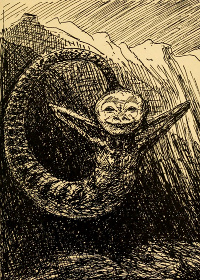
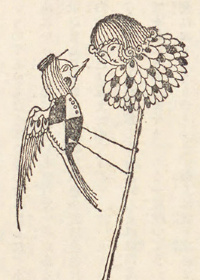
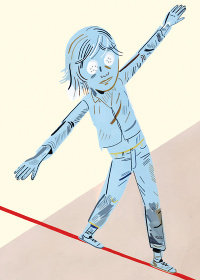
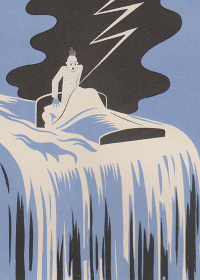
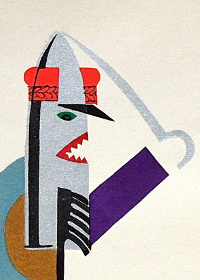
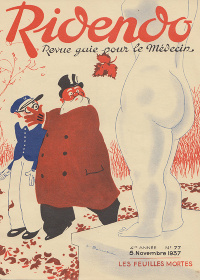
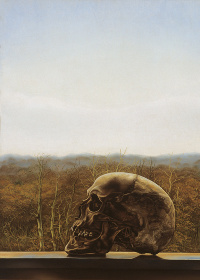
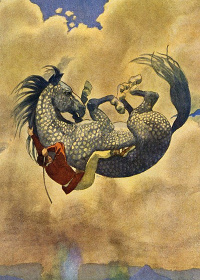
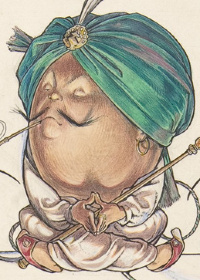
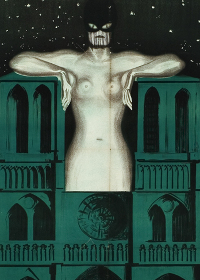
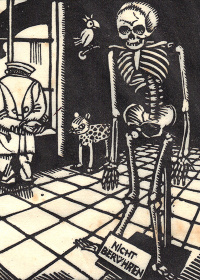
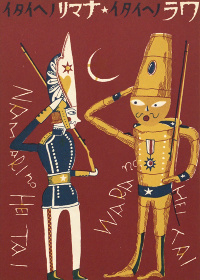
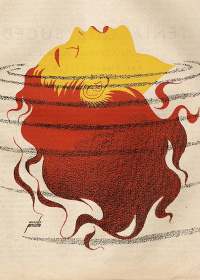
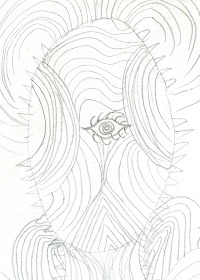
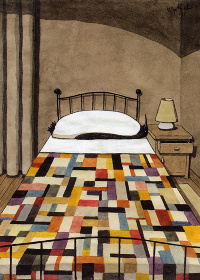
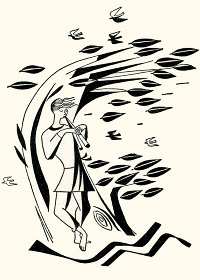
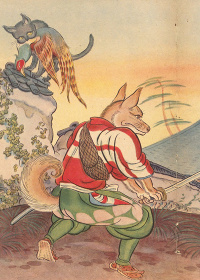
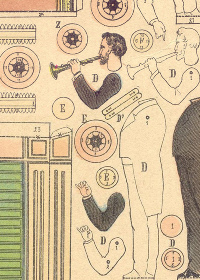
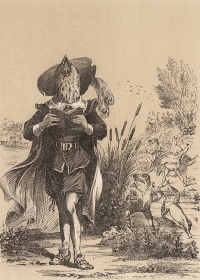
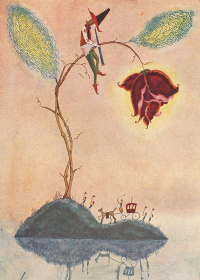
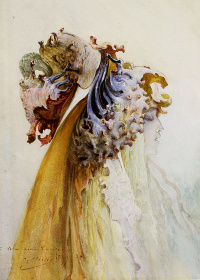
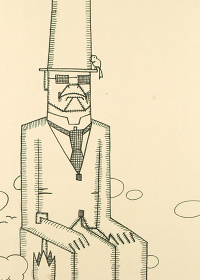
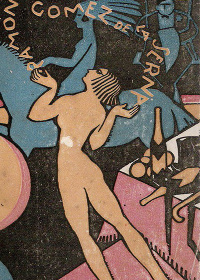
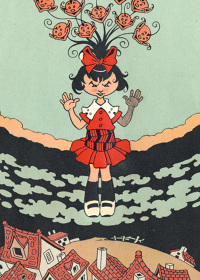
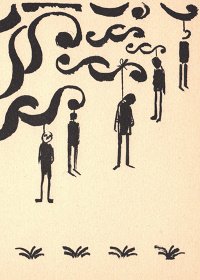
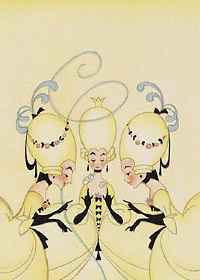
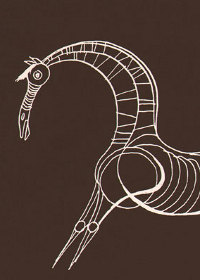
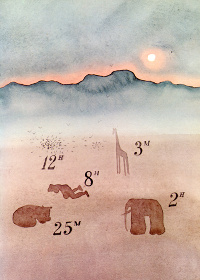
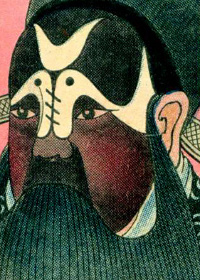
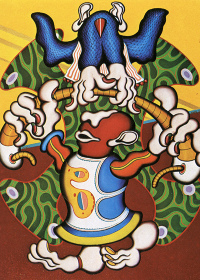
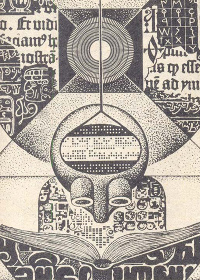
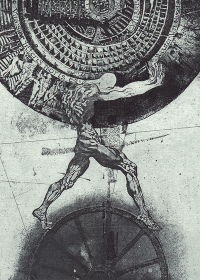
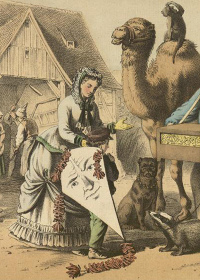
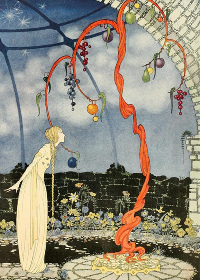
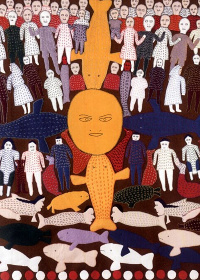
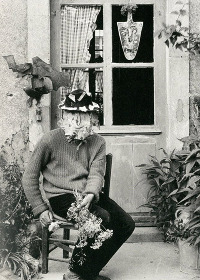
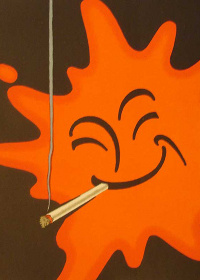
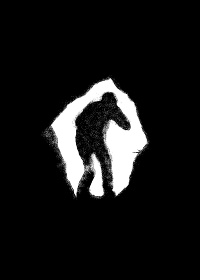
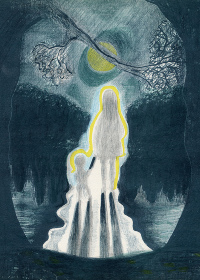
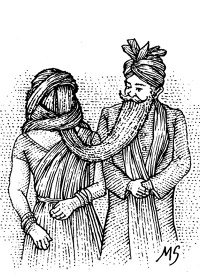
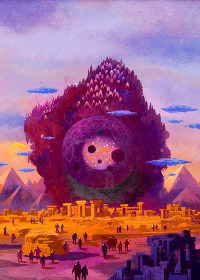
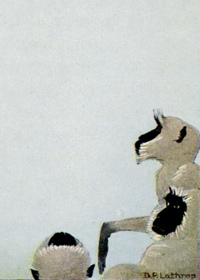
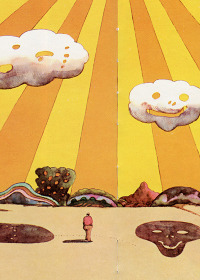
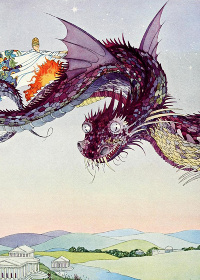
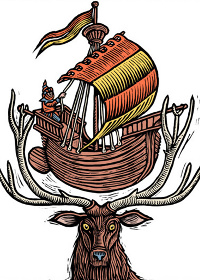
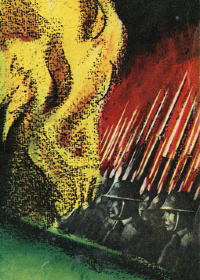
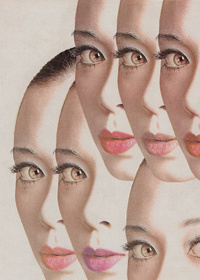
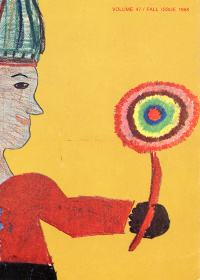
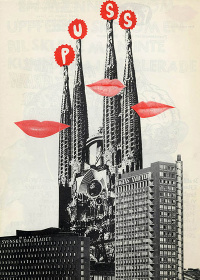
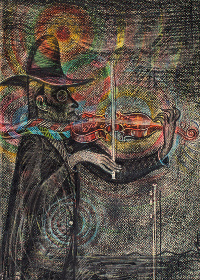
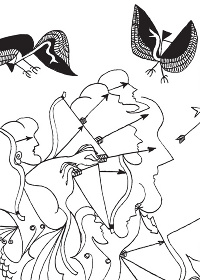
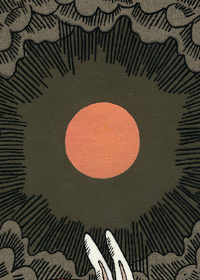
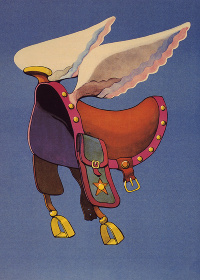
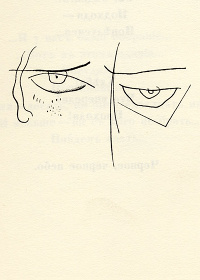
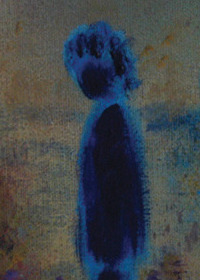
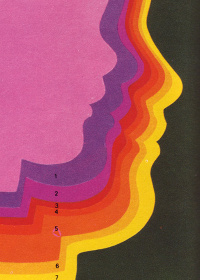
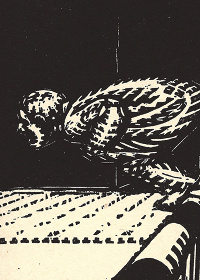
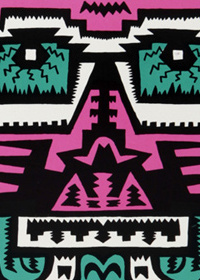
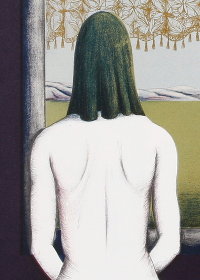
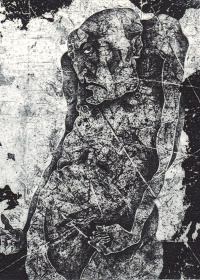
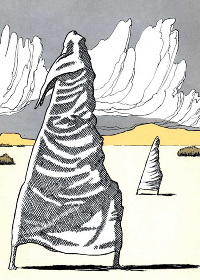
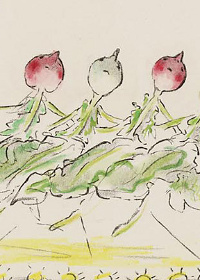
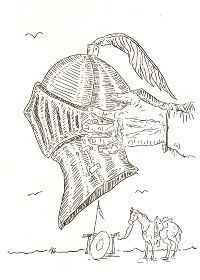
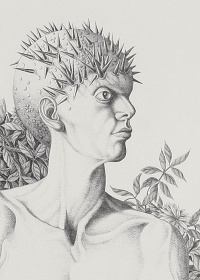
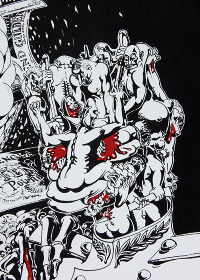
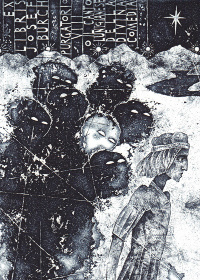
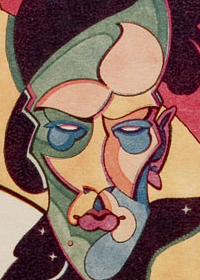
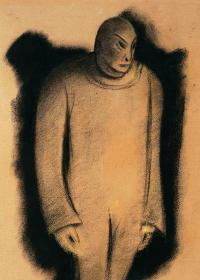
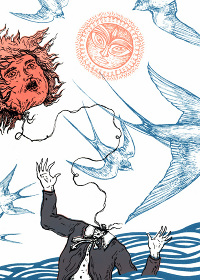
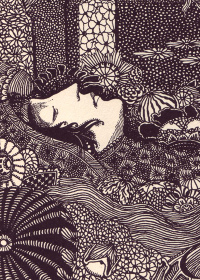
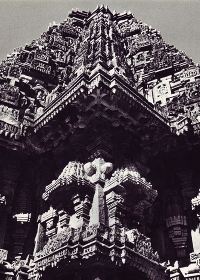
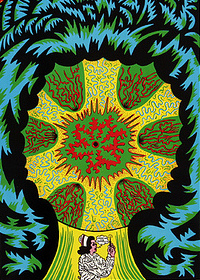
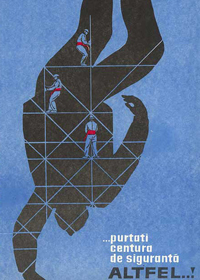
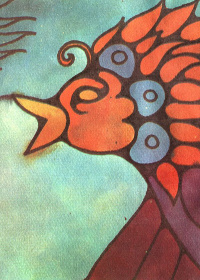
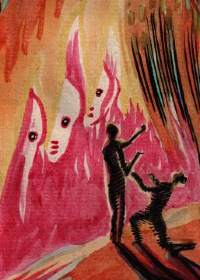
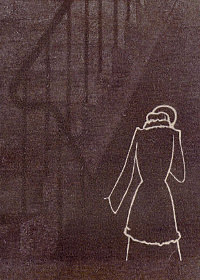
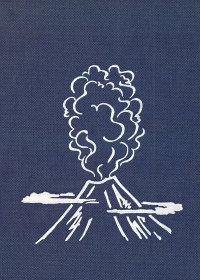
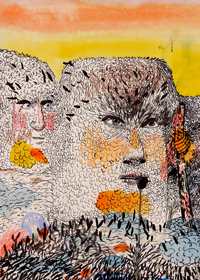
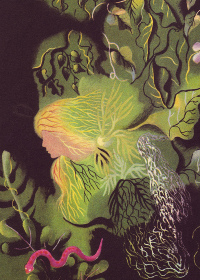
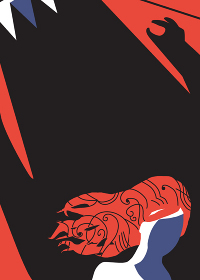
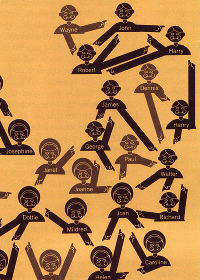
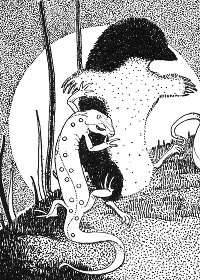
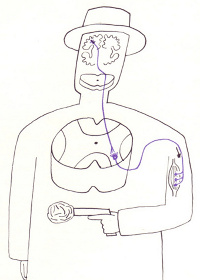
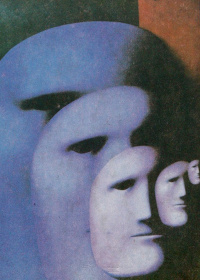
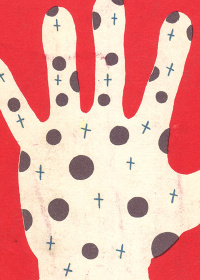
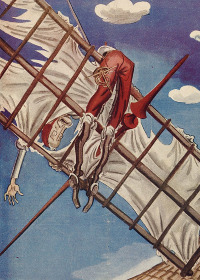
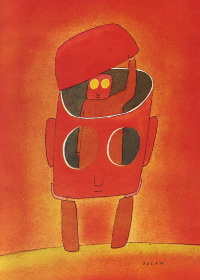
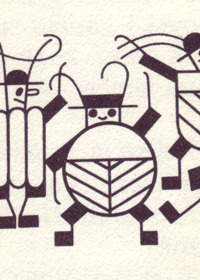
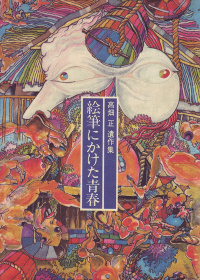
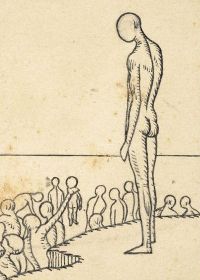
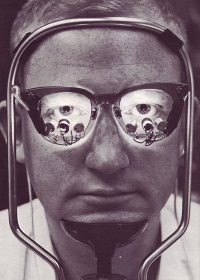
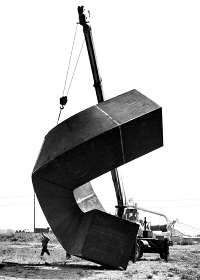
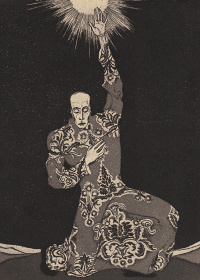
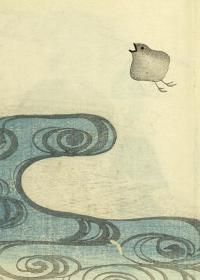
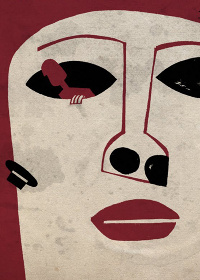
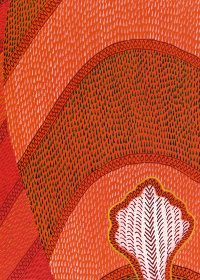
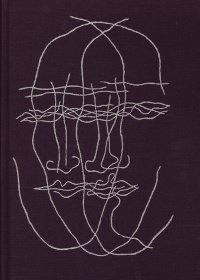
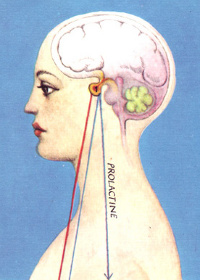
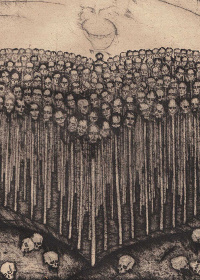
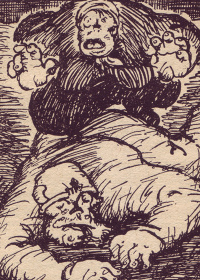
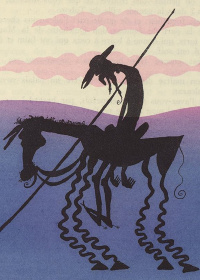
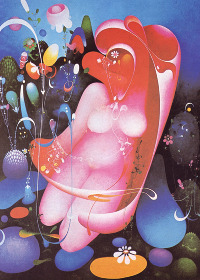
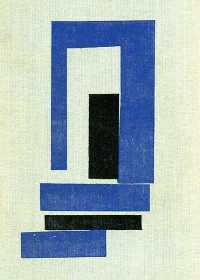
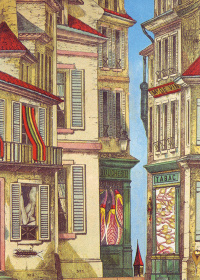
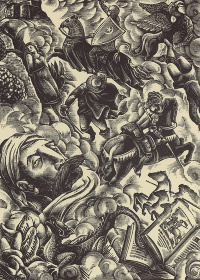
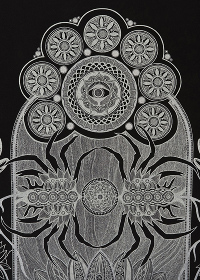
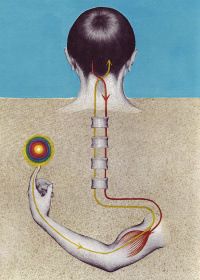
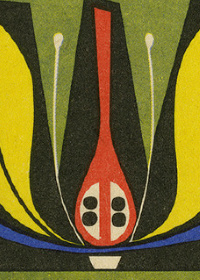
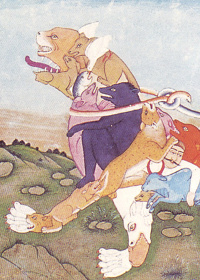
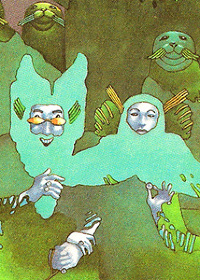
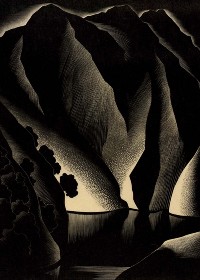
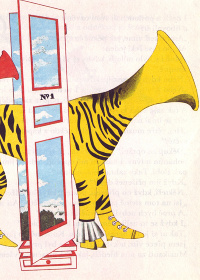
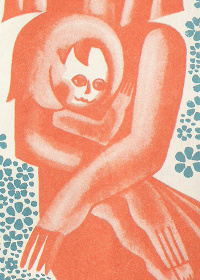
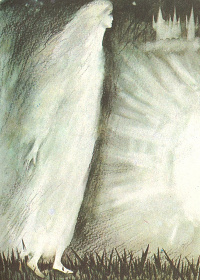
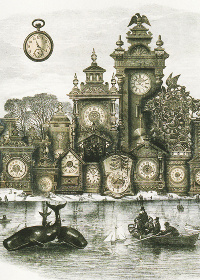
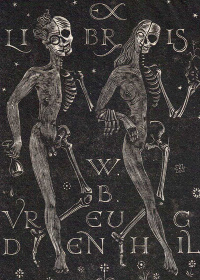
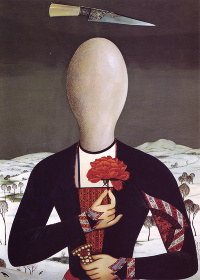
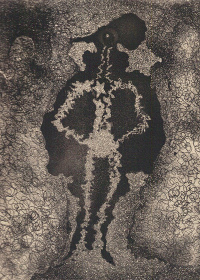
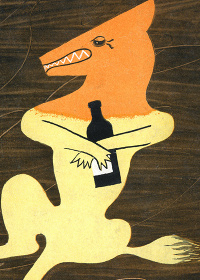
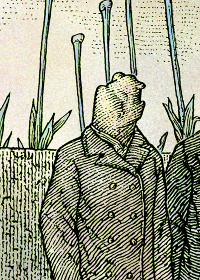
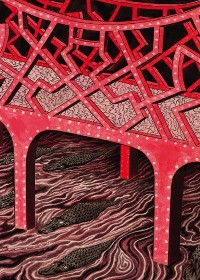
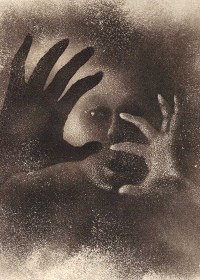
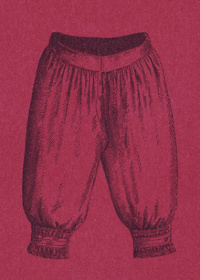
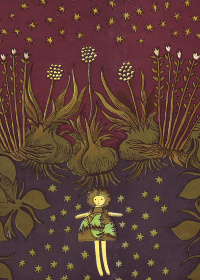
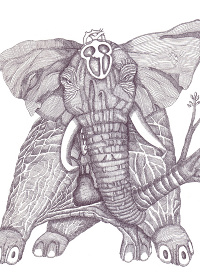
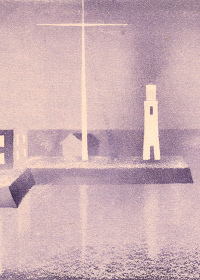
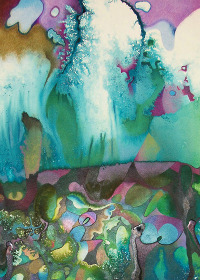
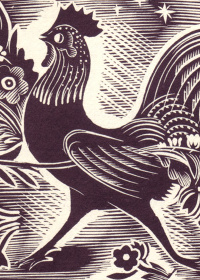
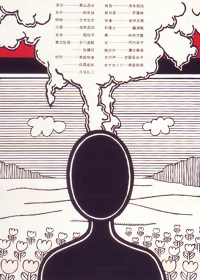
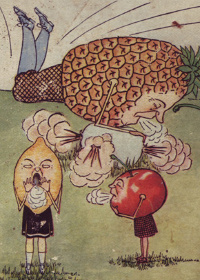
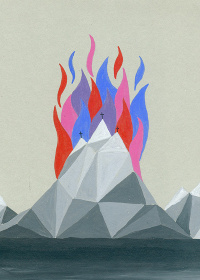
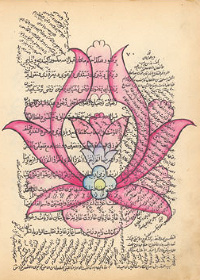
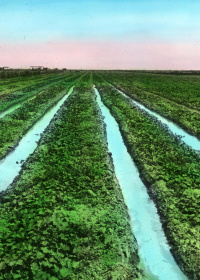
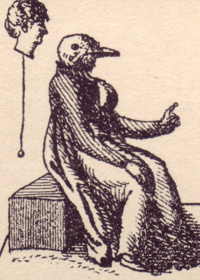
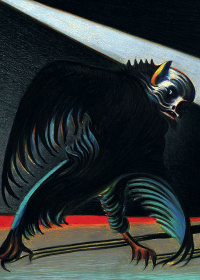
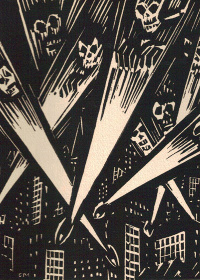
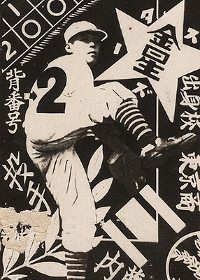
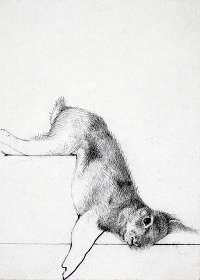
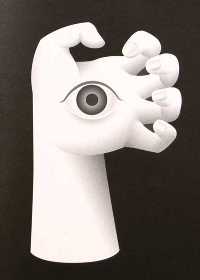
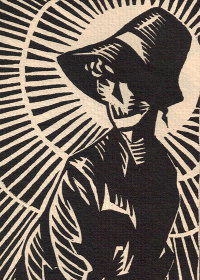
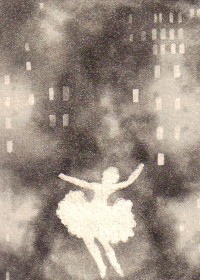
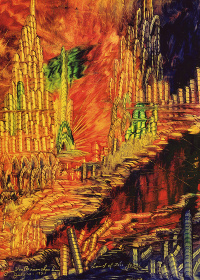
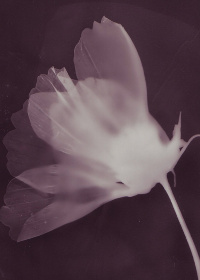
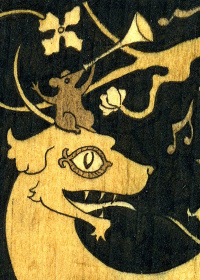
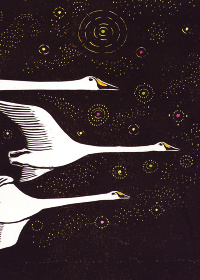
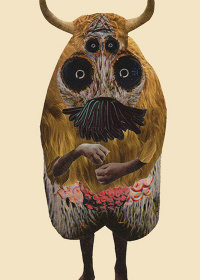
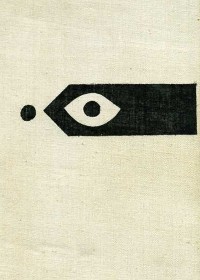
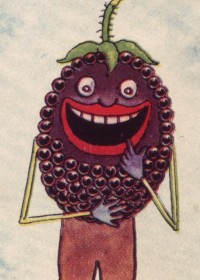
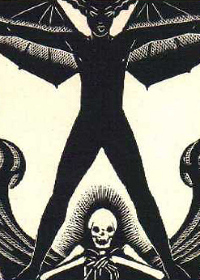
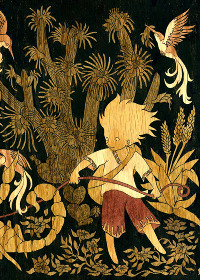
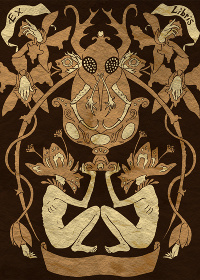
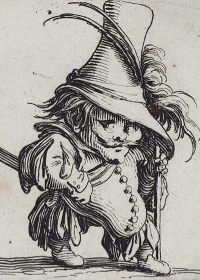
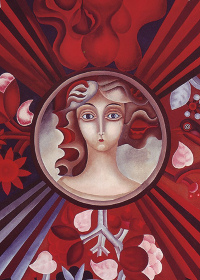
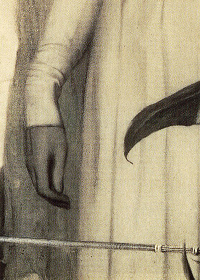
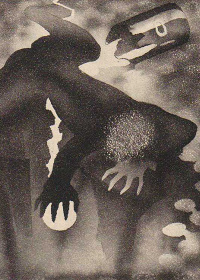
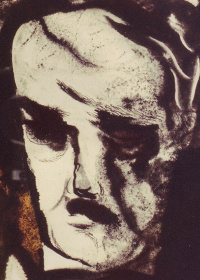
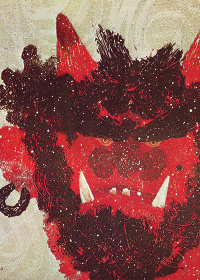
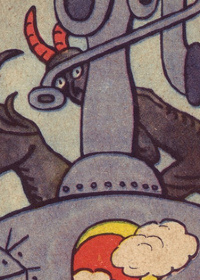
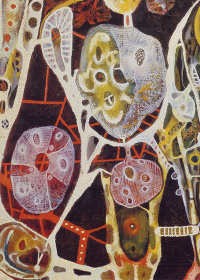
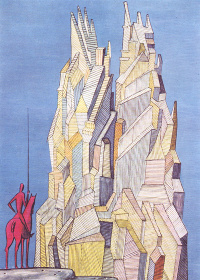
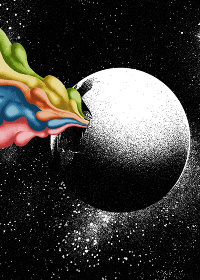
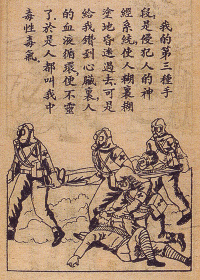
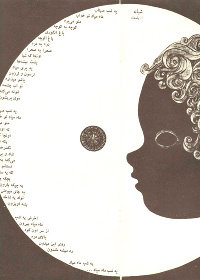
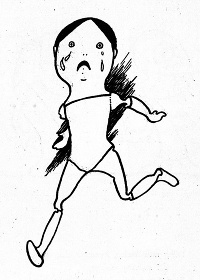
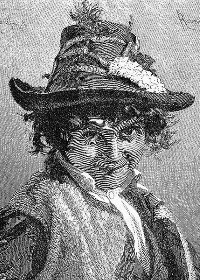
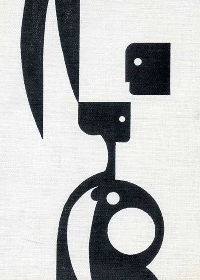
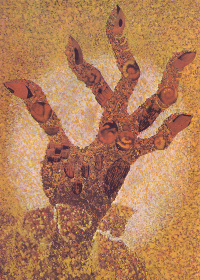
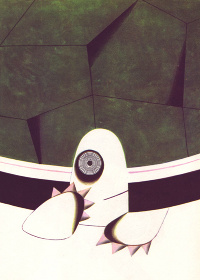
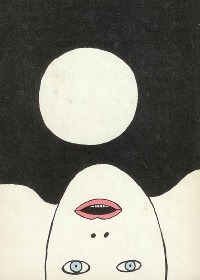
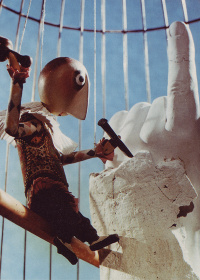
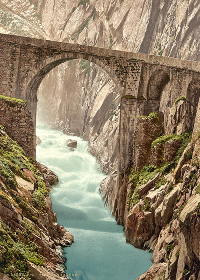
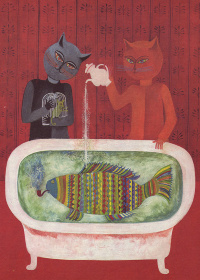
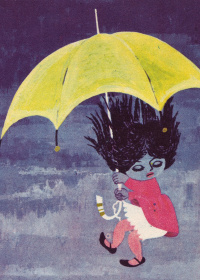
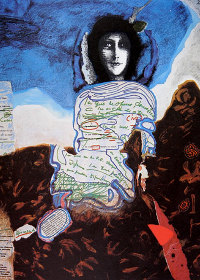
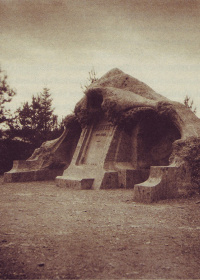
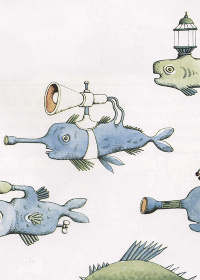
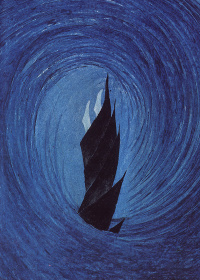
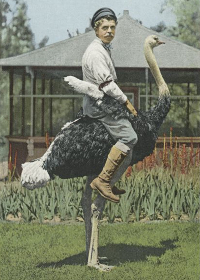
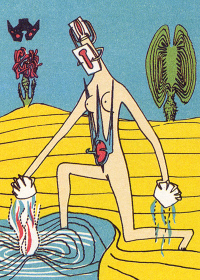
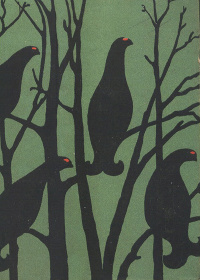
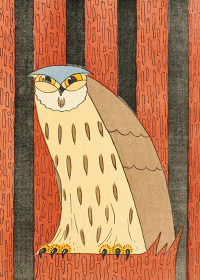
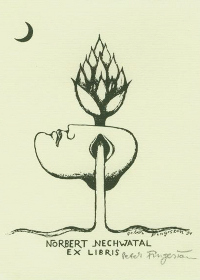
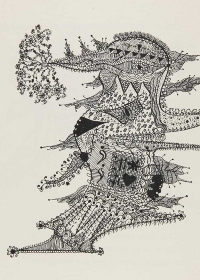
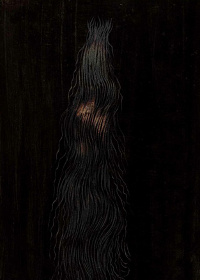
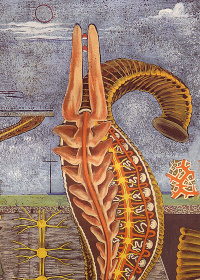
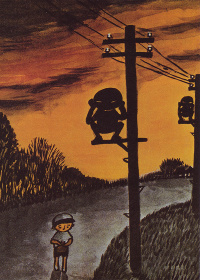
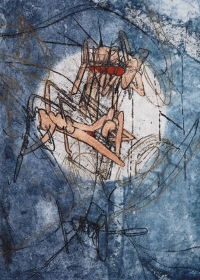
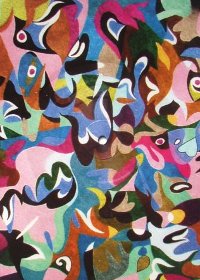
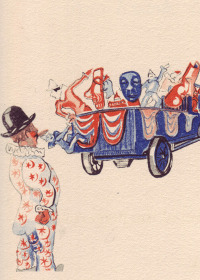
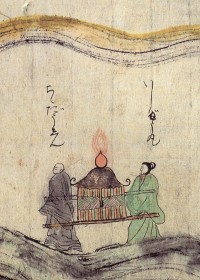
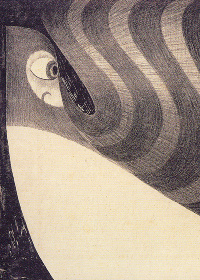
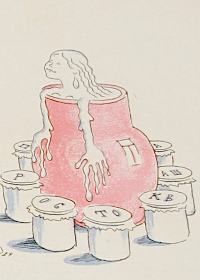
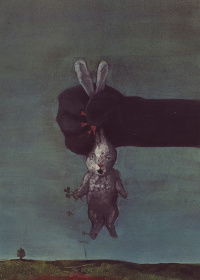
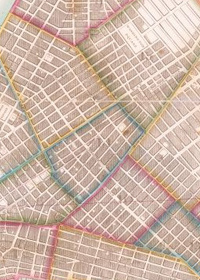
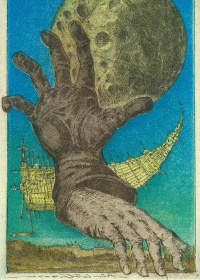
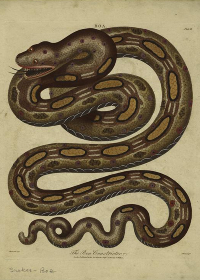
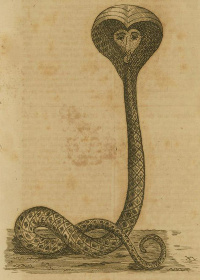
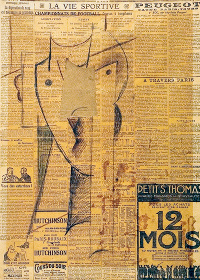
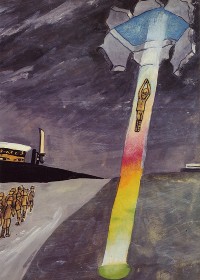
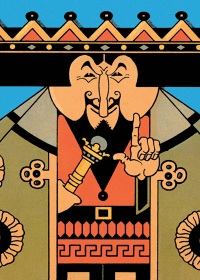
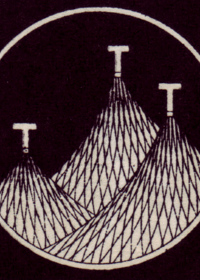
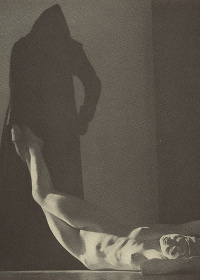
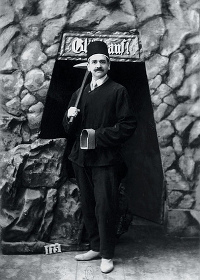
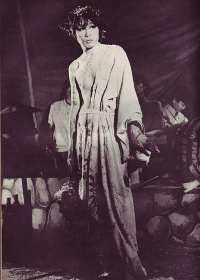
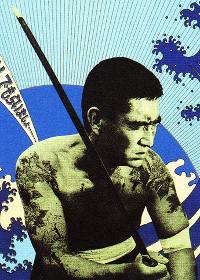
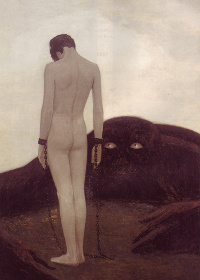
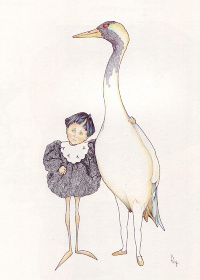
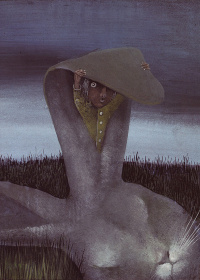
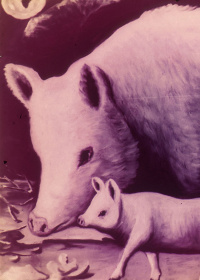
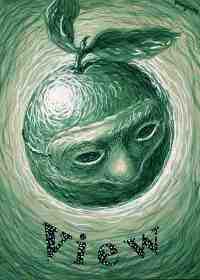
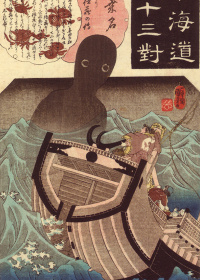
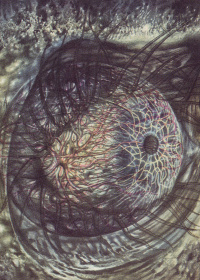
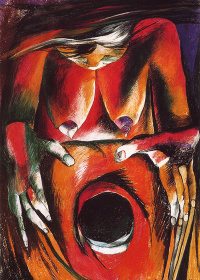
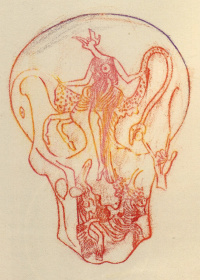
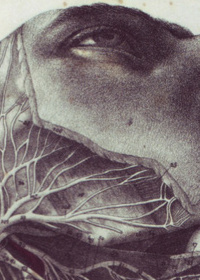
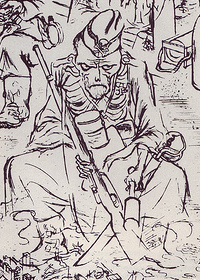
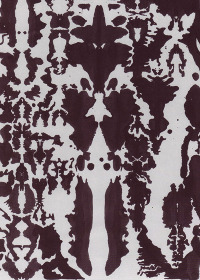
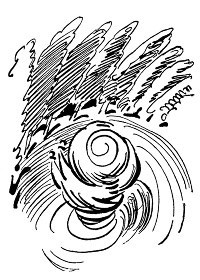
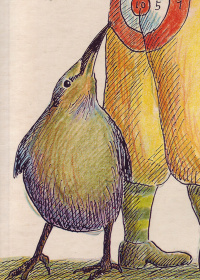
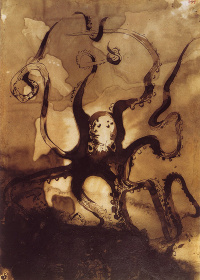
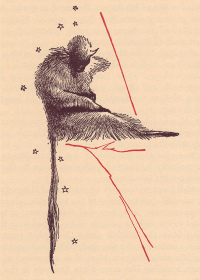
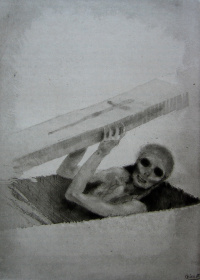
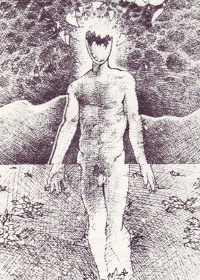
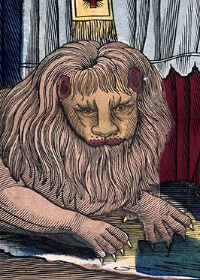
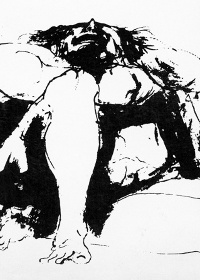
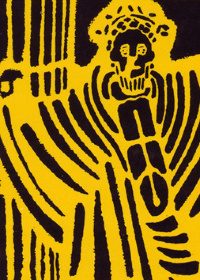
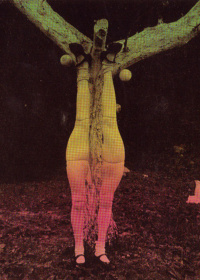
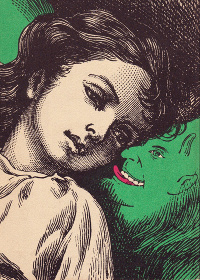
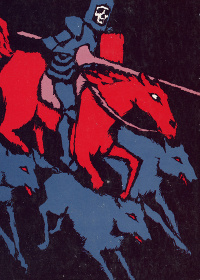
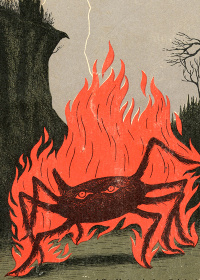
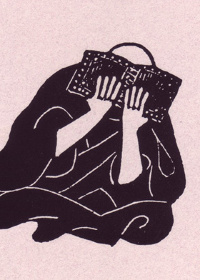
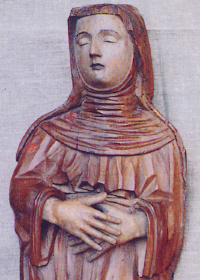
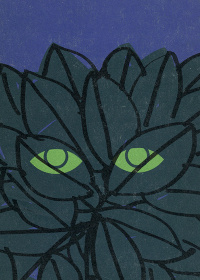
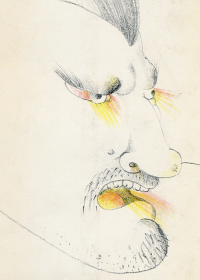
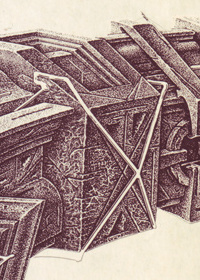
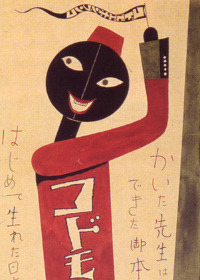
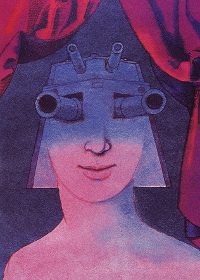
Six details from a truly incredible work of art, Yukihiko Tajima's picture book Gion Matsuri (Doshinsha, 1976; the link is to a reprint on Amazon.co.jp). The book is 10" tall by 12" wide, and Tajima uses the full 10" x 24" space of each spread to create fifteen masterful scenes. A sixteenth illustration takes up only one page; the front and back endpapers are also illustrated. A few of the spreads are vertical.
An online bio (slightly cleaned up):
Born in Sakai, Osaka in 1940. Graduated Dyeing Design Course of Kyoto City University of Arts in 1963. Since 1963 until today has held many exhibitions of his own work in numerous Japanese cities. Winner of the prize of new painter and printer in Kyoto, 1975. Started to publish picture books by dyeing technique from 1976. His main picture books are Jigoku no Sobe, Gion Matsuri and so on. "The Exhibition of Yukihiko & Seizo Tajima" was held with his brother Seizo at Niigata Art Museum, in 1988. Published Funsenki (The Works of Yukihiko Tajima) in 1995. Member of Japan Printer's Association.
You can see that the images were created on fabric. I would love to see the originals, though I'm not sure if they're in museums or personal collections. From a photo on the back flap of the dustjacket, it looks like Tajima created these works at the final size (10" x 24").
If I'm not mistaken, Tajima used the method known as katazome. Dreamers Rise recently did a fantastic post on Japanese katazome calendars.
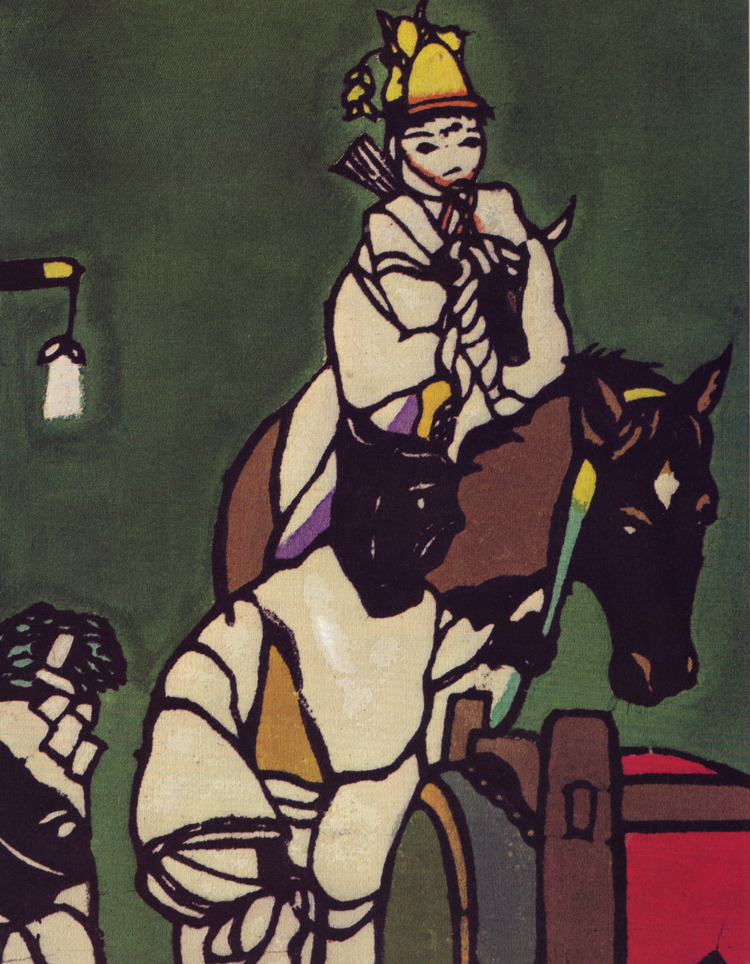
Yukihiko Tajima, Gion Matsuri, 1976 (detail from 2-page spread)
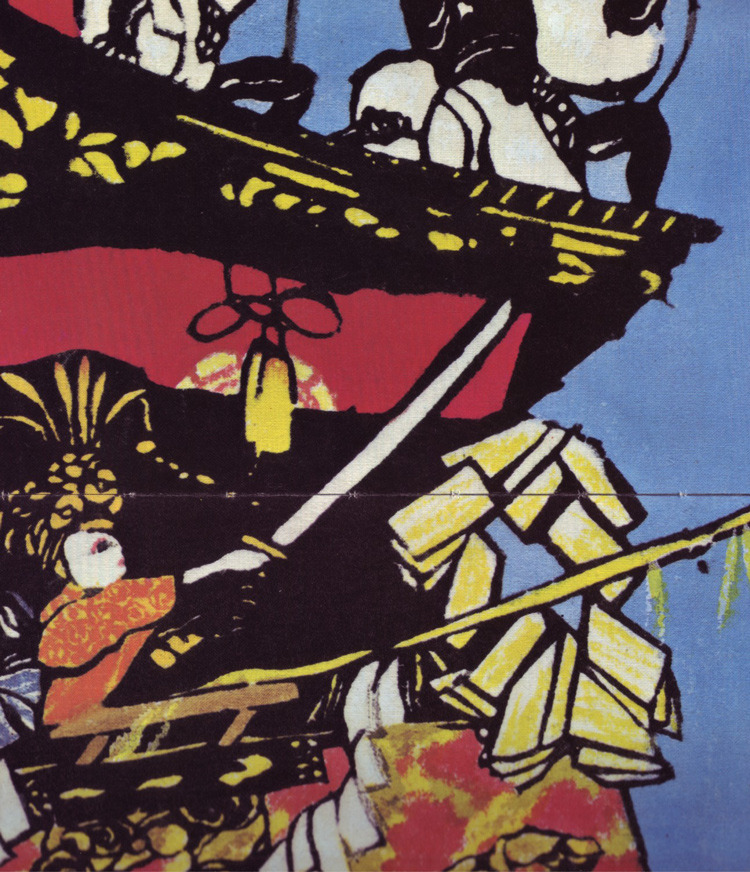
Yukihiko Tajima, Gion Matsuri, 1976 (detail from 2-page spread)
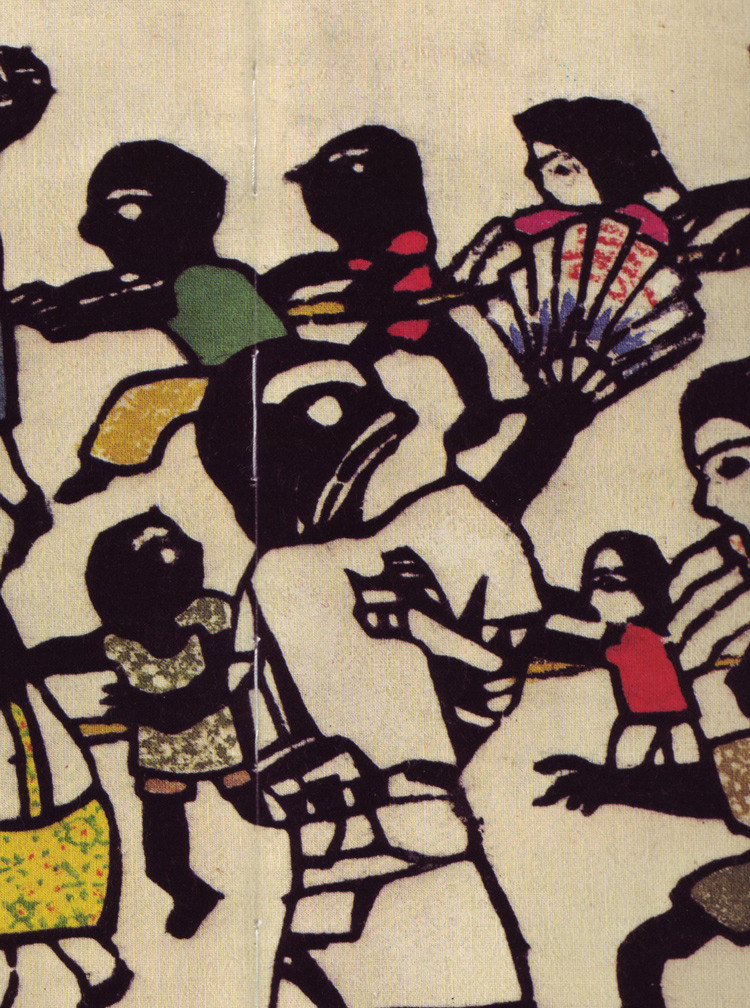
Yukihiko Tajima, Gion Matsuri, 1976 (detail from 2-page spread)
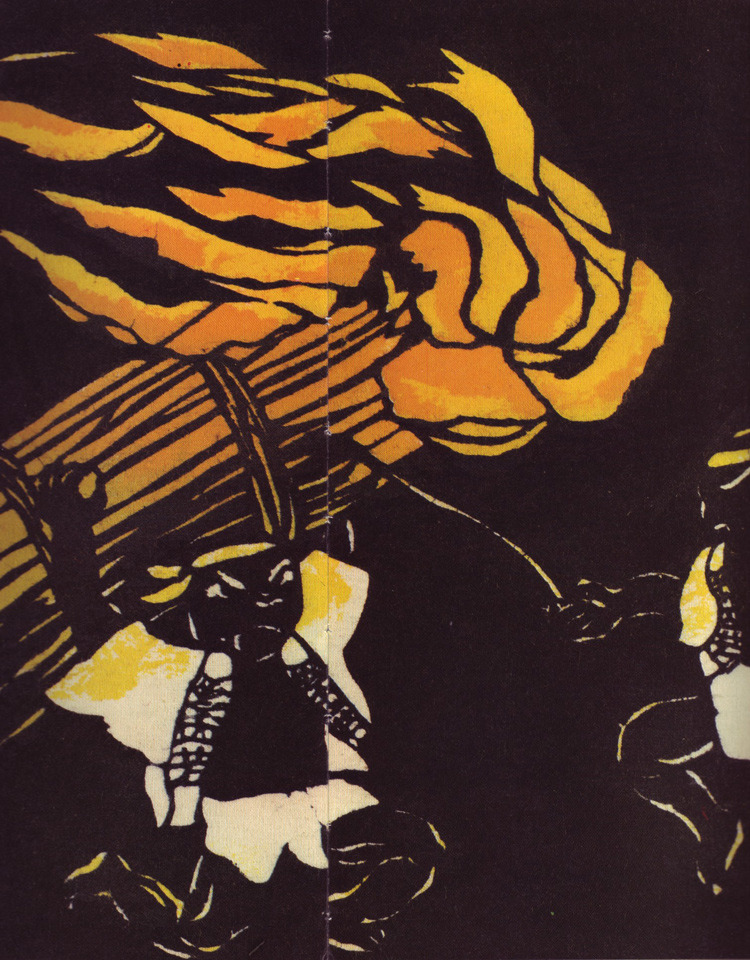
Yukihiko Tajima, Gion Matsuri, 1976 (detail from 2-page spread)
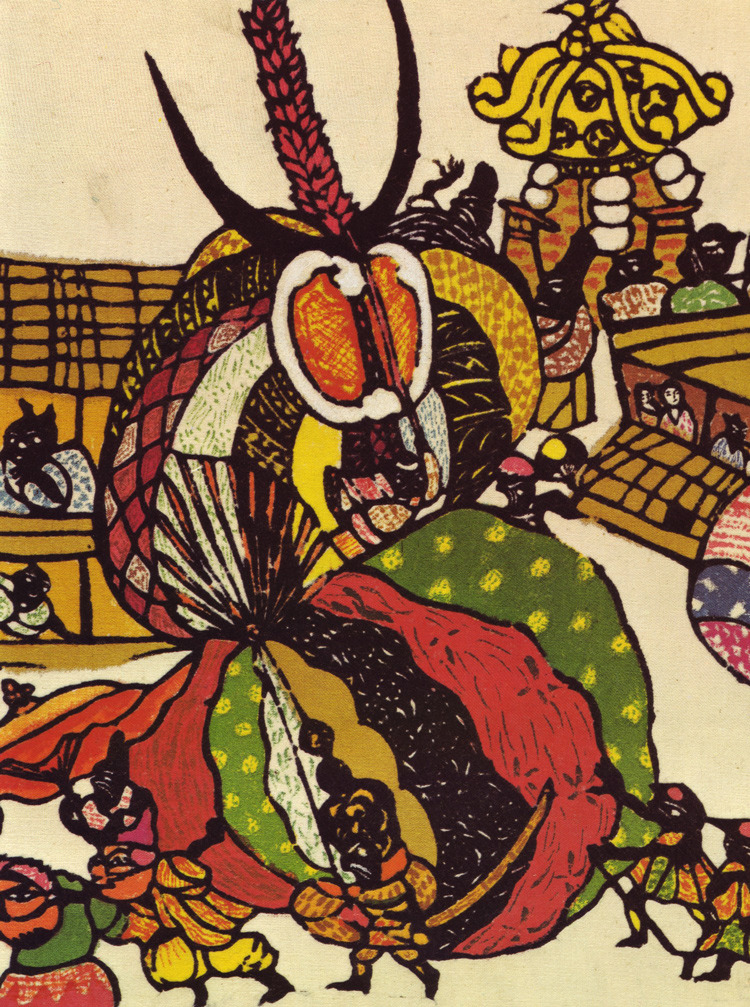
Yukihiko Tajima, Gion Matsuri, 1976 (detail from 2-page spread)
From wikipedia: The Gion Festival (祇園祭 Gion Matsuri) takes place annually in Kyoto and is one of the most famous festivals in Japan. It spans the entire month of July and is crowned by a parade, the Yamaboko Junkō on July 17.