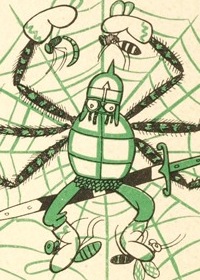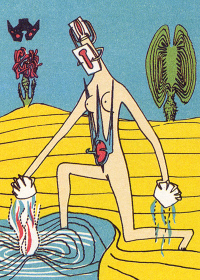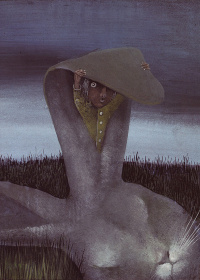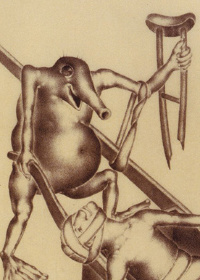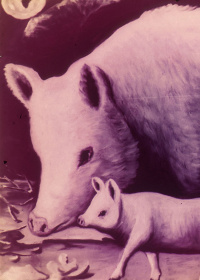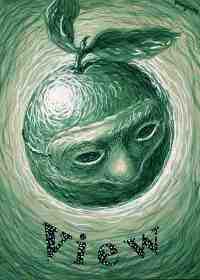

(Find me at Bookers Buzz Books.)

I often go directly to the endnotes in academic books. This is the first post of my new series, "Endnote Discoveries."
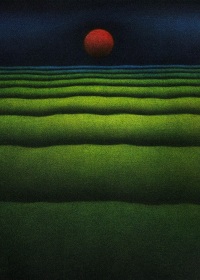
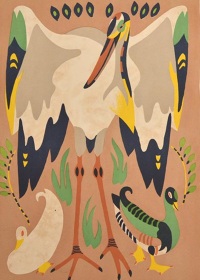
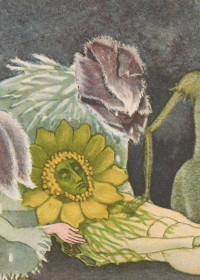
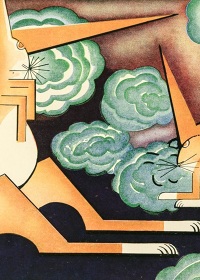
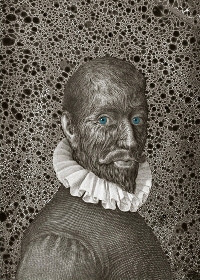
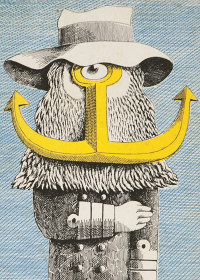
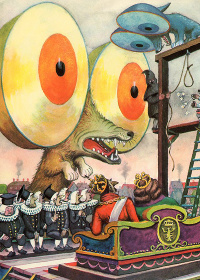
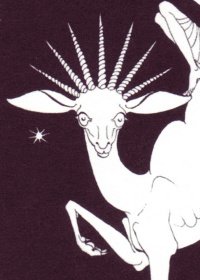
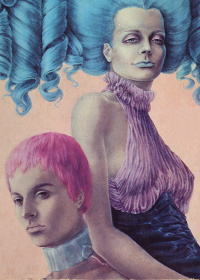
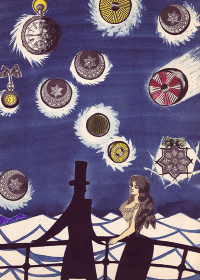
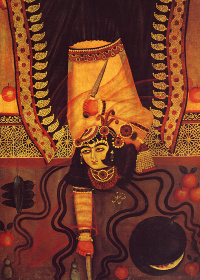
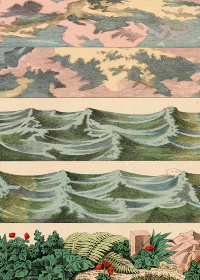
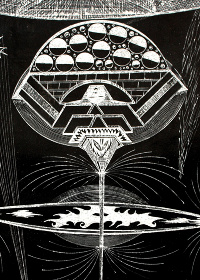
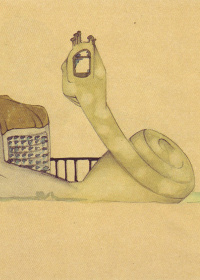
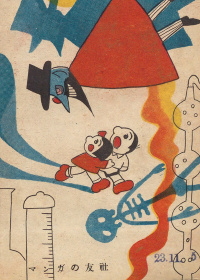
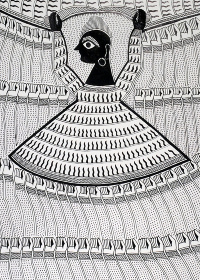
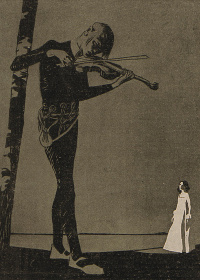
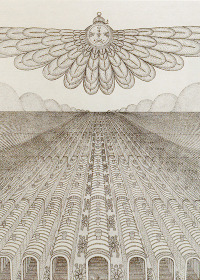
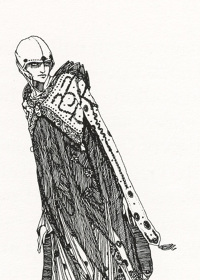
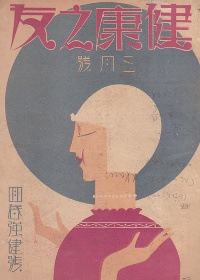
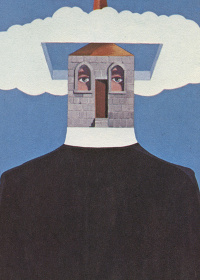
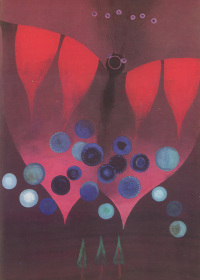
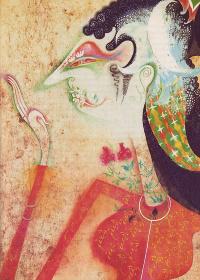
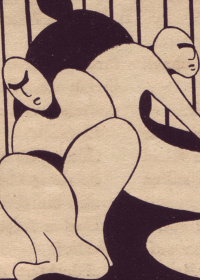
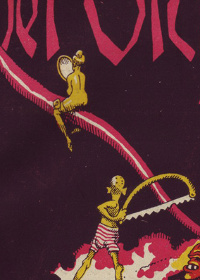
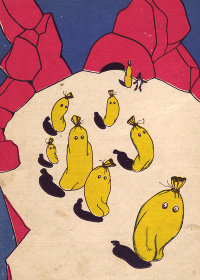
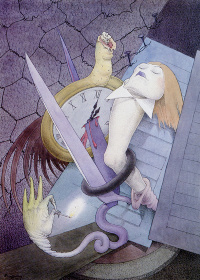
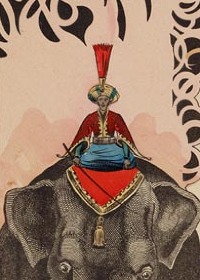
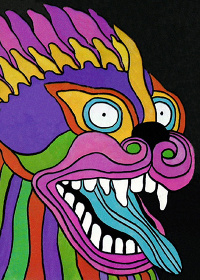
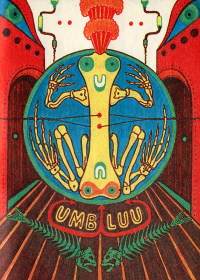
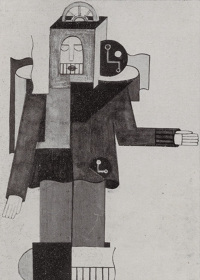
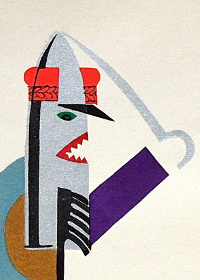
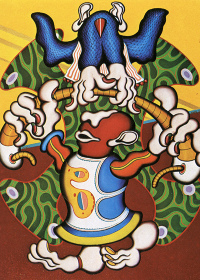
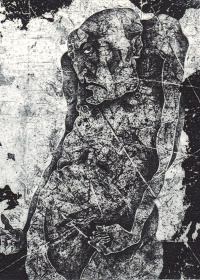
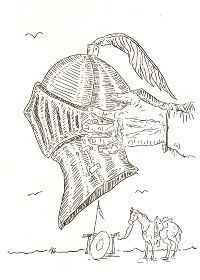
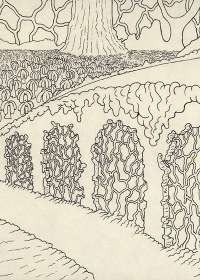
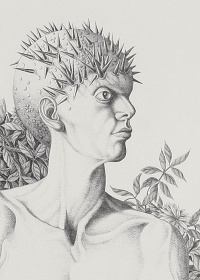
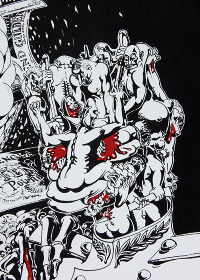
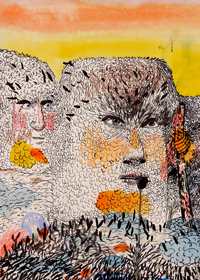
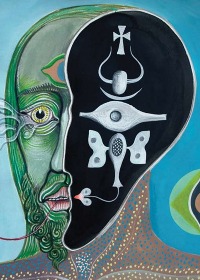
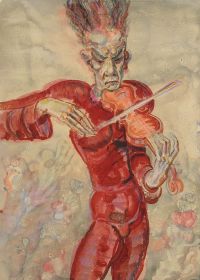
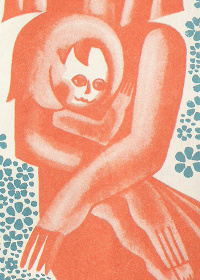
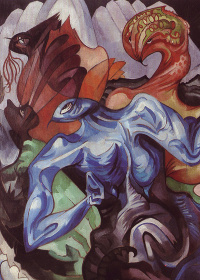
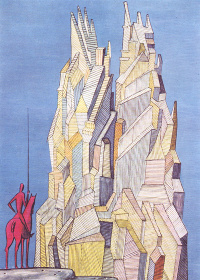
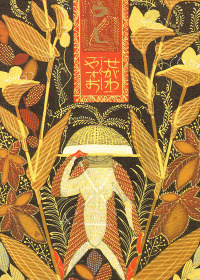
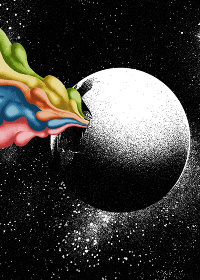
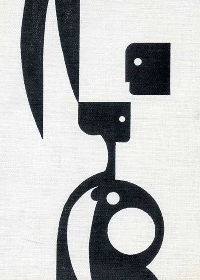
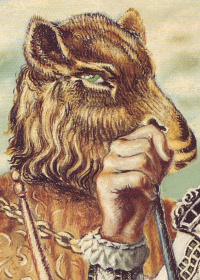
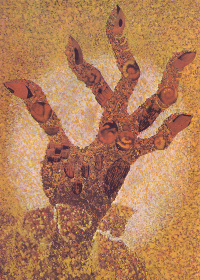
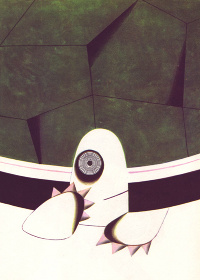
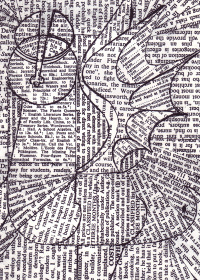
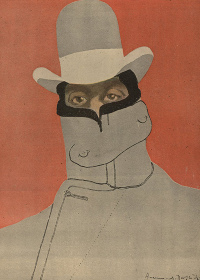
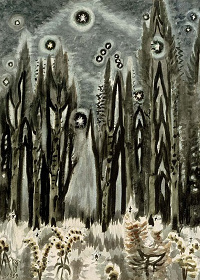
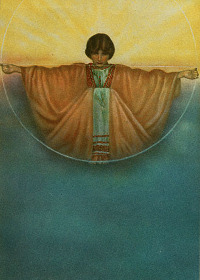
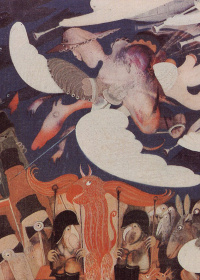
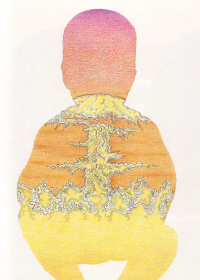
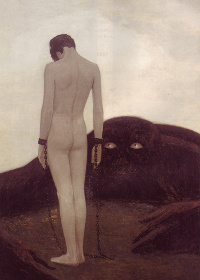
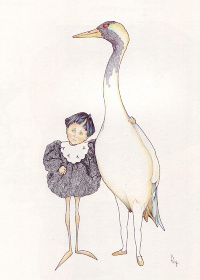
Note 238 of Mark Ford's Raymond Roussel and the Republic of Dreams begins, "In an attempt to further my understanding of Roussel's appeal to visual artists such as Duchamp, Ernst, Dali, Giacometti -- who once told John Ashbery that Roussel's fiction had inspired much of his early work -- and to Trevor Winkfield himself, I asked the New York-based painter to describe the impact of Roussel's work on his own development. He replied in the following terms."
The rest of this long note is given over to Trevor Winkfield:
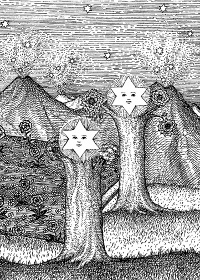
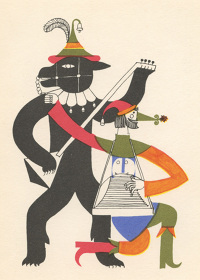
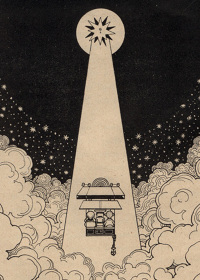
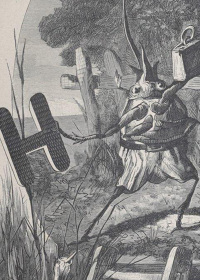
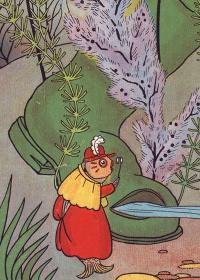
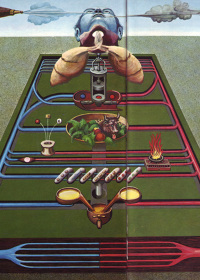
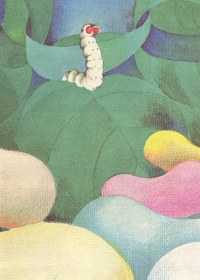
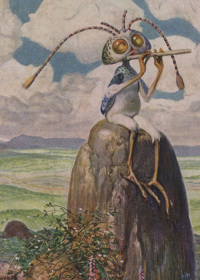
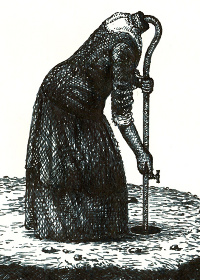
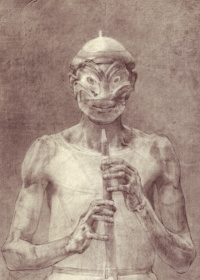
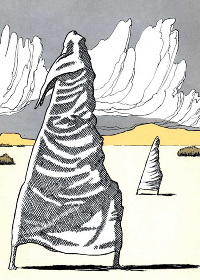
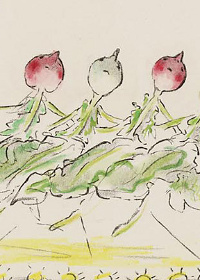
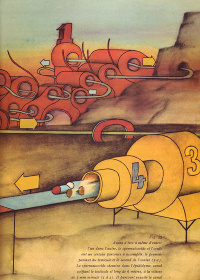
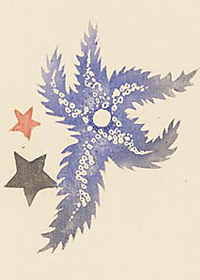
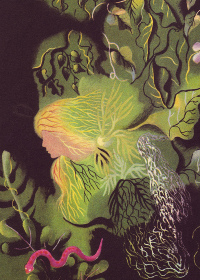
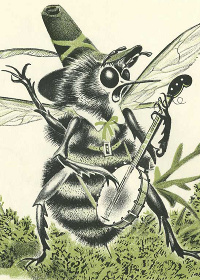
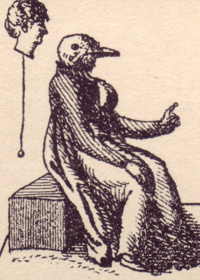
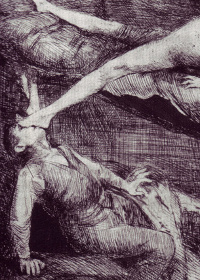
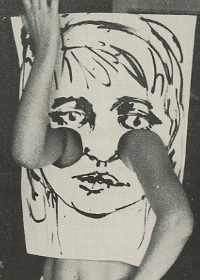
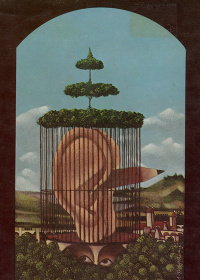
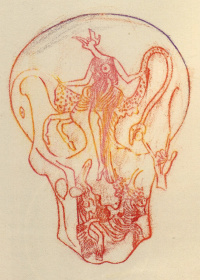
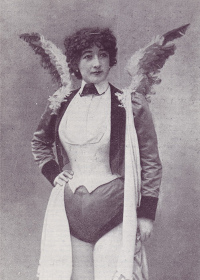
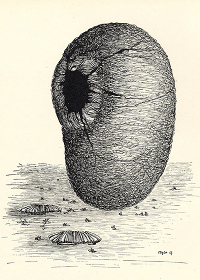
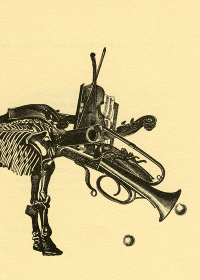
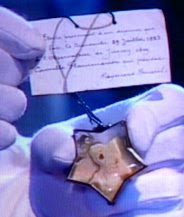
I was first attracted to Roussel in 1964 through his influence on Marcel Duchamp; anyone whose influence has helped form the Large Glass had to be special. I bought a copy of Impressions d'Afrique and although I had only rudimentary understanding of French I could tell Roussel was using very unusual words, words which in isolation became objects in a sea of verbiage. I studied French in order to translate his expository essay 'How I Wrote Certain of My Books' (indeed, it was through my translation of this in 1970-73 that I found a new way of painting, after giving up art in 1967). But the deeper I went into the books, paradoxically the more impenetrable they became: the matter-of-fact manner in which the complicated machinery was described could not disguise the notion that another dimension existed behind the apparent text. In retrospect, this led to the layering of my paintings, so that what one sees is not necessarily what one gets. A single object can have multiple interpretations. And speaking of objects, I was delighted that so many abounded in Roussel's work; it's full of visual material and art objects for an artist to ponder (the ruler made of bacon, the aerial piledriver and its mosaic, the focal gaol and its fading prints, the bowler hat with the word Pincée traced on it, the zither played by a worm...). I was particularly struck by an actual Roussel object: the star-shaped biscuit which he'd kept as a souvenir of his 1923 meal with the astronomer Camille Flammarion, and the little star-shaped glass box he constructed to preserve it.
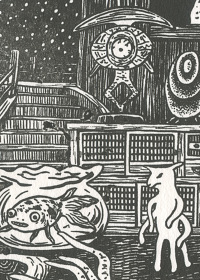
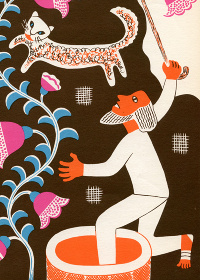
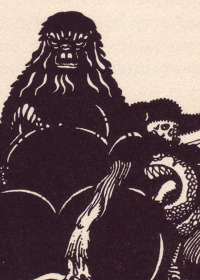
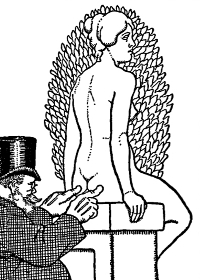
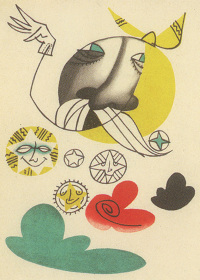
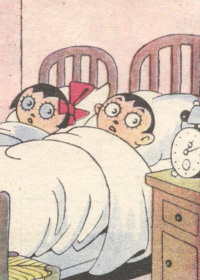
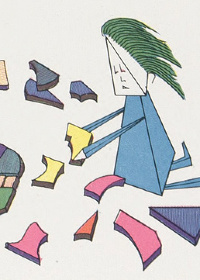
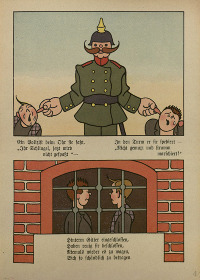
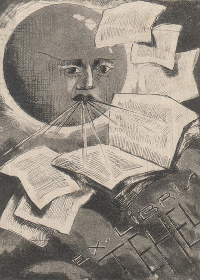
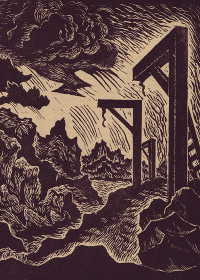
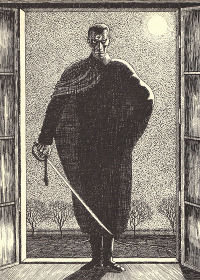
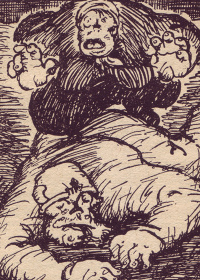
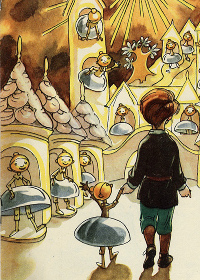
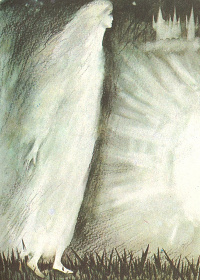
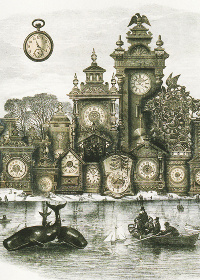
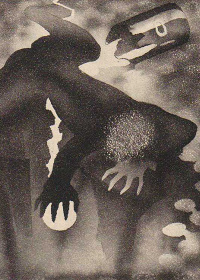
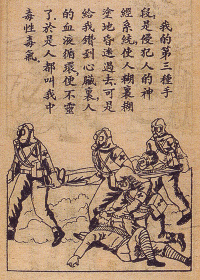
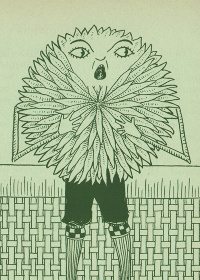
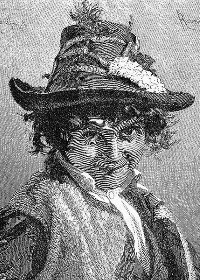
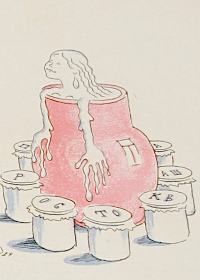
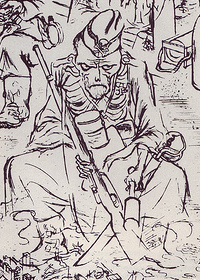
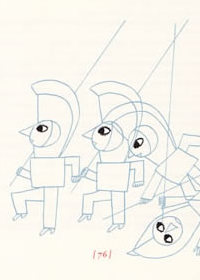
I was also very attracted to the idea that Roussel had constructed a totally artificial world, self-contained and somewhat claustrophobic. As Janet so memorably put it: 'the work must contain nothing real, no observations on the world or the mind, nothing but completely imaginary observations.' A world verging on insanity, but delineated logically by a writer who kept regular office hours every day (in other words, who relied not so much on inspiration as on hard work). I adopted a similar working routine as a result. And although Roussel's world was artificial, he appropriated facts from the outside world to build it. I was always taken by the knowledge that he'd phonetically distorted his shoemaker's name and address (Hellstern, 5 place Vendôme) to give him 'Hélice tourne zinc plat se rend (devient) dôme,' which gave him the elements of one of his outlandish apparatuses. Roussel's use of the real world to fabricate an artificial one was of great consequence for me, though his eventual suicide as a result acted as a warning. Finally, Nouvelles Impressions d'Afrique is the only book I'd like to be marooned with. Its stories within stories within stories I still find, after thirty years, endlessly fascinating. Zo's mundane illustrations, of course, make this a perfect bedtime book.


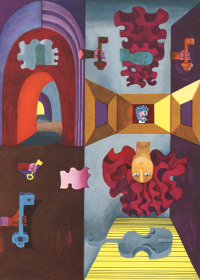
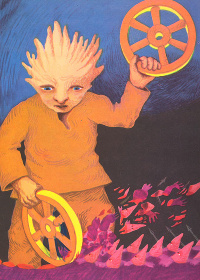
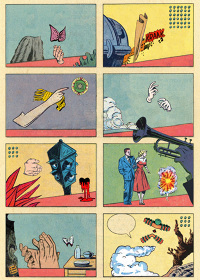
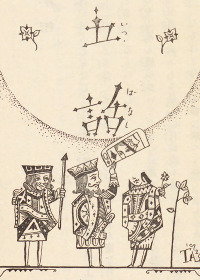
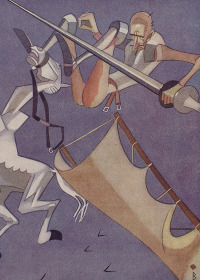
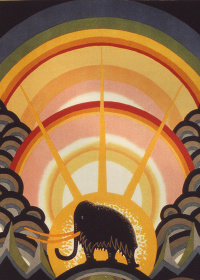
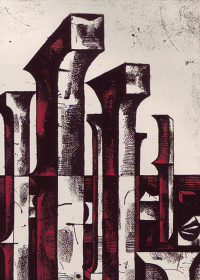
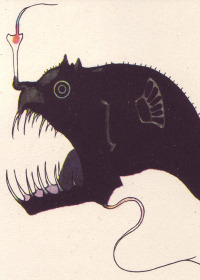
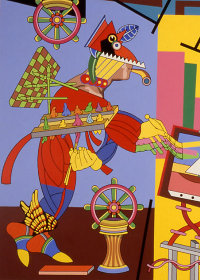
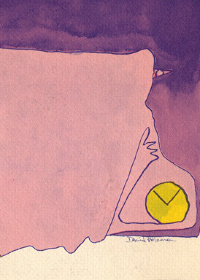
Ford then tells us to see Pageant "for a selection of Winkfield's most Rousselian compositions."
*****
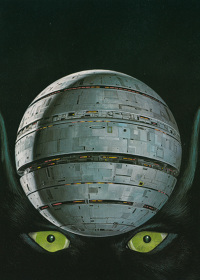
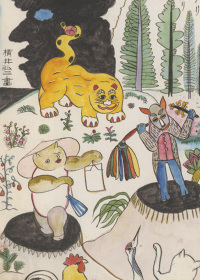
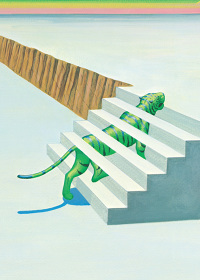
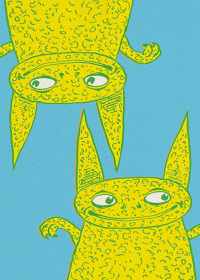
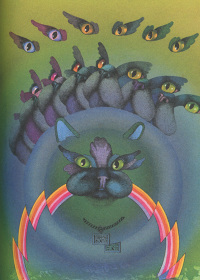
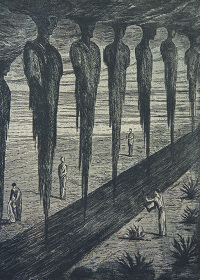
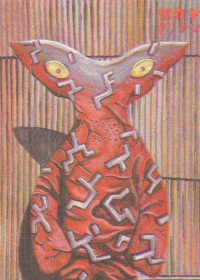
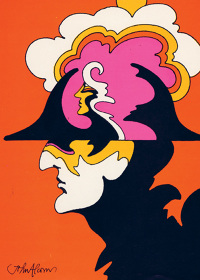
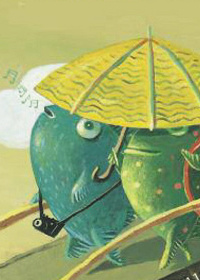
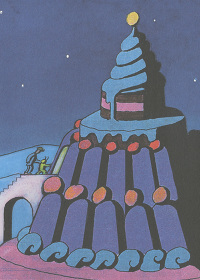
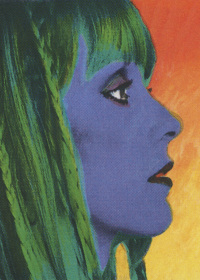
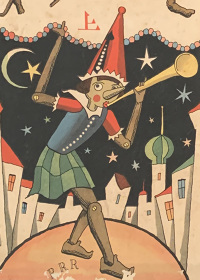
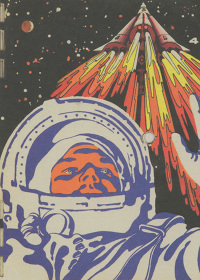
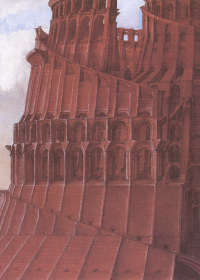
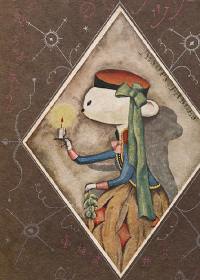
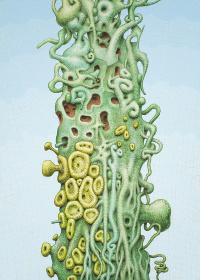
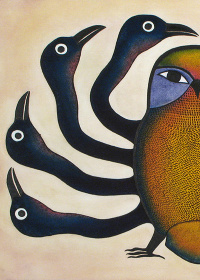
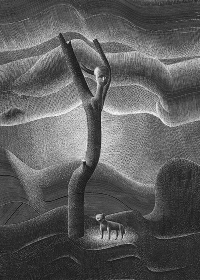
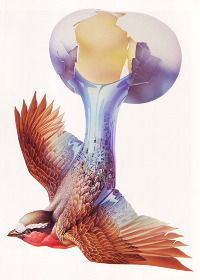
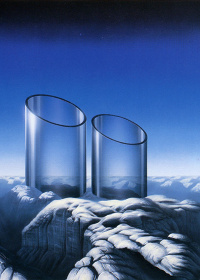
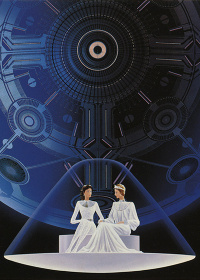
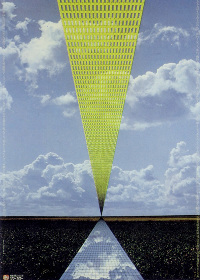
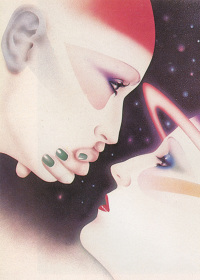
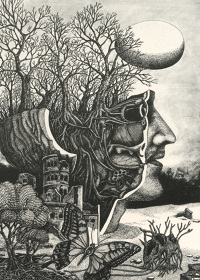
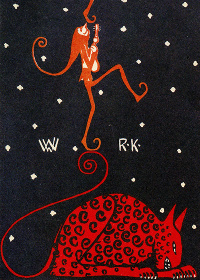
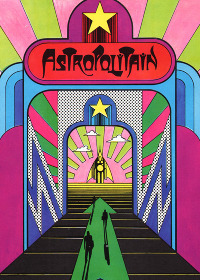
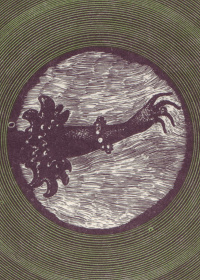
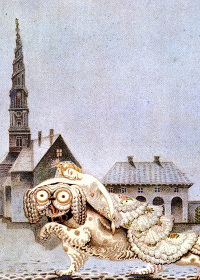
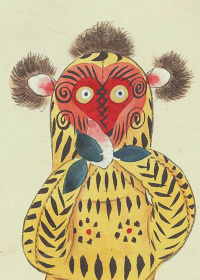
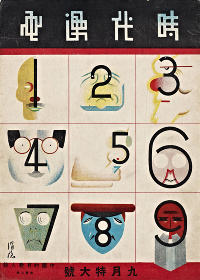
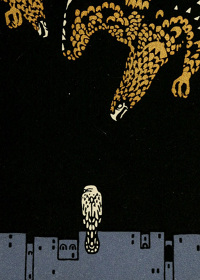
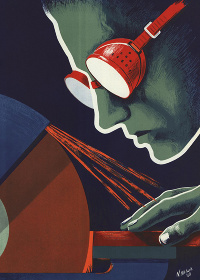
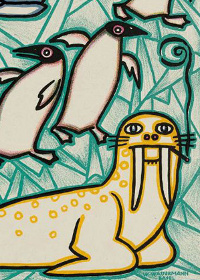
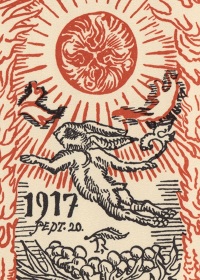
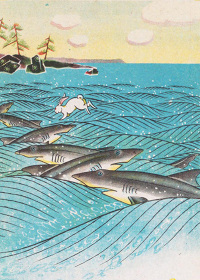
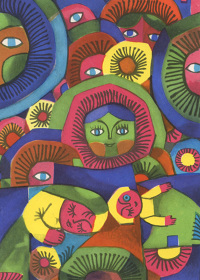
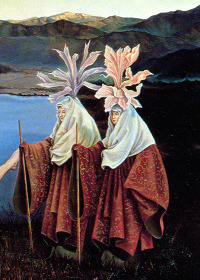
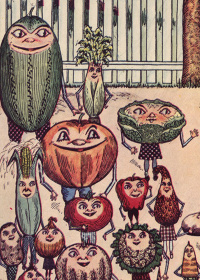
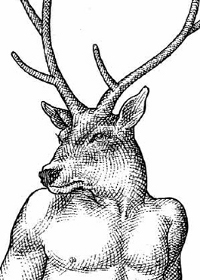
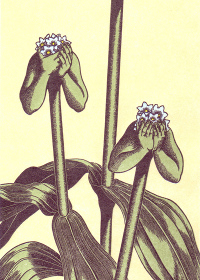
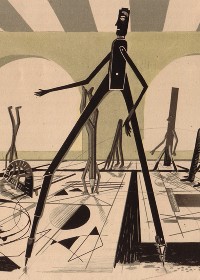
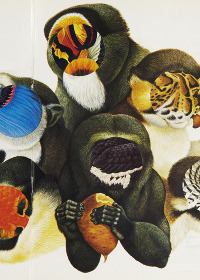
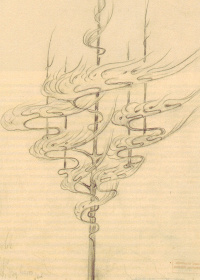
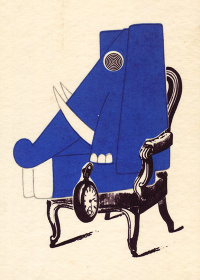
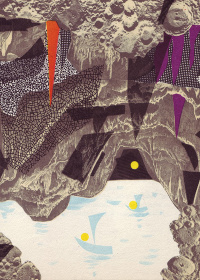
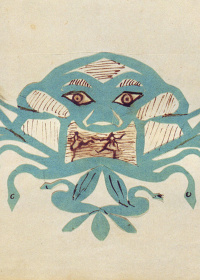
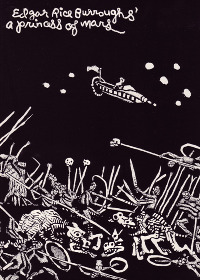
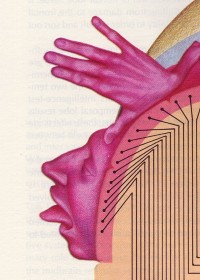
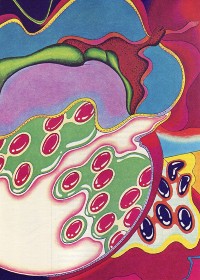
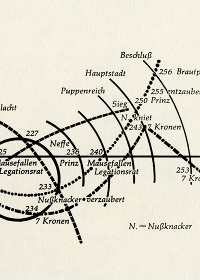
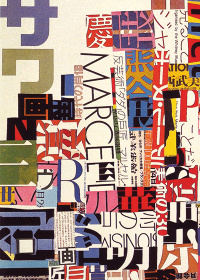
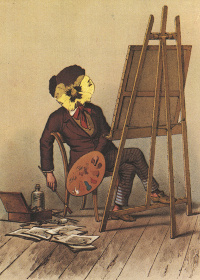
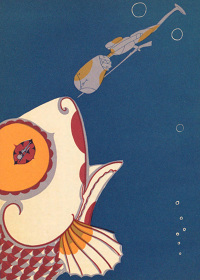
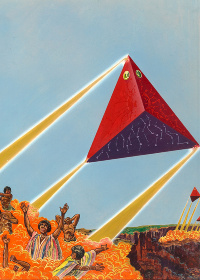
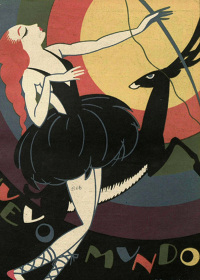
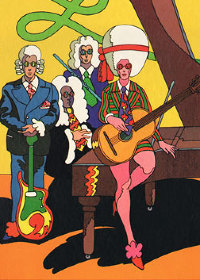
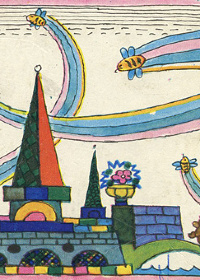
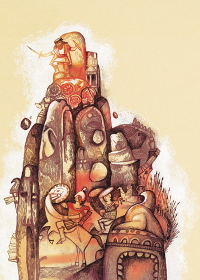
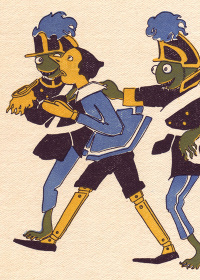
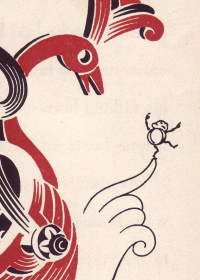
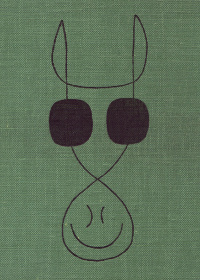
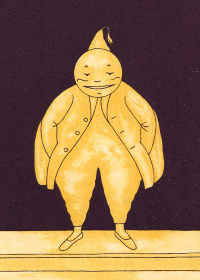
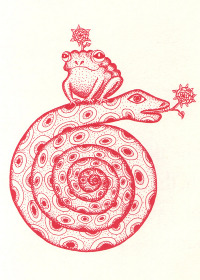
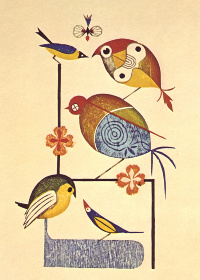
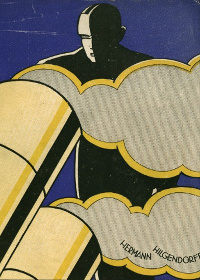
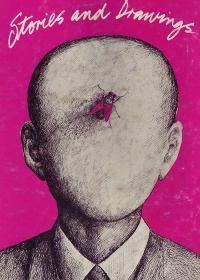
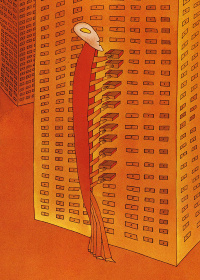
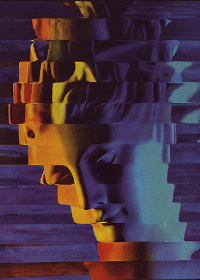
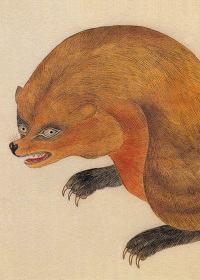
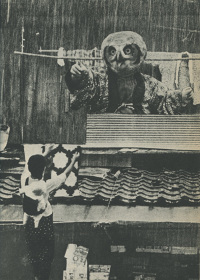
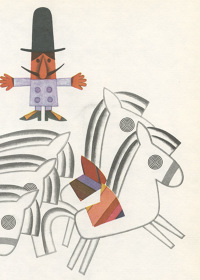
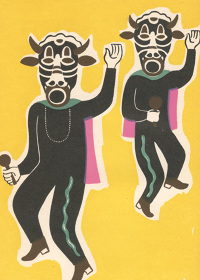
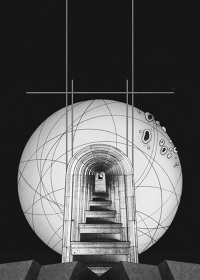
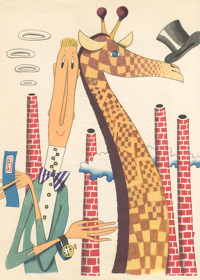
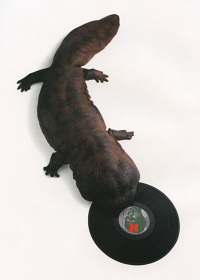
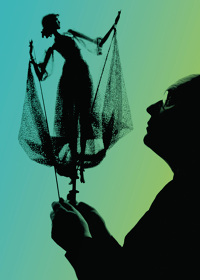
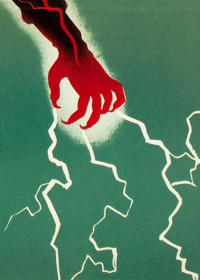
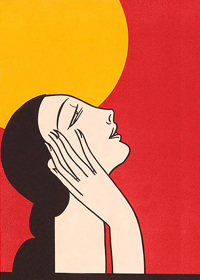
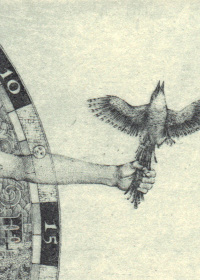
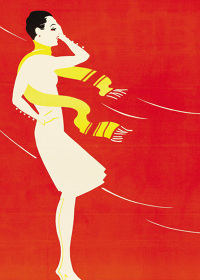
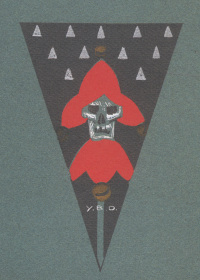
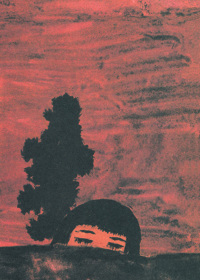
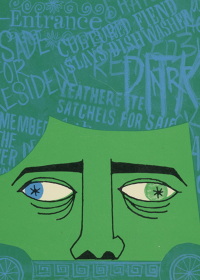
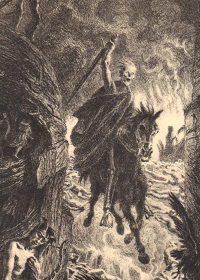
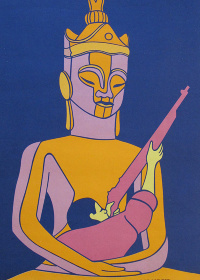
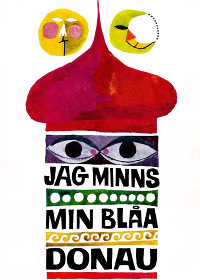
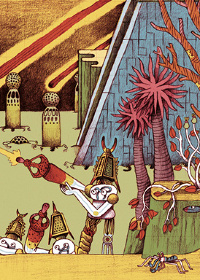
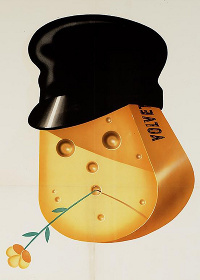
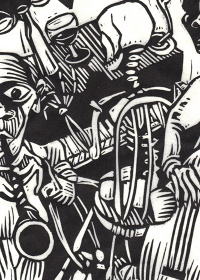
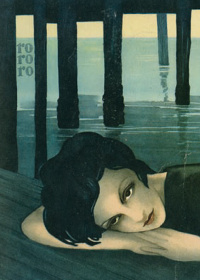
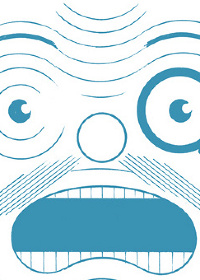
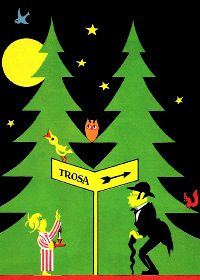
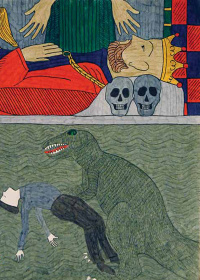
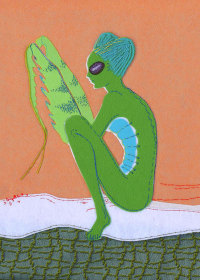
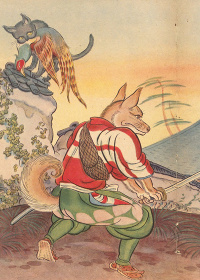
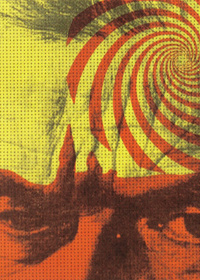
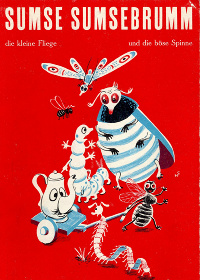
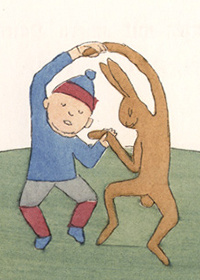
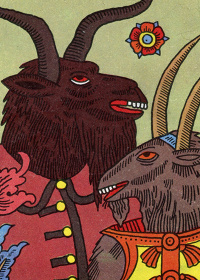
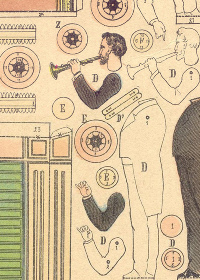
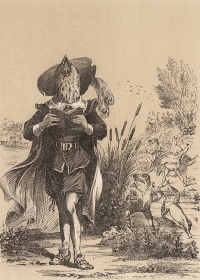
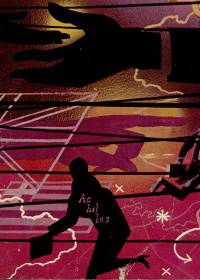
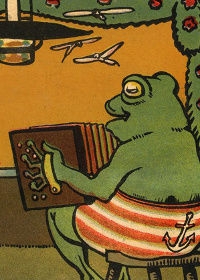
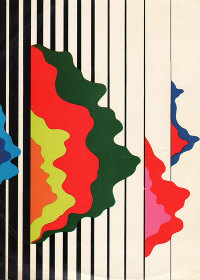
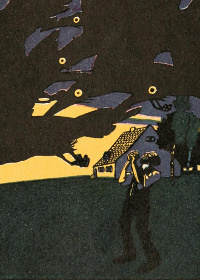
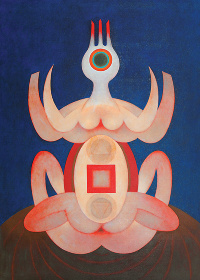
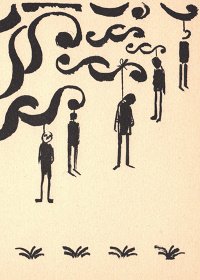
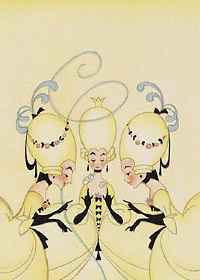
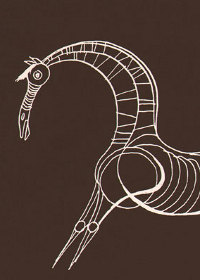
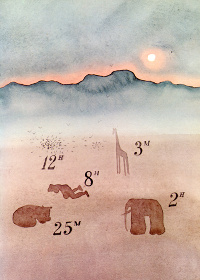
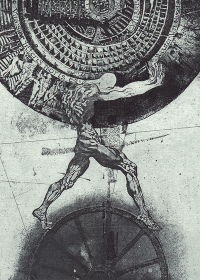
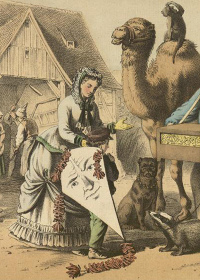
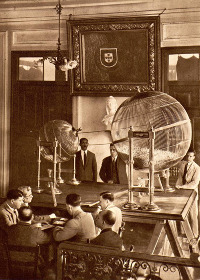
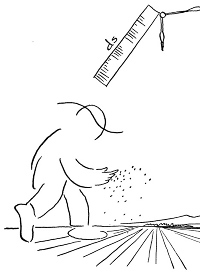
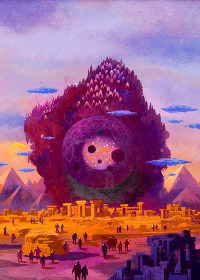
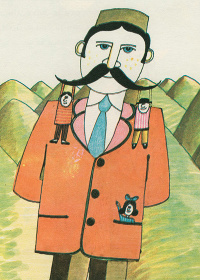
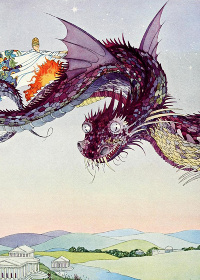
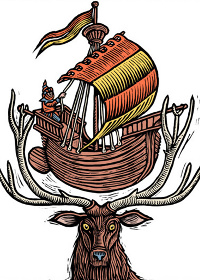
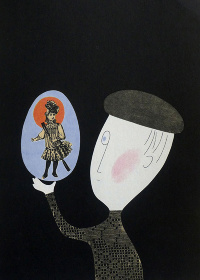
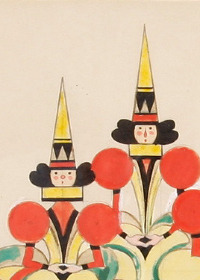
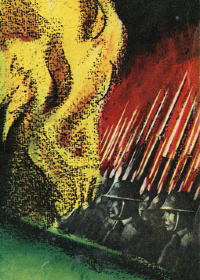
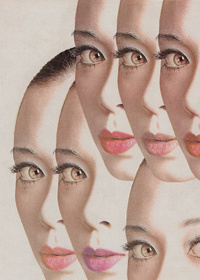
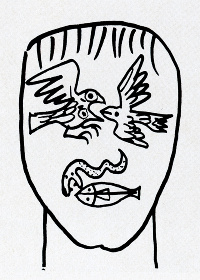
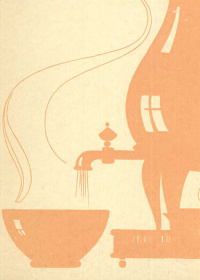
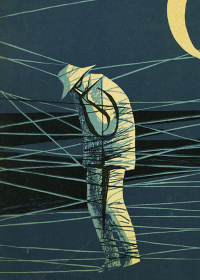
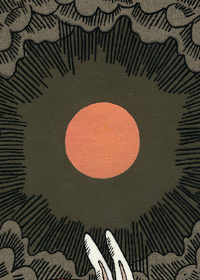
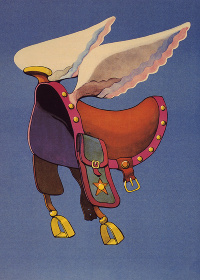
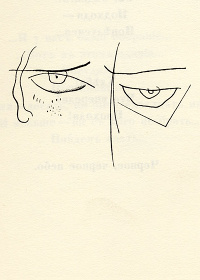
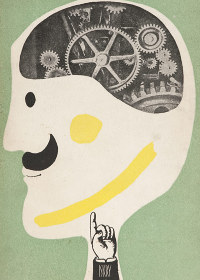
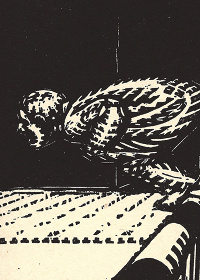
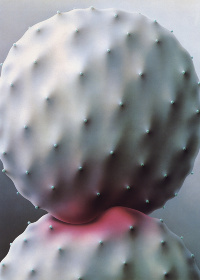
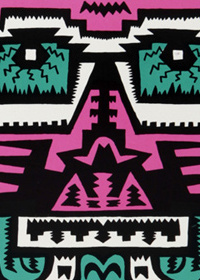
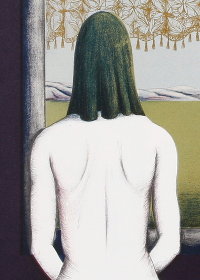
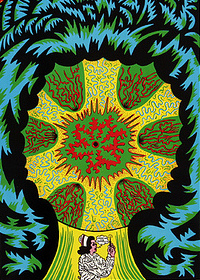
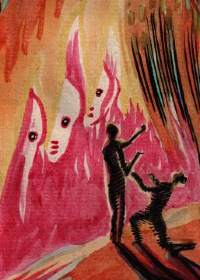
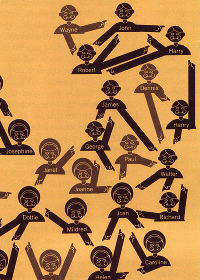
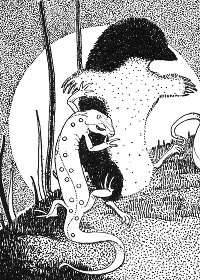
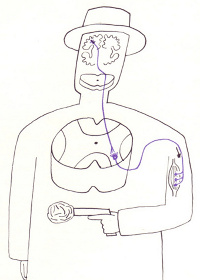
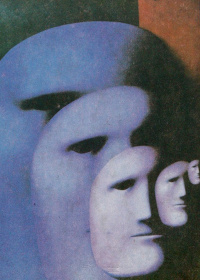
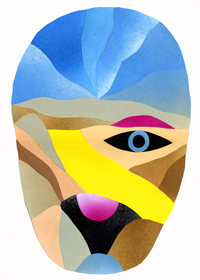
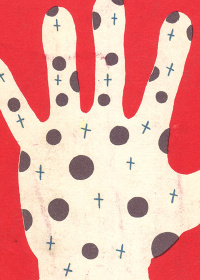
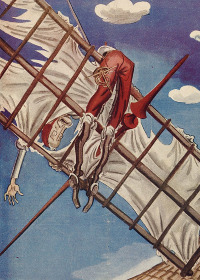
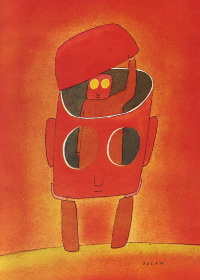
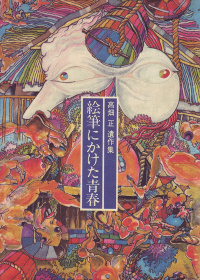
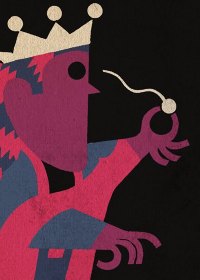
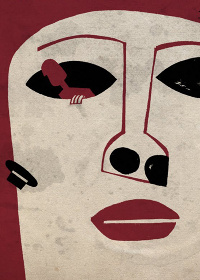
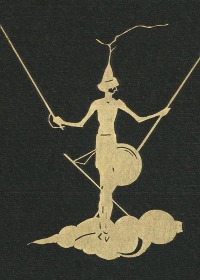
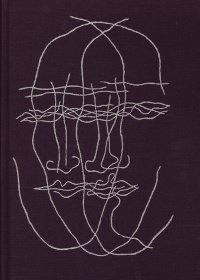
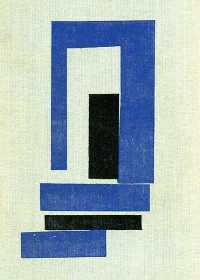
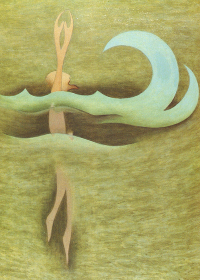
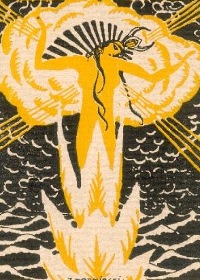
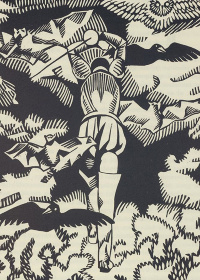
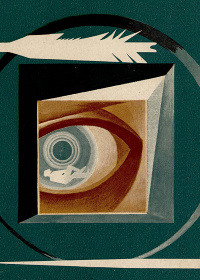
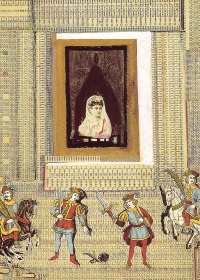
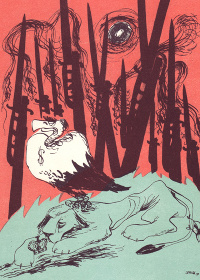
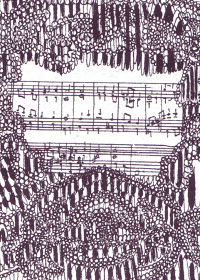
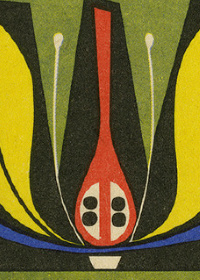
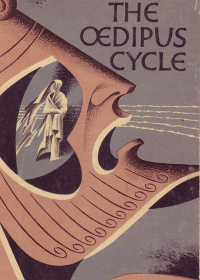
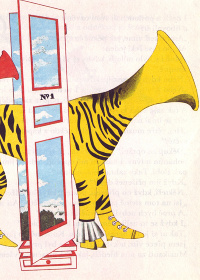
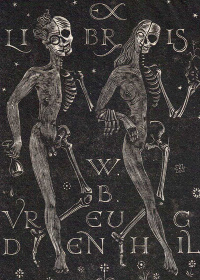
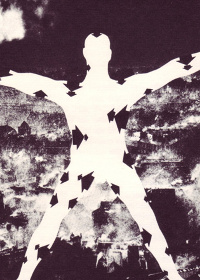
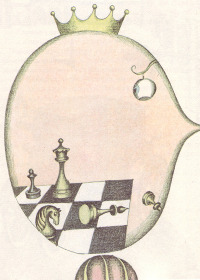
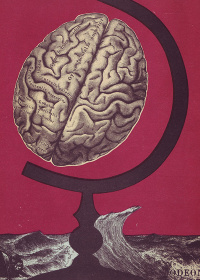
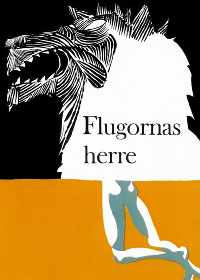
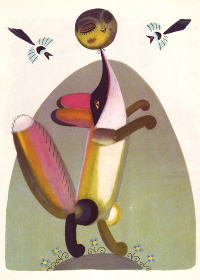
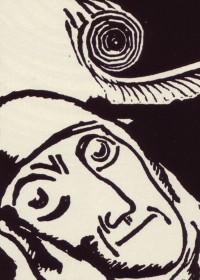
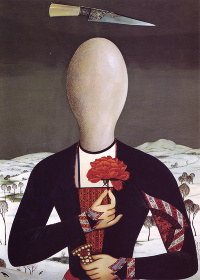
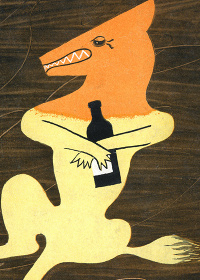
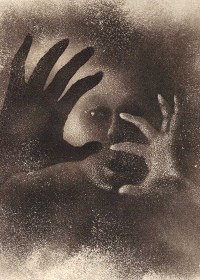
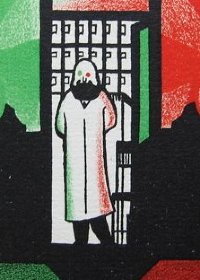
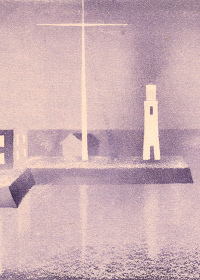
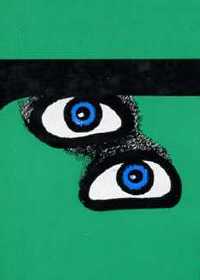
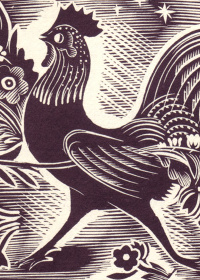
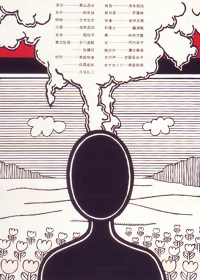
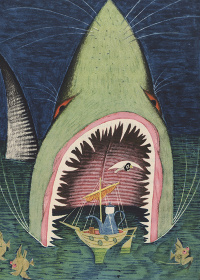
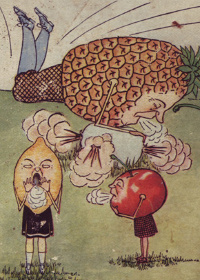
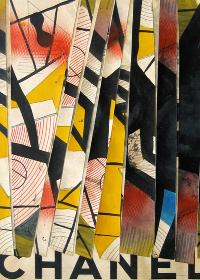
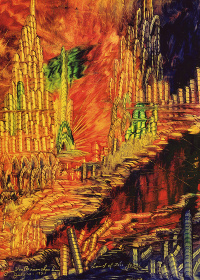
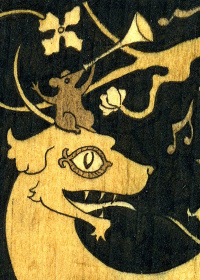
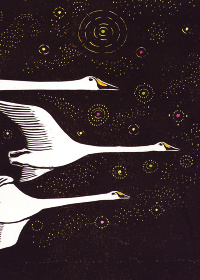
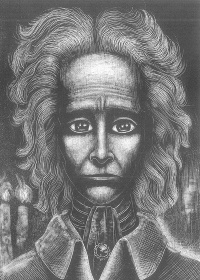
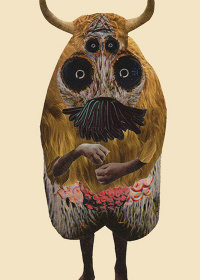
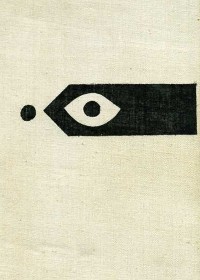
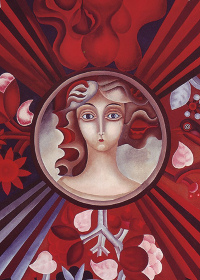
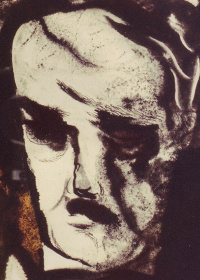
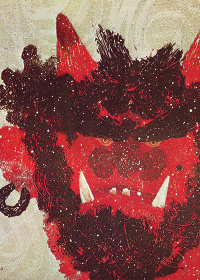
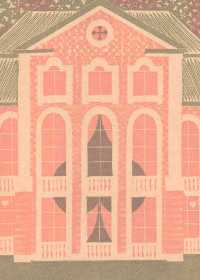
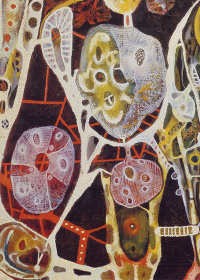
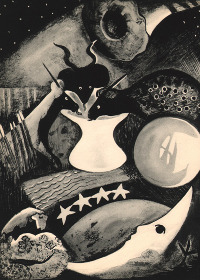
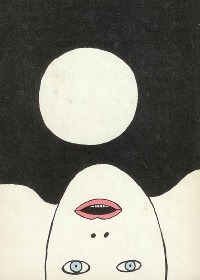
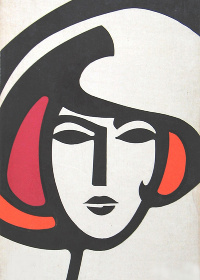
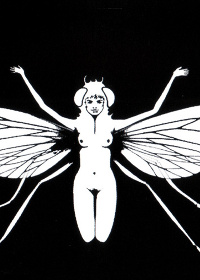
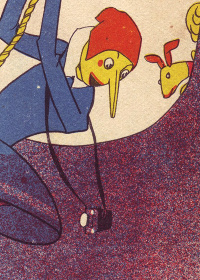
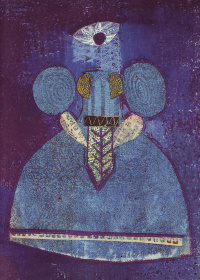
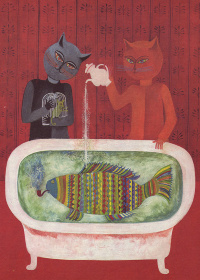
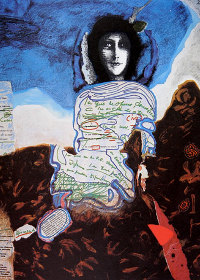
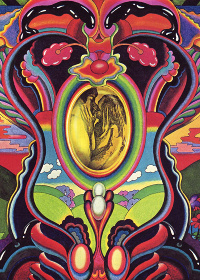
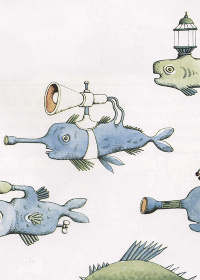
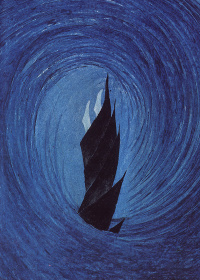
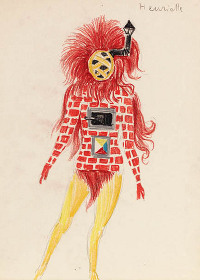
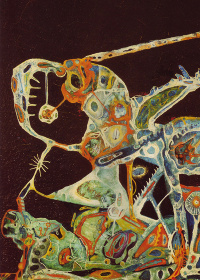
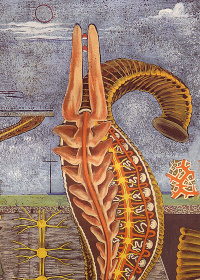
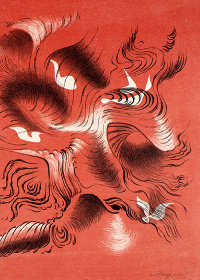
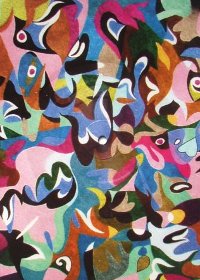
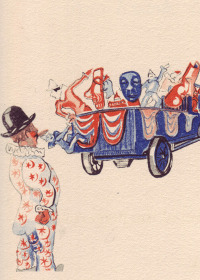
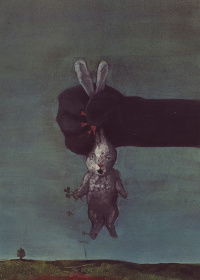
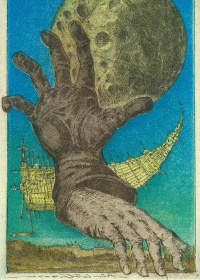
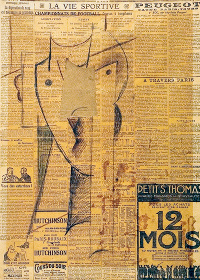
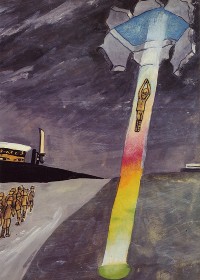
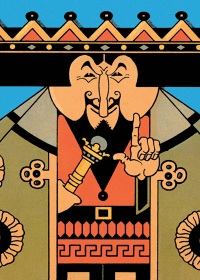
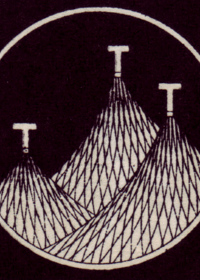
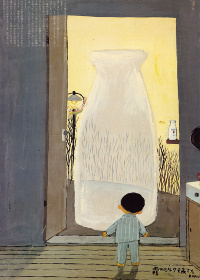
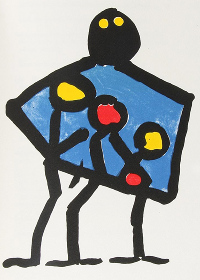
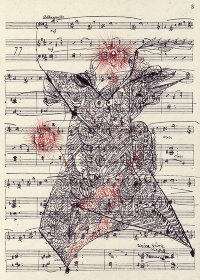
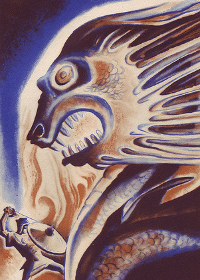
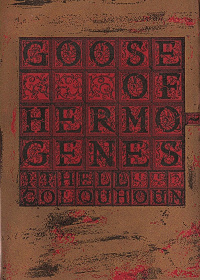
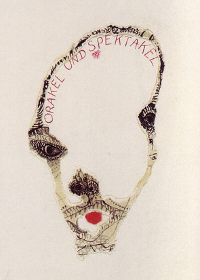
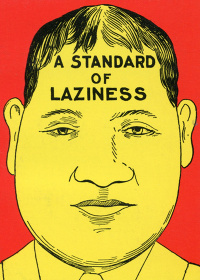
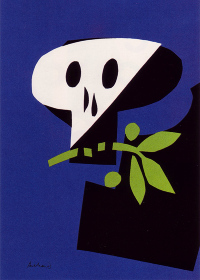
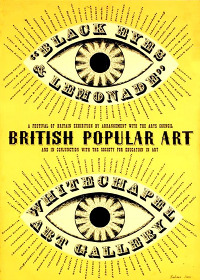
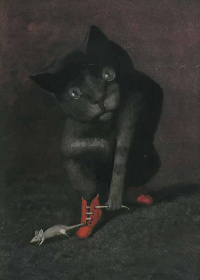
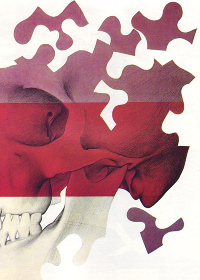
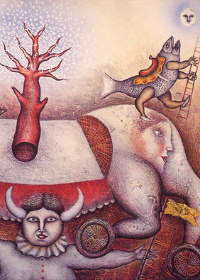
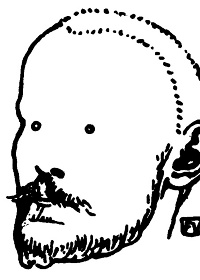
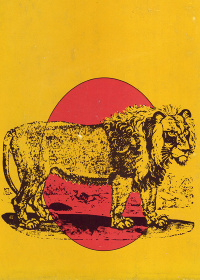
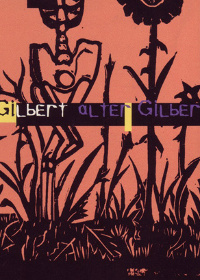
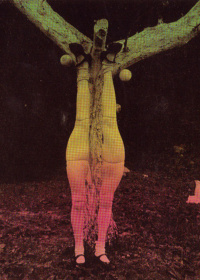
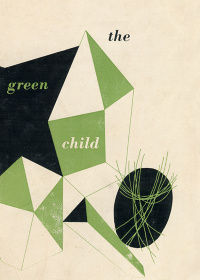
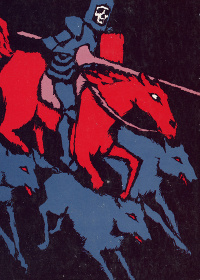
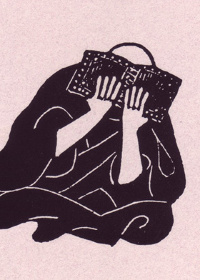
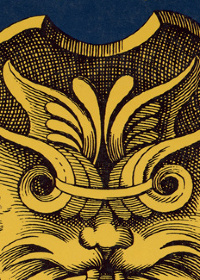
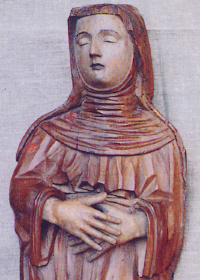
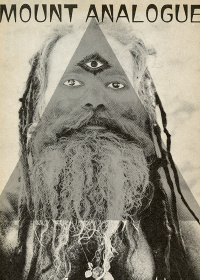
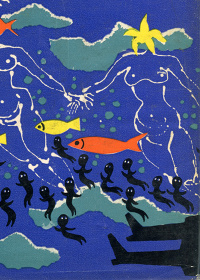
Trevor Winkfield edited this volume (and of course created the cover art):
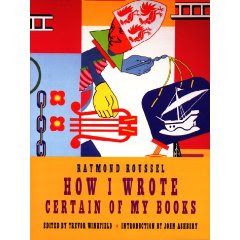
by Raymond Roussel
Introduction by John Ashbery
Exact Change ISBN 1-878972-14-6
288 pages, paperback, $15.95
On its website, Exact Change includes a sample from Harry Mathews' translation of the first two chapters of Roussel's Locus Solus:
On that Thursday in early April, my learned friend the professor Martial Canterel had invited me, with several other close friends of his, to visit the huge park surrounding his beautiful villa at Montmorency.
Locus Solus, as the property is named, is a quiet refuge where Canterel enjoys in perfect intellectual peace the pursuit of his diverse and fertile labors. He is in this lonely place sufficiently safe from the turbulence of Paris, and yet can reach the capital in a quarter of an hour whenever his research demands a session in some particular library, or when the time comes for him to make, at a prodigiously packed lecture, some sensational announcement to the scientific world.
Canterel spends nearly the entire year at Locus Solus, surrounded by disciples who, full of passionate admiration for his unending discoveries, support him zealously in the completion of his life’s work. The villa contains a number of rooms opulently converted into model laboratories, which are run by numerous assistants; and the professor devotes his whole life to science, having from the start leveled all the practical obstacles met in the course of his strenuous application to the various goals he sets, through his vast, uncommitted bachelor’s fortune.
Three o’clock had just struck. It was warm, and the sun sparkled in a nearly flawless sky. Canterel had received us not far from his villa, in the open, under old trees whose shade enveloped a comfortable arrangement of various wicker chairs.
After the arrival of the last guest, the professor started walking, leading our group, which followed him obediently. Tall and dark, his countenance frank, his features regular, with a slight moustache and keen eyes that shined with extraordinary intelligence, Canterel hardly looked his forty-four years. A warm persuasive voice lent great charm to his engaging elocution, whose seductiveness and clarity made him a champion in discourse.
For a while we had been advancing along a lane whose slope rose steeply.
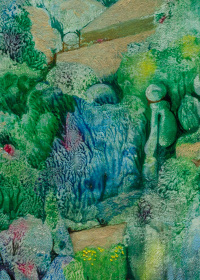
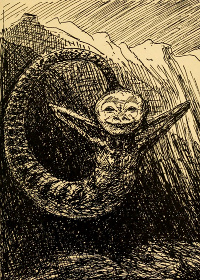
Halfway up, at the path’s edge, we perceived, upright in a rather deep stone niche, a curiously aged statue, which seemed to be composed of blackish, dry, hardened earth, representing, not unpleasantly, a smiling naked boy. The arms were stretched outwards in a gesture of offering, both hands opening towards the ceiling of the niche. In the right hand, where once it had taken root, rose a small dead plant in the last stages of decay.
Going on absent-mindedly, Canterel was obliged to answer our unanimous question.
*****
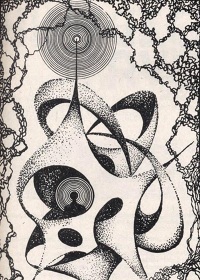
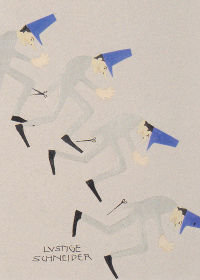
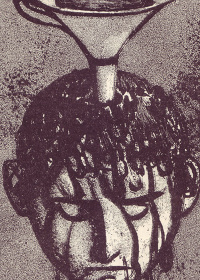
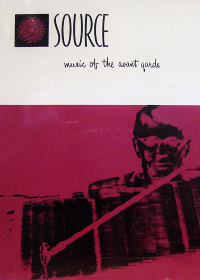
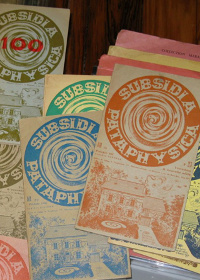
Anyone who likes this blog should start collecting (and marveling over) The Sienese Shredder, co-edited by Winkfield.
*****
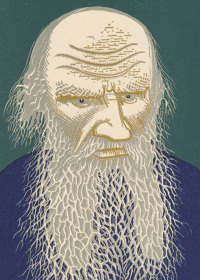
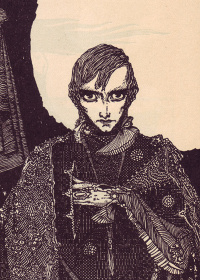
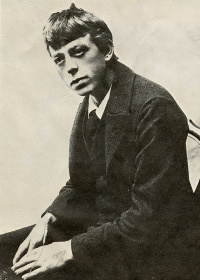
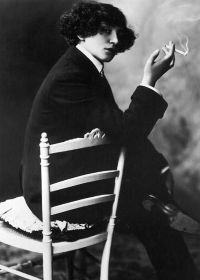
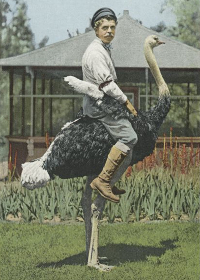
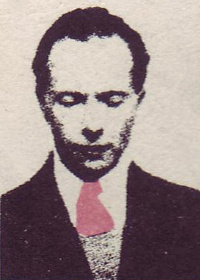
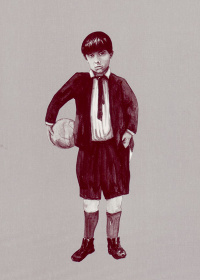
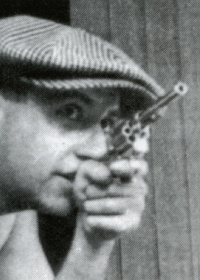
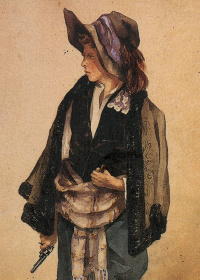
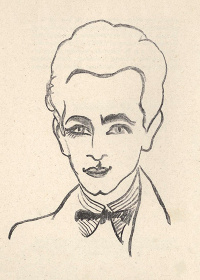
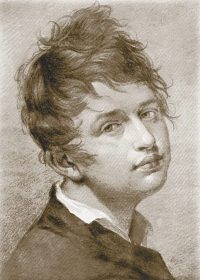
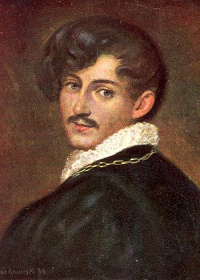
 Roussel at 19
More from Janet, the famous psychiatrist who treated Roussel, quoted from his De l'angoisse à l'extase in Ashbery's Selected Prose:
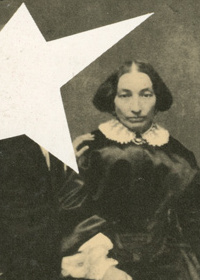
He lives alone, cut off from the world, in a way which seems sad but which suffices to fill him with joy, for he works almost constantly.... He will not accept the least bit of advice; he has an absolute faith in the destiny reserved for him. "I shall reach the heights; I was born for dazzling glory. It may be long in coming, but I shall have a glory greater than that of Victor Hugo or Napoleon.... This glory will reflect on all my works without exception; it will cast itself on all the events of my life: people will look up the facts of my childhood and will admire the way I played prisoner's base....No author has been or can be superior to me.... As the poet said, you feel a burning sensation on your brow. I felt once that there was a star on my brow and I shall never forget it." These affirmations concerning works which do not seem destined to conquer a large public and which have attracted so little attention seem to indicate weakness of judgment or exalted pride -- yet Martial [the name Janet used for Roussel] merits neither criticism. His judgment on other subjects is quite sound, and he is very modest and even timid in his other conduct.
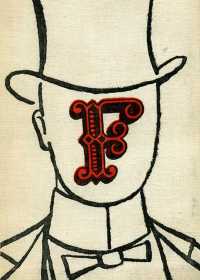
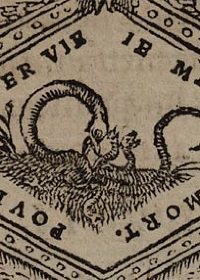
 what I assume is the first edition