
Easter at Pascua Village
(Find me at Bookers Buzz Books.)
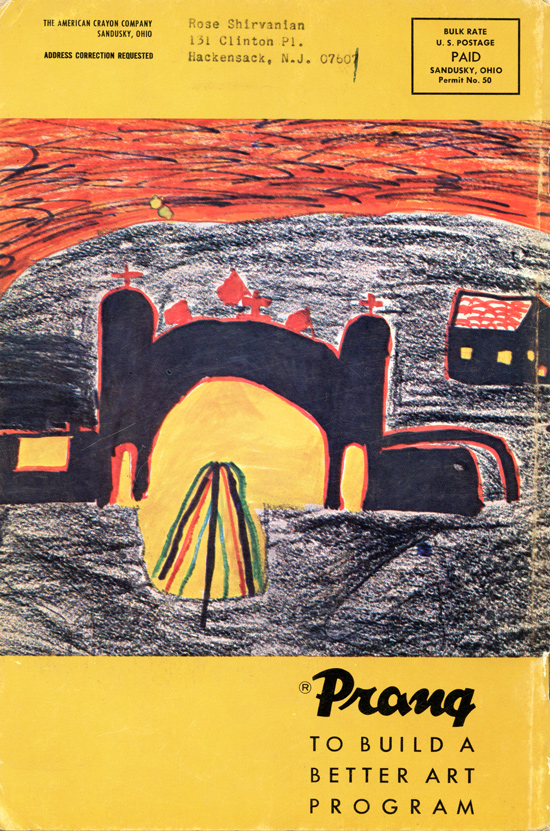
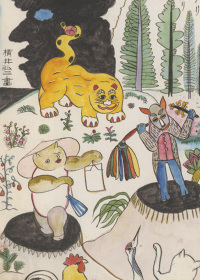
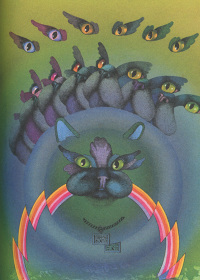
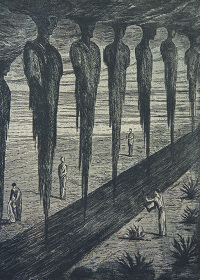
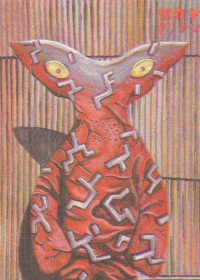
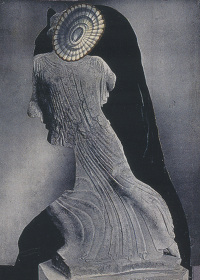
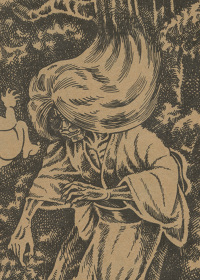
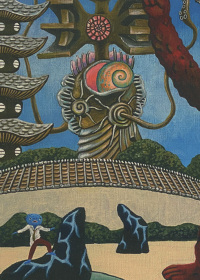
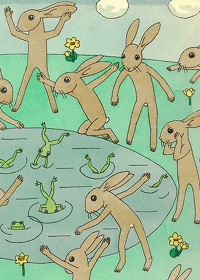
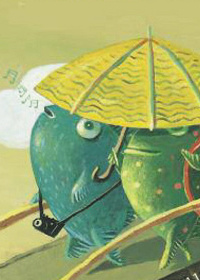
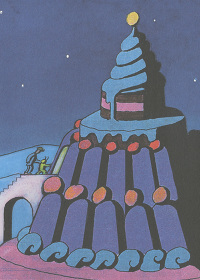
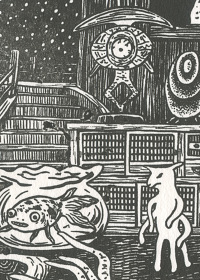
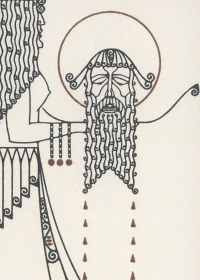
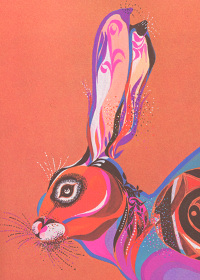
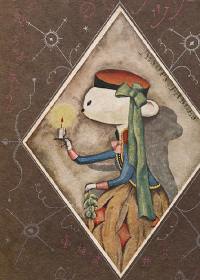
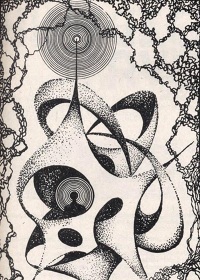
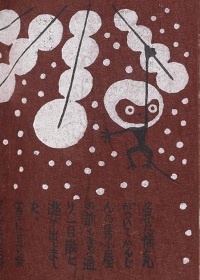
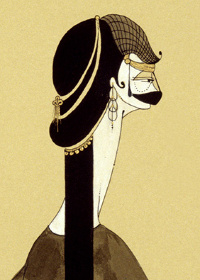
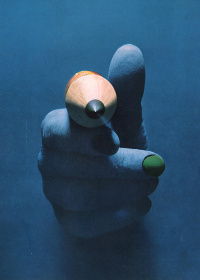
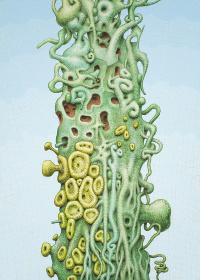
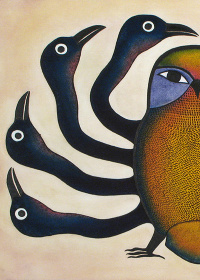
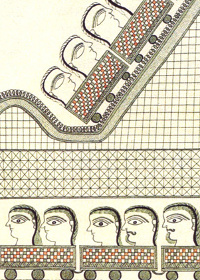
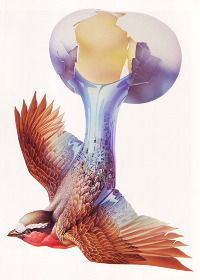
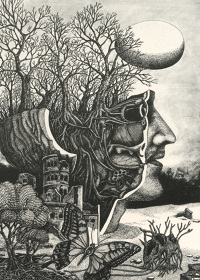
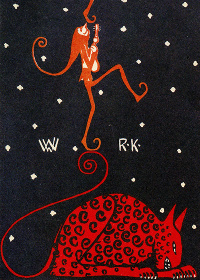
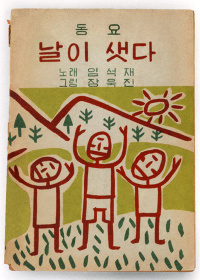
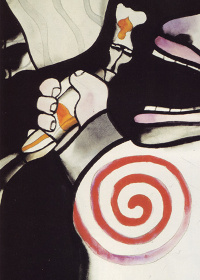
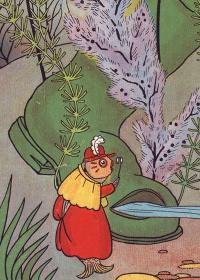
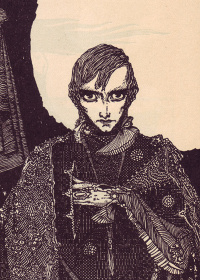
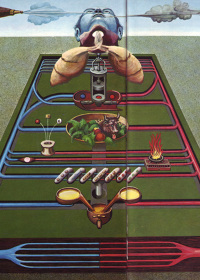
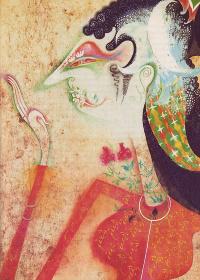
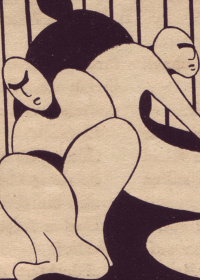
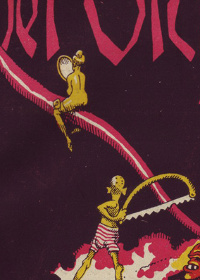
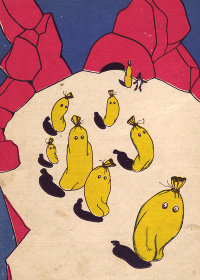
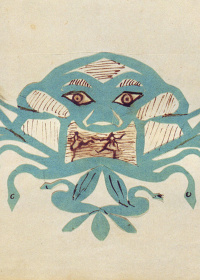
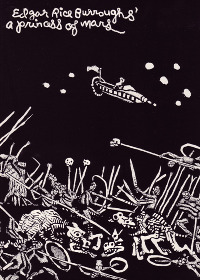
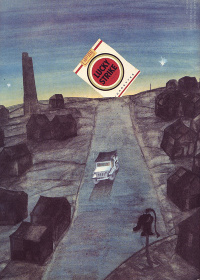
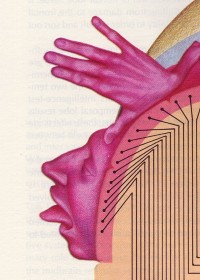
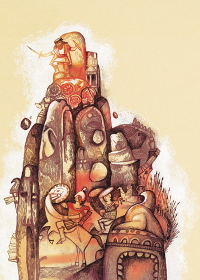
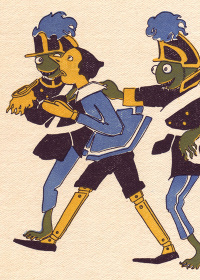
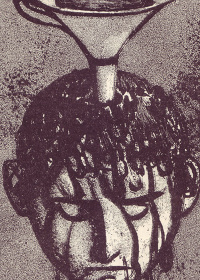
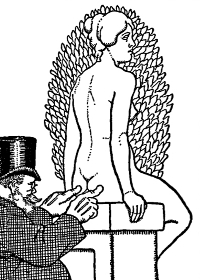
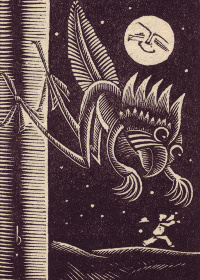
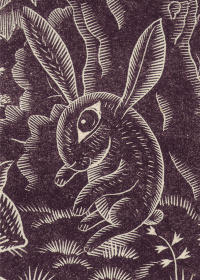
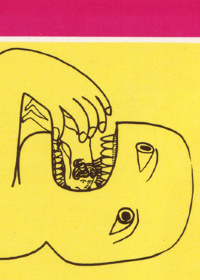
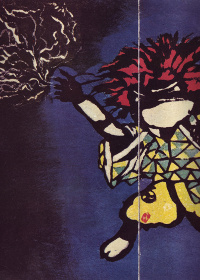
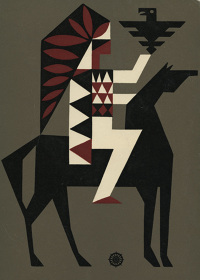
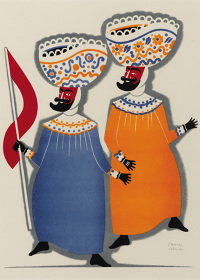
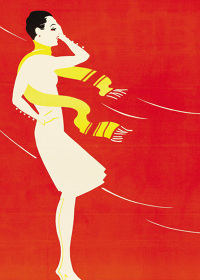
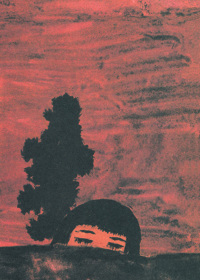
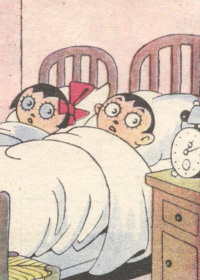
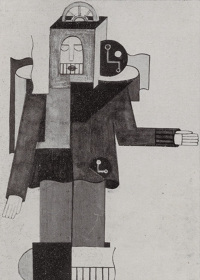
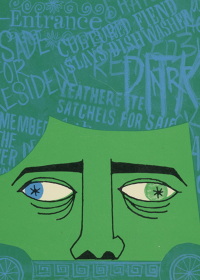
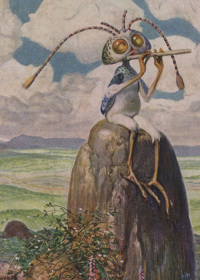
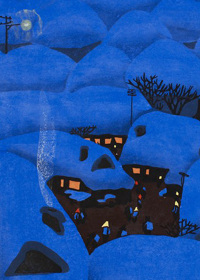
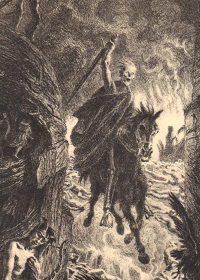
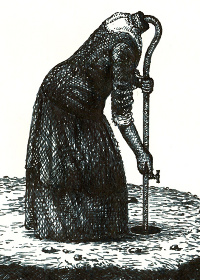
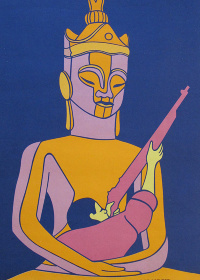
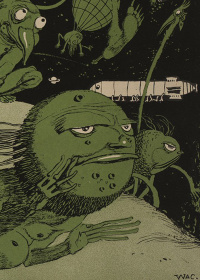
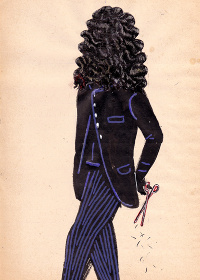
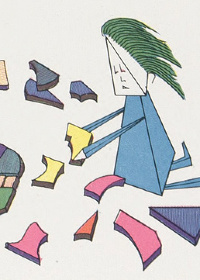
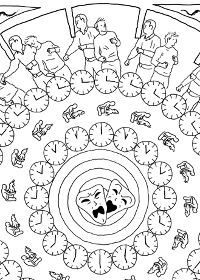
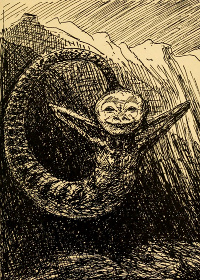
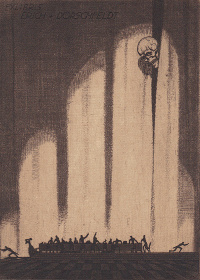
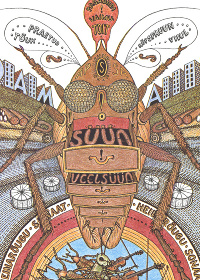
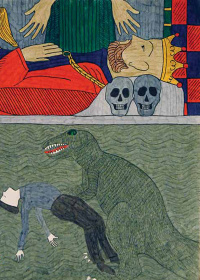
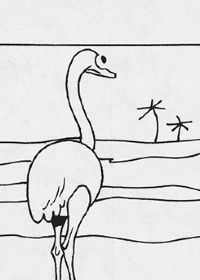
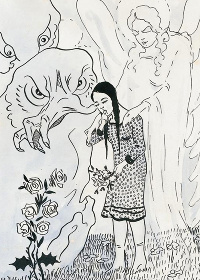
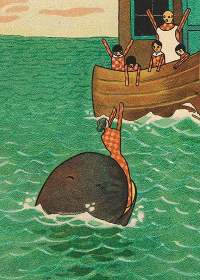
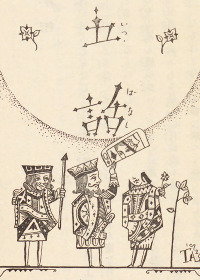
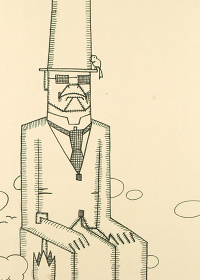
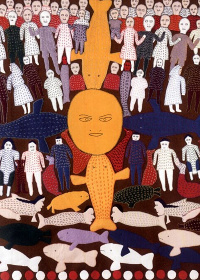
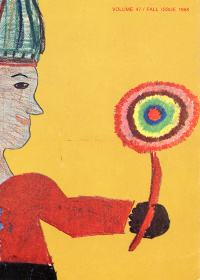
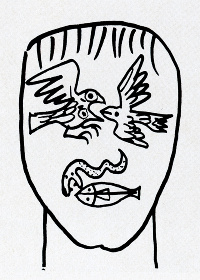
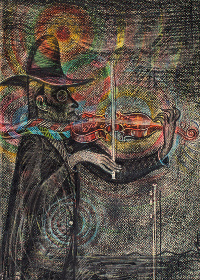
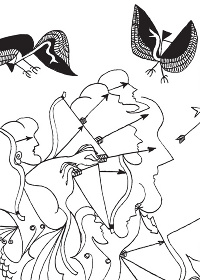
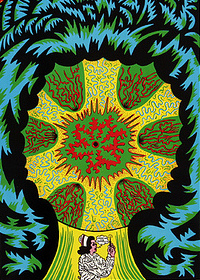
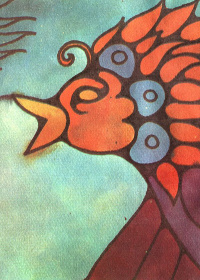
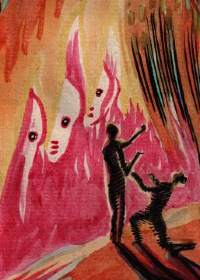
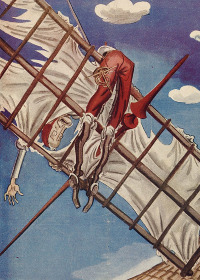
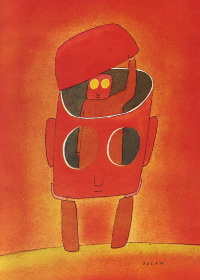
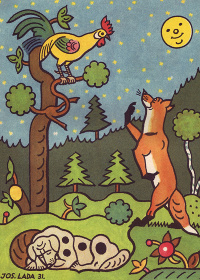
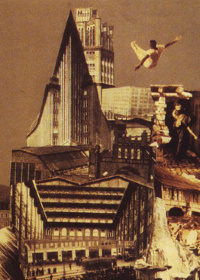
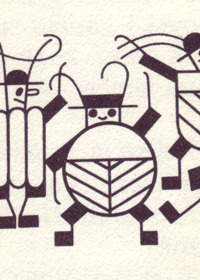
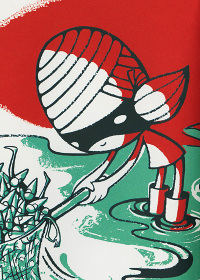
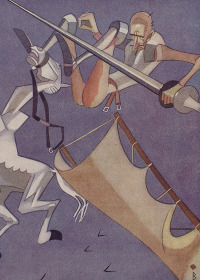
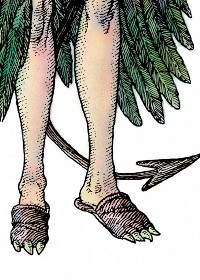
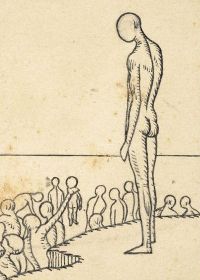
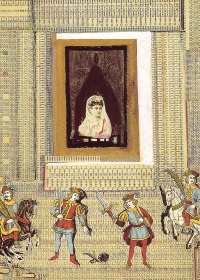
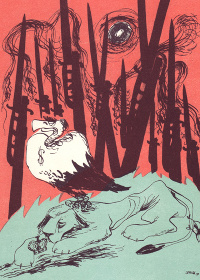
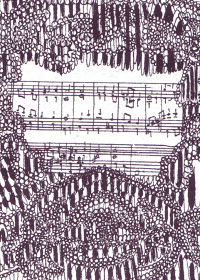
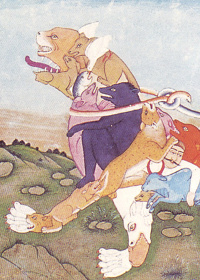
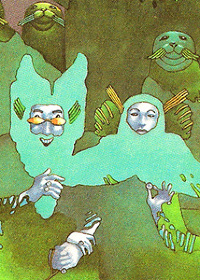
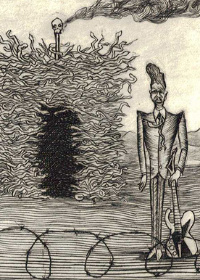
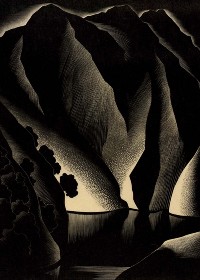
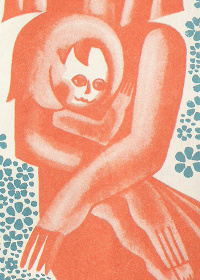
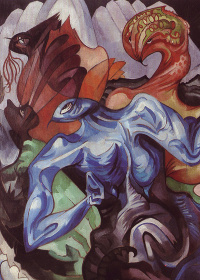
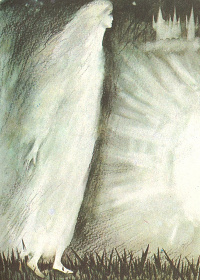
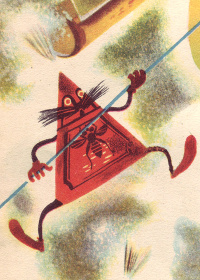
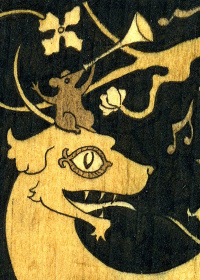
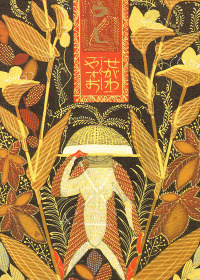
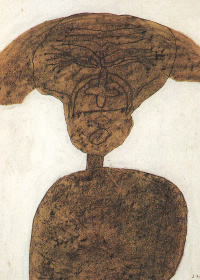
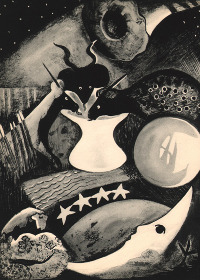
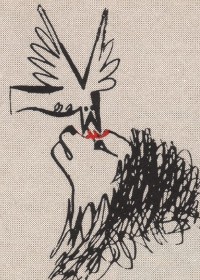
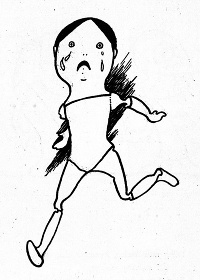
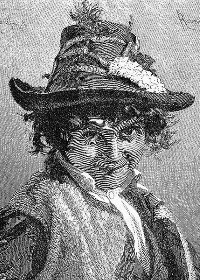
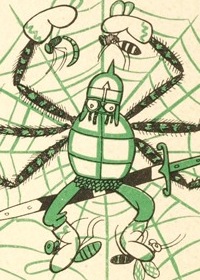
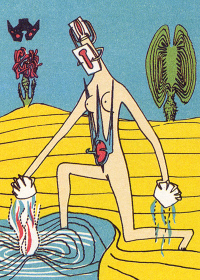
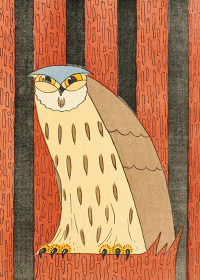
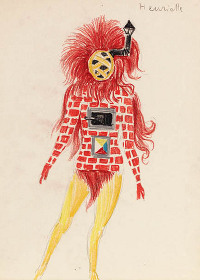
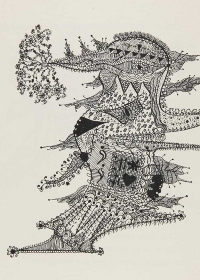
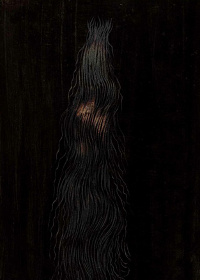
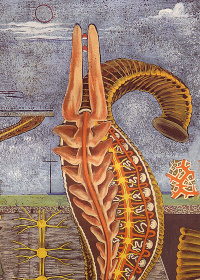
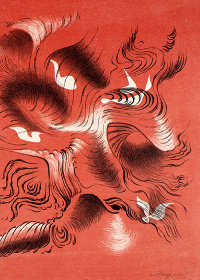
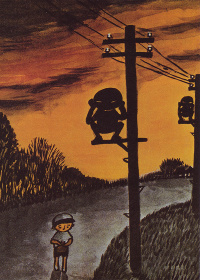
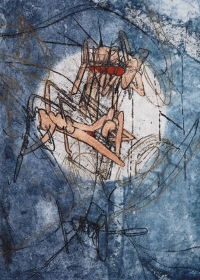
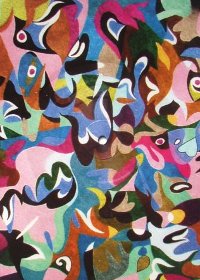
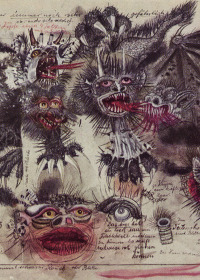
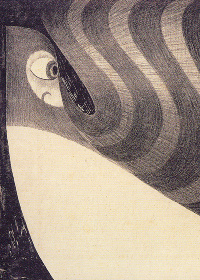
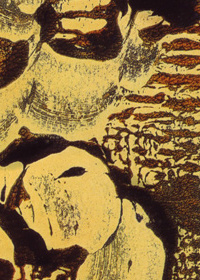
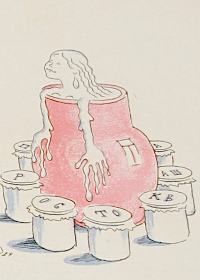
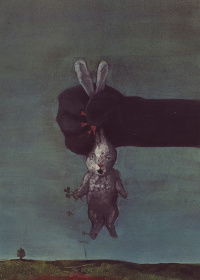
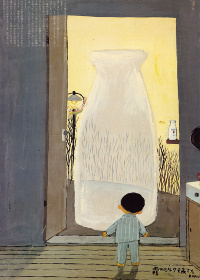
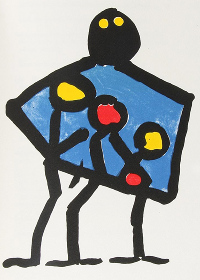
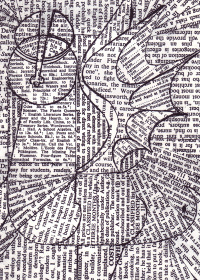
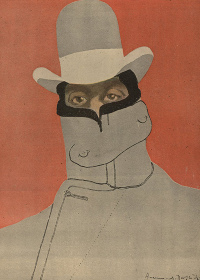
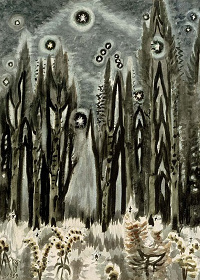
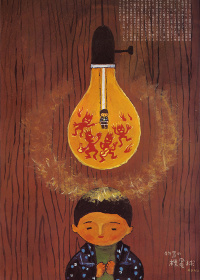
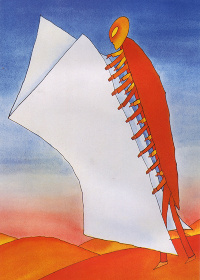
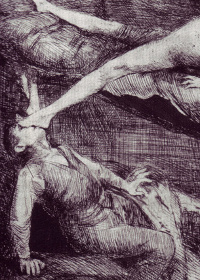
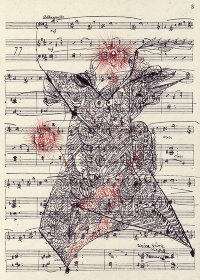
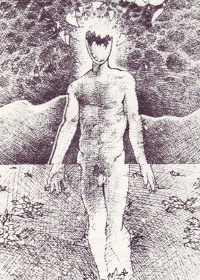
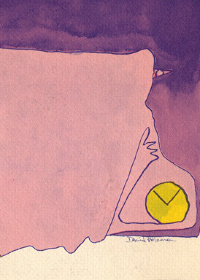
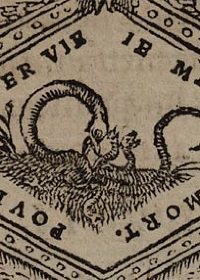
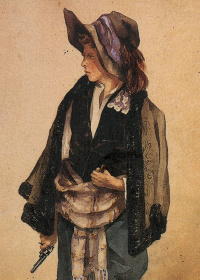
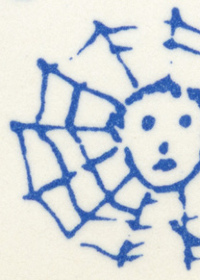
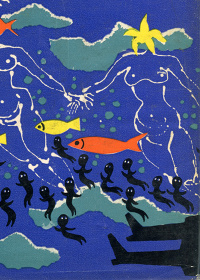
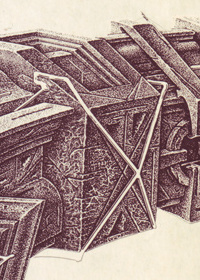
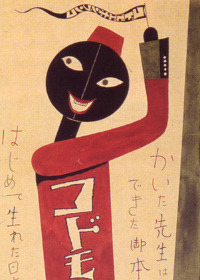
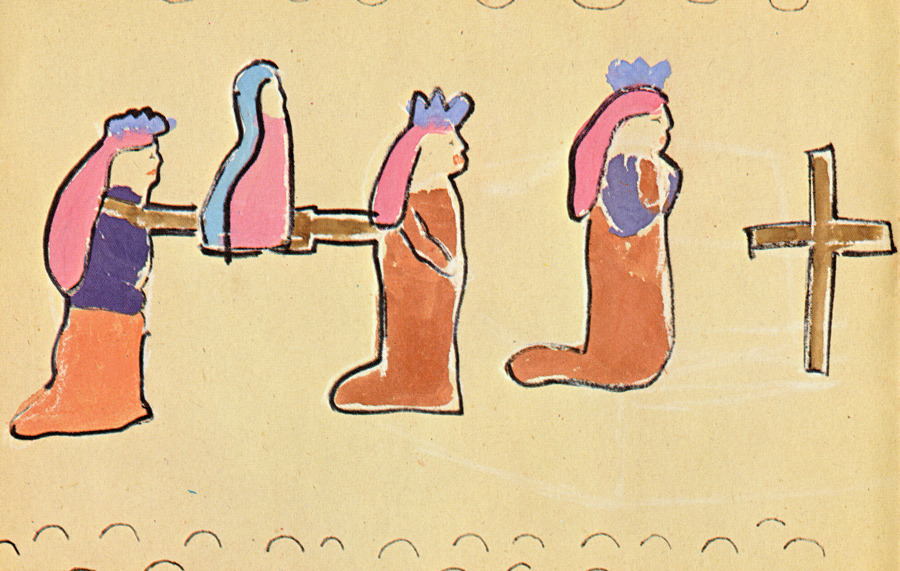
From Everyday Art—a publication of The American Crayon Company—volume 47, Fall Issue 1968, "Easter at Pascua Village." This number was produced by the Art Department of the Tucson Public Schools, with text and design by Barbara Works. The drawings are by the Yaqui children of the Richey School in Pascua Village.
This post is dedicated to one of my favorite blogs, Stopping Off Place.
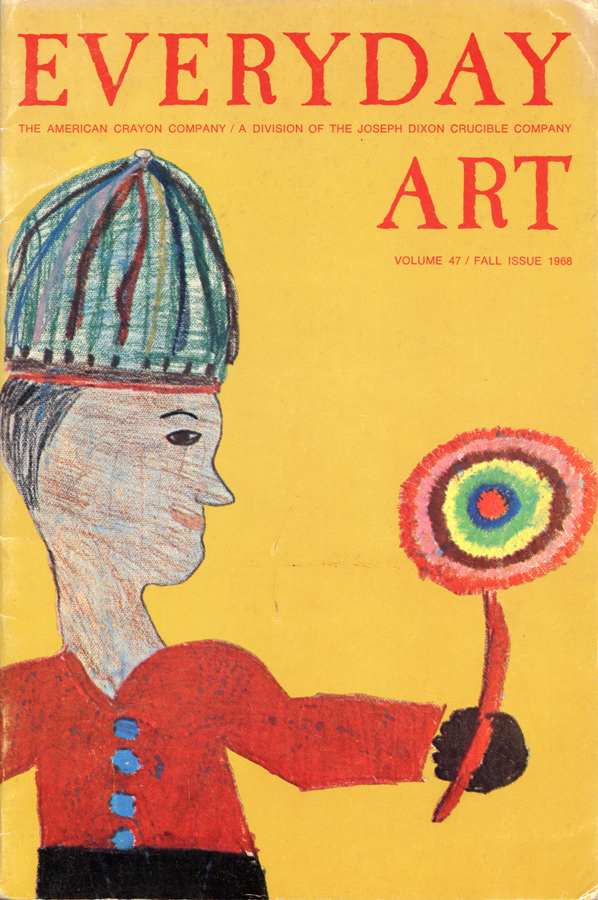
"The members of this Yaqui community are descendants of refugee Mexican Indians who sought asylum in Arizona.... The Yaqui drama in celebration of Easter is...a ritual that brings into maximum focus the fusion of symbols characteristic of a culture that has endured into a new time—and prevailed. It is the old style, spectacular in its adaptation to the new world.
"For the Yaquis were Christianized in the 17th century, and it is in the Easter drama they celebrate today that we find an astonishing commingling of two symbologies—Yaqui pantheism and Catholic doxology—as well as a unique contribution to the larger, national culture within which Pascua Village exists."
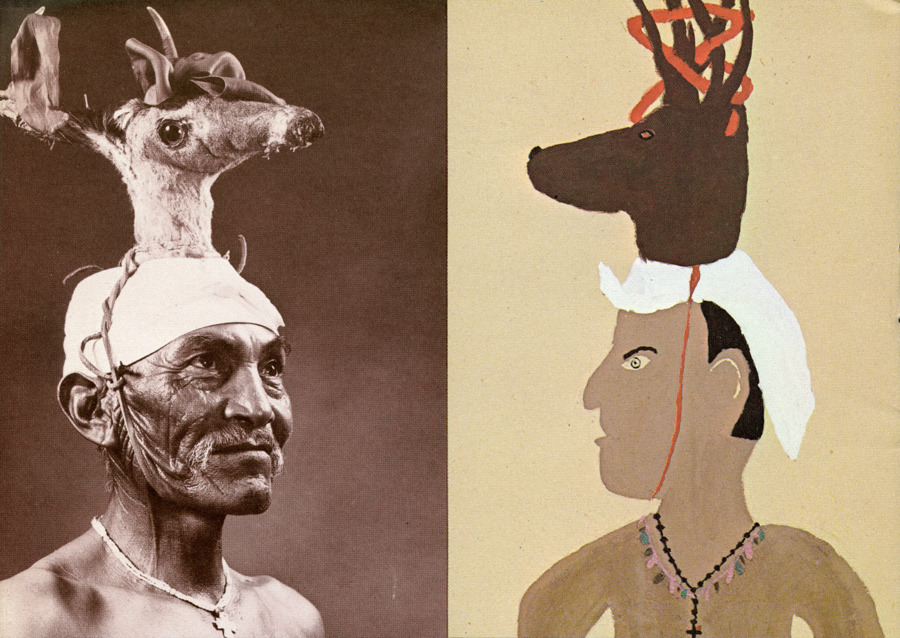
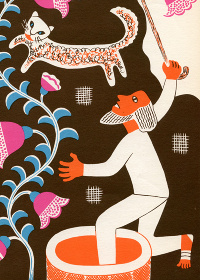
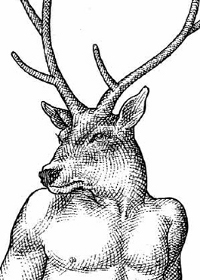
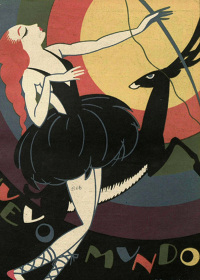
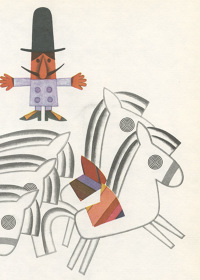
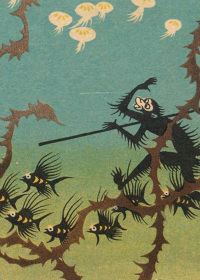
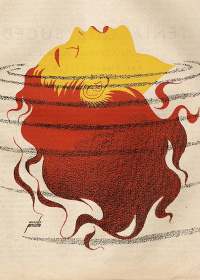
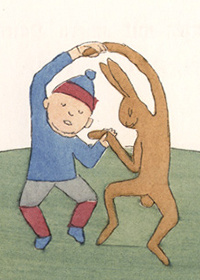
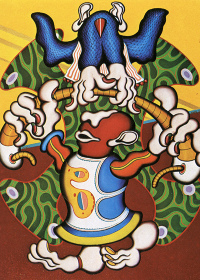
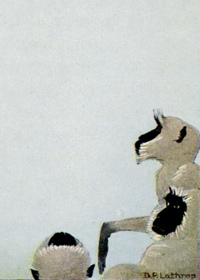
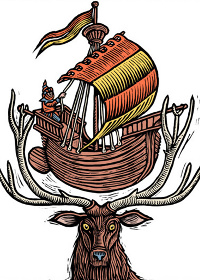
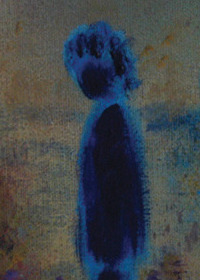
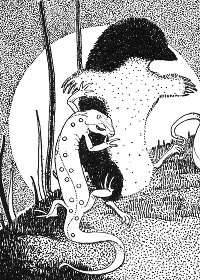
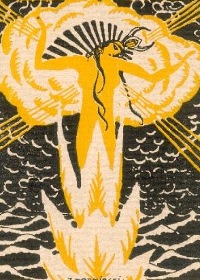
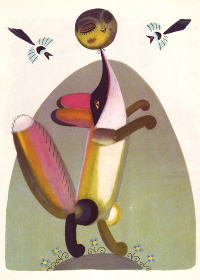
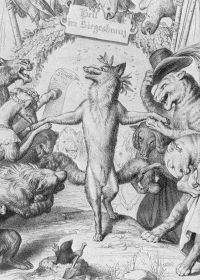
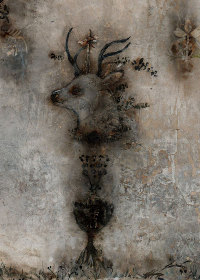
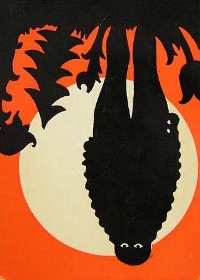
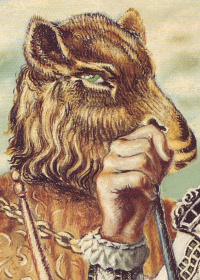
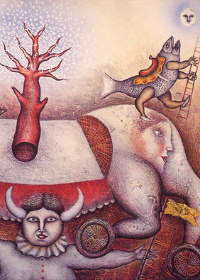
"The Deer Dancer plays a critical role in the eventual defeat of the Fariseos and Chapayekas at the Gloria. Tied around the horns of his deer head are red ribbons representing flowers. This symbol of flowers, his impassioned dancing, and his hunting songs and their connection with flowers impart to the Deer Dancer his considerable power in advancing the objectives of Good."
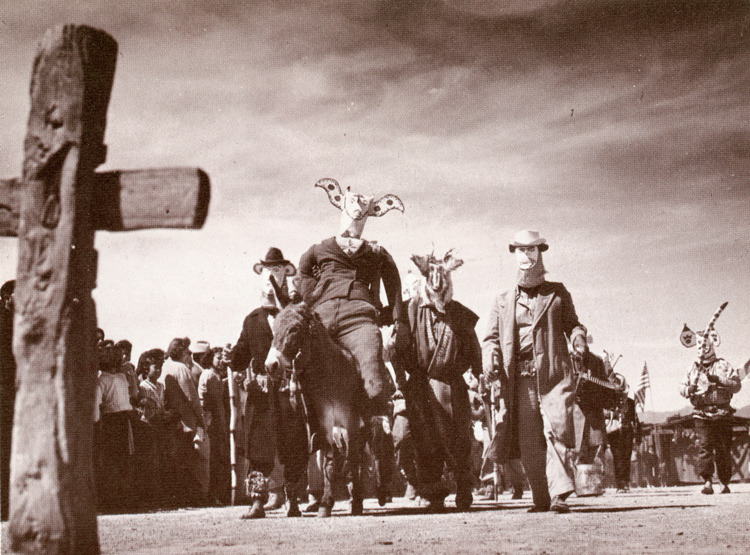
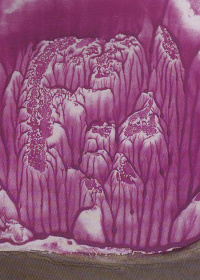
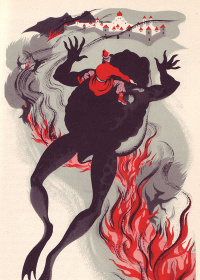
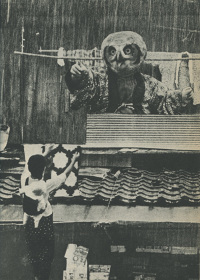
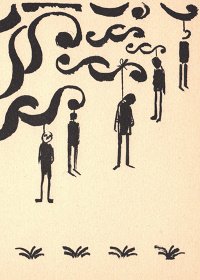
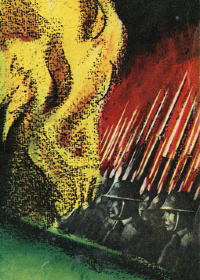
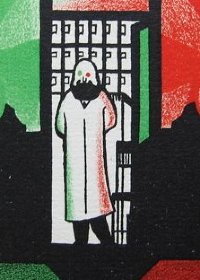
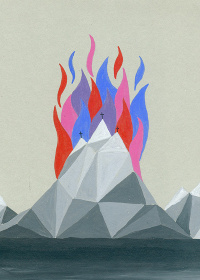
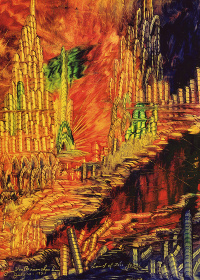
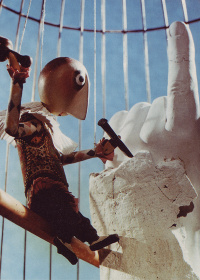
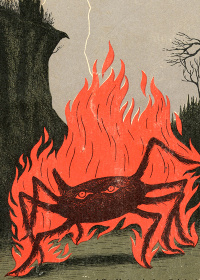
"Astride a donkey, the figure of Judas is led to a pile of sticks, to which it is then fastened. The Chapayekas then embrace their saint and dance before him in a show of loyalty. Later, during the Gloria, when the Fariseos, Pilatos, and Chapayekas have been repulsed in their attack upon the church and 'slain' by the flowers thrown at them by the good people, the pyre beneath Judas is set aflame. The bad people discard their symbols of evil—their masks, their swords, and their daggers—and these are consumed by fire."
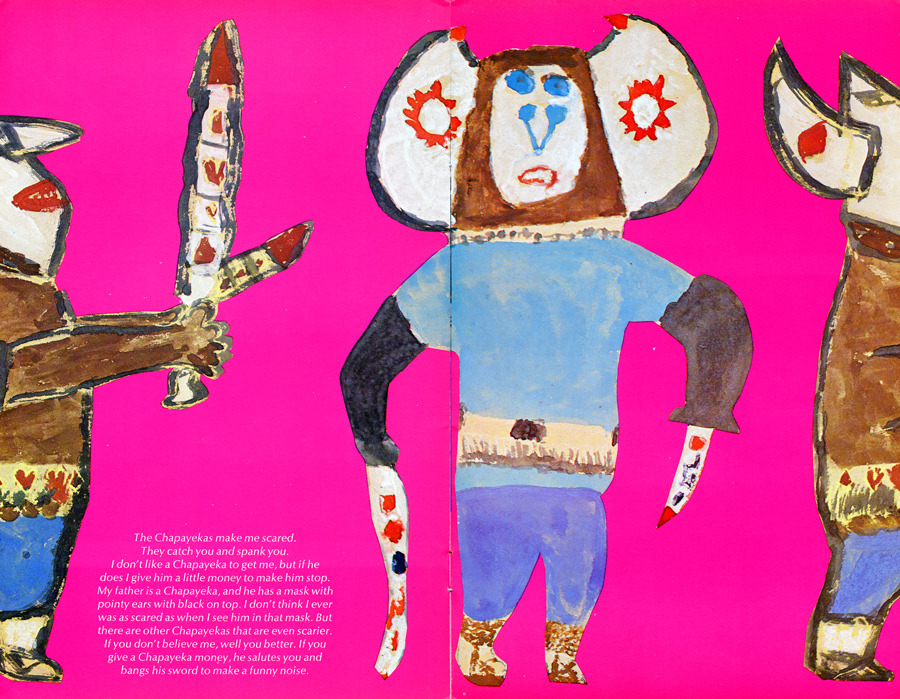
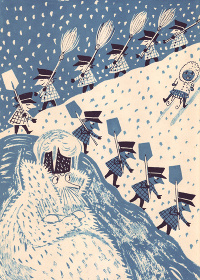
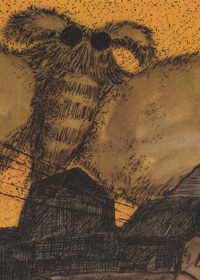
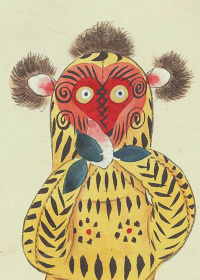
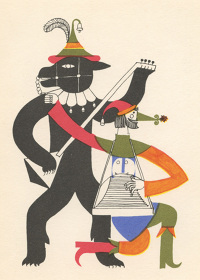
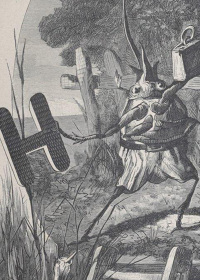
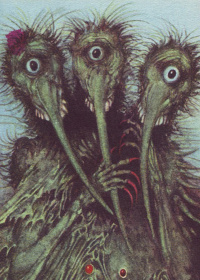
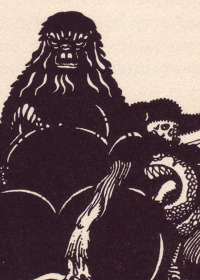
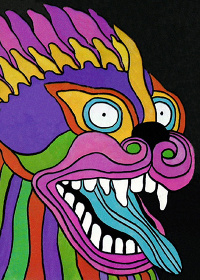
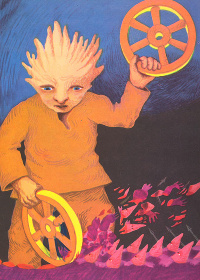
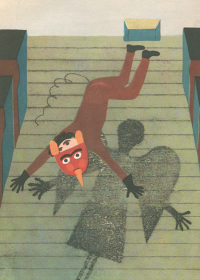
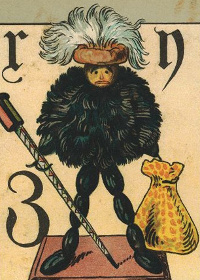
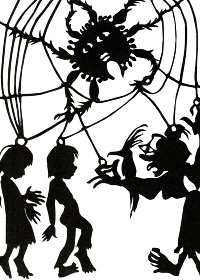
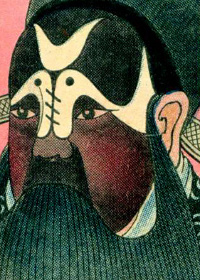
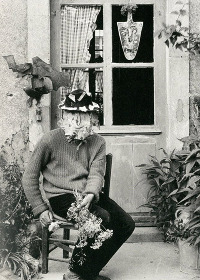
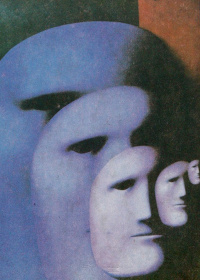
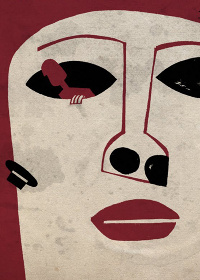
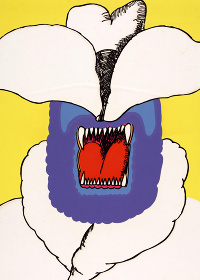
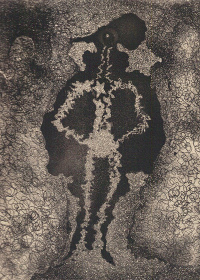
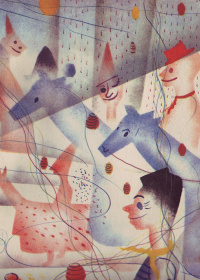
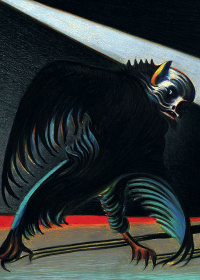
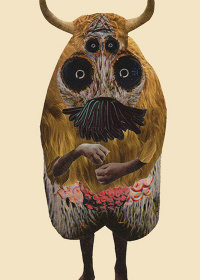
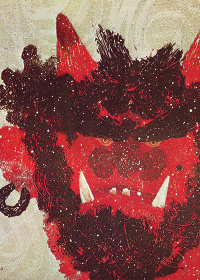
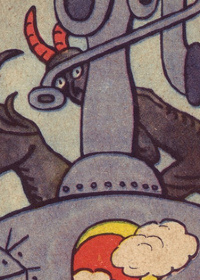
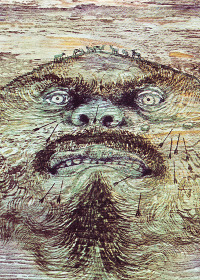
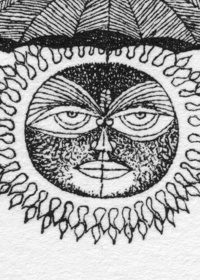
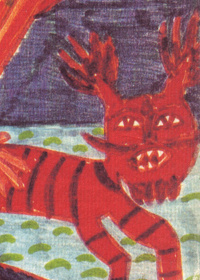
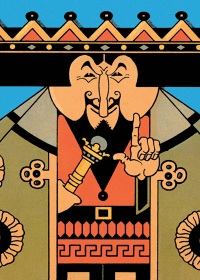
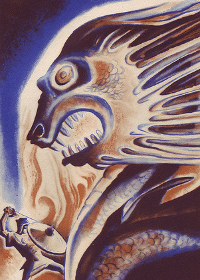
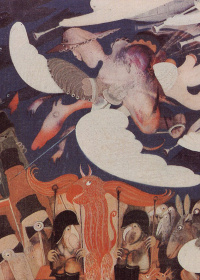
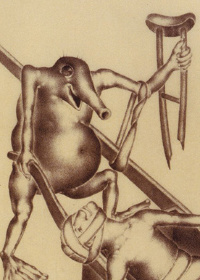
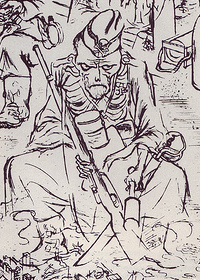
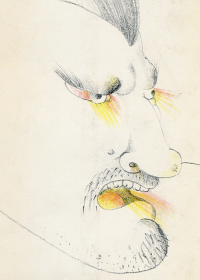
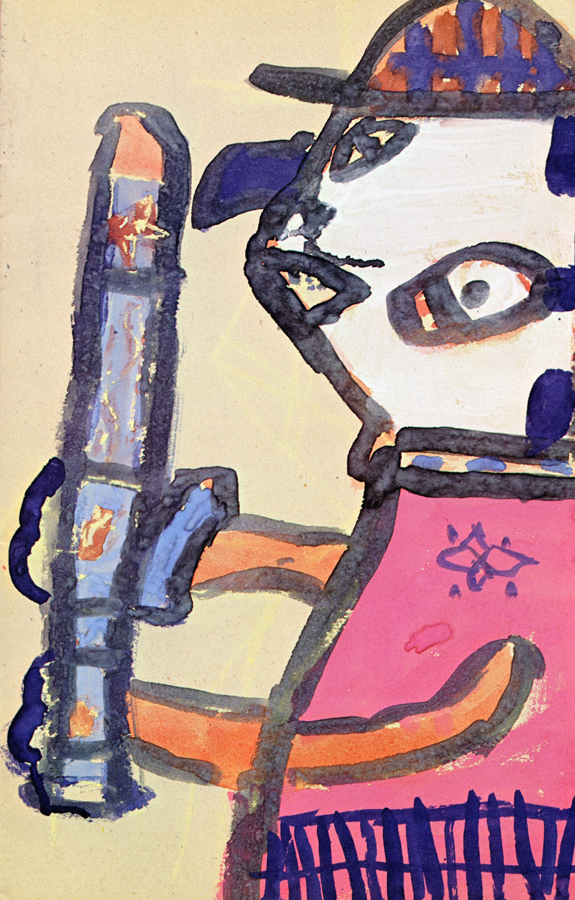
"The Chapayekas make me scared. They catch you and spank you. I don't like a Chapayeka to get me, but if he does I give him a little money to make him stop. My father is a Chapayeka, and he has a mask with pointy ears with black on top. I don't think I ever was as scared as when I see him in that mask. But there are other Chapayekas that are even scarier. If you don't believe me, well you better. If you give a Chapayeka money, he salutes you and bangs his sword to make a funny noise."
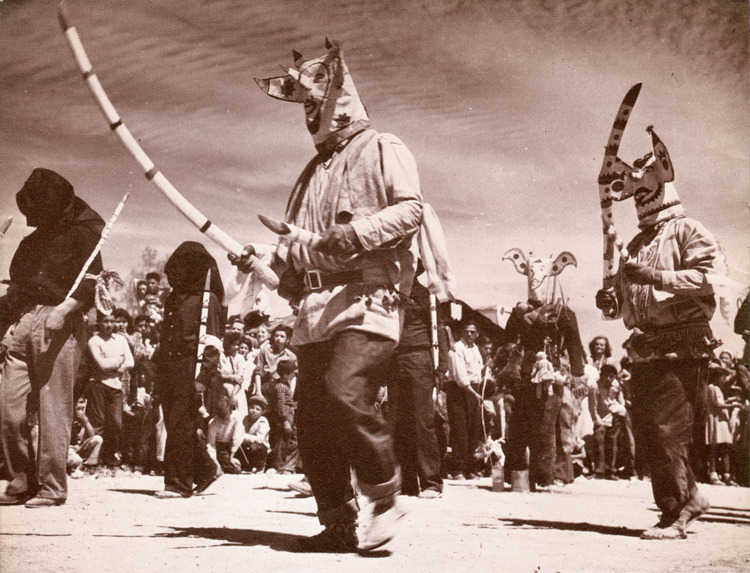
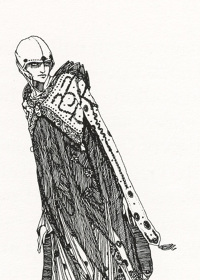
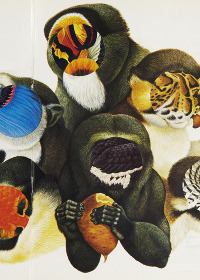
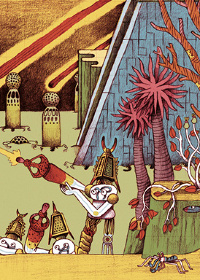
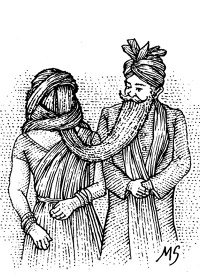
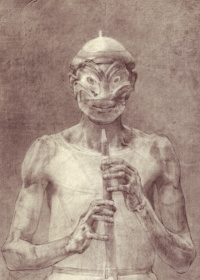
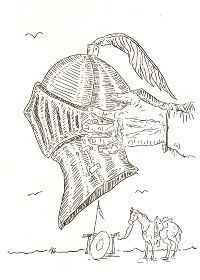
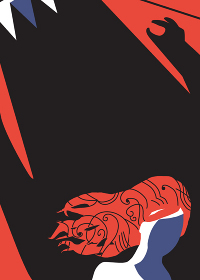
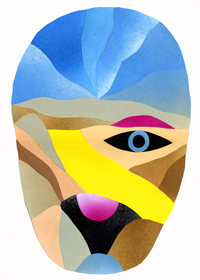
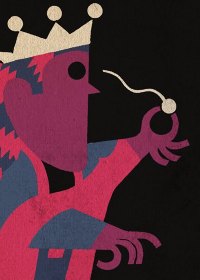
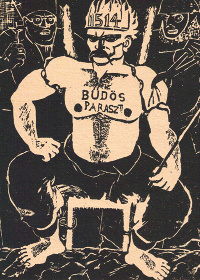
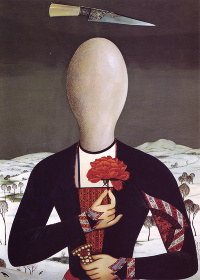
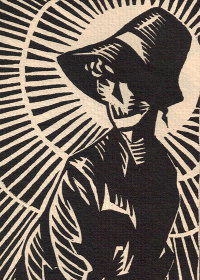
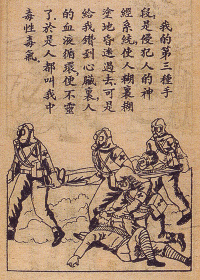
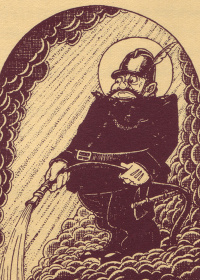
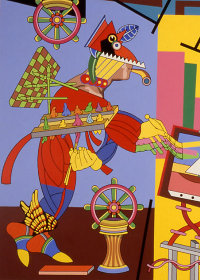
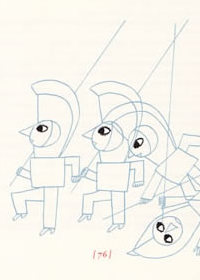
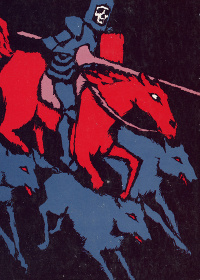
"Acting for Evil, the Chapayekas are the soldiers of the Fariseos, yet a third group, whose role in the ceremony is representative of that of the Pharisees in the Crucifixion. Taking Judas as their saint, the Chapayekas pursue the good people and deride their adoration of Jesus. They wear fearful masks and carry wooden daggers and long wood swords. Characteristic of the Yaqui faith, a masked Chapayeka holds his rosary cross in his mouth in order to prevent the evil of his role from entering his heart."
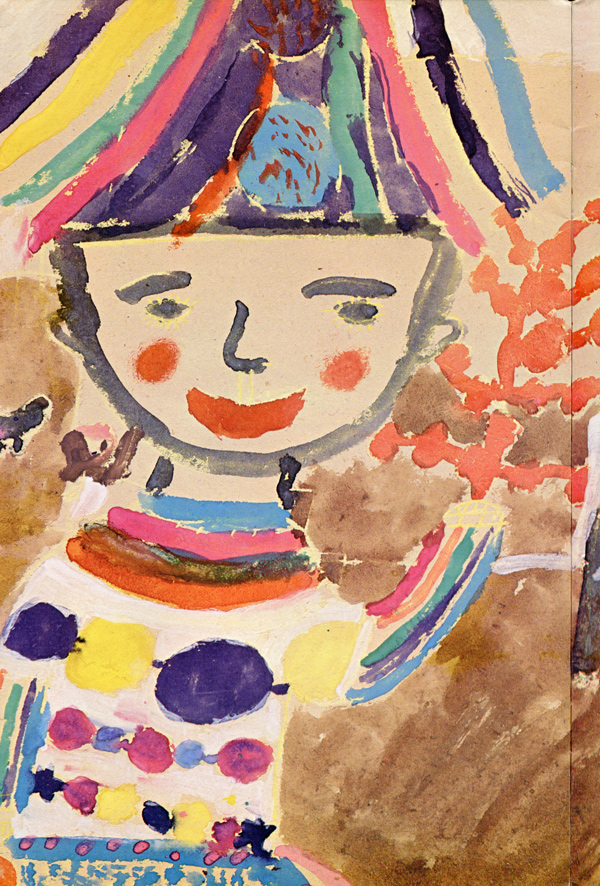
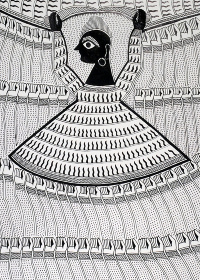
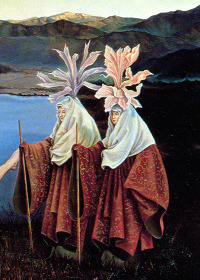
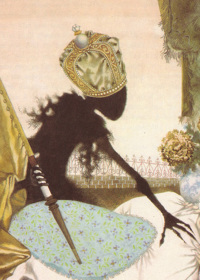
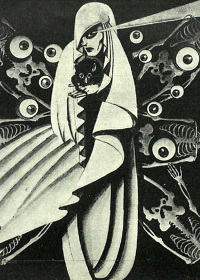
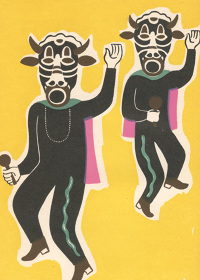
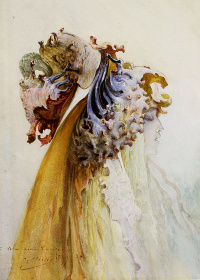
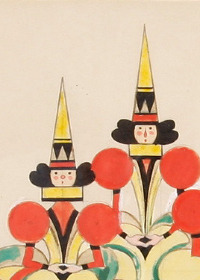
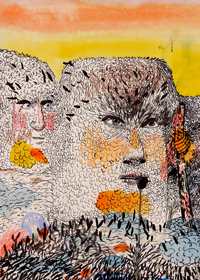
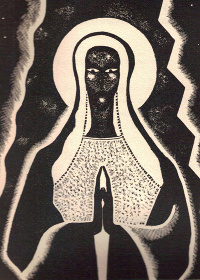
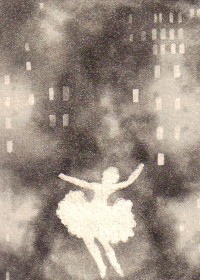
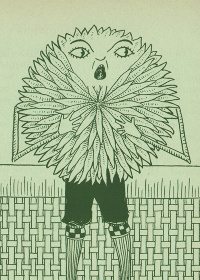
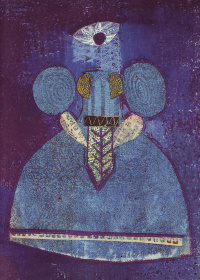
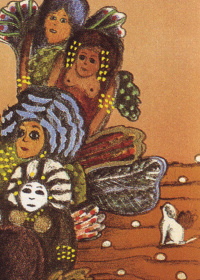
"...the Matachinis [are] a dance society pledged in service to the Virgin. Acting on behalf of Good, some Matachinis wear long skirts, and all wear crowns with paper streamers and brandish feather wands."
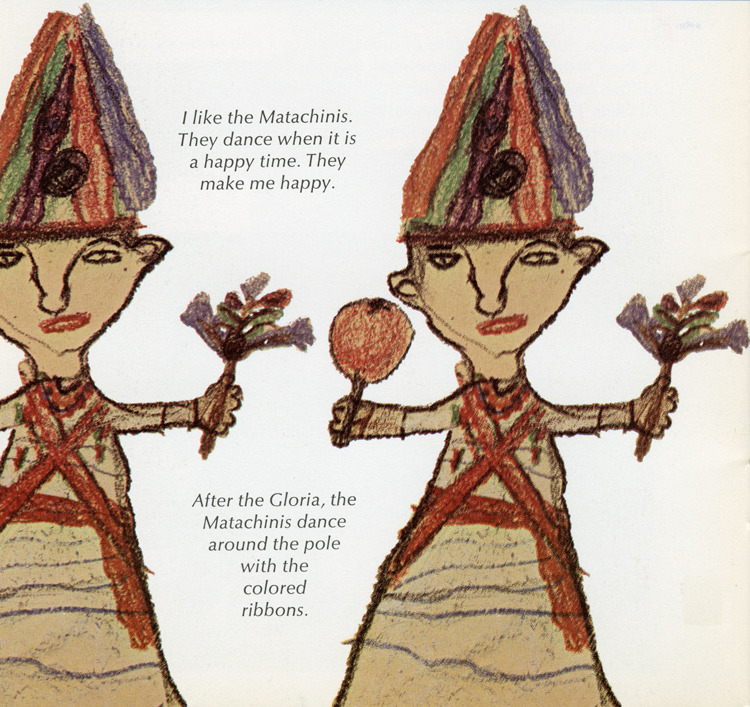
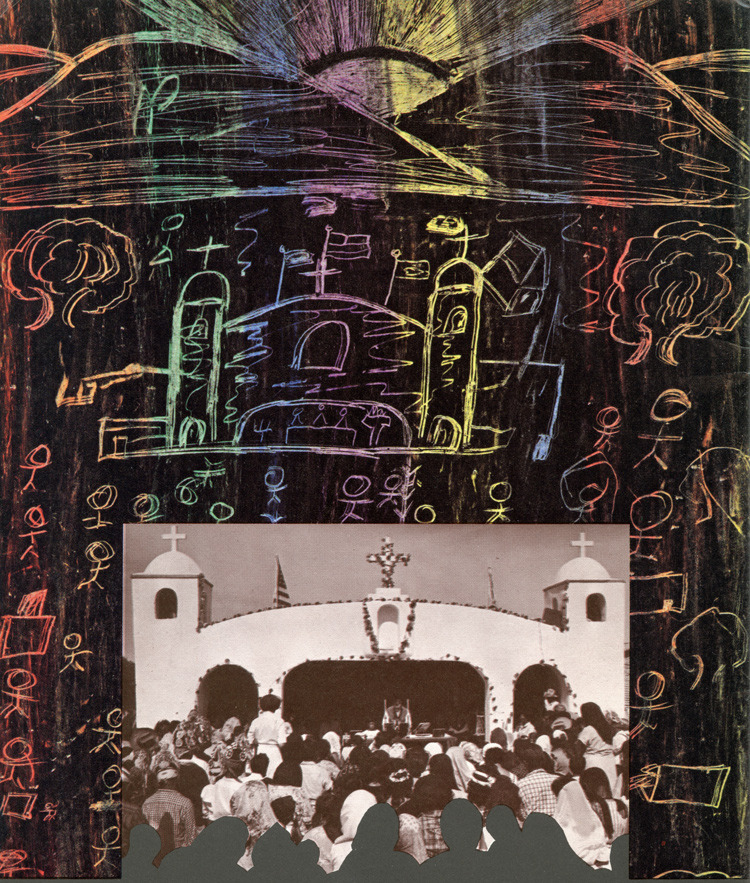
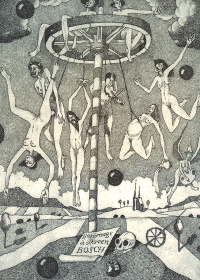
"At sundown before Sunday, the Matachinis perform their Maypole dance, and the Fiesta begins. The bad people have renounced their evil ways and sworn allegiance to Jesus."