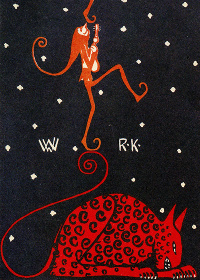

(Find me at Bookers Buzz Books.)
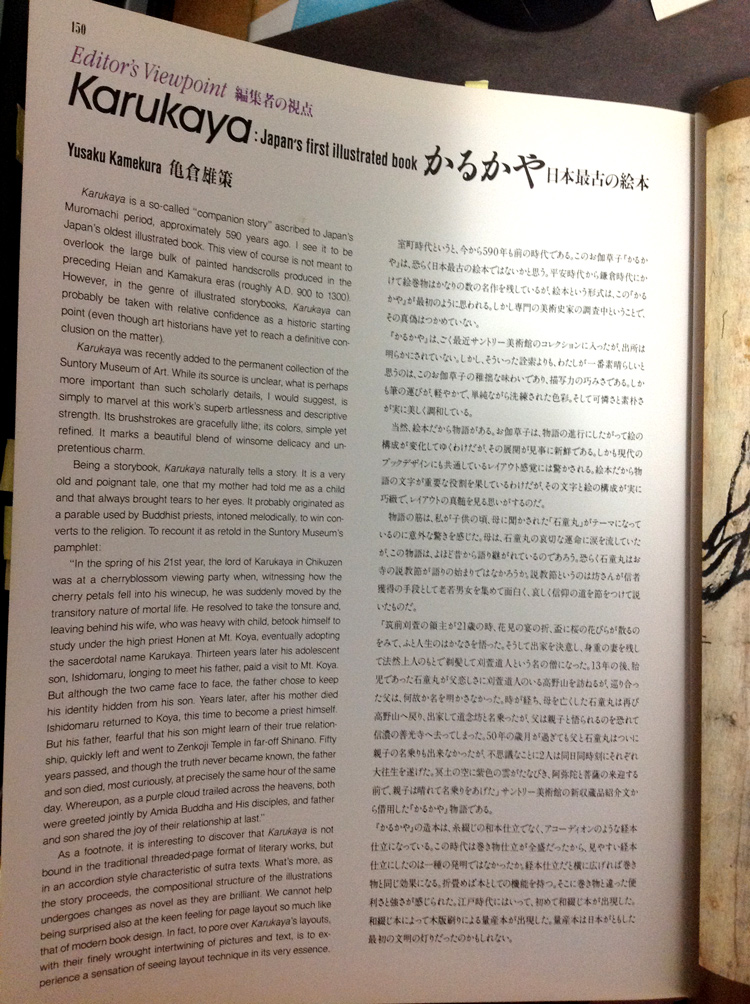
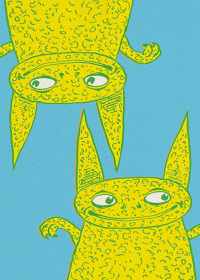
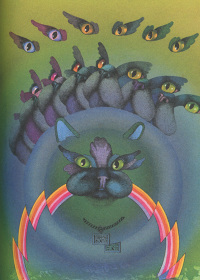
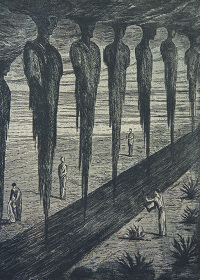
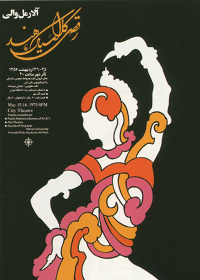
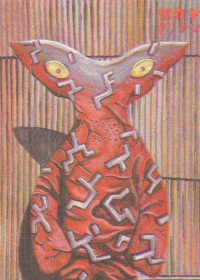
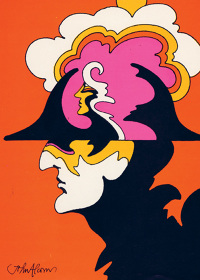
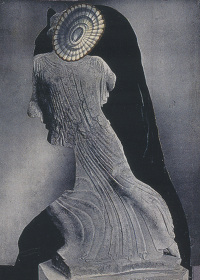
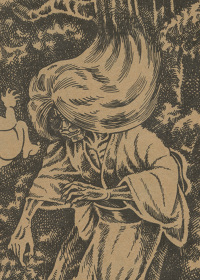
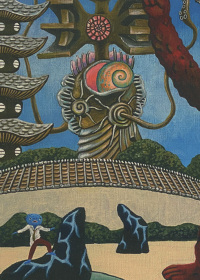
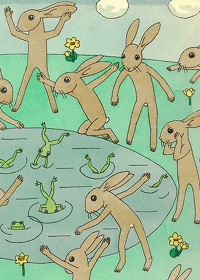
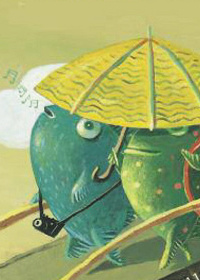
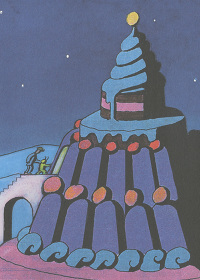
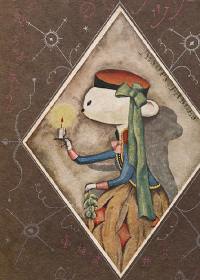
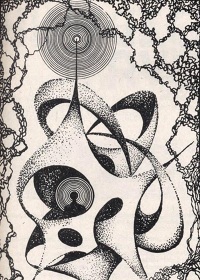
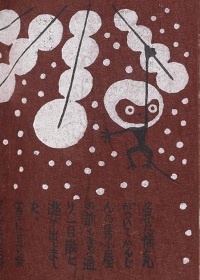
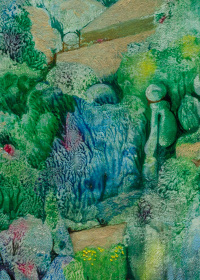
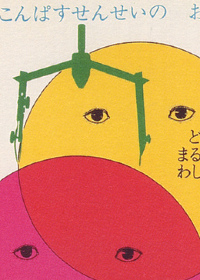
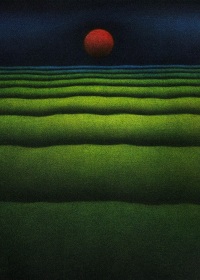
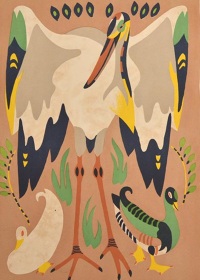
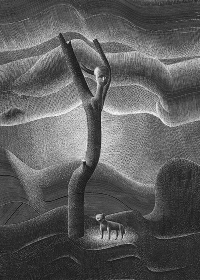
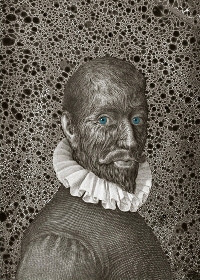
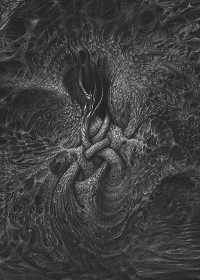
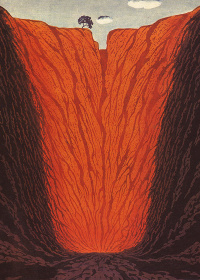
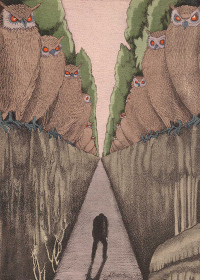
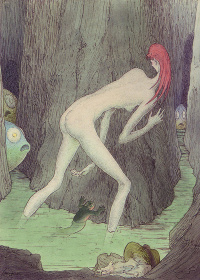
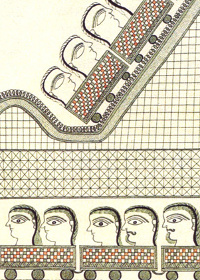
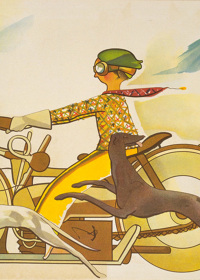
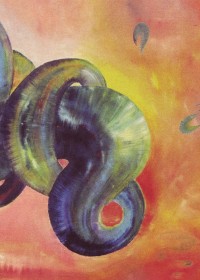
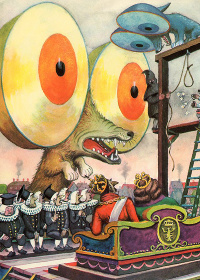
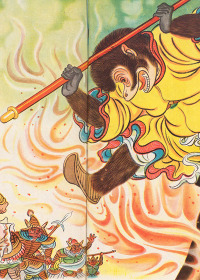
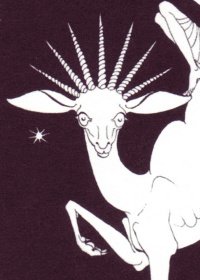
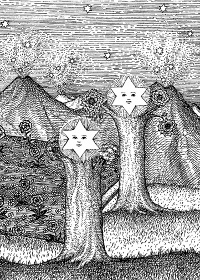
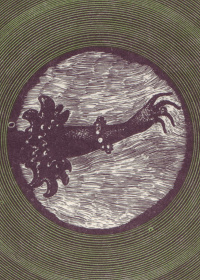
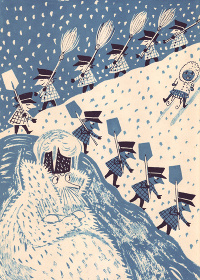
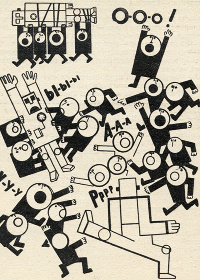
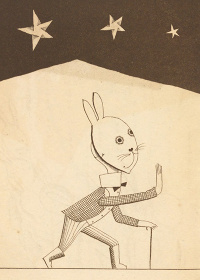
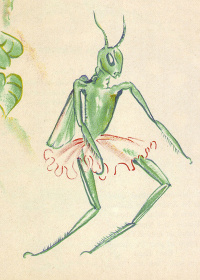
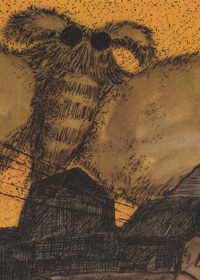
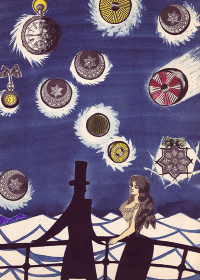
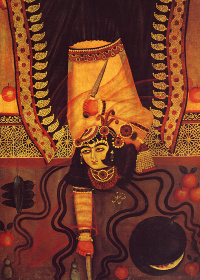
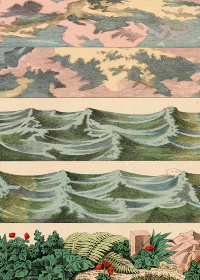
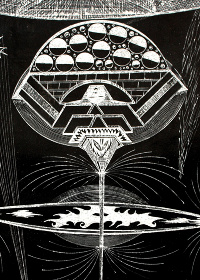
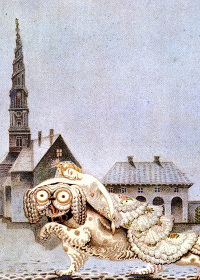
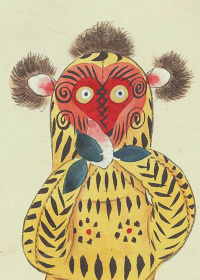
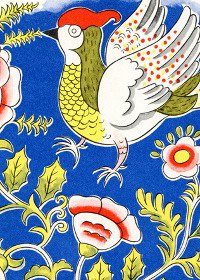
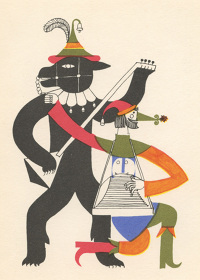
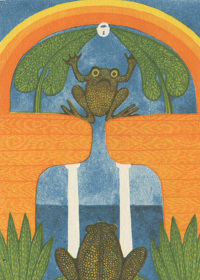
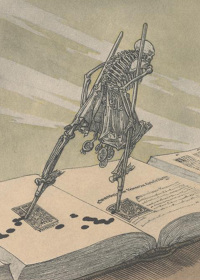
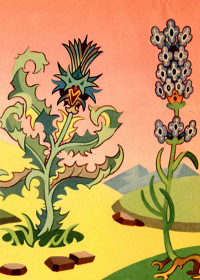
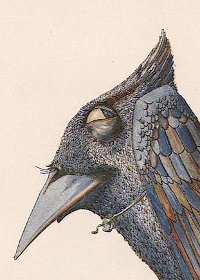
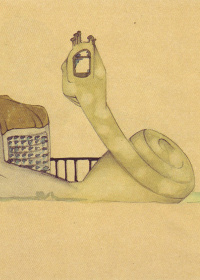
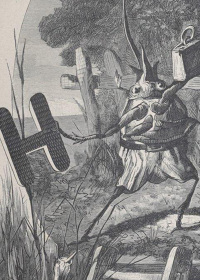
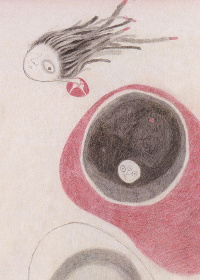
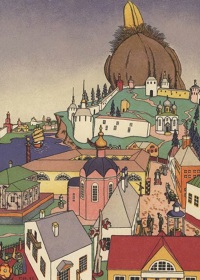
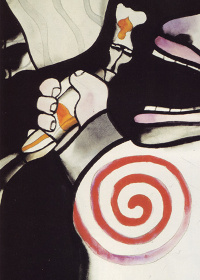
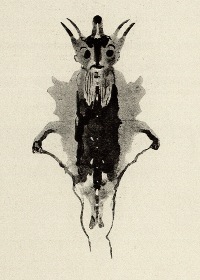
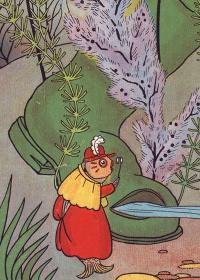
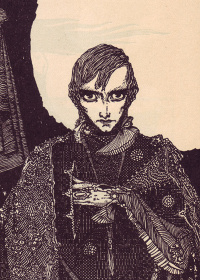
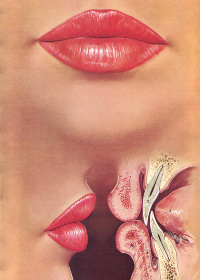
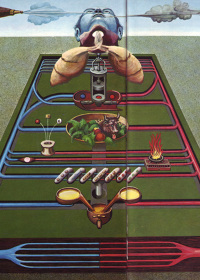
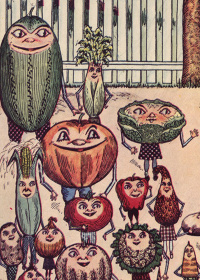
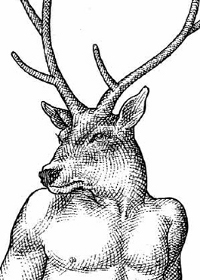
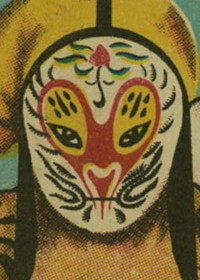
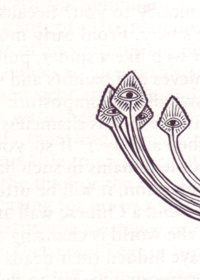
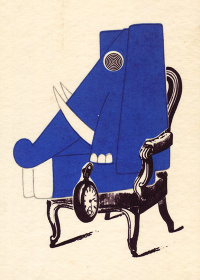
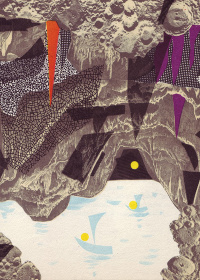
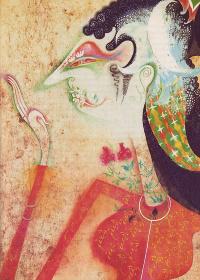
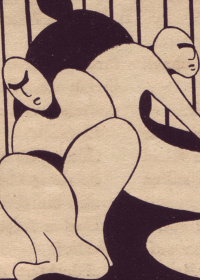
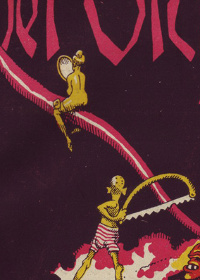
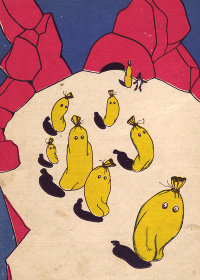
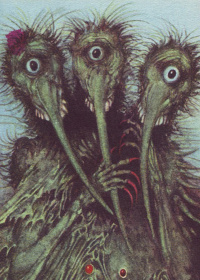
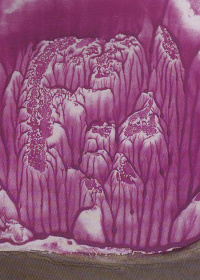
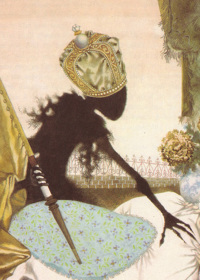
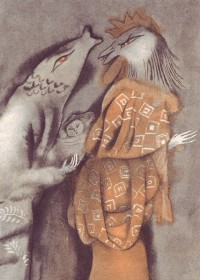
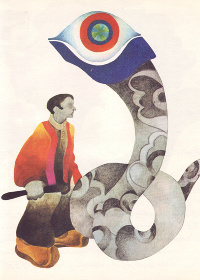
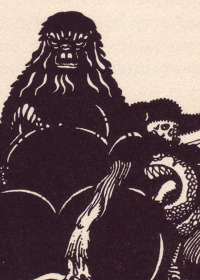
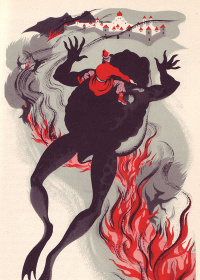
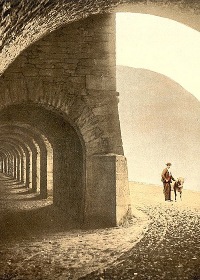
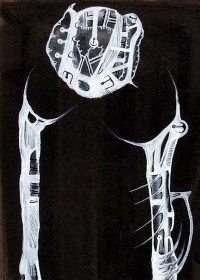
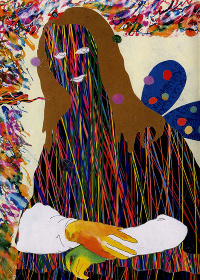
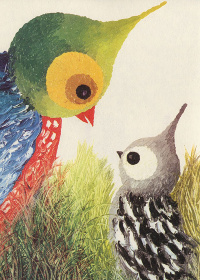
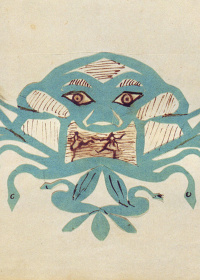
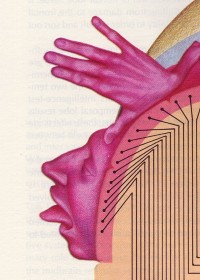
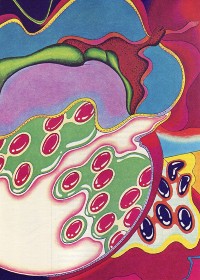
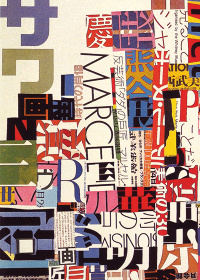
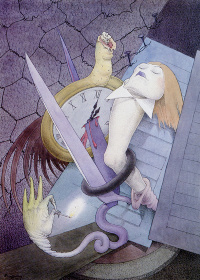
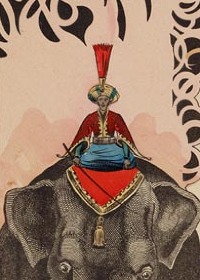
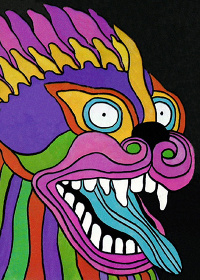
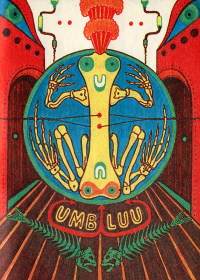
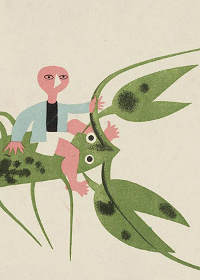
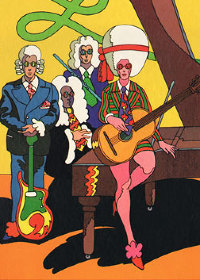
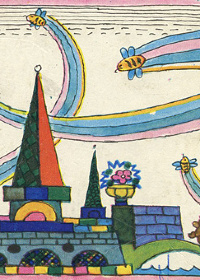
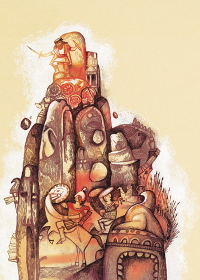
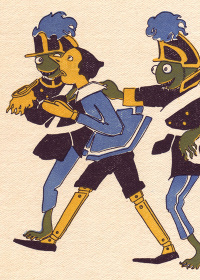
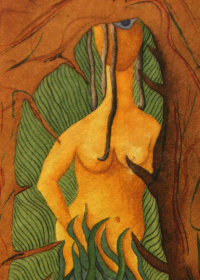
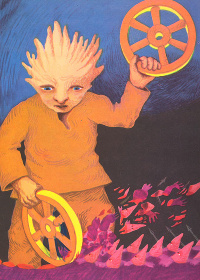
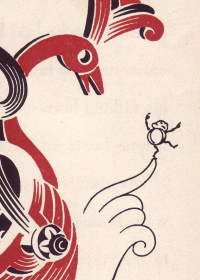
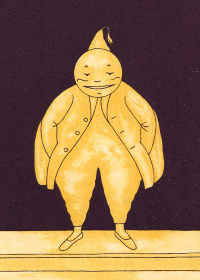
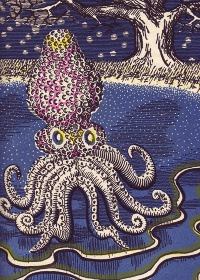
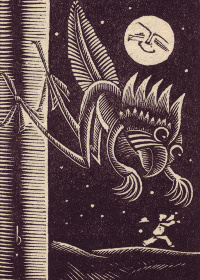
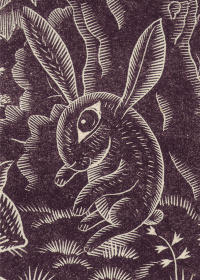
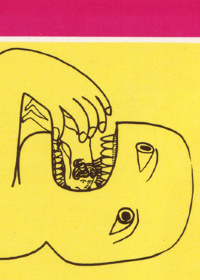
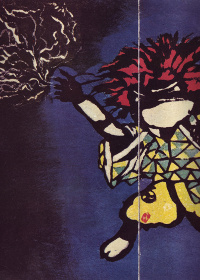
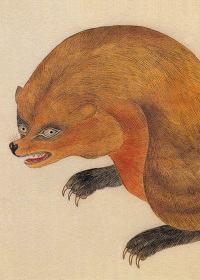
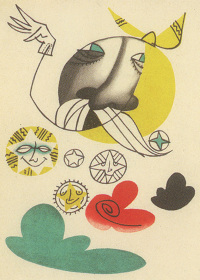
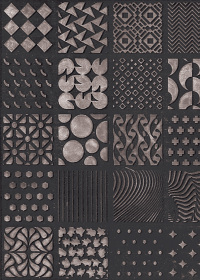
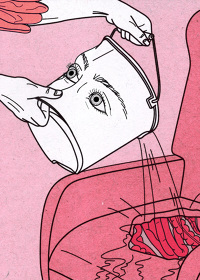
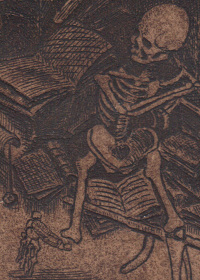
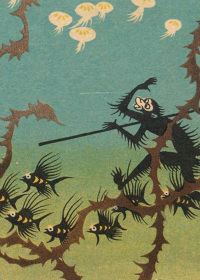
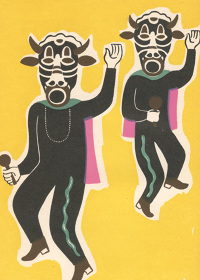
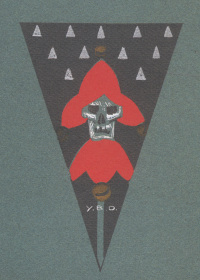
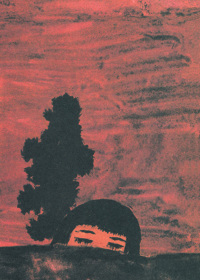
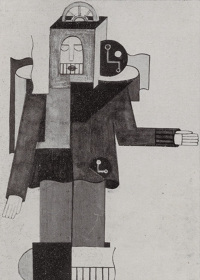
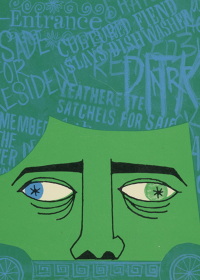
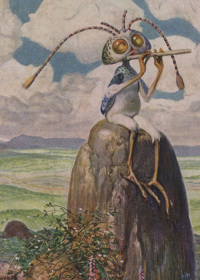
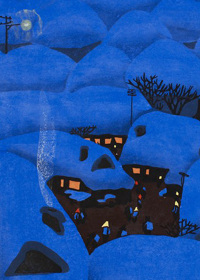
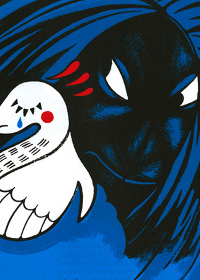
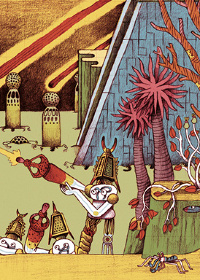
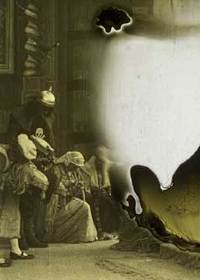
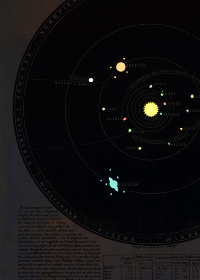
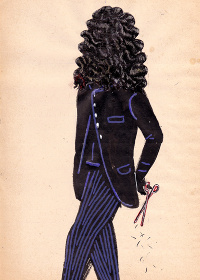
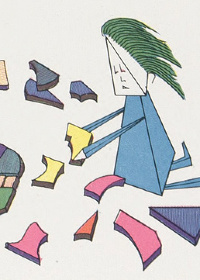
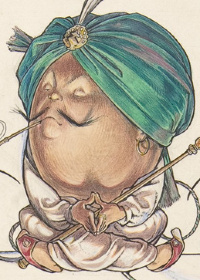
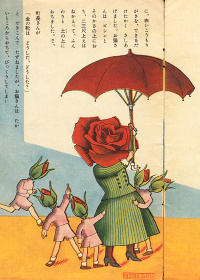
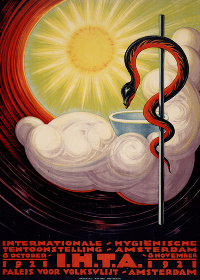
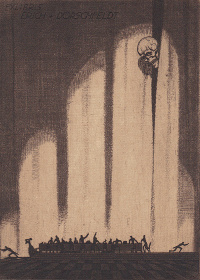
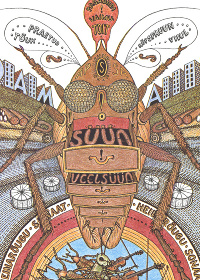
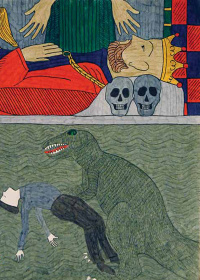
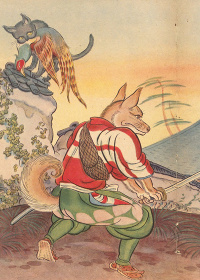
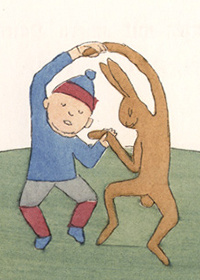
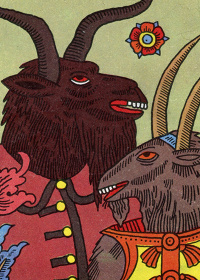
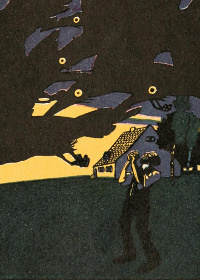
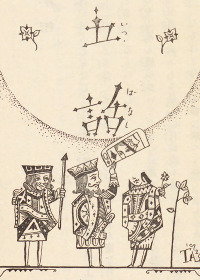
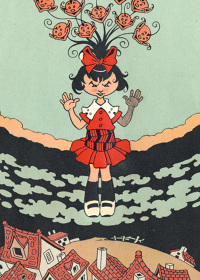
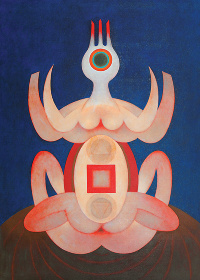
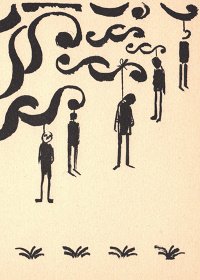
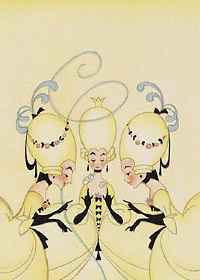
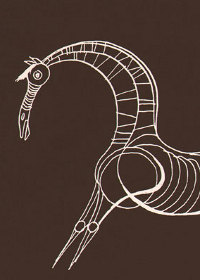
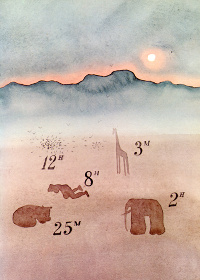
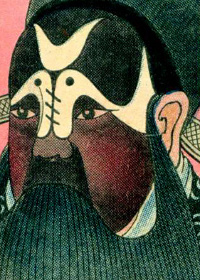
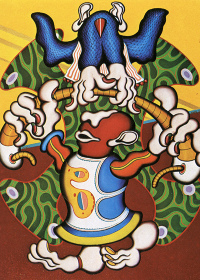
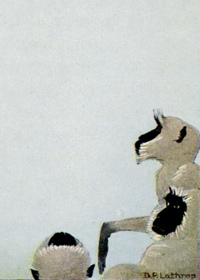
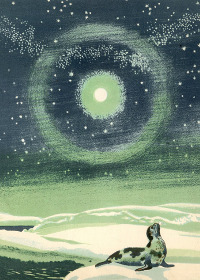
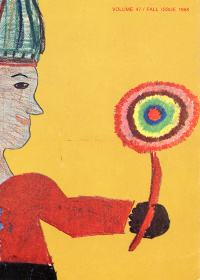
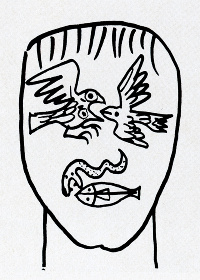
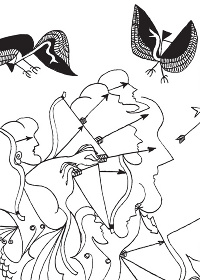
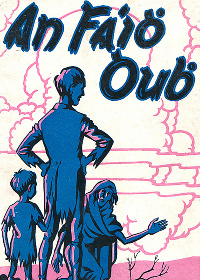
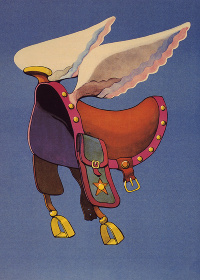
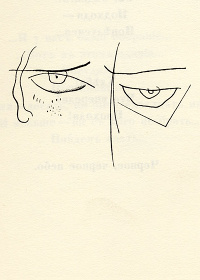
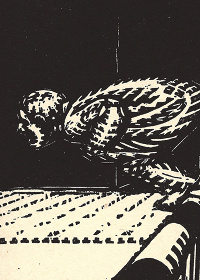
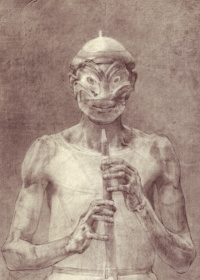
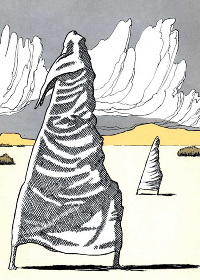
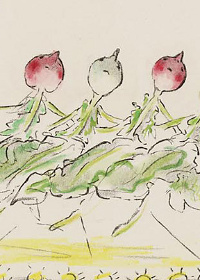
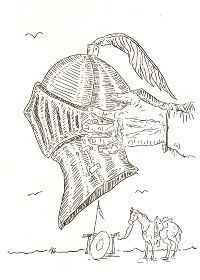
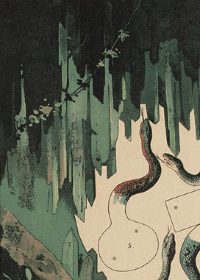
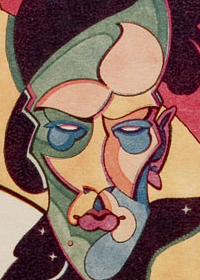
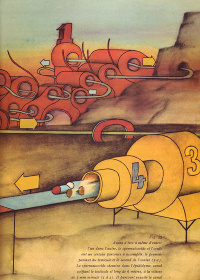
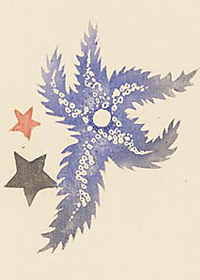
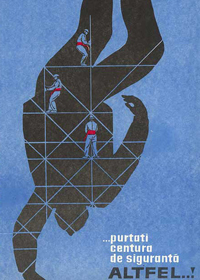
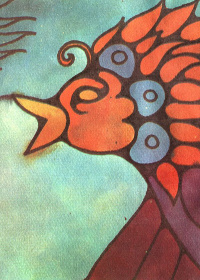
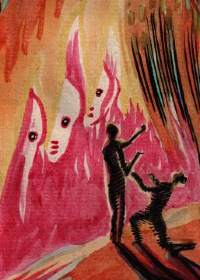
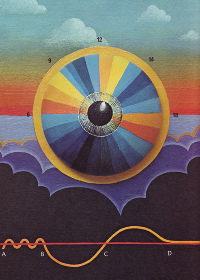
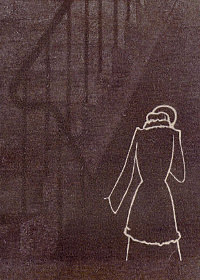
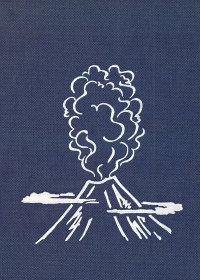
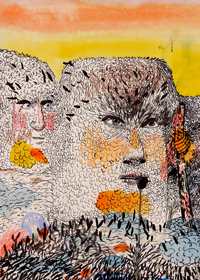
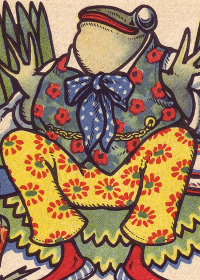
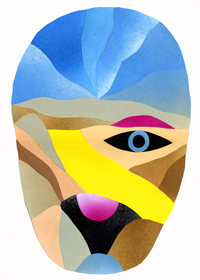
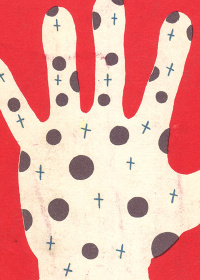
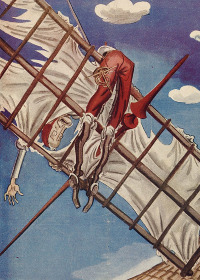
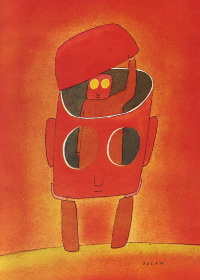
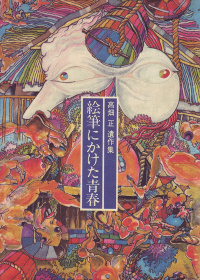
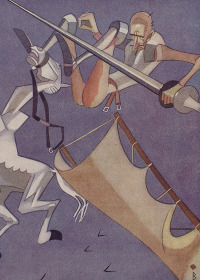
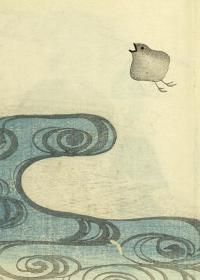
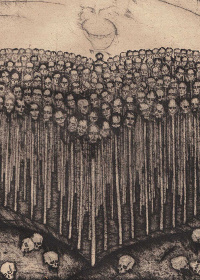
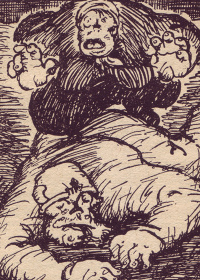
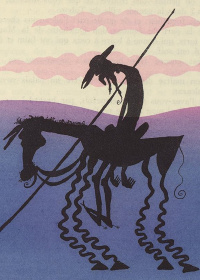
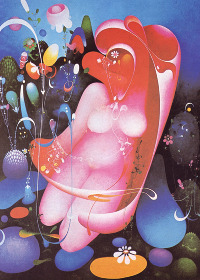
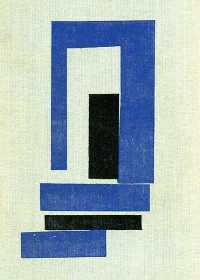
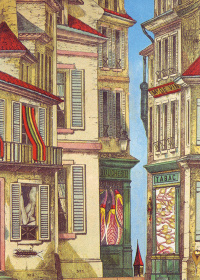
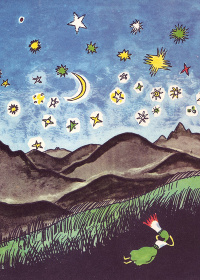
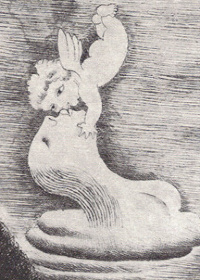
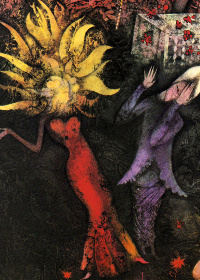
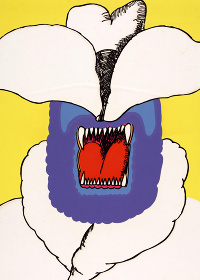
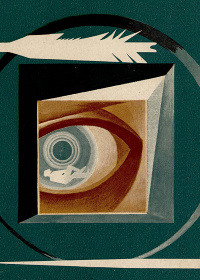
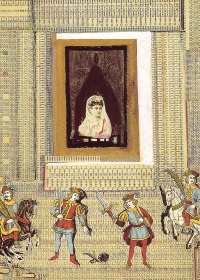
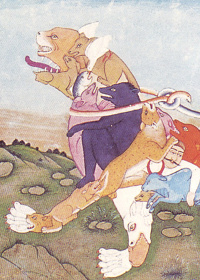
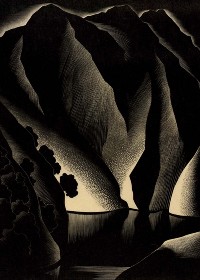
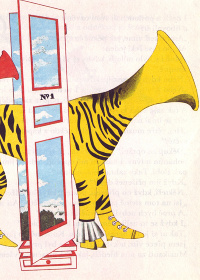
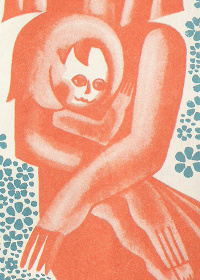
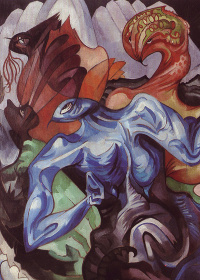
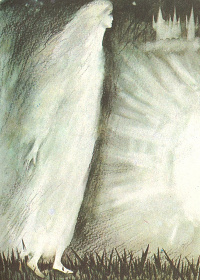
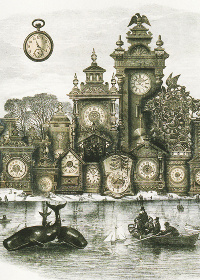
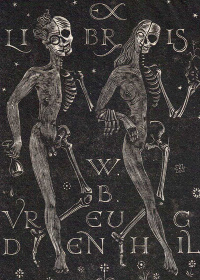
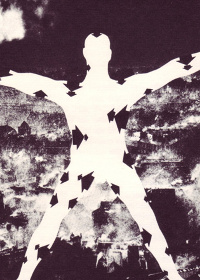
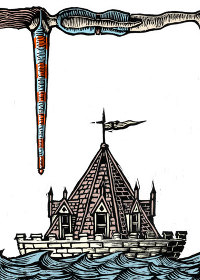
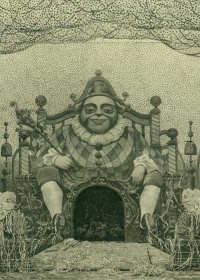
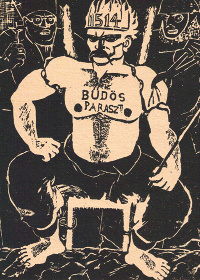
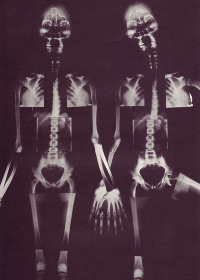
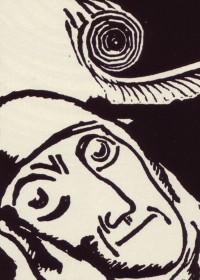
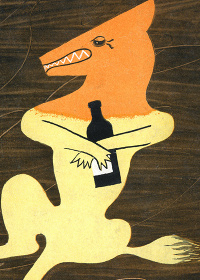
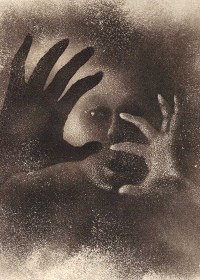
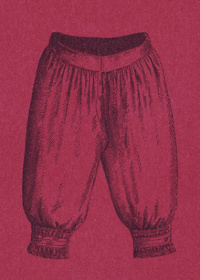
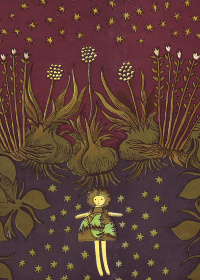
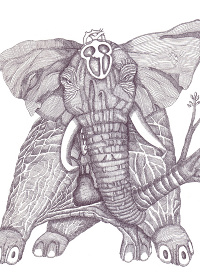
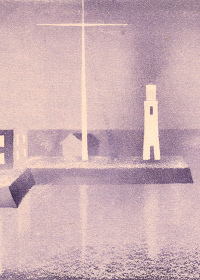
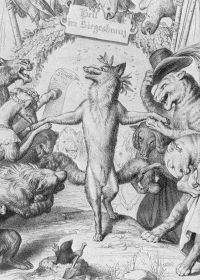
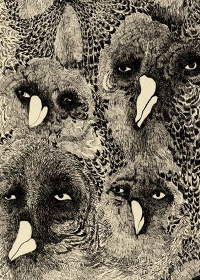
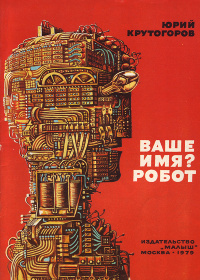
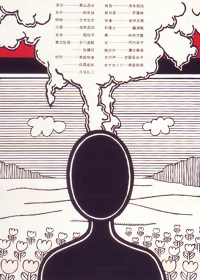
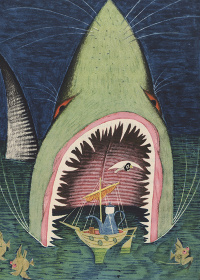
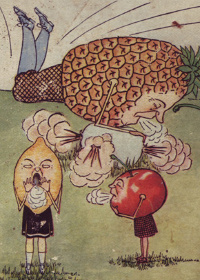
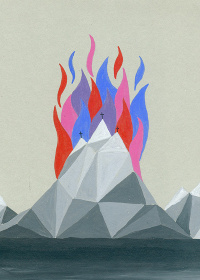
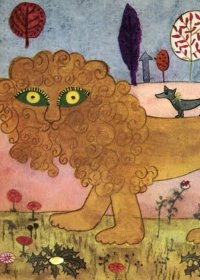
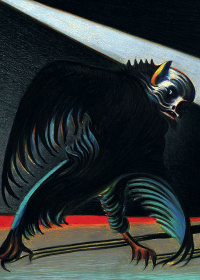
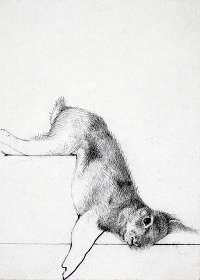
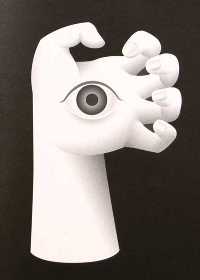
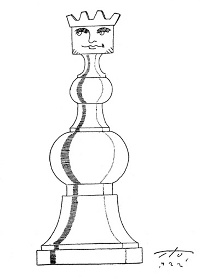
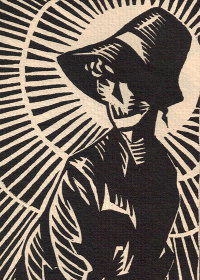
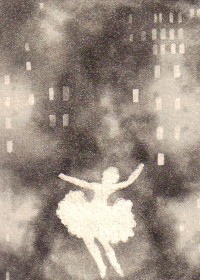
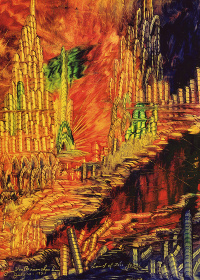
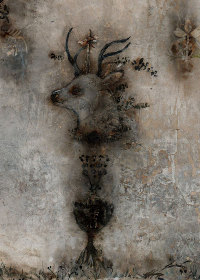
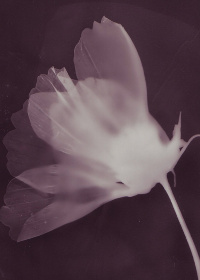
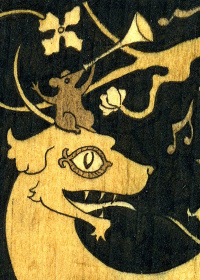
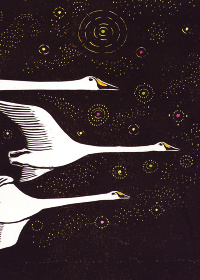
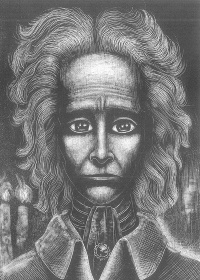
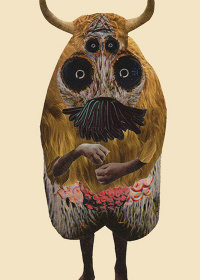
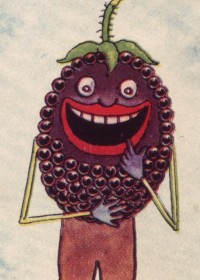
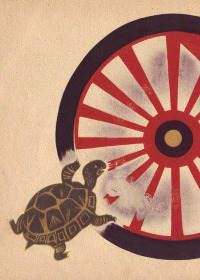
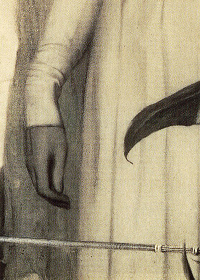
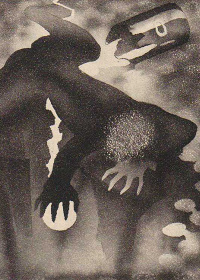
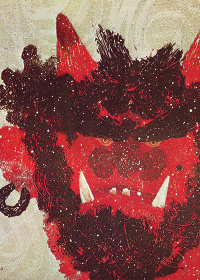
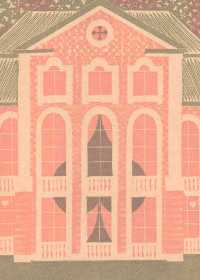
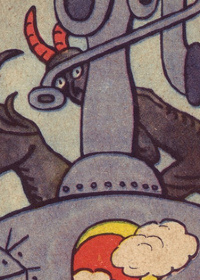
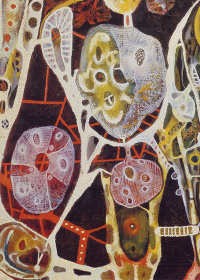
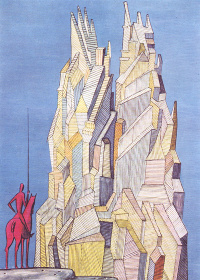
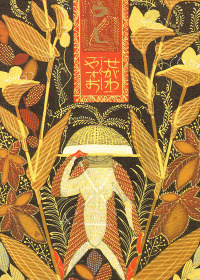
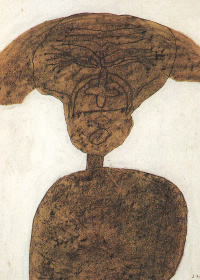
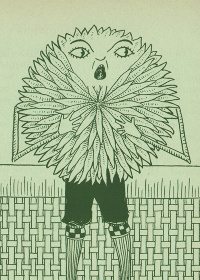
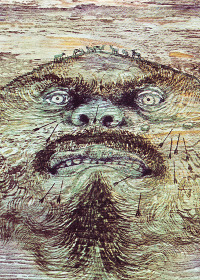
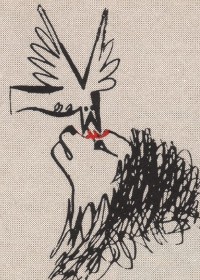
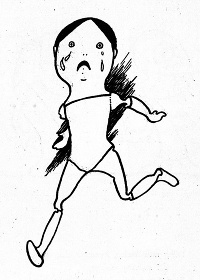
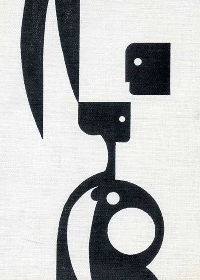
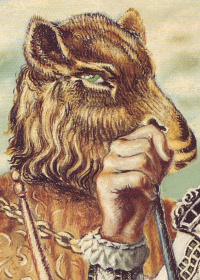
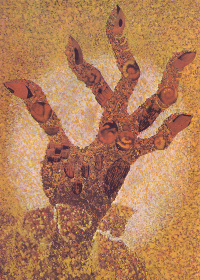
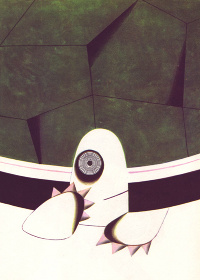
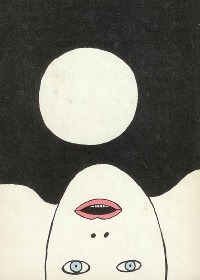
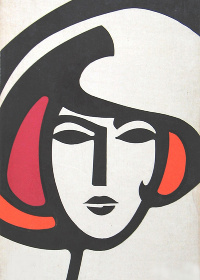
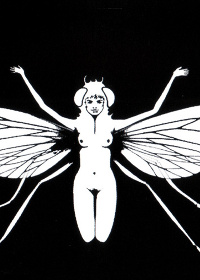
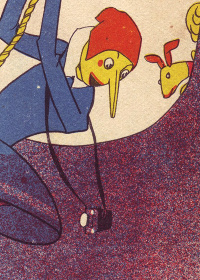
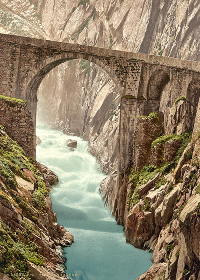
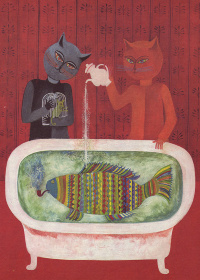
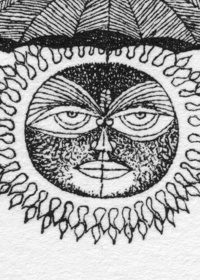
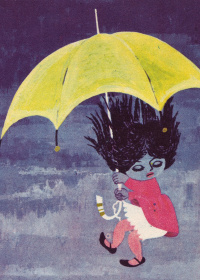
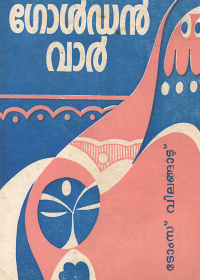
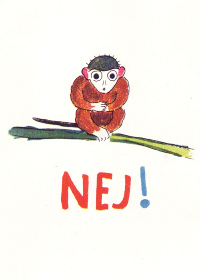
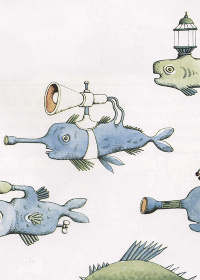
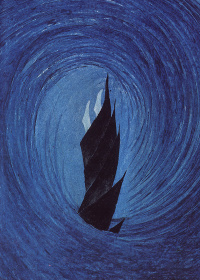
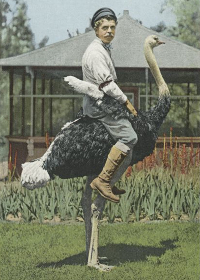
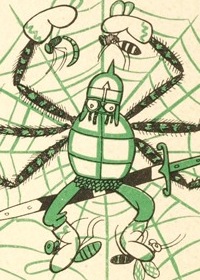
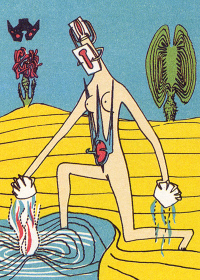
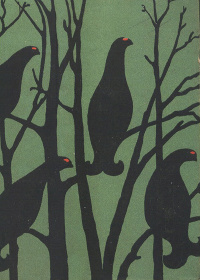
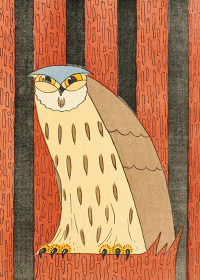
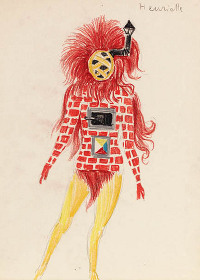
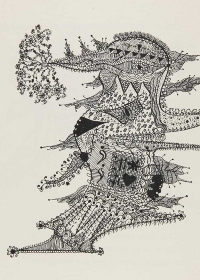
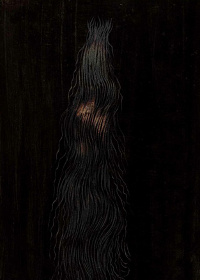
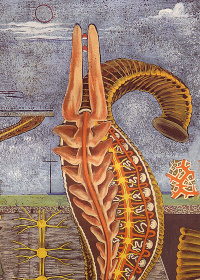
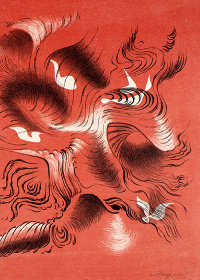
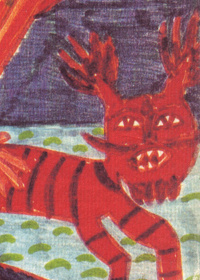
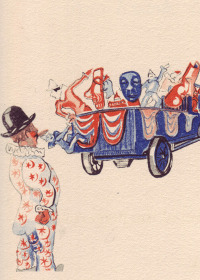
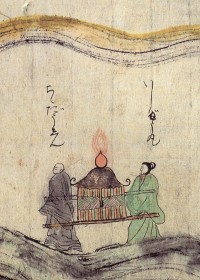
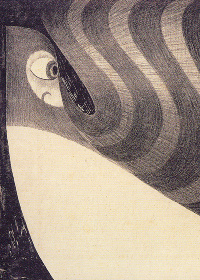
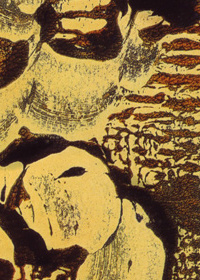
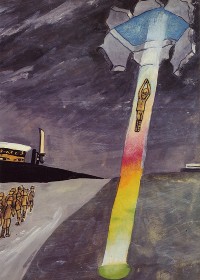
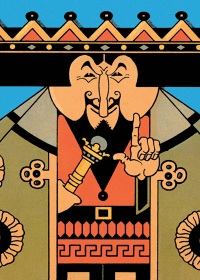
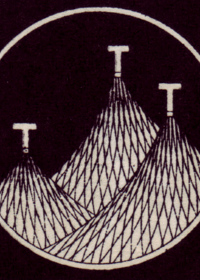
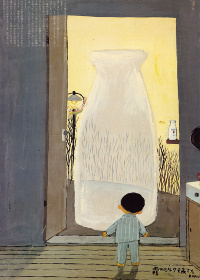
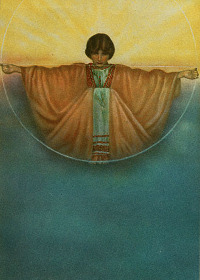
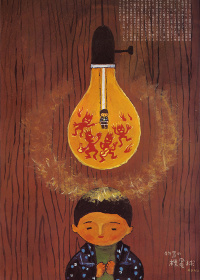
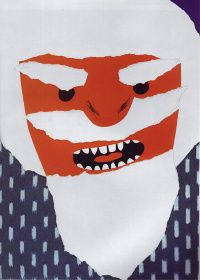
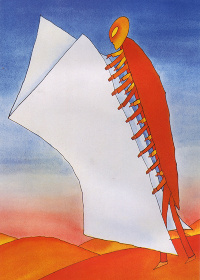
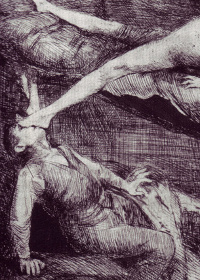
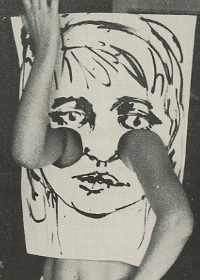
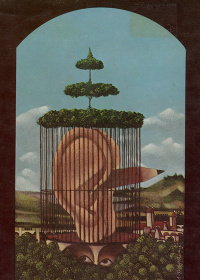
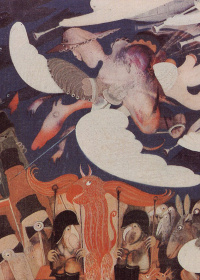
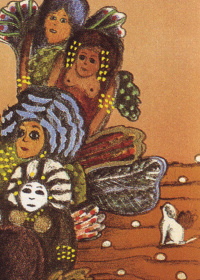
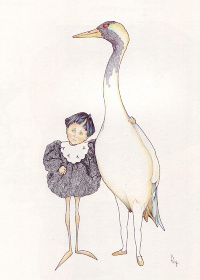
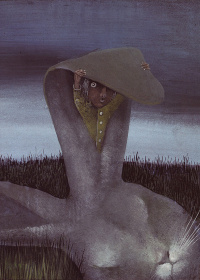
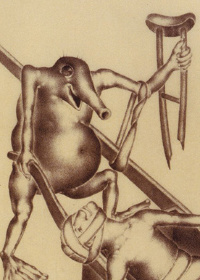
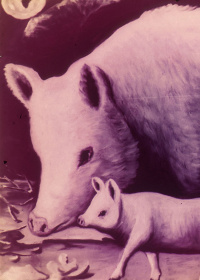
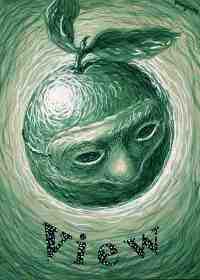
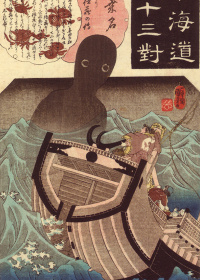
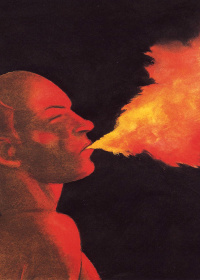
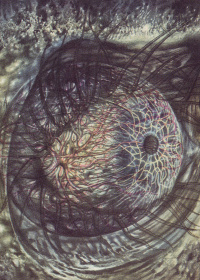
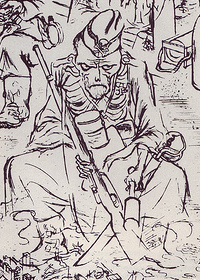
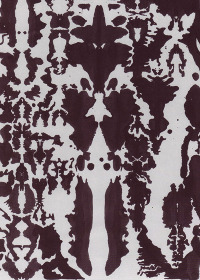
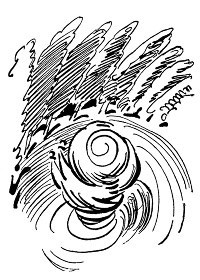
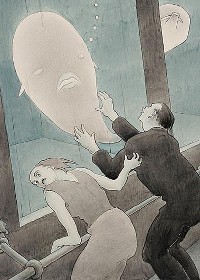
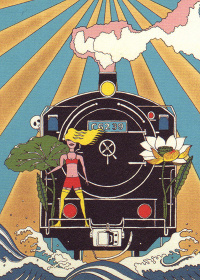
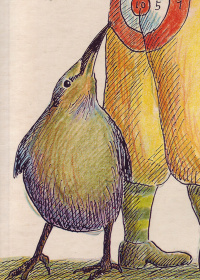
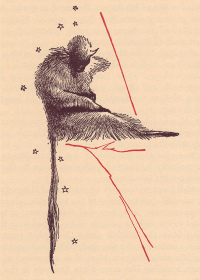
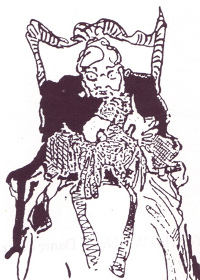
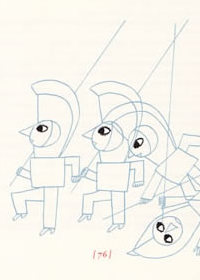
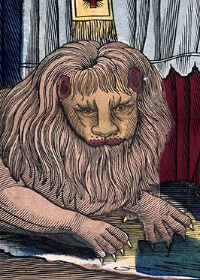
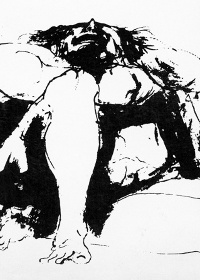
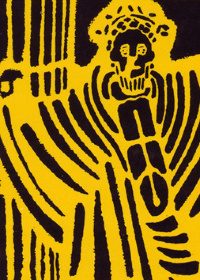
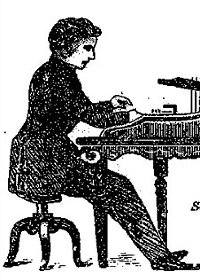
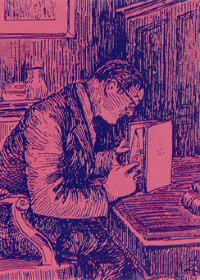
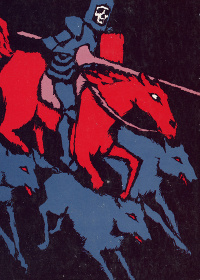
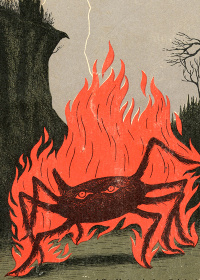
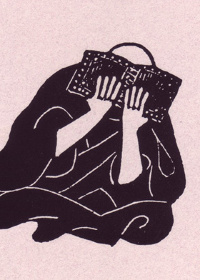
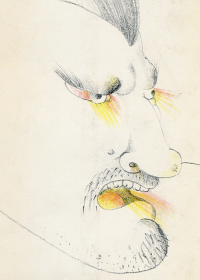
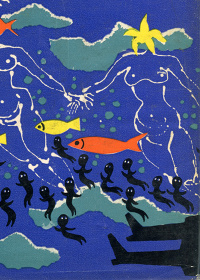
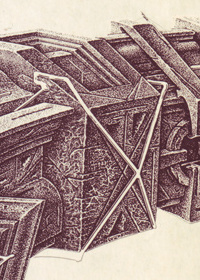
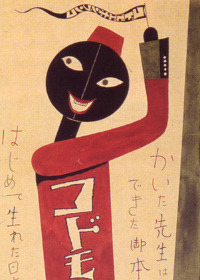
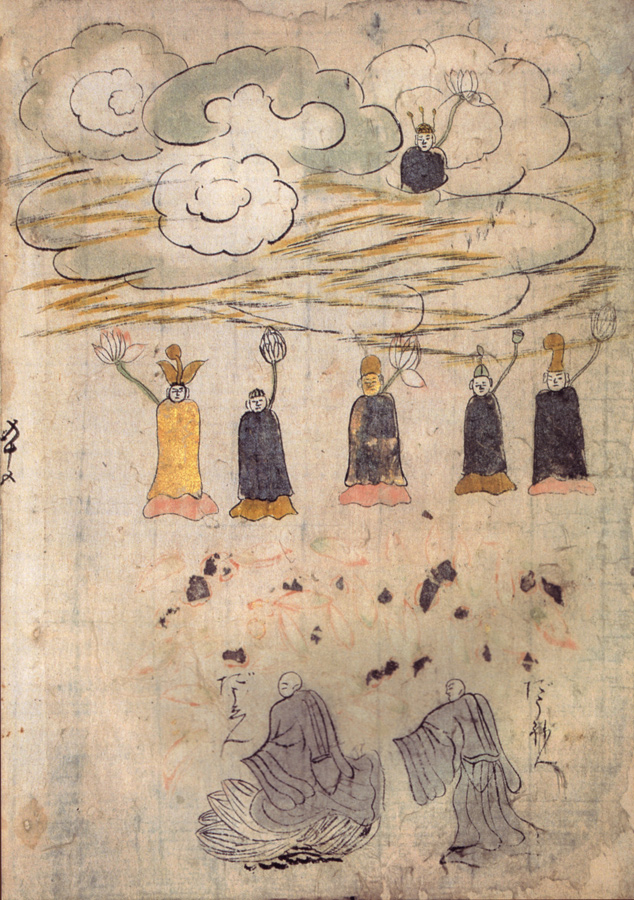
"Karukaya is a so-called 'companion story' ascribed to Japan's Muromachi period, approximately 590 years ago. I see it to be Japan's oldest illustrated book. This view of course is not meant to overlook the large bulk of painted handscrolls produced in the preceding Heian and Kamakura eras (roughly 900 to 1300 AD). However, in the genre of illustrated storybooks, Karukaya can probably be taken with relative confidence as a historic starting point (even though art historians have yet to reach a definitive conclusion on the matter)." --Yusaku Kamekura, from Creation v. 7 (1990)
This work is now held in the Suntory Museum of Art.
I'm having trouble finding information about it.
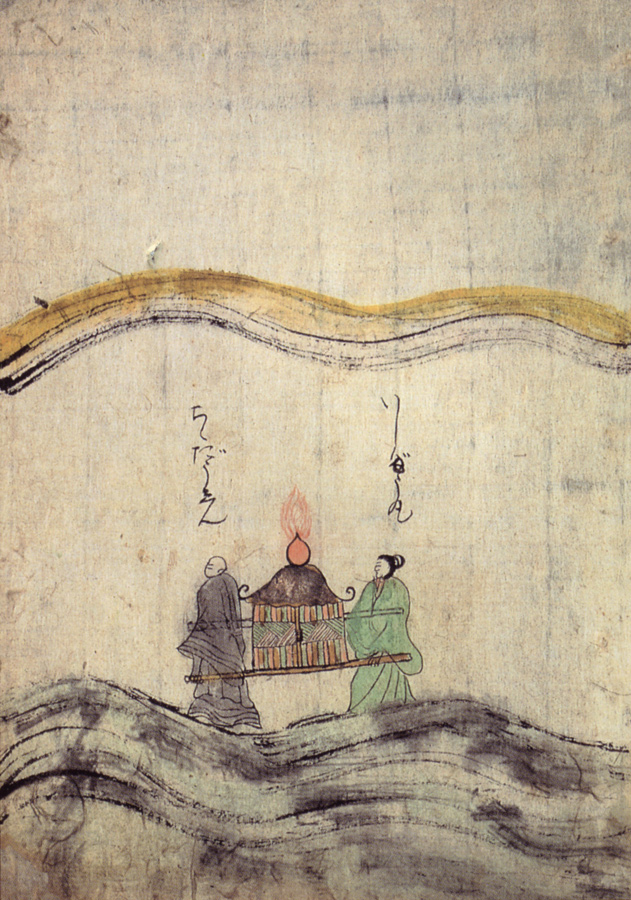
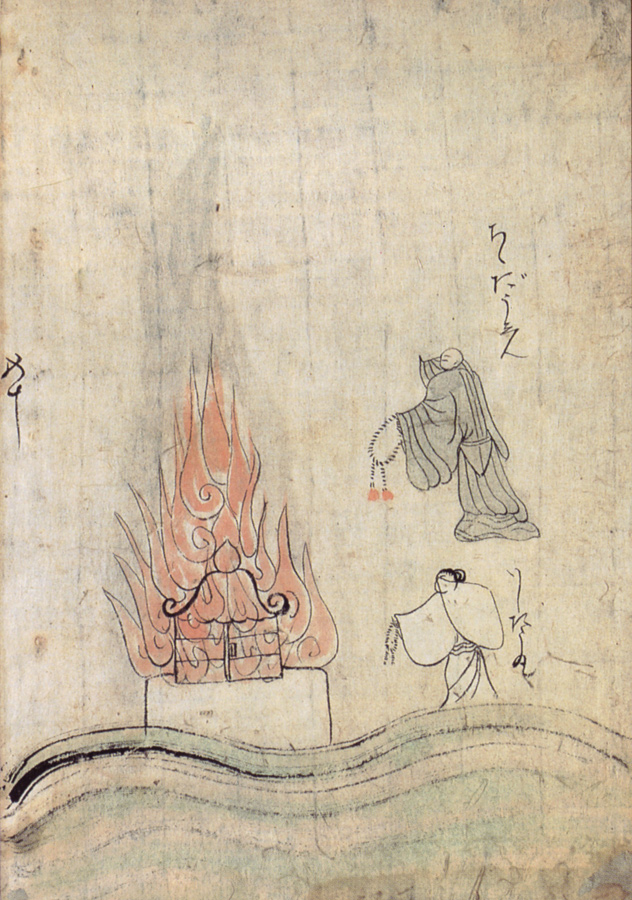
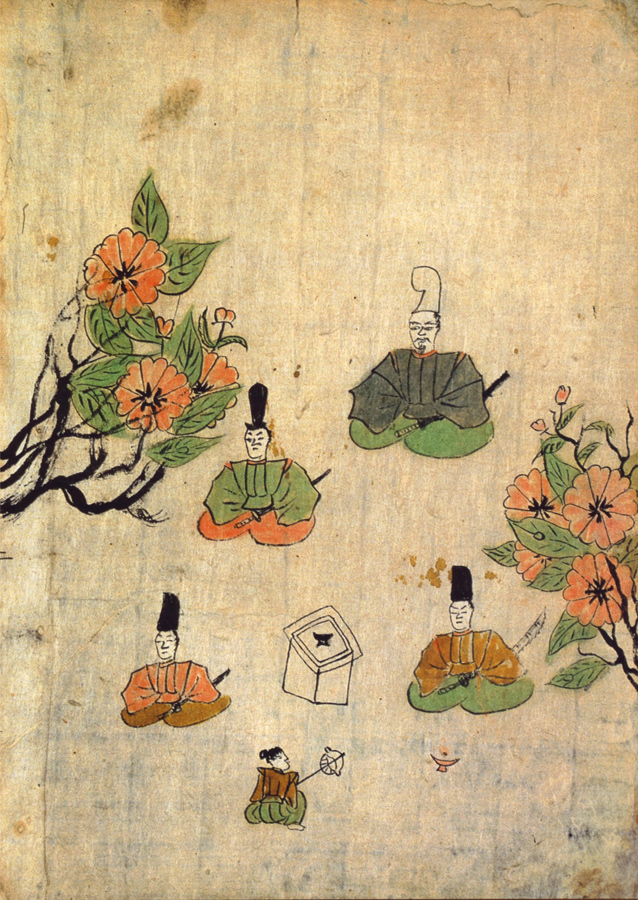
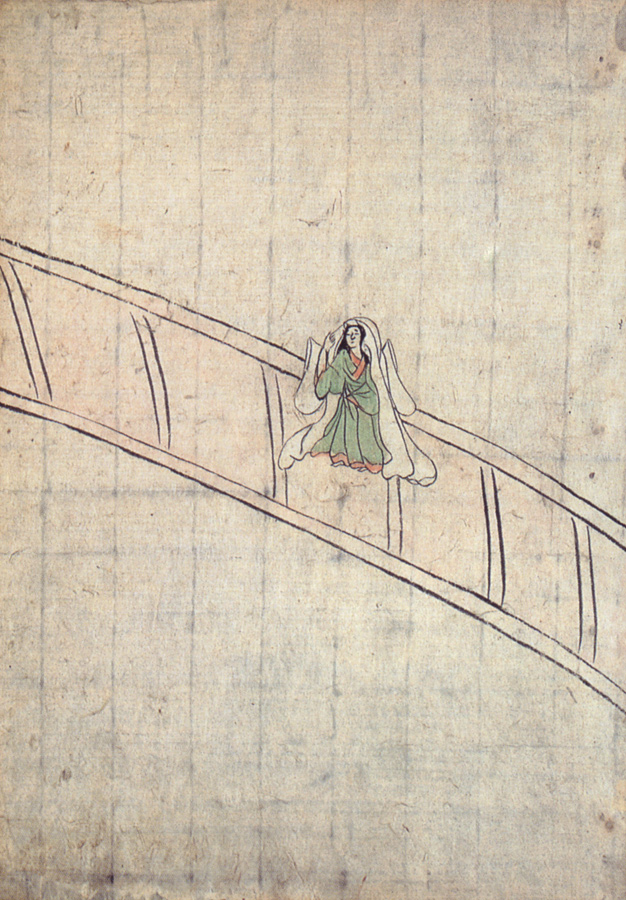
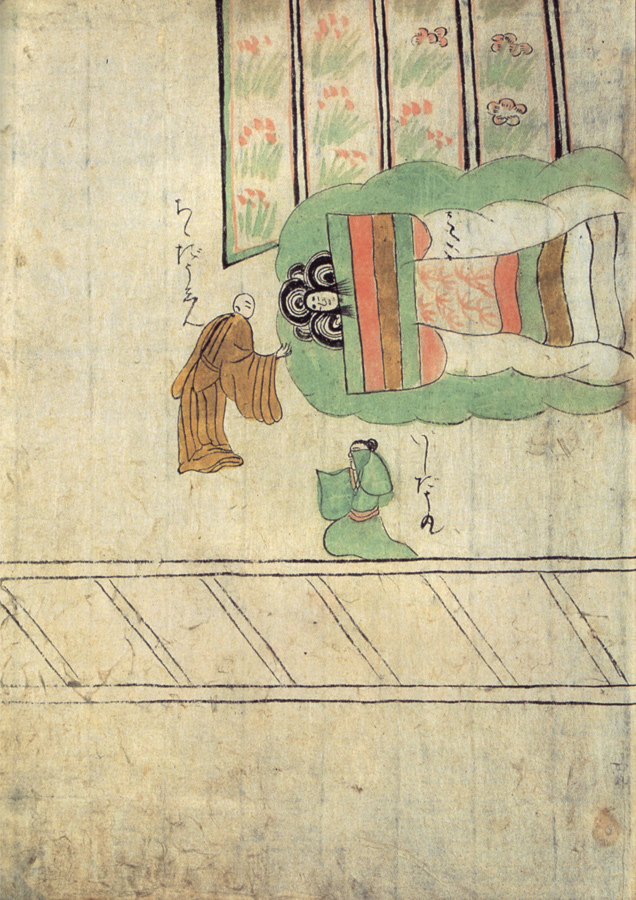
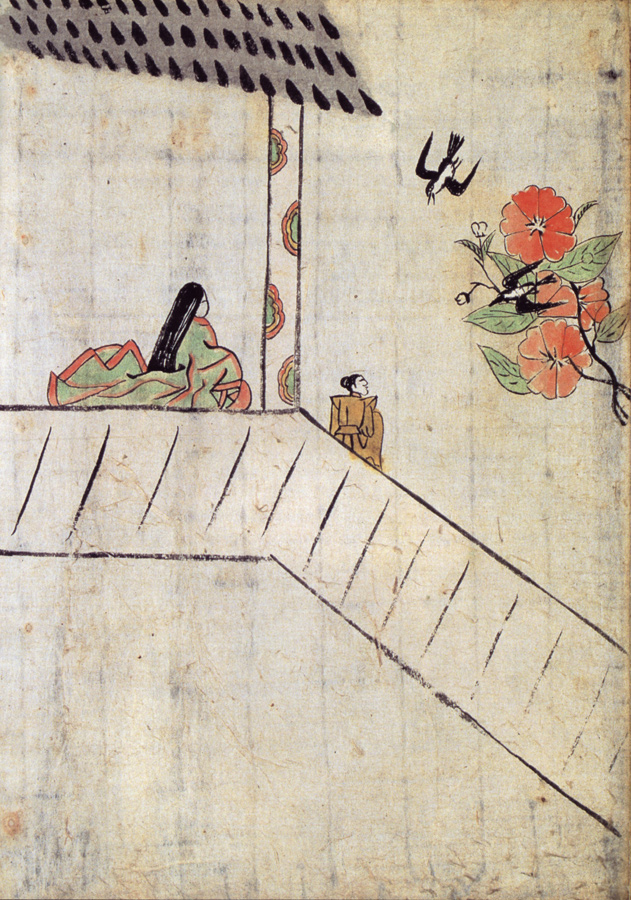
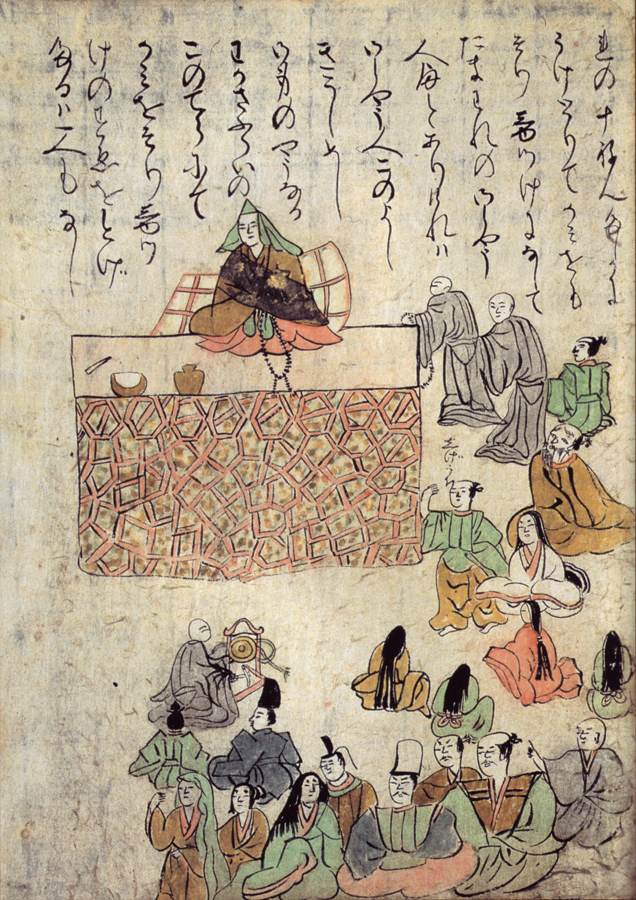
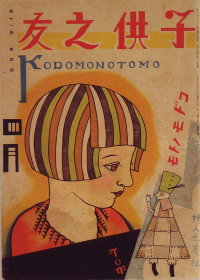
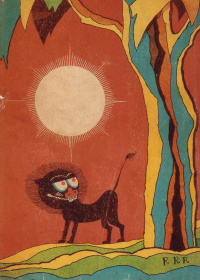
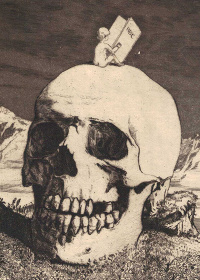
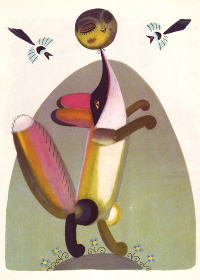
June 2014 update: Colin Dickey thinks it's dubious to definitively call this "Japan's First Illustrated Book." (Mind you, I hope everyone realizes A Journey Round My Skull and Bookers Buzz are not meant to be definitive.) With my definitive-sounding post title I was copying Kamekura (see image below) and at the time I couldn't find much info about the book.
Googling just now, I found a 2013 exhibit description (pdf) at the Japan Folk Crafts Museum:
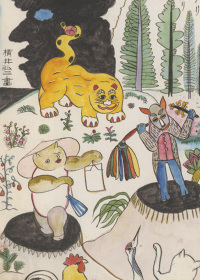
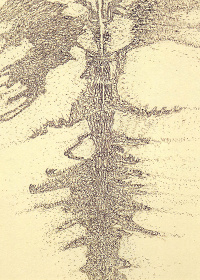
An illustrated book ‘Karukaya’, on the other hand, was found out in 1950’s by Shigeru Yokoyama (1896-1980), who was a Japanese literary scholar and was acquainted with Yanagi. Yokoyama was an independent scholar and his collection of excellent rare books of the middle and the early modern age is known as ‘Akagi Library’. A part of the excellent collection of tale paintings and tanrokubon in our museum was collected by way of Yokoyama. ‘Karukaya’ is known as a sad and moving story of Priest Karukaya and his son Ishidōmaru. The work on display in this exhibition is assumed to be the oldest illustrated book in existence and its style of painting is very unique among the naive art of Muromachi period. Especially, the wild and rough brushwork of Mount Kōya, which was probably drawn with a different brush from other parts, could be found nowhere else.
June 2014 update #2: I asked R. Keller Kimbrough about the book. He translated a version of Karukaya in his anthology Wondrous Brutal Fictions: Eight Buddhist Tales from the Early Japanese Puppet Theater. He wrote:
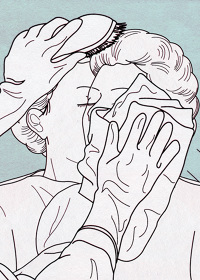
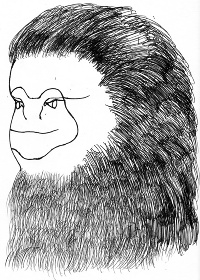
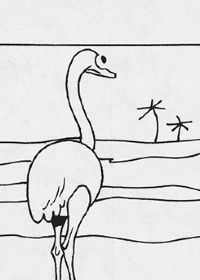
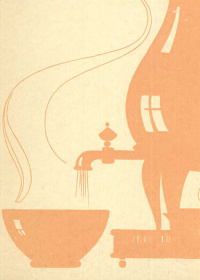
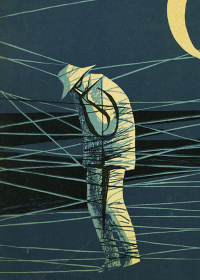
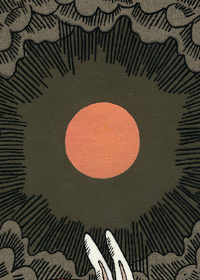
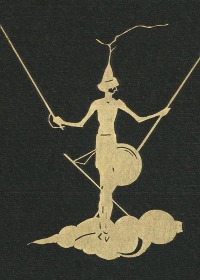
As you know, the images are from the Karukaya "e-iri shahon" (illustrated manuscript) in the Suntory Museum in Tokyo. That work has been dated to around the end of the Muromachi period (late sixteenth century), but because it is undated, and because we have many undated nara ehon (a kind of illustrated manuscript) from around that time, I would be reluctant to call it or any other work Japan's "first illustrated book." There is simply no way to prove something like that. Also, as you suggest in your blog when you mention illustrated scrolls, I suppose that it all comes down to what you define as a "book."
In Wondrous Brutal Fictions, I translated a slightly different version of Karukaya: an illustrated, woodblock-printed playbook published by Jōruriya Kiemon (probably Tsuruya Kiemon of Kyoto) in 1631. I started off translating the late sixteenth-century Suntory text, but I ended up going with the 1631 text because the story was fleshed out a little bit more in that version. But I do refer to the Suntory text in my footnotes.