
(Find me at Bookers Buzz Books.)
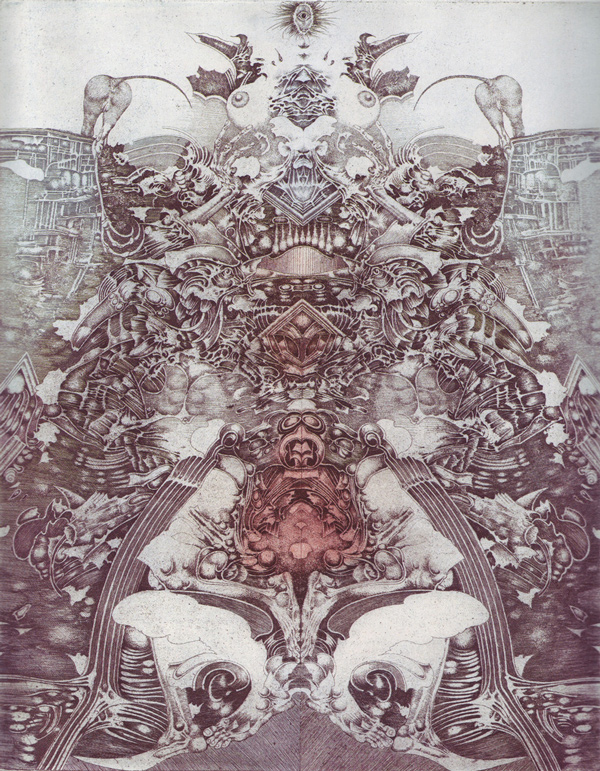
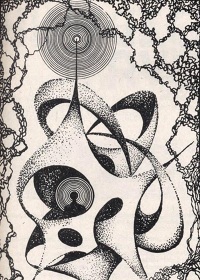
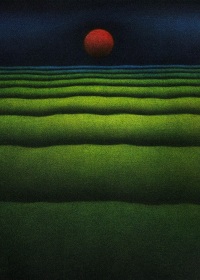
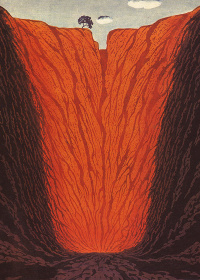
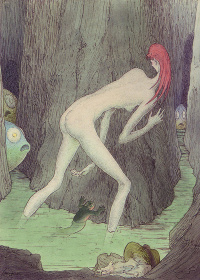
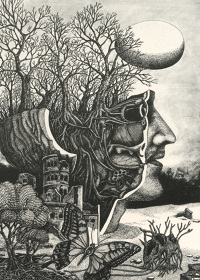
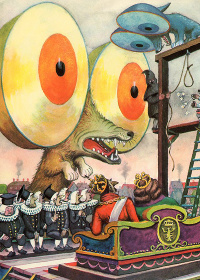
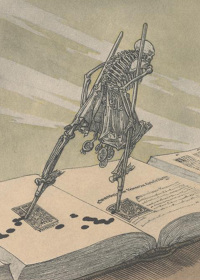
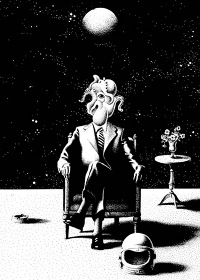
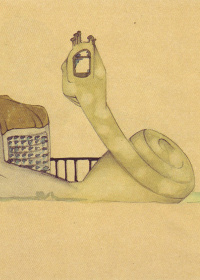
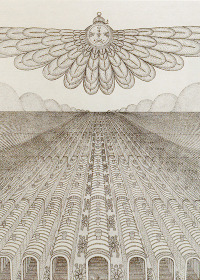
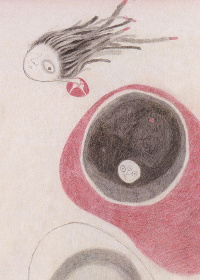
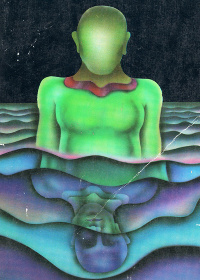
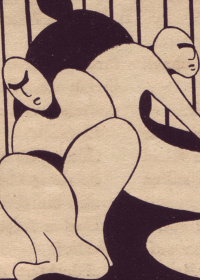
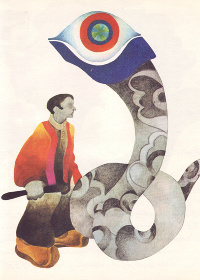
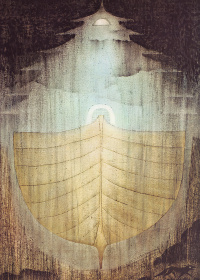
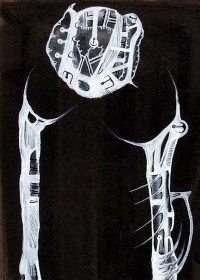
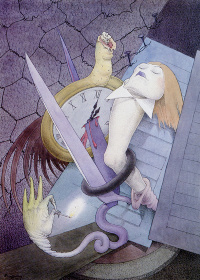
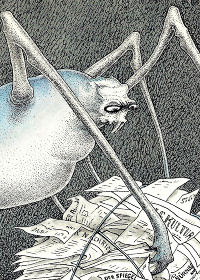
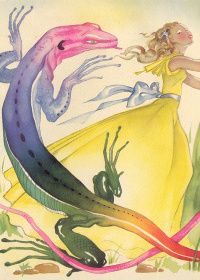
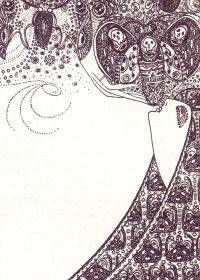
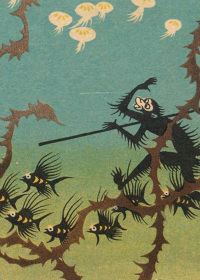
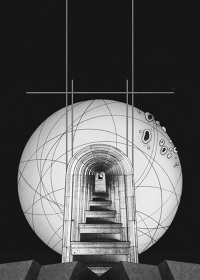
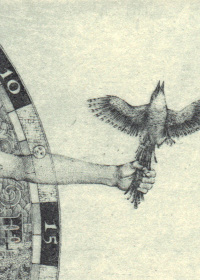
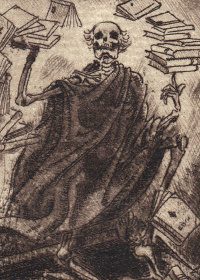
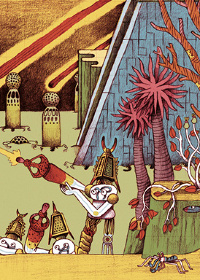
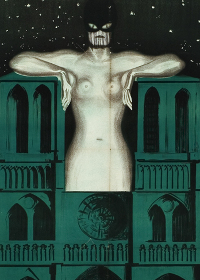
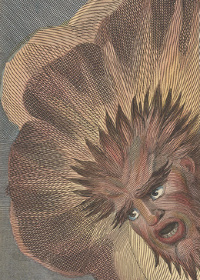
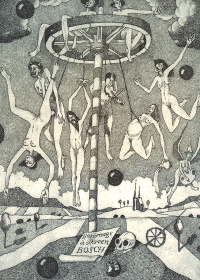
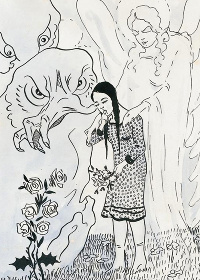
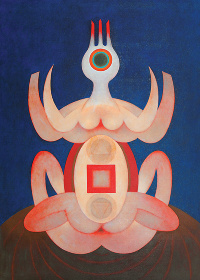
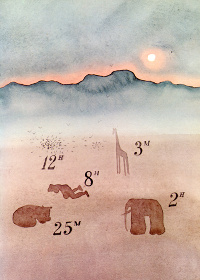
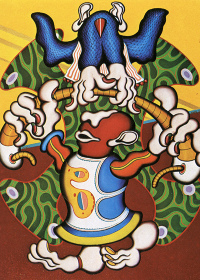
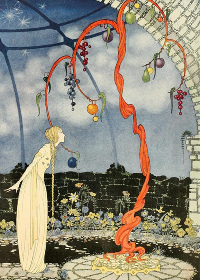
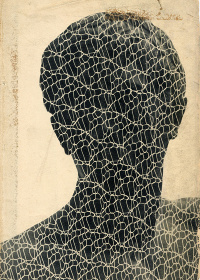
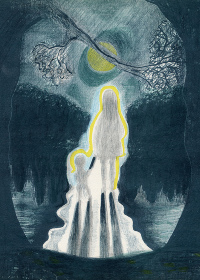
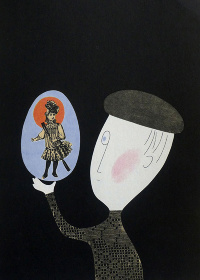
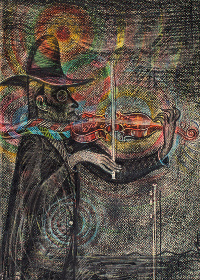
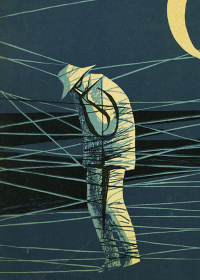
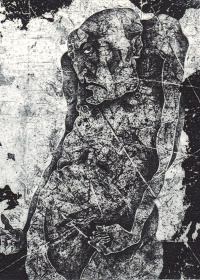
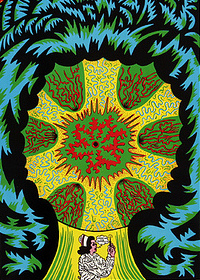
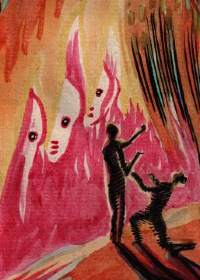
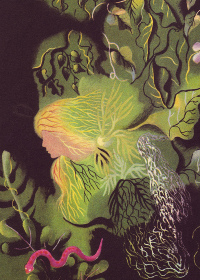
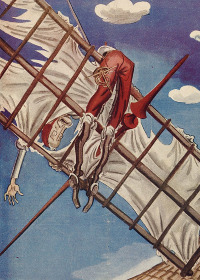
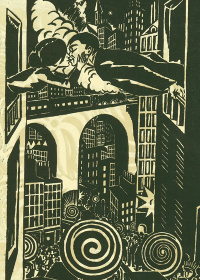
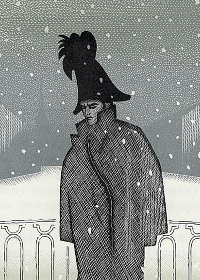
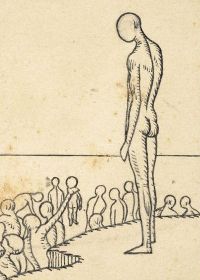
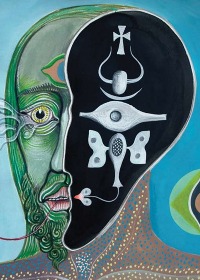
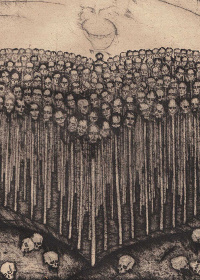
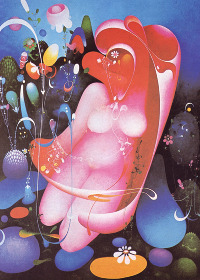
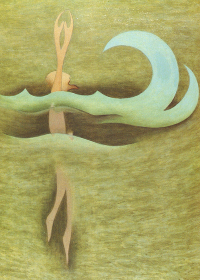
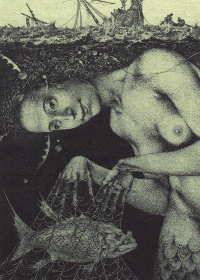
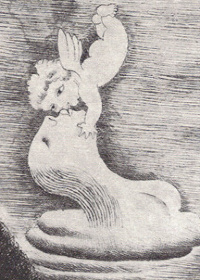
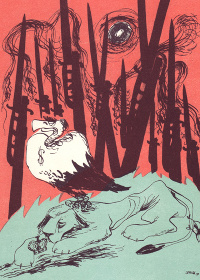
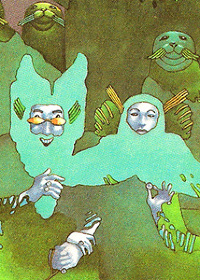
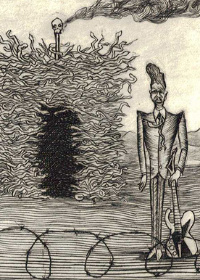
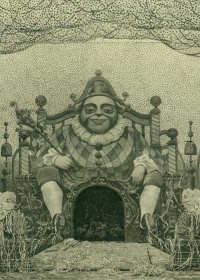
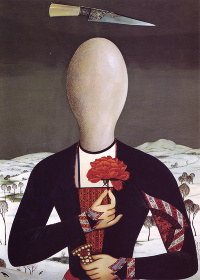
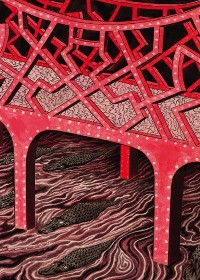
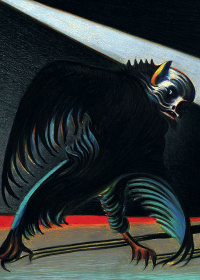
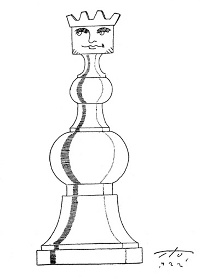
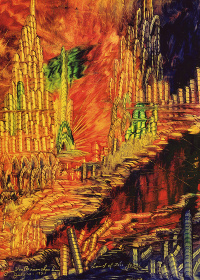
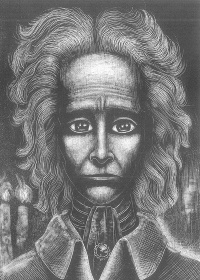
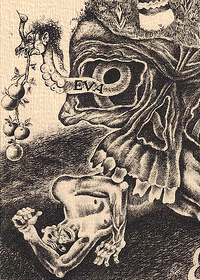
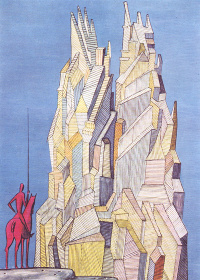
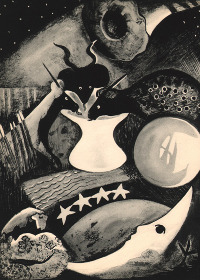
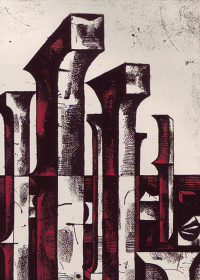
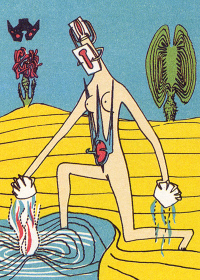
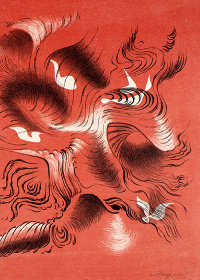
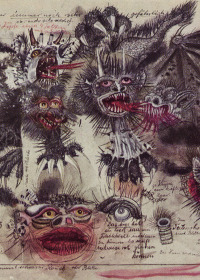
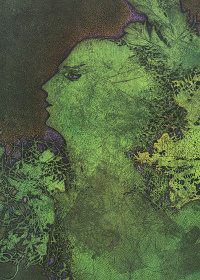
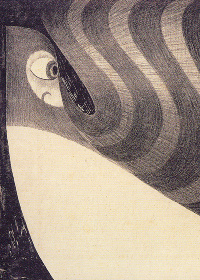
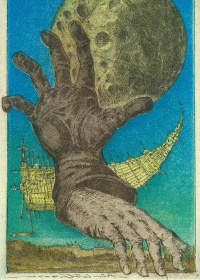
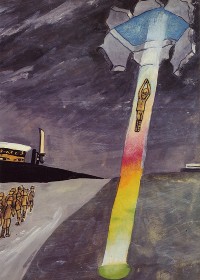
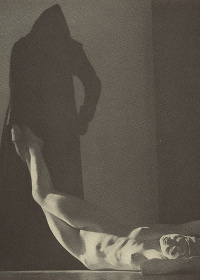
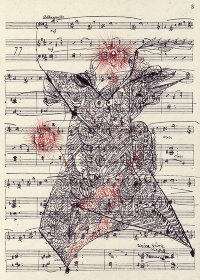
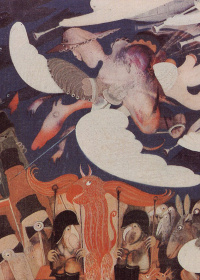
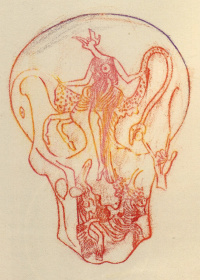
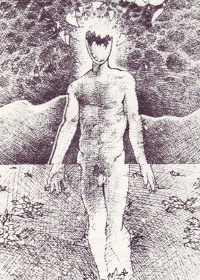
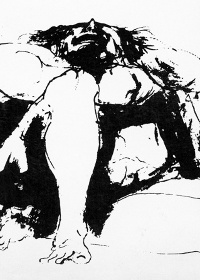
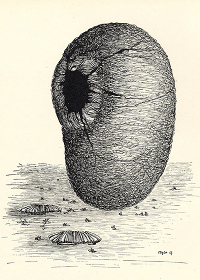
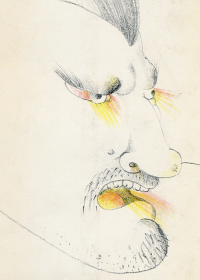
Albín Brunovský, Lamento della Ninfa III, 1972
The Apocalyptic Longing: Looking toward 2012
by Christopher Spranger
No Peace
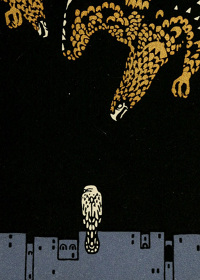
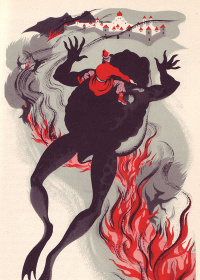
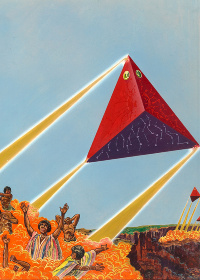
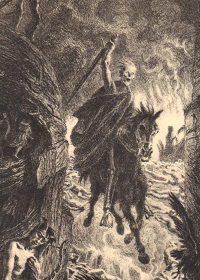
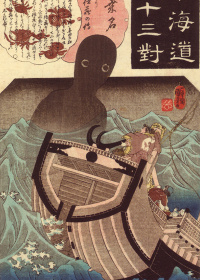
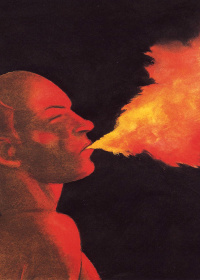
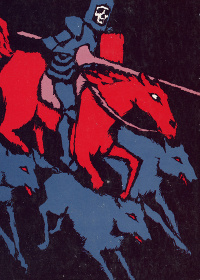
To depict the apocalypse as anything less than a cataclysmic event on a universal scale presupposes a degree of perversity difficult to comprehend even in a poet; but with no discernible effort T. S. Eliot attains this degree of perversity in his famous poem, The Hollow Men, in which we find no rain of blood, no shrieking trumpets of doom, no beasts arising from the depths belching fire and smoke and brimstone—no bang. Being an end which disappoints both our terrors and our desires it kills belief in itself and hence has not inspired any subsequent prophet, in striking contrast to that more contagious vision of the world’s close so adroitly served up by the Book of Revelation. If the end of which we are given a foretaste in this latter work rings so true and continues with undiminished power to stir up waves of excitement everywhere, provoking here a fit of trembling and there a fit of raving, and leading us all to assent to the reality of its inevitability without a second thought, it is because it is an end suffused with many intriguing forms of terrible violence and suffering, and hence an end which corresponds with what, from the cradle to the grave, we all continually encounter within the world and within ourselves. The violence which lies at the beginning of things and which lives at the heart of them, moving without cease through man no less than though the earth which simultaneously sustains and devours man, and revealing itself at each moment in the individual behavior of creatures as well as in the universal tone of creation, must rise up at the final moment in a concentrated form which contains and mirrors all of history. The power of the end must be equal to the power of everything which has preceded the end or it cannot come about: it must gather up within itself all of the tensions produced by all of the manifestations of violence, whether visible or camouflaged, subtle or obvious, known or unknown, recorded or forgotten, into a disastrous unity which dissolves them. Clear as rain-water and brilliant as lightning, the logic of ultimate catastrophe needn't even be articulated, since—belonging to a knowledge that antedates discursive thought—a knowledge which, bypassing the paltry superficiality of the brain, quietly hibernates in the heart and nerves—it emanates from what is oldest, deepest, and most aware within us. Eliot himself must have known from the outset that the whimpering end which he proposed would be immediately relegated to the status of a mere curiosity by all sane men. But why speak of logic—or of sanity? In this world where the madness of attraction triumphs over the sanity of logic automatically, no man has ever been convinced of a truth that he recoiled from. So it goes without saying that we—builders of a society which is no more than an abattoir for the Spirit, and producers of a history which reads like a catalog of horrors—do not require any support from a logical correspondence to be persuaded of the basic correctness of the message transmitted by a long and distinguished line of prophetic doomsayers. The vertiginous glamor of annihilation on which their visions feed is enough. We human beings are too addicted to violence and too in love with the delicious havoc it creates in our lives to put our confidence in any concluding vision which does not promise to absolutely dislocate the economy of the world.