
(Find me at Bookers Buzz Books.)
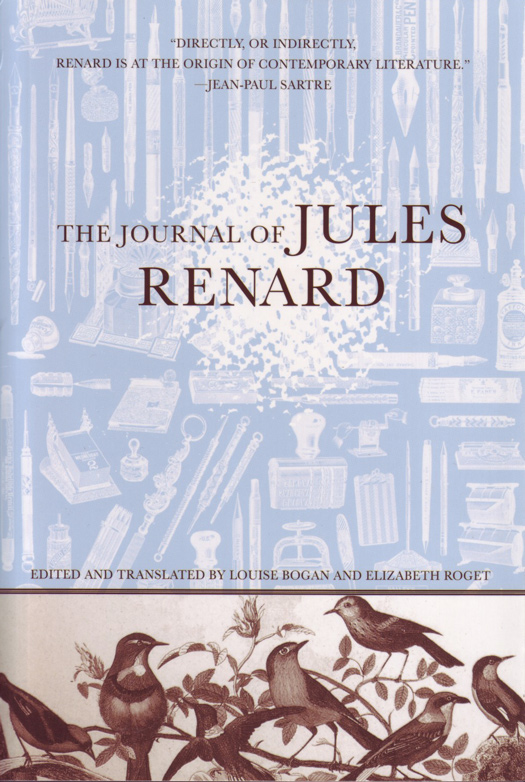
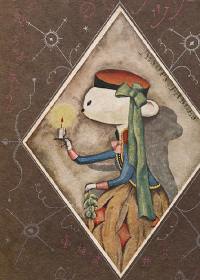
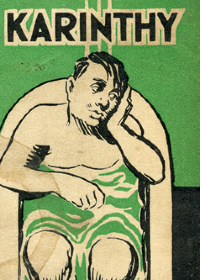
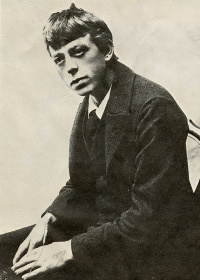
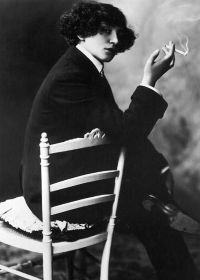
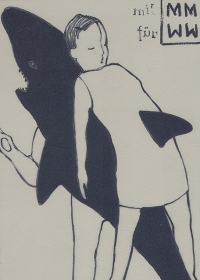
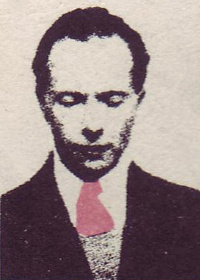
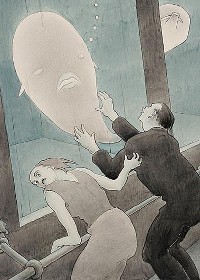
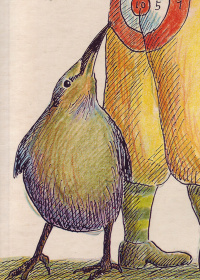
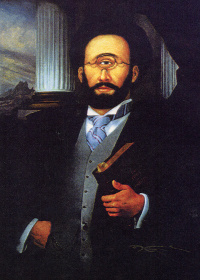
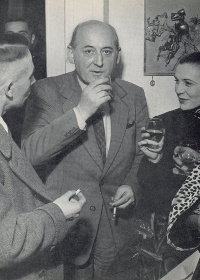
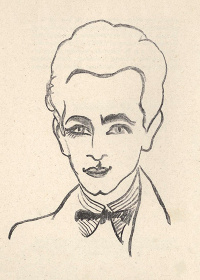
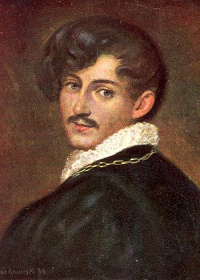
January 1892 entries from The Journal of Jules Renard, dealing with Marcel Schwob. See my previous posts on Schwob and one post on Renard.
Schwob to dinner.
"Daudet told us this. He was having dinner at Victor Hugo's. The great poet of course presided, but in isolation, at one end of the table. He was almost deaf, and no one spoke to him, the guests gradually drawing away, toward youth, toward Jeanne and Georges [his adult grandchildren]. He had been practically forgotten, when suddenly, at the end of the meal, the voice of the great man with the bristling beard was heard -- a deep voice, coming from afar: 'I didn't get any cake!'"
***
Schwob told us further:
"Baudelaire, in a beer tavern, declared: 'There's a smell of destruction here.' 'Why, no,' he was told, 'There's a smell of sauerkraut, and of slightly warm woman.' But Baudelaire repeated with violence: 'I tell you it smells of destruction!'"
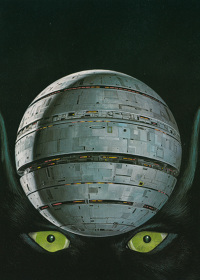
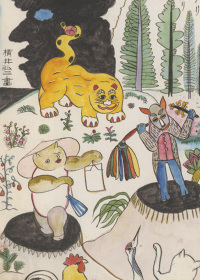
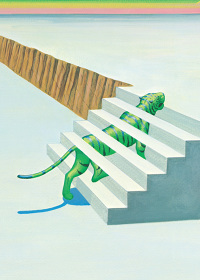
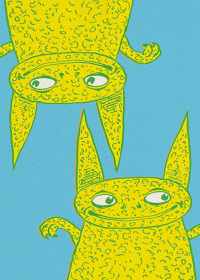
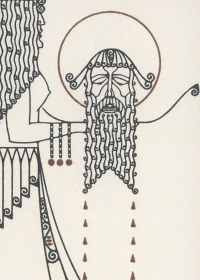
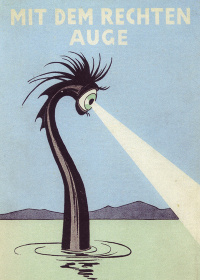
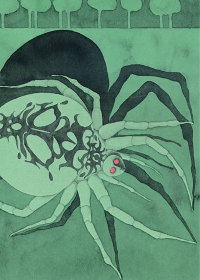
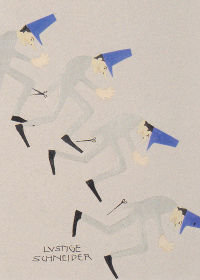
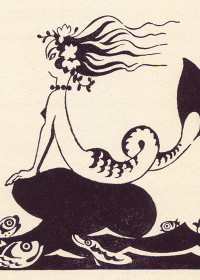
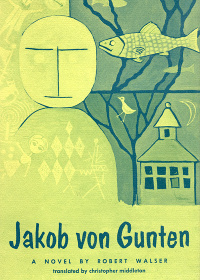
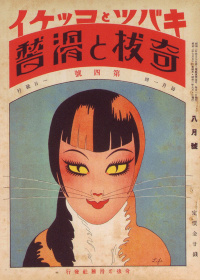
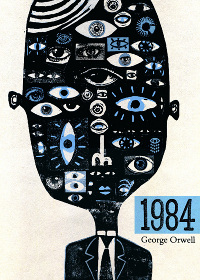
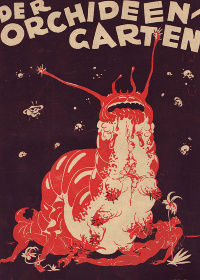
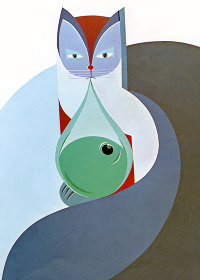
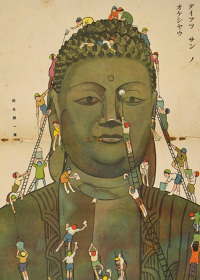
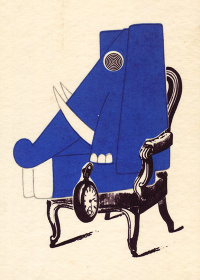
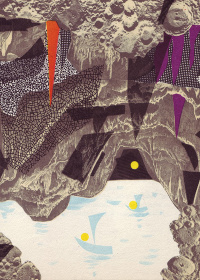
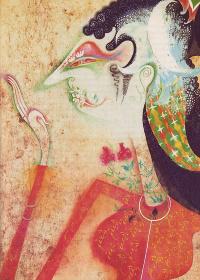
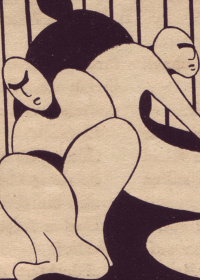
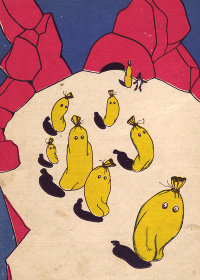
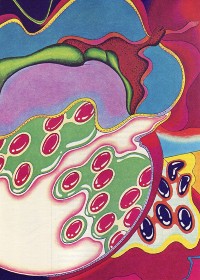
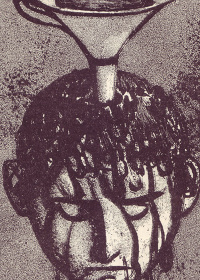
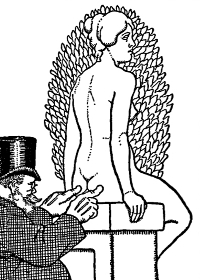
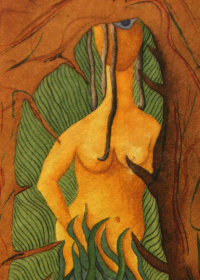
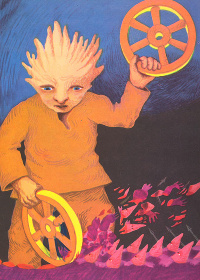
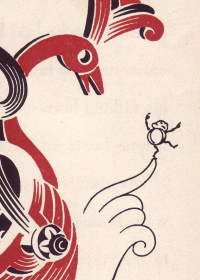
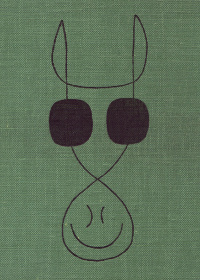
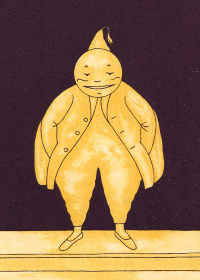
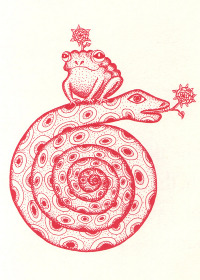
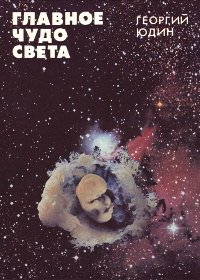
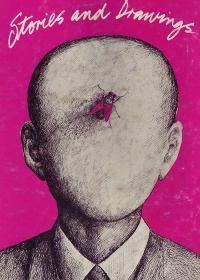
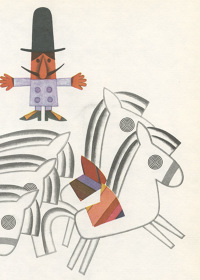
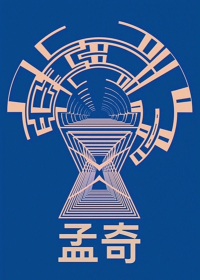
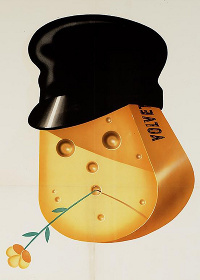
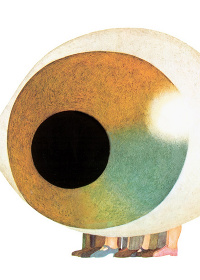
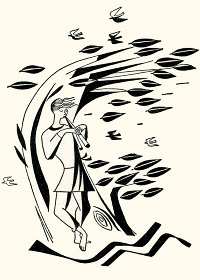
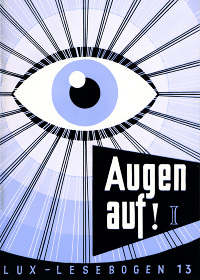
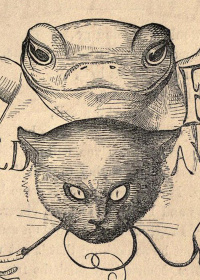
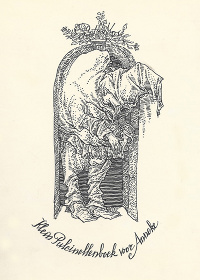
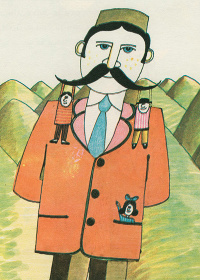
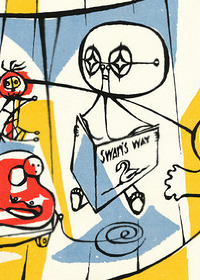
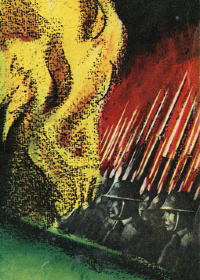
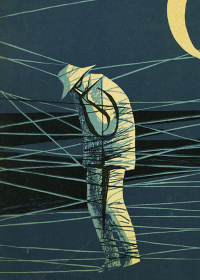
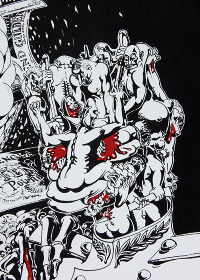
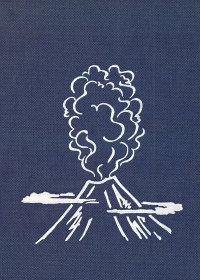
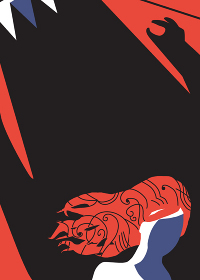
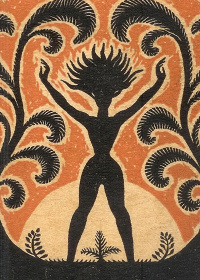
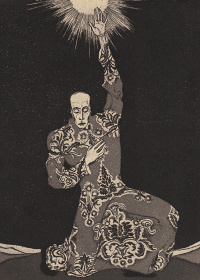
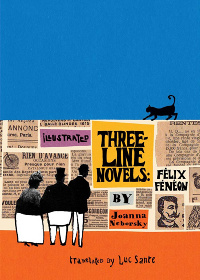
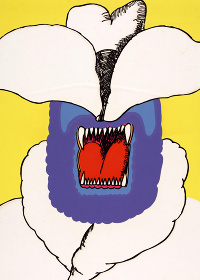
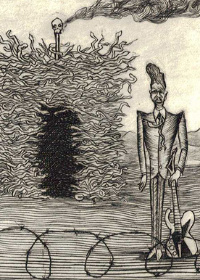
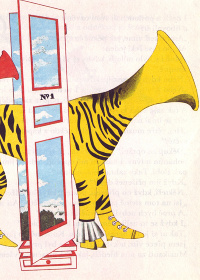
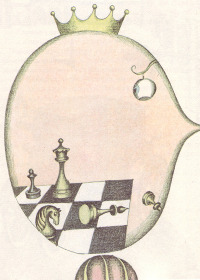
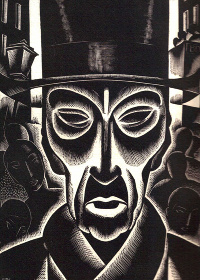
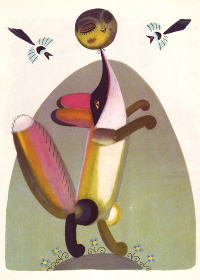
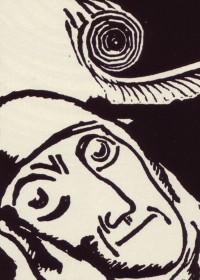
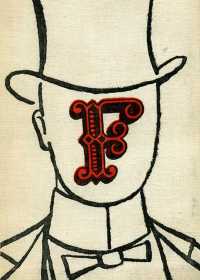
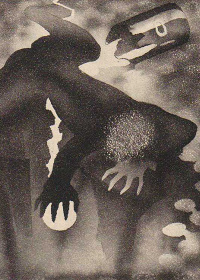
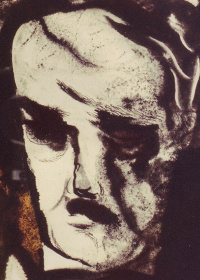
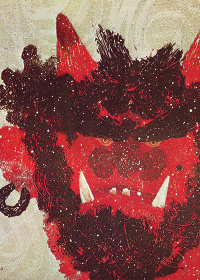
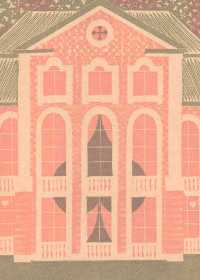
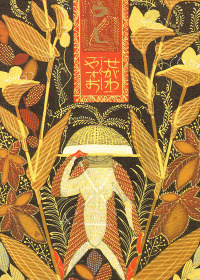
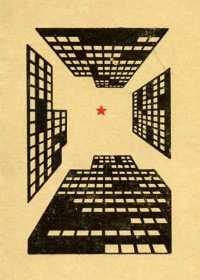
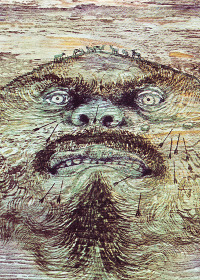
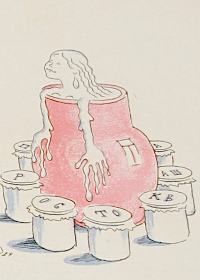
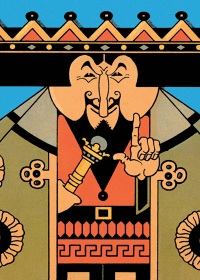
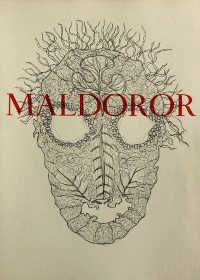
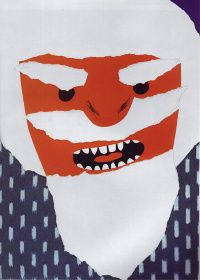
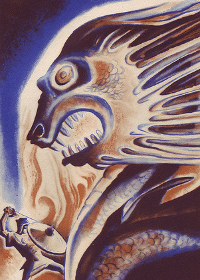
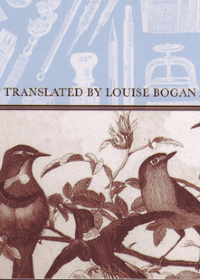
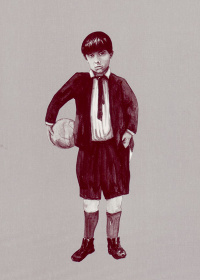
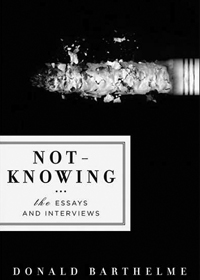
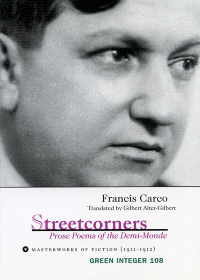
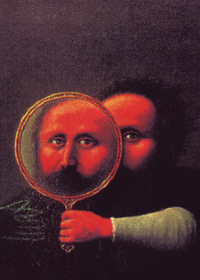
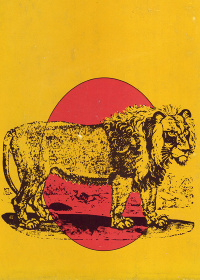
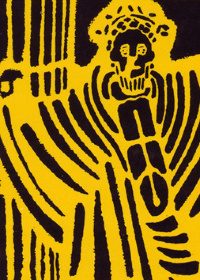
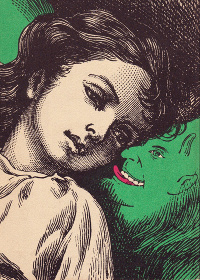
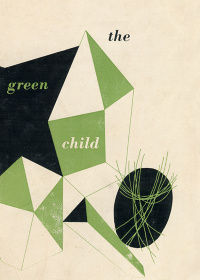
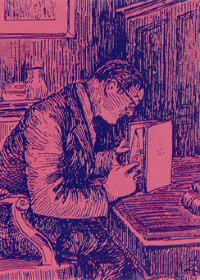
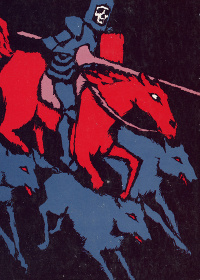
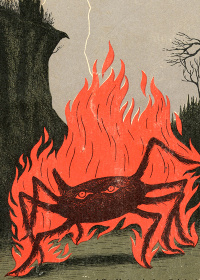
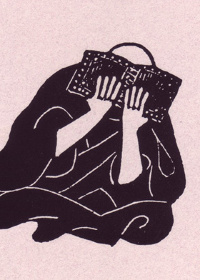
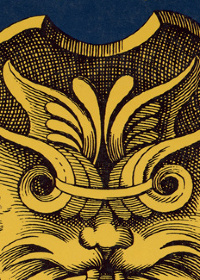
Tin House just published a beautifully-designed paperback edition.
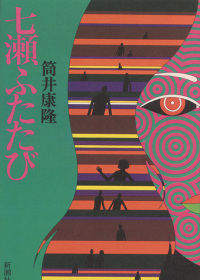
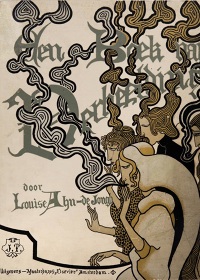
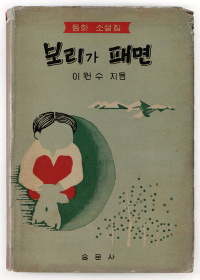
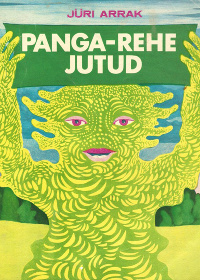
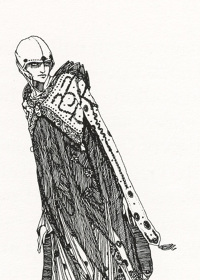
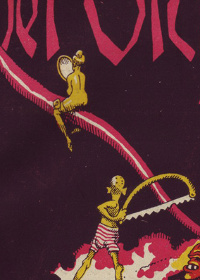
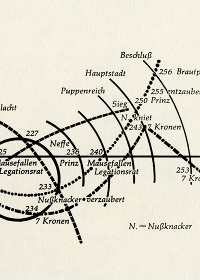
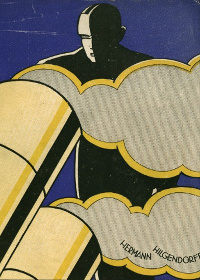
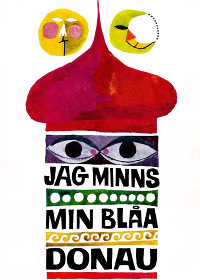
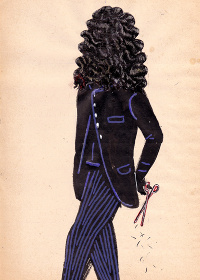
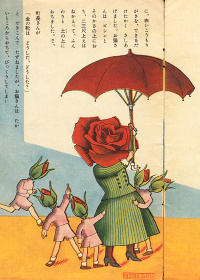
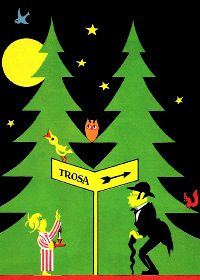
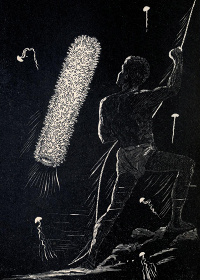
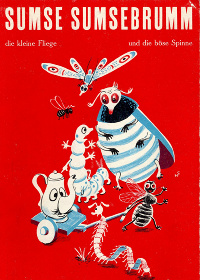
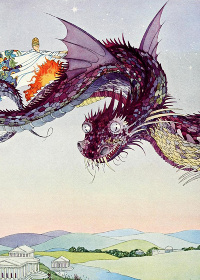
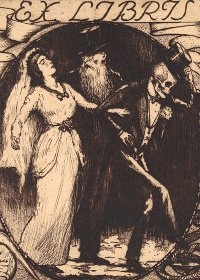
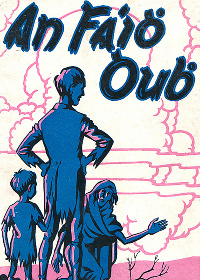
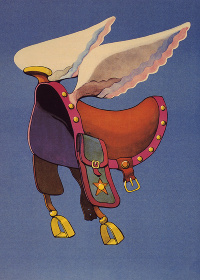
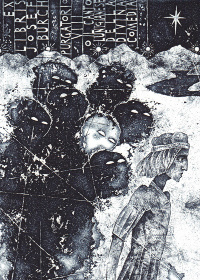
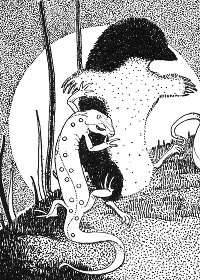
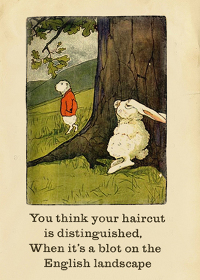
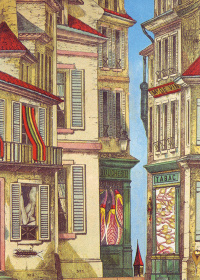
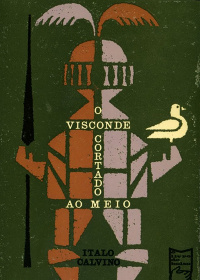
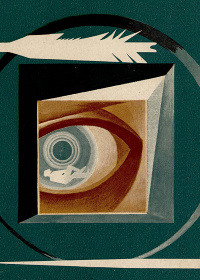
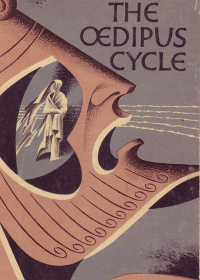
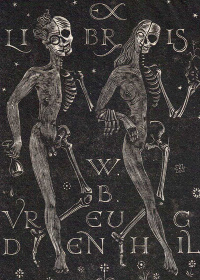
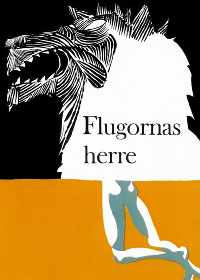
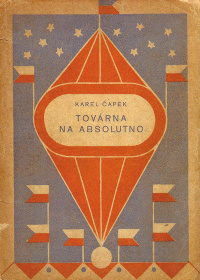
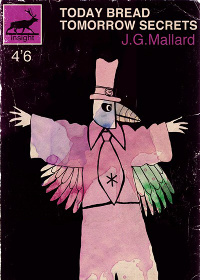
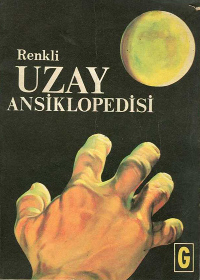
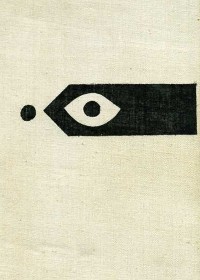
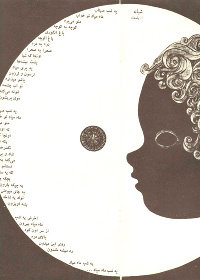
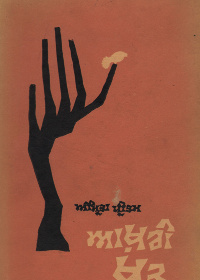
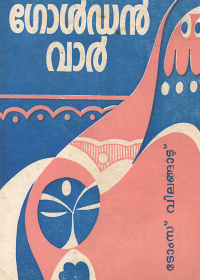
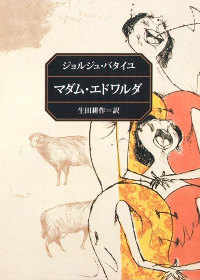
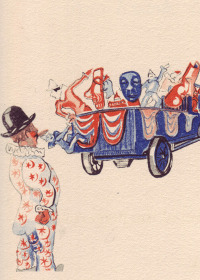
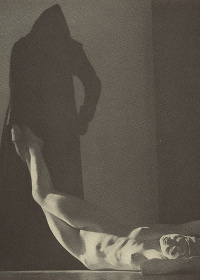
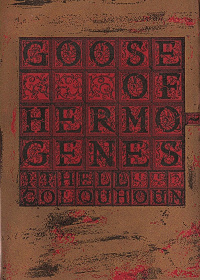
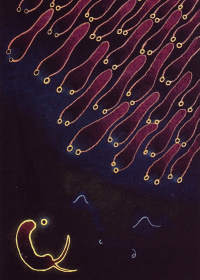
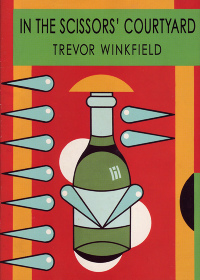
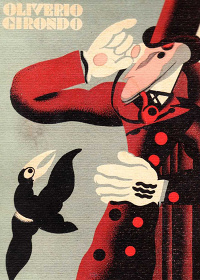
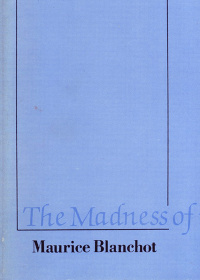
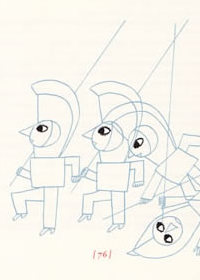
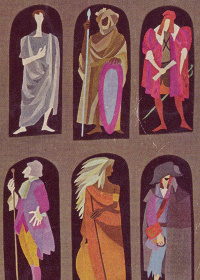
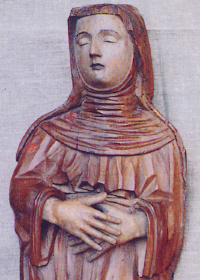
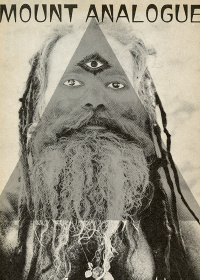
Dan Visel pointed out this lovely early edition when he recommended the book:
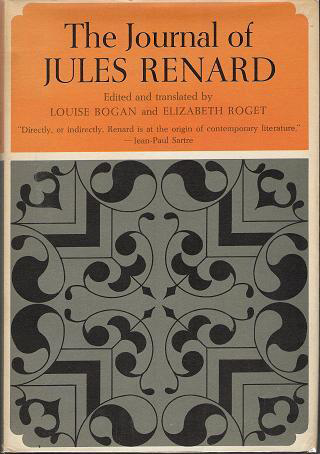
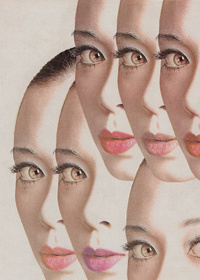
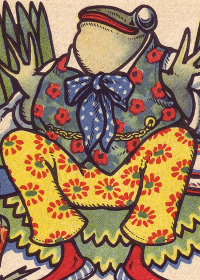
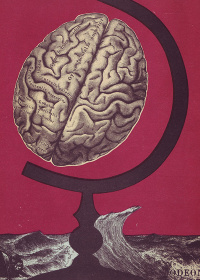
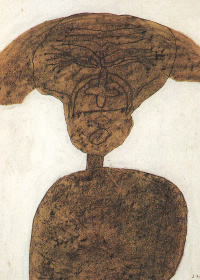
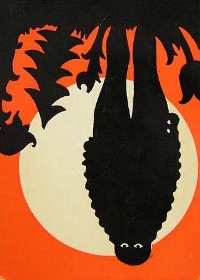
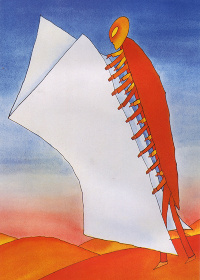
I'll soon post images and excerpts from Renard's L'Écornifleur (translated as The Sponger).
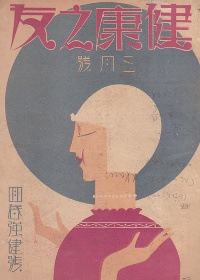
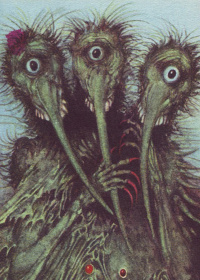
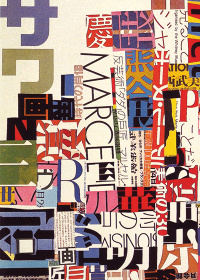
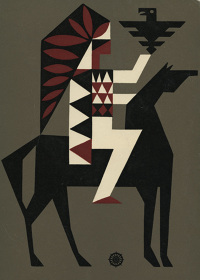
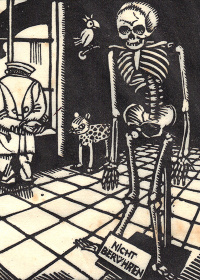
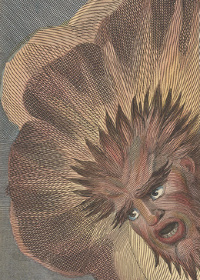
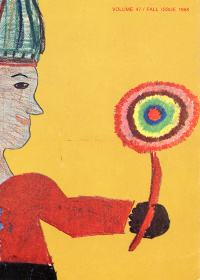
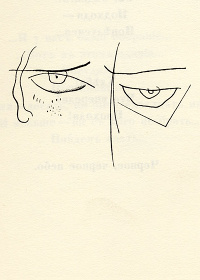
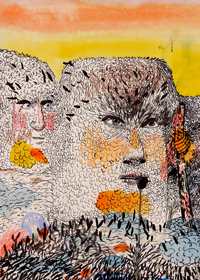
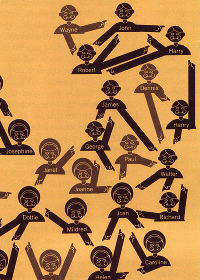
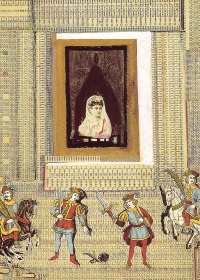
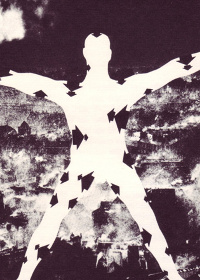
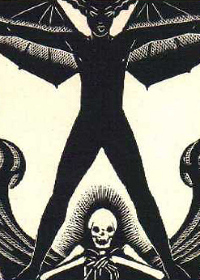
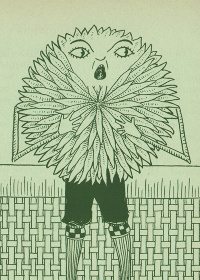
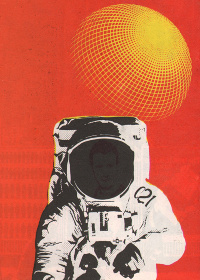
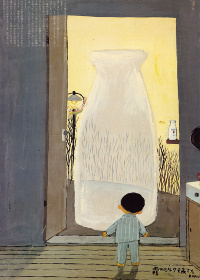
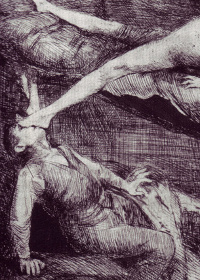
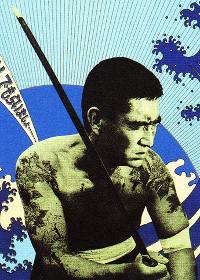
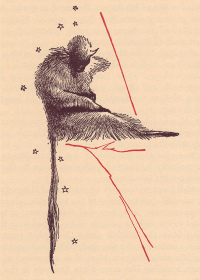
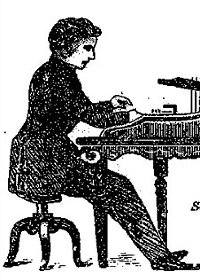
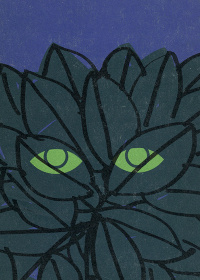
For more outrageous comments by Baudelaire, get his own journal (currently available from Dover). This is the 1990 paperback from City Lights (like the Dover, in Isherwood's 1947 translation):
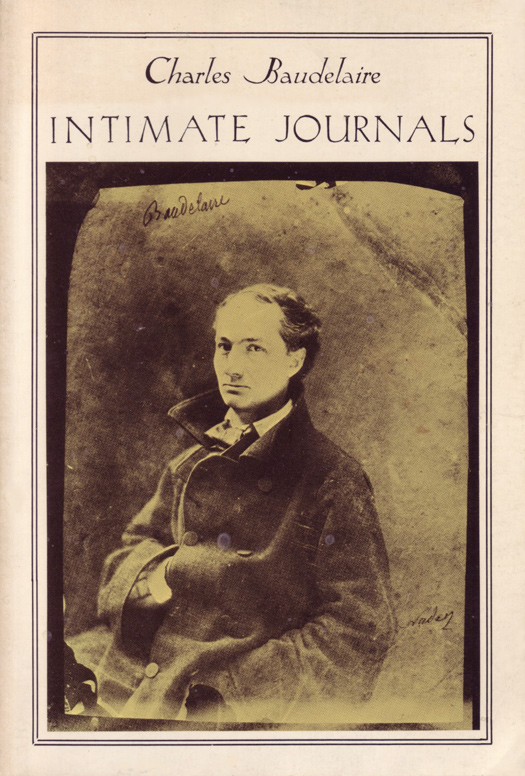
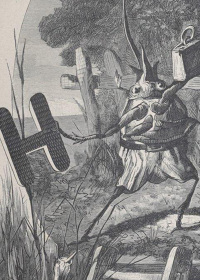
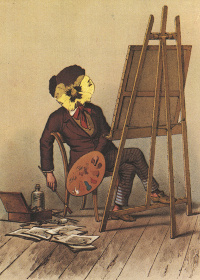
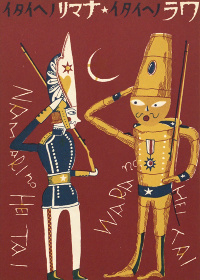
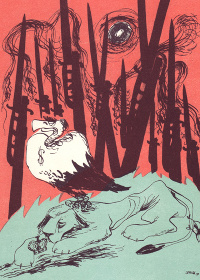
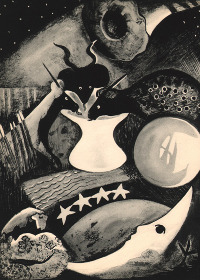
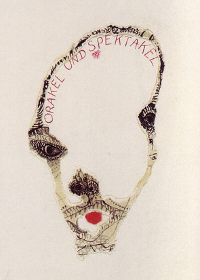
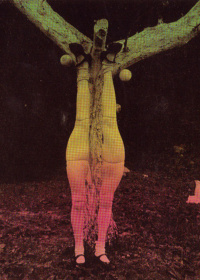
Since I've included that Hugo reference, I can now plug Luc Sante's essay collection Kill All Your Darlings, published recently by the almighty Yeti.
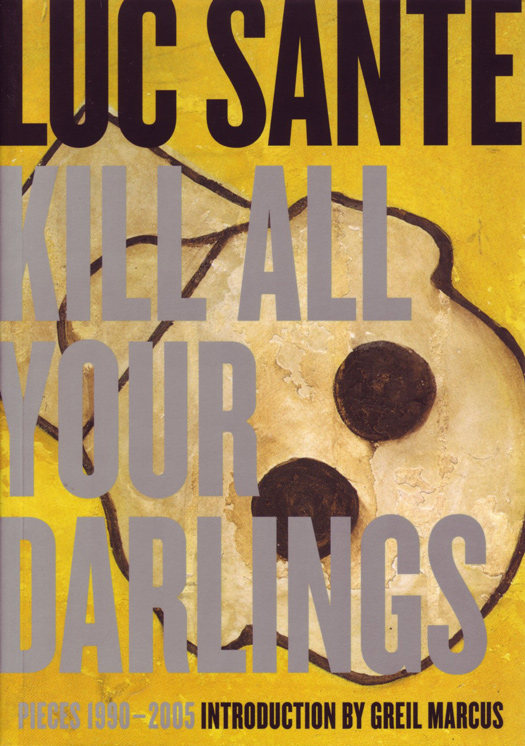
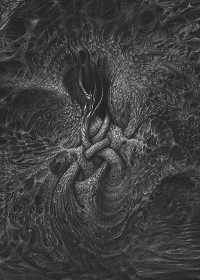
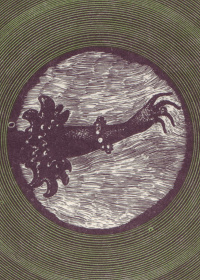
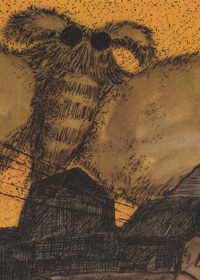
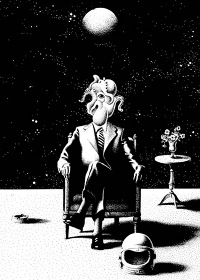
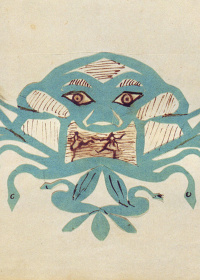
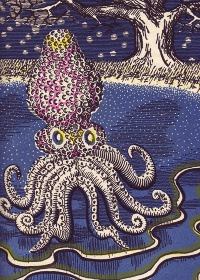
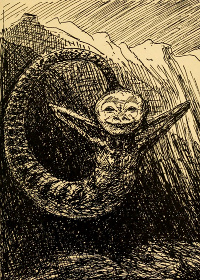
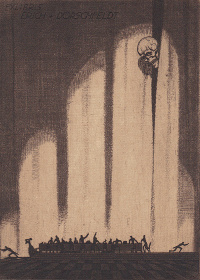
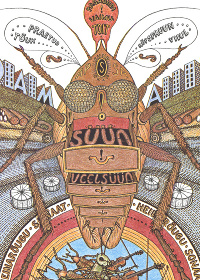
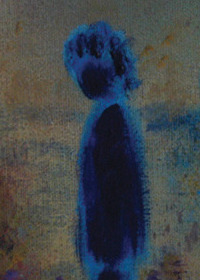
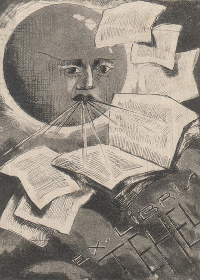
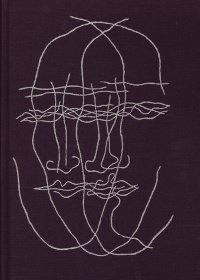
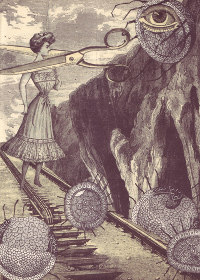
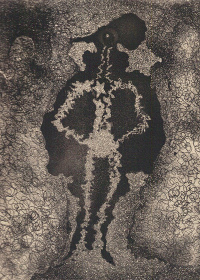
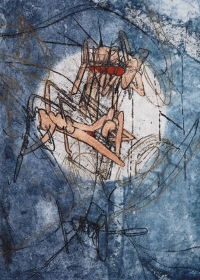
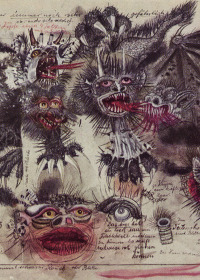
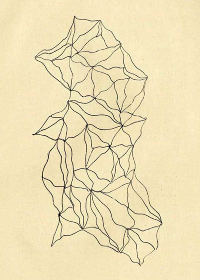
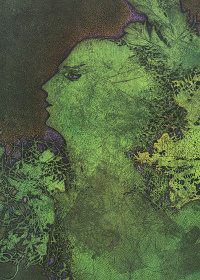
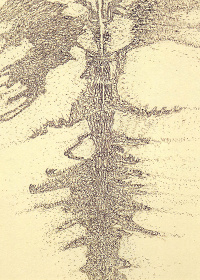
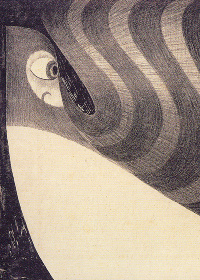
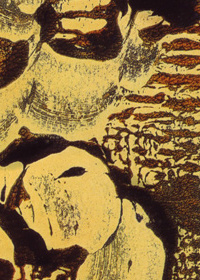
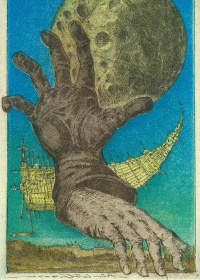
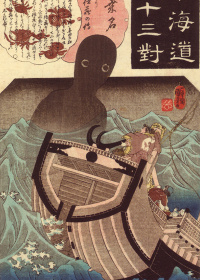
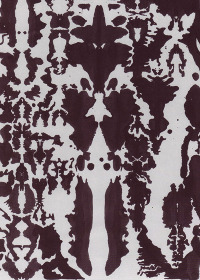
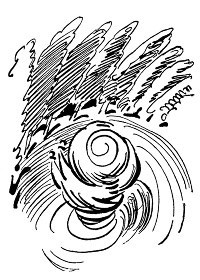
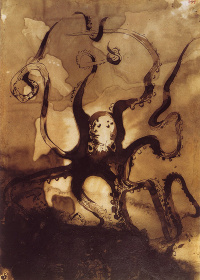
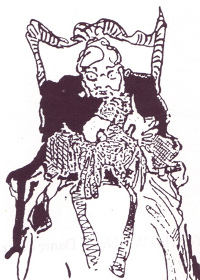
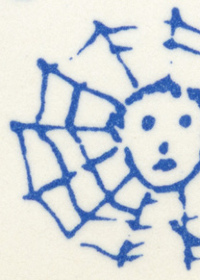
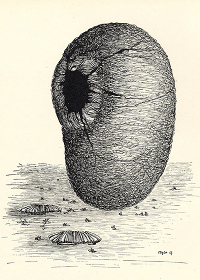
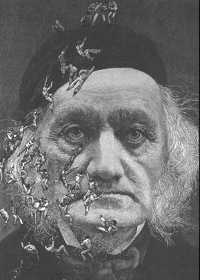
In "The Octopus Bearing the Initials V. H.," Sante discusses Hugo's automatic "spirit drawings," reminding us that "Breton recognized Hugo from the start, including him among the predecessors of the movement," and quoting Breton's line, "Victor Hugo is Surrealist when he is not stupid." Sante elaborates for Breton:
At times in his work, Hugo seems to be inches away from discovering the first Surrealist principles, but then he blows it through his massive and grotesque sentimentality.
Earlier in the essay, Sante quotes a transcript of a "table-turning" session in which Hugo speaks as the Ocean ("The Ocean has previously dictated a piece of music, and the questioners are asking it about the key, since they are attempting to arrange a transcription for flute."):
Your flute pierced with little holes like the ass of a shitting brat disgusts me. Bring me an orchestra and I'll make you a song. Take all the great noises, all the tumults, all the fracases, all the rages that float free in space, the morning breeze, the evening breeze, the wind of night, the wind of the grave, storms, simooms, nor'easters that run their violent fingers through the hair of trees like desperate beings, rising tide on beaches, rivers plunging into seas, cataracts, waterspouts, vomitings of the enormous breast of the world, what lions roar, what elephants bellow with their trunks, what impregnable snakes hiss in their convolutions, what whales low through their humid nostrils, what mastodons pant in the entrails of the earth, what the horses of the sun neigh in the depths of the sky, what the entire menagerie of the wind thunders in its aerial cages, what insults fire and water throw at each other, one from the bottom of his volcanic yap the other from the bottom of his abysmal yap, and tell me: here is your orchestra—make harmony from this din, make love from these hates, make peace from these battles, be the maestro of that which has no master.
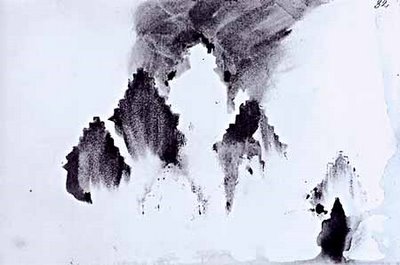
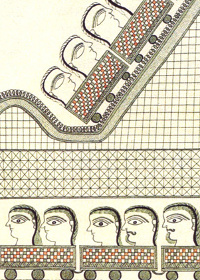
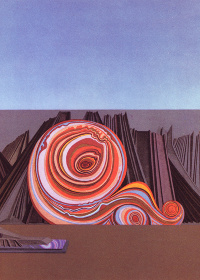
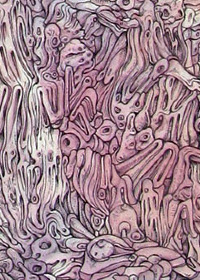
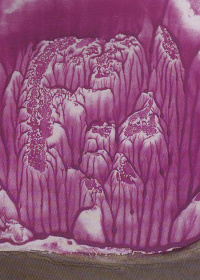
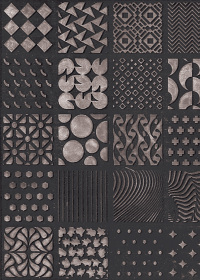
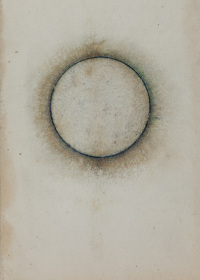
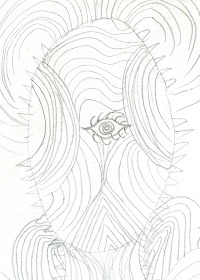
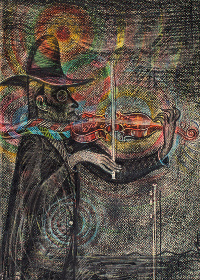
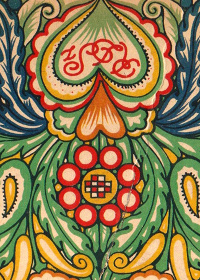
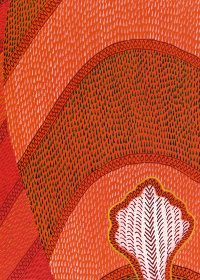
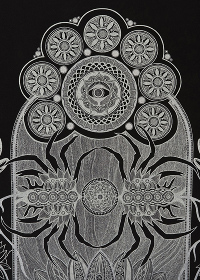
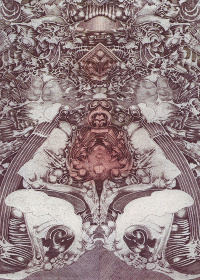
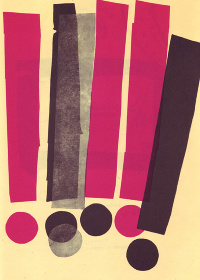
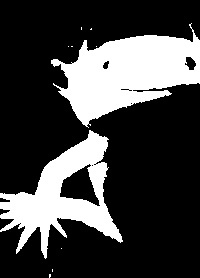
Victor Hugo, Pattern Composition, Stencil with washes, brush and pen on paper
Not spirit drawings, but this page features Hugo's art.
Update, a couple hours later:
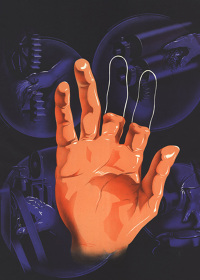
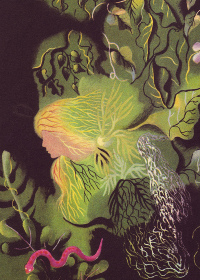
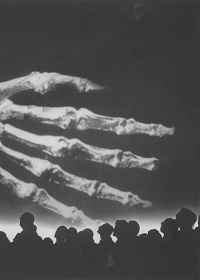
Sante's essay originally appeared in Shadows of a Hand: The Drawings of Victor Hugo, edited by Florian Rodari and Ann Philbin. I'll post some more images when the book arrives.
"160 pp., with 92 color plates and 24 colour and b&w figures. New York, The Drawing Center, in association with London, Merrell Holberton, 1998. Overshadowed by his fame as an author, Victor Hugo's drawings seem to foreshadow 20th century surrealist and abstractionist imagery but remain little known beyond specialized circles. Published to accompany an exhibition at the Drawing Center in New York."