
The Social Psychology of Holes
(Find me at Bookers Buzz Books.)
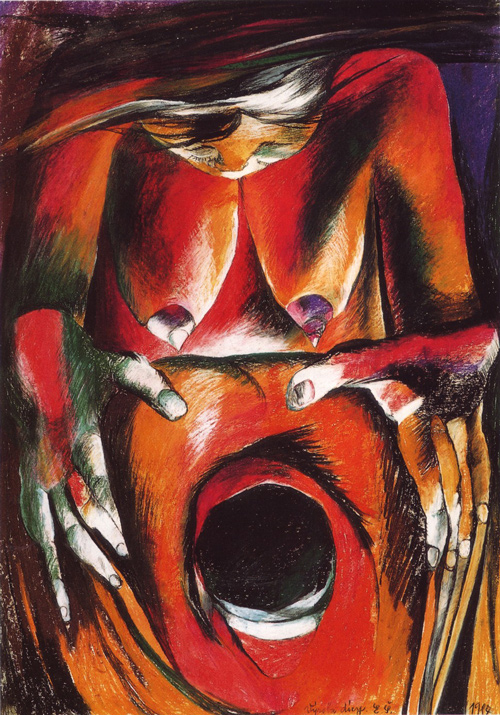
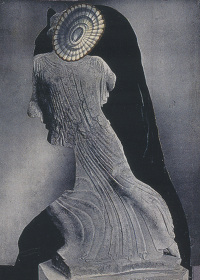
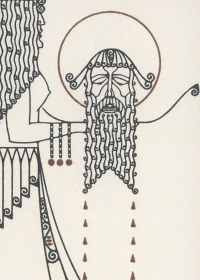
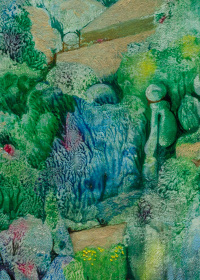
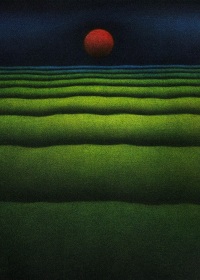
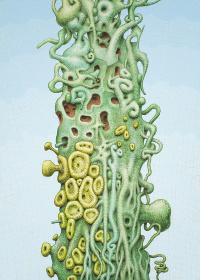
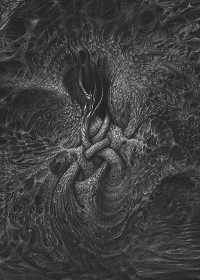
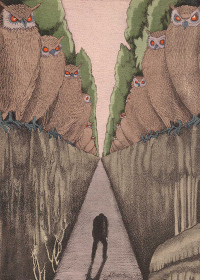
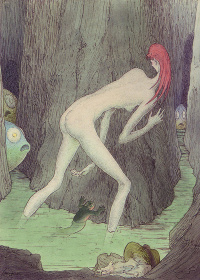
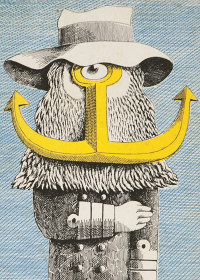
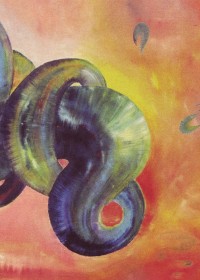
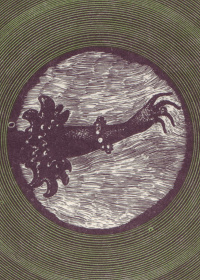
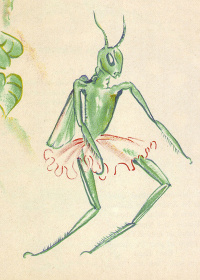
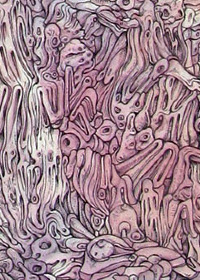
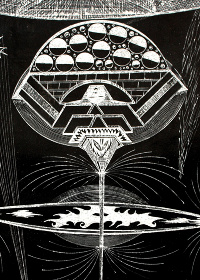
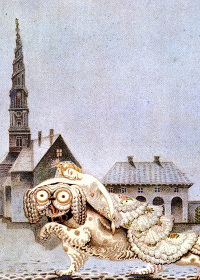
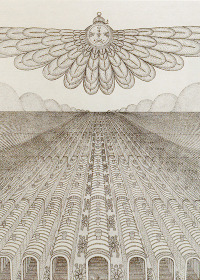
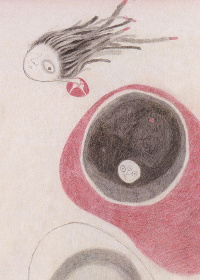
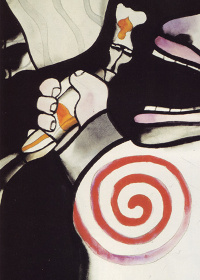
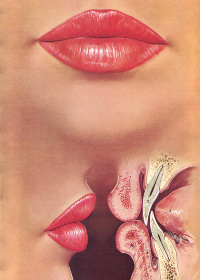
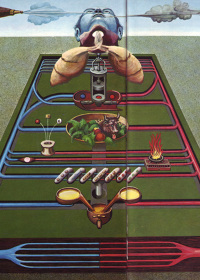
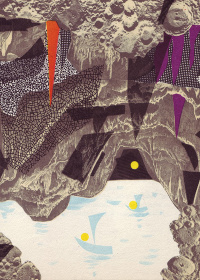
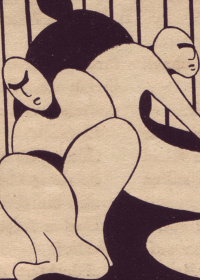
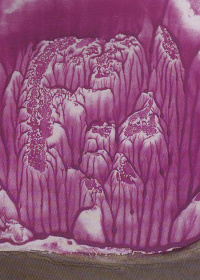
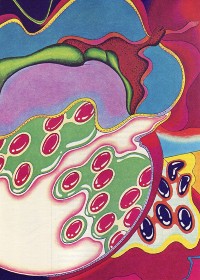
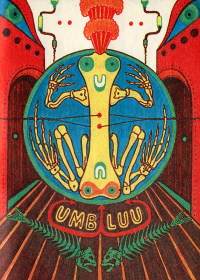
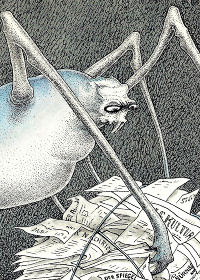
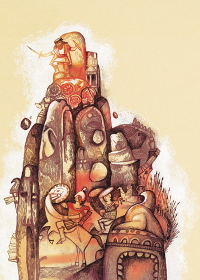
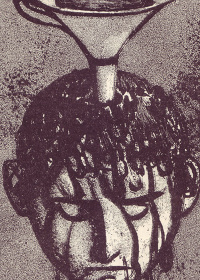
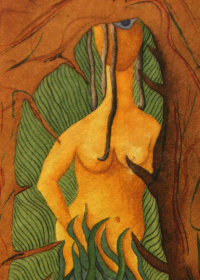
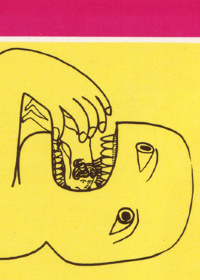
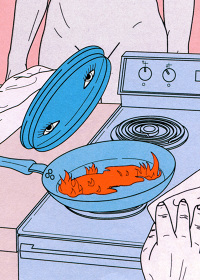
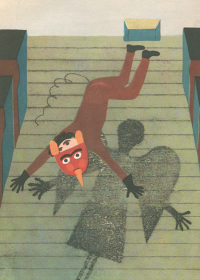
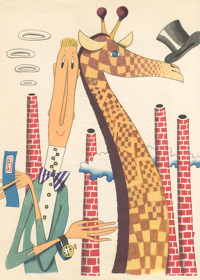
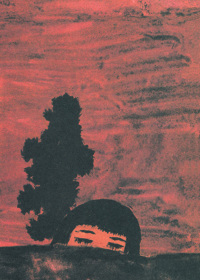
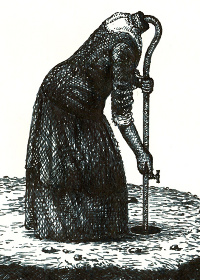
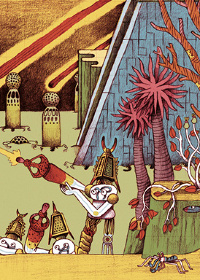
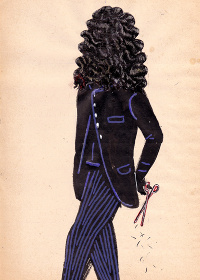
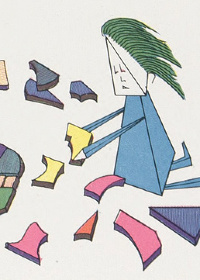
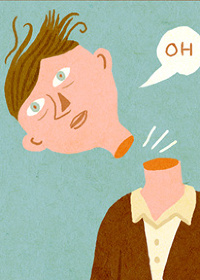
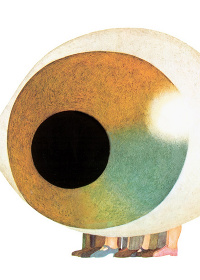
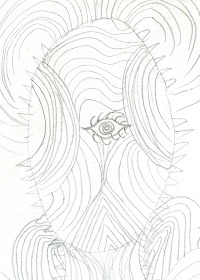
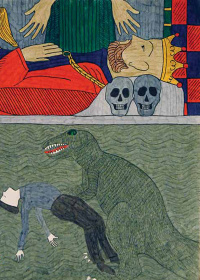
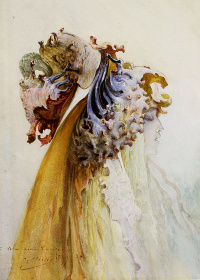
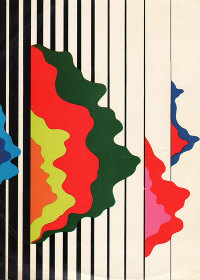
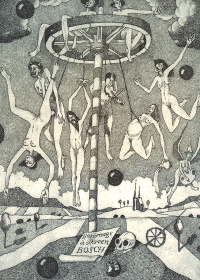
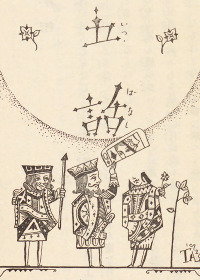
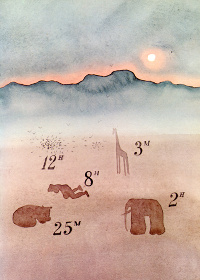
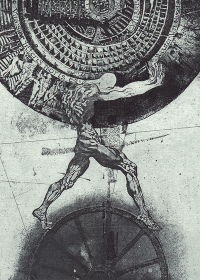
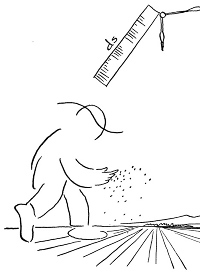
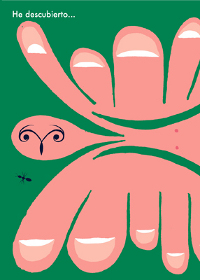
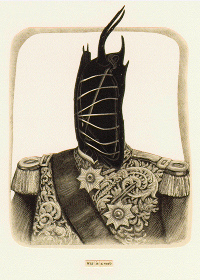
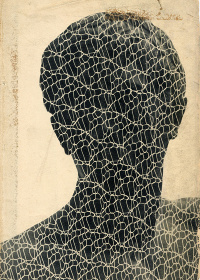
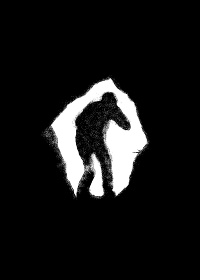
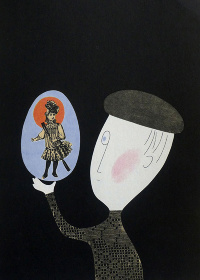
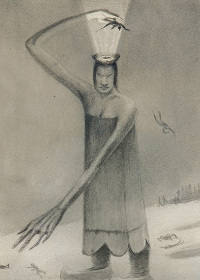
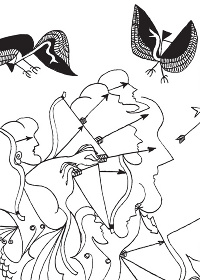
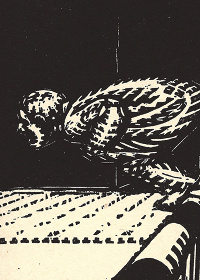
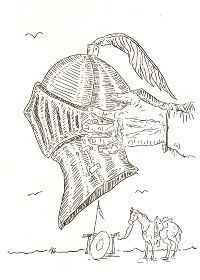
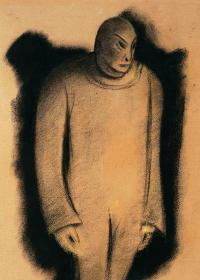
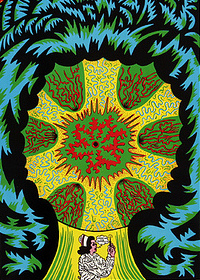
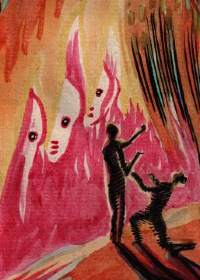
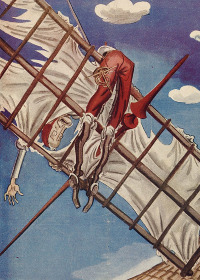
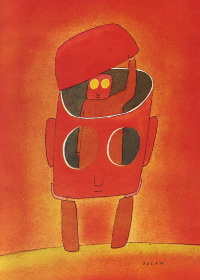
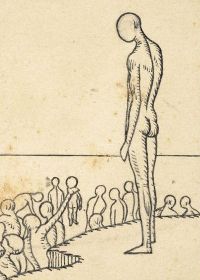
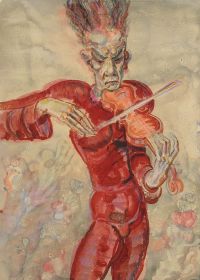
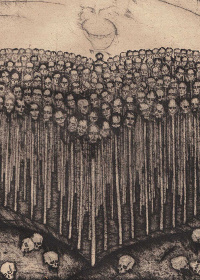
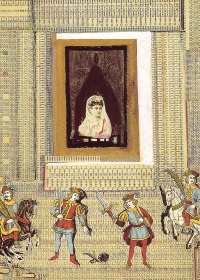
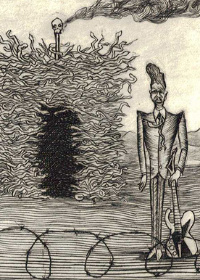
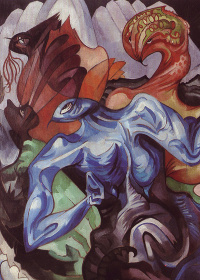
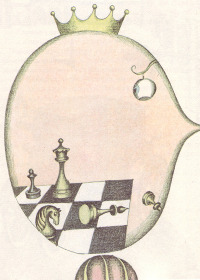
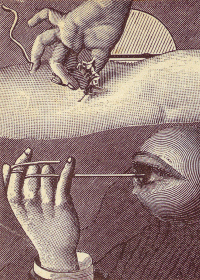
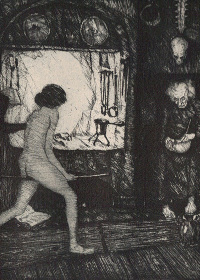
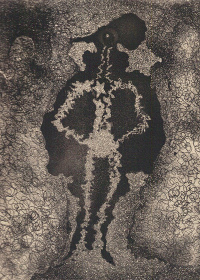
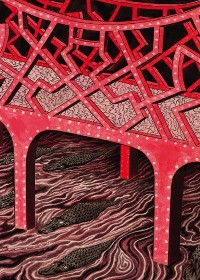
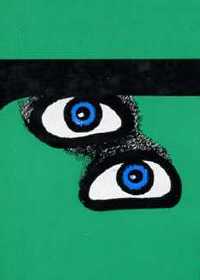
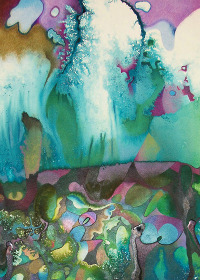
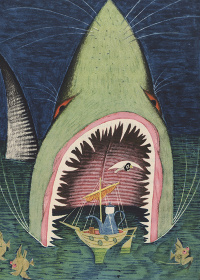
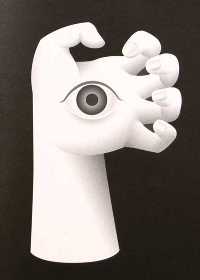
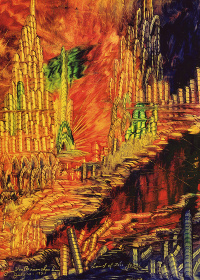
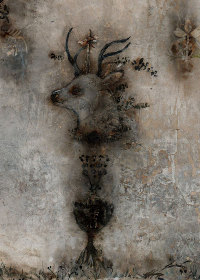
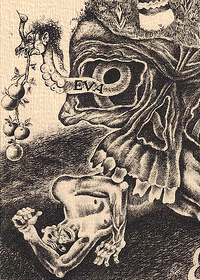
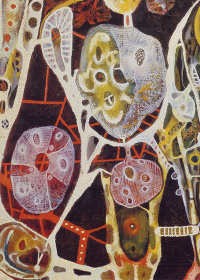
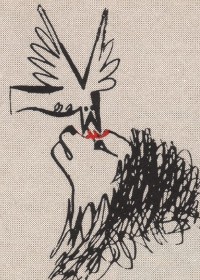
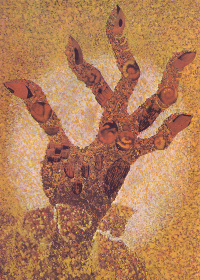
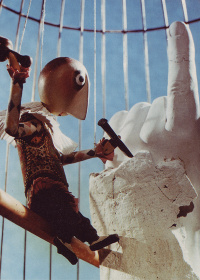
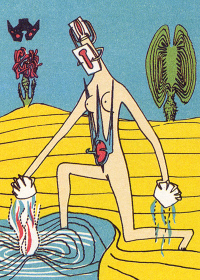
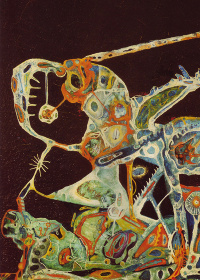
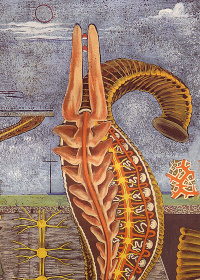
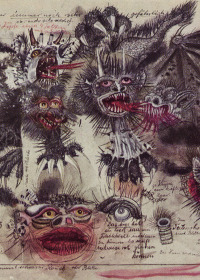
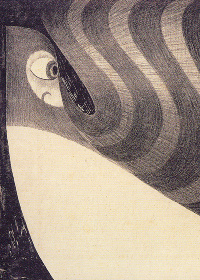
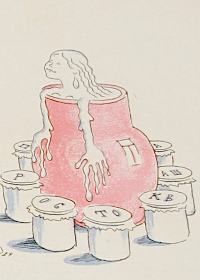
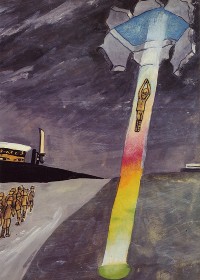
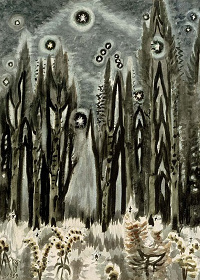
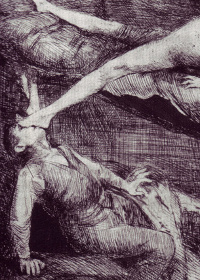
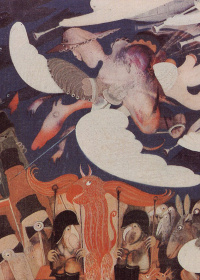
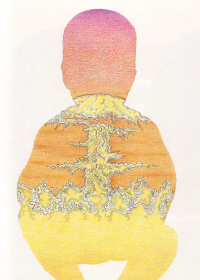
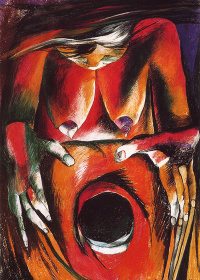
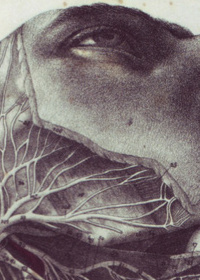
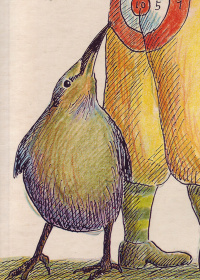
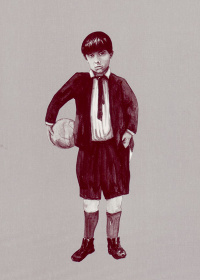
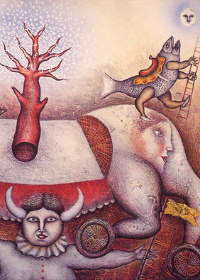
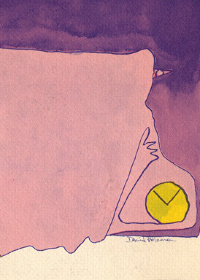
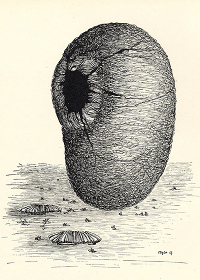
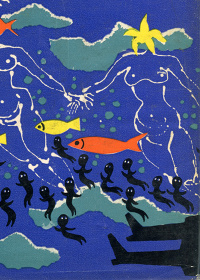
(c) Eva Švankmajerová, The making of a hole, 1987, pastel
"The most important things are done through tubes. Proof: genitals, pens, and guns." —Lichtenberg
The hole is a permanent companion of the non-hole; I'm sorry, but there is no such thing as a hole by itself. If there were something everywhere, there would be no holes, but there wouldn't be any philosophy either, not to mention religion, which is holey in origin. A mouse couldn't exist without a hole, nor could man. It is the final salvation for both when they are hard-pressed by matter. A hole is always a Good Thing.
The strangest thing about a hole is its edge. It's still part of the Something, but it constantly overlooks the Nothing—a border guard of matter. Nothingness has no such guard; while the molecules at the edge of a hole get dizzy because they are staring into a hole, the molecules of the hole get... firmy? There's no word for it. For our language was created by the Something people; the Hole people speak a language of their own.
—Selections from Kurt Tucholsky's short piece, "The Social Psychology of Holes," translated by Harry Zohn and available in Continuum's German Satirical Writings (also a good cheap way to read Arndt's Wilhelm Busch translations).
I figured the Svankmajers would come through for me with an illustration for this post. I did not, however, expect to find something called "The making of a hole" after minutes of searching my books.