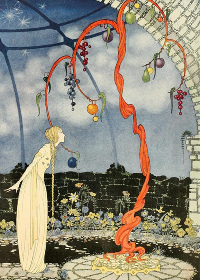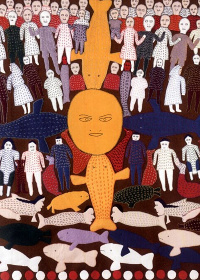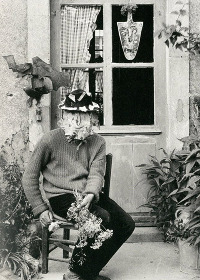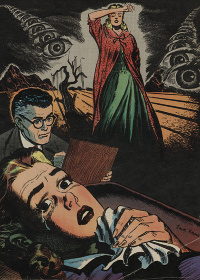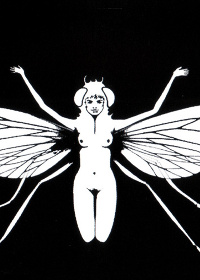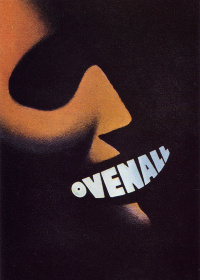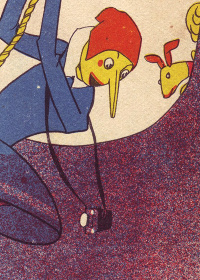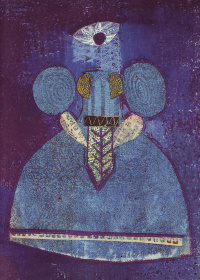

(Find me at Bookers Buzz Books.)
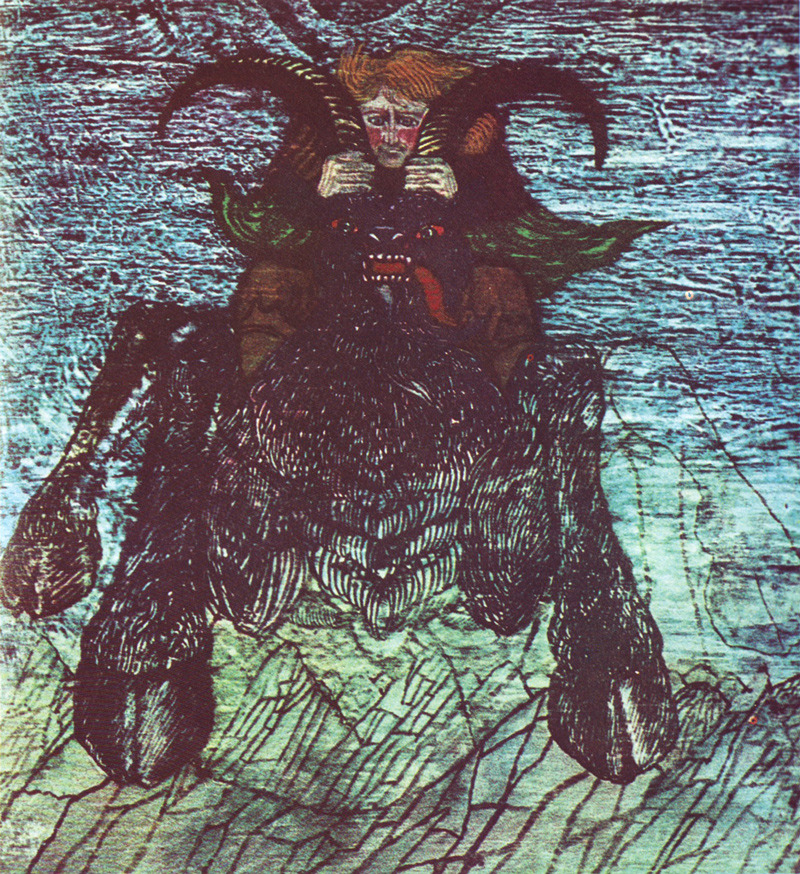
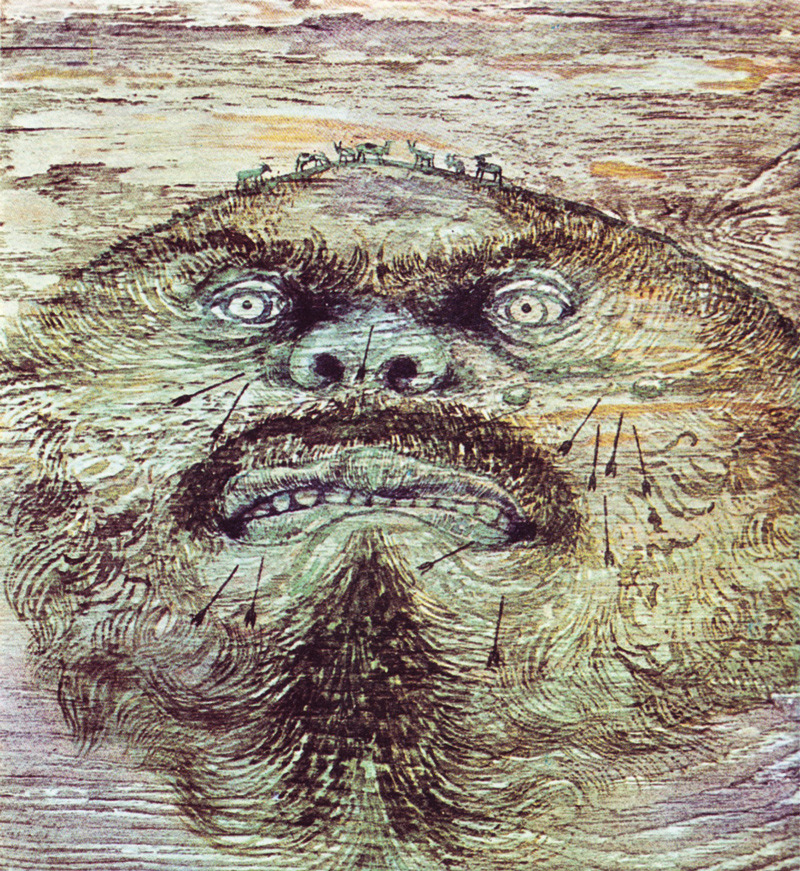
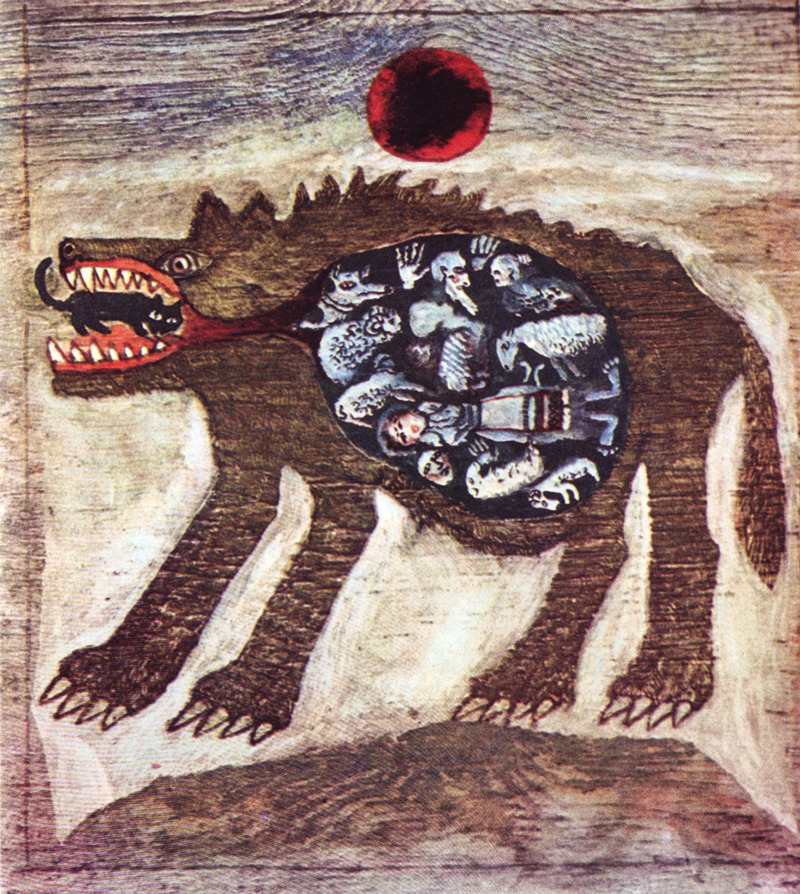
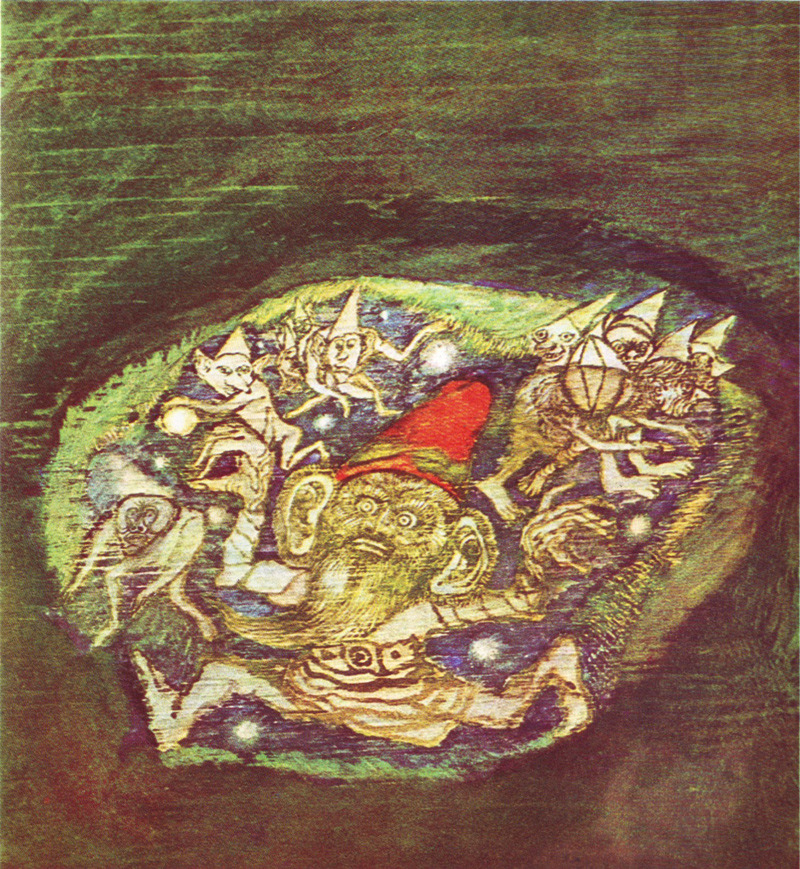
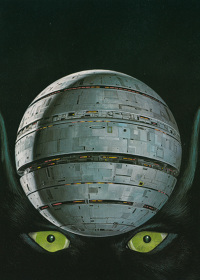
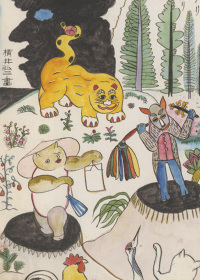
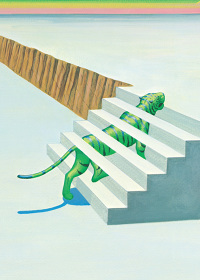
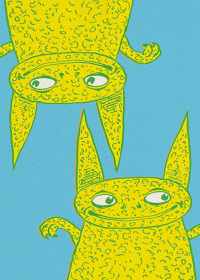
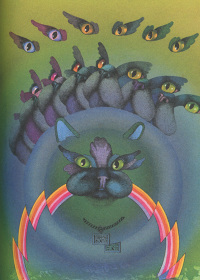
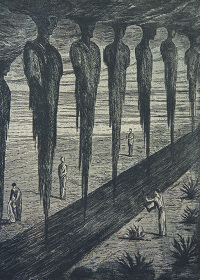
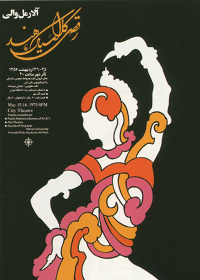
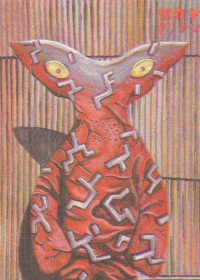
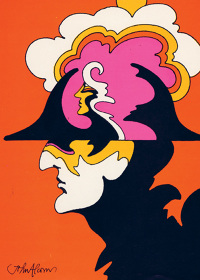
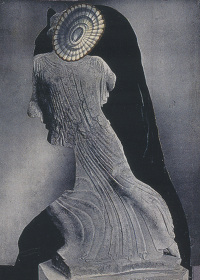
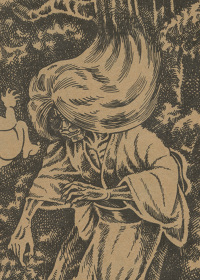
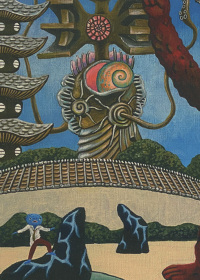
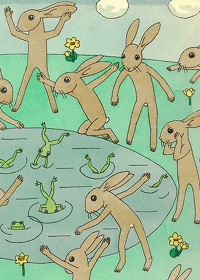
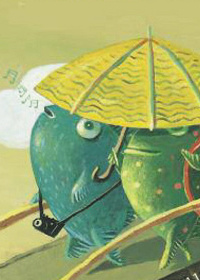
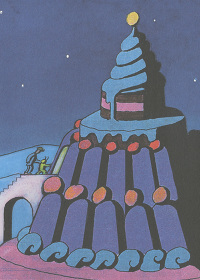
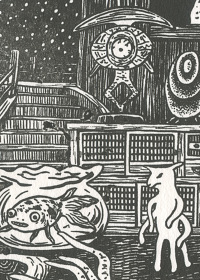
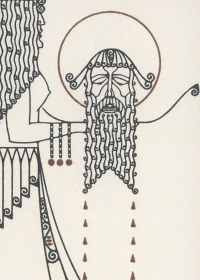
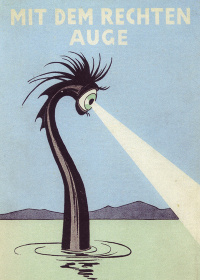
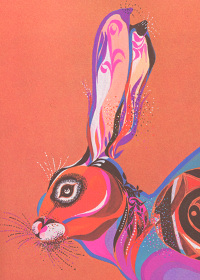
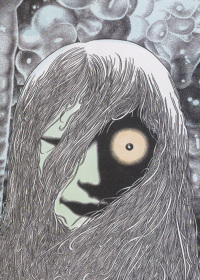
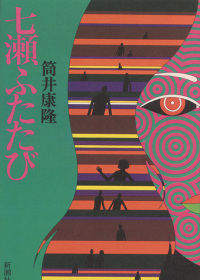
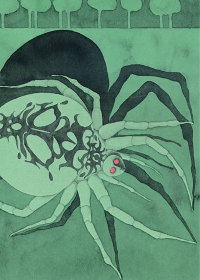
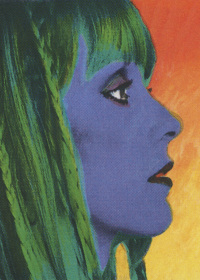
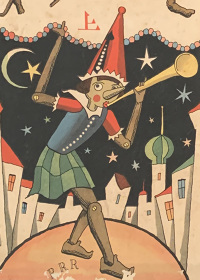
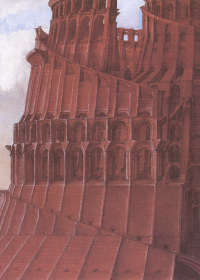
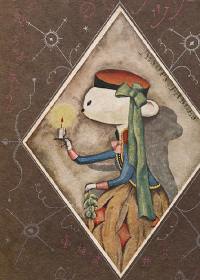
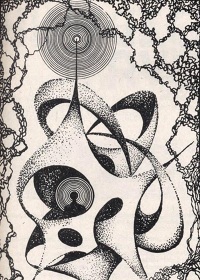
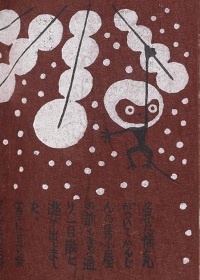
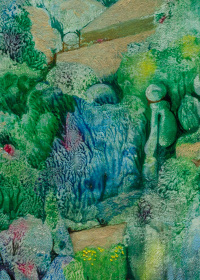
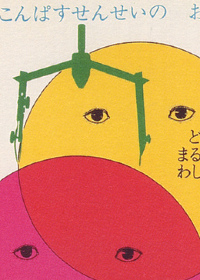
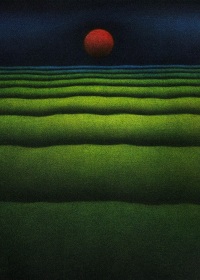
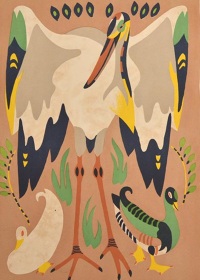
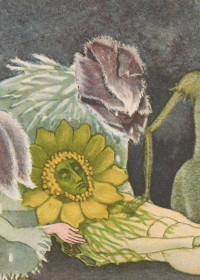
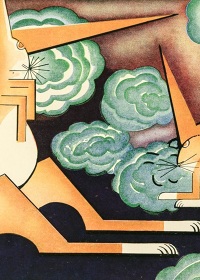
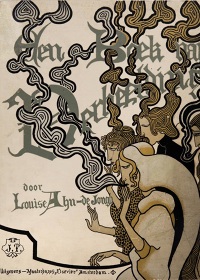
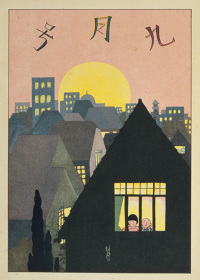
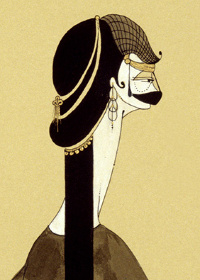
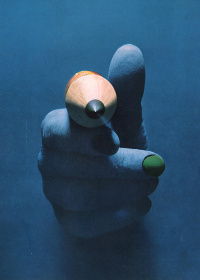
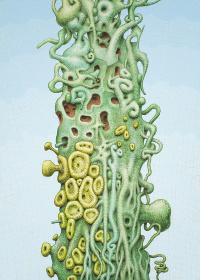
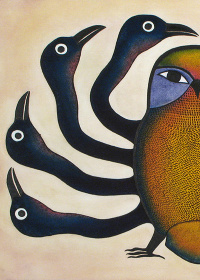
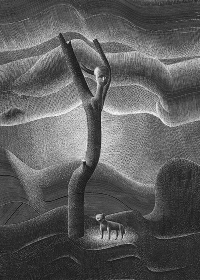
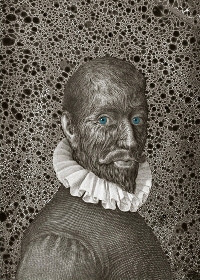
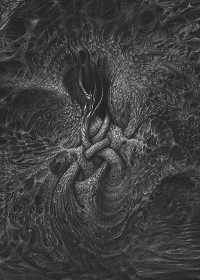
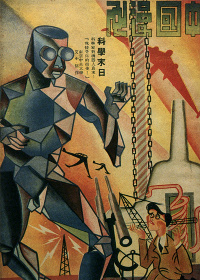
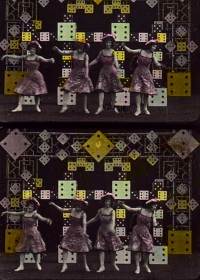
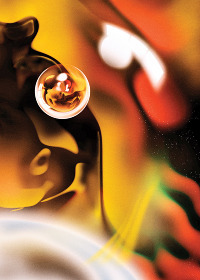
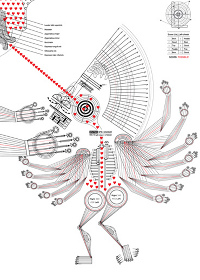
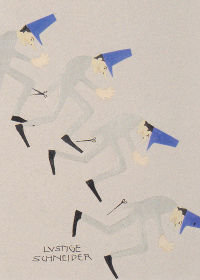
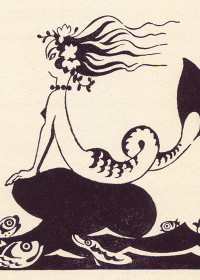
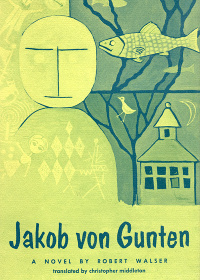
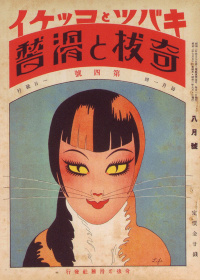
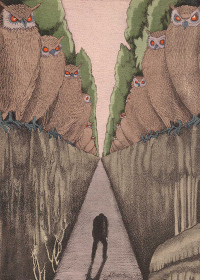
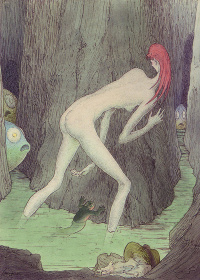
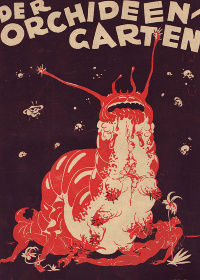
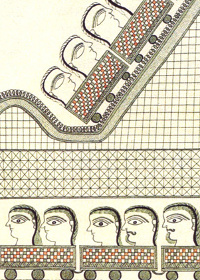
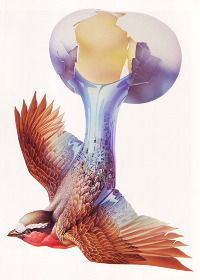
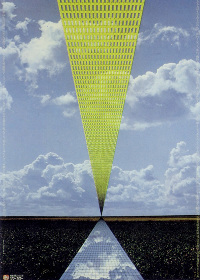
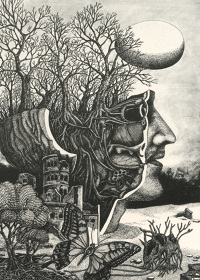
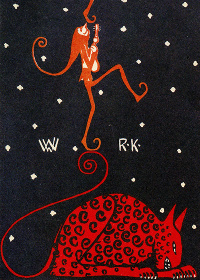
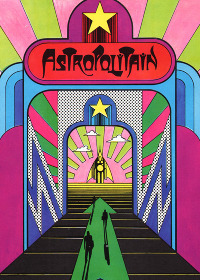
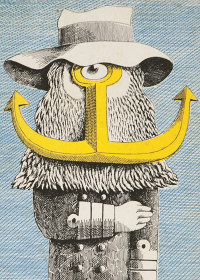
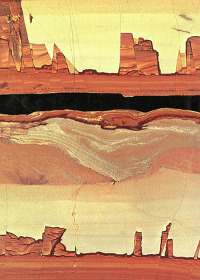
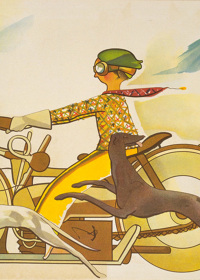
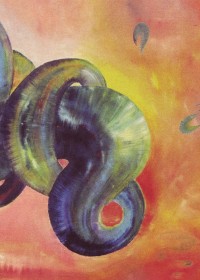
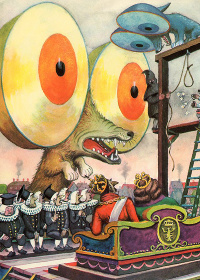
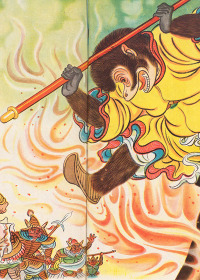
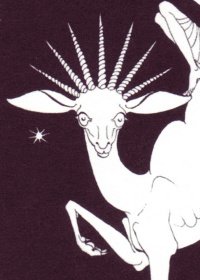
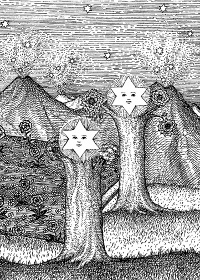
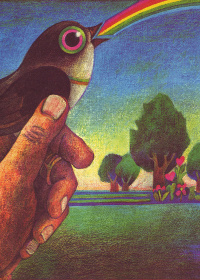
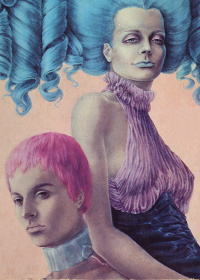
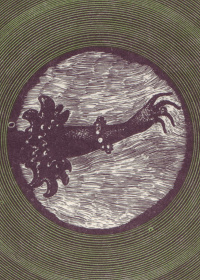
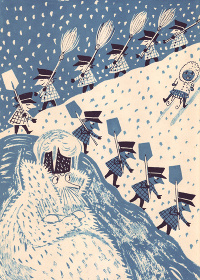
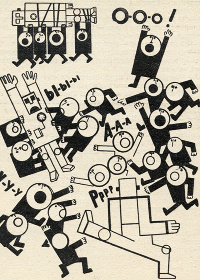
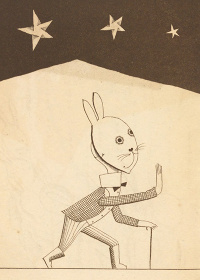
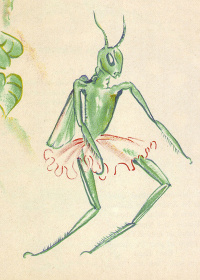
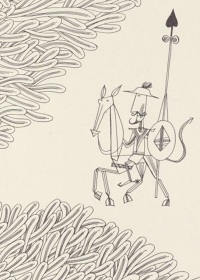
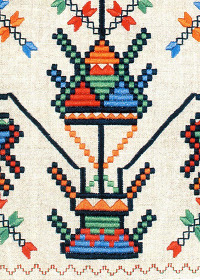
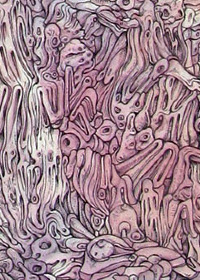
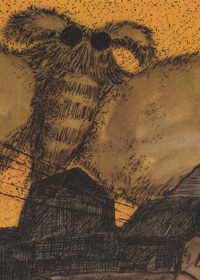
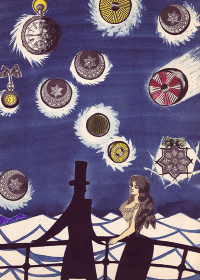
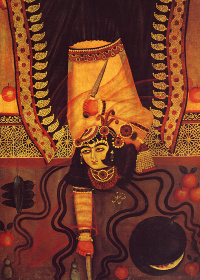
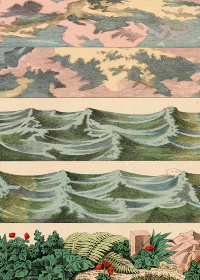
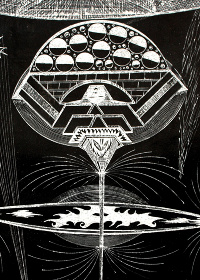
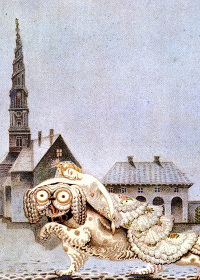
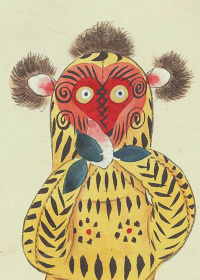
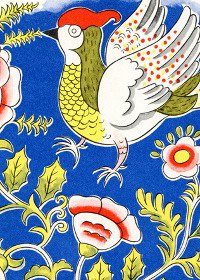
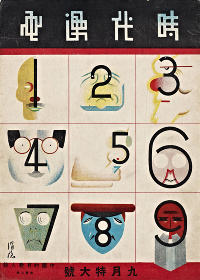
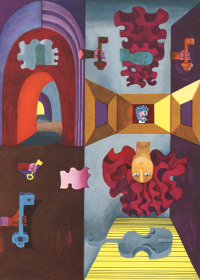
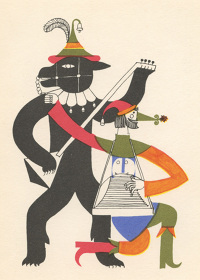
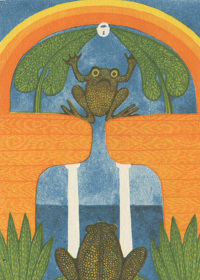
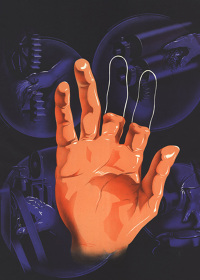
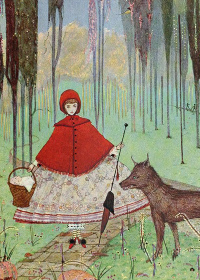
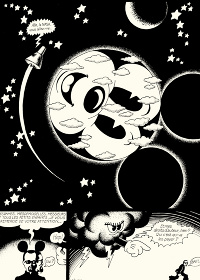
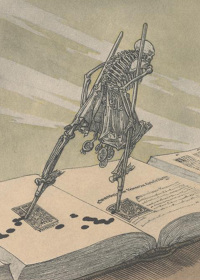
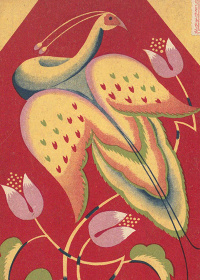
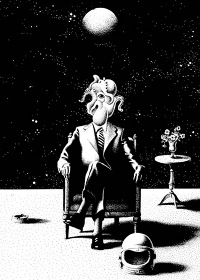
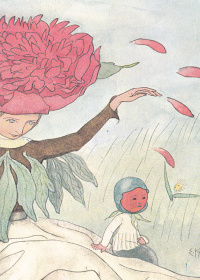
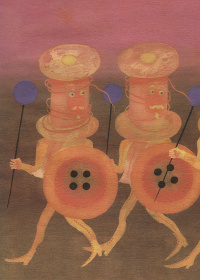
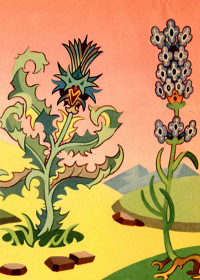
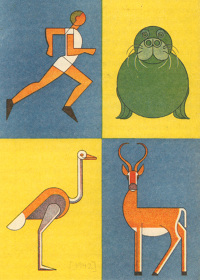
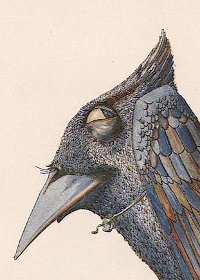
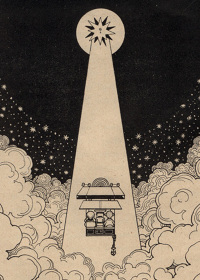
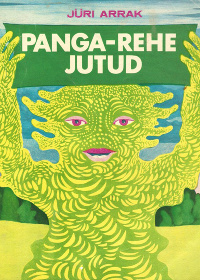
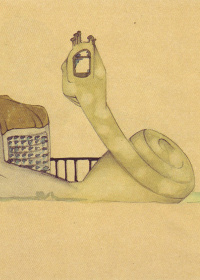
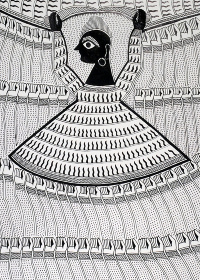
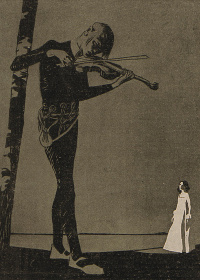
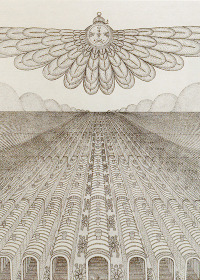
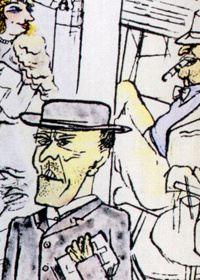
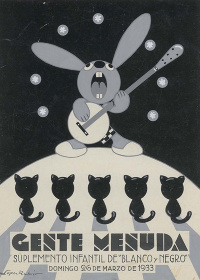
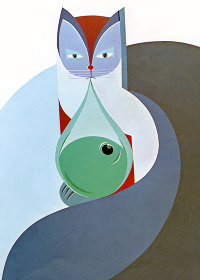
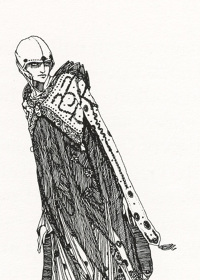
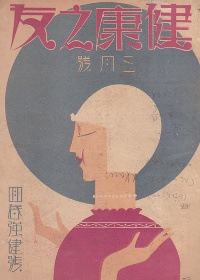
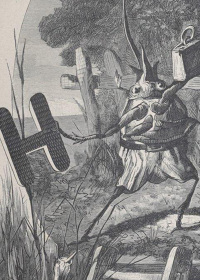
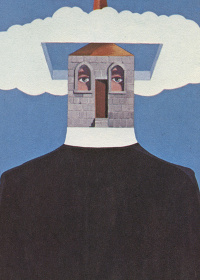
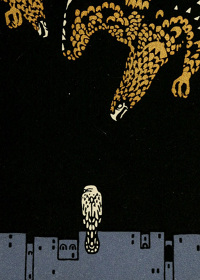
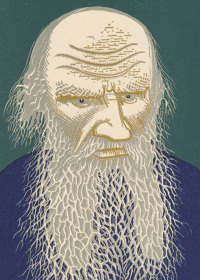
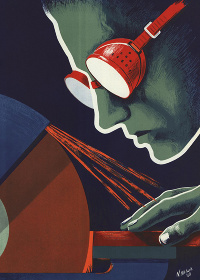
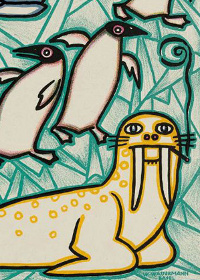
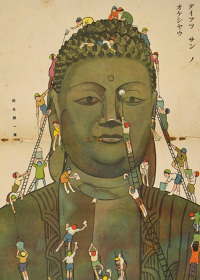
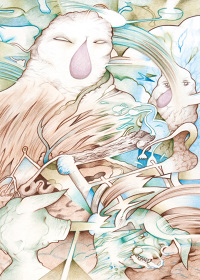
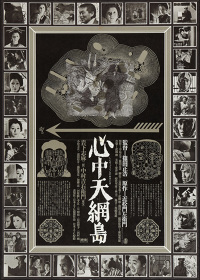
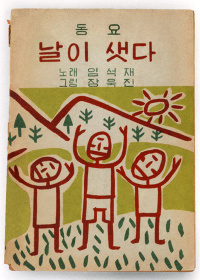
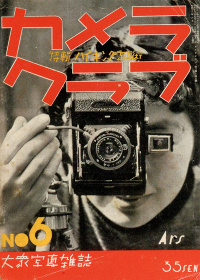
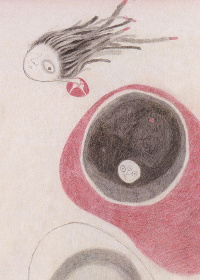
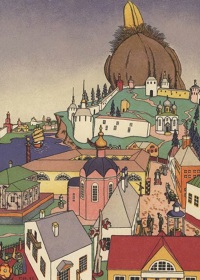
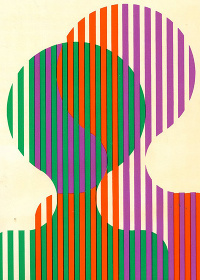
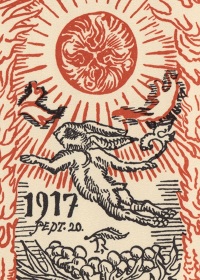
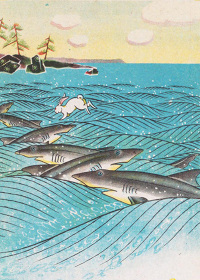
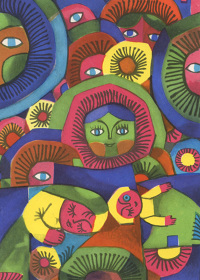
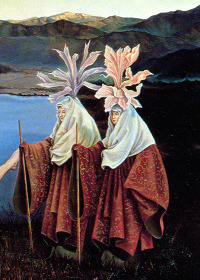
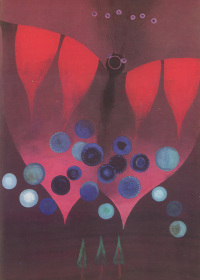
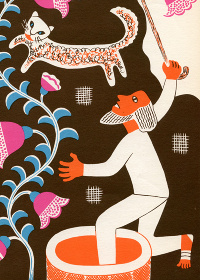
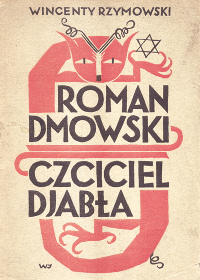
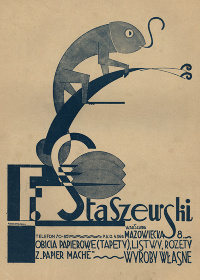
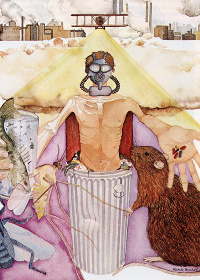
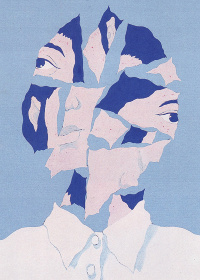
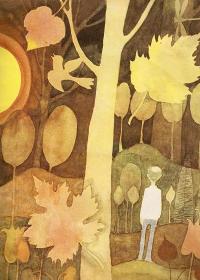
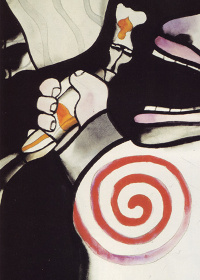
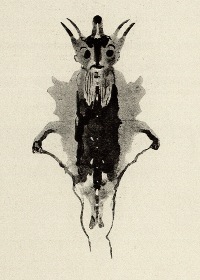
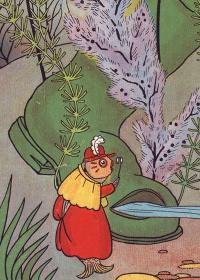
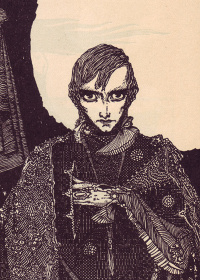
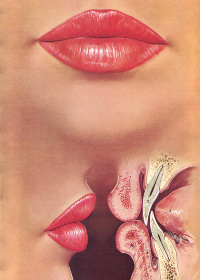
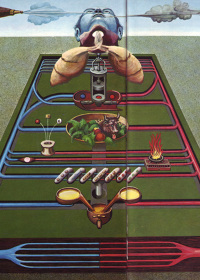
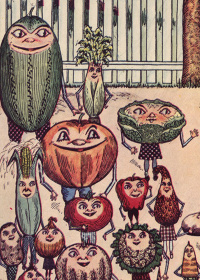
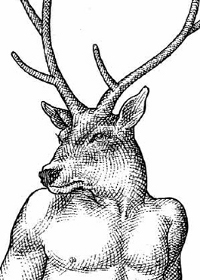
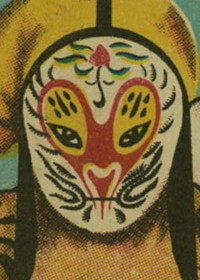
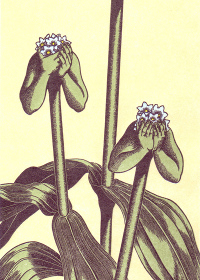
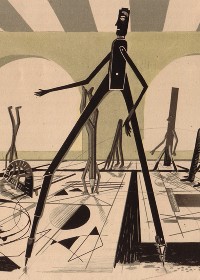
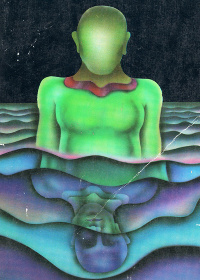
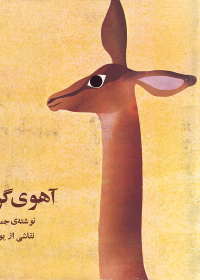
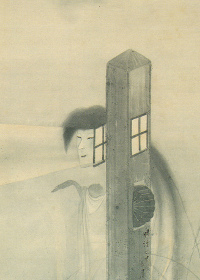
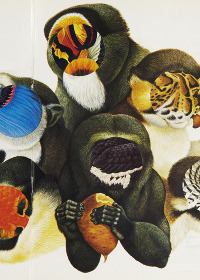
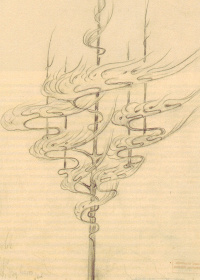
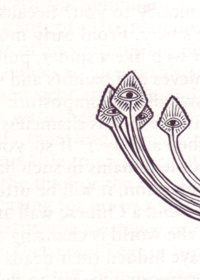
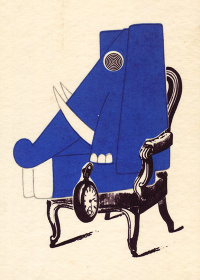
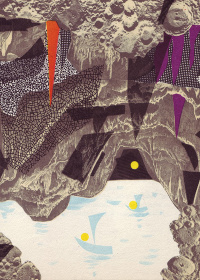
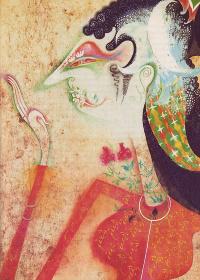
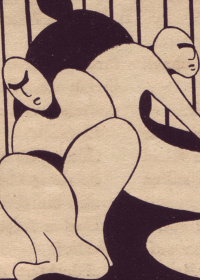
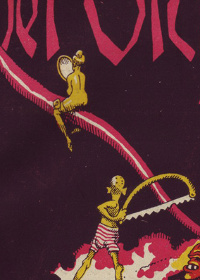
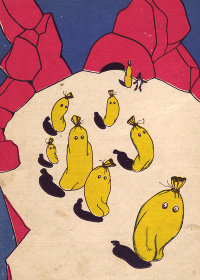
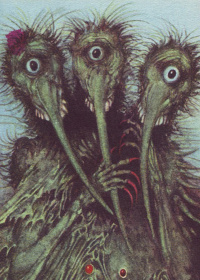
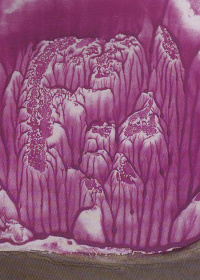
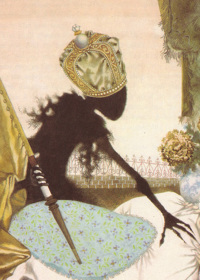
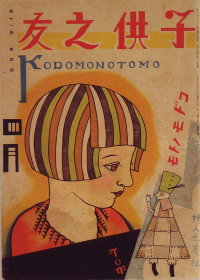
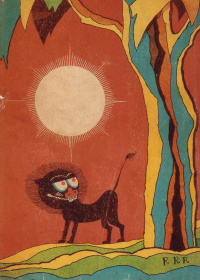
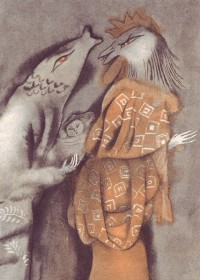
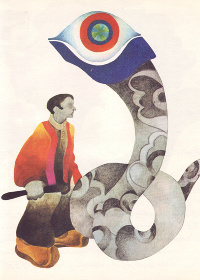
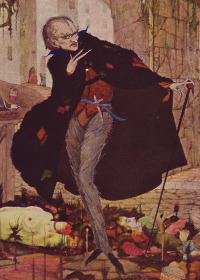
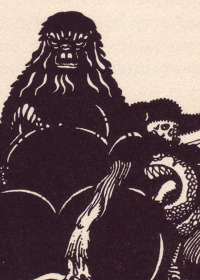
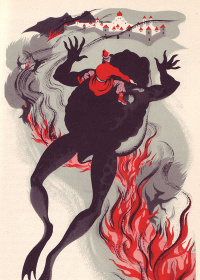
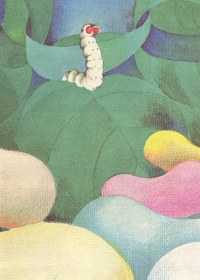
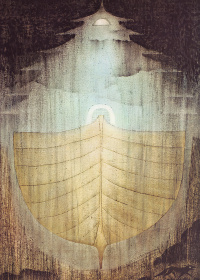
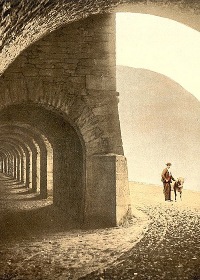
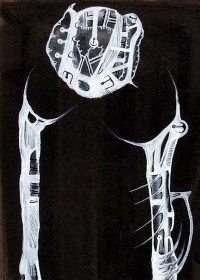
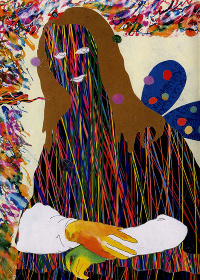
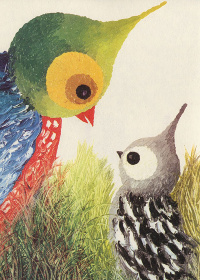
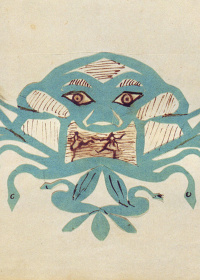
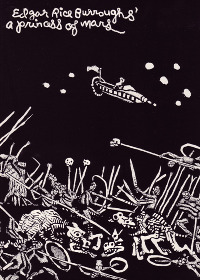
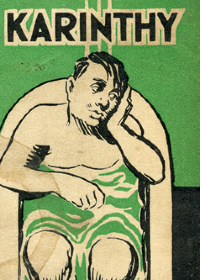
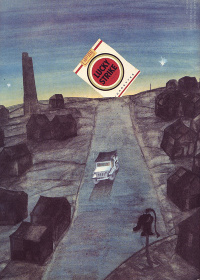
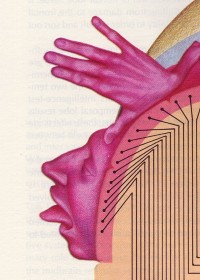
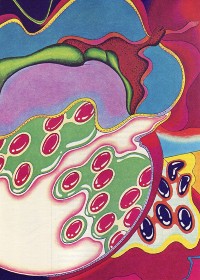
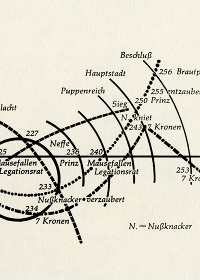
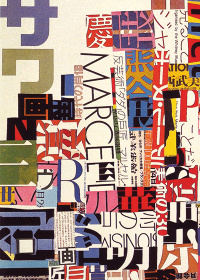
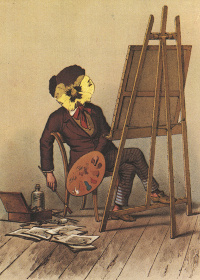
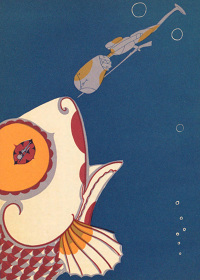
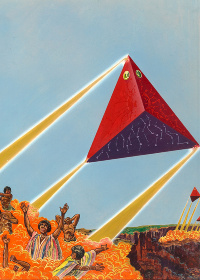
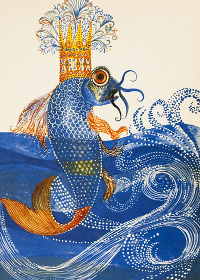
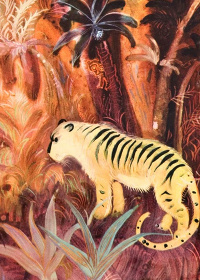
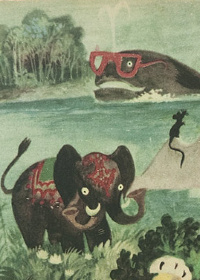
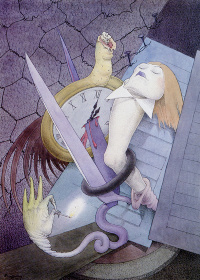
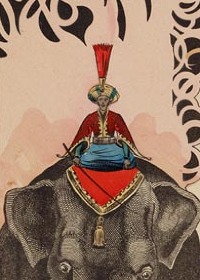
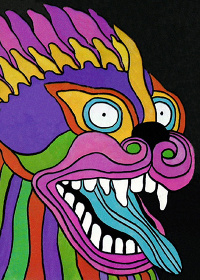
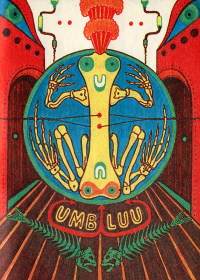
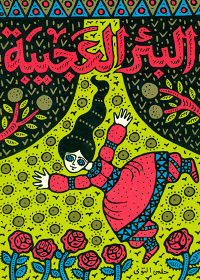
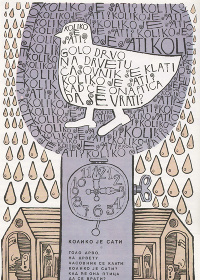
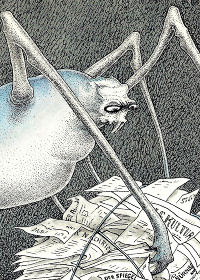
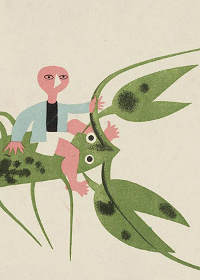
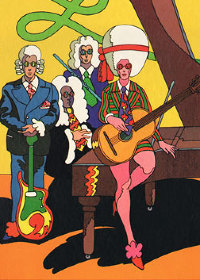
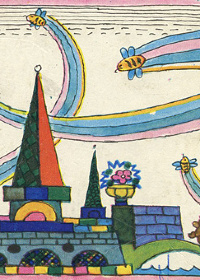
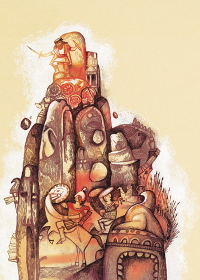
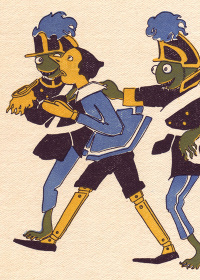
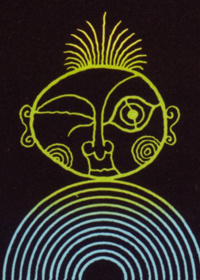
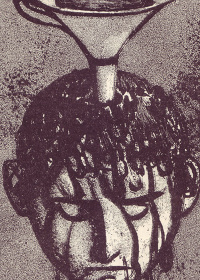
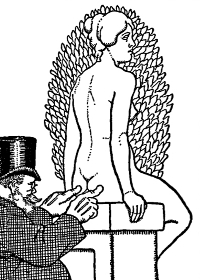
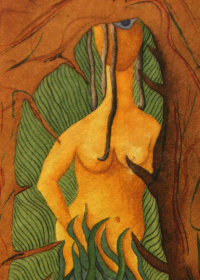
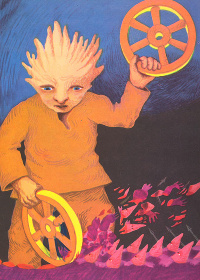
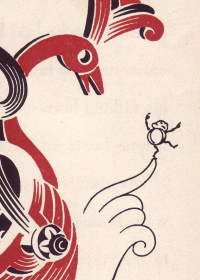
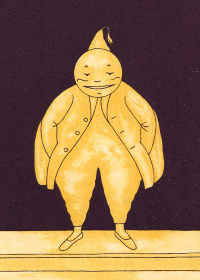
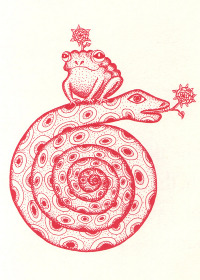
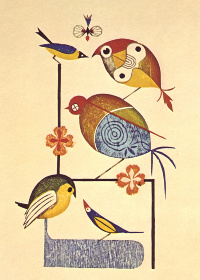
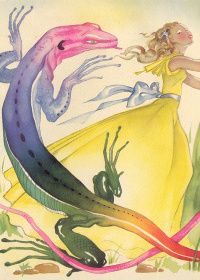
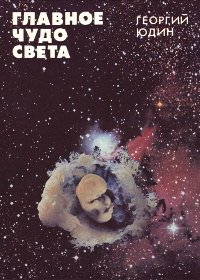
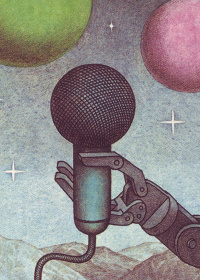
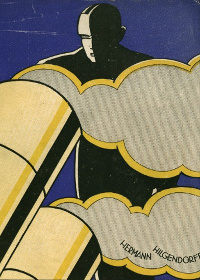
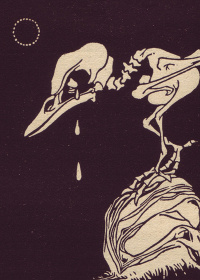
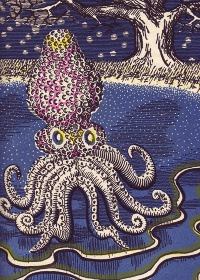
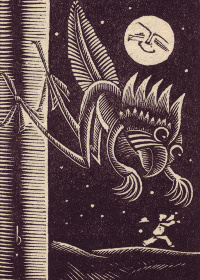
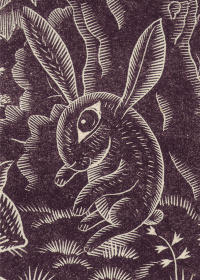
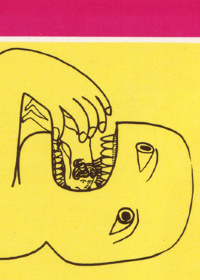
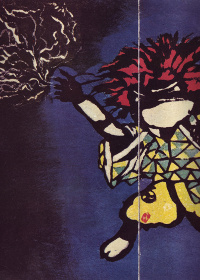
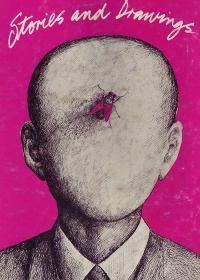
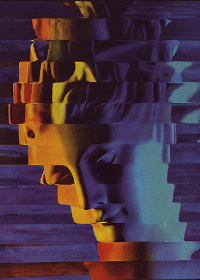
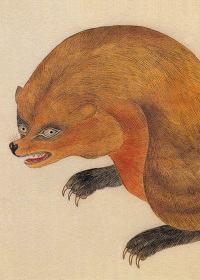
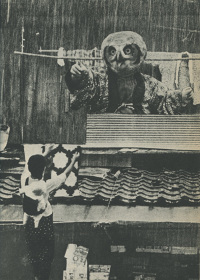
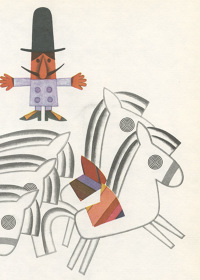
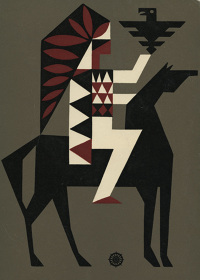
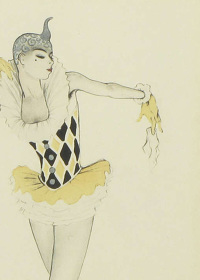
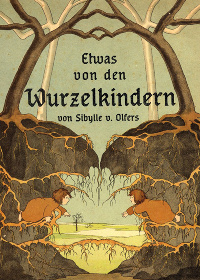
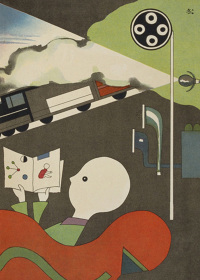
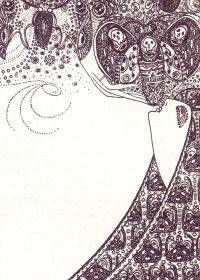
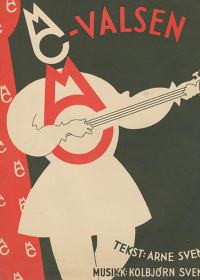
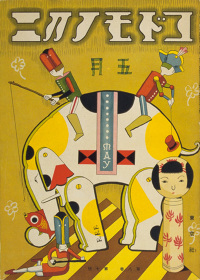
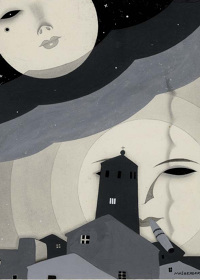
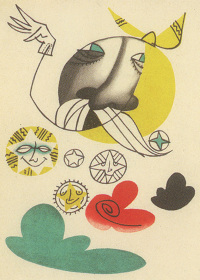
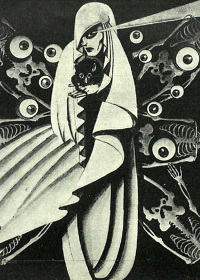
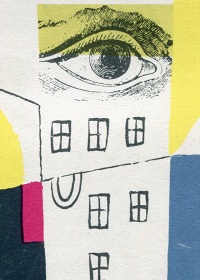
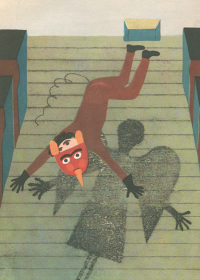
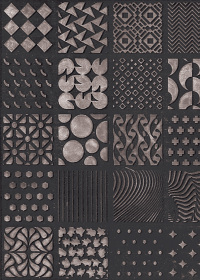
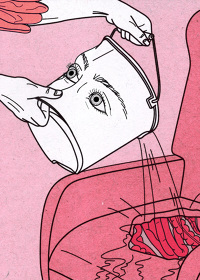
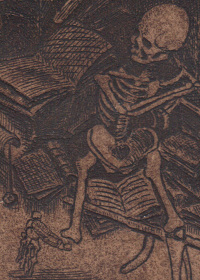
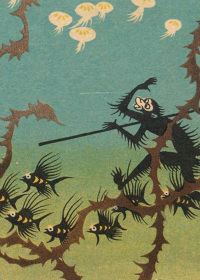
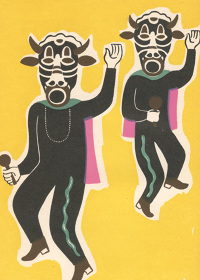
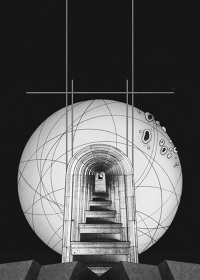
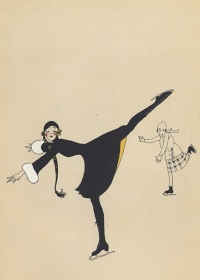
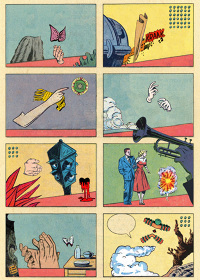
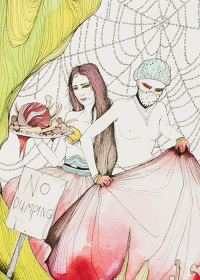
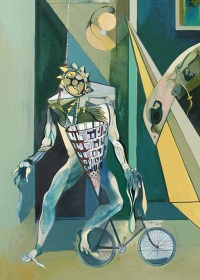
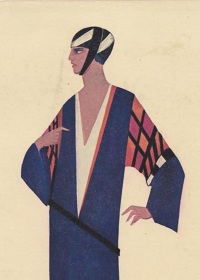
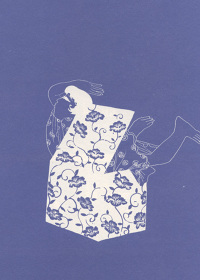
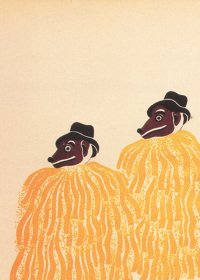
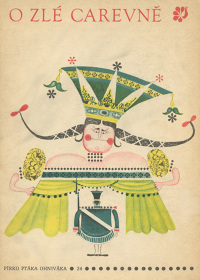
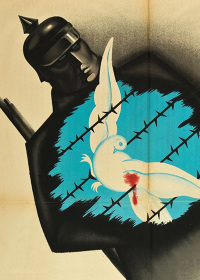
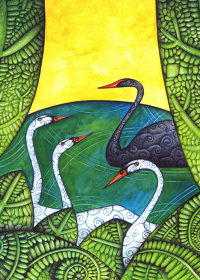
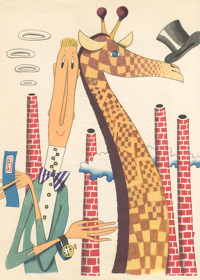
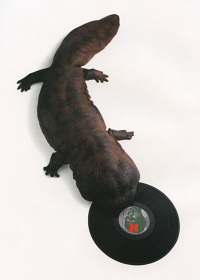
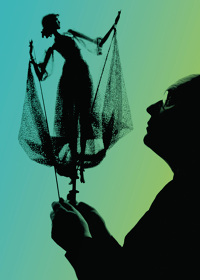
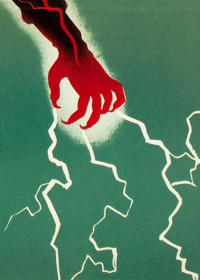
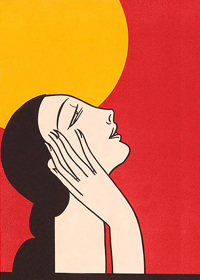
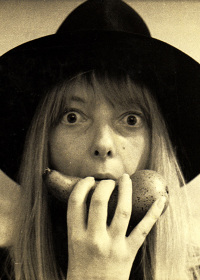
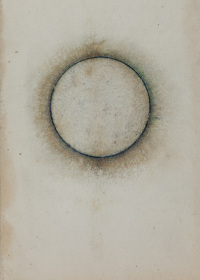
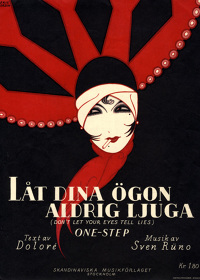
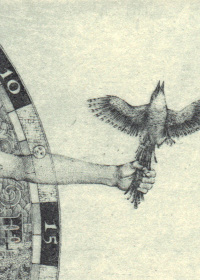
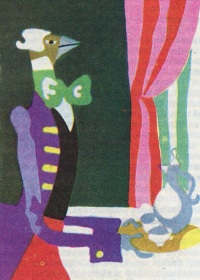
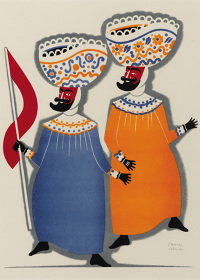
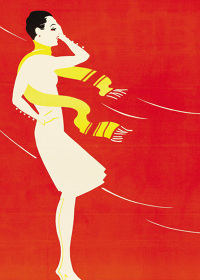
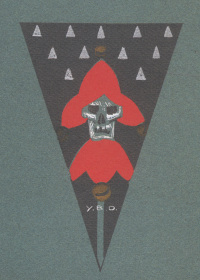
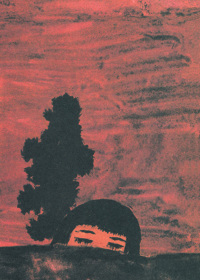
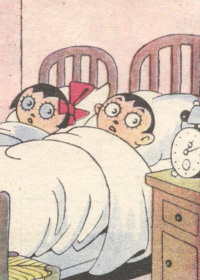
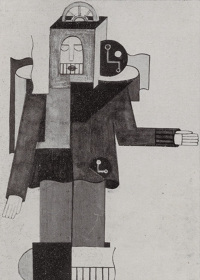
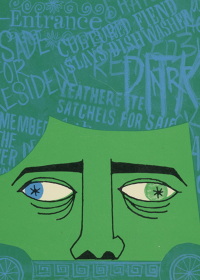
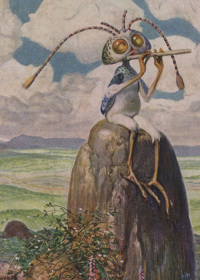
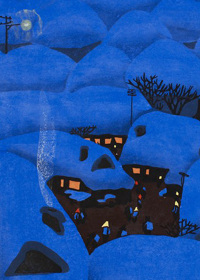
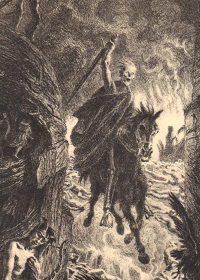
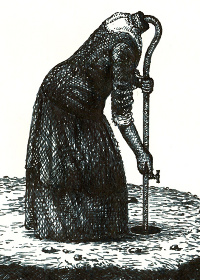
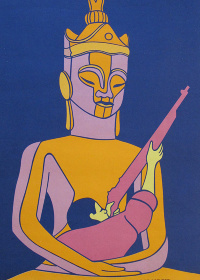
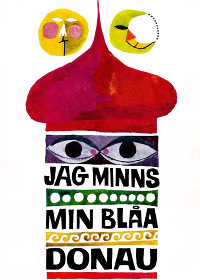
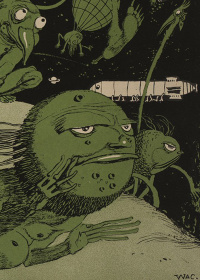
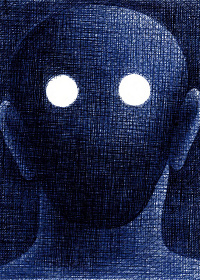
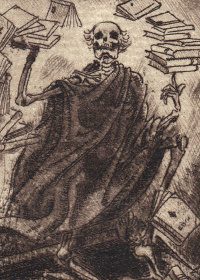
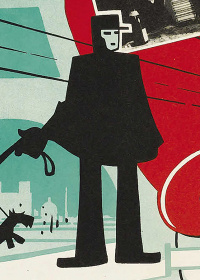
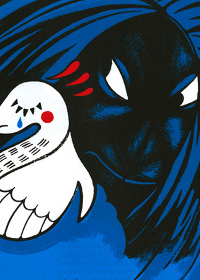
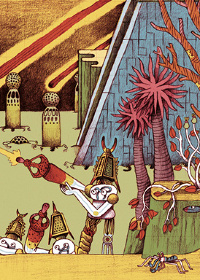
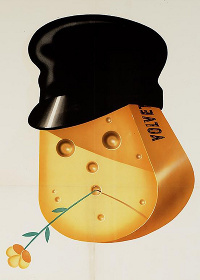
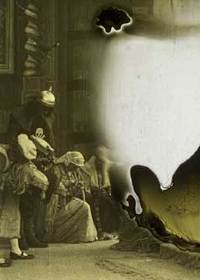
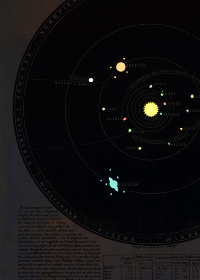
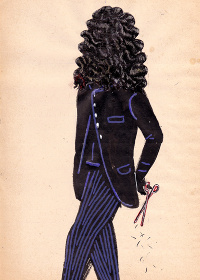
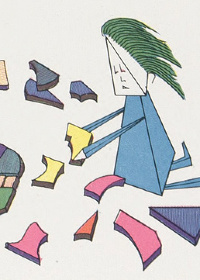
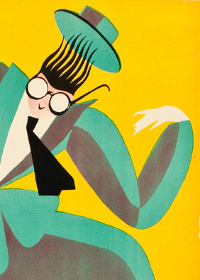
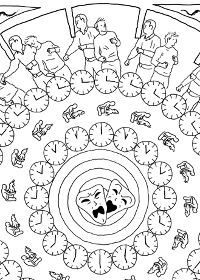
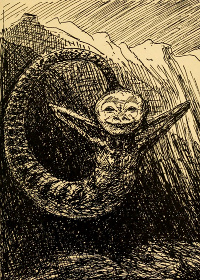
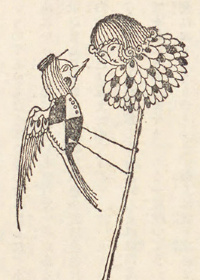
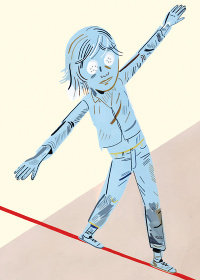
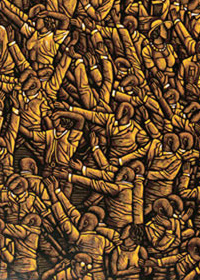
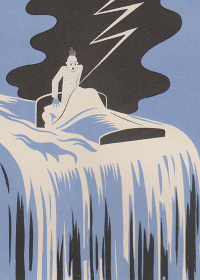
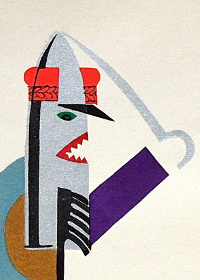
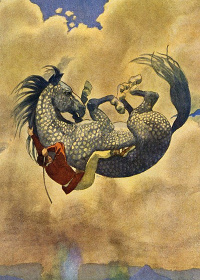
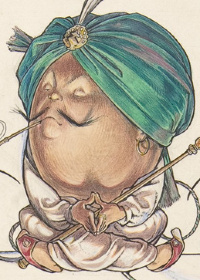
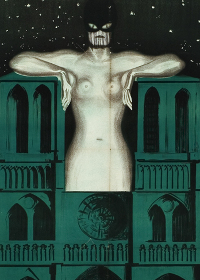
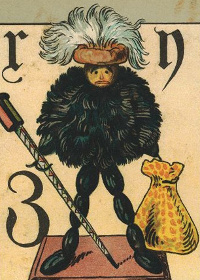
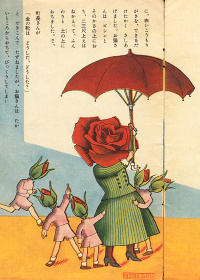
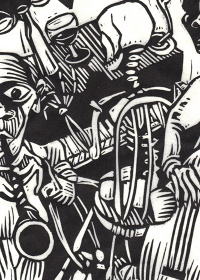
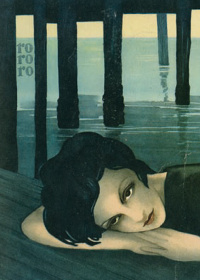
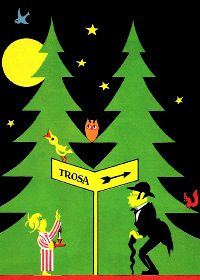
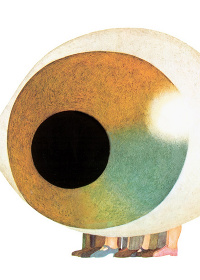
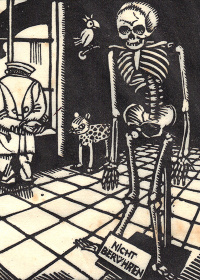
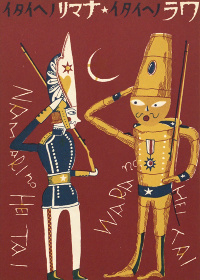
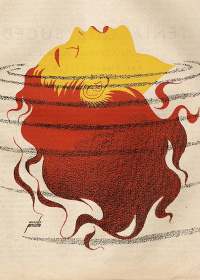
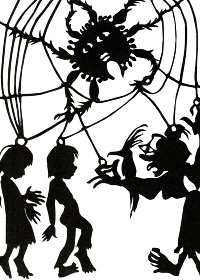
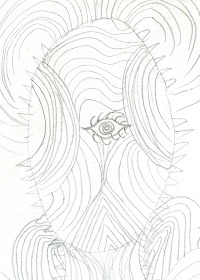
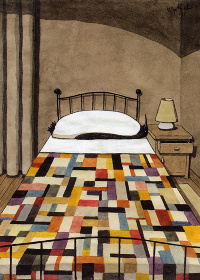
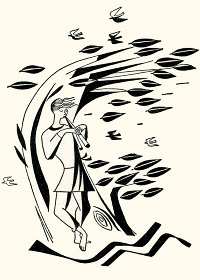
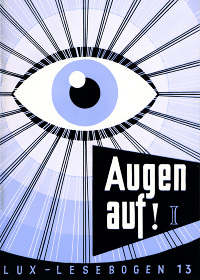
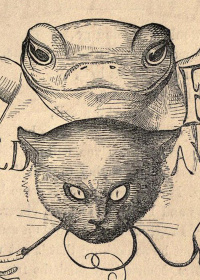
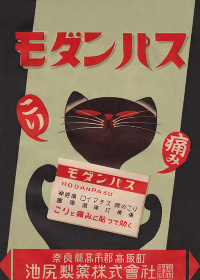
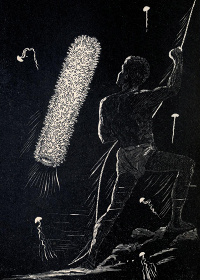
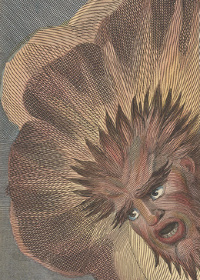
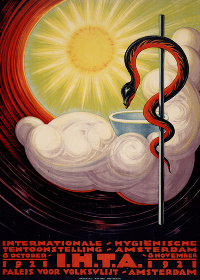
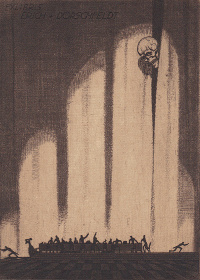
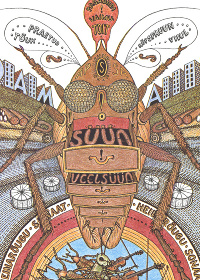
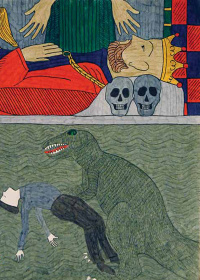
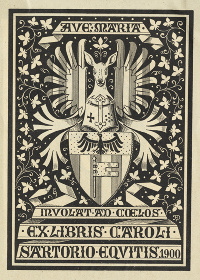
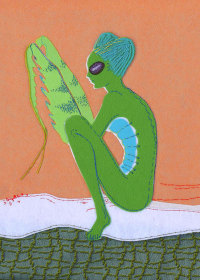
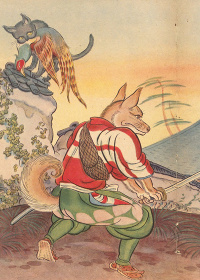
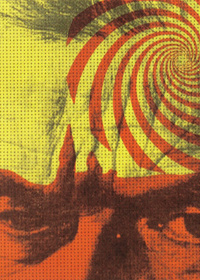
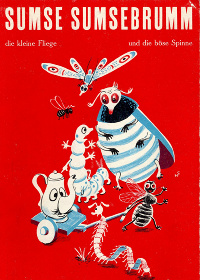
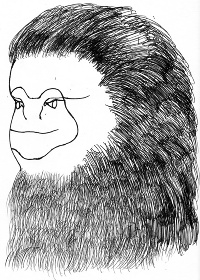
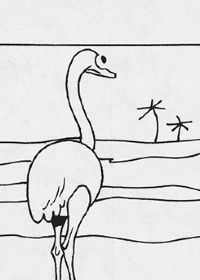
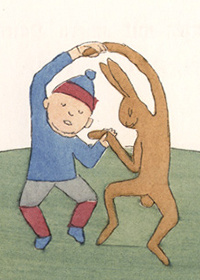
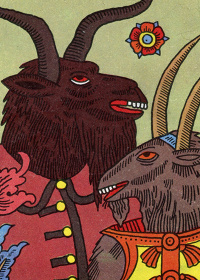
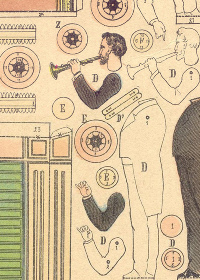
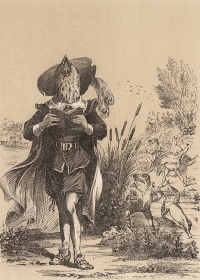
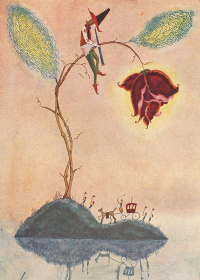
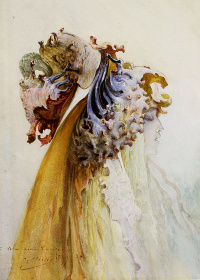
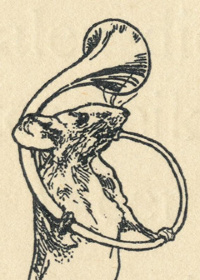
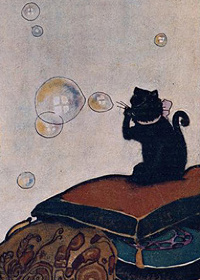
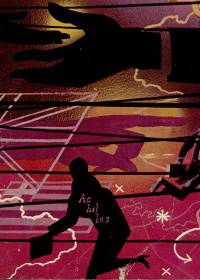
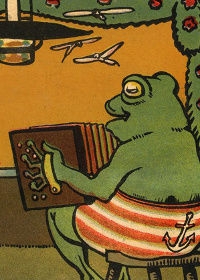
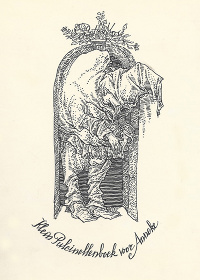
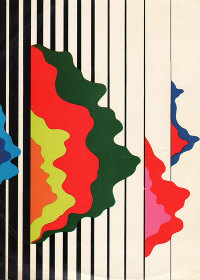
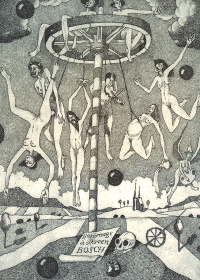
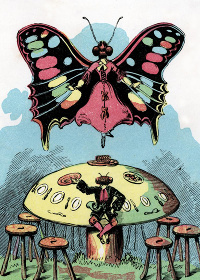
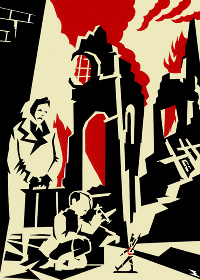
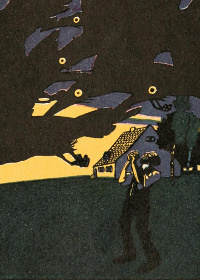
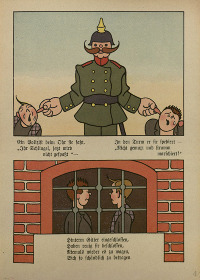
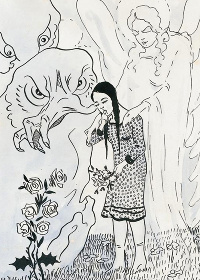
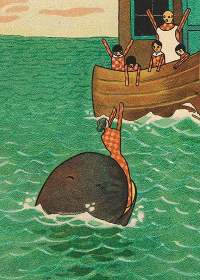
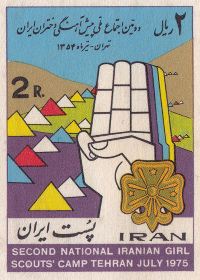
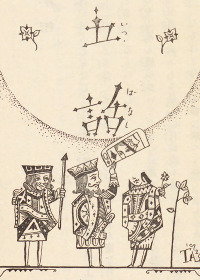
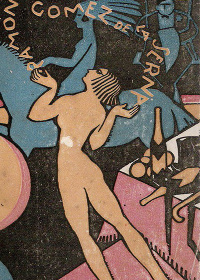
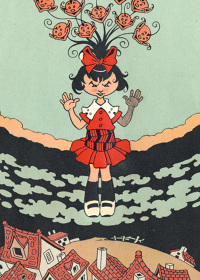
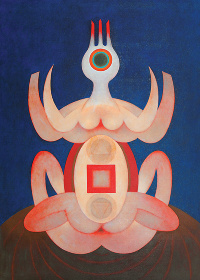
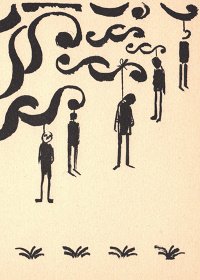
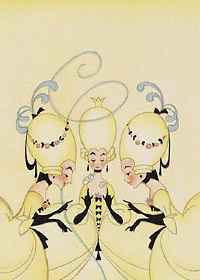
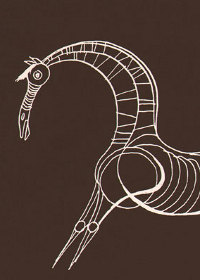
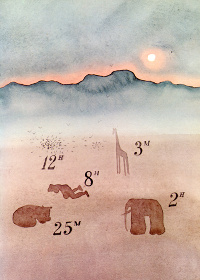
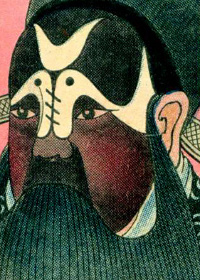
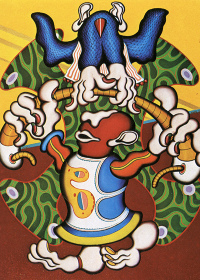
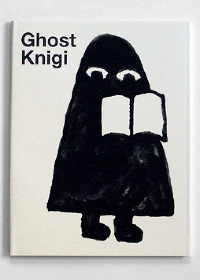
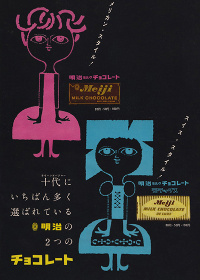
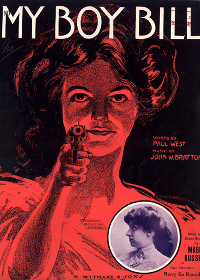
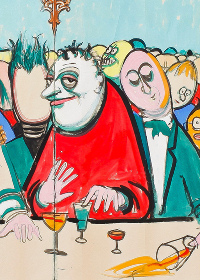
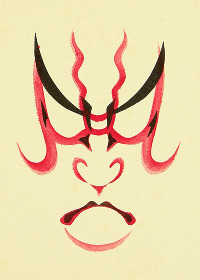
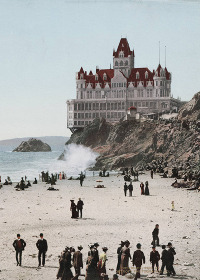
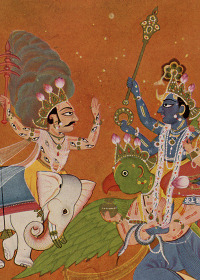
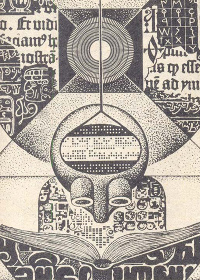
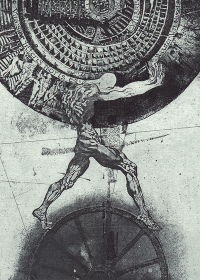
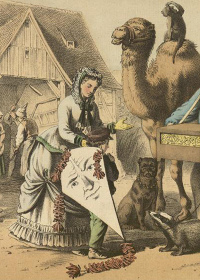
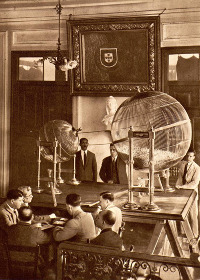
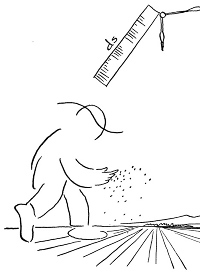
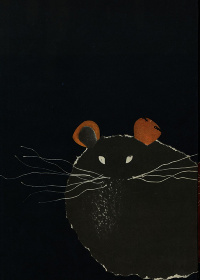
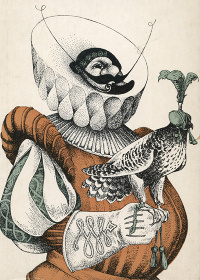
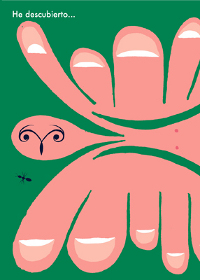
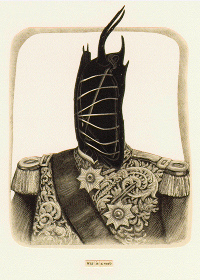
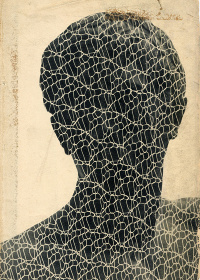
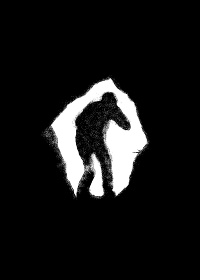
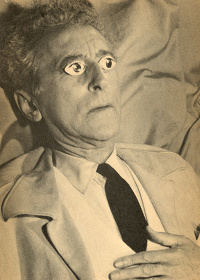
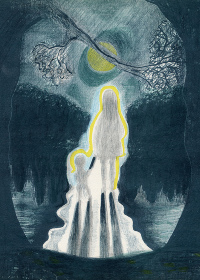
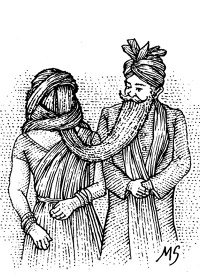
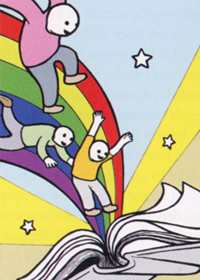
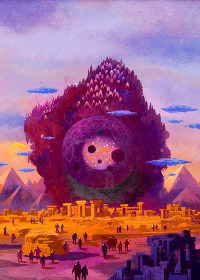
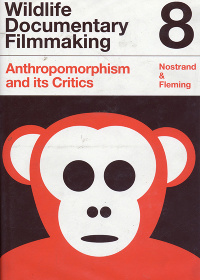
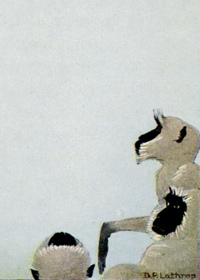
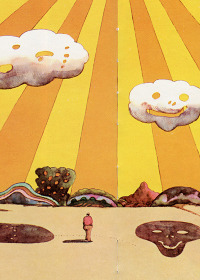
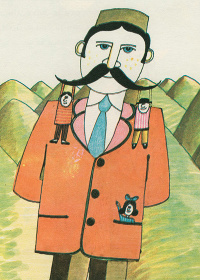
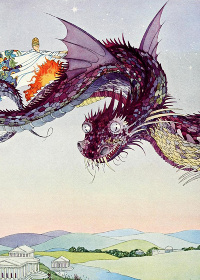
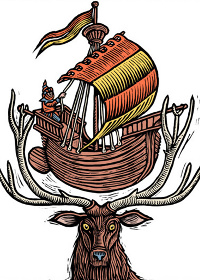
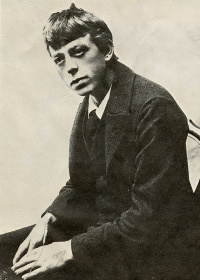
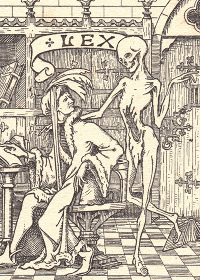
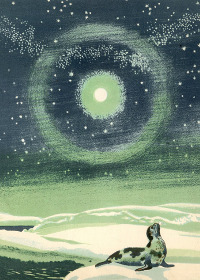
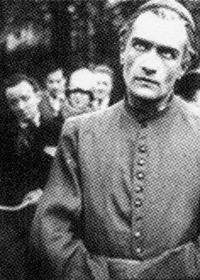
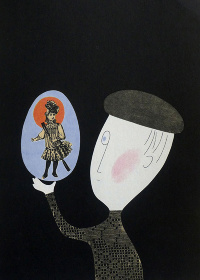
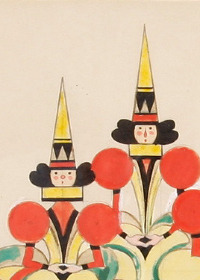
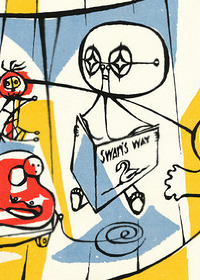
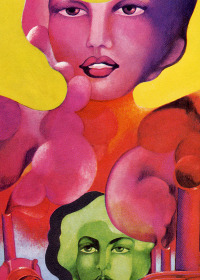
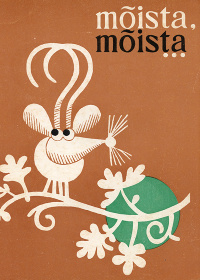
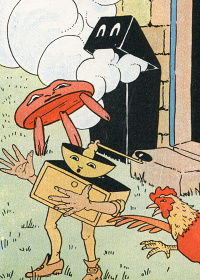
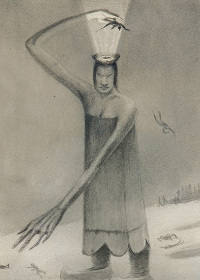
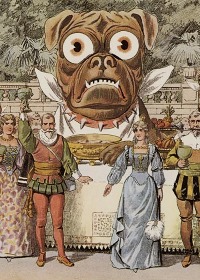
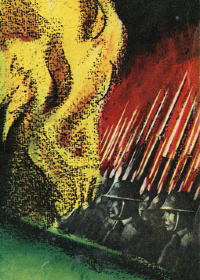
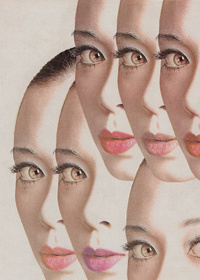
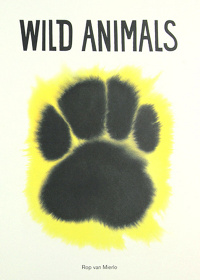
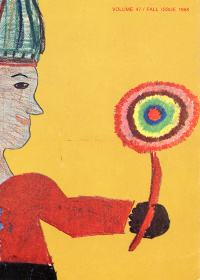
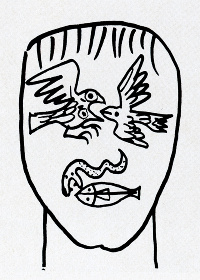
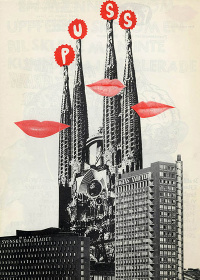
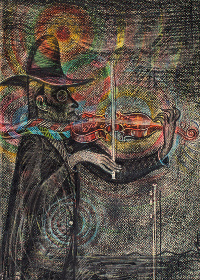
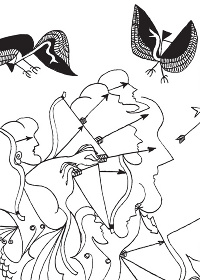
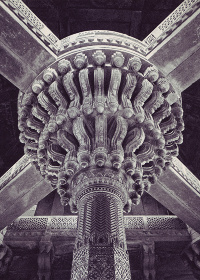
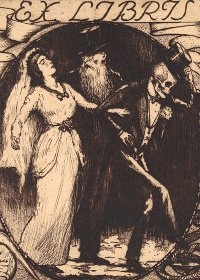
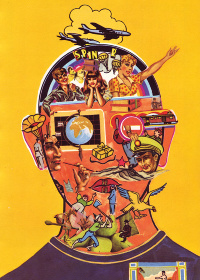
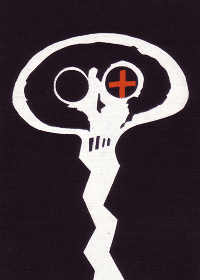
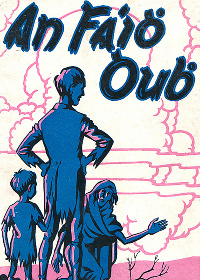
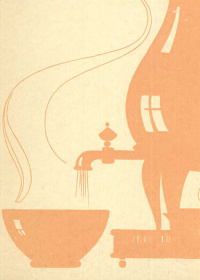
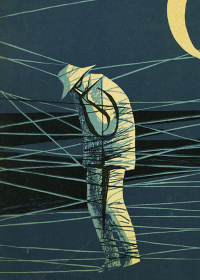
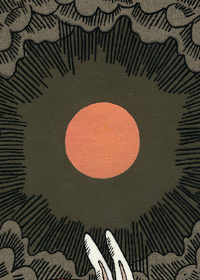
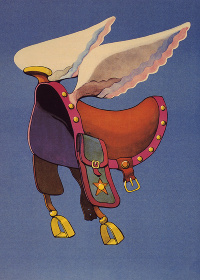
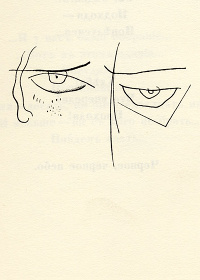
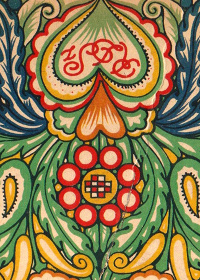
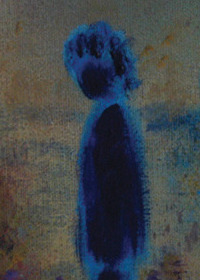
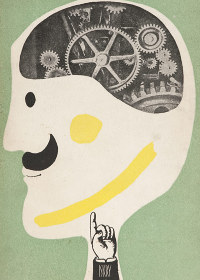
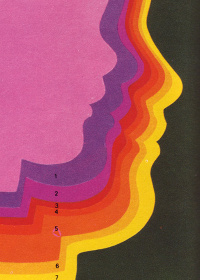
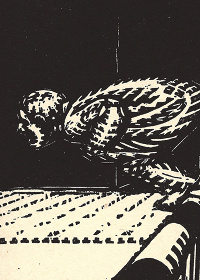
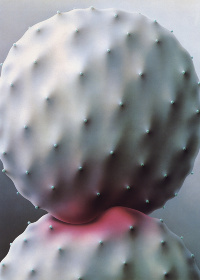
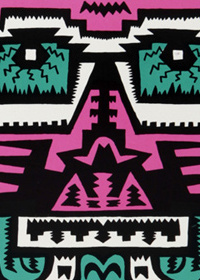
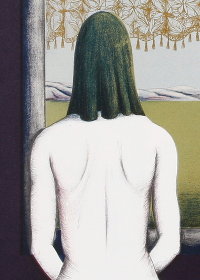
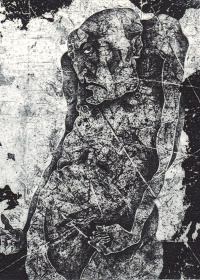
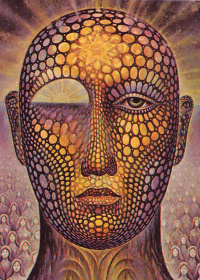
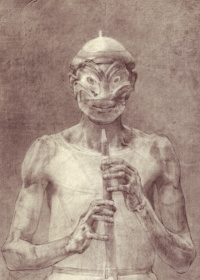
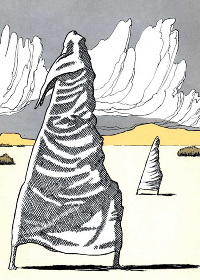
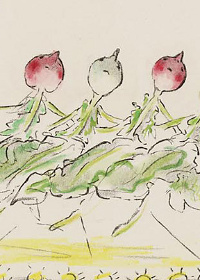
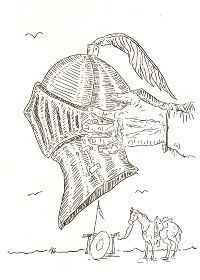
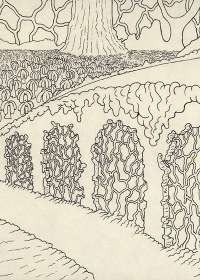
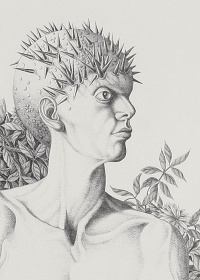
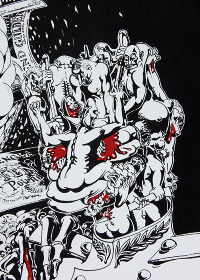
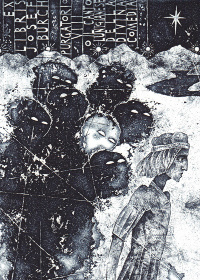
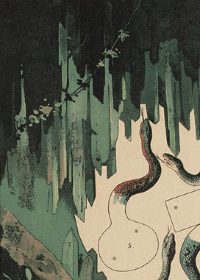
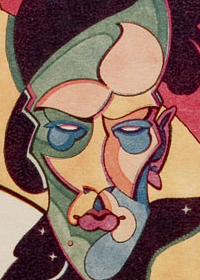
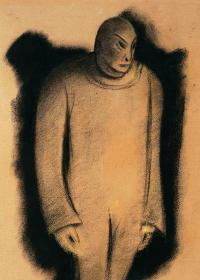
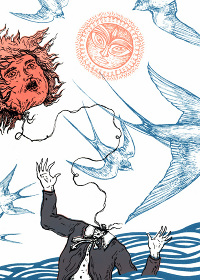
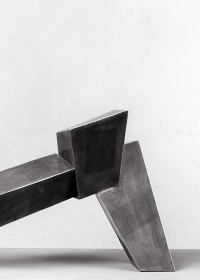
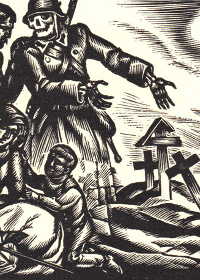
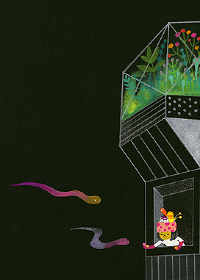
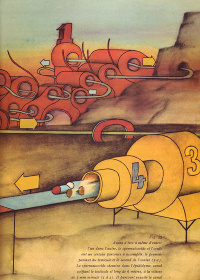
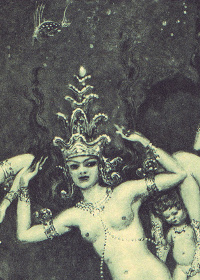
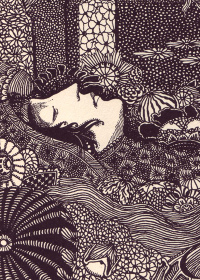
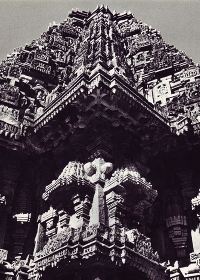
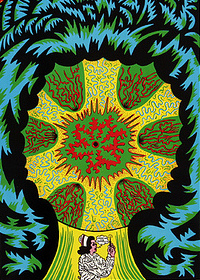
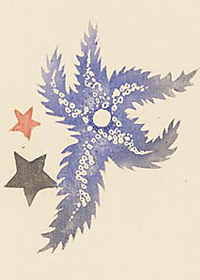
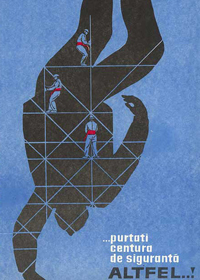
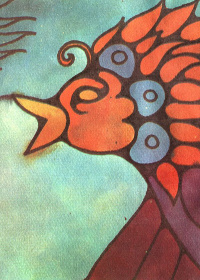
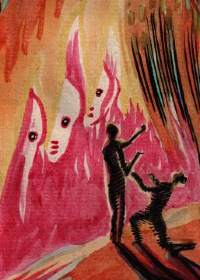
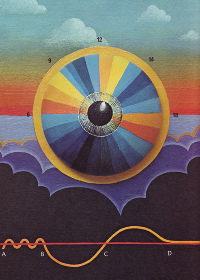
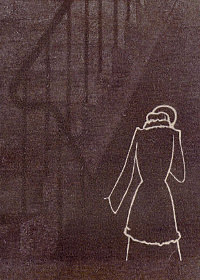
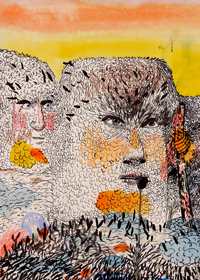
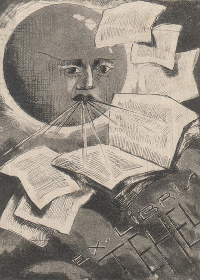
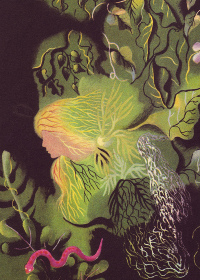
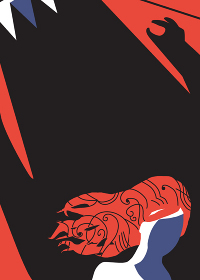
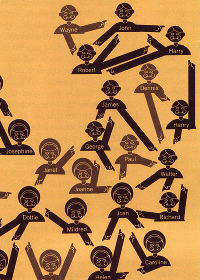
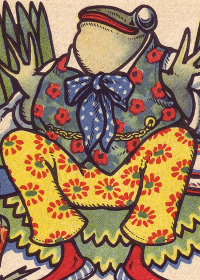
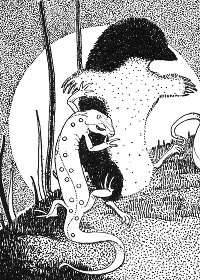
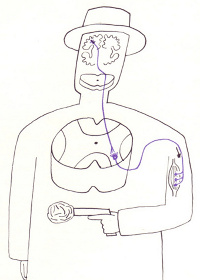
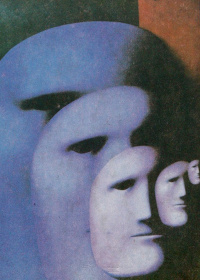
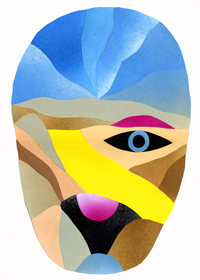
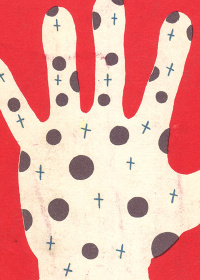
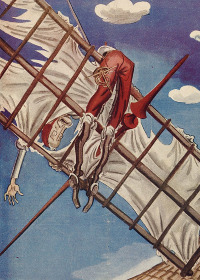
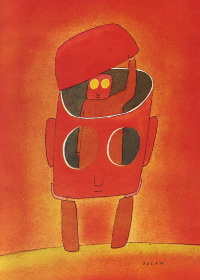
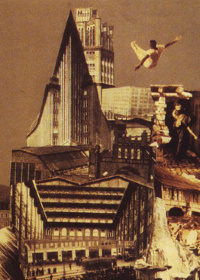
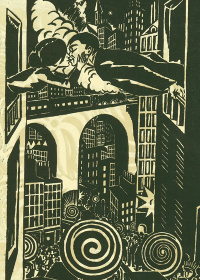
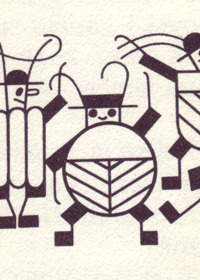
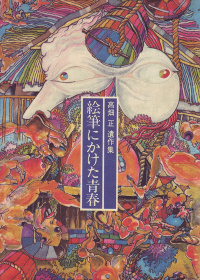
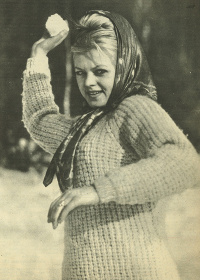
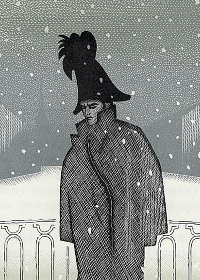
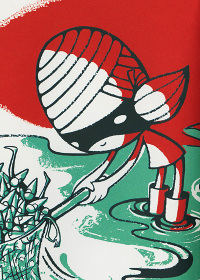
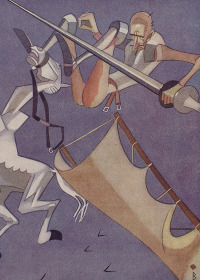
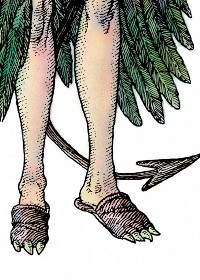
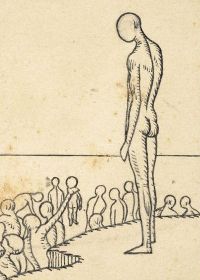
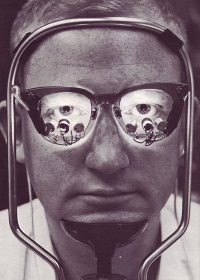
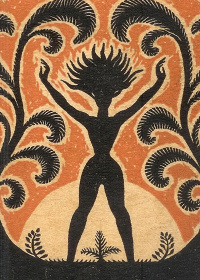
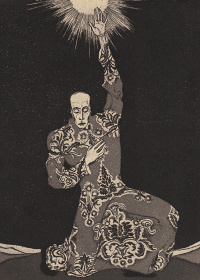
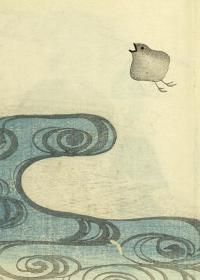
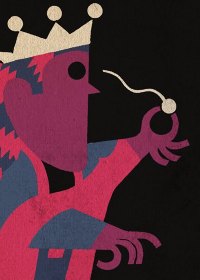
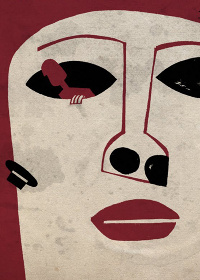
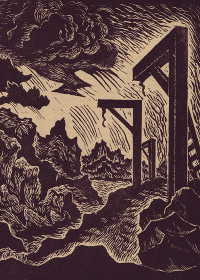
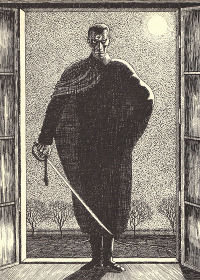
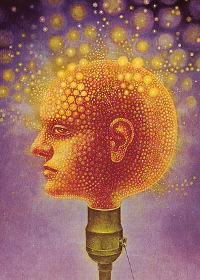
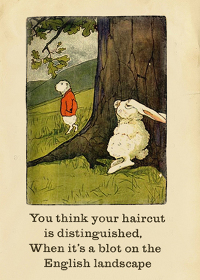
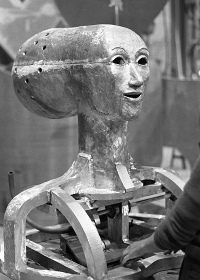
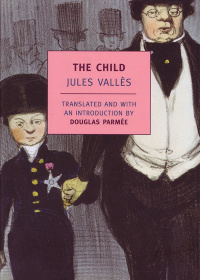
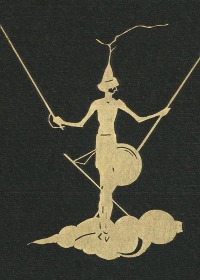
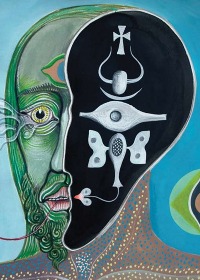
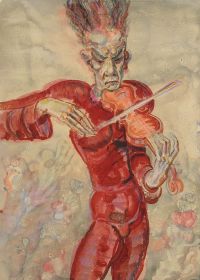
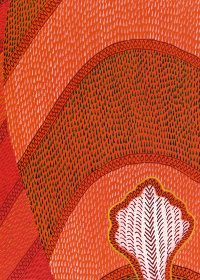
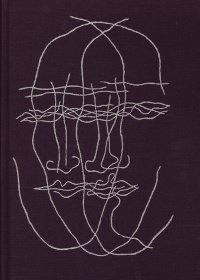
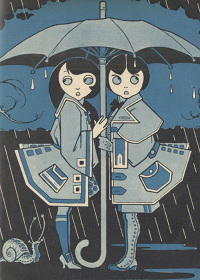
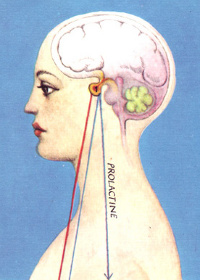
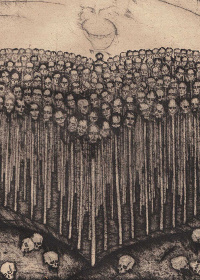
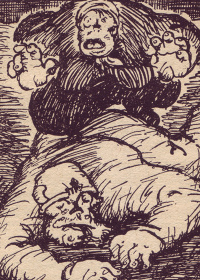
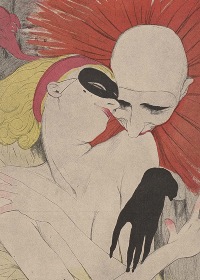
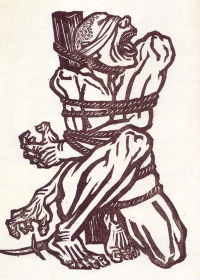
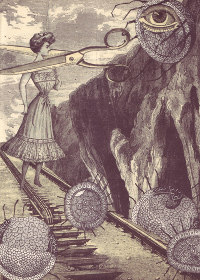
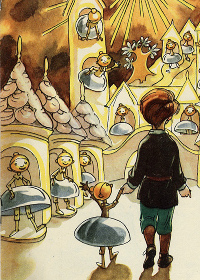
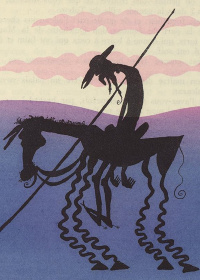
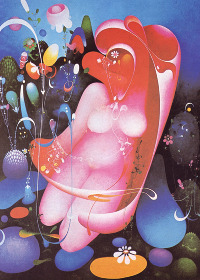
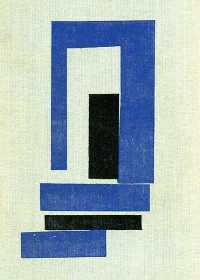
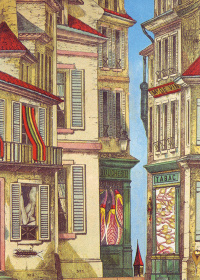
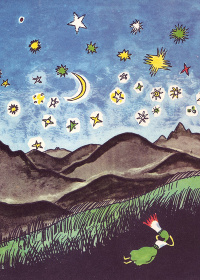
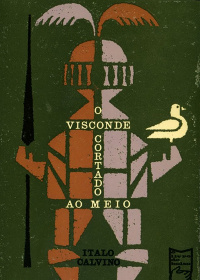
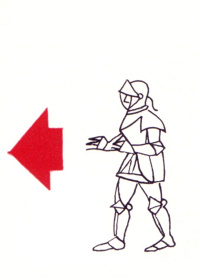
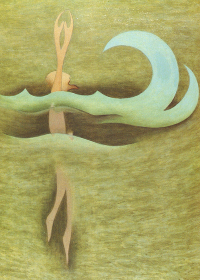
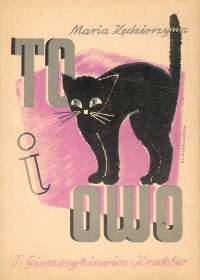
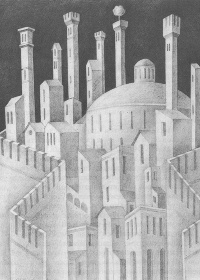
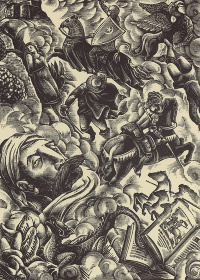
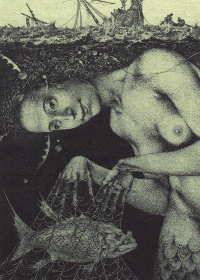
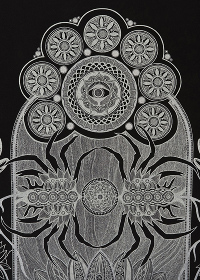
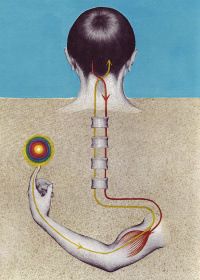
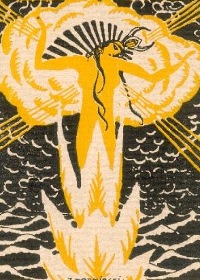
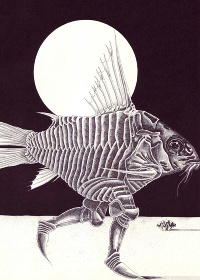
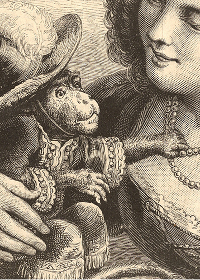
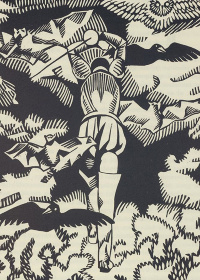
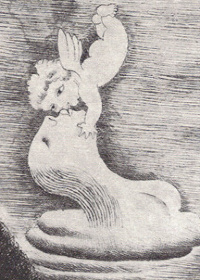
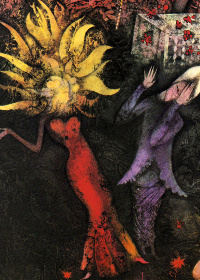
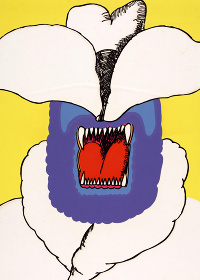
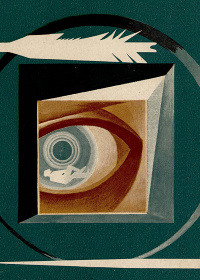
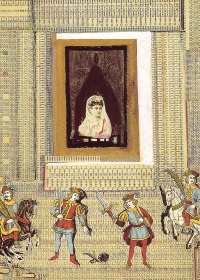
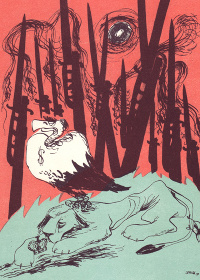
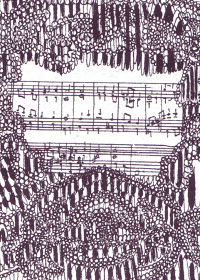
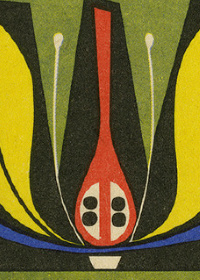
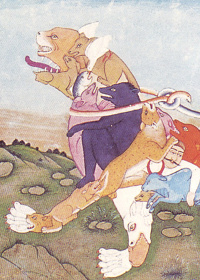
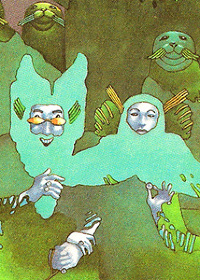
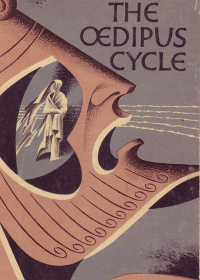
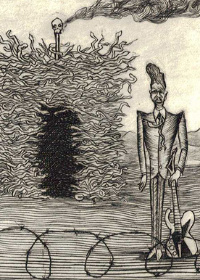
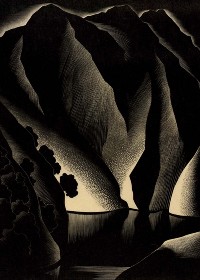
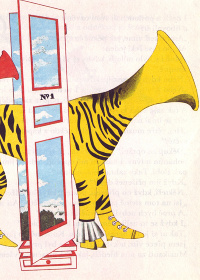
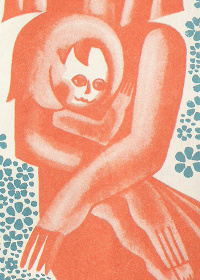
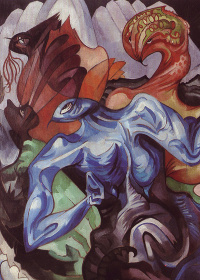
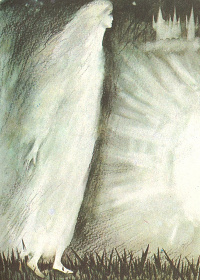
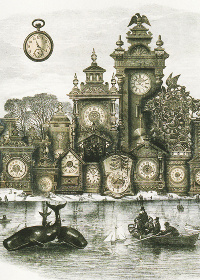
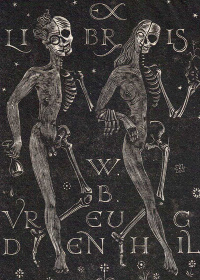
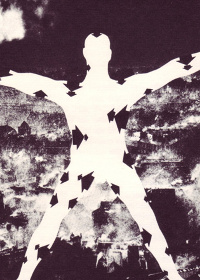
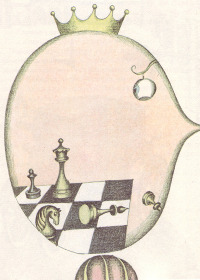
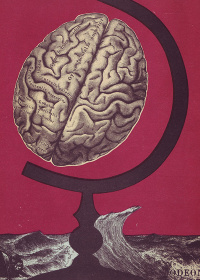
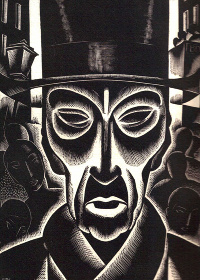
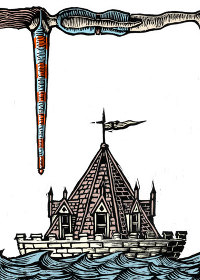
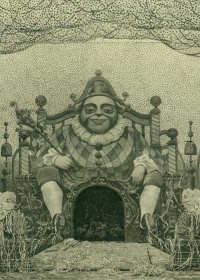
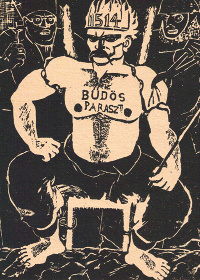
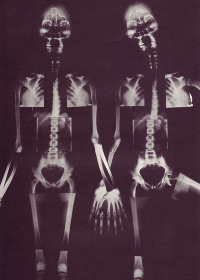
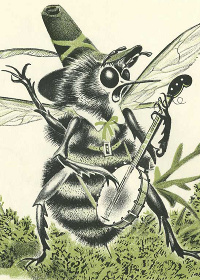
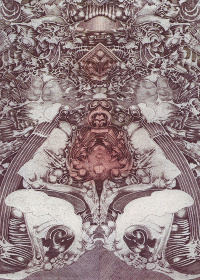
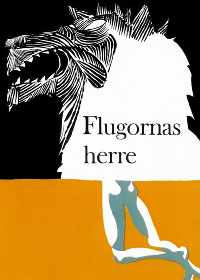
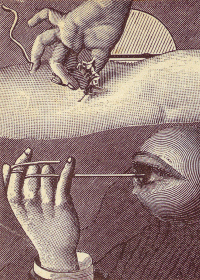
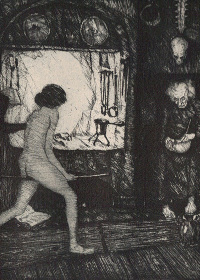
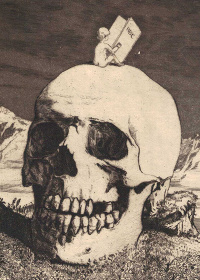
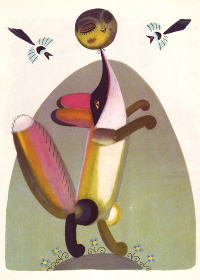
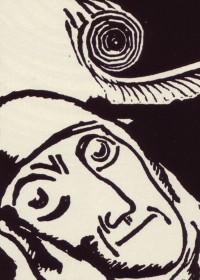
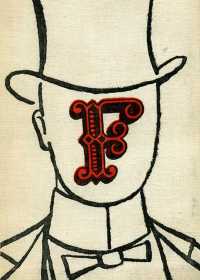
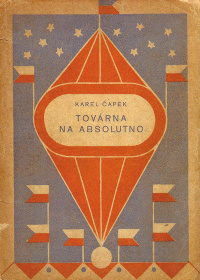
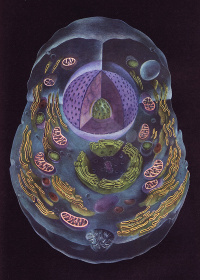
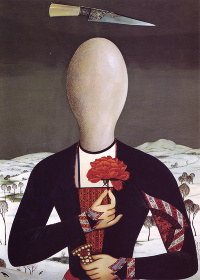
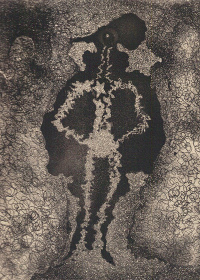
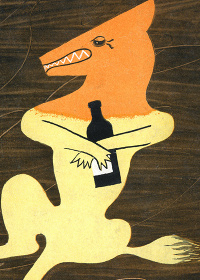
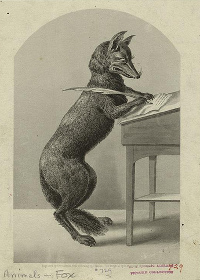
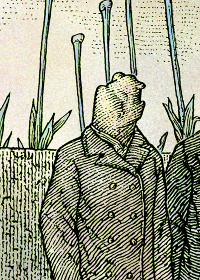
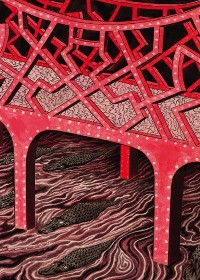
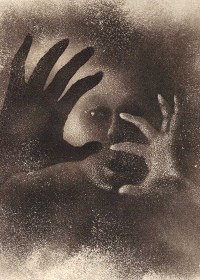
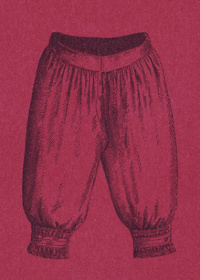
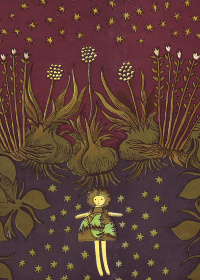
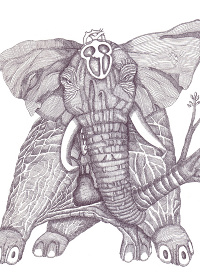
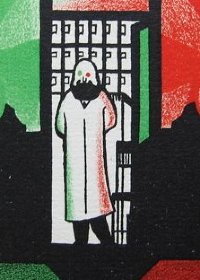
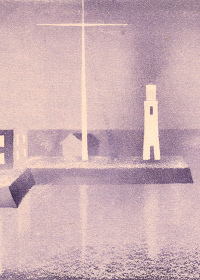
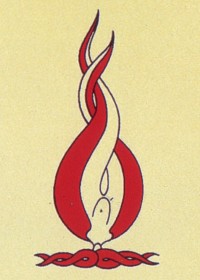
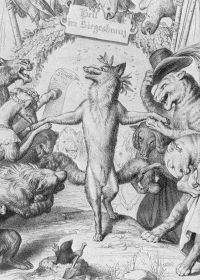
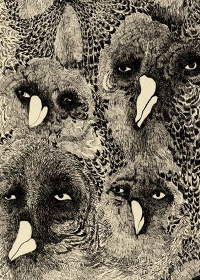
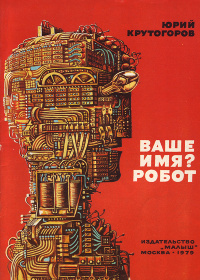
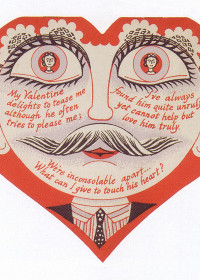
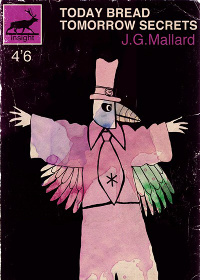
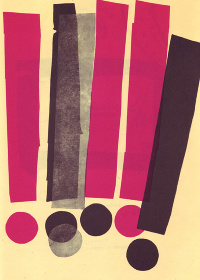
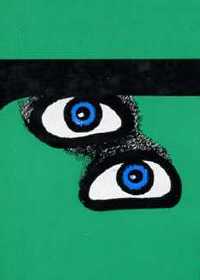
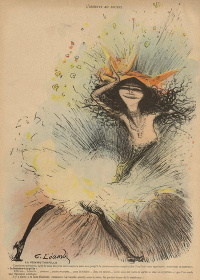
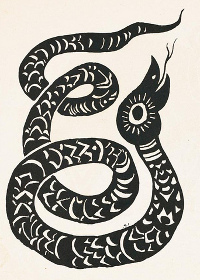
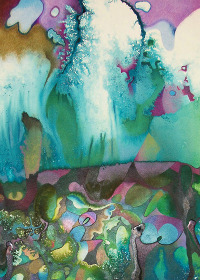
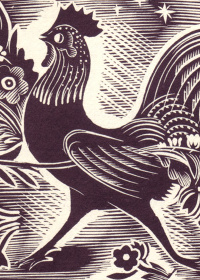
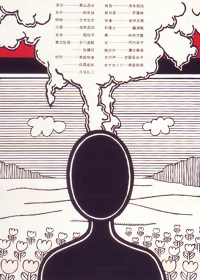
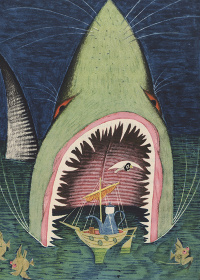
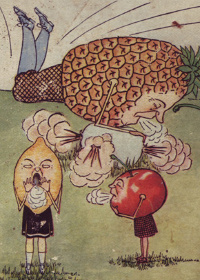
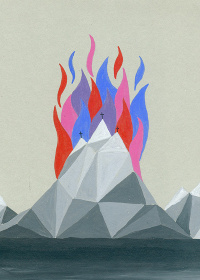
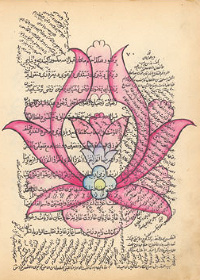
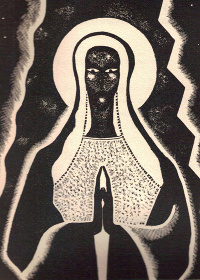
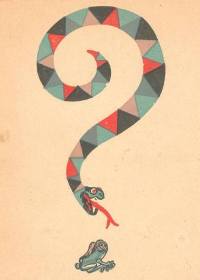
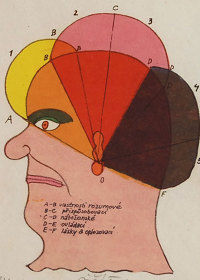
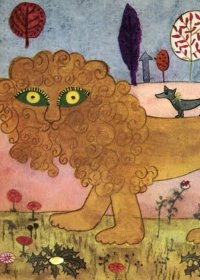
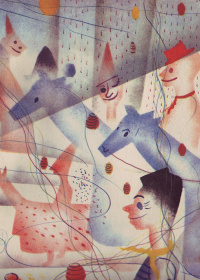
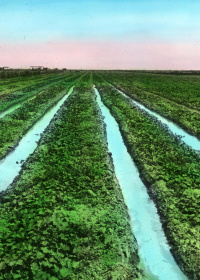
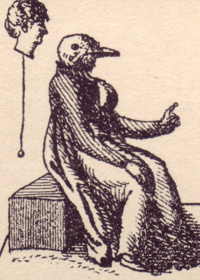
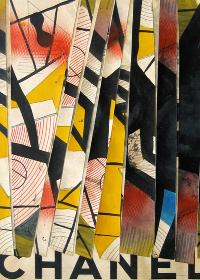
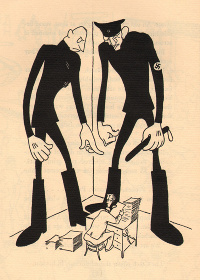
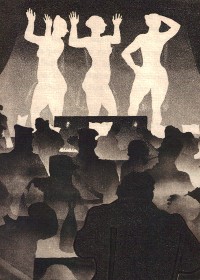
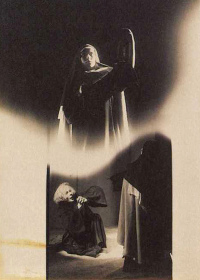
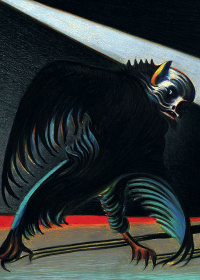
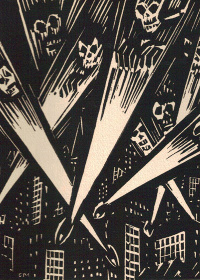
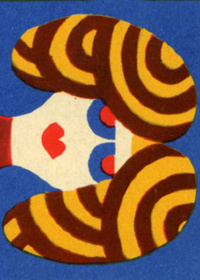
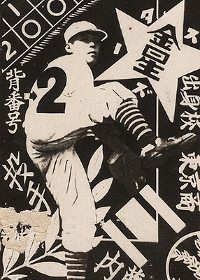
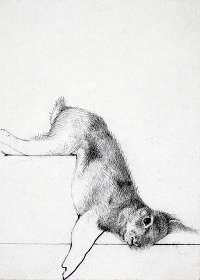
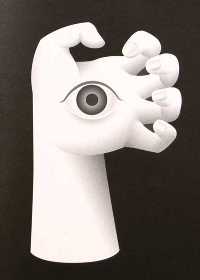
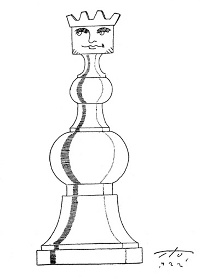
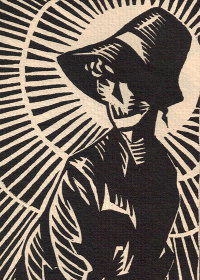
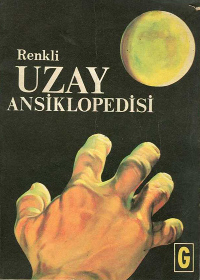
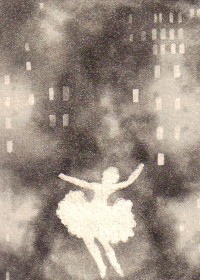
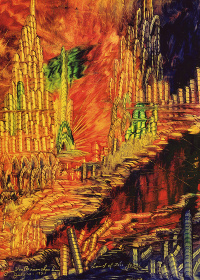
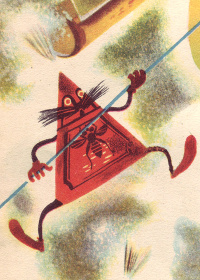
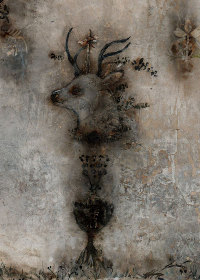
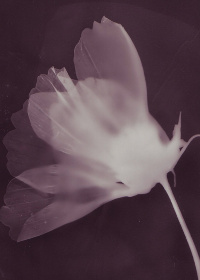
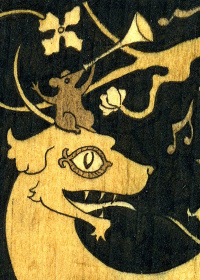
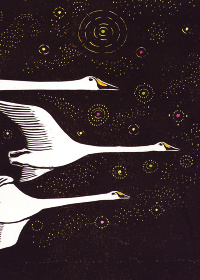
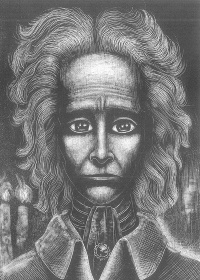
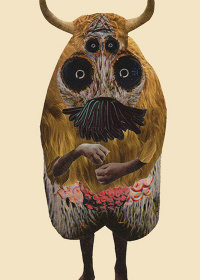
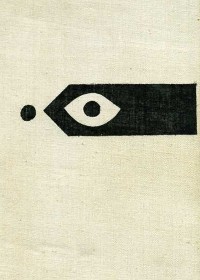
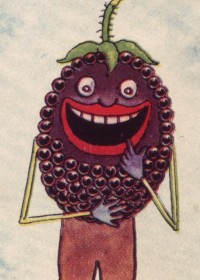
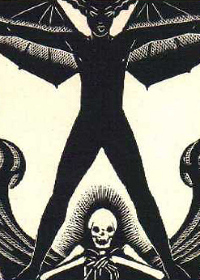
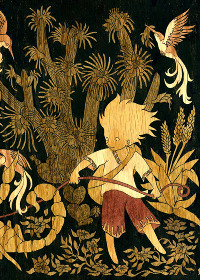
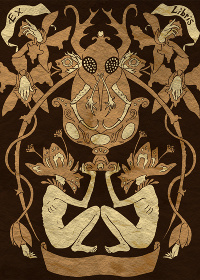
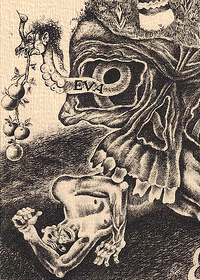
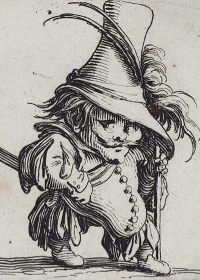
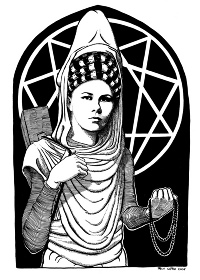
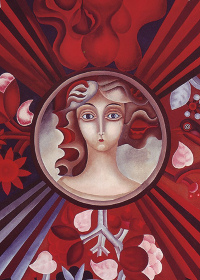
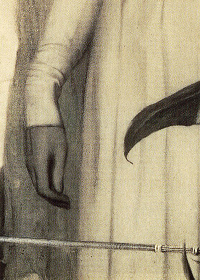
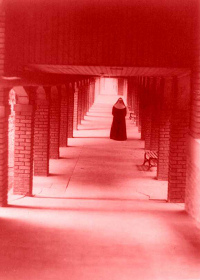
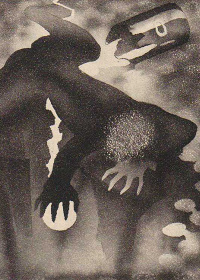
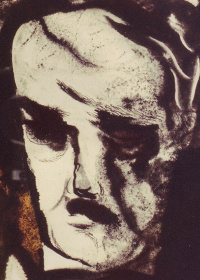
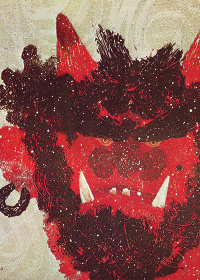
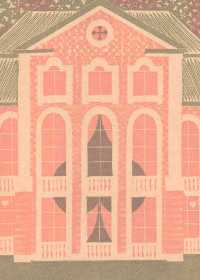
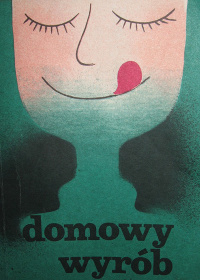
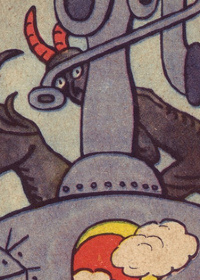
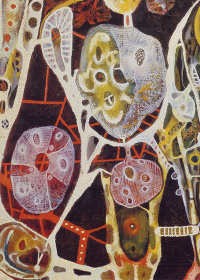
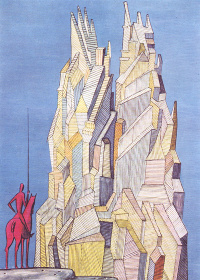
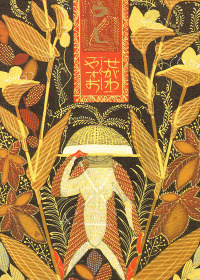
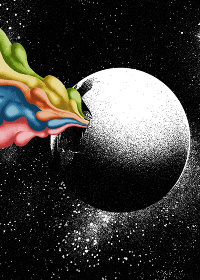
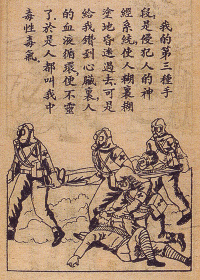
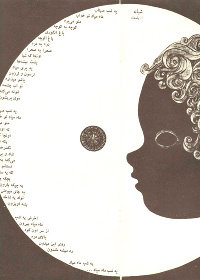
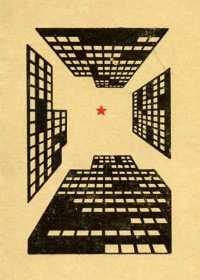
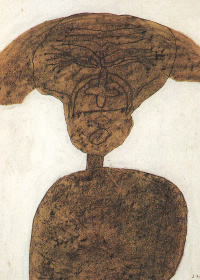
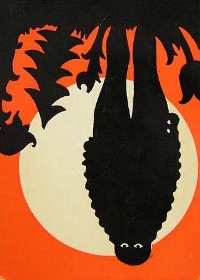
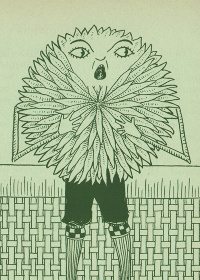
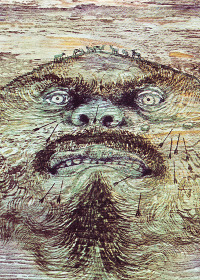
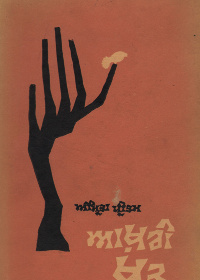
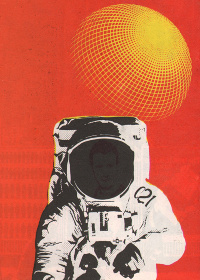
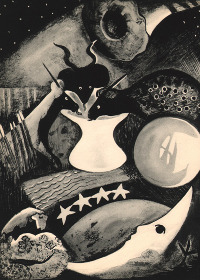
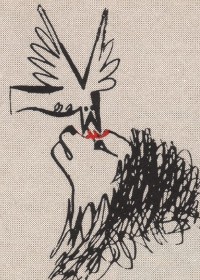
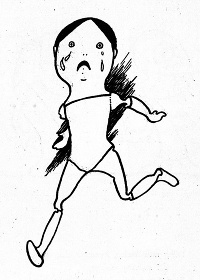
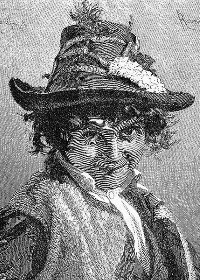
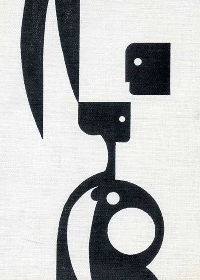
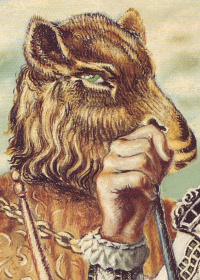
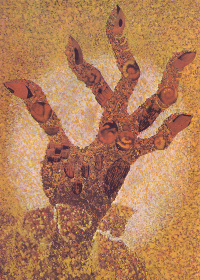
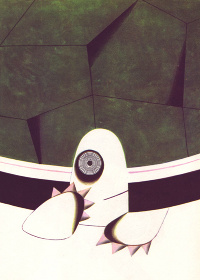
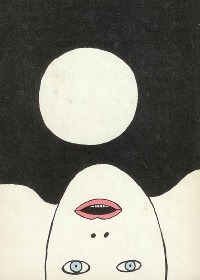
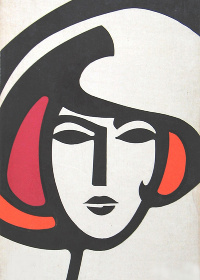
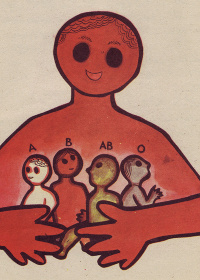
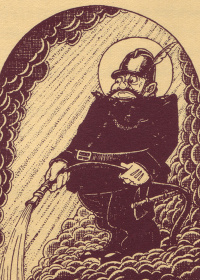
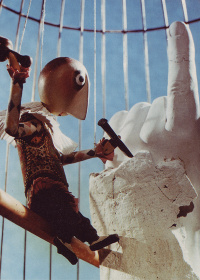
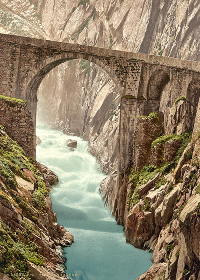
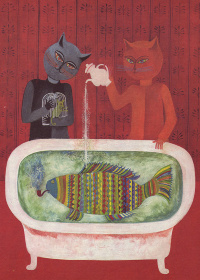
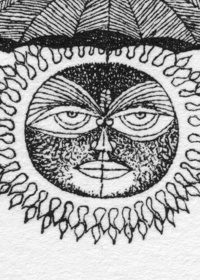
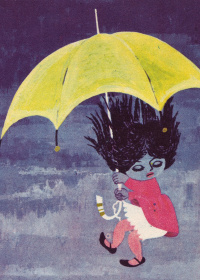
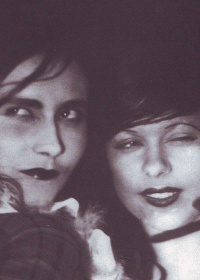
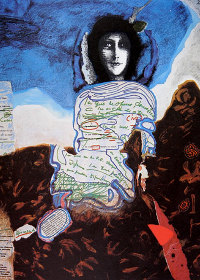
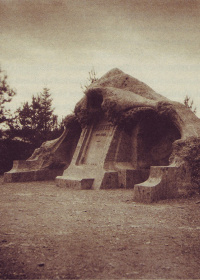
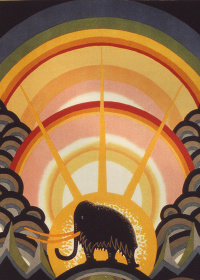
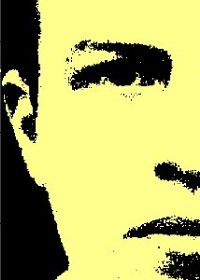
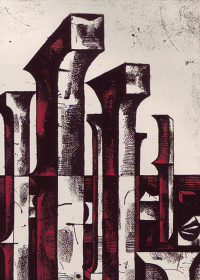
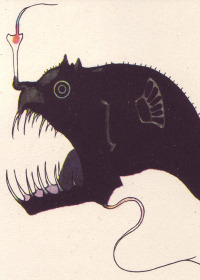
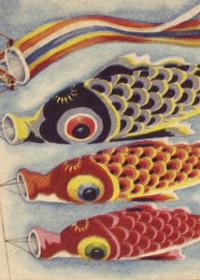
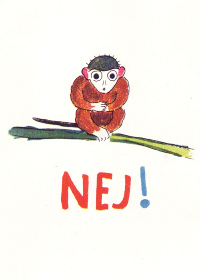
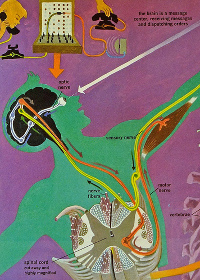
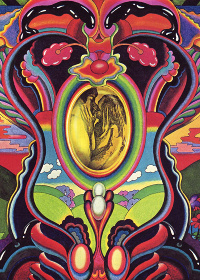
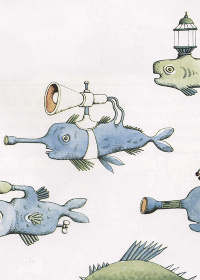
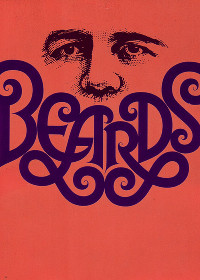
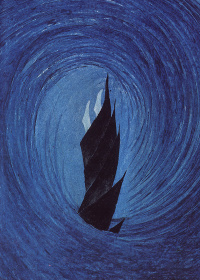
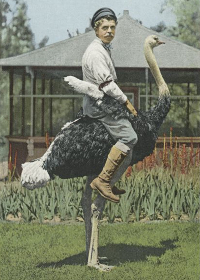
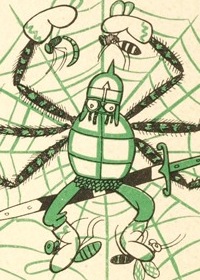
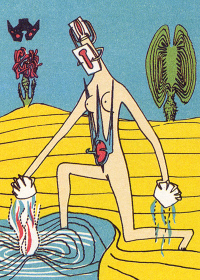
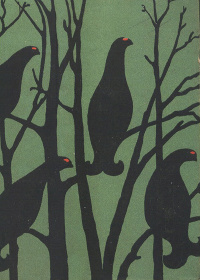
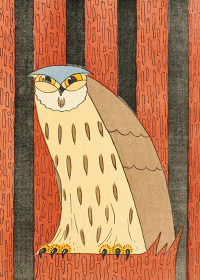
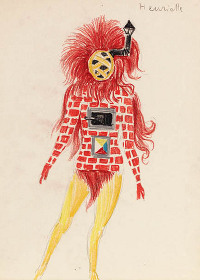
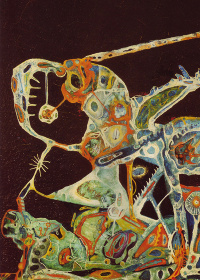
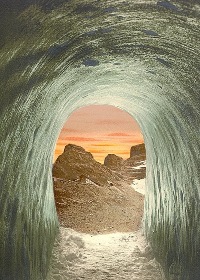
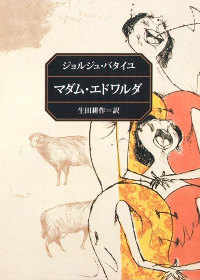
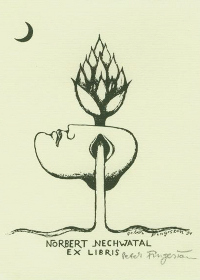
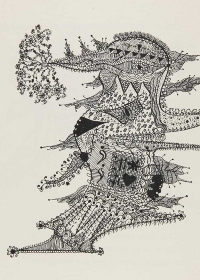
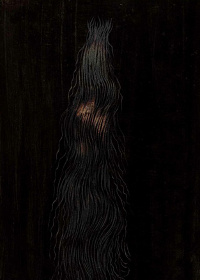
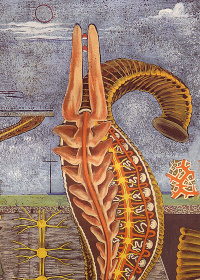
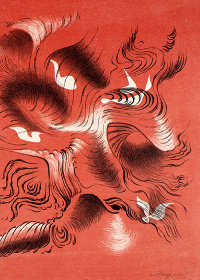
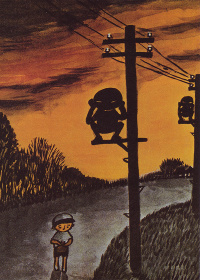
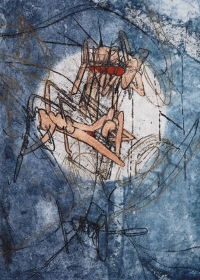
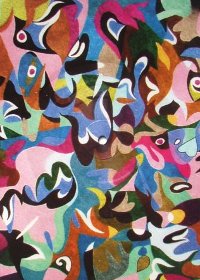
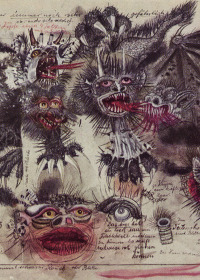
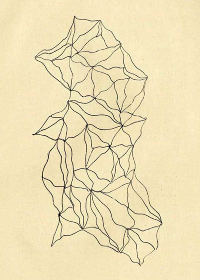
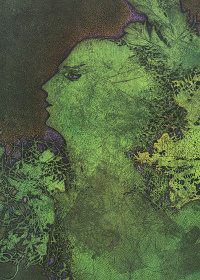
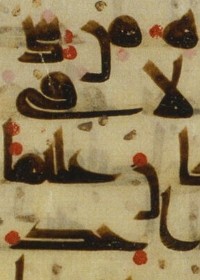
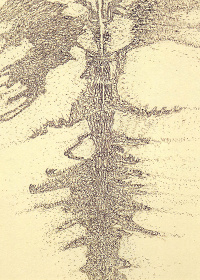
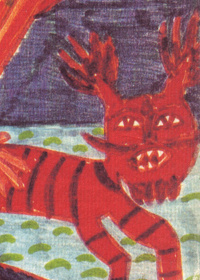
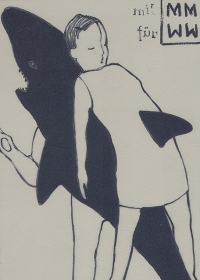
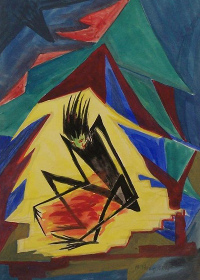
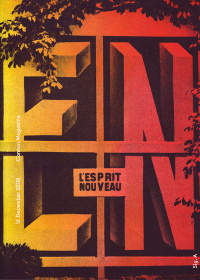
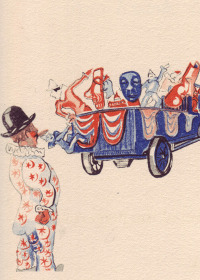
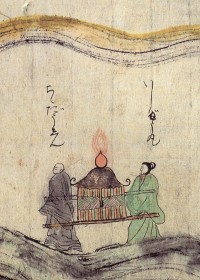
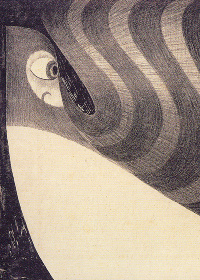
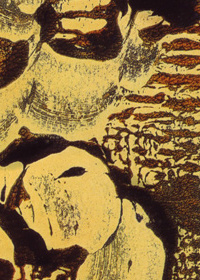
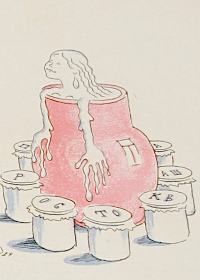
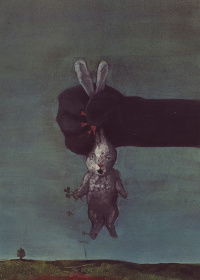
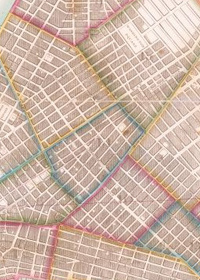
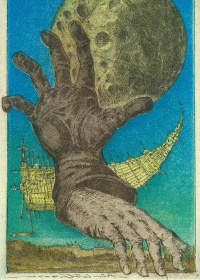
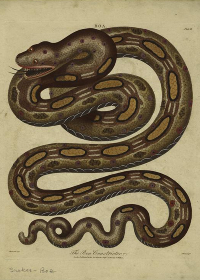
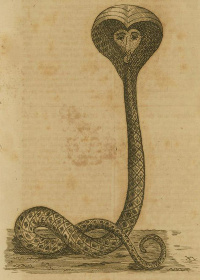
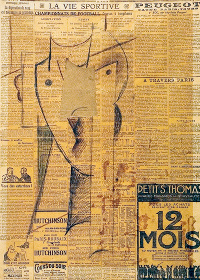
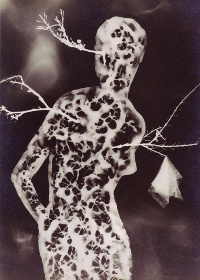
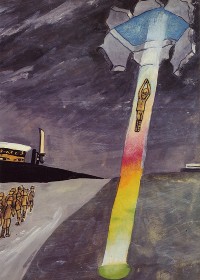
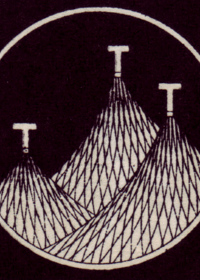
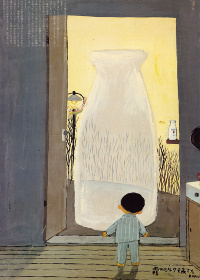
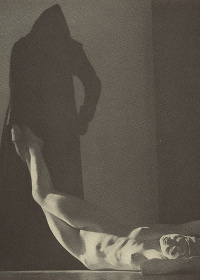
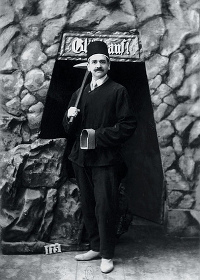
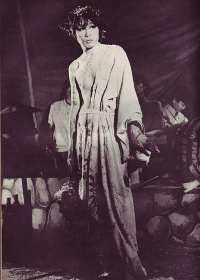
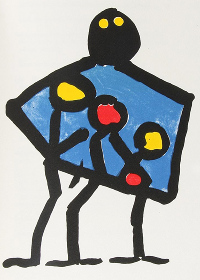
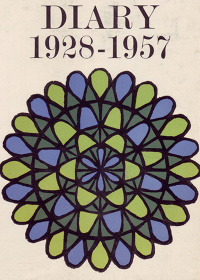
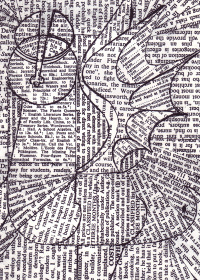
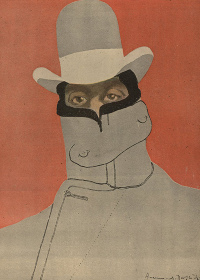
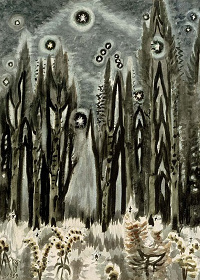
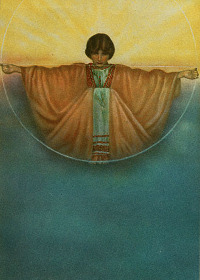
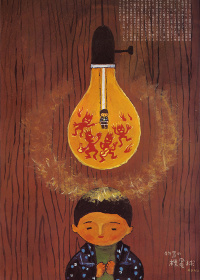
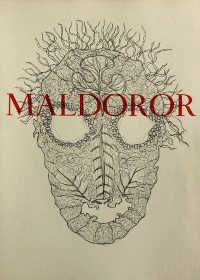
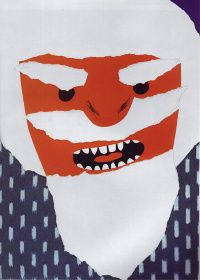
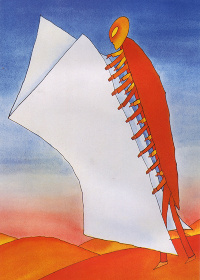
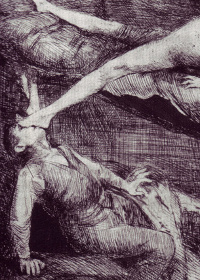
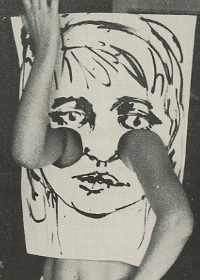
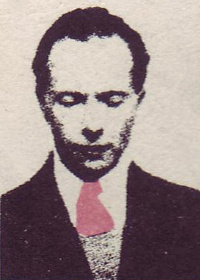
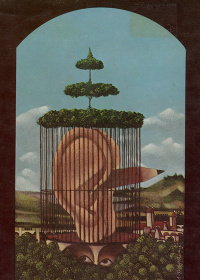
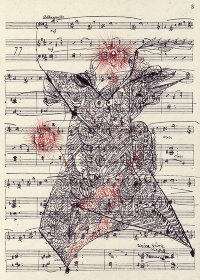
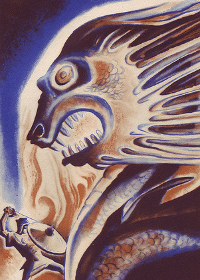
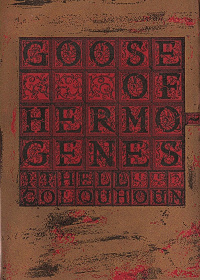
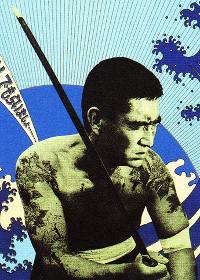
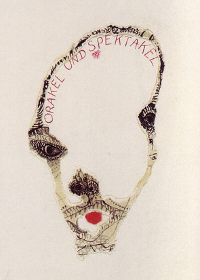
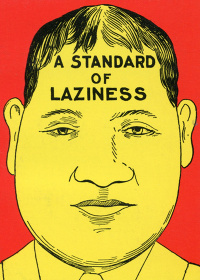
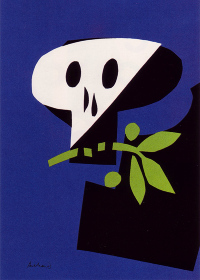
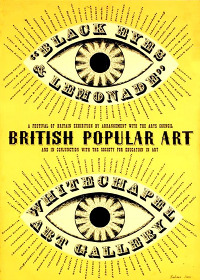
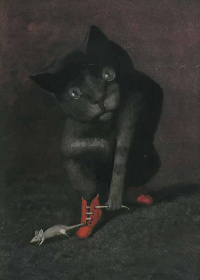
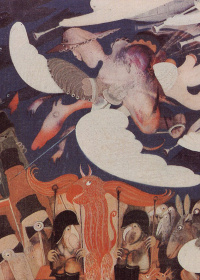
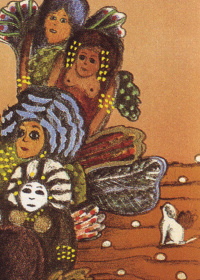
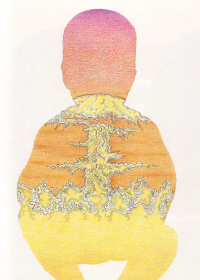
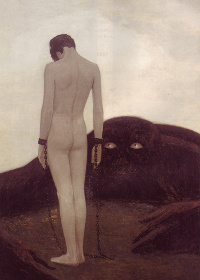
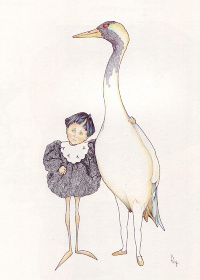
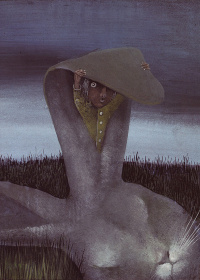
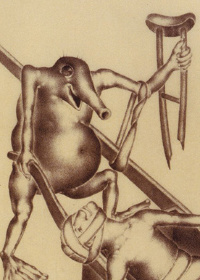
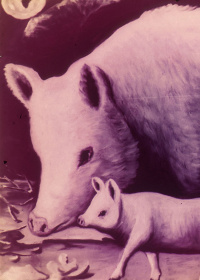
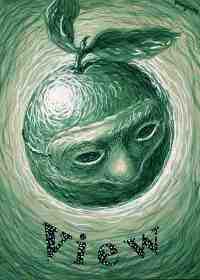
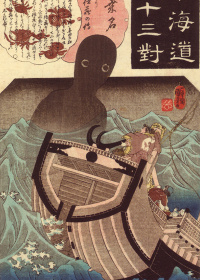
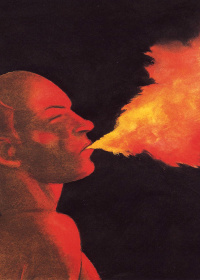
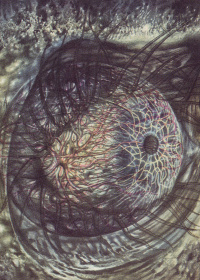
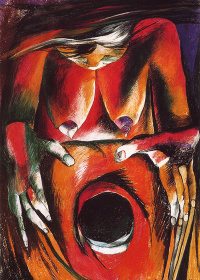
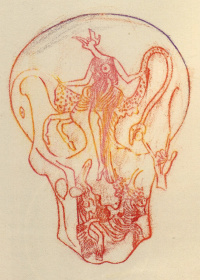
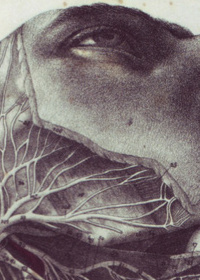
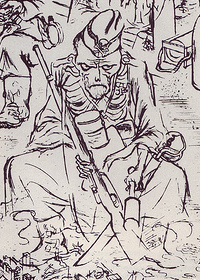
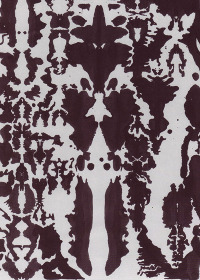
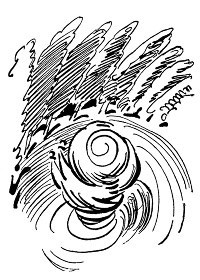
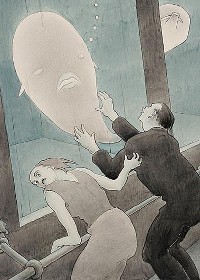
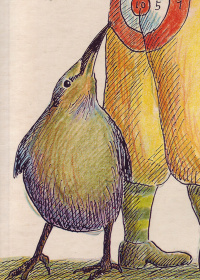
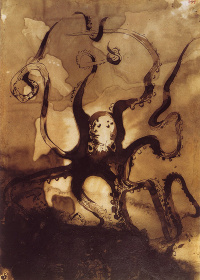
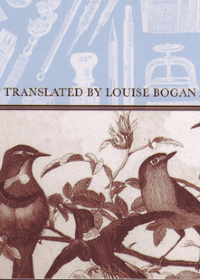
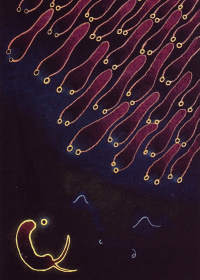
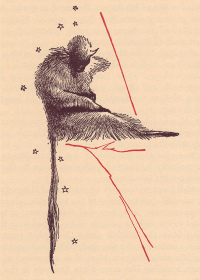
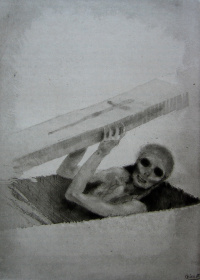
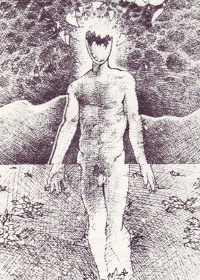
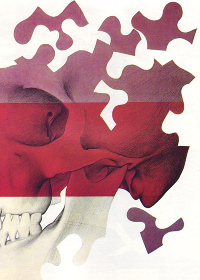
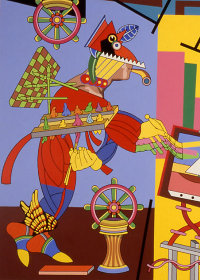
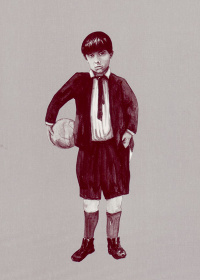
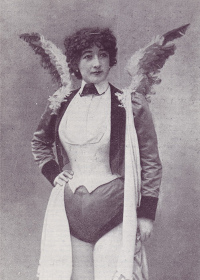
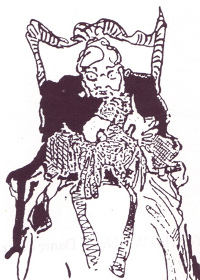
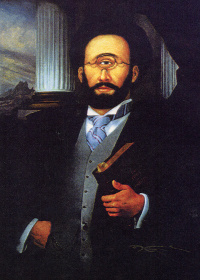
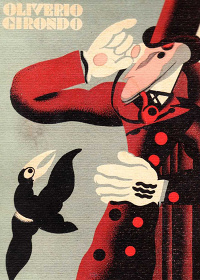
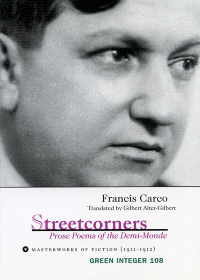
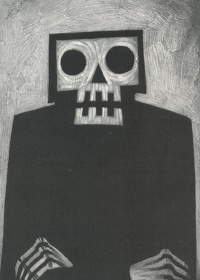
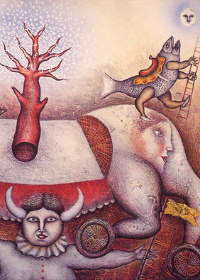
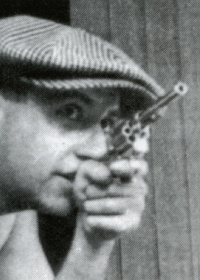
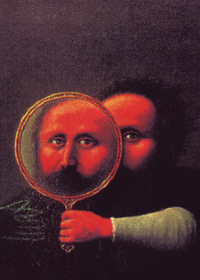
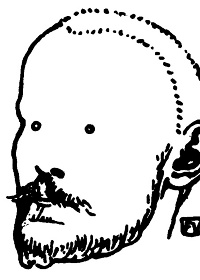
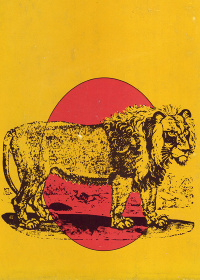
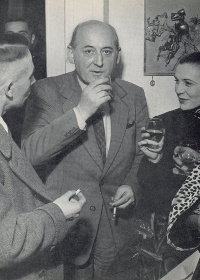
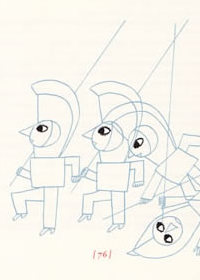
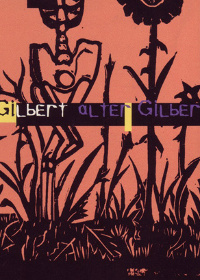
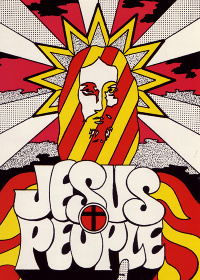
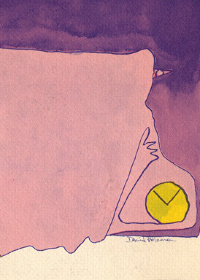
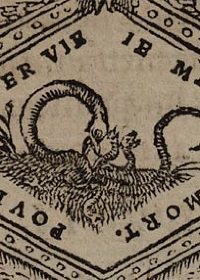
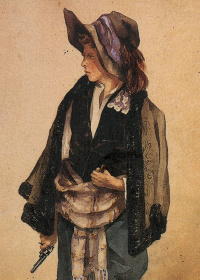
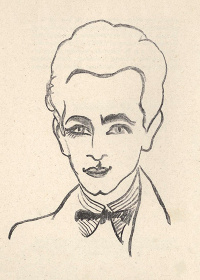
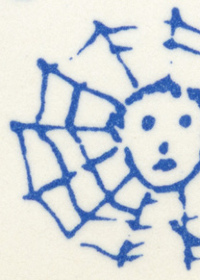
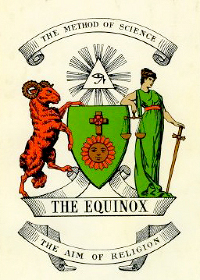
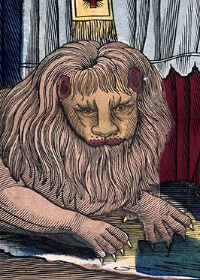
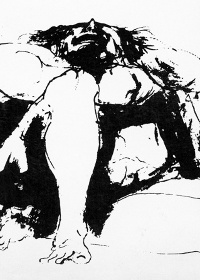
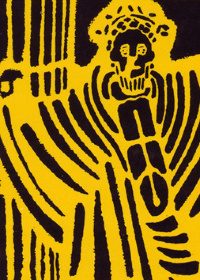
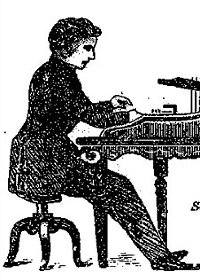
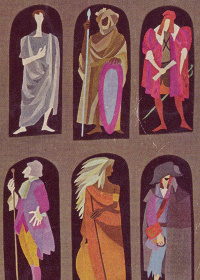
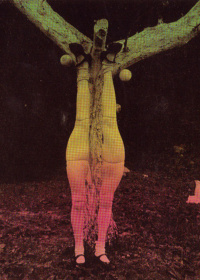
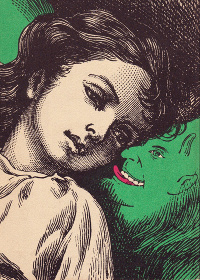
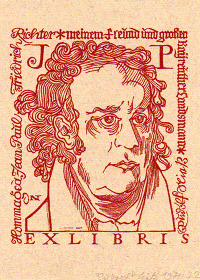
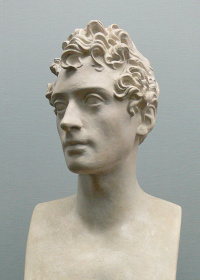
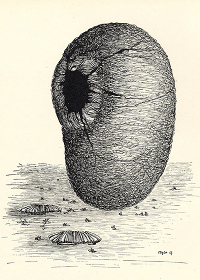
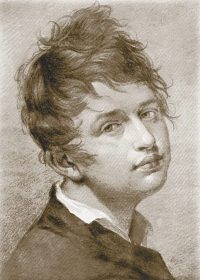
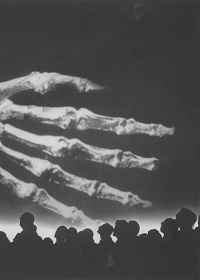
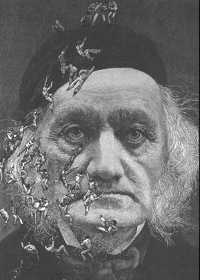
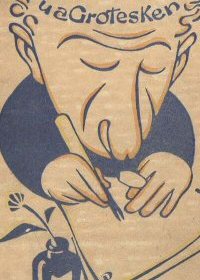
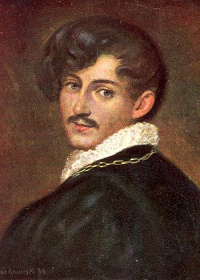
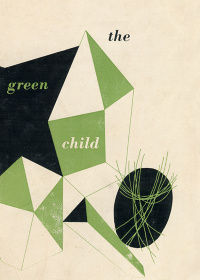
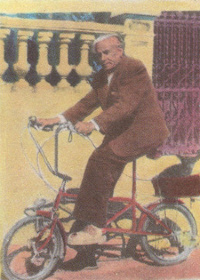
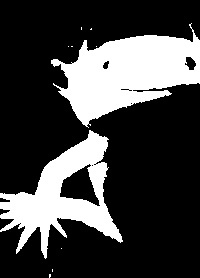
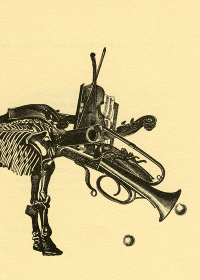
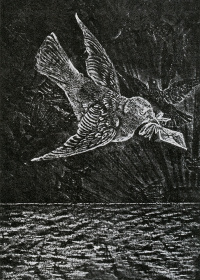
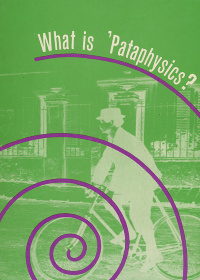
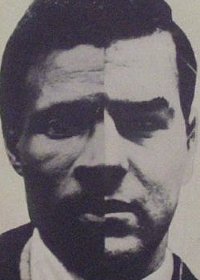
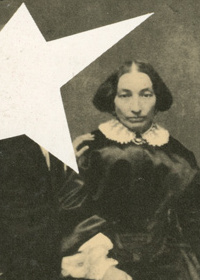
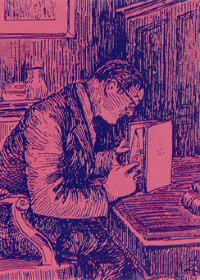
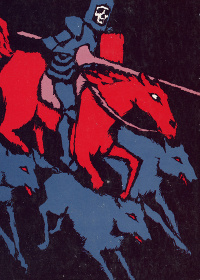
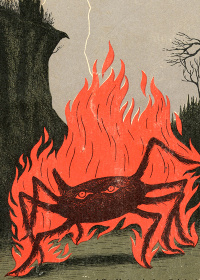
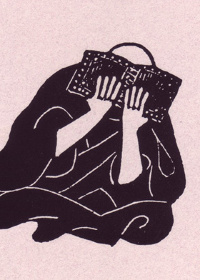
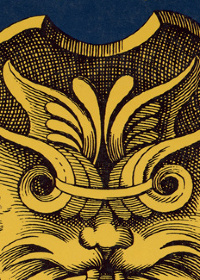
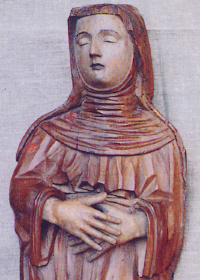
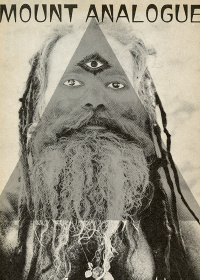
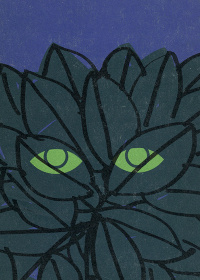
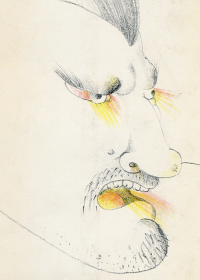
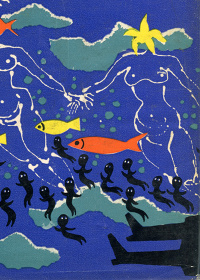
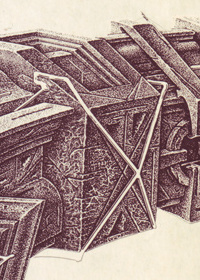
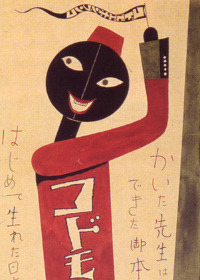
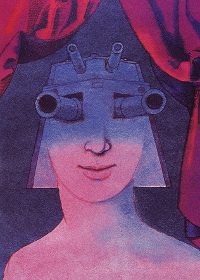
Four illustrations by Andrzej Strumiłło for Robert Stiller's Narzeczony z morza (Poland, 1971). (It's a children's book, which may not be so obvious.) Google Translate tells me this means Fiancee of the Sea. [Update: a commenter suggested a better translation would be Fiancé from the Sea, which makes more sense.]
Narzeczony z morza won a Bratislava BIB award in 1971. The book was not translated into English, and as far as I can tell Strumiłło's work has never appeared in US or UK books.
I drudged up some information on the artist.
From notes for a recent project:
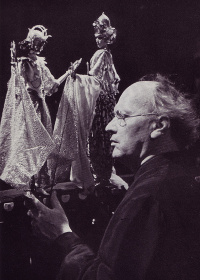
...artist Andrzej Strumiłło is a famous and versatile Polish artist and activist of culture. His works include painting, graphics, sculpture, photography, book design, theatre art, and poetry. He is known as an active proponent of culture, traveller, collector, and breeder of Arabian horses. He was born in Vilnius (1928) and has visited many places of the world, mostly Asian regions. For several decades he has resided in Poland, a distant homestead in Mačkova Ruda in the region of Suwałki. The artist states that his roots are there -- in the ethnic land of Lithuania -- where the history of the three countries, Poland, Lithuania, and Belarus, joins.
Wikipedia doesn't have a page for Strumiłło, but he's mentioned in the entry for Wróblewski:
Early in his career, towards the end of the 1940s, [Wróblewski] began to rebel against the dominant colorist style propagated in academic circles in Poland during this period and at the 1st Exhibition of Modern Art at Kraków in 1948 he was recognized as a painter exhibiting some original spatial forms. It was important to Wróblewski to indulge in art work that was contrary to popular techniques and style in Poland at the time, creating a Self-Teaching Art School as a unit of the Association of Polish Academic Youth at the Kraków Academy of Fine Arts for young inspired painters. Its first members included painters such as Przemysław Brykalski, Andrzej Strumiłło, and Andrzej Wajda. This was the first group in the history of Polish art to openly manifest against the aesthetics of colorism.
2004 review of Strumiłło's work:
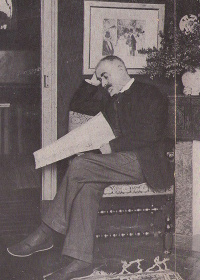
After losing his father and 'a lot of illusions' in World War II, Strumiłło studied with the well-known Polish modernist Wladyslaw Strzeminski. Early on he rebelled against Strzeminski's notion that art should be about itself by drawing his own knee, but he also writes that Strzeminski 'opened my eyes for the first time' and that later in life he feels closer to his mentor's 'white silence.'
Long interview with the artist (in Polish).
Signing off for the long weekend.
Don't let any large animals swallow you whole.