
(Find me at Bookers Buzz Books.)
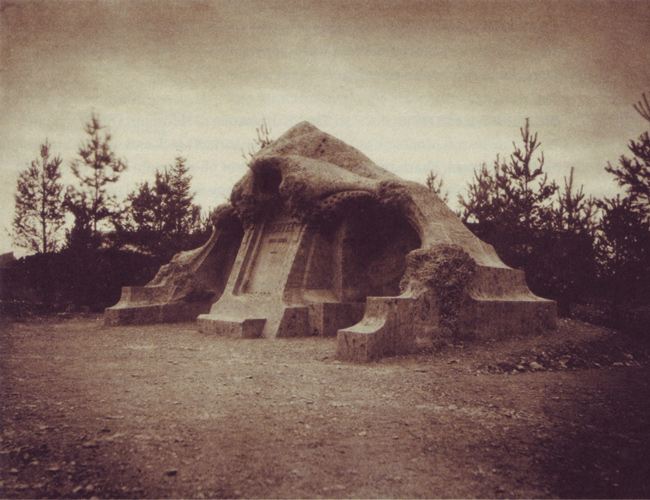
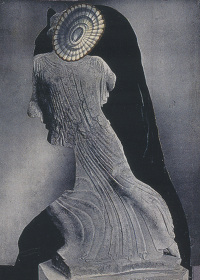
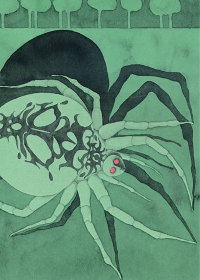
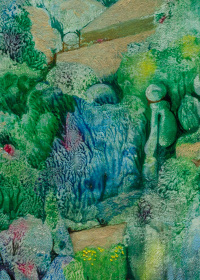
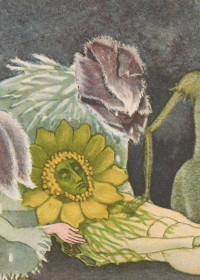
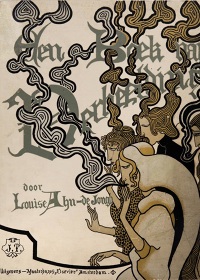
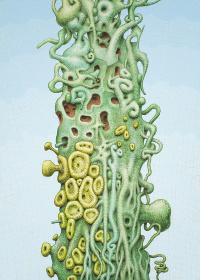
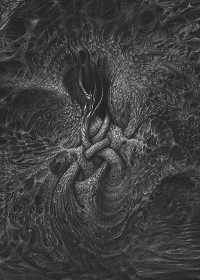
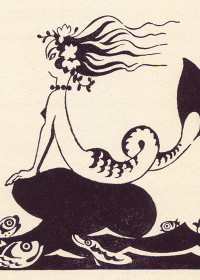
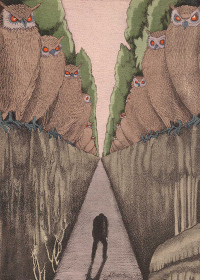
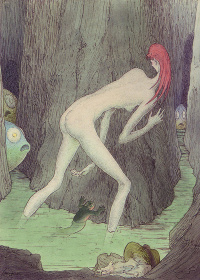
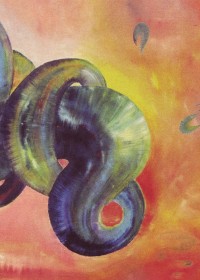
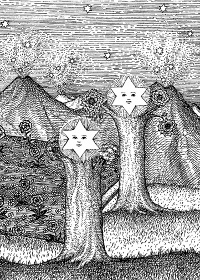
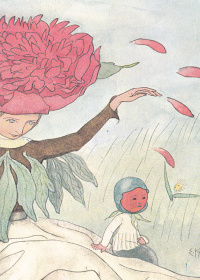
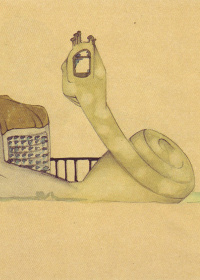
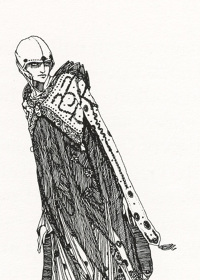
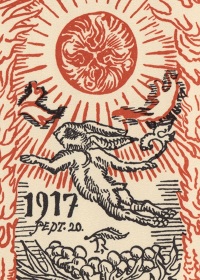
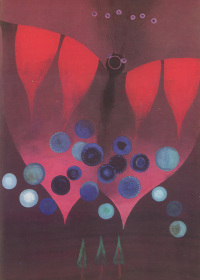
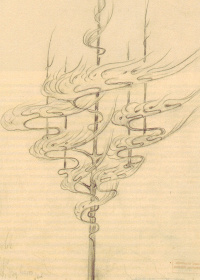
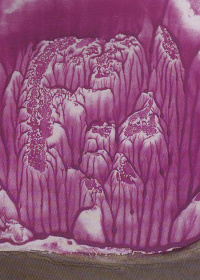
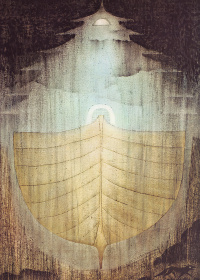
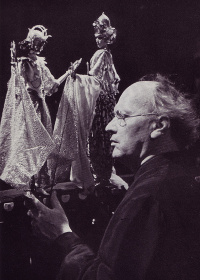
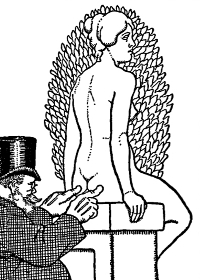
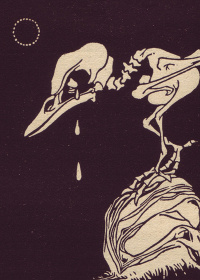
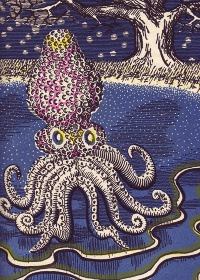
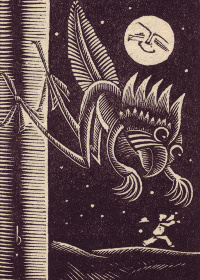
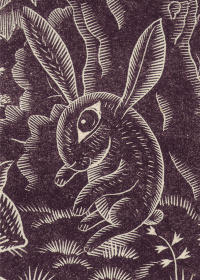
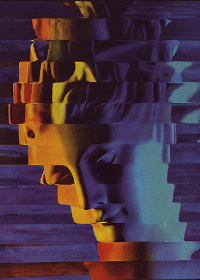
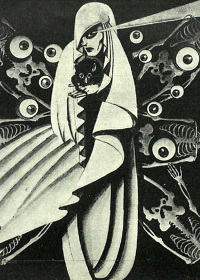
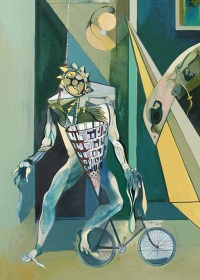
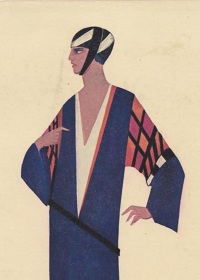
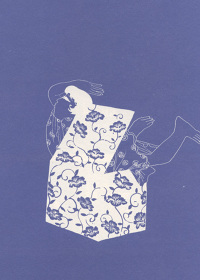
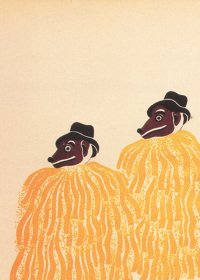
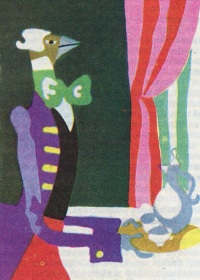
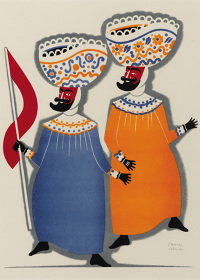
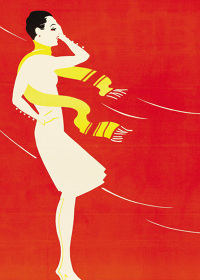
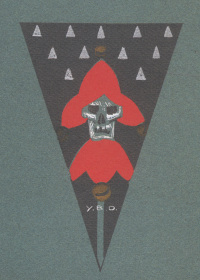
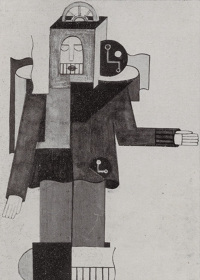
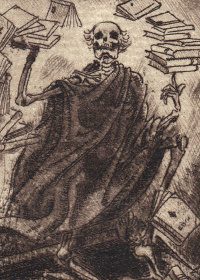
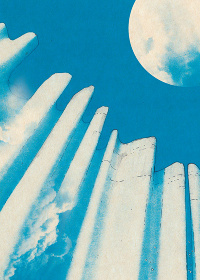
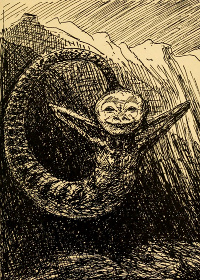
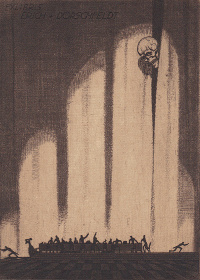
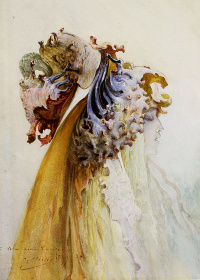
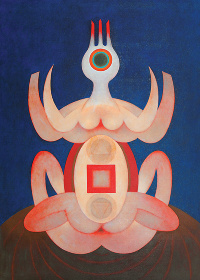
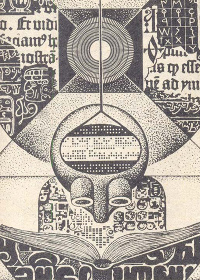
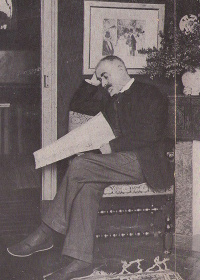
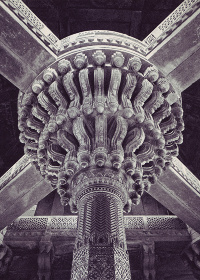
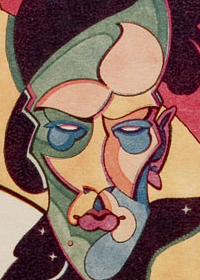
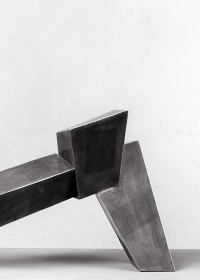
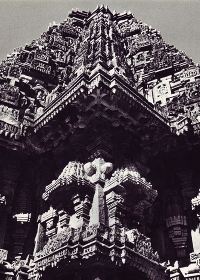
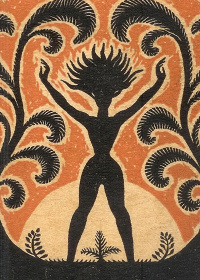
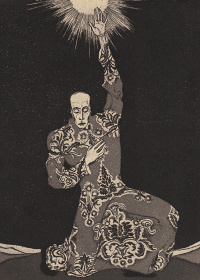
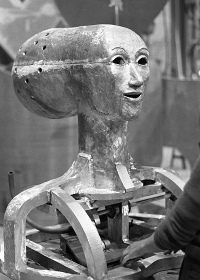
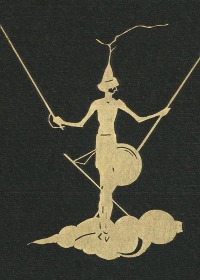
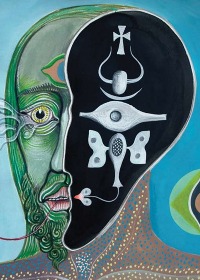
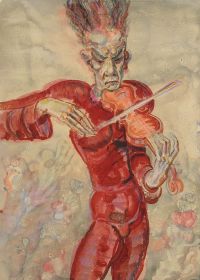
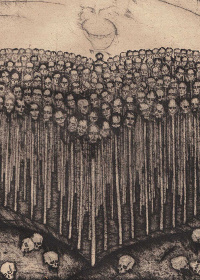
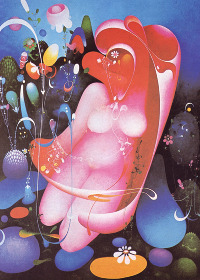
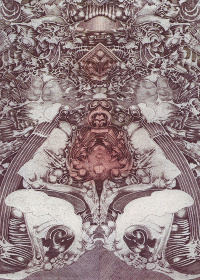
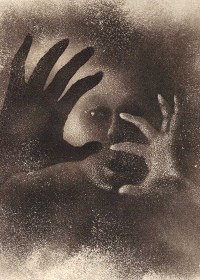
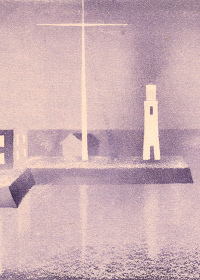
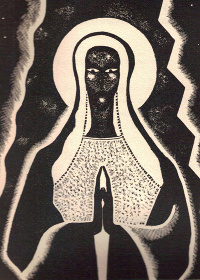
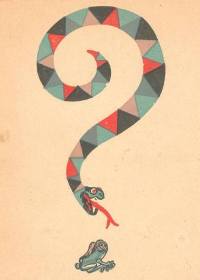
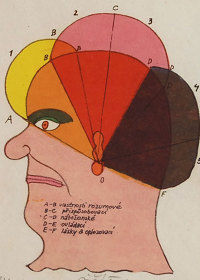
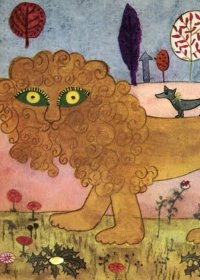
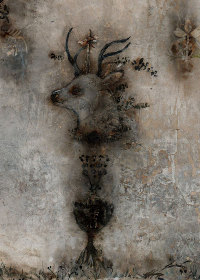
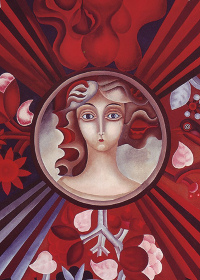
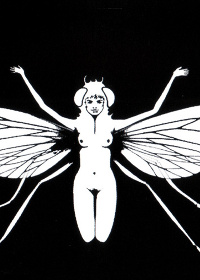
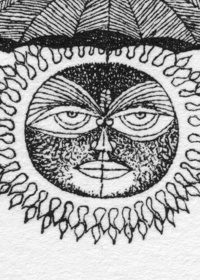
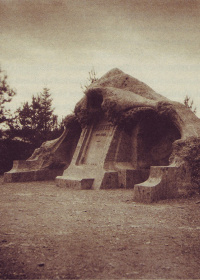
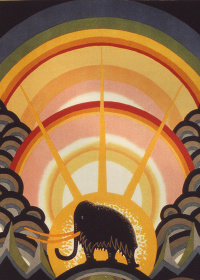
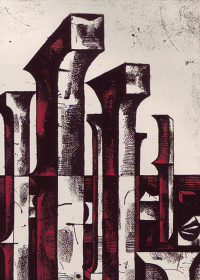
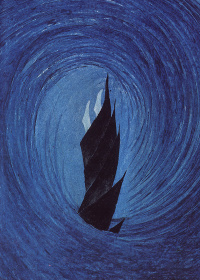
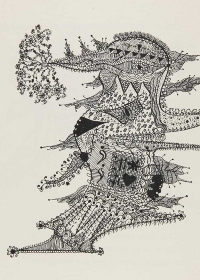
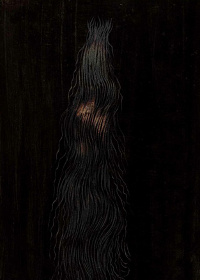
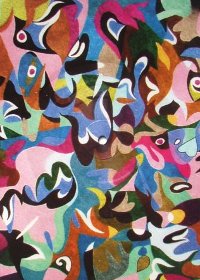
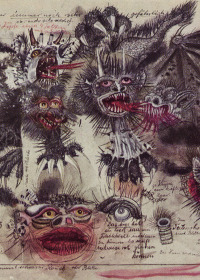
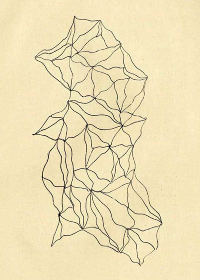
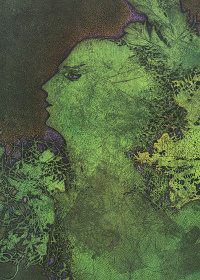
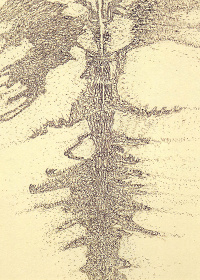
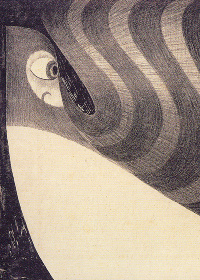
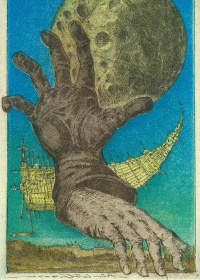
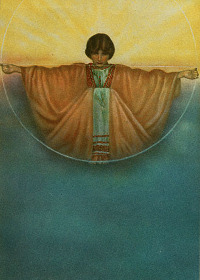
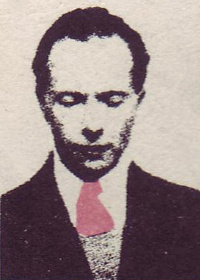
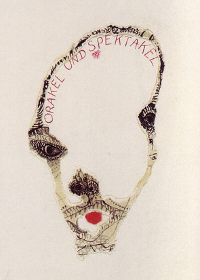
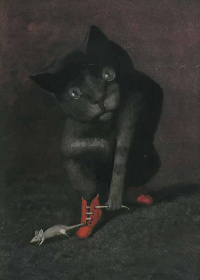
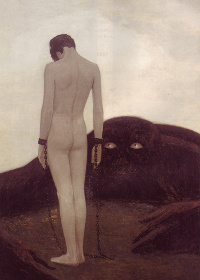
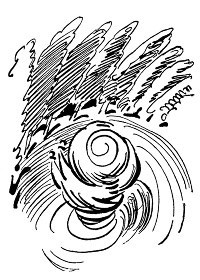
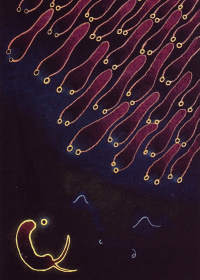
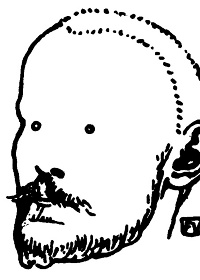
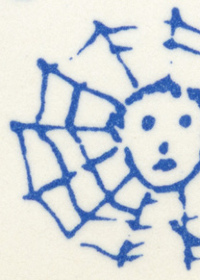
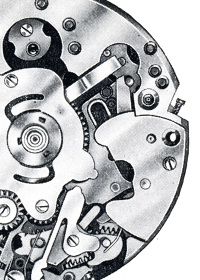
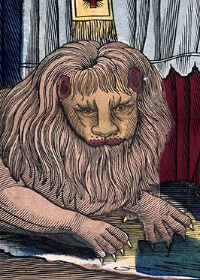
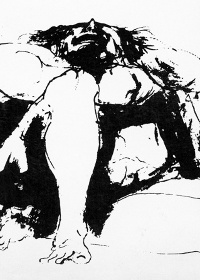
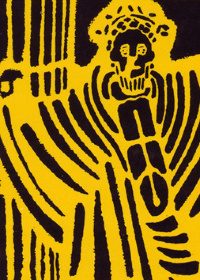
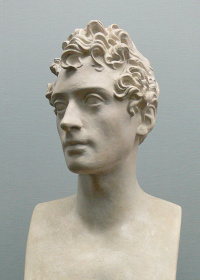
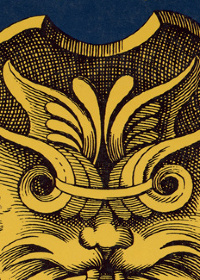
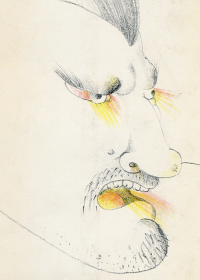
Hermann Obrist (1862 - 1927)
A review of Michael Ajvaz's The Other City
by Stephen Sparks
"Most men don’t see because they're all too accustomed to seeing."
—Marcel Bealu, The Experience of the Night
"Every genuine encounter is an encounter with a monster."
—Michal Ajvaz, The Other City
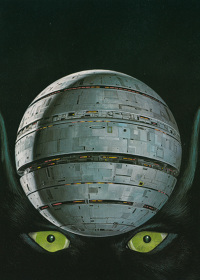
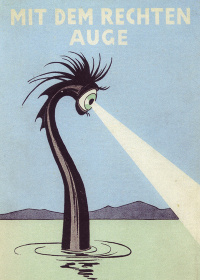
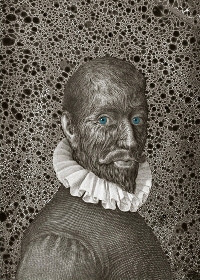
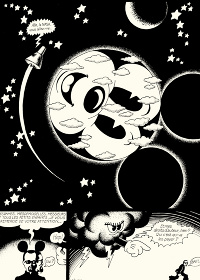
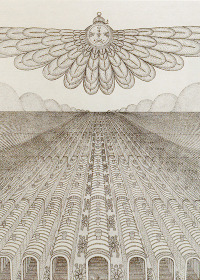
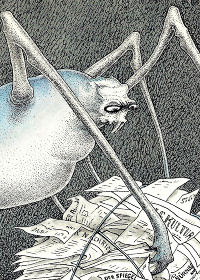
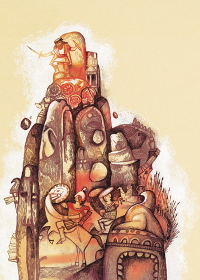
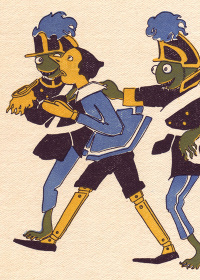
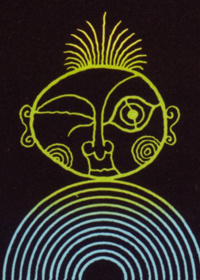
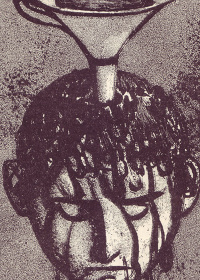
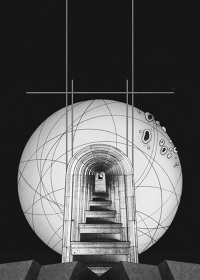
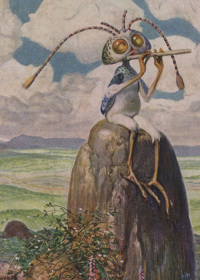
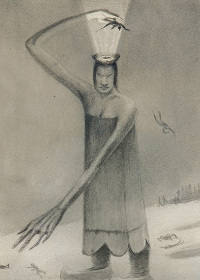
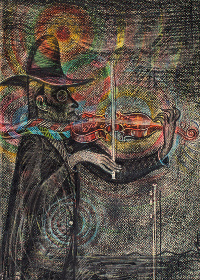
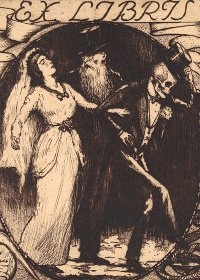
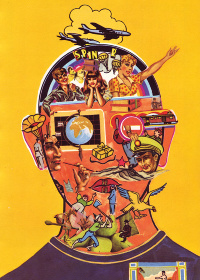
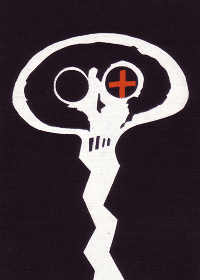
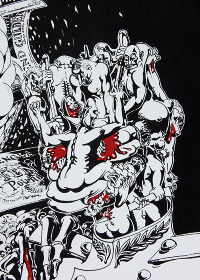
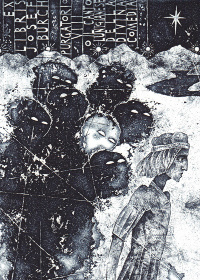
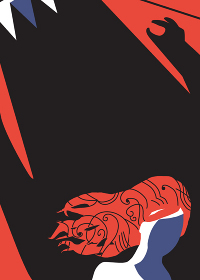
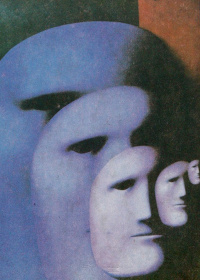
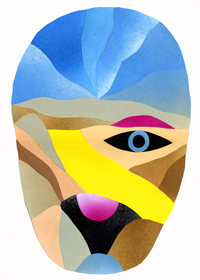
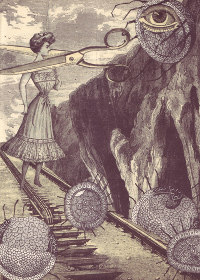
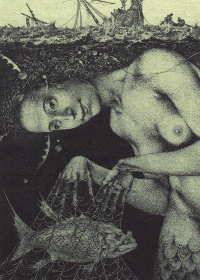
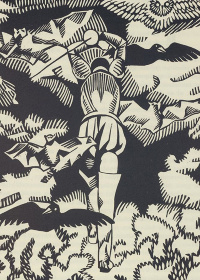
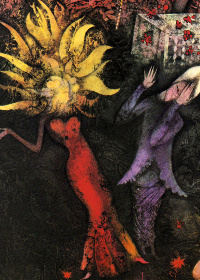
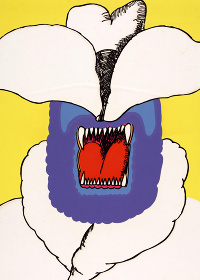
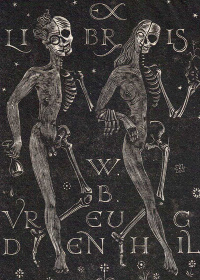
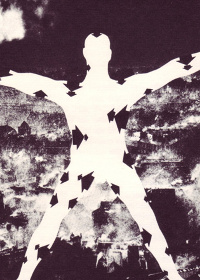
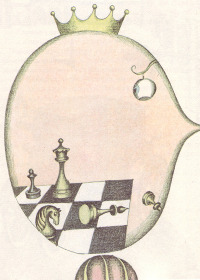
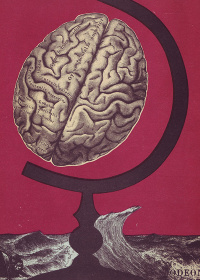
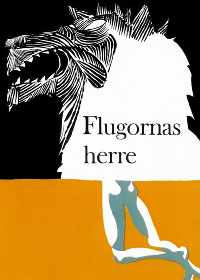
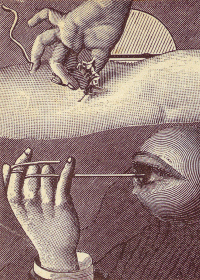
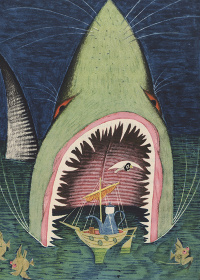
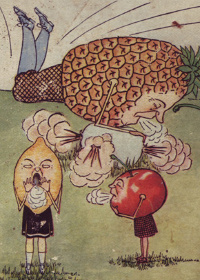
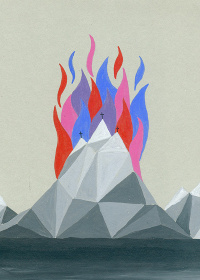
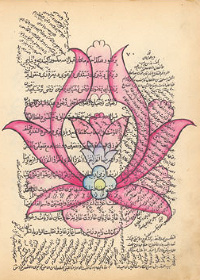
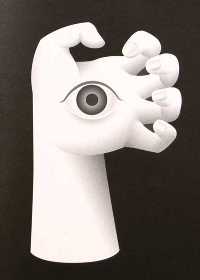
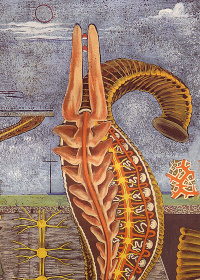
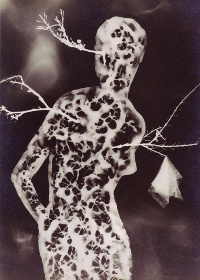
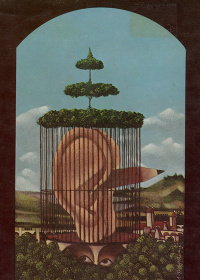
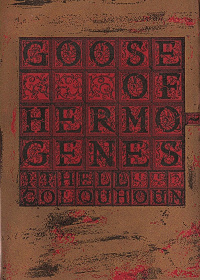
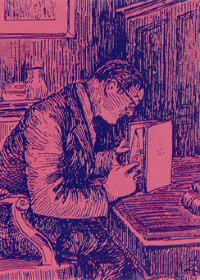
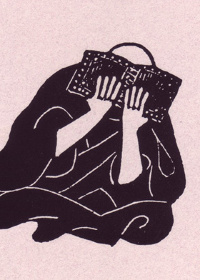
The Other City is a mesmerizing novel, written, like the purple-spined book at its heart, in a viral language capable of infecting even the most sober reader. It is a picture book without pictures, a rational hallucination, parts fairytale and allegory on reading, and an imaginative treatise on seeing. It is a bulging suitcase of a book, crammed with the laundry of several traditions; yet it wears this threadbare suit so that it looks new. (The tears have been sewn and a little water rubbed on its worn patches makes it shine.) It shares an affinity with Borges' dizzying metaphysical speculations, Calvino's apparent lightness of approach (draped over elaborate structures), the dream logic of the Surrealists—particularly that of their precursor Marcel Bealu in his Experience of the Night, and a more than titular similarity with Alfred Kubin's The Other Side.
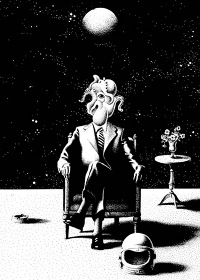
To call The Other City strange is warranted, but the imprecision of the adjective leaves something to be desired. Perhaps more suitable would be to call the novel estranging in its ability to, among other things, (re)turn the reader's gaze to the liminal spaces of our too-narrow world. Ajvaz's wandering narrator crawls into shadowy corners, dusty undersides, unkempt closets, and continual threat in a quest for an alien center that perpetually recedes from his view, certain that "The frontier of our world is not far away; it doesn’t run along the horizon or in the depths. It glimmers faintly close by, in the twilight of the nearest surroundings; out of the corner of our eye we can always glimpse another world, without realizing it."
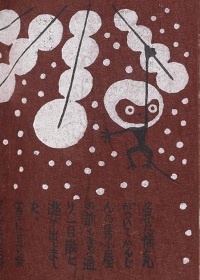
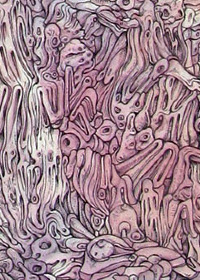
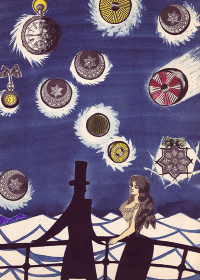
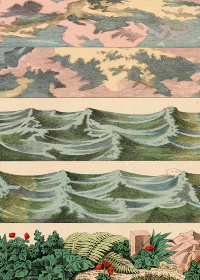
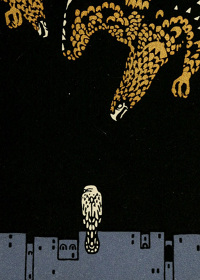
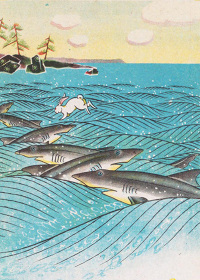
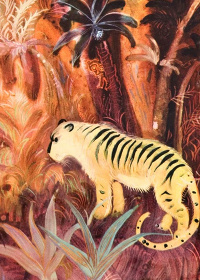
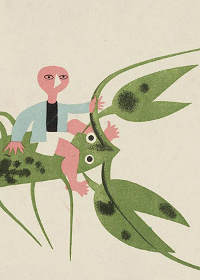
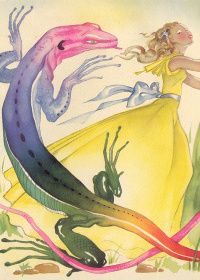
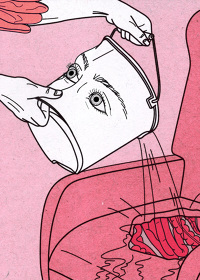
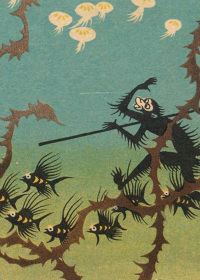
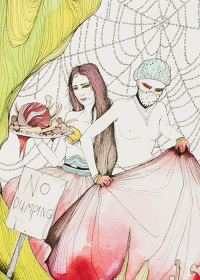
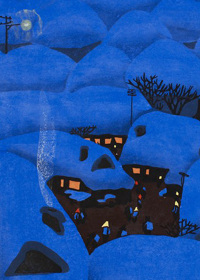
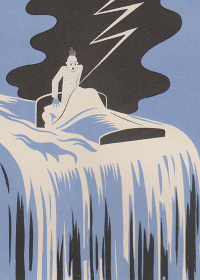
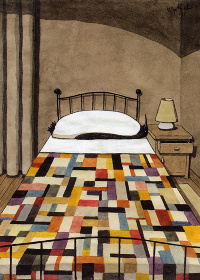
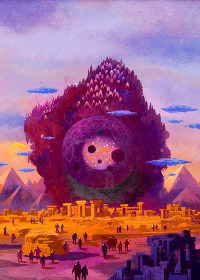
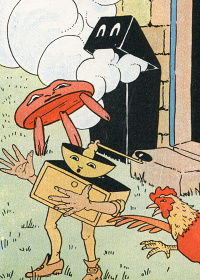
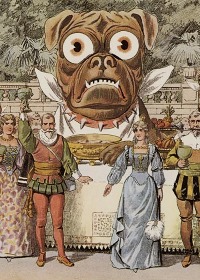
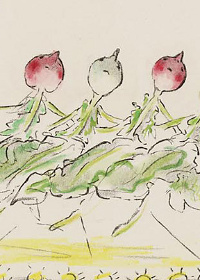
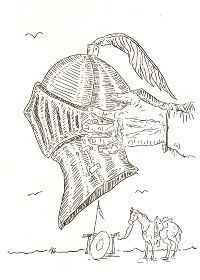
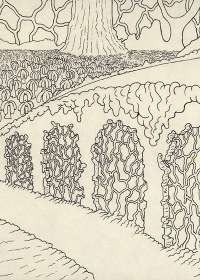
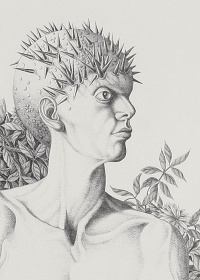
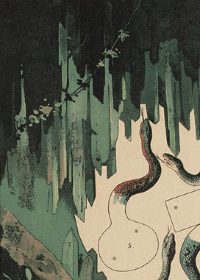
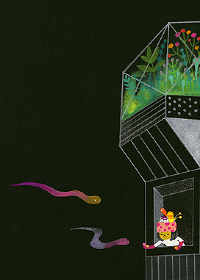
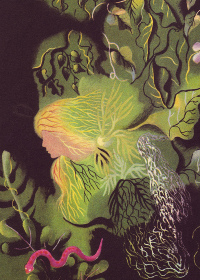
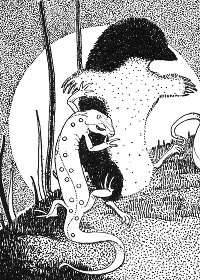
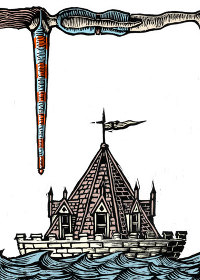
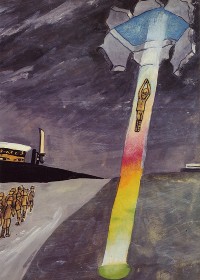
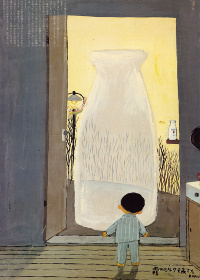
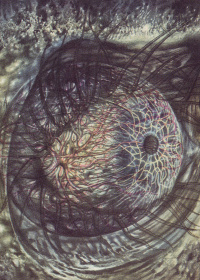
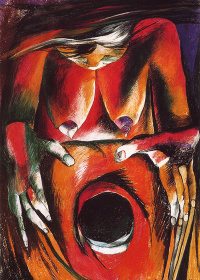
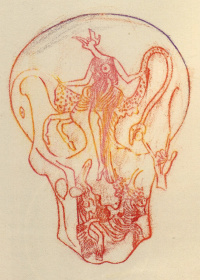
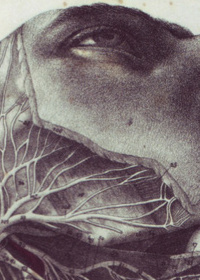
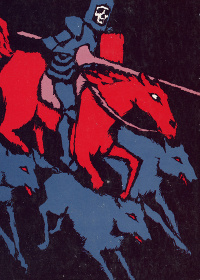
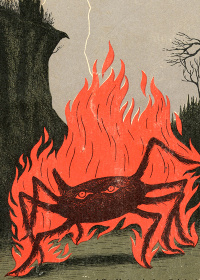
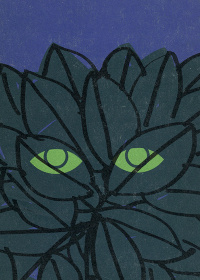
To continue to conjecture over Ajvaz's aim is to turn into a chore the recollection of this visually stunning, labyrinthine novel. A partial inventory of its images reveals its richness: a tsunami wave waiting just outside a window; glass statues in which fluorescent fish battle; the pages of a book turning to lead as a reader turns them; a cruise ship silently plowing through the snowy streets of Prague; a comforter stretching into a convoluted plain (of course!); and the truly astonishing metamorphosis of a library into a jungle….
A quotation suffices where I fail:
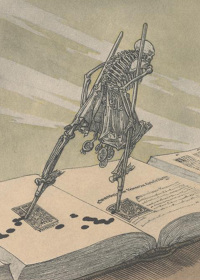
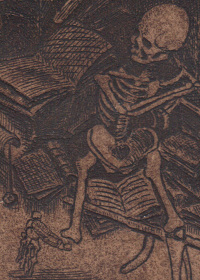
"I entered one of the narrow aisles. For a while I proceeded in darkness, which was illuminated here and there by the glow of putrefying books. I switched on my torch and let the beam wander over the bookshelves. In the damp air the pages of books curled, swelled, frayed and turned to pulp, expanding and forcing the bindings outwards, tearing them and squeezing out through the holes…. What was most nauseating in these stuffy and fetid surroundings was not the realization that a strange accidental calamity was occurring with the rampant nature devouring the fruits of the human spirit; what gave rise to increasing anxiety was rather the fact that the dreamlike transformation of books into dangerous and unemotional vegetation laid bare the malignant disease secretly festering in every book and every sign created by humans. I read somewhere that books treat solely of other books and that signs likewise refer to other signs; that a book has nothing to do with reality, but instead reality itself is a book since it is created by language. What was depressing about that doctrine was that it allowed reality to be hidden by our signs."
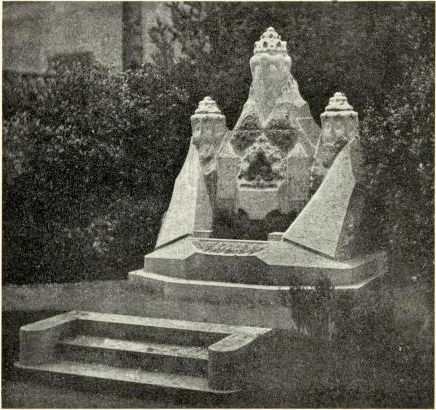
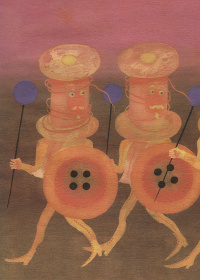
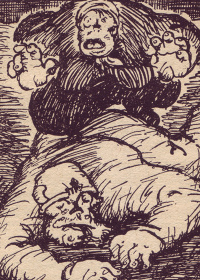
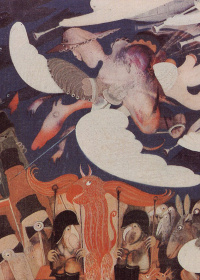
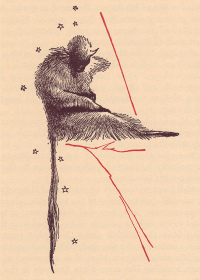
Hermann Obrist (1862 - 1927)
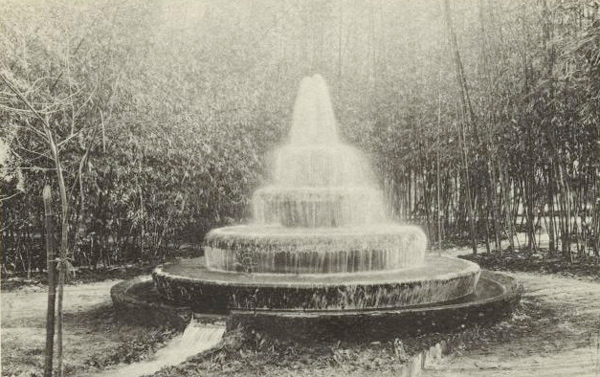
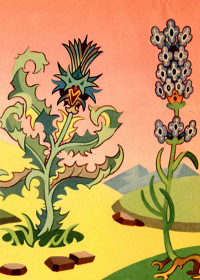
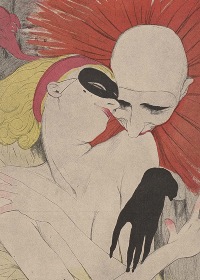
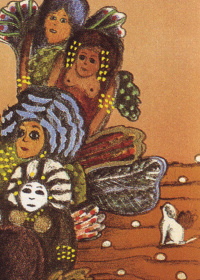
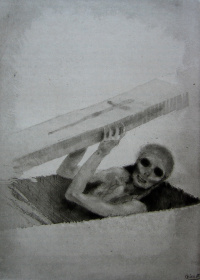
Hermann Obrist (1862 - 1927)
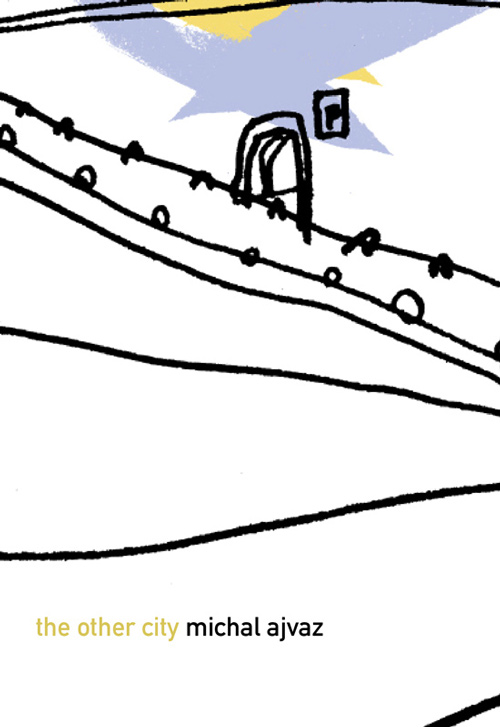
Buy the book (Amazon; Dalkey)
I previously featured an excerpt from this book.
9/2011 update: Dalkey has now published another book by Ajvaz: The Golden Age
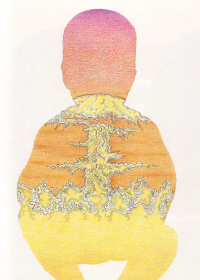
I later did a big post on Hermann Obrist.
Stephen Sparks is now one of my co-conspirators on Writers No One Reads