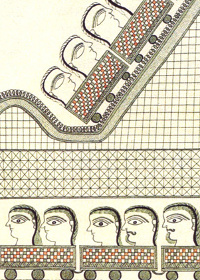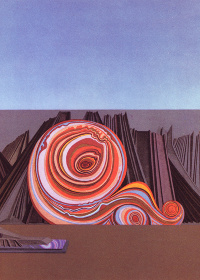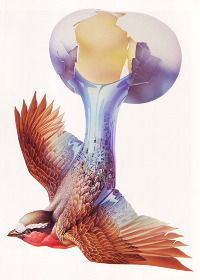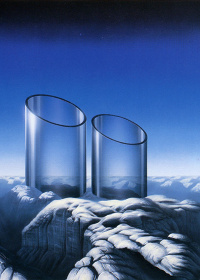

Go forth and picture this - Hermann Obrist's Superior Mirage
(Find me at Bookers Buzz Books.)
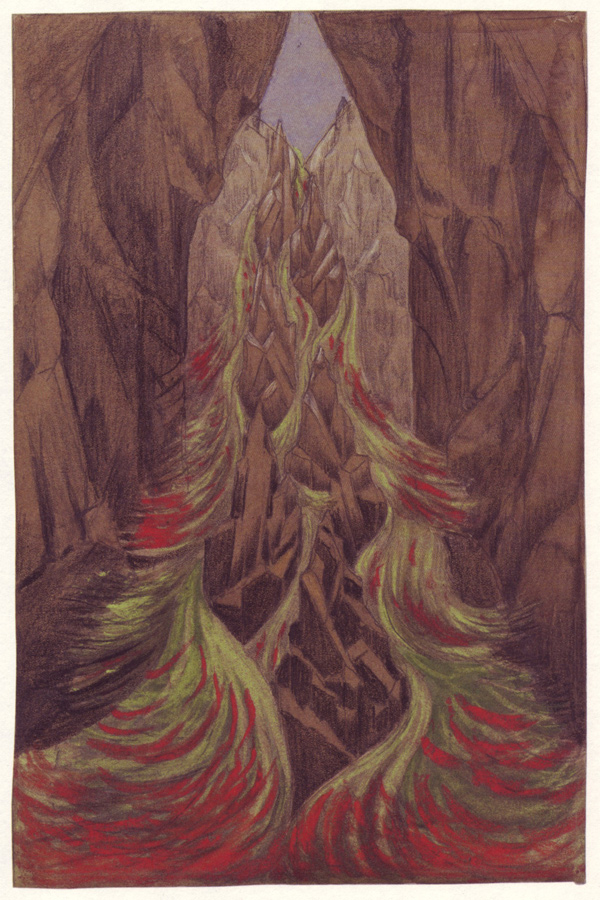
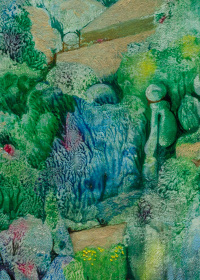
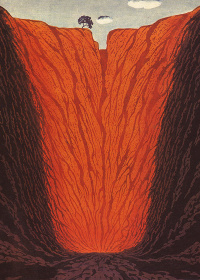
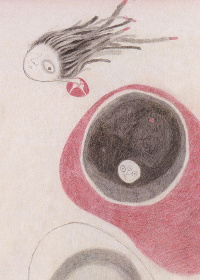
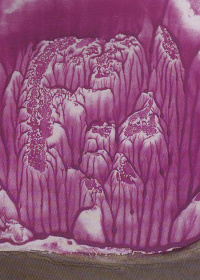
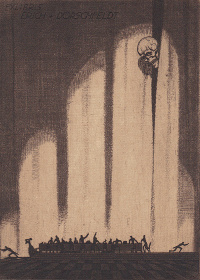
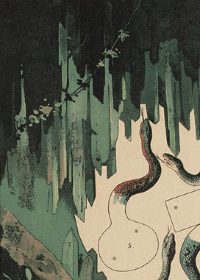
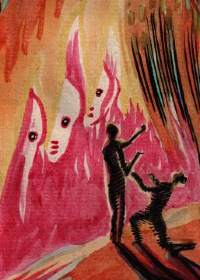
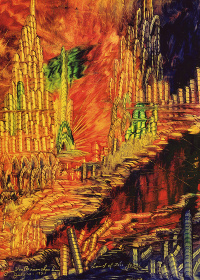
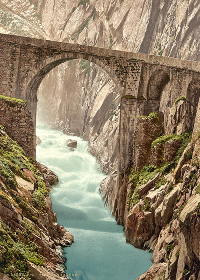
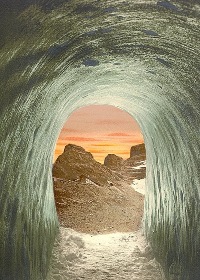
Hermann Obrist, Grotto with blazing river II, ca. 1900 (pencil, watercolor, colored chalk)
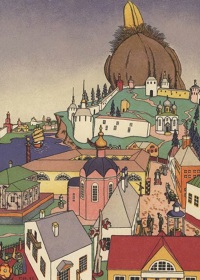
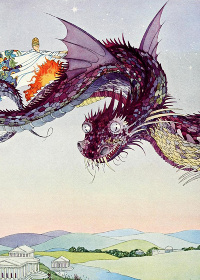
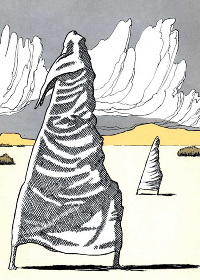
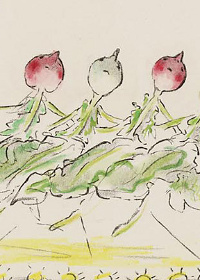
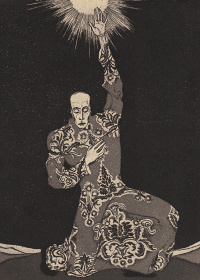
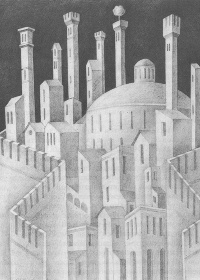
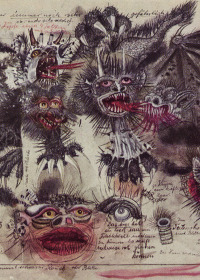
"On 6th May 1886, he was walking lost in thought on a sunny hillside at some distance from the city. He was holding a specimen of Silene nutaus in his hand and was pondering the reason for this flowering calyx when he was overcome by faintness. He looked up and into the distance. And at that very moment, far away on the other side of the river Neckar, a fata morgana appeared, just like in the desert. Except that what he saw did not mirror any reality, but instead was a clear vision of a strange, unknown city with towers and temple-like buildings and buildings such as he had never before seen, and never again would see to this day, whether in real life or in pictures. The city seemed to be translucent and was perpetually in motion, disappearing and then reappearing. Houses materialized, affording him a view of a wondrous interior, which to this day he has been unable to reproduce. A large square appeared and with it a fountain with a roof resting on ruby-red columns entwined in fantastical wrought-iron work. In the highest degree romantic and utterly strange. Slowly, the fata morgana vanished, whereupon the visionary lay down on the warm grass and slept for a long time in the blazing hot sun. When he awoke, he knew everything. Yet he returned to work and breathed not a word of it to anyone for fear of being deemed insane."
[...]
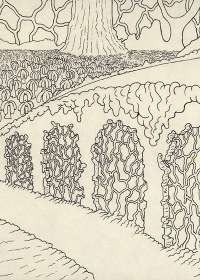
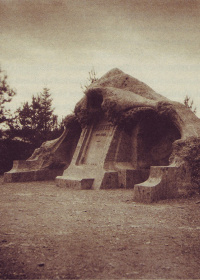
"Suddenly, and for the second time, a distant vision appeared before his eyes. It was again a city, but a completely new one. And he could again see into the houses, where he glimpsed the most exquisite woodwork interiors. He saw magnificent gardens with incredibly beautiful fountains and springs. He also espied a wooded cemetery with tombstones made for giants. Nothing he saw was in any way reminiscent of the many styles he would later encounter on his travels. Making a clearer than ever mental note of what he had just seen, he hurriedly drew sketches which he still feasts on to this day; and a voice inside him called out to him for the first time and said: Leave your studies; go forth and picture this."
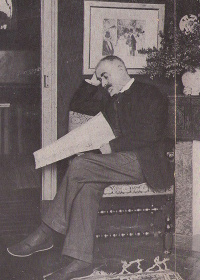
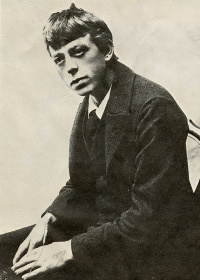
—From "A Happy Life" by Hermann Obrist. The text and images in this post come from Hermann Obrist: Sculpture, Space, Abstraction around 1900. Obrist's third-person memoir, written in the last years of his life, was not published at the time. (See more info about the book at the bottom of this post.)
I might adopt "in the highest degree romantic and utterly strange" as my blog description.
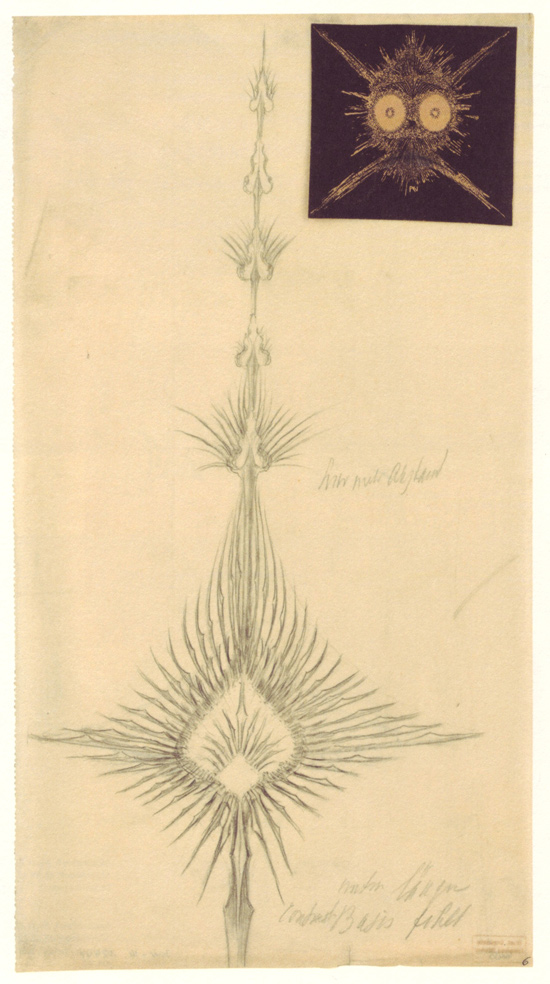
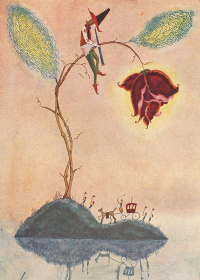
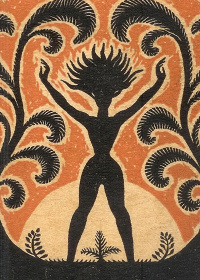
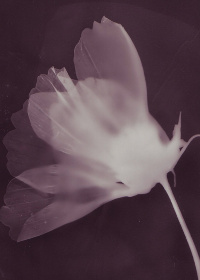
Hermann Obrist, Magic Flower, ca. 1900 (pencil on tracing paper)
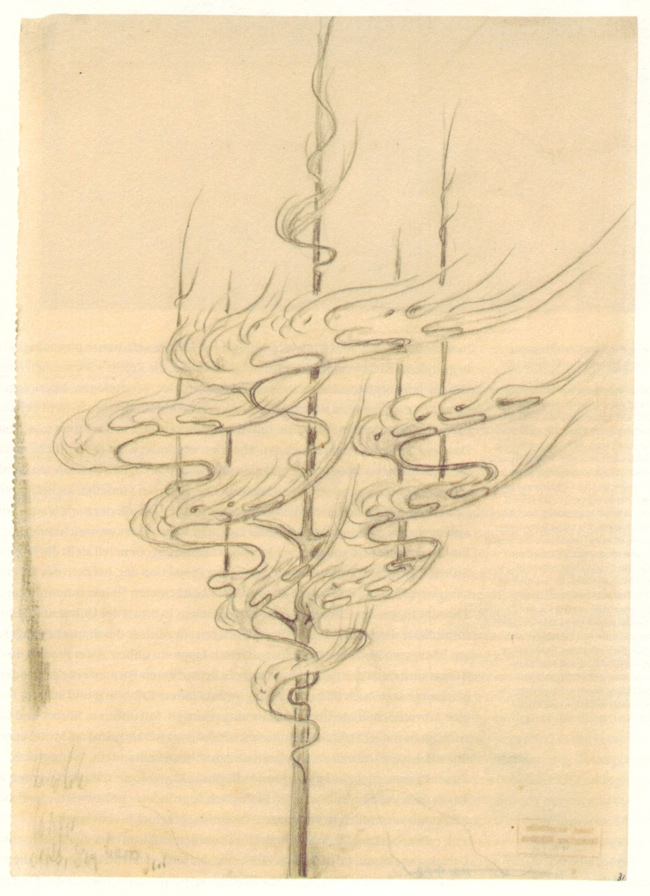
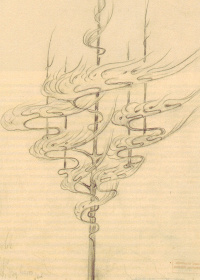
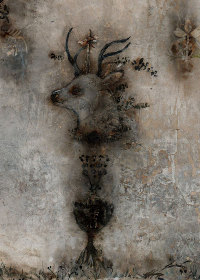
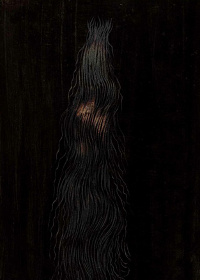
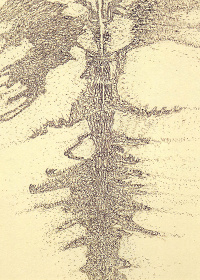
Hermann Obrist, Smoldering plant, ca. 1900 (pencil and charcoal)
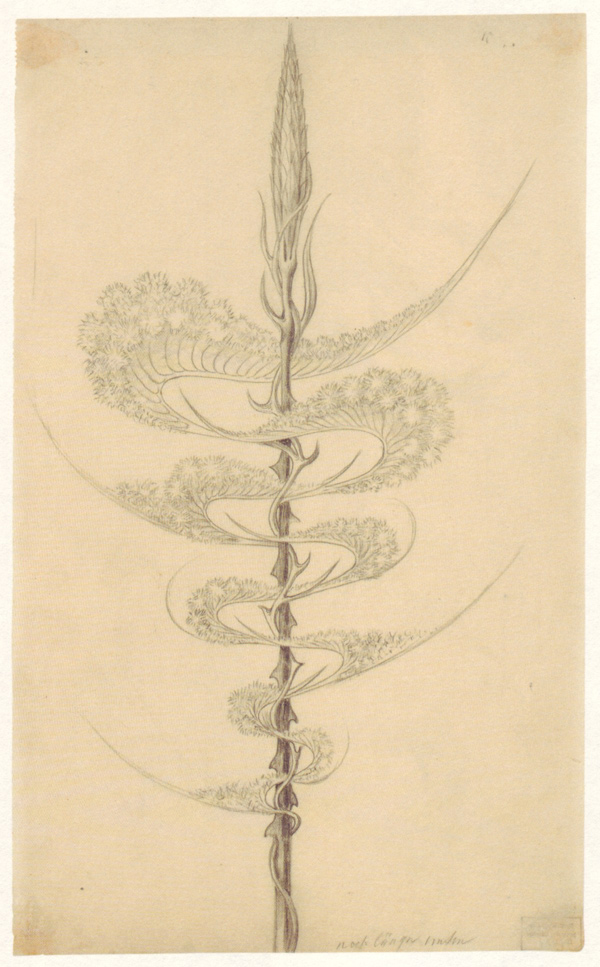
Hermann Obrist, Thorny stalk with bud, ca. 1900 (pencil on tracing paper)
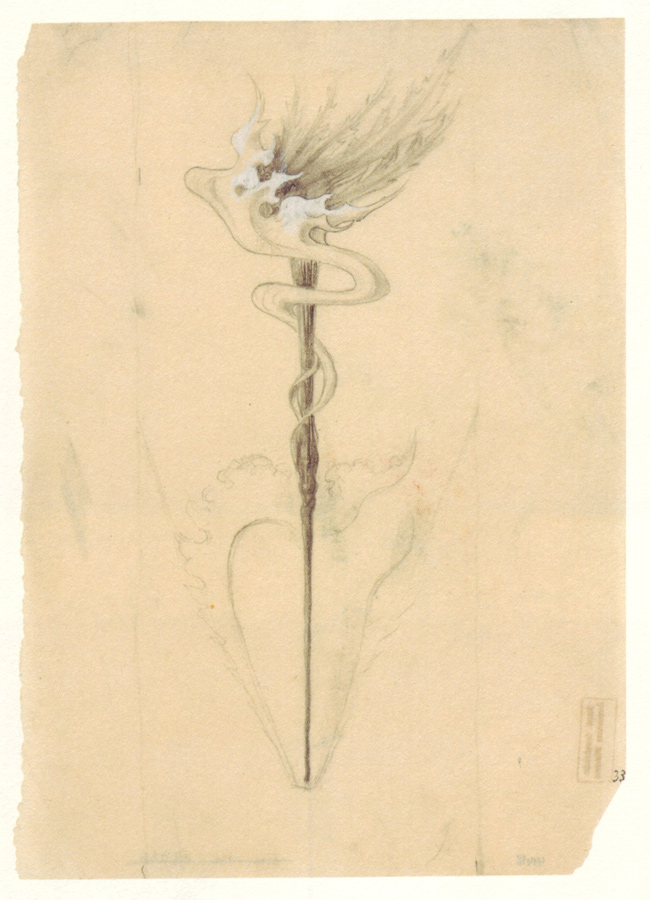
Hermann Obrist, Fantasy flower, ca. 1896 (pencil, chalk, white gouache on tracing paper)
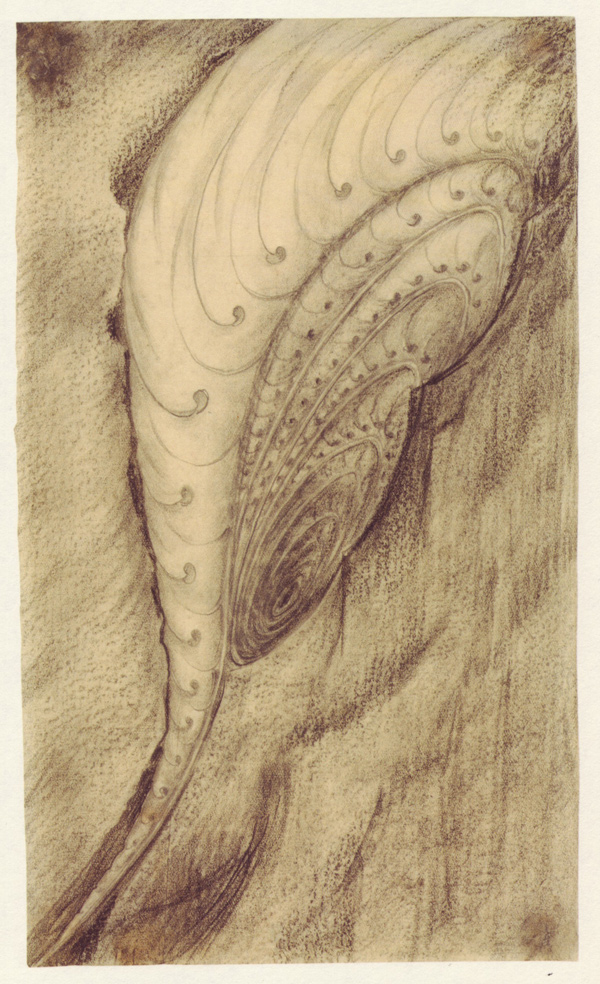
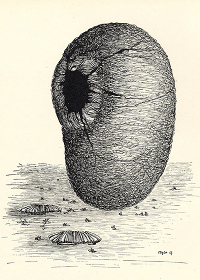
Hermann Obrist, Fantasy shell, ca. 1895 (charcoal and pencil)
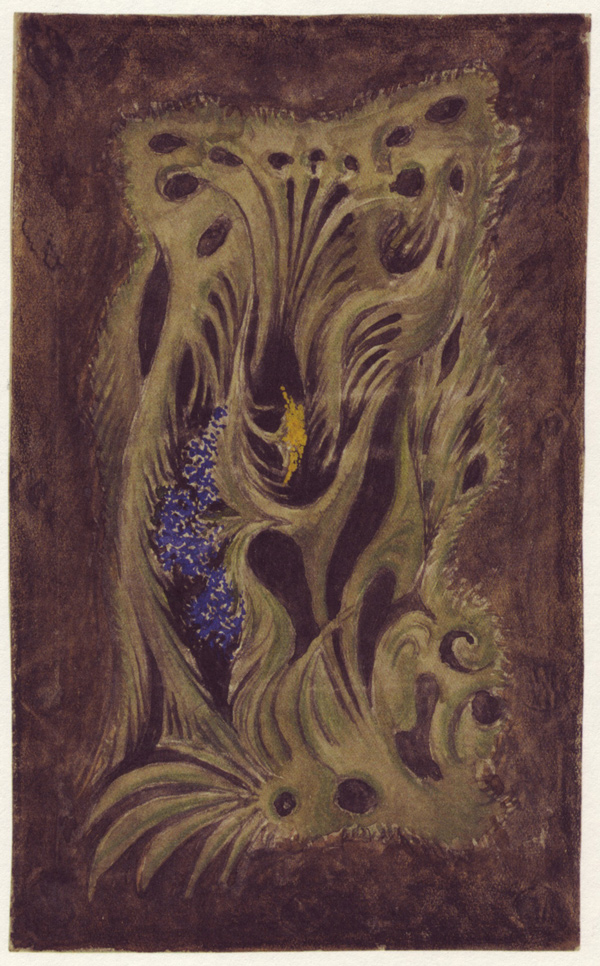
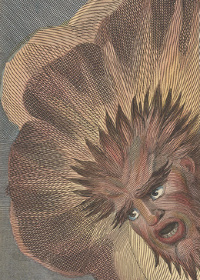
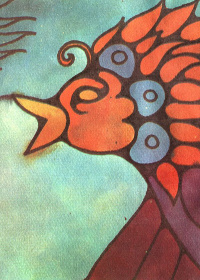
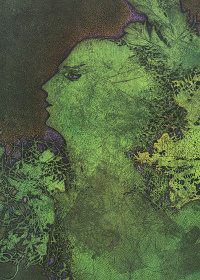
Hermann Obrist, Feathery foliage, ca. 1900 (pencil, watercolor, gouache)
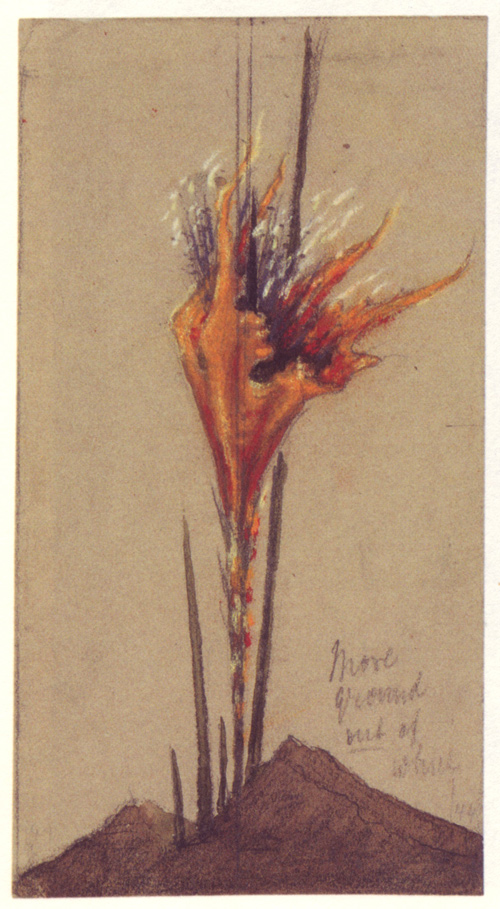
Hermann Obrist, Fire Flower II, ca. 1900 (pastel, pencil on tinted paper)
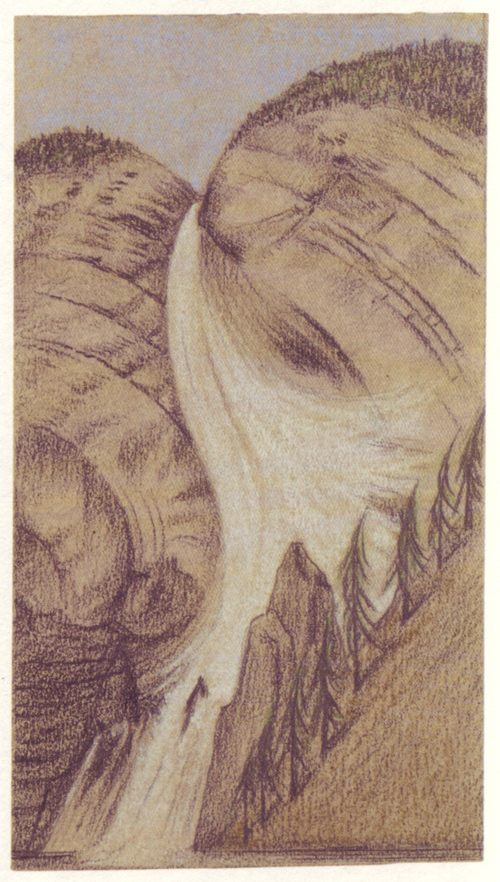
Hermann Obrist, Waterfall in the Mountains, ca. 1900 (pencil, chalk on grey-brown paper)
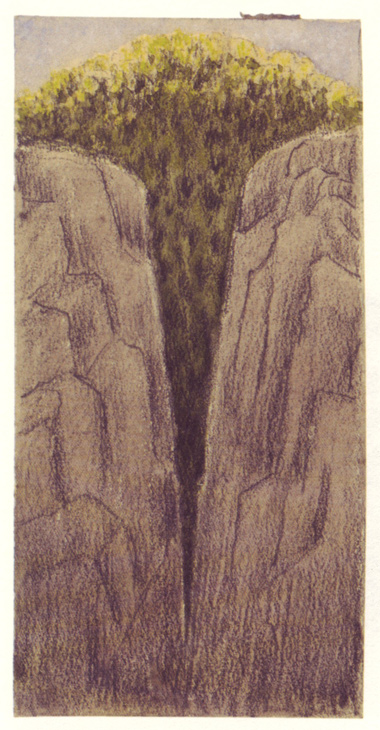
Hermann Obrist, Forest gorge, ca. 1900 (pencil and watercolor)
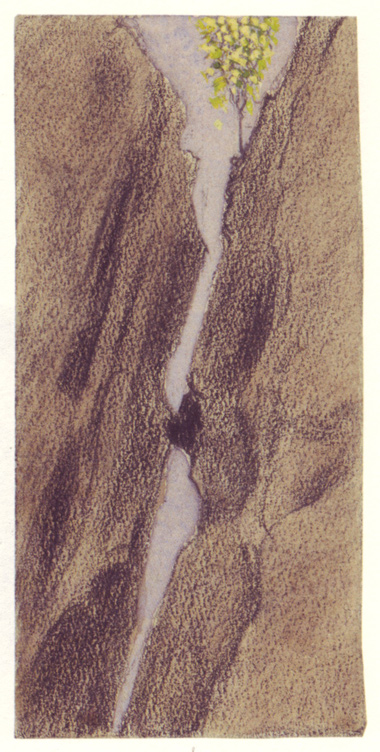
Hermann Obrist, Tree on a cliff, ca. 1900 (pencil, watercolor, gouache)
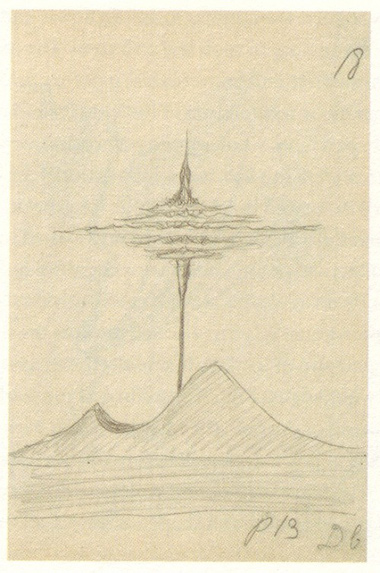
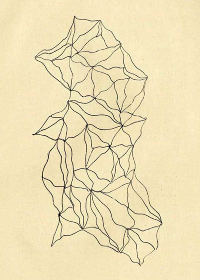
Hermann Obrist, sketchbook, ca. 1900 (pencil)
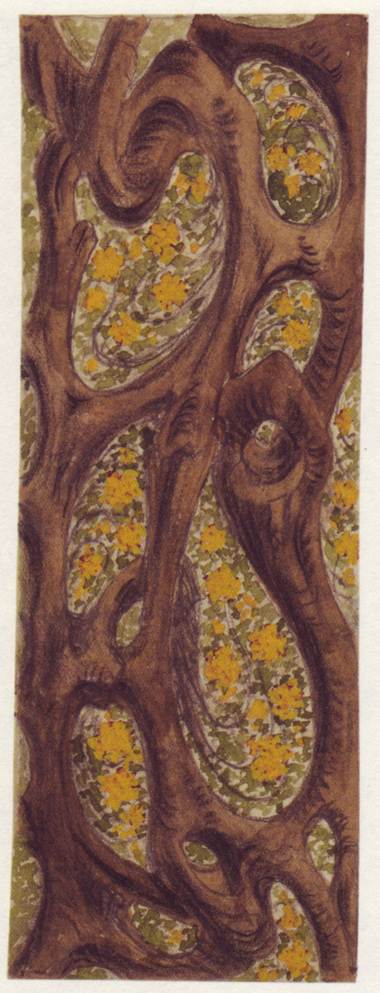
Hermann Obrist, Root-like ornament, ca. 1895 (pencil, watercolor, gouache)
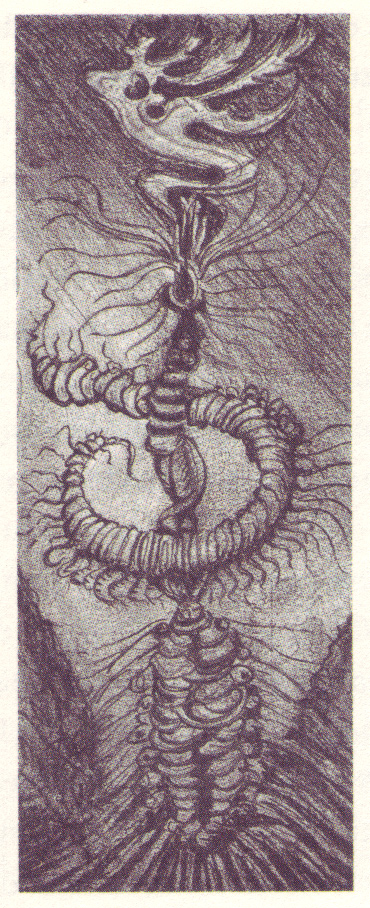
Hermann Obrist, Fire flower IV, 1899
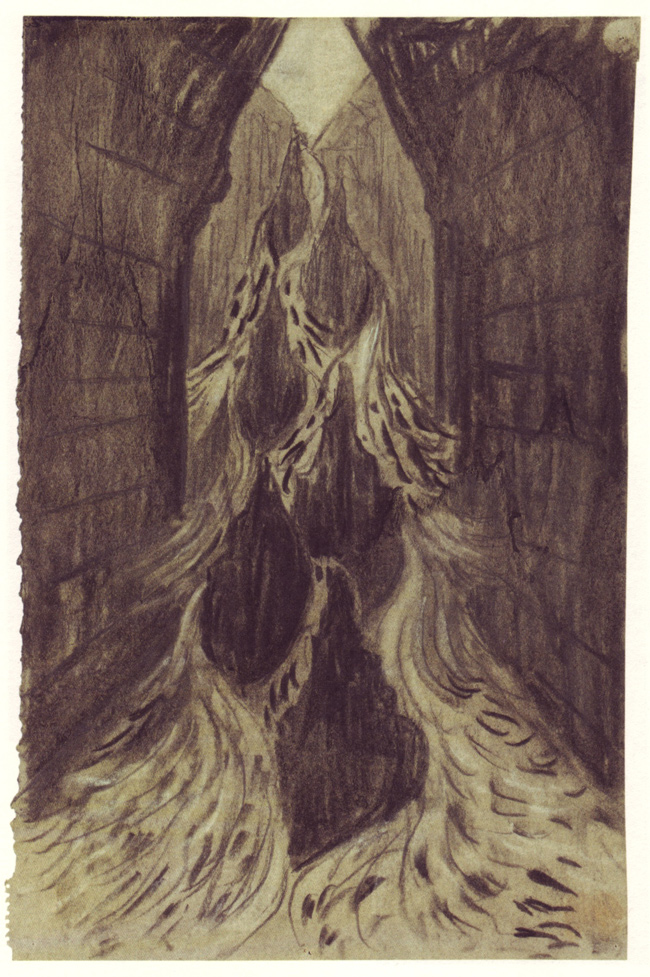
Hermann Obrist, Grotto with blazing river I, ca. 1900 (pencil, charcoal, white heightening on brown card)
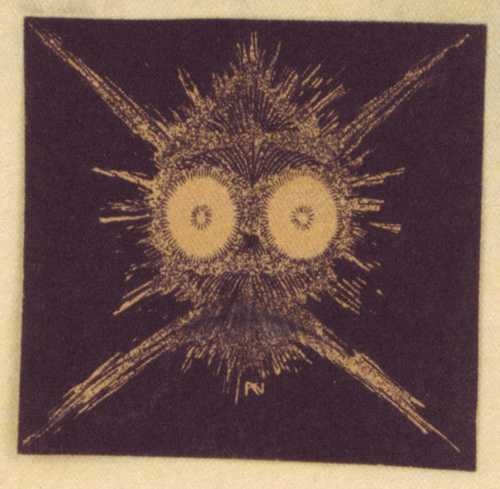
Hermann Obrist, Magic Flower (detail)
Publicity material for the book:
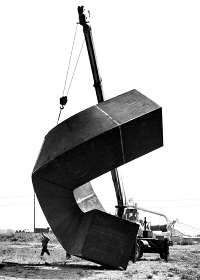
Art historians regard Hermann Obrist (1863–1927) as one of the most influential founders and visionaries of the art nouveau movement in Germany. His diverse oeuvre includes tapestries, ceramics, furniture designs, metal work, and sculptures including monuments and fountains. Hermann Obrist: Sculpture, Space, Abstraction around 1900 presents for the first time in English the entire scope of Obrist's work.
This vibrantly illustrated volume presents exemplary work from each period of Obrist's career. In addition to the illustrations, the book includes essays by expert critics who investigate Obrist's ideas and concepts, the inspirations for abstract designs that he derived from natural forms and phenomena, and his plans for tombs and monuments. Though many of Obrist's designs for fountains were unrealized and the majority of his tombs and monuments have been destroyed, this comprehensive volume documents the entire collection of plaster models and photographs for both unrealized and destroyed sculpture work.
Created to accompany exhibitions at the Museum Bellerive in Zurich and at the Pinakothek der Moderne in Munich, Hermann Obrist: Sculpture, Space, Abstraction around 1900 is an informative collection that will fascinate scholars and historians of the art nouveau movement.