
(Find me at Bookers Buzz Books.)
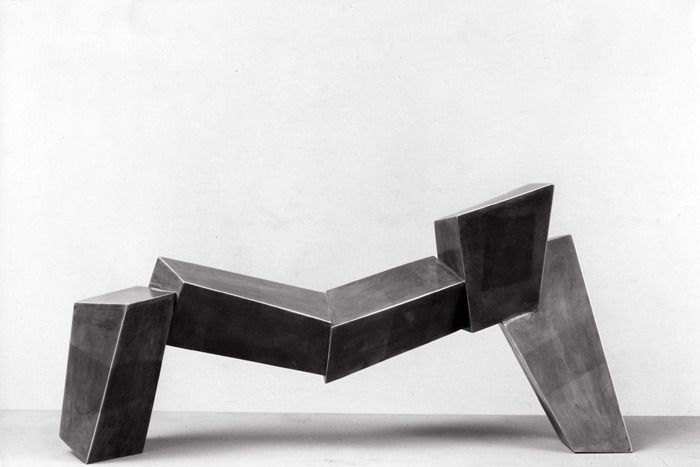
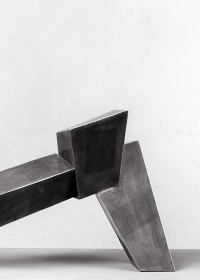
1A: Lippincott I maquette
A guest post by Jonathan D. Lippincott, author of LARGE SCALE: Fabricating Sculpture in the 1960s and 1970s. You can learn more about LARGE SCALE at www.largescalethebook.com.
As I was working on my book, I was struck by the work of several artists who were quite prolific, making excellent work that was included in major shows, acquired by museums and collectors, and very much part of the art world of the period. Some of these artists are less well known now, and one of my hopes for the book is to reintroduce these artists and encourage people to take another look at the work that they created.
One such artist is James Rosati. He was an established sculptor well before his work at Lippincott, Inc., and had created and shown work in bronze, marble, limestone, wood and plaster during the 1940s and 1950s. Don Lippincott first saw Rosati’s work at the Whitney Annual in 1966, during the time Don and Roxanne Everett, his business partner, were looking for artists to invite to create work at Lippincott Inc. Don and Roxanne got in touch with Rosati, and arranged to visit him at his studio near Astor Place to see more of his sculptures, and to discuss the work he hoped to make. The timing was perfect—during the previous five or six years, Rosati had been creating maquettes that he envisioned at large scale, but he was not able to fabricate these larger works on his own. This became a very productive and friendly working relationship, which continued until Rosati’s death in 1988.
Compared to his earlier work in other media, Rosati’s sculptures became much more geometric in the 1960s. These works were made up of elements that were rectilinear, but had no two lines or planes that were parallel. Because of the angles of the planes in these nonsymmetrical elements, the forms seem to advance or recede in space. This sense of movement was enhanced by the changing angle of sun light over the surfaces when the sculptures were sited outdoors (and also by the movement of the viewer around the piece).
The process of creating a large-scale sculpture was not one of simply enlarging the model. Using Rosati’s maquettes, the crew created templates for each element of the piece. These templates would be an exact tracing of each part of the maquette. After the templates were enlarged, Rosati would review them, and make adjustments for the large scale work. Artists were always encouraged to be directly involved in the process at every stage, to guide the work and make changes where necessary. Typically, an artist would review the progress of the sculpture several times during fabrication. The proximity to New York City allowed the artists to make day trips as often as they liked, and some would come for several days at a time while their sculptures were being fabricated.
In the catalog essay for a show at the Marlborough Gallery in 1984, Albert Elsen’s gloss on Rosati’s hopes for public art sums up the aspirations of much of the publicly sited work of the previous two decades. “Simply put, Rosati’s hopes for his public art are that it will be a positive presence in the community causing people to ‘stop, look, return, and enjoy.’ People are thereby confronted by something addressed not to their practical needs but their contemplative life: a poetic object in a prosaic environment.”
These photographs show five of Rosati’s maquettes from the 1960s, which were made into large-scale sculptures during his years working with Lippincott. To learn more about James Rosati, please visit
http://jamesrosati.org/index.html
http://www.jeraldmelberg.com/Artists/Gallery_Artists/Gallery_Artists_-_James_Rosati.aspx
(All artwork © Estate of James Rosati. Photographs of maquettes courtesy of Estate of James Rosati. Photographs of large scale works © Roxanne Everett/Lippincott’s LLC.)
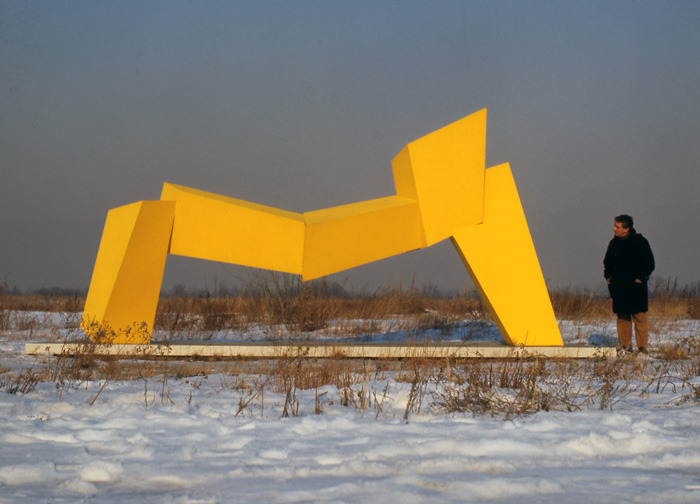
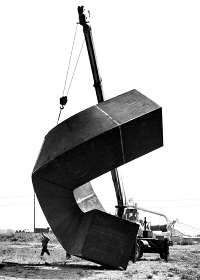
1B: James Rosati with Lippincott I, 1965–67, in the field at Lippincott, Inc.
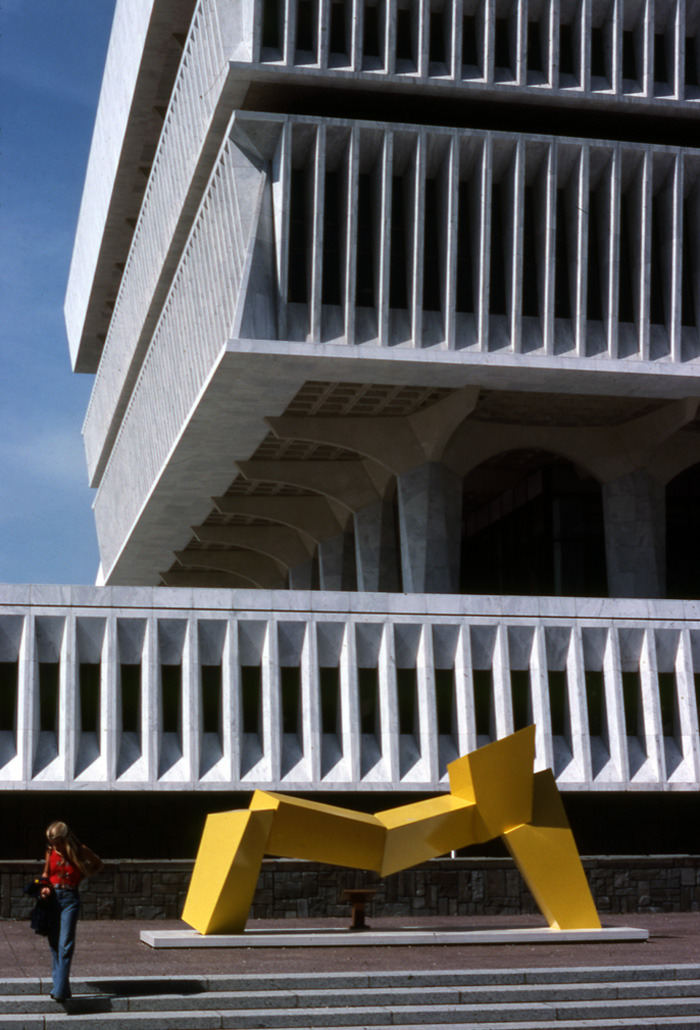
1C: Lippincott I installed at the Empire State Plaza Art Collection in Albany, NY
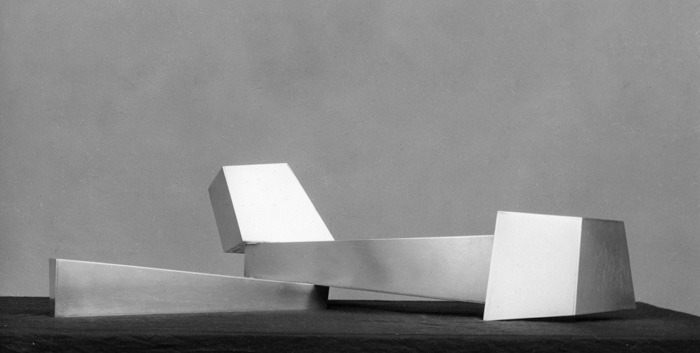
2A: Copper maquette for Shorepoints I
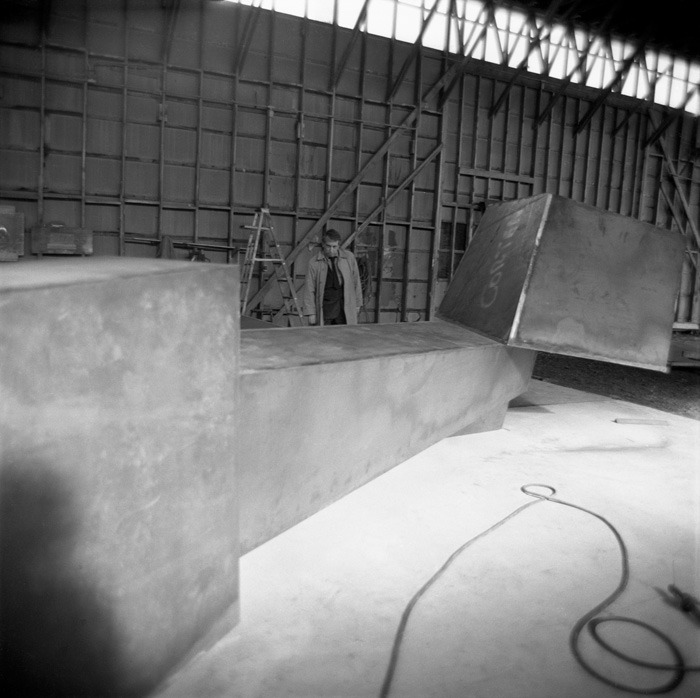
2B: James Rosati with Shorepoints I, 1966–1968, during fabrication at the Lippincott shop
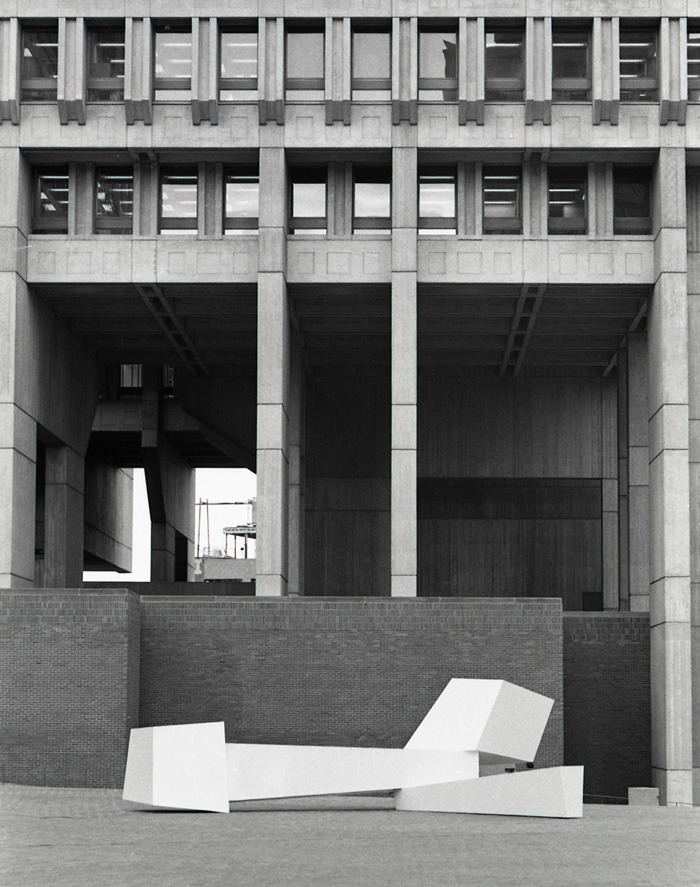
2C: Shorepoints I on display in City Hall Plaza in Boston for the show Monumental Sculpture for Public Spaces, in 1971.
Shorepoints I is now part of the collection of Grounds for Sculpture in Hamilton, NJ
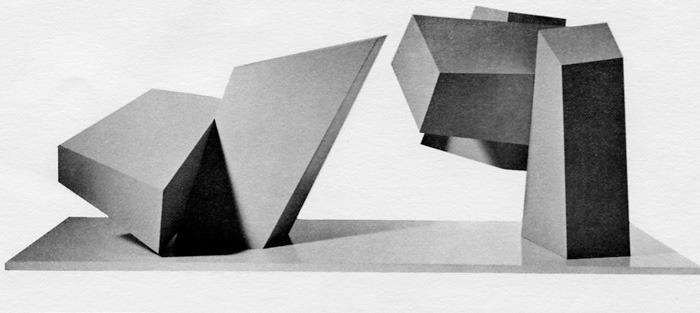
3A: Dialogue maquette
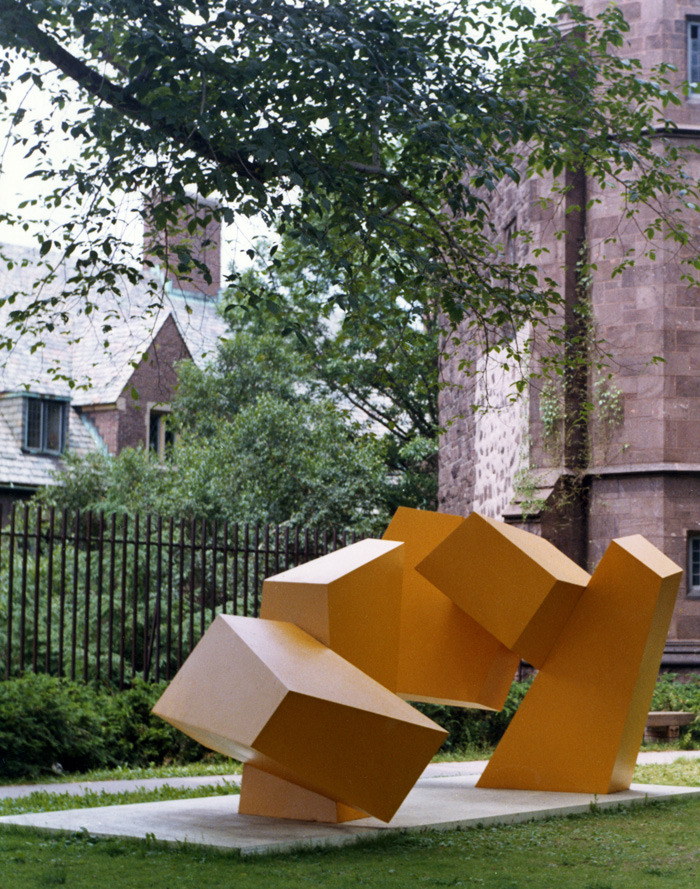
3B: Dialogue, 1969, installed at the Yale Art Gallery in New Haven, CT
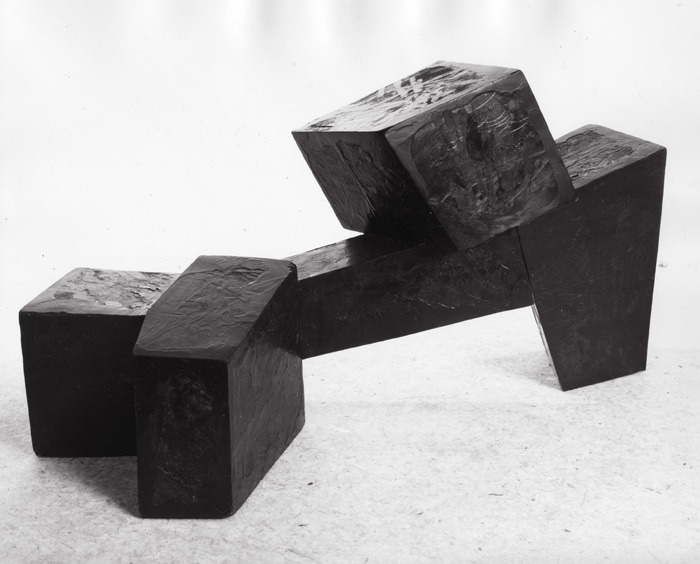
4A: Wax model for Pennine I. This was used for creating the bronze casting
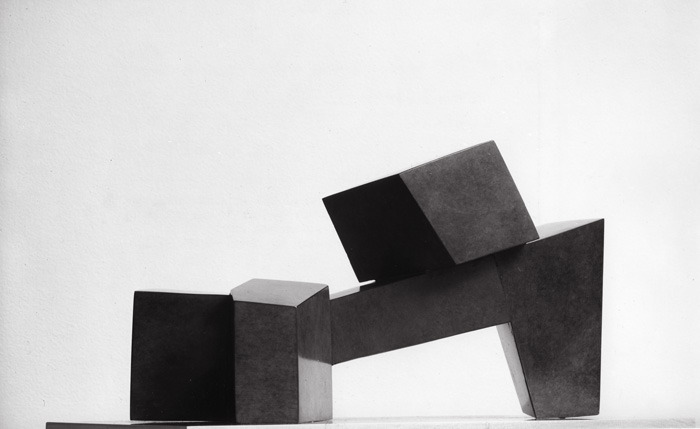
4B: Bronze maquette for Pennine I
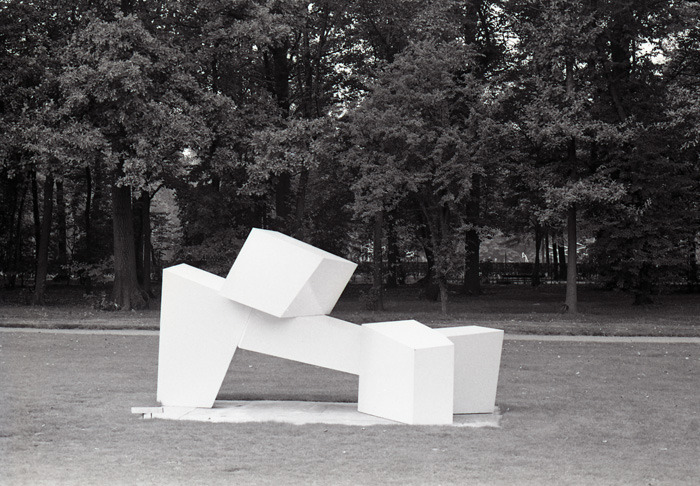
4C: View of Pennine I, 1971, on display at the Antwerp Biennial
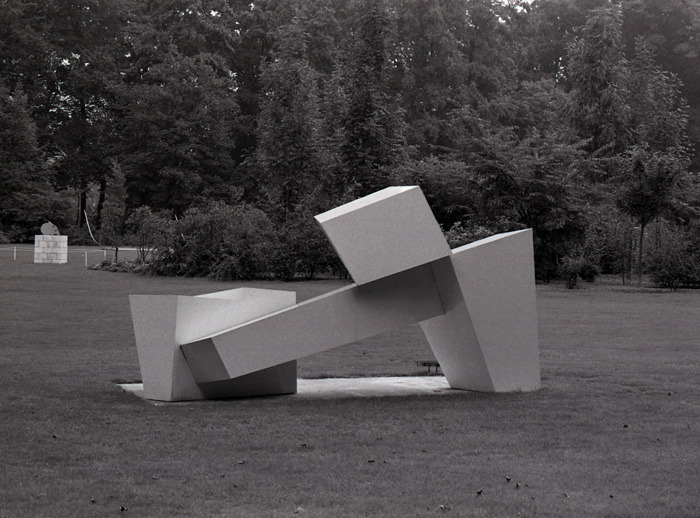
4D: View of Pennine I, 1971, on display at the Antwerp Biennial
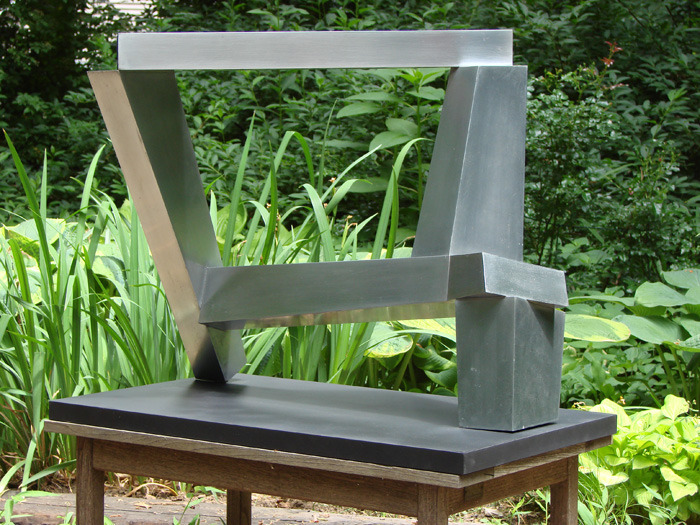
5A: Ideogram maquette
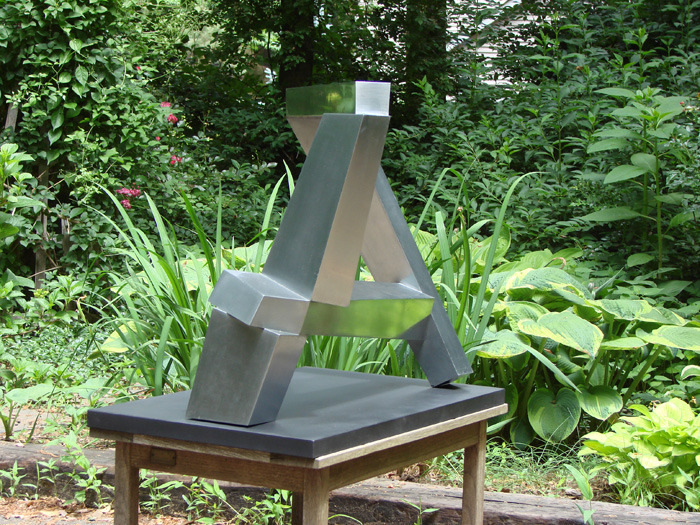
5B: Ideogram maquette
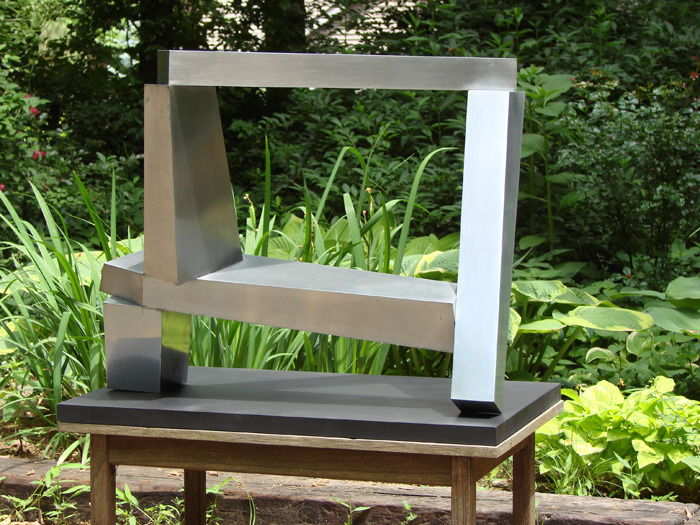
5C: Ideogram maquette
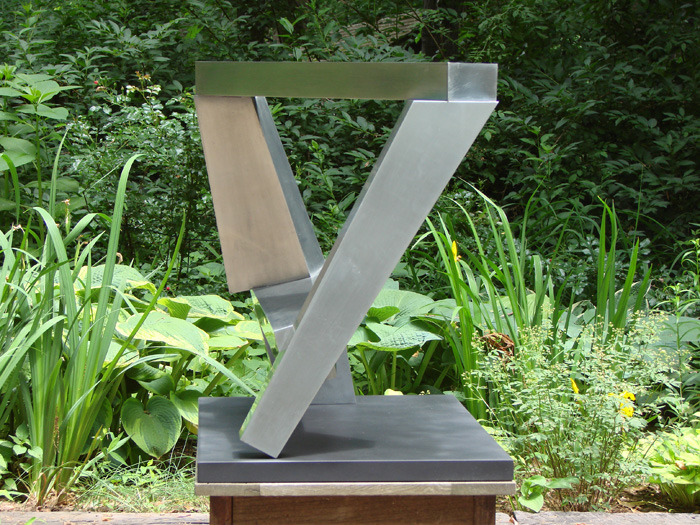
5D: Ideogram maquette
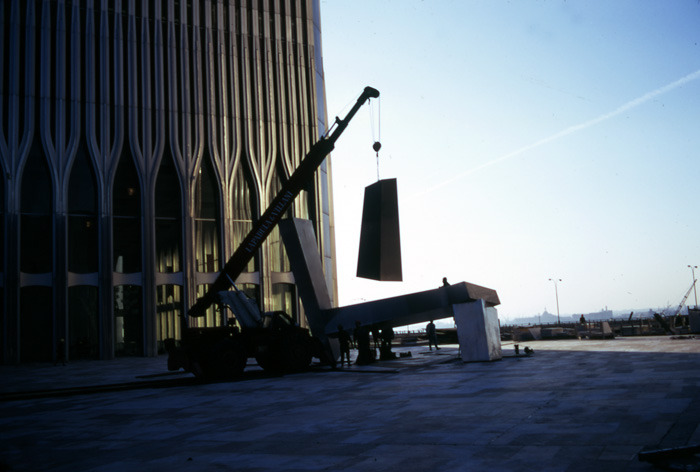
5E: Ideogram, 1972, during the installation at the World Trade Center in New York, NY
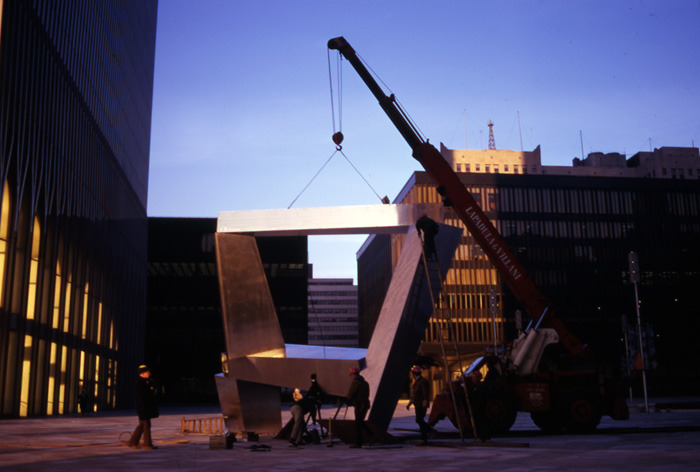
5F: Ideogram, 1972, during the installation at the World Trade Center in New York, NY
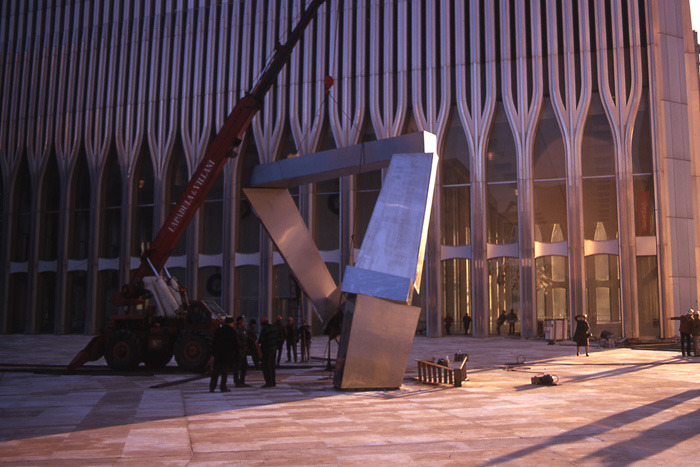
5G: Ideogram, 1972, during the installation at the World Trade Center in New York, NY
Previously:
Clement Meadmore's Awakening
A View During the Fabrication of the Head